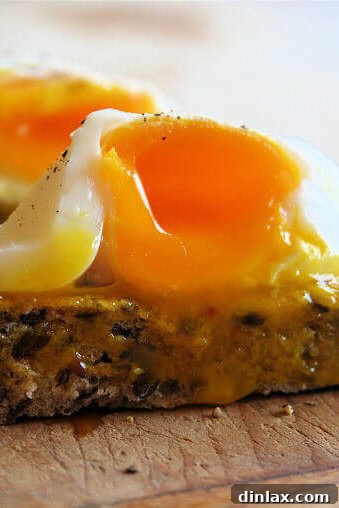
The Art of Gentle Cooking: Crafting Perfect Poached Eggs and Wholesome Flaxseed Bread
In the culinary world, some truths are universally acknowledged, and for me, one stands out above the rest: the profound impact of gentle cooking. Over the past few weeks, my kitchen has been a veritable egg laboratory, a place of delightful experimentation exploring various forms – from fluffy scrambled eggs to delicate poached masterpieces, and even ingenious baked creations nestled within tortilla shells. Through this delicious and ongoing exploration, a clear and undeniable pattern has emerged, revealing a fundamental principle that elevates ordinary ingredients to extraordinary delights: eggs, in particular, truly demand to be coddled. Pardon the playful pun, but what I mean is that no matter the preparation method – be it a quick scramble, a precise poach, or a slow bake – eggs genuinely shine when cooked with patience, slowly and over consistently low heat. As I’ve often remarked, when you begin with truly fresh, high-quality eggs, the canvas is already perfect, requiring only a touch of kosher salt, a dash of freshly ground black pepper, and perhaps a spirited splash of Tabasco for a vibrant finish, to bring out their inherent brilliance.
This philosophy of gentle cooking extends far beyond the obvious applications. While I haven’t yet put my theory to the definitive test with fried eggs, I am brimming with confidence that this measured method, which has consistently delivered superior results across other preparations, will not fail me. Imagine a fried egg with a perfectly set, tender white and a luxuriously runny, golden yolk, achieved not through aggressive, high-heat searing, but through a thoughtful, measured approach that respects the delicate nature of the egg. It’s a culinary pursuit I’m eager to undertake in the near future, promising yet another triumph for the gentle touch, and cementing the belief that patience is indeed a chef’s best ingredient.
The Unexpected Journey: My Flaxseed Bread Baking Odyssey
Beyond my recent egg-ventures, another culinary project has captured my imagination and, I confess, tested my resolve: the ambitious endeavor of baking a rustic, wholesome flaxseed bread from scratch. The initial inspiration for this particular project sprang from an unexpected yet highly engaging source – a fascinating book delving into the profound and multifaceted benefits of omega-3 fatty acids. Immersed in the science of healthy fats and their crucial role in well-being, I felt an undeniable urge to incorporate more flaxseed into my daily diet. And what better, more satisfying way to do so than through the comforting aroma and taste of freshly baked homemade bread?
I quickly scoured the vast expanse of the internet for a suitable recipe, eventually stumbling upon one that promised wholesome goodness and seemed perfectly aligned with my goals. The only minor hiccup I encountered? The quantities for the ingredients were listed exclusively in grams, a unit of measurement I wasn’t equipped to handle directly. With my trusty digital Salter scale currently in storage, I embarked on a meticulous conversion mission, transforming grams to ounces and then painstakingly translating those ounces into standard cup measurements. It was a small but crucial hurdle, one I was absolutely determined to overcome in my pursuit of this healthy and hearty loaf.
My initial attempt at bread baking, however, was, to put it mildly, less than stellar. Following the recipe’s detailed instructions, I diligently mixed all the ingredients together and briefly kneaded the dough, forming what I hoped was a promising, pliable ball. I then placed this dough carefully in a bowl, covering it, and leaving it to rise. Twenty-four hours later, my anticipation had unfortunately turned to significant dismay – the dough had not budged an inch. It sat there, a dense, inert, and utterly stubborn mass, stubbornly refusing to expand or show any signs of life. The thought of simply discarding my efforts, the ingredients, and the time I had invested was utterly unbearable. Determined not to surrender to this baking setback, I immediately hatched a comprehensive plan B.
With renewed hope and a dose of stubborn determination, I dissolved another packet of active dry yeast in some warm water, allowing it ample time to bloom and effectively verify its vitality. Once activated and frothy, I mixed this new, vibrant yeast solution with a fresh, carefully measured batch of white flour. With my new foundation ready, I painstakingly broke apart the hardened flaxseed “rock” from my first, failed attempt and meticulously integrated it into this new, living flour-water-yeast mixture. I then kneaded the resurrected dough for a full ten minutes, pouring all my resolve and effort into the process, before returning it to a clean bowl for what I fervently hoped would be a successful second chance at rising.
Another twenty-four hours passed, filled with a mixture of anxiety, cautious optimism, and nervous glances at the bowl. This time, to my immense relief, the dough had indeed shown a glimmer of progress, having made a modest, though not entirely robust, rise. Fearing it might collapse if left to its own devices any longer, I decided to seize the moment and committed it to the heat of the oven. The results, I must humbly admit, were far, far better than I had dared to expect, especially given the tumultuous and challenging journey the dough had endured. Crafted predominantly from hearty, fiber-rich whole wheat flour and generously studded with nutritious flax seeds, this bread possesses a wonderfully complex nutty flavor and a truly wholesome character. Its dense, satisfying texture and rich, earthy taste are a testament not only to the power of resilient yeast but also to sheer perseverance and the refusal to give up in the kitchen.
A Family Affair: Celebrating with Wholesome Flaxseed Bread
Just yesterday afternoon, this tenacious loaf, a true underdog story, took center stage at a heartwarming celebration for my Uncle Jerry’s birthday. Aunt Vicki, always the thoughtful and gracious hostess, skillfully sliced the bread, carefully toasted it to a perfect golden crisp, and served it with a delightful spread of rich butter and vibrant orange marmalade. It proved to be a surprisingly satisfying and hearty snack, its rustic charm and wholesome flavor hitting just the right note. Not to be outdone by its versatility, my cousin Jay, ever the culinary innovator, prepared a truly enticing avocado and turkey sandwich, making sure to slice the flax bread very thinly to perfectly complement the creamy avocado and savory turkey fillings. The bread, despite Uncle Jerry’s amusing yet accurate observation that it had the effect of feeling “like a steel glove in the stomach” (a playful, endearing nod to its substantial fiber content and satisfying density!), was an undeniable hit amongst the family. Its dense, nutritious profile and unique, earthy flavor clearly resonated with everyone, making it a memorable and much-appreciated part of our joyful family gathering.
Recipe: Achieving Perfect Poached Eggs Every Time
Mastering the art of poaching an egg can often seem like a delicate and daunting task, but with a few simple techniques and a commitment to a gentle approach, you can consistently achieve truly perfect results: delicate, tender whites encasing luscious, flowing, golden yolks. The fundamental key, as with all truly great egg dishes, lies in a patient, gentle approach and precise temperature control. Here’s a step-by-step guide to help you create those coveted, restaurant-quality poached eggs right in the comfort of your own kitchen, guaranteed to impress and satisfy.
Ingredients for Perfect Poached Eggs:
- A splash of distilled white vinegar (approximately one capful)
- Fresh large eggs, as many as your heart desires (aim for very fresh eggs for best results)
- Kosher salt, to taste
- Freshly ground black pepper, to taste
- Optional: A few drops of your favorite hot sauce, like Tabasco, for an extra zesty kick
Step-by-Step Instructions:
- Prepare Your Poaching Water: Select a small to medium-sized, shallow saucepan and fill it about two-thirds full with fresh water. Place the saucepan over high heat and bring the water to a full, rolling boil. Once it reaches a vigorous boil, immediately reduce the heat significantly to achieve a very gentle simmer. The water should barely be moving, with only a few tiny bubbles gently rising from the bottom of the pot. This gentle heat is absolutely crucial for preventing the eggs from breaking apart or cooking too aggressively, which can lead to tough whites.
- Add the Vinegar: Pour in approximately one capful of white vinegar into the simmering water. The acidity provided by the vinegar plays a vital role in helping the egg whites coagulate more quickly upon contact with the water. This rapid coagulation prevents them from spreading too widely in the pan, helping them to form a neat, compact, and aesthetically pleasing shape around the yolk. Rest assured, you will not detect any vinegary taste in the final, delicate poached egg.
- Crack the Eggs with Precision: Crack each individual egg, one at a time, into a small ramekin, a tiny bowl, or even a deep ladle. This preparatory step is vital for ensuring the yolk remains perfectly intact and allows for a gentle, highly controlled entry into the simmering water. It also conveniently allows you to easily spot and remove any frustrating stray bits of shell before poaching begins.
- Create a Gentle Whirlpool: Using the handle end of a wooden spoon or a whisk, gently but firmly swirl the water in the pot in a circular motion to create a mini whirlpool. This gentle centrifugal force is incredibly helpful in gathering the delicate egg white tightly around the yolk as it begins to cook, resulting in a beautifully spherical and compact poached egg.
- Gently Introduce the Egg: Carefully and gently drop the prepared egg from your ramekin or bowl directly into the very center of the swirling whirlpool. Immediately, ensure the heat is carefully adjusted to maintain that very gentle simmer – it is paramount to avoid a vigorous boil at all costs. If you are poaching multiple eggs, allow about 30 seconds to a minute between each addition, carefully repeating the swirling and dropping process. Be mindful not to overcrowd the pan, as this can lower the water temperature too much and cause eggs to stick together.
- Cook to Your Desired Perfection: Allow the eggs to cook undisturbed for approximately 2.5 to 3.5 minutes, depending entirely on your preferred yolk consistency. For a truly runny, liquid gold yolk, aim for closer to 2.5 minutes of cooking. For a slightly firmer but still wonderfully liquid yolk, lean towards 3 minutes. If you prefer a more set yolk, extend cooking time by another 30-60 seconds, but be careful not to overcook.
- Test for Doneness: To accurately check if an egg is done to your liking, carefully remove one from the water using a slotted spoon. Gently press the yolk with your finger or the back of the spoon. If it feels too soft and watery (indicating the white might not be fully set), gently return it to the water for an additional 30 seconds to a minute. The egg white should feel firm and set, while the yolk should still yield easily to a gentle touch, indicating its delightful runniness.
- Serve and Season with Flair: Once cooked to your absolute liking, carefully remove the eggs from the water using a slotted spoon. Gently dab the top of each egg briefly with a clean paper towel for just a moment to absorb any excess water. Serve immediately and without delay over your favorite toasted bread (sourdough is excellent!), a comforting bed of fresh greens, a creamy bowl of grits, or even elegantly atop avocado toast. Season generously with a sprinkle of kosher salt and a grind of freshly ground black pepper. For an extra layer of flavor and that perfect touch of morning heat, a few dashes of Tabasco sauce are highly recommended to awaken the palate.
Essential Tips for Consistent Poaching Success:
- Freshness is Paramount: The fresher your eggs, the better they will poach. Fresher eggs possess tighter, more cohesive whites that hold their shape beautifully during the poaching process, resulting in a cleaner, more attractive finish.
- Avoid Overcrowding the Pan: It’s crucial to poach eggs in manageable batches if necessary to maintain a consistent water temperature and prevent the delicate eggs from sticking to each other or breaking apart due to jostling.
- Master Your Timing: The exact cooking time will vary slightly depending on the size of your eggs (small vs. large) and your individual preference for yolk consistency. Don’t be afraid to experiment a little to find your perfect timing!
- Vinegar is a Helper, Not a Flavoring: While a little bit of vinegar is incredibly helpful for coagulation, using too much can impart an unwanted vinegary taste to your eggs. A single capful is typically the perfect amount for a small saucepan.
- Use the Right Tools: A slotted spoon for retrieving the eggs and a ramekin for cracking them individually will make the process significantly smoother and more successful.
Embracing the Wholesome Kitchen: A Journey of Discovery
From the delicate, almost meditative dance of poaching an egg to the resilient, triumphant rise of a homemade loaf of flaxseed bread, the journey in the kitchen is often one of continuous discovery, immense patience, and ultimately, profoundly satisfying rewards. These culinary experiences, whether simple or complex, serve as powerful reminders that sometimes, the simplest and most humble ingredients, when treated with thoughtful care, a little scientific understanding, and a generous dose of dedication, can yield the most extraordinary and satisfying results. Whether you’re gently coddling an egg for a perfect, protein-rich breakfast or embarking on a more ambitious baking adventure that might initially test your mettle, the kitchen offers boundless opportunities for creativity, wholesome nourishment, and personal growth.
I wholeheartedly encourage you to embrace these gentle cooking techniques and explore the exciting world of healthy baking endeavors. Not only will your taste buds undoubtedly thank you for the delicious results, but you’ll also find an immense sense of personal satisfaction and empowerment in creating truly delicious, wholesome, and nourishing food from scratch. May your kitchen be filled with the aromas of success and the joy of homemade goodness!