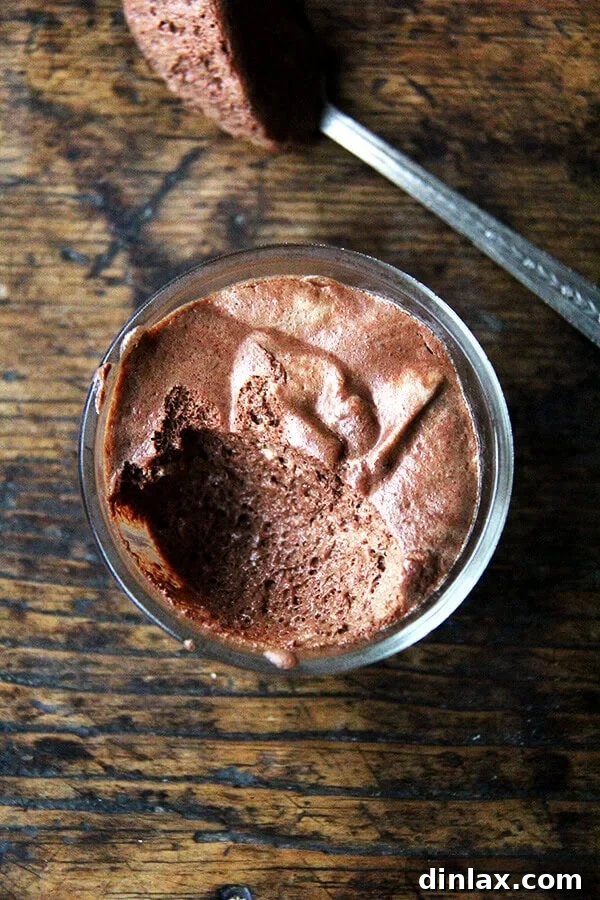
Have you ever encountered a culinary marvel that leaves you utterly speechless? If the answer is no, prepare to be amazed by the magic of aquafaba – the incredible liquid from cooked chickpeas, which, when whipped, transforms into something truly miraculous. This recipe for vegan chocolate mousse is not just a dessert; it’s an experience, showcasing the astonishing power of aquafaba. In a mere 15 minutes, you’ll witness humble chickpea water evolve into majestic, stiff, and glossy peaks, perfectly poised to be folded into the most decadent, yet surprisingly light, chocolate creation. We highly recommend pairing this whipped wonder with rich chocolate for a dessert that is exquisitely light, intensely flavorful, and deeply satisfying – a true revelation for your taste buds.
The journey to discovering this incredible vegan chocolate mousse began, as many great culinary adventures do, through a friend’s necessity. My French Canadian neighbor, Isabelle, a seasoned nurturer of babies with various food intolerances, found herself navigating a new dietary challenge. Her youngest, a charming 6-month-old with the most irresistibly squeezable thighs, a delightful tuft of dark curly hair giving way to adorable baldness, and cheeks as round as grapefruits, was dictating a temporary hiatus from dairy and eggs in her diet. What a little rascal indeed! (Though, I must emphatically add, the most utterly adorable rascal one could imagine.)
One sunny afternoon, Isabelle shared a surprising revelation with me. Despite her dietary restrictions, she could still indulge in one of life’s greatest pleasures: chocolate mousse. The catch? It had to be made with chickpea water. My initial reaction was a mixture of disbelief and utter bewilderment. Chickpea water? Surely, that couldn’t be right. But then, her husband, Francois, chimed in with enthusiastic assurance: “It’s really good,” he confirmed, a sparkle in his eye.
Naturally, my curiosity was piqued beyond measure. I immediately requested the recipe, a simple act that would forever change my perspective on plant-based desserts. I made it that very day, and the rest of the evening was spent in a state of pure awe, marveling at the sheer miracle that is whipped aquafaba. This fascinating ingredient, a portmanteau of the Latin words for water and bean, was brilliantly coined by an Indiana software engineer, giving a proper name to what many considered a humble waste product. It’s a testament to human ingenuity and the endless possibilities found in our kitchens.
The transformation is nothing short of magical. With approximately 10 to 15 minutes of vigorous beating – a process easily accomplished with a stand mixer – chickpea water miraculously triples in volume, achieving a consistency strikingly similar to stiffly whipped egg whites. This incredible viscosity and aeration open up a world of culinary possibilities. Aquafaba can be baked into delicate meringues, whipped into creamy mayonnaise, or, as demonstrated in this divine recipe, gently folded into a luscious blend of melted chocolate and almond milk to create the lightest, most ethereal chocolate mousse imaginable. As Francois aptly noted, it’s not just a vegan alternative; it’s genuinely delicious. What’s more, this aquafaba chocolate mousse comes together with remarkable speed, far quicker than any traditional mousse I’ve ever prepared.
Before diving into a second batch, I delved into online research, and to my astonishment, discovered I had stumbled late upon an ongoing aquafaba craze. This culinary phenomenon, seemingly initiated by two innovative French cooks, had rapidly been popularized by forward-thinking chefs, vibrant Facebook groups dedicated to vegan meringues, and major food websites such as The Kitchn, Slate, and Food52. The world, it seemed, was already buzzing with excitement over this unassuming ingredient, and I was thrilled to join the ranks of its admirers.
I confess, I had never given much thought to chickpea cooking liquid, typically considering it a “waste” product. My pantry rarely stocked canned chickpeas, as I preferred the process of cooking dried chickpeas from scratch. This exciting new discovery, while thrilling, brought forth a pressing question: Knowing the incredible potential of canned aquafaba, would I now have to abandon my cherished tradition of cooking chickpeas from scratch? Or, perhaps, could homemade aquafaba yield equally beautiful, stiff peaks? The prospect of creating a truly zero-waste, homemade version of this culinary wonder was too enticing to ignore.
Determined to find an answer, I embarked on a culinary experiment. I meticulously soaked my dried chickpeas overnight, just as I always would. The following morning, I transferred them, along with their soaking liquid, to a pot, adding a touch more water to ensure they were fully submerged. Crucially, for this experiment, I cooked them without any seasonings – not even a pinch of salt – until they reached perfect tenderness, about an hour of gentle simmering. Once cooked, I stored the chickpeas in their own cooking liquid in the refrigerator for several days. My hypothesis was that a longer period of “togetherness” might enhance the emulsifying and foaming properties of my homemade aquafaba, resulting in a more stable and robust whip.
The moment of truth arrived as I poured the cooled chickpea cooking liquid into my stand mixer. Crossing my fingers with hopeful anticipation, I watched intently as the mixer whirred to life. The liquid began its captivating transformation: first, into a delicate froth, then a soft foam, and then, almost miraculously, it swelled and stiffened into glorious, glossy peaks. Success! My homemade aquafaba was a triumph, proving that the magic wasn’t confined to canned varieties. This opened up even more possibilities for sustainable, delicious cooking.
My next culinary explorations will undoubtedly involve refining the homemade aquafaba process even further. I plan to experiment with brining the beans and cooking them with my usual aromatic companions – salt, thyme, onions, and garlic – as I typically do for other bean dishes. Who knows what delightful creations await? Perhaps a savory aquafaba mousse is on the horizon, or an ethereal eggless soufflé? The possibilities are boundless, and I promise to keep you updated on my continued adventures with this versatile ingredient.
As this delightful culinary journey unfolds, I wish you all a truly wonderful weekend. May it be filled with delicious discoveries, whether that takes you to the unparalleled delight of aquafaba chocolate mousse or inspires you to explore new and exciting gastronomic horizons. Enjoy the magic!
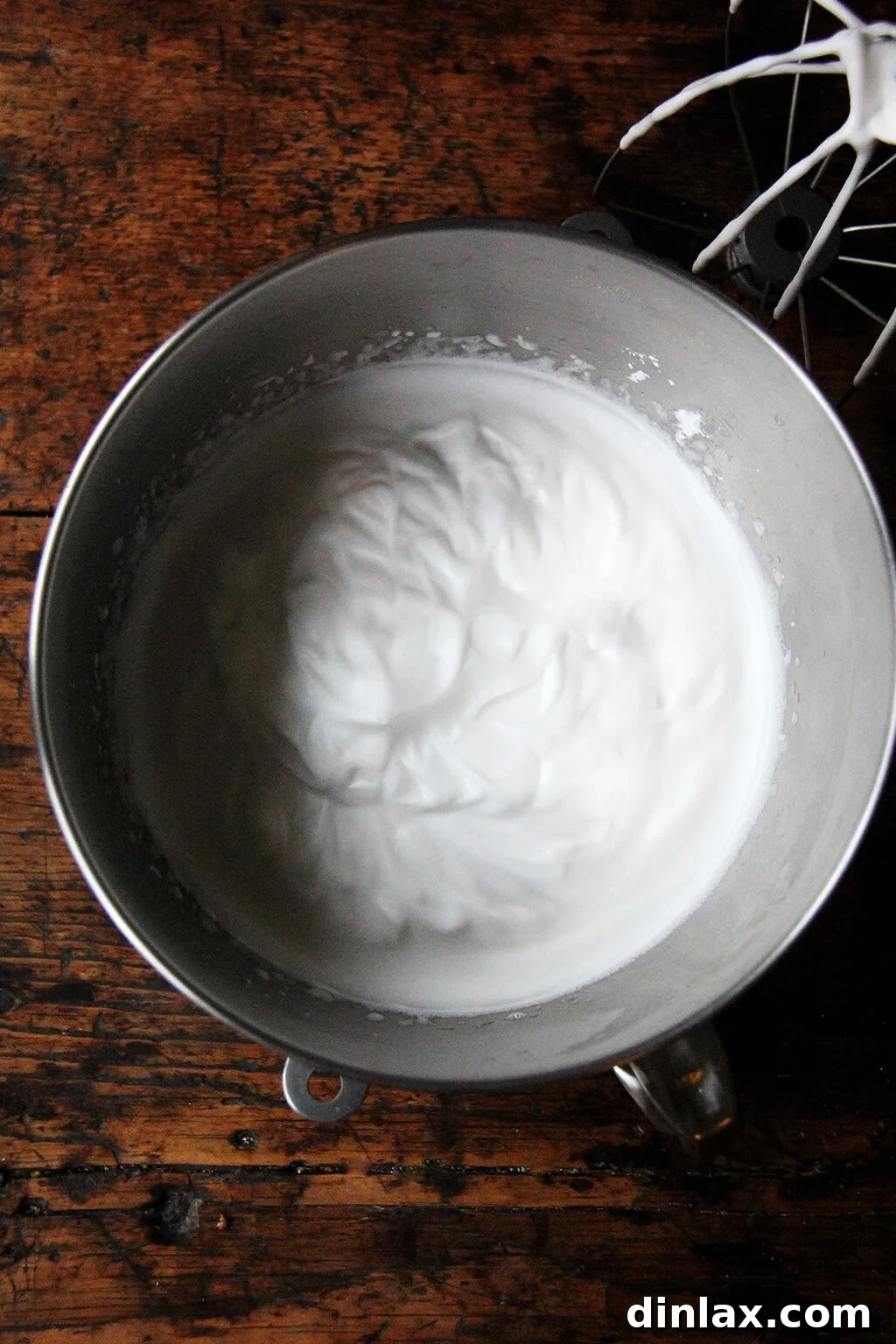
Whipped aquafaba:
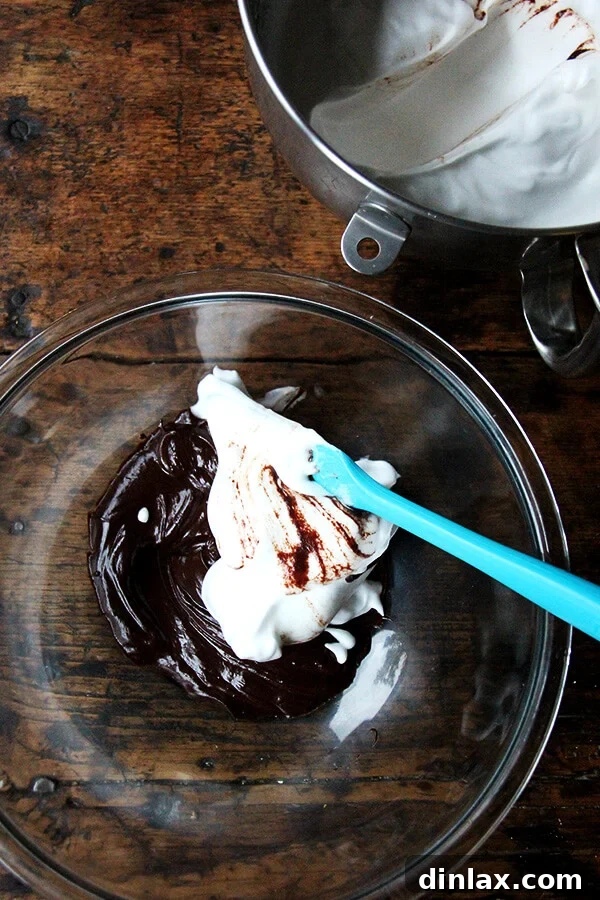
Gently folding the whipped aquafaba into the chocolate mixture:
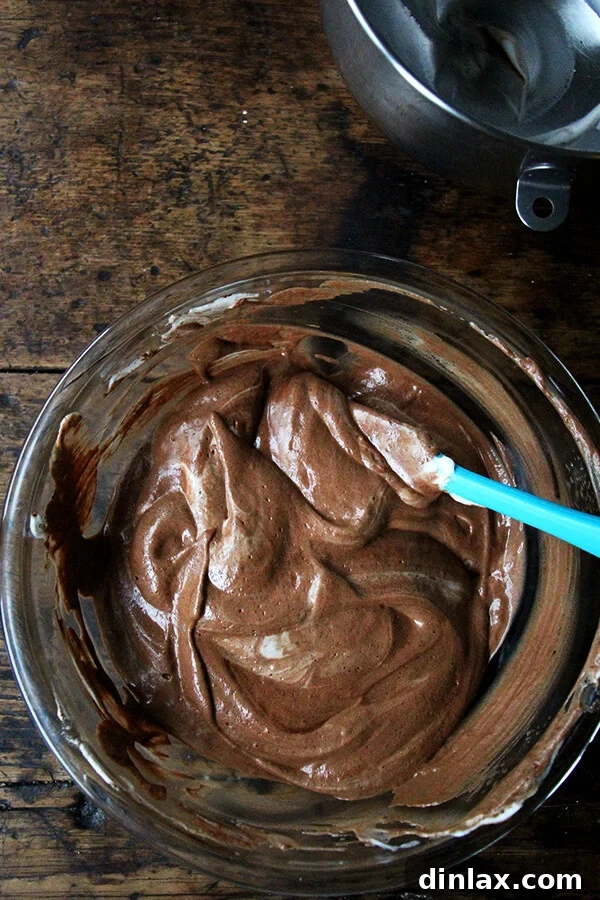
All folded in:
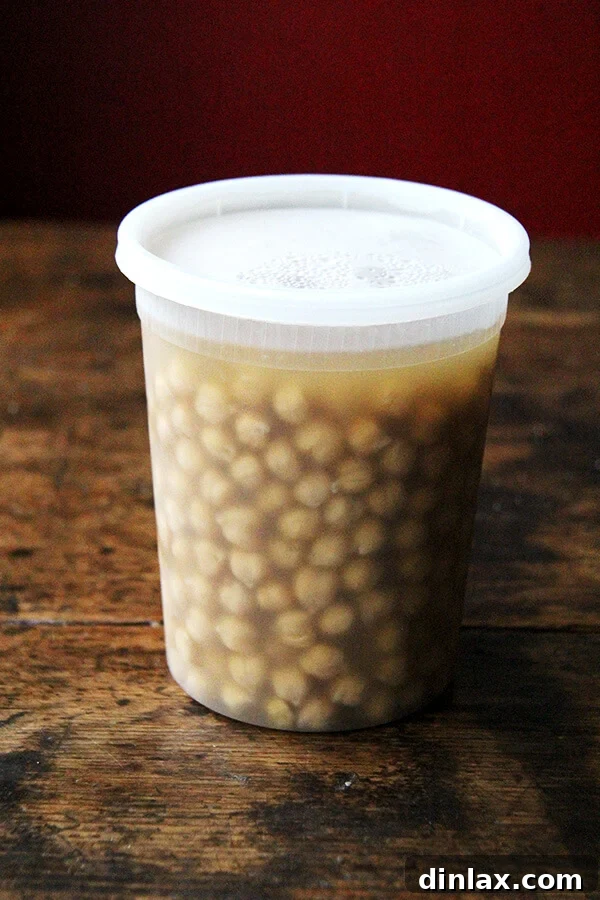
Chickpeas cooked from scratch:
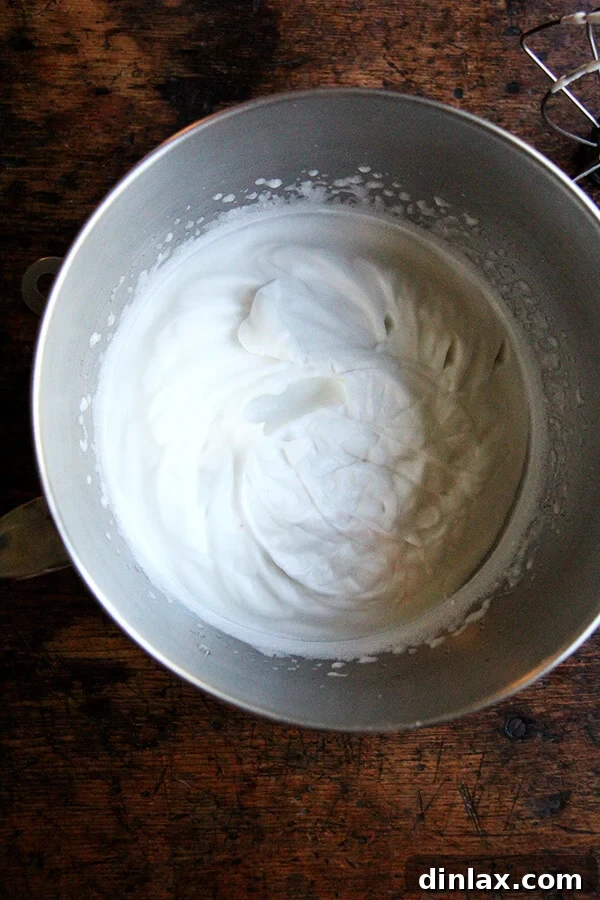
This is the whipped aquafaba made from cooked-from-scratch chickpeas:
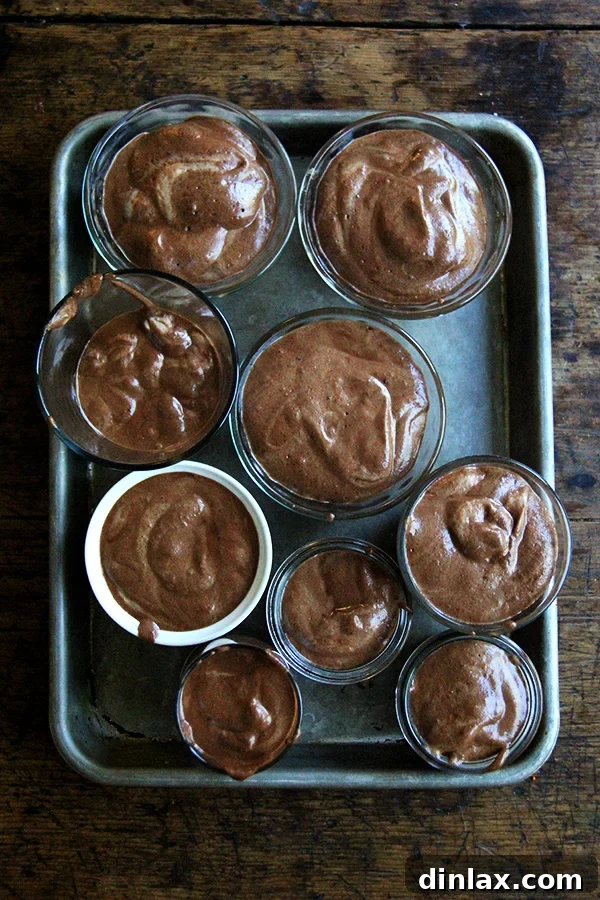
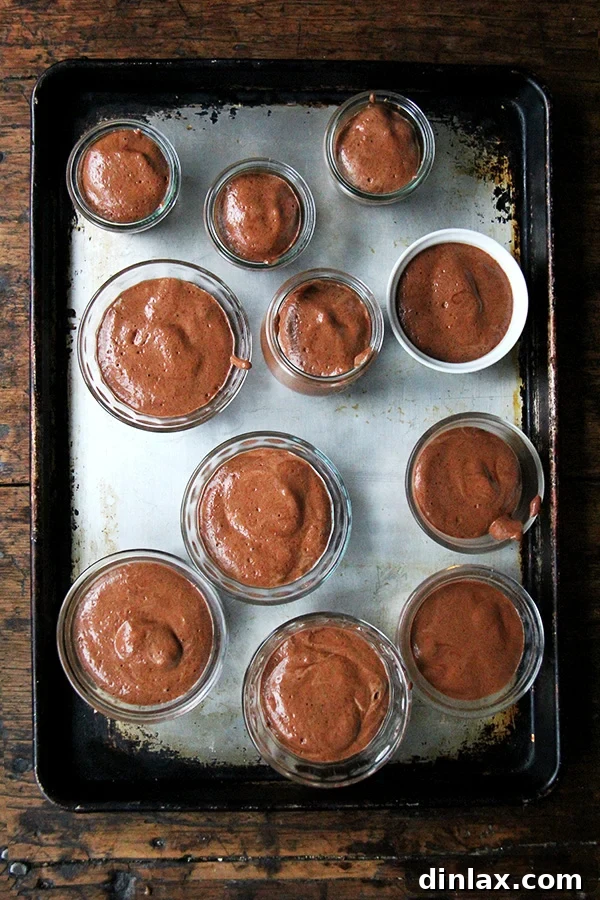
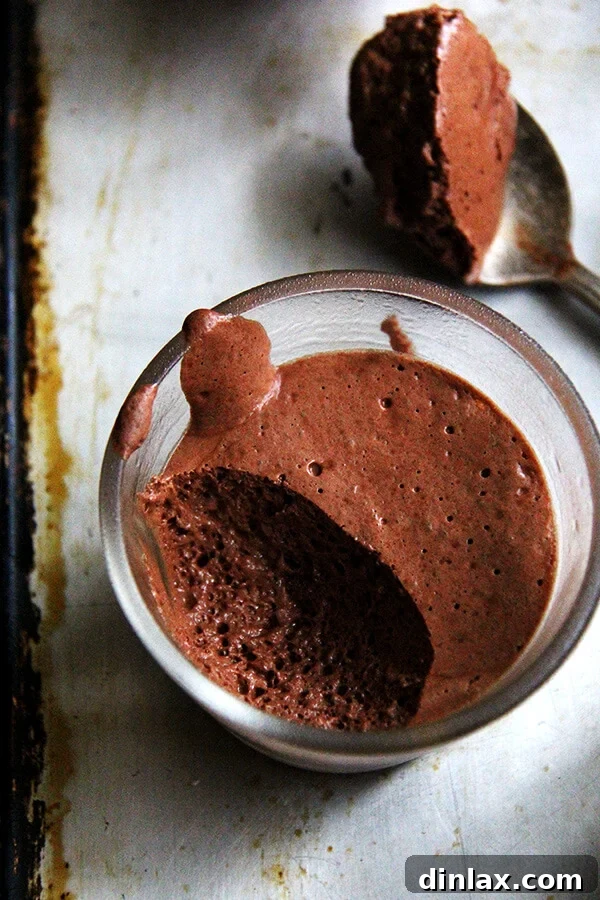
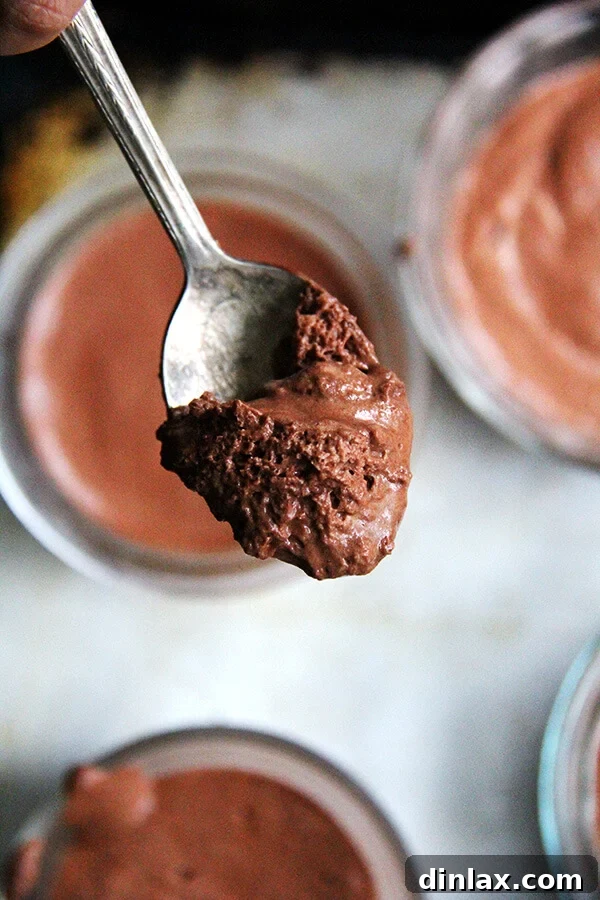
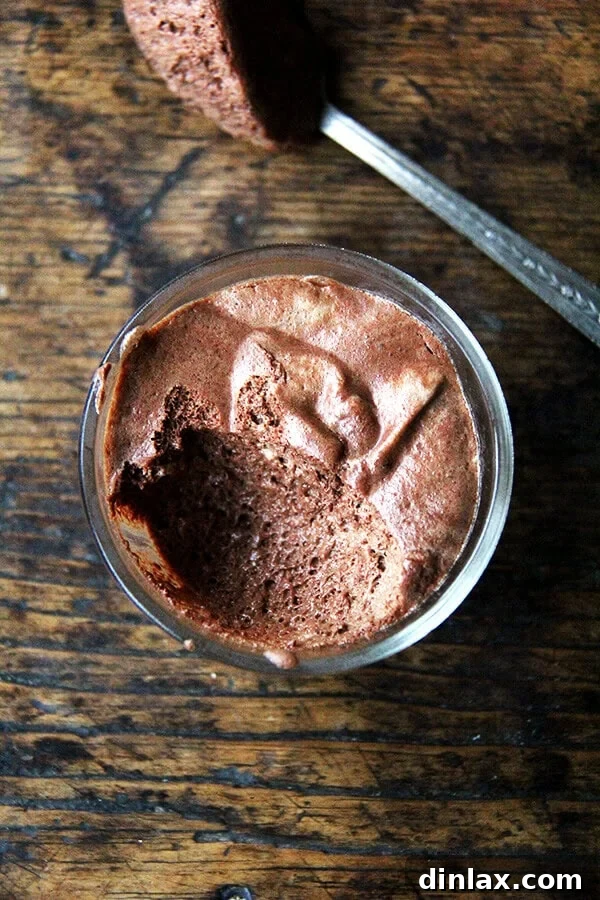
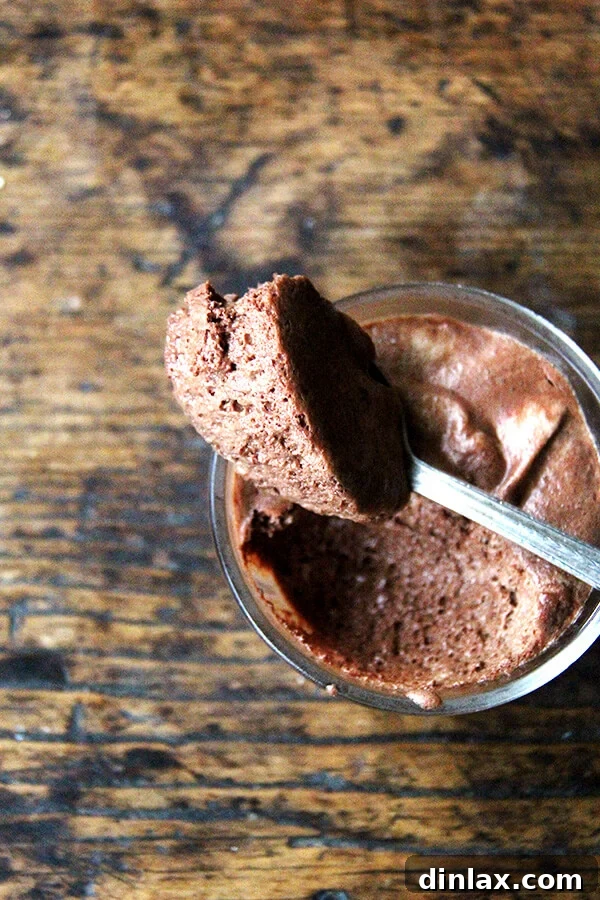
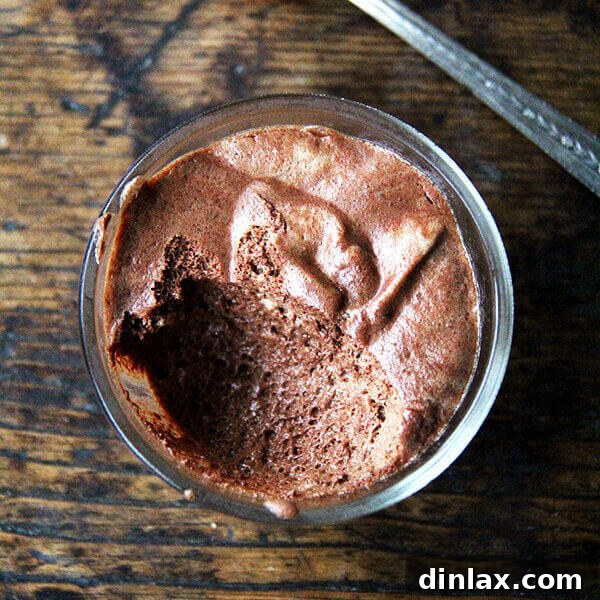
And the homemade aquafaba chocolate mousse:
Print Recipe
Vegan Chocolate Mousse with Aquafaba and Almond Milk
5 from 12 reviews
- Author: Alexandra Stafford
- Total Time: 1 hour 20 minutes
- Yield: 8 to 10 servings
Description
This recipe stands as one of the most intriguing and rewarding culinary experiments I’ve ever undertaken. The transformation of humble chickpea water into a light, airy base for mousse after just 10-15 minutes of whipping is truly astounding. Rest assured, I wouldn’t be sharing this remarkable technique if the end result wasn’t absolutely delicious. This vegan chocolate mousse is incredibly flavorful, wonderfully light, and profoundly satisfying – truly a small miracle in a bowl.
Helpful Notes for Success:
- Homemade Aquafaba Preparation: When you’re making chickpeas from scratch specifically for aquafaba, there’s a slightly different method than typical savory cooking. Avoid brining or adding seasonings during the cooking process. Instead, soak your chickpeas overnight, then transfer them to a pot with their soaking liquid, adding a little extra water to ensure they are covered by an inch or so. Simmer the chickpeas gently until they are thoroughly cooked, which usually takes about an hour. Do not add any salt or flavorings. Once cooked, allow the chickpeas to cool completely in their cooking liquid. Store them, still in their liquid, in the refrigerator for at least 2 days before draining. This resting period helps to concentrate the starches and proteins in the liquid, enhancing its whipping capabilities. You’ll need approximately a scant cup (200 ml) of this homemade aquafaba for the recipe.
- Milk Alternatives: While this recipe is designed to be vegan and uses almond milk, you have flexibility here. If you’re not strictly adhering to a vegan diet, feel free to use any type of milk you prefer. For the best vegan result, I often recommend a high-quality almond milk like Califia Farms, or a rich oat milk such as Oatly, both of which contribute a lovely creaminess without overpowering the chocolate flavor.
- Chocolate and Sugar Ratio: The balance between the sweetness of the confectioners’ sugar and the intensity of the dark chocolate is crucial for this mousse. I highly recommend making this recipe once to gauge your personal preference for this ratio. The ideal balance will largely depend on the specific cacao percentage and sweetness level of the chocolate you choose. I’ve successfully used a variety of dark chocolates ranging from 62% to 70% cacao. In a recent batch, I incorporated a part of a Scharffen Berger bar infused with cacao nibs, which added a delightful, subtle texture that elevated the mousse beautifully. Feel free to experiment with your favorite dark chocolate, adjusting the sugar to taste.
Ingredients
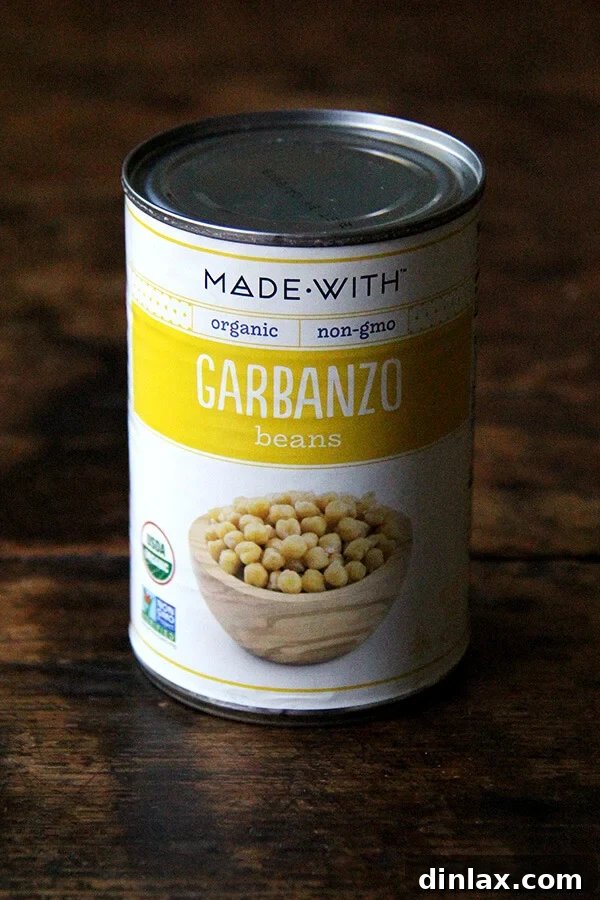
- A scant cup (200 ml) chickpea water, drained from one 15-oz can (unsalted chickpeas are best) or measured from your own cooked chickpeas (see notes above for homemade aquafaba preparation).
- 1/4 teaspoon cream of tartar
- 1/4 teaspoon salt
- 1/4 cup (36 g) confectioners sugar
- 200 g (7 oz.) dark chocolate (preferably 62% to 70% cacao for rich flavor)
- 1/3 cup (75 ml) almond milk, oat milk, or any milk you like
- Chocolate for shaving over top, optional, but highly recommended for garnish
Instructions
- Whip the Aquafaba: In the clean, dry bowl of a stand mixer fitted with the whisk attachment, combine the chickpea water, cream of tartar (which helps stabilize the foam), salt, and confectioners’ sugar. Begin beating on medium-high speed. Continue to beat for 10 to 15 minutes, or until the liquid has tripled in volume and forms very stiff, glossy peaks. The mixture should resemble perfectly whipped meringue. Refer to the photos and video provided above for visual guidance on the desired consistency.
- Melt the Chocolate Mixture: While the aquafaba is whipping, prepare your chocolate base. Melt the dark chocolate and almond milk together using either a double boiler over gently simmering water or in the microwave. If using the microwave, heat in 30-second intervals, stirring thoroughly after each interval, until the chocolate is completely melted and smooth. Once melted, stir the mixture until fully combined and transfer it to a large mixing bowl. It’s perfectly fine for the chocolate mixture to be slightly warm, but ensure it is not hot, as excessive heat could deflate the aquafaba.
- Fold and Chill: With great care and delicacy, fold the whipped aquafaba into the melted chocolate-almond milk mixture in several batches. The goal is to incorporate the aquafaba without losing too much of its precious airiness. Use a spatula to gently fold from the bottom up, maintaining the light, fluffy texture. Once fully combined, spoon or pipe the chocolate mousse into small, elegant serving vessels or ramekins. Transfer these to the refrigerator and allow the mousse to set for a minimum of 2 hours. This chilling period is crucial for the mousse to achieve its desired firm yet airy texture. Store any leftover mousse in the fridge.
- Garnish and Serve: Just before serving, if you desire an extra touch of decadence and visual appeal, shave some additional dark chocolate over the top of each mousse. This simple garnish adds both flavor and an appealing aesthetic. Enjoy this delightful vegan chocolate mousse!
- Prep Time: 15 minutes
- Cook Time: 5 minutes
- Category: Dessert
- Method: No-bake
- Cuisine: American, French