
Indulge in a truly remarkable breakfast experience with these Homemade Ricotta Cheese Danishes, inspired by a cherished Nigella Lawson recipe. Crafted with a revolutionary food processor dough and a bright, lemon zest-scented ricotta cheese filling, these danishes are a testament to gourmet baking made accessible. The food processor streamlines the pastry preparation, allowing the dough to come together in mere seconds, yielding a remarkably flaky and buttery texture. Paired with the tangy, creamy ricotta, each bite is a symphony of flavors and textures, consistently delivering one of the most exquisite breakfast pastries to emerge from any kitchen. Prepare to elevate your morning routine with a treat that is undeniably restaurant-worthy.

The Culinary Conundrum: The Dreaded “Refrigerate Overnight”
There’s a particular phrase in recipes that can instantly deflate the enthusiasm of even the most dedicated home baker: “refrigerate overnight.” It’s often sprung upon you unexpectedly, a sudden speed bump on the path to culinary satisfaction. You envision a delightful morning, fresh-baked pastries gracing your table, only to be met with the abrupt realization that your dream breakfast is a day away. The anticipation, the planning, the craving – all put on hold. This common instruction, while essential for many traditional pastry methods, can feel like a cruel trick for those seeking a quicker path to deliciousness. What if you could achieve that same exquisite flakiness and rich flavor without the lengthy wait?
A Special Occasion Calls for Special Pastries: Nigella Lawson’s Inspiration
A few weeks ago, I found myself in just such a predicament. My dear Auntie was due to arrive in the early afternoon, making a special trip to help with the children. I wanted to extend a warm, delicious welcome, something truly memorable. The night before, I had stumbled upon Nigella Lawson’s cheese Danishes in her iconic cookbook, How to Be a Domestic Goddess. This recipe immediately stood out as ideal for several compelling reasons.
Firstly, the promise of a food processor pastry dough was incredibly enticing, suggesting a significant reduction in effort and time. Secondly, the filling featured a delightful combination of lemon zest and creamy ricotta cheese – two of my Auntie’s absolute favorite ingredients, ensuring these treats would be a personalized delight. Finally, Nigella herself declared these cheese Danishes to be her all-time favorite, a personal endorsement that practically guarantees culinary success. It was the introduction to the recipe that truly captured my imagination.
The Food Processor Revolution: Authenticity Meets Efficiency
Nigella Lawson eloquently describes the technique of creating this specific type of pastry dough using a food processor as nothing short of revolutionary. This isn’t merely about speed; it’s about achieving genuine authenticity. The dough comes together in mere seconds, transforming a traditionally laborious process into an effortlessly quick one. Yet, this speed doesn’t compromise the integrity of the Danish pastry; instead, it yields a result that is remarkably flaky, buttery, and utterly delicious.
To further underscore the brilliance of this method, Nigella includes an encouraging note from Beatrice Ojakangas, the renowned Scandinavian chef who pioneered this food processor technique, as conveyed through Dorie Greenspan: “Don’t think you’re cheating by taking the fast track — this is how it’s done these days all over Denmark.” This endorsement removes any lingering guilt about taking a shortcut, assuring bakers that this modern approach delivers traditional results. The idea of a “fast track” recipe, however, quickly clashed with the discovery of the dreaded “refrigerate overnight” instruction. A valuable lesson learned: even the most innovative recipes can have their traditional requirements, especially when aiming for pastry perfection. Or do they?
The Domestic Goddess Challenge: A Race Against Time
With Auntie’s arrival set for 2 PM, I found myself contemplating the possibility of compressing the extensive rest period. Could the true spirit of a domestic goddess lie in mastering croissant-style pastries in a fraction of the usual time? I decided to embark on a culinary experiment, making a few strategic adjustments to Nigella’s original instructions. My first modification involved giving the yeast a kickstart. Instead of simply processing it with the dry ingredients, I opted to “bloom” it, combining it with warm water, milk, and a touch of sugar. This would ensure the yeast was active and ready to work its magic more quickly.
The overnight refrigeration, a cornerstone of traditional Danish pastry, also had to be dramatically condensed to a mere two hours, pushing the boundaries of what was typically recommended. Furthermore, a subsequent 30-minute chill period, typically an integral part of the process, would be entirely omitted. Most crucially, I committed to maintaining the calm disposition of a true domestic goddess, vowing not to succumb to frustration if the pastry didn’t behave, bake, or taste exactly as hoped. My composure, above all, had to be preserved.
A Flaky Triumph: Delivering Perfection on Schedule
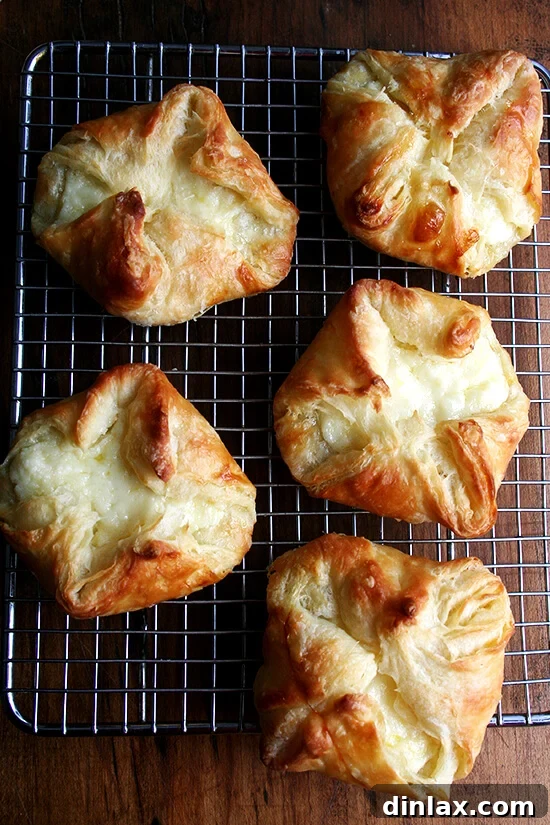
The suspense built as Auntie called, announcing she was passing IKEA – a mere 20 minutes from my doorstep. With a surge of adrenaline, I carefully placed the trays of Danishes into the preheated oven. Just as Auntie stepped through my door, filling the kitchen with her welcoming presence, I pulled out a tray of absolute perfection. Before me lay beautifully golden, feather-light, lemon-ricotta filled, flaky parcels. Each Danish was a testament to the success of my time-compressed efforts, radiating warmth and an irresistible aroma.
In truth, of all the ambitious baking projects I’ve undertaken over the years, striving to transform my home kitchen into a beloved cafe, none has been more resoundingly successful than this food processor Danish pastry. The experience was akin to dining at renowned establishments like 18th and Guerrero or 23rd and Lombard, or any high-end patisserie you could imagine. These Danishes were truly spectacular, a glorious fusion of effort and deliciousness.
Embracing the Best of Both Worlds: The Make-Ahead Advantage
While the rushed method proved successful, offering a thrilling race against the clock, I wouldn’t necessarily advise it for regular, stress-free baking. The true beauty and elegance of this recipe lie in its inherent flexibility and forgiveness. What’s truly wonderful about this Danish dough is that it can, in fact, be refrigerated overnight – and even for as long as four days!
This remarkable characteristic transforms the entire baking experience. Imagine making the dough today or tomorrow, then effortlessly assembling and baking fresh cheese Danishes for a delightful Saturday or Sunday morning, or even both. It’s a game-changer for meal planning and enjoying leisurely weekend breakfasts without the rush. The ability to prepare ahead allows for a calmer, more enjoyable baking process, giving you the gift of time and reducing morning stress. One day, I too will fully embrace the art of planning ahead and meticulously reading instructions from the start. Until then, I’ll savor the delicious lessons learned.
Step-by-Step Visual Guide: Crafting Your Own Ricotta Cheese Danishes

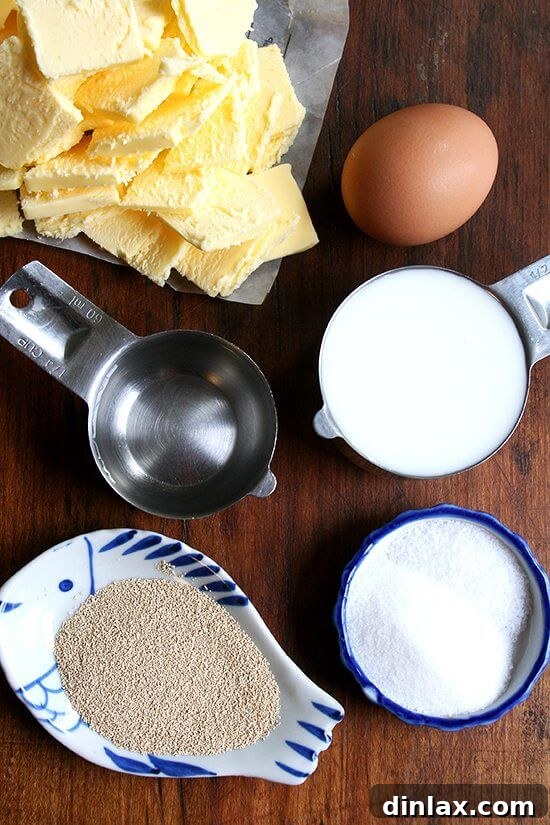
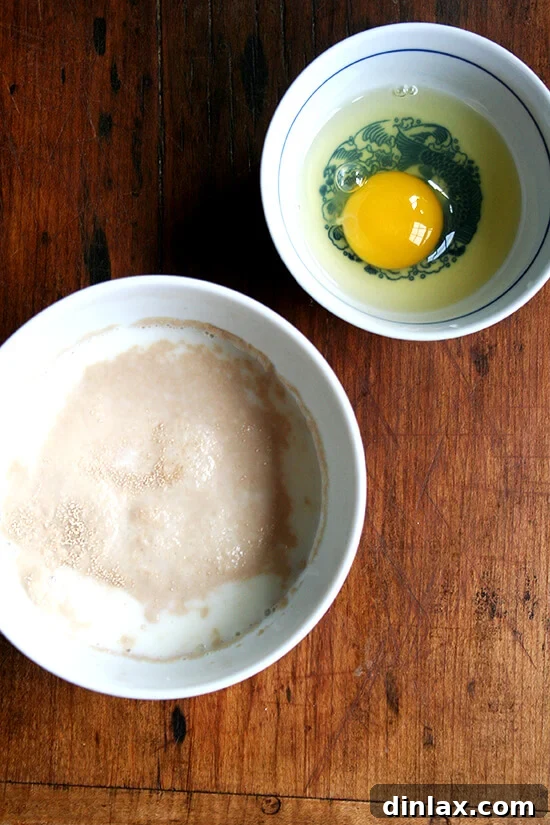
With a food processor, the dough comes together in mere seconds, making the pastry-making process incredibly efficient:
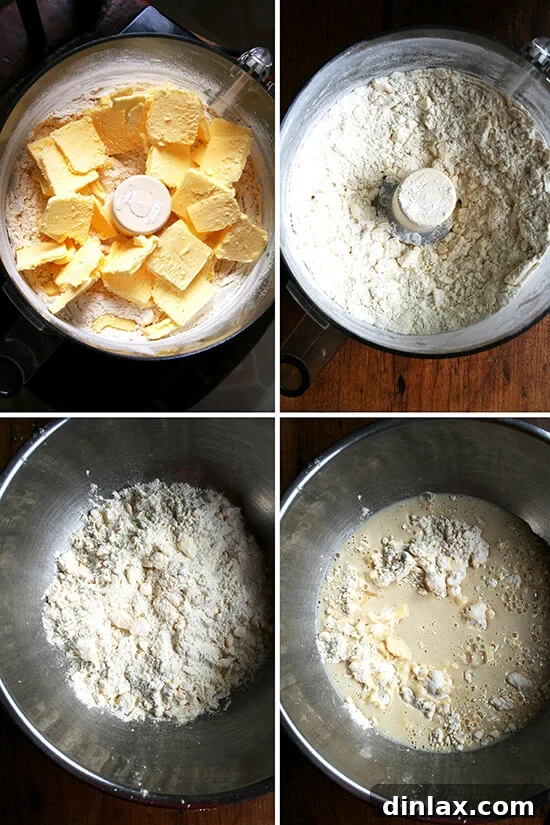
It then rests in the fridge overnight or for as long as four days, allowing flavors to develop and the dough to become more manageable:
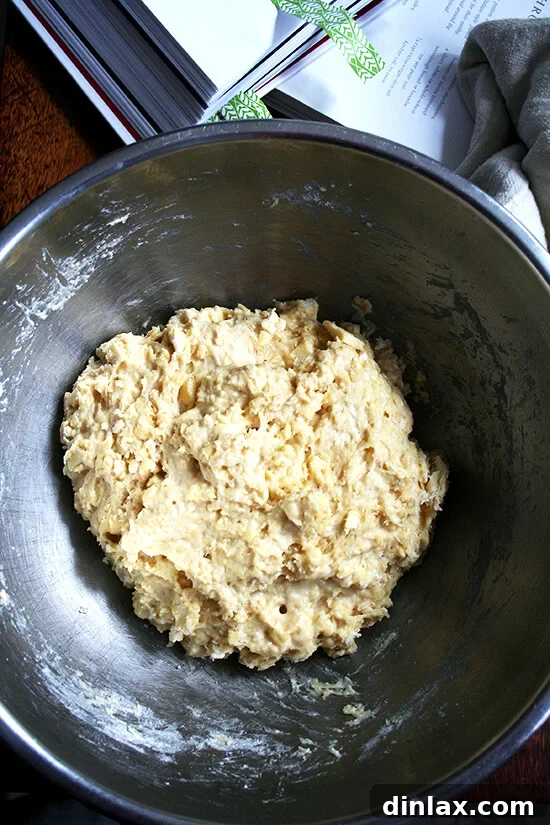
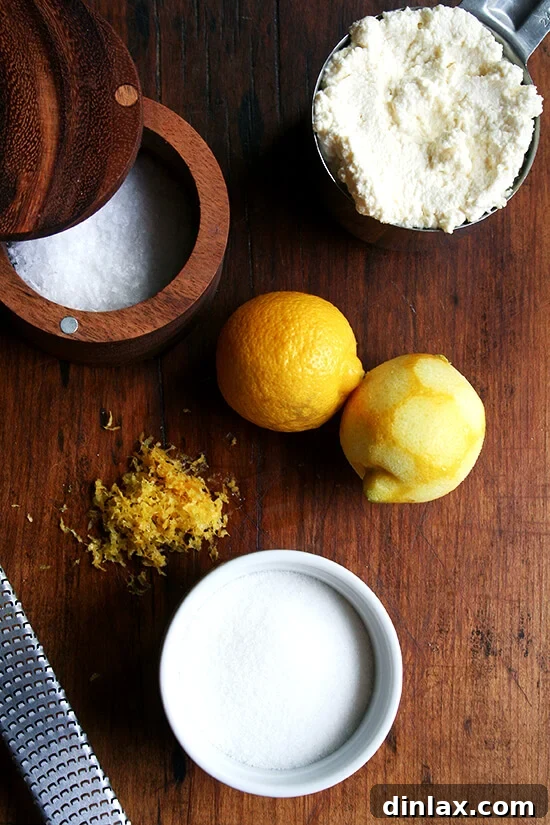
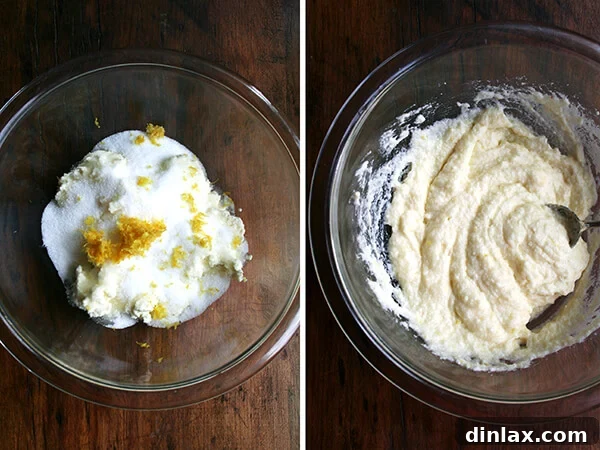
In the meantime, prepare the exquisite filling, a harmonious mixture of ricotta, bright lemon zest, a pinch of salt, and sugar:
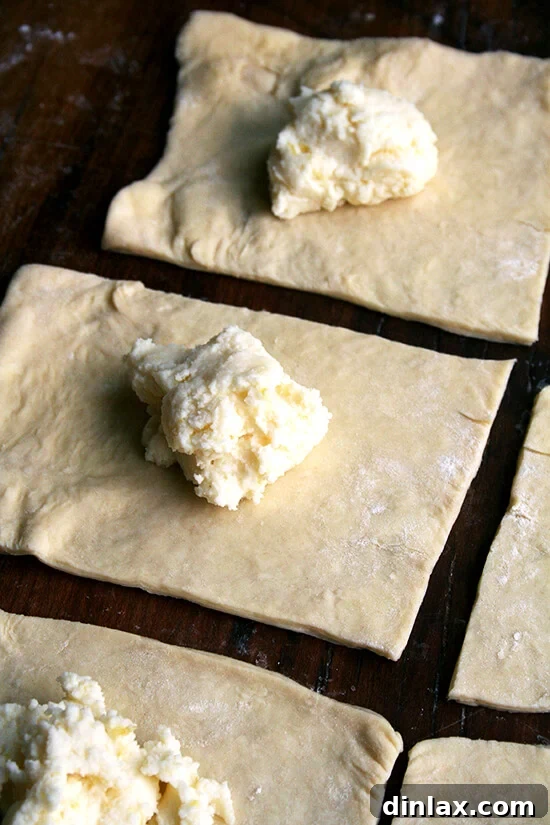
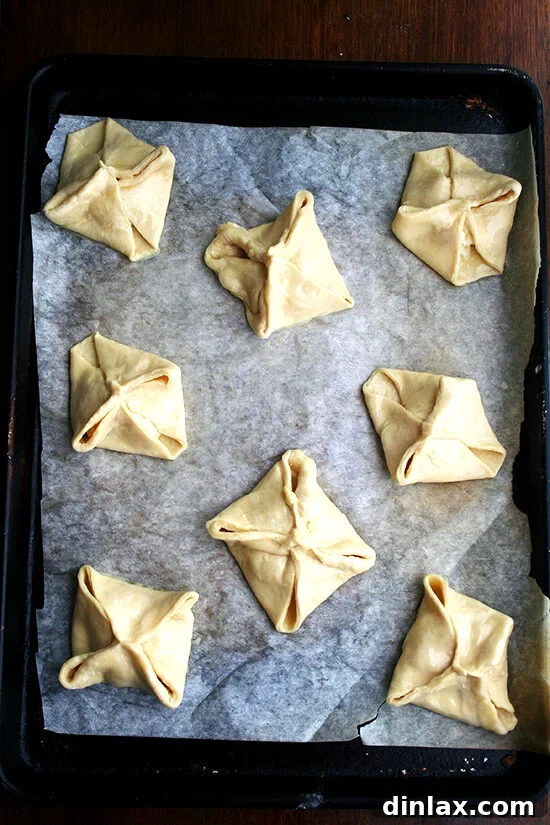
Assembling the parcels is a delightful step that involves precise rolling, careful folding, generous filling, and delicate pinching to seal:
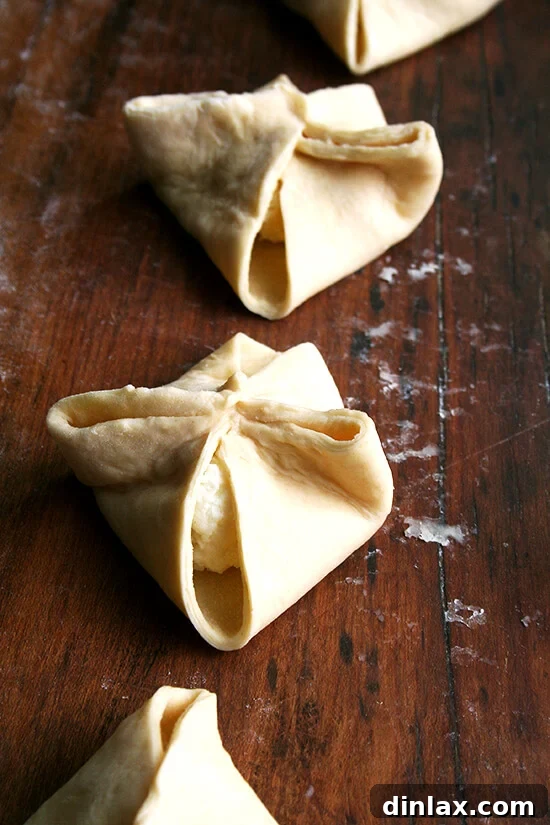
The assembled Danishes undergo one last, crucial 1.5-hour rise before being baked to golden perfection for approximately 15 minutes:


For those who have questions or seek further guidance on the rolling out process and how to avoid adding excessive flour, this video provides excellent visual instruction and helpful tips:
Print

Homemade Ricotta Cheese Danishes with Lemon Zest
5 Stars 4 Stars 3 Stars 2 Stars 1 Star
4.9 from 7 reviews
Author: Alexandra Stafford
Total Time: 11 hours 40 minutes
Yield: 12–16 pastries 1x
Description
Source: Nigella Lawson’s How to Be a Domestic Goddess
Notes: As noted above, the dough for these Danishes should rest in the fridge overnight. I have included notes below if you need to rush the process along — the Danishes can be made start to finish in as few as 6 hours.
The filling amount listed below is for 6-8 pastries. Double it if you are making the full amount of pastries.
Day-old pastries reheat quite nicely at 350F for 10 minutes or so.
Ingredients
For the Processor Danish Pastry:
- 1/4 cup (60 ml) warm water
- 1/2 cup (125 ml) milk at room temperature
- 1 large egg at room temperature
- 2 1/4 cups (286 g) all-purpose flour
- 1 package (2.25 tsp. | 7 g) instant yeast
- 1 teaspoon kosher salt
- 1 tablespoon (25 g) sugar
- 1 cup (250 g) unsalted butter, cold, cut into thin slices
For the Cheese Danish Filling:
- 1/2 quantity of the processor danish pastry (or full quantity if making more)
- 1 cup ricotta cheese (I used homemade because it’s SO easy and SO delicious)
- pinch of salt
- 1 tablespoon lemon zest
- 6 tablespoons sugar
- 1 large egg, beaten
- 3 tablespoons unsalted butter, melted and cooled
For the Egg Wash:
- 1 egg beaten with 2 tablespoons of milk
Instructions
To Make the Pastry Dough:
- For Overnight Refrigeration (Recommended for Best Results and Reduced Stress): Pour the warm water and room temperature milk into a measuring cup. Add the egg and beat thoroughly with a fork until well mixed. Set this liquid mixture aside. For Expedited Danish Making (if you need to speed up the process or test yeast vitality): Gently sprinkle the instant yeast over the warm water and milk. Add a small portion of the sugar (about 1/2 teaspoon from the 1 tablespoon) to encourage activation. Allow this mixture to stand for 5-10 minutes, until it visibly starts to foam, indicating active yeast. Then, beat the large egg with a fork until broken up and add it to the yeast-milk mixture. Beat the combined liquid ingredients once more until just incorporated. Set aside.
- Position a large mixing bowl near your food processor. In the bowl of your food processor, combine the all-purpose flour, the remaining sugar, and kosher salt. If you did not bloom your yeast, add the instant yeast at this stage as well. Pulse briefly, just once or twice, to ensure all the dry ingredients are uniformly mixed. Next, add the cold unsalted butter slices directly into the food processor. Pulse briefly, about 5 short pulses, until the butter is cut into pieces roughly 1/2 inch in size. It’s crucial to still have visible chunks of butter; avoid over-processing into a fine meal, as these butter pieces are key to the pastry’s flakiness.
- Carefully empty the contents from the food processor into the large mixing bowl. Pour the prepared milk-egg mixture (with or without bloomed yeast, as per step 1) over the flour and butter mixture. Use your hands or a rubber spatula to gently mix the ingredients together until just combined. Be mindful not to overwork the dough. The mixture will be soft and somewhat gooey, with visible lumps of butter scattered throughout – this is exactly what you want. Cover the bowl tightly with plastic wrap and place it in the refrigerator. Allow the dough to chill overnight, or for up to 4 days, for optimal flavor development and ease of handling. (Important Note: If you chose to “bloom” your yeast in step 1 to accelerate the process, you can get away with a minimum of two hours of refrigeration at this stage, though longer is always better.)
- To transform the chilled dough into the characteristic flaky pastry, remove it from the refrigerator. If you made the full batch, you may find it easier to work with half the dough at a time. On a lightly floured surface, roll the dough out into a rough 20-inch square, using additional flour sparingly as needed to prevent sticking. Once rolled, fold the dough square into thirds, similar to how you would fold a business letter. After folding, rotate the dough 90 degrees so that the closed fold is positioned on your left, much like the spine of a book. Repeat this rolling and folding process two more times (for a total of three folds), always turning the dough after each fold. Refer to the provided video for a visual demonstration of this laminating technique.
- Once the rolling and folding is complete, re-wrap the dough tightly in plastic wrap and return it to the refrigerator for a minimum of 30 minutes. This resting period allows the gluten to relax and the butter to firm up, making the dough easier to handle for the next steps. As with the initial chill, this dough can be stored in the refrigerator for up to 4 days at this stage. Alternatively, if you plan to use only half the dough now, you can freeze the other half for future baking projects. (Time-Saving Tip: If you are severely pressed for time, this 30-minute chill period can be omitted, though it does improve the dough’s workability.)
To Assemble and Bake the Danishes:
- In a medium bowl, combine the ricotta cheese, sugar, salt, fresh lemon zest, beaten egg, and melted and cooled unsalted butter. Mix thoroughly until the filling is smooth and well incorporated. Take the chilled pastry dough and roll it out into a large, even rectangle. Cut the rectangle in half lengthwise, then divide each half into four equal squares (yielding 8 squares total per half of dough, or 16 for the full recipe). Place a generous tablespoon of the ricotta filling onto the center of each dough square. To form the Danish parcel, fold two opposite corners of the dough square towards the center, overlapping them slightly, and gently pinch them together to seal the filling. Arrange the shaped Danishes on a baking sheet lined with parchment paper. Lightly brush the tops of the Danishes with the egg wash (1 egg beaten with 2 tablespoons of milk). Allow them to rise in a warm place until they appear visibly doubled in size and feel light and puffy, like a marshmallow, which typically takes about 1 1/2 hours. (Practical Observation: With both these cheese Danishes and other pastries like prosciutto & gruyere croissants, the dough’s appearance may not always perfectly double, nor will it always feel exactly like a marshmallow. I typically proceed to baking after 1.5 hours of rising, regardless of the exact visual or textural cues.)
- Approximately 30 minutes before the Danishes are ready to bake, preheat your oven to 350°F (175°C). Just before placing them in the oven, quickly check if any of the pinched corners have come apart during the rise and gently re-pinch them if necessary. Transfer the baking sheet to the preheated oven and bake for about 15 minutes, or until the Danishes are beautifully puffed up and golden brown on top and around the edges.
- Once baked, carefully remove the Danishes from the oven and transfer them to a wire rack to cool completely. This allows them to set properly and ensures a perfect flaky texture.
- Prep Time: 11 hours
- Cook Time: 25 minutes
- Category: Breakfast
- Method: Oven
- Cuisine: French