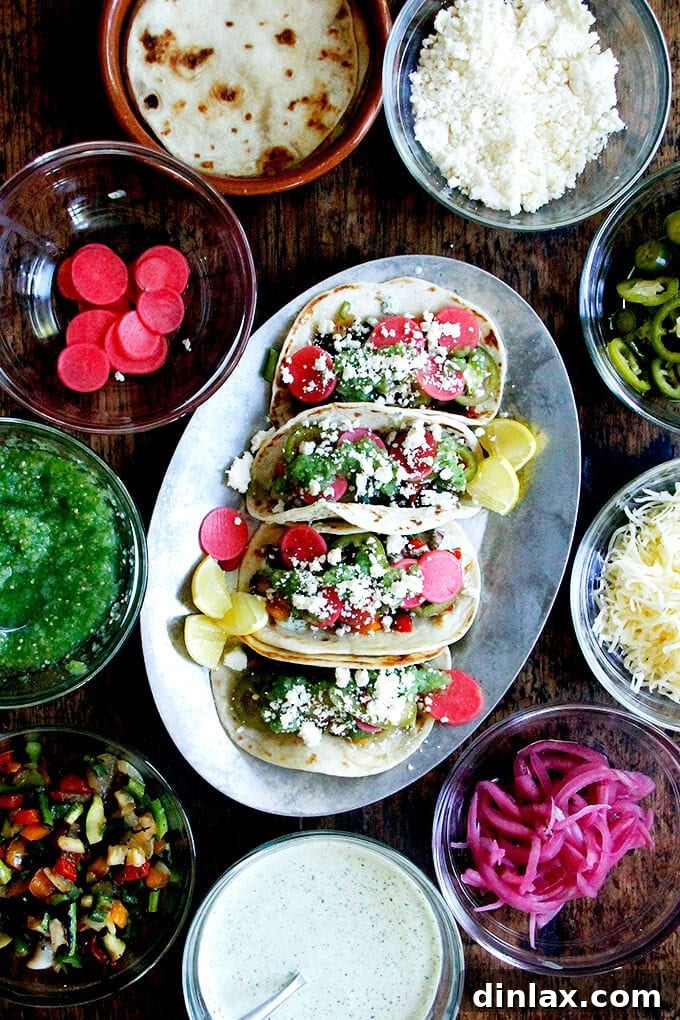
In the world of outdoor cooking, grilling vegetables is often seen as a straightforward affair: toss with oil, season, and place over heat. Yet, a revolutionary technique, known as “dry grilling,” promises to elevate your grilled vegetables from merely good to absolutely sublime. This method, which involves grilling vegetables without any oil or seasoning initially, has completely transformed my approach to preparing fresh produce on the grates, leading to flavors and textures that are simply unmatched. Prepare to discover the secret to perfectly charred, never-soggy vegetables, ideal for the most vibrant and satisfying tacos.
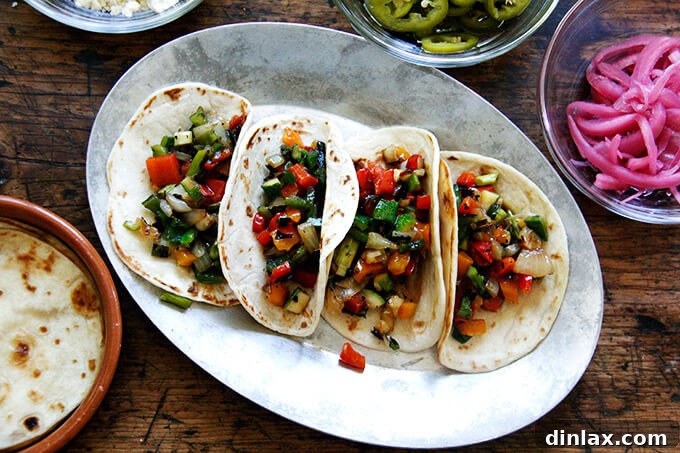
My journey into dry grilling began unexpectedly during my time at Fork restaurant. There, Chef Thien Ngo captivated me with his peculiar method: all vegetables hit the grill naked—no oil, no salt, nothing. My conventional cooking wisdom screamed defiance, but the results spoke volumes. After grilling, the vegetables were seasoned meticulously with salt, pepper, a drizzle of olive oil, a splash of balsamic vinegar, and sometimes fresh rosemary. When destined for tacos, they were chopped into smaller pieces post-grilling, then dressed and seasoned. This unconventional process kept the vegetables from becoming the oil-laden, soggy disappointments that often plague grilled eggplant, zucchini, and mushrooms.
Beyond preventing sogginess, another compelling reason to embrace dry grilling came to light while reading Joshua McFadden’s acclaimed cookbook, Six Seasons. A tip within a grilled carrots recipe clarified the brilliance: “Don’t oil your vegetables before you grill them, because the oil burns and tastes acrid. Instead, grill them dry to get a lovely char, and then dress with oil afterwards.” This insight was a revelation, confirming that dry grilling isn’t just about texture; it’s about preserving and enhancing the pure, unadulterated flavor of the vegetables without the distracting bitterness of burnt oil.
The concept is simple yet profound: by avoiding pre-oiling, you allow the vegetables to achieve a beautiful, smoky char directly from the heat, without any interference from burning oils. This intense direct heat caramelizes their natural sugars, intensifying their inherent sweetness and creating a depth of flavor that’s impossible to achieve with a layer of oil. Once perfectly charred and tender, they are then dressed, allowing them to absorb the fresh flavors of good olive oil and seasonings without the risk of becoming greasy. The result is a vibrant, flavorful experience that truly celebrates the vegetable itself.
So, will you give dry-grilling a try? I wholeheartedly recommend it. It’s a game-changer that yields superior results every time. Below, you’ll find a full recipe for irresistible dry-grilled vegetable tacos, accompanied by a bright tomatillo salsa and a creamy cilantro-lime crema. These tacos are further enhanced by a medley of fresh and tangy fixings: homemade pickled radishes, jalapeños, and onions, along with a sprinkle of queso fresco or grated cheddar, and a squeeze of fresh lime. While you don’t need to prepare every single topping, I find a few elements essential for a truly balanced taco: a tangy pickled component, a creamy sauce, and a fresh salsa. With tomatoes still ripening, a homemade tomatillo salsa is a fantastic, easy-to-make option, especially if you have a food processor on hand.
These tacos are not only a celebration of fresh, seasonal produce but also a testament to how simple tweaks in cooking methods can unlock extraordinary flavors. They are perfect for a weeknight dinner, a summer gathering, or any time you crave a wholesome, delicious, and deeply satisfying meal. Happy grilling, and enjoy the incredible transformation of your vegetables!
PS: Looking for more grilling inspiration? Check out these other favorite recipes: Simple Grilled Hanger Steak {video} | Grilled Poblano & Corn Salsa | Chicken Souvlaki
Here’s a play-by-play to guide you through the process:
First, gather your favorite assortment of fresh vegetables. Think bell peppers, zucchini, onions, asparagus, or even eggplant. The beauty of dry grilling is how it suits a wide variety of produce.
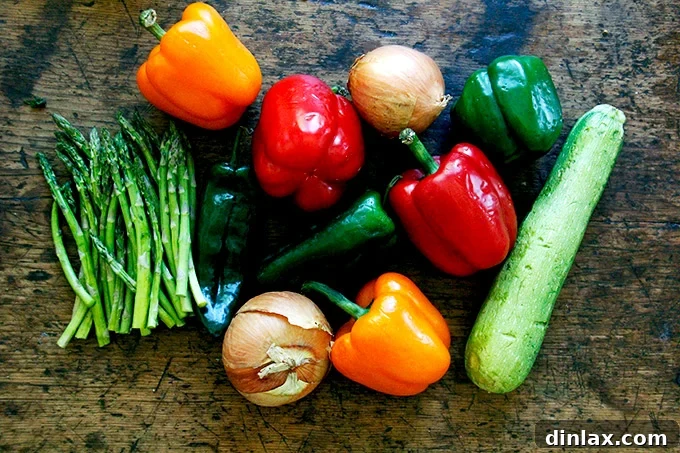
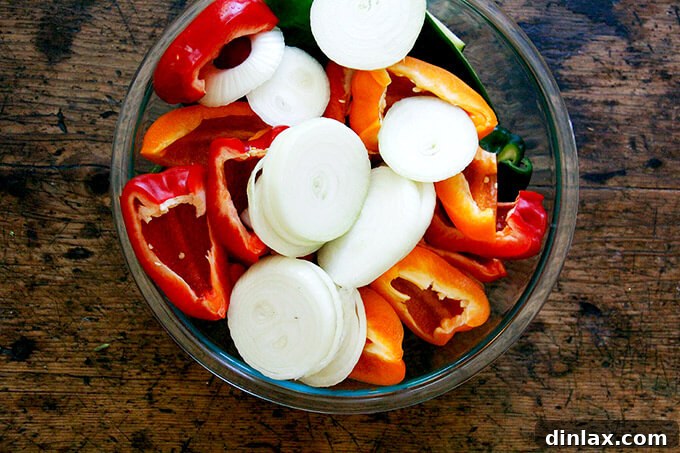
Cut them into generous slices and pieces. Remember, larger, thicker cuts are better as they prevent vegetables from falling through the grates and allow for a more even char without overcooking.
Fire up your grill to a medium-high heat. For charcoal, I typically use two Weber chimney starters filled with quality charcoal, letting them burn until covered in ash. This usually takes about 30 minutes, ensuring consistent heat.
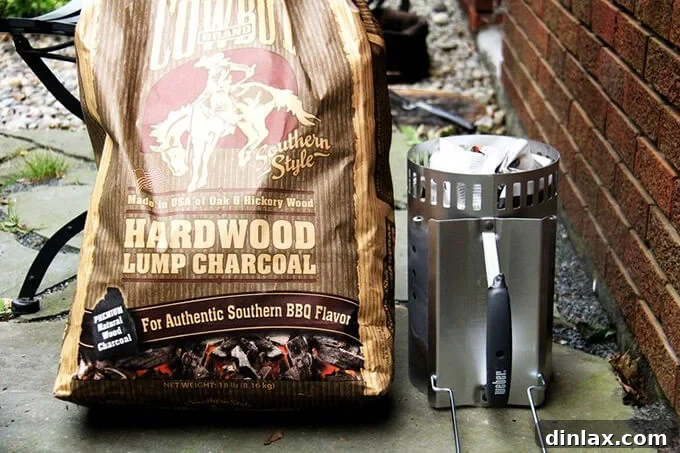
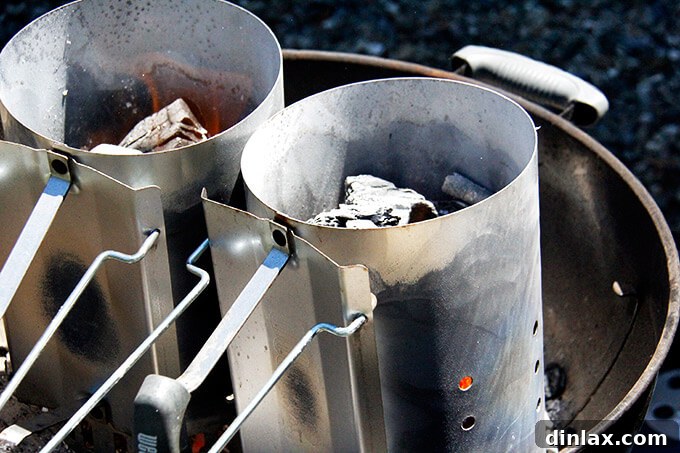
Once your coals are glowing and dumped into the grill, or your gas grill is preheated, replace the grate and allow it to heat for at least 5 minutes. This ensures a clean, hot surface for that perfect char. Don’t forget to give the grates a good scrub with a wire brush!
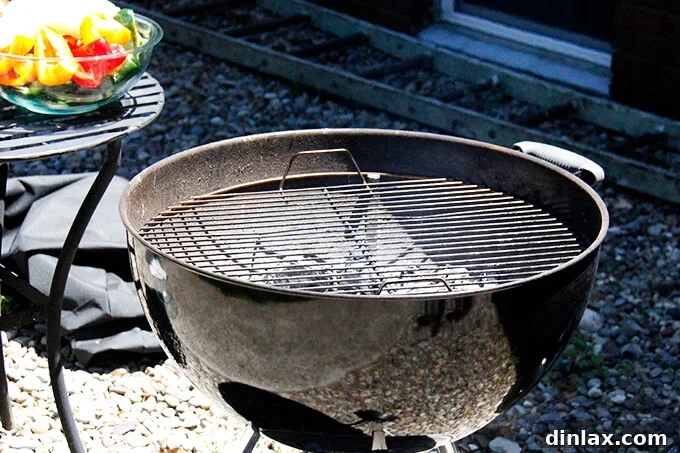
Spread your vegetables in a single layer directly onto the hot grates. Grill them patiently, resisting the urge to flip too soon. Wait until you see some condensation forming on the exposed side, indicating that the underside is getting a good sear.
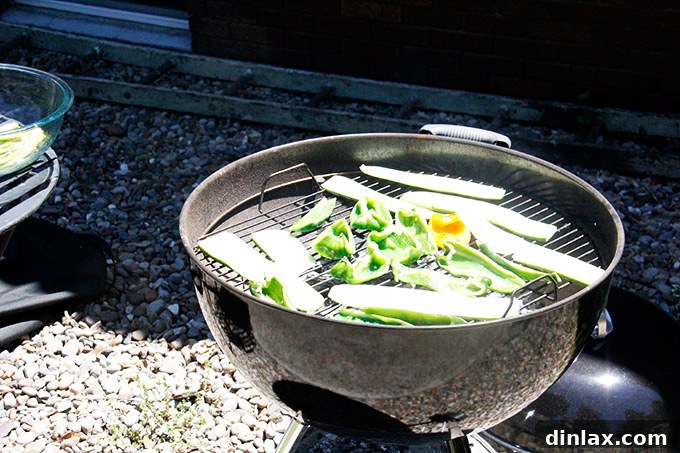
Flip the vegetables and continue grilling until they achieve a beautiful, smoky char and are tender-crisp. Don’t worry if they don’t look entirely cooked through; piling them into a bowl afterwards will allow residual heat to finish the job.
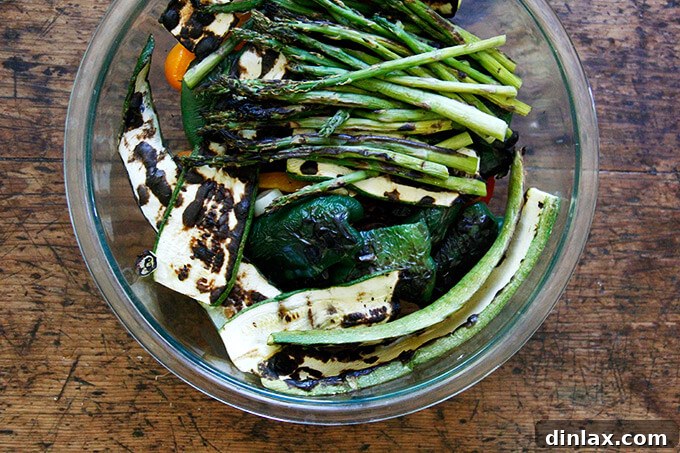
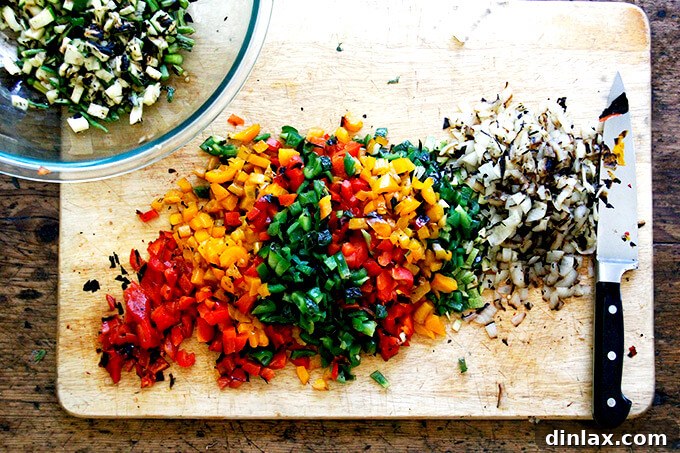
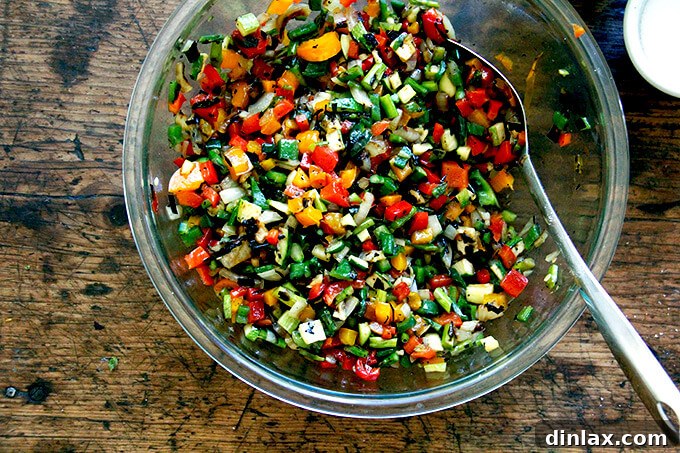
Once grilled, transfer the vegetables to a cutting board and chop them into small, bite-sized pieces. This makes them ideal for tucking into tortillas.
While the vegetables are grilling, prepare your vibrant tomatillo salsa. Begin by cleaning about a pound of tomatillos, removing their papery husks and washing them thoroughly.
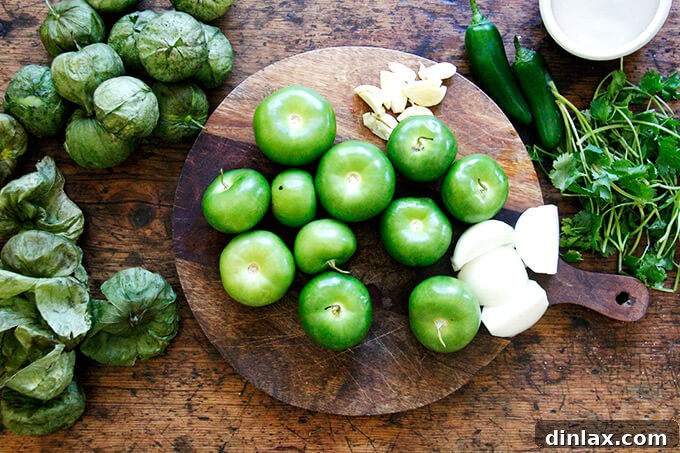
Add the quartered tomatillos to a food processor.
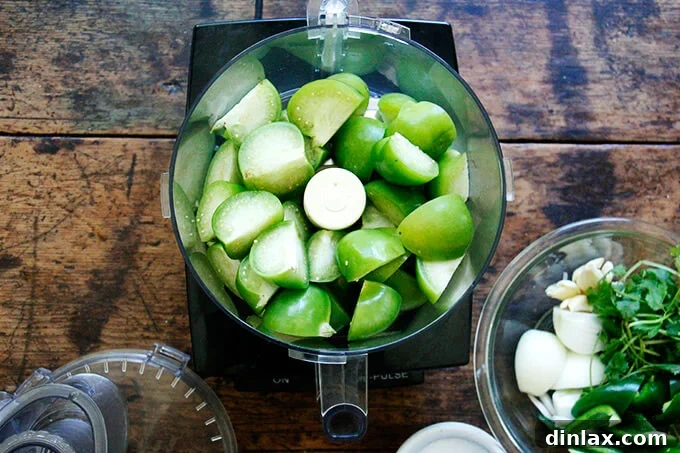
Along with garlic cloves, fresh jalapeños (seeded to your spice preference), a small onion or a few scallions, a generous bunch of cilantro, and a pinch of kosher salt.
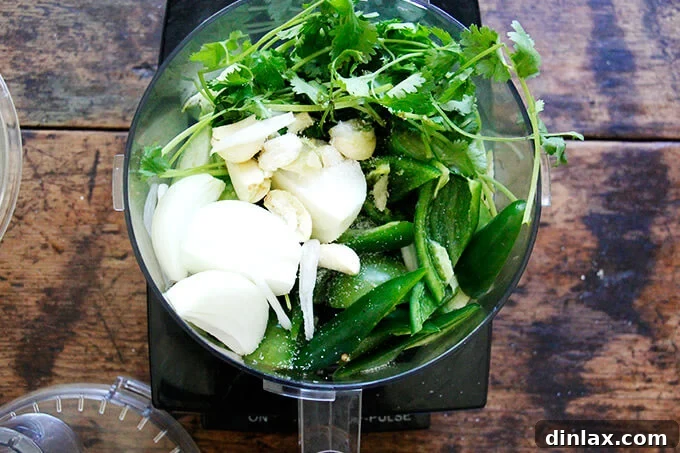
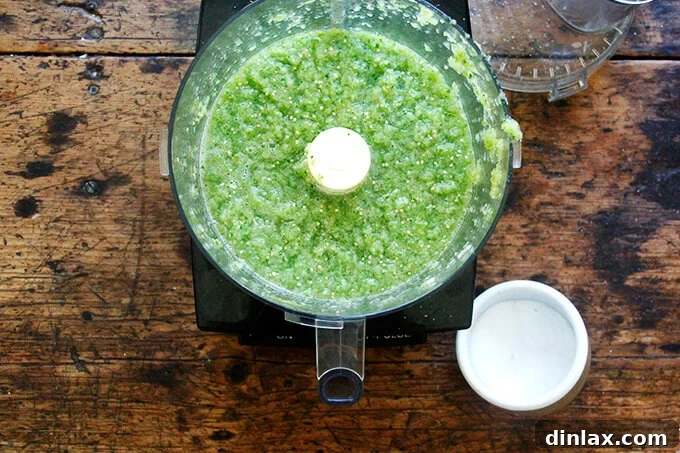
Purée the mixture until it’s wonderfully smooth and vibrant green. Taste and adjust the seasoning as needed to create a perfectly balanced salsa.
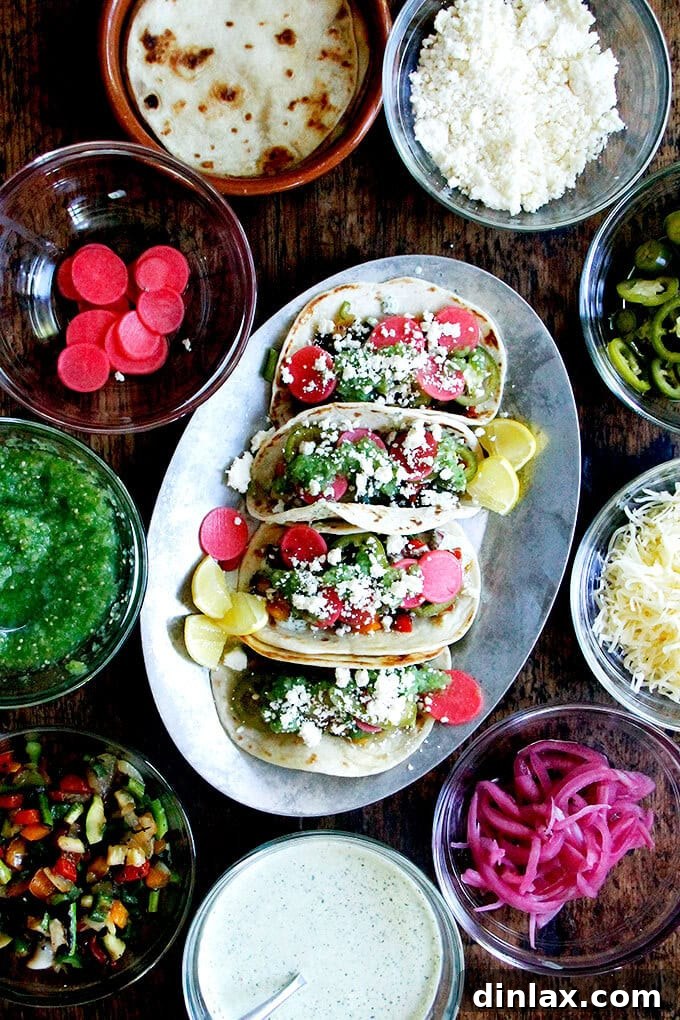
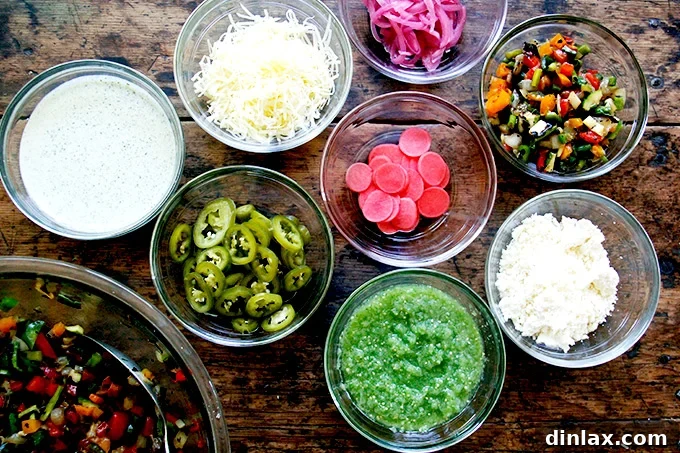
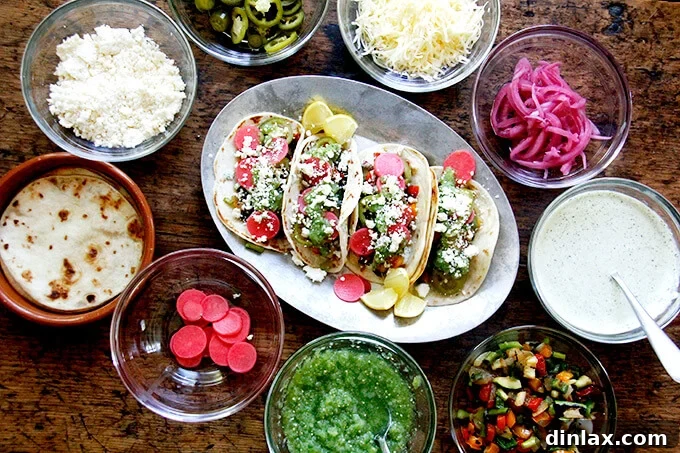
Arrange all your delicious fixings for a beautiful taco bar spread: the freshly made tomatillo salsa, creamy cilantro-lime crema, tangy pickled jalapeños, pickled radishes, and pickled onions, along with grated cheese and fresh lime wedges.
Fill warm flour or corn tortillas with a generous scoop of your perfectly charred, seasoned, and chopped dry-grilled vegetables.
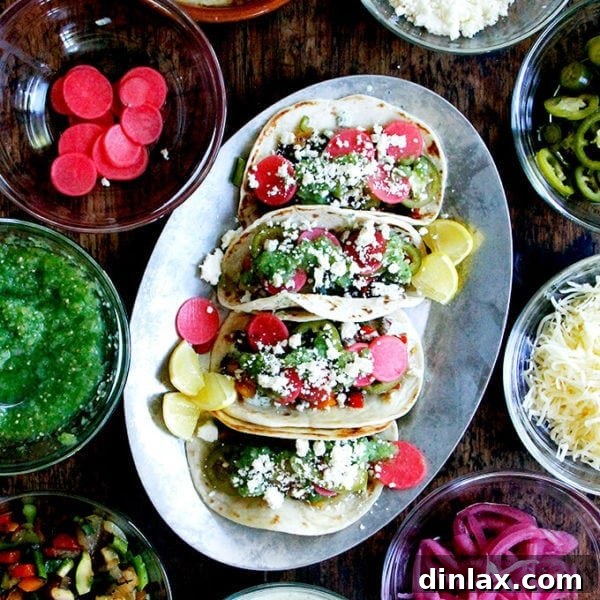
Finally, top your tacos as desired with the rich tomatillo salsa, cooling cilantro-lime crema, and any other delicious additions you choose. A squeeze of fresh lime juice is always a welcome finish!
Print
Grilled Vegetable Tacos with Tomatillo Salsa & Cilantro-Lime Crema
5 Stars 4 Stars 3 Stars 2 Stars 1 Star
5 from 5 reviews
Author: Alexandra Stafford
Description
This recipe is more of a guiding method, focusing on a dry-grilling technique that yields incredibly flavorful and perfectly charred vegetables, ideal for building delicious vegetarian tacos. The key to success lies in understanding a few crucial tips:
- **Size Matters:** Always keep your vegetables in relatively large, thick pieces when grilling. This prevents smaller, thinner cuts from falling through the grates and ensures they cook evenly without becoming mushy. For example, slice zucchini and eggplant lengthwise, quarter bell peppers, and grill asparagus whole.
- **Thick Cuts for Best Texture:** Aim for slices at least 1/4-inch thick for vegetables like zucchini and eggplant. They might not appear fully cooked when you remove them from the grill, but piling them into a bowl immediately after will allow the residual heat to continue cooking them gently, resulting in a perfectly tender texture.
- **Mastering the Grill Heat:** If you’re using charcoal, ensure your chimney starters have produced fully lit coals, then let your grill grate heat for at least five minutes after adding the coals to the barrel. Always scrub those grates clean with a wire brush before grilling to prevent sticking and ensure even charring.
- **Patience is Key:** Once the vegetables are on the grate, resist the urge to constantly flip them. I like to wait until I see “sweat” or condensation forming on the upward-facing side before flipping. Peek occasionally to ensure they’re not turning completely black, but let them develop a beautiful char without excessive fiddling.
If you have the time, I highly recommend grilling a generous amount of vegetables using this method. Once chopped into small pieces, they are incredibly versatile and excellent to have on hand for quick meals. Think omelets, wraps, hearty sandwiches, or even loaded nachos! I enjoy them cold straight from the fridge, but for tacos or nachos, a quick reheat in a 350ºF oven for about 10 minutes, or a gentle warm-up in a sauté pan, brings them back to life beautifully.
Make ahead: This recipe is fantastic for meal prepping. The chopped grilled vegetables reheat wonderfully, whether in the oven or on the stovetop, making assembly a breeze on busy days.
Ingredients
For the Dry-Grilled Vegetables (an assortment of your favorites):
- 2 to 3 large bell peppers, any color, stemmed, seeded, and quartered lengthwise
- 1 to 2 medium zucchini or summer squash, cut lengthwise into 1/4-inch thick slices
- 1 to 2 large onions, red or white, peeled, ends trimmed, and cut into 1/4-inch thick rounds
- 1/2 to 1 lb. asparagus, tough bottom ends trimmed
- 1 medium eggplant, cut lengthwise into 1/4-inch thick slices
- Any other vegetables you enjoy grilled: whole mushrooms, scallions, endive, Treviso, snap peas, etc.
- Extra-virgin olive oil, for dressing after grilling
- Kosher salt, to taste, for seasoning after grilling
- Fresh lemon juice or a splash of vinegar, optional, for brightness
For the Zesty Tomatillo Salsa:
- 1 lb. tomatillos (8–10 small), papery husks removed, thoroughly washed, and quartered
- 1 to 2 jalapeños, stems removed, seeded or partially seeded (adjust to your preferred spice level)
- 4 to 5 cloves garlic, peeled
- 1/2 small onion or 2 to 3 scallions (using whites and most of the greens)
- A small bunch of fresh cilantro, roughly a cup, packed
- Kosher salt, to taste
For the Creamy Cilantro-Lime Crema:
- 1 cup (heaping) fresh cilantro, about 1 ounce, roughly chopped
- 2 tablespoons fresh lime juice, plus more to taste
- 1 cup sour cream (full-fat for best results)
- 1 teaspoon granulated sugar
- 1/4 teaspoon kosher salt, plus more to taste
For Taco Assembly:
- Warm flour or corn tortillas (your preference)
- Assorted pickled vegetables such as radishes, turnips, jalapeños, and onions, for a tangy crunch
- Grated or crumbled cheese: queso fresco, cotija, sharp cheddar, or Monterey Jack
- Fresh lime wedges, for serving
Instructions
- Prepare and Grill the Vegetables: Begin by prepping your grill. If using charcoal, I typically fill two chimney starters with high-quality coals and allow them to burn until completely covered in ash, about 30 minutes. Carefully dump the hot coals into your grill, spreading them for even heat. Replace the grate and let it heat for at least 5 minutes before placing any food on it. For charcoal grilling, leave the grill uncovered; for a gas grill, close the lid to preheat. Ensure the grates are thoroughly cleaned with a wire brush. Arrange your prepared vegetables in a single layer on the hot grill grates. Grill until you observe condensation or “sweat” forming on the upward-facing side, then flip them. Continue grilling until the vegetables are lightly charred and tender on the underside. As vegetables finish grilling, transfer them to a large bowl, piling them on top of one another. The trapped heat will allow them to continue cooking gently and achieve optimal tenderness.
- Chop and Season the Grilled Vegetables: Once all vegetables are grilled, transfer them to a cutting board. Chop them into small, bite-sized pieces, roughly following the visual guidance in the provided photos. Drizzle generously with extra-virgin olive oil and season with kosher salt. Toss well to ensure all pieces are coated. Taste and adjust seasoning, adding more salt or olive oil as needed until the vegetables are perfectly flavored. For an extra bright kick, add a squeeze of fresh lemon juice or a dash of your favorite vinegar. If you’re serving immediately, keep the vegetables warm in a 250ºF oven. Otherwise, store them in an airtight container in the refrigerator for later use.
- Prepare the Tomatillo Salsa: While the vegetables are grilling, you can prepare the salsa. Begin by removing the papery husks from the tomatillos, washing them thoroughly, and then quartering them. Place the quartered tomatillos, jalapeños (seeded or partially seeded, depending on desired heat), peeled garlic cloves, small onion or scallions, and cilantro into the bowl of a food processor. Purée the mixture until it becomes smooth and uniform. Taste the salsa and adjust the seasoning with more kosher salt as needed to enhance its fresh, tangy flavors.
- Make the Cilantro-Lime Crema: In the bowl of a food processor, combine the roughly chopped cilantro with the fresh lime juice. Pulse until the cilantro is finely minced. Add the sour cream, granulated sugar, and 1/4 teaspoon of kosher salt to the food processor. Purée until the mixture is completely smooth and creamy. Taste the crema and adjust the seasoning as necessary, adding more salt or lime juice to achieve your desired balance of flavors. If you don’t have a food processor, you can finely mince the cilantro by hand, then whisk it together with the remaining ingredients until smooth.
- Warm the Tortillas: Prepare your tortillas just before serving. There are several ways to warm them: you can quickly char them directly on the grill grates for a few seconds per side, fold them in half and tuck them into a toaster, or heat them gently in a sauté pan with a tiny bit of oil until pliable. Whichever method you choose, once warmed, immediately wrap the tortillas in foil to keep them soft and warm until ready to serve. They can be held warm in a low-temperature oven if preparing for a crowd.
- Assemble and Serve Your Tacos: To assemble, take a warm tortilla and scoop a generous portion of the warm, seasoned grilled vegetables into the center. Spoon a dollop of the vibrant tomatillo salsa over the vegetables, followed by a swirl of the creamy cilantro-lime crema. Add any of your preferred additional fixings, such as pickled vegetables, grated cheese, or a sprinkle of fresh cilantro. Serve immediately with fresh lime wedges on the side for an extra burst of citrus.