Embracing Wholesome Baking: Cranberry-Orange Pecan Muffins and the Power of Whole Grains
After a period of culinary dormancy following my move to the West Coast, I finally caved into the irresistible urge to bake. The weekend brought with it a delightful shopping spree for essential baking supplies – my first bag of flour, can of baking powder, box of baking soda, and bottle of vegetable oil since settling in this new location. Without a full kitchen setup yet, I also invested in a sturdy muffin tin and a 9-inch cake pan, igniting a newfound passion for creating delicious, homemade treats. My primary motivation? A deep desire to recreate the delectable Cranberry-Orange Pecan Muffins I’d stumbled upon in a recent acquisition, The Complete Whole Grains Cookbook, and an upcoming Easter dinner where I’d been tasked with preparing a memorable dessert. (For the record, Easter dinner featured a magnificent Balzano apple cake – truly a must-try recipe that deserves its own spotlight!)
Baking is an absolute joy that I had almost entirely forgotten! The warmth it brings to the kitchen, the comforting aroma that fills the air, and the magical transformation of simple ingredients into something wonderful – it’s all incredibly therapeutic and rewarding. I have a strong feeling I’m about to embark on a delightful whole-grain muffin marathon. But first, I need to conquer the half-dozen muffins from my inaugural batch that are currently residing, perfectly preserved, in my freezer. I baked this particular batch last Saturday, savored a few fresh from the oven, and then meticulously wrapped each remaining muffin individually in foil before freezing them. Now, every morning brings a small, cherished ritual: I pop one into the oven at 350ºF for about 10 minutes. The result is a heavenly treat – splitting one open, spreading a dollop of butter, and savoring every wholesome, warm bite. It’s a perfect, comforting start to any day, offering a burst of flavor that feels both indulgent and nourishing.
My Muffin Adventures: Adapting Recipes and Embracing Wholesome Ingredients
My first attempt at these cranberry-orange pecan muffins wasn’t without its improvisations and learning moments. I must confess, I returned from the grocery store without all the necessary ingredients on my initial trip. Barley flour proved surprisingly elusive, I completely forgot to pick up fresh orange juice, and I consciously chose dried cranberries over frozen ones. Despite these minor deviations from the original recipe, the muffins turned out remarkably well, exceeding my expectations. I substituted milk for the fresh orange juice and used an additional 1½ cups of whole-wheat flour in place of the barley flour. While undeniably delicious, I believe the bright, fresh-squeezed orange juice, as originally suggested in the recipe, would undoubtedly elevate their flavor profile even further, adding a vibrant and irresistible citrus zing that I look forward to experiencing.
My quest for the perfect cranberry-orange pecan muffin continues, and I fully intend to remake these beauties once I locate that elusive barley flour. In the interim, my collection of whole-grain muffin recipes is rapidly expanding, and I’m eager to try them all. Just a quick glance through my April issue of Martha Stewart magazine revealed three particularly intriguing options: blueberry-banana cornmeal, oat bran-applesauce, and carrot-zucchini yogurt muffins. Yum! The last one, in particular, sounds enticingly similar to those beloved zucchini-blueberry muffins from Captain Mauri’s that I adore (and my friend Ben, strangely, despises). While those particular bakery muffins are notoriously dense and generously sized, each one feeling like it weighs five pounds, the appeal of a homemade, wholesome version is incredibly strong, promising both flavor and superior nutrition.
Beyond Breakfast: The Profound Benefits of Whole Grains and Food Synergy
While indulging in delicious, homemade muffins is certainly a delightful way to enjoy whole grains, it’s perhaps not always the most efficient or primary path to maximizing their comprehensive health benefits. Especially when considering those behemoth, often sugar-laden muffins from certain commercial establishments! A far more substantial and nutritionally dense approach to incorporating a significant serving of whole grains into your diet can be found in a hearty bowl of soup, such as the Wheat Berry Minestrone with Leafy Greens featured later in this article. This recipe, also a gem from my new cookbook, perfectly exemplifies a balanced and nutritious meal. This brings me to the core reason why I’m delving into the topic of whole grains today: the fascinating and increasingly recognized concept of “food synergy.”
In the insightful introduction to The Complete Whole Grains Cookbook, author Judith Finlayson masterfully outlines the myriad health benefits associated with consuming whole grains. However, she also introduces an intriguing and crucial idea that scientists are only just beginning to fully comprehend and appreciate: food synergy. Finlayson highlights emerging research which compellingly suggests that “the phytonutrients found in plant foods fight disease more effectively when they work together, rather than as supplements on their own.” This profound concept challenges the traditional, reductionist approach of isolating individual nutrients and champions the holistic, cooperative power of whole, unprocessed foods.
This very notion of food synergy is also eloquently discussed by Michael Pollan in his seminal work, In Defense of Food, which advocates for eating real food. Pollan references a compelling study conducted by epidemiologists at the University of Minnesota, which provided significant evidence for this synergistic effect. This research revealed that a diet consistently rich in whole grains significantly reduced mortality from all causes. What’s even more remarkable and crucial to understanding synergy is that even after meticulously adjusting for known beneficial components like dietary fiber, vitamin E, folic acid, phytic acid, iron, zinc, magnesium, and manganese – all abundant nutrients naturally found in whole grains – the scientists still uncovered “an additional health benefit to eating whole grains that none of the nutrients alone could explain.” The study found that subjects who received the same quantity of these isolated nutrients from other sources did not experience the same profound health improvements as those who consistently consumed whole grains. This strongly suggests that “something else in the whole grain protects against death,” and crucially, “that the various grains and their parts act synergistically.”
Pollan’s conclusion resonates deeply and offers powerful guidance for our dietary choices: “A whole food might be more than the sum of its nutrient parts.” I believe he’s absolutely onto something profound here. The intricate dance of countless compounds within a whole food, working in perfect concert, offers a protective and nourishing effect that single supplements or isolated nutrients simply cannot replicate. This holistic understanding fundamentally underscores the importance of a diverse, whole-foods-based diet over a reductionist approach to nutrition, encouraging us to look beyond individual vitamins and minerals to the complete nutritional package nature provides.
Discovering a Treasure: The Complete Whole Grains Cookbook – An Essential Resource
Before my exciting move to California, The Complete Whole Grains Cookbook was serendipitously sent to The Bulletin’s office in Philadelphia. It wasn’t until recently that I finally had the chance to delve into its pages, and I can confidently say it is an absolutely excellent and indispensable resource for anyone looking to enhance their diet. This cookbook isn’t just a simple collection of recipes; it’s a comprehensive and approachable guide to incorporating a wider variety of wholesome grains into your daily meals. It demystifies often-overlooked grains like wheat berries, barley, spelt, and Kamut, offering practical advice, clear instructions, and inspiring dishes that go far beyond simple side dishes. From hearty breakfasts to robust dinners and even delightful baked goods, this book makes whole grain cooking accessible and exciting. If you’re looking to introduce whole grains into your diet more regularly, or simply want to explore new and delicious ways to enjoy them, this book is an invaluable addition to any cookbook library. It provides not only mouth-watering recipes but also a deeper understanding of the nutritional powerhouses we often overlook. You can order a copy from Amazon here: The Complete Whole Grains Cookbook
Featured Recipes for a Wholesome Diet: Nourishment and Flavor Combined
To truly illustrate the versatility, deliciousness, and health-promoting potential of whole grains, I’m delighted to share two standout recipes from The Complete Whole Grains Cookbook. These recipes not only showcase the incredible culinary possibilities of grains but also align perfectly with the principles of food synergy we’ve discussed, thoughtfully combining diverse ingredients for maximum flavor and holistic health benefits.
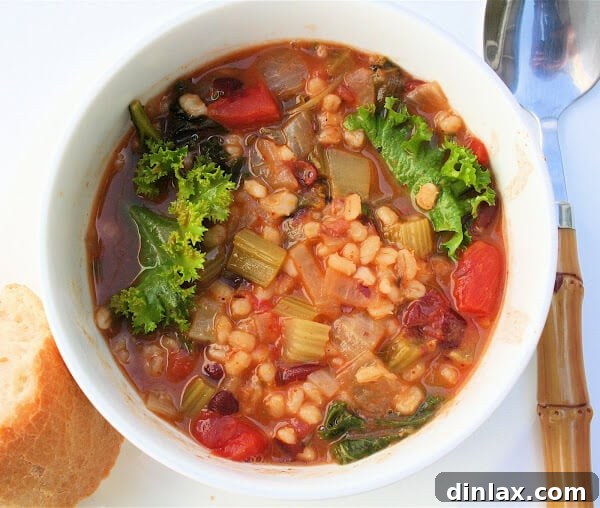
Wheat Berry Minestrone with Leafy Greens
This minestrone recipe is a fantastic way to enjoy a robust, nutrient-packed meal that truly embraces the whole grain philosophy. While I’ve printed the recipe exactly as it appears in the book for authenticity, I did make a few personal adaptations during my own cooking process. I opted for a more generous amount of flavorful chicken stock than initially suggested, and for the grain, I chose readily available barley instead of wheat berries, yielding an equally delicious and satisfying result. Salt was added gradually and carefully until the flavor was just right for my palate. Next time, I might experiment further by omitting the puréeing-of-the-beans step altogether and instead cook dried beans from scratch, or simply add pre-cooked beans at the very end of the cooking process to better maintain their distinct texture and prevent them from becoming overly mushy. Regardless of these minor tweaks, I absolutely loved this recipe and now have a wonderful stash of this wholesome minestrone in the freezer, ready for quick, healthy, and comforting meals whenever the craving strikes!
Adapted from The Complete Whole Grains Cookbook (Robert Rose, 2008)
Serves 6
Ingredients:
- 2 cups white kidney beans or 1 (14-ounce) can beans, drained and rinsed
- 4 cups homemade vegetable stock or reduced-sodium chicken stock, divided
- 1 tablespoon olive oil
- 2 onions, chopped
- 4 stalks celery, diced
- 4 cloves garlic, minced
- 2 teaspoons dried Italian seasoning
- ¼ teaspoon cayenne pepper
- 1 cup wheat, spelt, or Kamut berries, rinsed and drained (barley works exceptionally well too)
- 1 (14-ounce) can diced tomatoes with juice (salt-free preferred)
- 2 cups water (or additional chicken stock for richer flavor)
- 8 cups coarsely chopped, trimmed kale or Swiss chard (or other hearty mustard greens)
- Salt and freshly ground black pepper to taste
- Grated Parmigiano Reggiano to taste (optional, but highly recommended)
- Extra virgin olive oil, for drizzling at serving
- Warm baguette (optional), for serving alongside
Instructions:
- In a food processor, combine the drained and rinsed beans with one cup of the stock and purée until the mixture is smooth and creamy. Set this bean purée aside.
- In a large saucepan or a sturdy Dutch oven, heat the olive oil over medium heat for approximately 30 seconds. Add the chopped onions and diced celery to the hot oil and cook, stirring occasionally, until the celery begins to soften and the onions become translucent, which typically takes about five minutes.
- Stir in the minced garlic, dried Italian seasoning, and cayenne pepper. Continue to cook for another minute, stirring constantly, allowing the aromatic spices to fully release their fragrant oils.
- Add the rinsed wheat berries (or barley), the diced tomatoes with their juice, the water (or additional stock), the reserved puréed bean mixture, and the remaining three cups of stock. Bring the entire mixture to a vigorous boil.
- Once boiling, reduce the heat to low. Cover the pot tightly and let it simmer gently until the wheat berries are almost tender, which usually takes about one hour.
- Stir in the coarsely chopped kale (or Swiss chard/mustard greens). Cover the pot again and continue to cook until both the greens and the wheat berries are fully tender, which should take approximately 15 minutes.
- Season the minestrone generously to taste with salt and freshly ground black pepper, adjusting as needed.
- When ready to serve, ladle the hot, aromatic soup into individual bowls. If desired, sprinkle liberally with grated Parmigiano Reggiano and finish with a fragrant drizzle of extra virgin olive oil. Serve immediately, perhaps with a warm, crusty baguette on the side to soak up all the delicious broth.
Pro Tip for Depth of Flavor: For an extra layer of savory richness and complexity, consider adding a rind of Parmigiano Reggiano to the soup while it simmers. It infuses a wonderful, umami-packed flavor that truly elevates the entire dish! Remember to remove it before serving.
Cranberry-Orange Pecan Muffins
These Cranberry-Orange Pecan Muffins are truly what started my entire new baking obsession! They are wonderfully moist, bursting with vibrant flavor, and make for an absolutely ideal breakfast, a satisfying snack, or a delightful treat at any time of day. The harmonious combination of tangy cranberries, bright and aromatic orange zest, and crunchy, nutty pecans is simply irresistible, creating a flavor profile that is both fresh and comforting. This recipe stands as a testament to just how incredibly delicious and satisfying whole-grain baking can be, proving that healthy choices don’t mean sacrificing taste.
Adapted from The Complete Whole Grains Cookbook (Robert Rose, 2008)
Yield = 12 Muffins
Ingredients:
- 1 cup whole wheat flour
- ½ cup whole barley flour (Note: If whole barley flour is unavailable, I successfully used an additional 1½ cups of whole wheat flour, bringing the total whole wheat flour to 2½ cups for the recipe.)
- ½ cup unbleached all-purpose flour
- ¾ cup granulated sugar
- ¾ cup chopped pecans
- 2 teaspoons baking powder
- ½ teaspoon salt
- ¼ teaspoon baking soda
- 1 large egg
- ½ cup sour cream
- 2 teaspoons finely grated orange zest
- ½ cup freshly squeezed orange juice (Note: Regular milk can be used as a simple substitute if fresh orange juice is not at hand.)
- ¼ cup vegetable oil
- 1½ cups cranberries (fresh or frozen*), coarsely chopped (Note: I used dried cranberries and found that not chopping them worked well, adding delightful chewy pockets of fruit.)
Instructions:
- In a large mixing bowl, combine the whole wheat flour, barley flour (or additional whole wheat flour), all-purpose flour, granulated sugar, chopped pecans, baking powder, salt, and baking soda. Whisk these dry ingredients together thoroughly to ensure they are well combined and evenly distributed. Create a distinct well in the center of the mixture.
- In a separate medium bowl, lightly beat the large egg. To the beaten egg, add the sour cream, finely grated orange zest, freshly squeezed orange juice (or milk), and vegetable oil. Beat these wet ingredients together until they are well combined and smooth.
- Pour the wet mixture into the well of the dry ingredients. Mix gently with a spatula or wooden spoon, just until the ingredients are blended and no dry streaks of flour remain. Be careful not to overmix, as this can develop the gluten too much and lead to tough muffins.
- Gently fold in the cranberries until they are evenly distributed throughout the batter.
- Divide the batter evenly among 12 prepared muffin cups (either thoroughly greased or lined with paper liners).
- Bake in a preheated oven at 375-400°F (190-200°C) for approximately 25 minutes, or until the tops are beautifully golden brown and spring back when lightly touched with a fingertip.
- Let the muffins cool on a wire rack for five minutes within the muffin pan before carefully removing them to cool completely on the rack.
*Helpful Notes & Tips for Perfect Muffins:
- Make-Ahead Batter: This muffin batter is excellent for meal prep! You can prepare it ahead of time and refrigerate it overnight. If you choose this option, wait to add the cranberries until you are actually ready to bake the muffins. You can chop the cranberries separately, cover them, and refrigerate them overnight as well. The prepared batter itself will keep beautifully for up to two nights in the refrigerator. If you’re planning to bake half the batch one day, chop half the cranberries and save the remaining for the second night’s baking session.
- Using Frozen Cranberries: If you’re opting for frozen cranberries, it’s a good idea to partially thaw them before incorporating them into the batter. Gently blot them with a paper towel to remove any excess moisture. This crucial step helps prevent them from sinking to the bottom of the muffins and ensures they distribute evenly, while also preventing too much extra moisture from making your muffins soggy.