Embracing the Authenticity of Gourd Season: A Culinary Journey from Canned to Fresh
There’s a certain magic that descends upon the kitchen as autumn arrives, heralding the cherished “gourd season.” For many home cooks, this period is a true litmus test, separating the culinary purists from those who embrace convenience. My own journey into the world of cooking was deeply rooted in the principles instilled by my mother – a formidable advocate for scratch-made meals. Her kitchen tenets were gospel: chicken stock simmered from real bones and fresh aromatics, salad dressings whipped up from oil and vinegar, bread baked with simple ingredients, pie crusts made exclusively with rich butter, and burgers crafted from freshly ground meat. With such an upbringing, I naturally saw myself as an unwavering purist, committed to these time-honored traditions.
This self-perception, however, faced an unexpected challenge one crisp Tuesday at the bustling South and Passyunk Farmers’ Market. Amidst the vibrant displays of seasonal produce, I found myself chatting with Sam Consylman, a farmer whose passion for his harvest was palpable. I innocently mentioned my recent culinary endeavor: baking a batch of pumpkin bread. “What kind of pumpkin did you use?” Mr. Consylman inquired, his gaze sharp and inquisitive. A sudden, uncomfortable pause hung in the air. I knew precisely what he was implying. My eyes darted around the bountiful farm-stand table, overflowing with a magnificent array of butternut, acorn, delicata, hubbard, kabocha, and red kuri squashes. I felt a palpable pressure, a collective, silent judgment emanating from the diverse gourds themselves. With a sheepish grin, I confessed my secret: “Libby’s.”
The words had barely left my lips when Mr. Consylman’s face contorted into a mixture of disbelief and, I daresay, genuine disgust. “Oh man,” he sighed, shaking his head slowly. He then launched into an eloquent sermon on the unparalleled merits of a truly authentic pumpkin pie – one crafted from real, freshly roasted pumpkin. He spoke of its ethereal, light texture, its pure, unadulterated squash flavor that simply couldn’t be replicated by a can. He implored me, with a passion that bordered on evangelism, to undertake a pilgrimage to Lancaster, Pennsylvania, to experience such a pie for myself. Humbled and intrigued, I promised him I would.
The encounter served as a profound moment of introspection. It forced me to re-evaluate my own culinary axioms. While I still aspire to visit Lancaster before winter squash season wanes, and genuinely hope to one day bake a pumpkin pie entirely from scratch, I’ve come to a more nuanced understanding. Perhaps my purist ideals needed a slight revision. And so, a new personal axiom emerged: Canned pumpkin for the comforting sweetness of baked goods, and fresh pumpkin for the robust, savory dishes where its distinct character can truly shine. This pragmatic approach allows for both convenience and culinary integrity, a balance many home cooks strive to achieve.
The Abundant Charm of Winter Squash: Beyond the Canned Purée
The rich tapestry of winter squash offers a culinary playground for any aspiring chef or home cook. Far beyond the ubiquitous orange pumpkin, varieties like butternut, acorn, delicata, hubbard, kabocha, and red kuri each present a unique profile in terms of texture, sweetness, and culinary application. Butternut squash, with its sweet, nutty flavor and creamy texture, is a go-to for soups, purees, and roasting. Acorn squash, known for its distinctive shape, has a slightly fibrous but sweet flesh that’s perfect for stuffing and baking. Delicata squash, often called “sweet potato squash,” boasts a delicate skin that’s edible and a sweet, tender flesh, making it ideal for roasting slices.
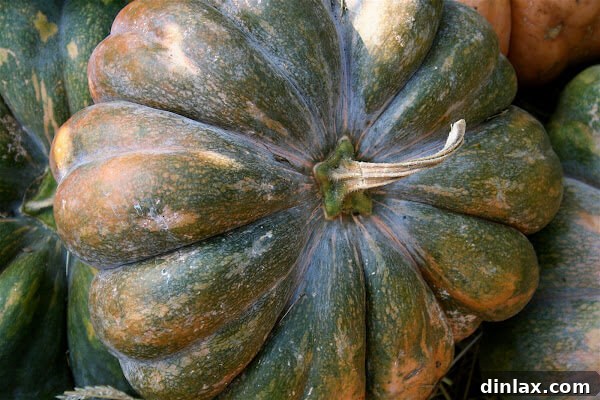
For those seeking richer, more complex flavors, the striking blue-gray Hubbard squash provides a dense, sweet, and slightly mealy texture perfect for pies and mashes. Kabocha, or Japanese pumpkin, offers a dry, flaky, and intensely sweet flesh reminiscent of sweet potato and chestnut, often used in tempura or roasted as a side dish. And the vibrant red kuri, with its thin, edible skin and nutty, sweet flavor, excels in soups, stews, and roasts. Exploring these diverse winter squash varieties is not just about expanding your palate; it’s about reconnecting with the earth’s seasonal bounty and appreciating the nuanced flavors that fresh, locally sourced ingredients bring to the table. They are a testament to the farmer’s labor and the rich agricultural heritage that inspires true culinary purism.
Embracing Pumpkin in Your Kitchen: Versatility in Every Form
Whether you lean towards convenience or crave the challenge of cooking from scratch, pumpkin offers incredible versatility in the kitchen. Canned pumpkin purée, despite its slight flavor difference from fresh, is undeniably a boon for bakers. Its consistent texture and moisture content make it a reliable ingredient for a host of autumnal sweets, from quick breads and muffins to the very pumpkin bread that started my market revelation. For these applications, where pumpkin is often one flavor among many, the canned option is perfectly acceptable and allows for quick, delicious results.
However, when the robust, earthy notes of fresh pumpkin are desired, especially in savory dishes or a truly exceptional pie, the effort of roasting and pureeing your own is profoundly rewarding. The depth of flavor, the slightly less uniform texture, and the sheer satisfaction of transforming a whole gourd into a culinary masterpiece are unparalleled. It’s about choosing the right tool for the job – canned for efficient sweetness, fresh for vibrant, authentic flavor. Both approaches contribute to the rich tapestry of seasonal cooking, allowing every home chef to enjoy the comforting embrace of pumpkin season.

A Delightful Start to Your Day: Fluffy Pumpkin Waffles
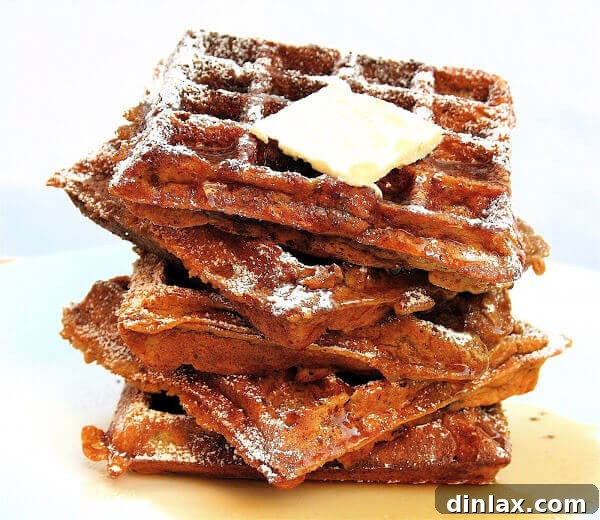
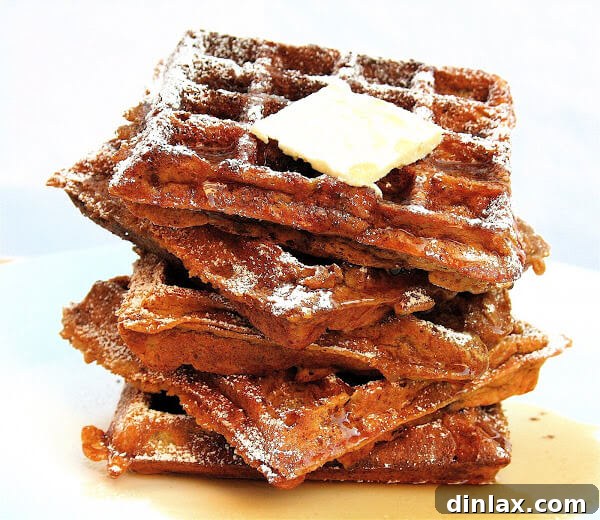
These Pumpkin Waffles are the epitome of autumn comfort, transforming a simple breakfast into a festive, flavorful experience. Light, airy, and infused with the warm spices of pumpkin pie, they make a perfect weekend brunch treat or a special holiday morning meal. The secret to their incredible texture lies in separating the eggs and folding in the whipped whites, creating waffles that are wonderfully crisp on the outside and tender on the inside. Serve them warm with a dusting of powdered sugar, a generous drizzle of maple syrup, and a pat of rich butter for an unforgettable fall indulgence.
Yields: 3 to 4 servings
Ingredients:
- 2 cups all-purpose flour
- 3 tablespoons granulated sugar, divided
- 4 teaspoons baking powder
- 1 teaspoon kosher salt
- 1 tablespoon pumpkin pie spice (or a blend of cinnamon, nutmeg, ginger, and cloves)
- 1½ cups buttermilk
- 1 cup pumpkin purée (canned or homemade, as per your preference for sweets!)
- 4 large eggs, separated
- 1 stick (½ cup or 4 oz.) unsalted butter, melted and slightly cooled
- 1 tablespoon pure vanilla extract
- Optional for serving: powdered sugar, high-quality maple syrup, additional butter
Instructions:
- Begin by preheating your waffle iron according to the manufacturer’s instructions until it’s hot and ready. Simultaneously, preheat your oven to 200ºF (95ºC). This low heat will be crucial for keeping your finished waffles warm and crisp while you cook the rest of the batch.
- In a large mixing bowl, whisk together all the dry ingredients: the flour, two tablespoons of the granulated sugar, baking powder, kosher salt, and pumpkin pie spice. Ensure they are thoroughly combined to distribute the leavening agents and spices evenly.
- In a separate medium-sized bowl, prepare the wet ingredients. Whisk together the buttermilk, pumpkin purée, egg yolks (reserving the whites for later), melted butter, and vanilla extract until the mixture is smooth and well-incorporated.
- Pour the wet ingredients into the dry ingredients. Mix gently with a whisk or spatula only until just combined. Be careful not to overmix the batter; a few lumps are perfectly fine and will lead to more tender waffles. Overmixing can develop the gluten too much, resulting in tough waffles.
- In a clean, dry bowl, using an electric mixer with the whisk attachment, beat the reserved egg whites until soft peaks begin to form. This means the peaks will curl over slightly when the whisk is lifted.
- Slowly add the remaining one tablespoon of granulated sugar to the egg whites while continuing to beat. Increase the mixer speed to medium-high and continue beating until glossy, stiff peaks form. The peaks should hold their shape firmly when the whisk is lifted.
- To lighten the batter, gently stir about one-third of the beaten egg whites into the pumpkin mixture. This initial incorporation helps to temper the batter and makes it easier to fold in the remaining whites without deflating them.
- Carefully fold in the remaining two-thirds of the egg whites into the batter using a rubber spatula. Use a gentle, sweeping motion, folding from the bottom up, until just combined. The goal is to incorporate the air from the egg whites into the batter without deflating it, which contributes to the waffles’ light and fluffy texture.
- Lightly grease your hot waffle iron, if necessary (some non-stick irons don’t require it). Ladle the pumpkin waffle batter onto the preheated waffle iron, using the amount recommended by your waffle maker’s instructions. Close the lid and cook until the waffles are crisp, golden brown, and cooked through, usually 3-5 minutes, depending on your iron.
- While the waffles are cooking, place a wire cooling rack on top of a baking sheet. As each waffle finishes cooking, transfer it immediately to the cooling rack on the baking sheet and place the entire pan in the preheated 200ºF oven. This method prevents the waffles from becoming soggy on the bottom and keeps them warm and crisp until all are cooked and ready to serve.
- Serve the warm Pumpkin Waffles immediately, dusted generously with powdered sugar, drizzled with rich maple syrup, and accompanied by a dollop of fresh butter for an exquisite autumn breakfast.
Comforting Autumn Indulgence: Spiced Pumpkin Bread Pudding
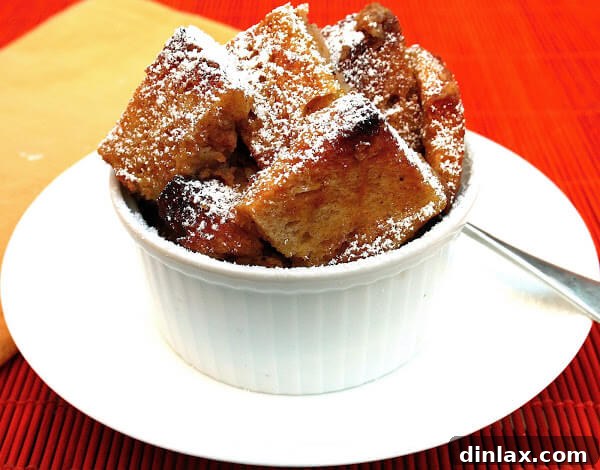
This Spiced Pumpkin Bread Pudding is the quintessential fall dessert – a harmonious blend of warm spices, tender bread, and creamy pumpkin, all baked to golden perfection. It’s a wonderfully comforting dish, perfect for a cozy evening dessert or a hearty addition to a holiday spread. Using slightly stale bread allows it to soak up the rich, custardy pumpkin mixture beautifully, ensuring every bite is moist and flavorful. Prepare this ahead of time for easy entertaining, and watch it disappear as guests savor its sweet, aromatic warmth.
Yields: 8 servings
Ingredients:
- 1 baguette or a loaf of sturdy white bread (such as challah or brioche), cut into 1-inch cubes. For best results, cut and leave the bread out to stale overnight; this helps it absorb more of the custard without becoming mushy.
- ¾ stick (6 tablespoons or 3 oz.) unsalted butter, melted
- 3 large eggs, lightly beaten
- 3 cups whole milk (full-fat milk contributes to a richer, creamier pudding)
- ½ teaspoon pure vanilla extract
- ½ teaspoon kosher salt
- ¾ cup pumpkin purée (canned or homemade, providing that essential fall flavor)
- 1 cup packed light brown sugar (adds depth and moisture)
- 2 teaspoons pumpkin pie spice (or customize with ground cinnamon, nutmeg, ginger, and cloves)
- Optional for serving: powdered sugar for dusting, whipped cream, or a scoop of vanilla bean ice cream
Instructions:
- Preheat your oven to a moderate 350ºF (175ºC). Lightly grease your chosen baking dish; a 9×12 inch glass baking dish or any similarly shaped oven-safe vessel will work perfectly.
- Place the cubed bread into a large mixing bowl. Pour the melted butter evenly over the bread cubes. Toss gently to ensure all the bread pieces are lightly coated with butter. This step adds flavor and helps create a slight crispness on some of the bread pieces.
- Transfer the buttered bread cubes to your prepared baking dish, spreading them out in an even layer.
- In a separate, large bowl, whisk together the eggs, whole milk, vanilla extract, kosher salt, pumpkin purée, brown sugar, and pumpkin pie spice. Whisk vigorously until all ingredients are thoroughly combined and the sugar has dissolved.
- For an exceptionally smooth custard and to remove any small bits of egg or spice that haven’t fully dissolved, strain the mixture through a fine-mesh sieve directly over the bread in the baking dish. This step is optional but highly recommended for a truly luxurious texture.
- Gently press down on the bread cubes with a spoon or spatula to ensure they are fully submerged in the pumpkin custard mixture. This allows the bread to soak up the liquid evenly, preventing dry spots.
- Bake for 55 minutes to 1 hour, or until the bread pudding is golden brown around the edges and set in the center. To check for doneness, gently press the center of the pudding; it should feel slightly jiggly but firm, indicating the custard has set. A knife inserted into the center should come out mostly clean.
- Once baked, remove the bread pudding from the oven and let it cool for at least 15 minutes before serving. This cooling time allows the pudding to set further and makes it easier to scoop.
- Spoon the warm pumpkin bread pudding into individual bowls. For an elegant finish, dust each serving generously with powdered sugar just before serving. For an extra treat, serve with a dollop of fresh whipped cream or a scoop of your favorite vanilla ice cream.
Your Culinary Journey Continues: Savoring Every Season
The conversation with Sam Consylman at the farmers’ market, initially a moment of minor embarrassment, ultimately evolved into a valuable lesson in my ongoing culinary journey. It underscored that the pursuit of “purism” doesn’t have to be rigid or exclusionary. Instead, it can be a flexible philosophy that encourages both an appreciation for traditional methods and an understanding of modern conveniences. My promise to Sam to seek out an authentic Lancaster pumpkin pie still stands, a beacon for further exploration into the world of fresh, regional produce and expert craftsmanship.
As home chefs, we are constantly navigating a balance between time-honored techniques and the practicalities of a busy life. The beauty of gourd season, and indeed all seasonal cooking, lies in its ability to inspire us to connect more deeply with our food sources, to experiment with new flavors, and to derive immense satisfaction from preparing nourishing and delicious meals for ourselves and our loved ones. Whether you choose the ease of canned pumpkin for a quick batch of waffles or dedicate an afternoon to roasting a fresh kabocha squash for a savory purée, the ultimate goal remains the same: to enjoy the rich, comforting flavors of autumn and to continue your own unique culinary adventure, one delicious dish at a time. Embrace the season, experiment with confidence, and let your kitchen be a place of joy and discovery.