Embrace the Season: Sautéed Corn & Roasted Cauliflower for Hearty, Healthy Salads
Jump to Sautéed Corn Recipe
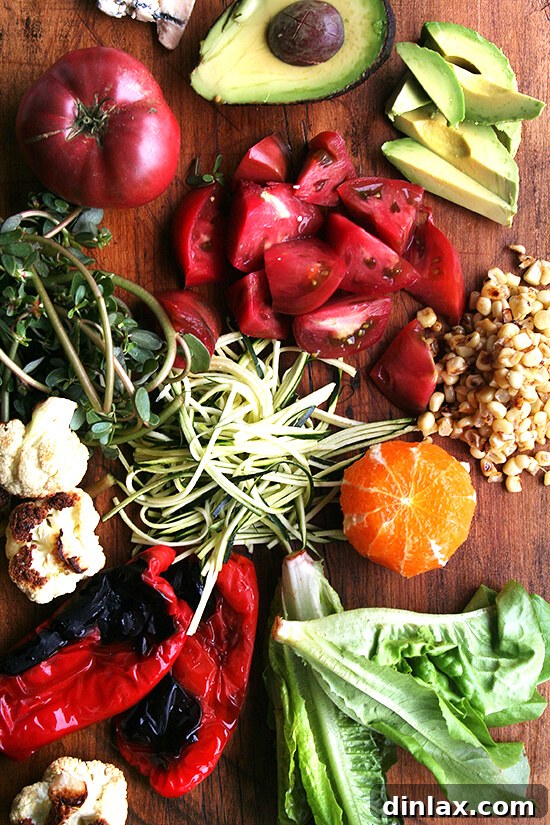
There’s a certain privilege in living somewhere where, even as autumn leaves begin to fall, tomatoes still burst with summer’s sweetness. This simple joy, a testament to the lingering warmth of the season, reminds us to savor every moment of fresh produce. However, as mid-October settles in and the air takes on a crisp, cool edge, the idea of a purely raw, chilled salad might start to lose its appeal. But what if you could have the best of both worlds? What if you could enjoy the lightness and vibrancy of a salad, infused with the comforting warmth and rich flavors perfect for cooler evenings?
This is where the magic of warm ingredients transforms your typical salad into a satisfying, wholesome meal. For those evenings when you crave something fresh yet comforting, perhaps alongside a slice of crusty warm bread, I have a delicious suggestion: sautéed corn. This simple addition elevates a standard salad, making it not just palatable but truly desirable during the colder months, bridging the gap between summer’s bounty and winter’s cozy embrace.
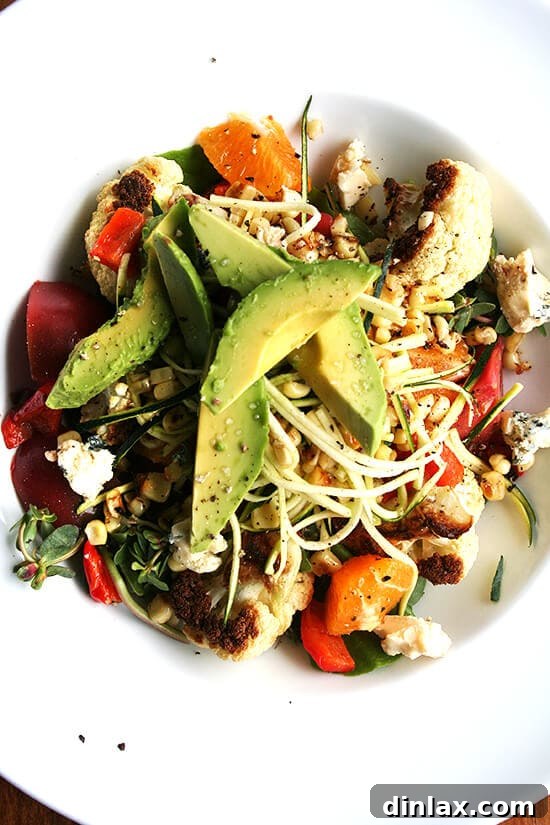
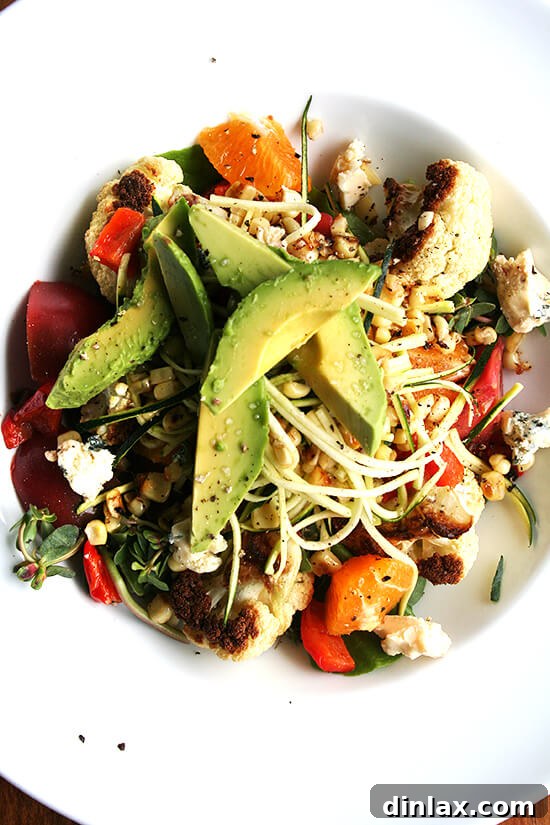
In my kitchen, sautéed corn has become a staple, gracing our dinner table at least twice a week. It’s the star ingredient that turns a basic salad into an extraordinary culinary experience. Imagine a vibrant base of fresh greens, perhaps a mix of tender butter lettuce or crisp arugula, topped with an array of complementary textures and flavors. I often combine roasted red peppers, which add a smoky sweetness, with hearty boiled fingerling potatoes for a grounding element. Bright diced orange segments introduce an unexpected citrusy pop, while thinly shaved zucchini offers a delicate crunch. Creamy slices of avocado contribute healthy fats and a luxurious mouthfeel.
The true genius, however, lies in the sautéed corn. Once the warm kernels are scattered over the salad, something truly wonderful happens. The gentle heat from the corn ever so slightly melts any goat or blue cheese you might add, creating pockets of creamy richness. It also delicately wilts the lettuce, infusing the greens with its sweet, buttery essence. This subtle transformation makes each bite profoundly delectable, turning a simple mix of ingredients into a harmonious symphony of flavors and textures. To transform this delightful side into a complete meal, I often crown it with a perfectly poached egg, its runny yolk adding an extra layer of richness, or tender slices of broiled chicken for a lean protein boost. It’s a meal that feels indulgent yet remains incredibly fresh and healthy.
Elevate Your Salad: The Secret to a Perfect Homemade Vinaigrette
While the market is flooded with ready-made dressings, nothing quite compares to the vibrant flavor and undeniable freshness of a homemade vinaigrette. Crafting your own dressing allows you complete control over the quality of ingredients, enabling you to avoid unnecessary additives, sugars, and unhealthy oils often found in store-bought versions. It’s a small step that makes a monumental difference in the overall taste and nutritional value of your salad. This particular recipe, inspired by a long-time favorite from Alice Waters’ seminal cookbook Chez Panisse Vegetables, takes a classic approach by macerating shallots, a technique that unlocks their full, nuanced flavor before whisking them into the dressing.
The process is wonderfully simple yet yields impressive results. Begin by finely chopping a shallot and placing it in a medium-sized bowl. Shallots are milder and sweeter than onions, offering a delicate aromatic base. Next, squeeze the juice of two fresh oranges directly over the chopped shallot. This infusion of bright citrus begins the maceration process, gently softening the shallots and allowing their flavors to meld beautifully. A sprinkle of salt enhances the sweetness and balances the acidity, while a tiny pinch of sugar mellows any sharpness. A splash of your favorite vinegar – red wine, white wine, or apple cider vinegar all work wonderfully – adds another layer of tang. Finish with a few cracks of freshly ground black pepper and let this mixture sit for about 20 minutes. This resting period is crucial; it allows the shallots to release their aromatic oils and absorb the surrounding liquids, creating a more cohesive and flavorful base for your vinaigrette.
After the maceration, it’s time for the olive oil. Slowly drizzle in extra virgin olive oil while continuously whisking the mixture. This gradual addition, combined with vigorous whisking, is key to creating a beautiful emulsion – a stable blend where oil and acid come together in a creamy, unified dressing. Taste frequently as you add the oil to achieve your preferred balance. I personally favor a ratio of approximately two parts oil to one part juice or vinegar, which creates a well-rounded dressing that is neither too sharp nor too oily. Once you’re satisfied with the taste and consistency, pour the vinaigrette into a clean jar. This dressing will keep beautifully in the refrigerator for a week, making your weeknight salad preparations effortless and consistently delicious. It’s a small effort for a significant reward, transforming every salad into a gourmet experience.
Quick & Flavorful Sautéed Corn
Rated: 5 Stars from 1 review
- Author: Alexandra Stafford at alexandracooks.com
- Total Time: 7 minutes
- Yield: 1 serving
Ingredients
- 1 ear of corn, kernels removed
- Extra virgin olive oil
- Kosher salt
Instructions
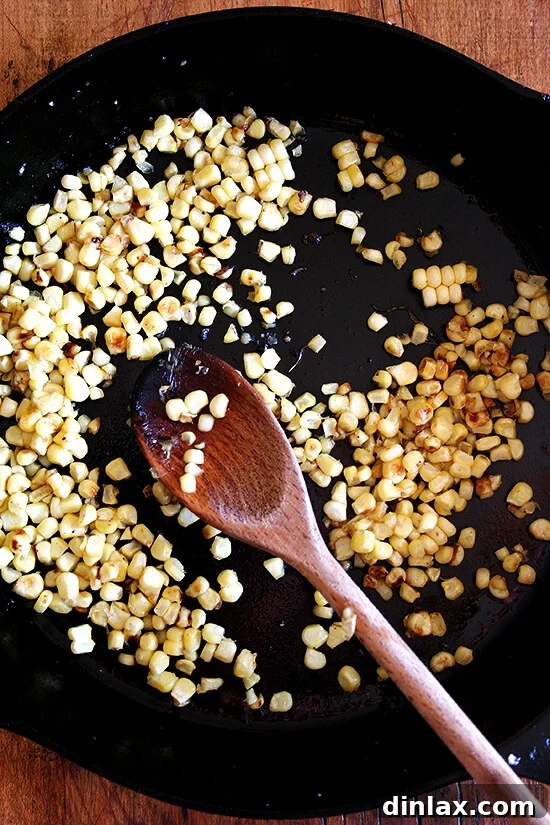
- Heat a skillet over high heat. Add a generous drizzle of extra virgin olive oil. When the oil begins to shimmer and swirl in the pan, carefully add the corn kernels. Season immediately to taste with kosher salt. Resist the urge to stir the corn for the first 45 seconds to a minute; this allows the kernels to develop a beautiful caramelization and intense flavor on one side. You’ll hear them begin to pop, indicating they’re ready.
- Once the corn begins popping, give it a good stir to ensure even cooking and distribution of the caramelized bits. Remove the pan from the heat immediately. The entire cooking process is incredibly fast, taking only 1 to 2 minutes total. This quick sauté preserves the corn’s natural sweetness and provides a tender-crisp texture.
- Prep Time: 5 minutes
- Cook Time: 2 minutes

Beyond the delightful sautéed corn, another vegetable has captured my culinary attention: roasted cauliflower. This humble cruciferous vegetable transforms in the oven into something truly extraordinary. The high heat creates wonderfully crispy, salty, and slightly charred bits that are so incredibly flavorful, they rival the satisfaction of a good batch of french fries. It’s delicious right out of the oven, perfect as a warm side dish or a satisfying snack.
Roasted cauliflower is not only incredibly versatile but also packed with nutrients. It’s an excellent source of vitamin C, vitamin K, folate, and fiber, making it a powerful addition to any diet. Its mild, slightly nutty flavor pairs well with almost anything, and its ability to absorb seasonings makes it a blank canvas for culinary creativity. Any leftover roasted cauliflower is a treasure; I particularly enjoy dipping it in hummus for a healthy, flavorful snack. It also makes a fantastic addition to grain bowls, wraps, or even blended into creamy soups for added body and nutrition. The ease of preparation combined with its undeniable deliciousness makes it a must-try for anyone looking to incorporate more vegetables into their meals.
Irresistible Roasted Cauliflower
Rated: 5 Stars from 1 review
- Author: Alexandra Stafford at alexandracooks.com
- Total Time: 25 minutes
- Yield: 1–2 servings
Ingredients
- 1 head cauliflower, florets removed from stem
- Extra-virgin olive oil
- Kosher salt
Instructions
- Preheat your oven to a robust 450ºF (230°C). Arrange the cauliflower florets in a single layer on a rimmed baking sheet. Ensure not to overcrowd the pan, as this can steam the cauliflower instead of roasting it to crispy perfection.
- Drizzle generously with extra-virgin olive oil, ensuring all florets are lightly coated. Season liberally with kosher salt – a good amount of salt is key to enhancing the cauliflower’s flavor and promoting that desirable crispy exterior. Toss the florets gently with your hands to distribute the oil and salt evenly.
- Place the baking sheet in the preheated oven and roast for 15 minutes. After 15 minutes, check on the cauliflower. You’ll notice the edges beginning to brown and crisp up. Give the florets a good stir or flip them over with a spatula if you desire more even charring. Continue to cook for an additional 5 minutes, or until the cauliflower reaches your preferred level of tenderness and golden-brown crispness.
- Prep Time: 5 minutes
- Cook Time: 20 minutes
Purslane: Unlock the Power of Nature’s Superfood
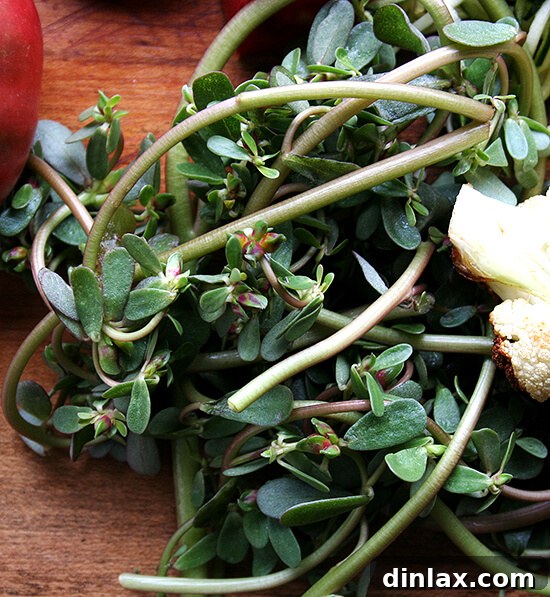
Have you ever encountered purslane? This unassuming succulent green, often mistaken for a common weed, is nothing short of a nutritional powerhouse, arguably one of the healthiest plants on the planet. Its vibrant green leaves and slightly reddish stems hold a wealth of health benefits, particularly its exceptionally high content of omega-3 fatty acids, making it a true superfood deserving of a prime spot in your diet.
The remarkable discovery of purslane’s nutritional prowess traces back to the 1980s, thanks to the pioneering research of Artemis Simopoulos, author of The Omega Diet. Dr. Simopoulos’s curiosity was piqued by the observation that purslane, a wild green, was teeming with omega-3 fatty acids. This led her to a brilliant hypothesis: if animals consumed these omega-3 rich greens, they too might become a significant source of this essential fatty acid. To put her theory to the test, she conducted a fascinating experiment. Dr. Simopoulos took eggs laid by free-ranging chickens on her family farm in Greece, chickens that naturally grazed on purslane, and brought them back to the National Institute of Health for a thorough analysis. Her findings were astonishing: these free-ranging eggs contained a staggering 20 times more omega-3 fatty acids compared to standard supermarket eggs.
Dr. Simopoulos’s groundbreaking discoveries, published in several high-profile scientific journals, sent ripples through the agricultural and nutritional communities. Her research highlighted a direct link between animal feed and the nutritional quality of their products, specifically concerning omega-3 content. This revelation profoundly influenced egg producers across the country, inspiring many, most notably George Bass of The Country Hen, to innovate their feeding practices. They began supplementing their chickens’ diets with foods naturally rich in omega-3 fatty acids, such as fish oil and flax seed, in an effort to produce eggs with enhanced nutritional profiles. This shift not only underscores the importance of a chicken’s diet but also solidified purslane’s reputation as an overlooked botanical treasure.
Beyond its significant omega-3 content, purslane is also brimming with antioxidants, vitamins (including a high amount of Vitamin A and C), and essential minerals like magnesium, potassium, and iron. Its unique, slightly tart and succulent flavor makes it a versatile ingredient in the kitchen. It can be tossed fresh into salads for a refreshing crunch, added to sandwiches for an extra layer of flavor and nutrition, or even lightly sautéed in stir-fries. Incorporating purslane into your meals is an effortless way to boost your intake of vital nutrients, supporting heart health, brain function, and overall well-being. Look for it at farmer’s markets, specialty grocery stores, or consider growing it yourself – it’s incredibly hardy and often thrives where other plants struggle.
As the seasons gently shift, our palates often crave a balance of freshness and warmth. By incorporating simple, yet transformative ingredients like sautéed corn and roasted cauliflower, and by embracing the vibrant benefits of greens like purslane, you can continue to enjoy nourishing, delicious salads all year round. These recipes are more than just meals; they are invitations to experiment, to savor seasonal flavors, and to discover the endless possibilities that fresh, whole ingredients offer. So, step into your kitchen, embrace these culinary inspirations, and treat yourself to meals that are both comforting and incredibly good for you. Happy cooking!