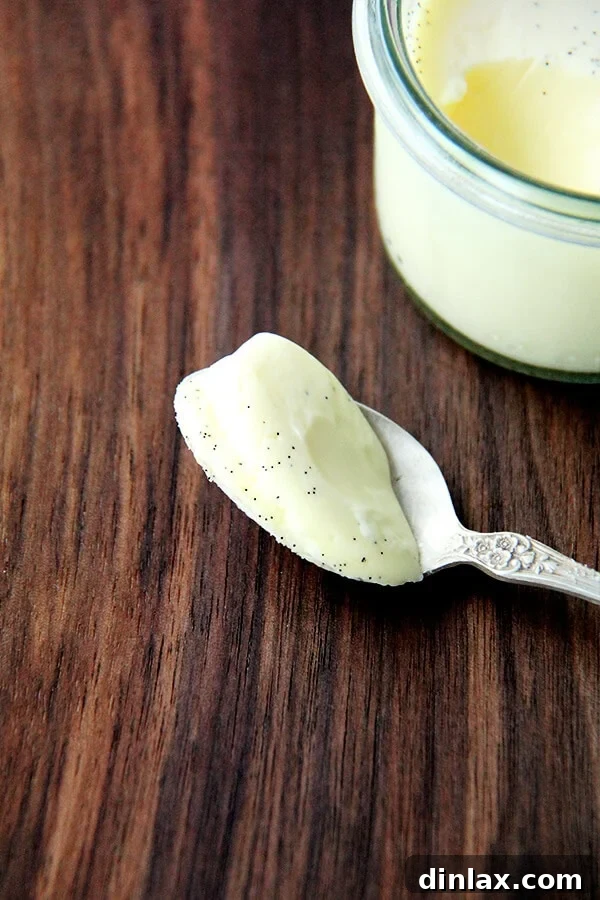
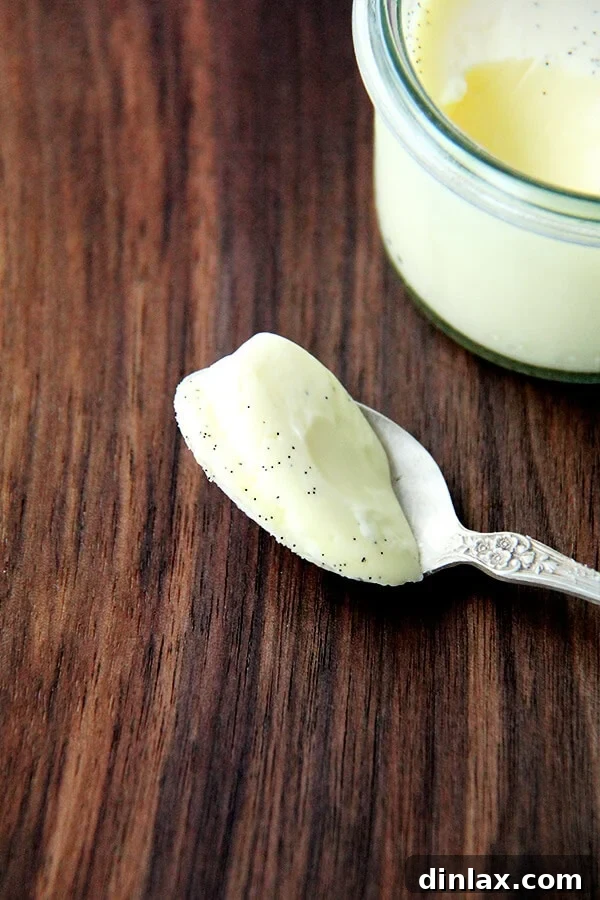
There are certain recipes that leave an indelible mark, transforming a simple moment into a cherished memory. For me, the journey to perfecting Vanilla Bean Pots de Crème began on a serene retreat to my auntie’s home in picturesque Vermont. Imagine this: cozying up on a plush couch, a roaring fire casting dancing shadows across the room, my beloved dogs nestled at my feet, and a classic cookbook open in my lap. It was a scene of pure, unadulterated comfort, and the perfect setting for culinary inspiration to strike.
I found myself gravitating towards the dessert chapter of Thomas Keller’s acclaimed cookbook, Bouchon. Each page turned was an invitation into a world of exquisite French patisserie, where images of delicate bouchons au chocolat (those delightful cork-shaped, brownie-like cakes) and dreams of crème anglaise-soaked French toast filled my mind. The sheer artistry and precision of Keller’s recipes were captivating, stirring within me a profound desire to create something equally sublime.
As I delved deeper, my ambition grew. I meticulously drafted a grocery list, brimming with ingredients for sophisticated desserts, and a mental wishlist of specialized kitchen gadgets. I dreamt of elegant pots de crème vessels, flexible timbale pans, and even this particular Bouchon Mold, an item that has since occupied a corner of my culinary desires.
Fortuitously, my aunt’s kitchen proved to be a treasure trove, boasting an impressive collection of mini ramekins and espresso cups – perfect stand-ins for my ambitious dessert plans. With these readily available, I settled on two recipes: the exquisite Vanilla Bean Pots de Crème and a decadent dark chocolate mousse. Both were met with enthusiastic acclaim, but it was the Vanilla Bean Pots de Crème that truly stole the show, proving to be an unparalleled triumph.
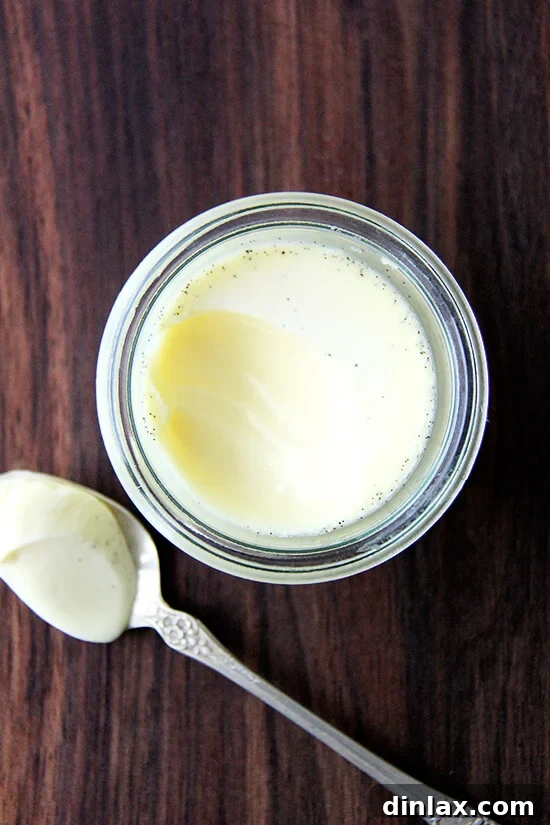
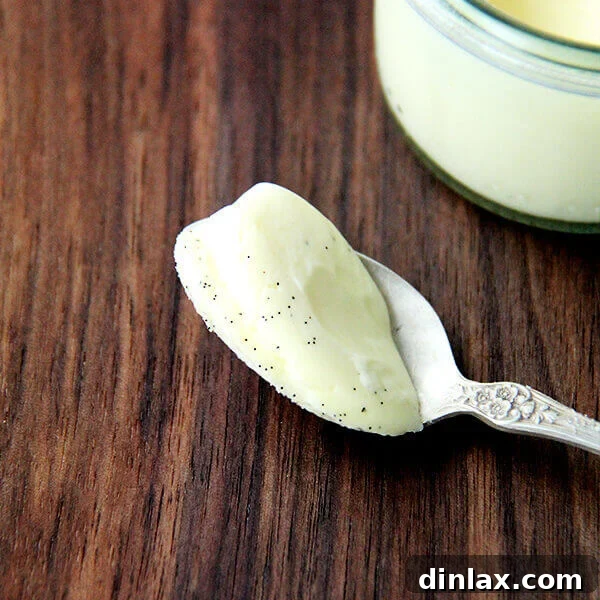
Crafted from the simplest yet most luxurious ingredients – rich heavy cream, delicate sugar, a fragrant vanilla bean, and golden egg yolks – these pots de crème were destined for greatness. Anything less than spectacular would have been a serious disappointment, and fortunately, they exceeded every expectation. Each spoonful offered a taste reminiscent of an untorched crème brûlée, but elevated – smoother, more velvety, perfectly sweet, and profoundly satisfying in every conceivable way. It was a dessert experience that transcended the ordinary, a testament to the magic that happens when quality ingredients meet expert technique.
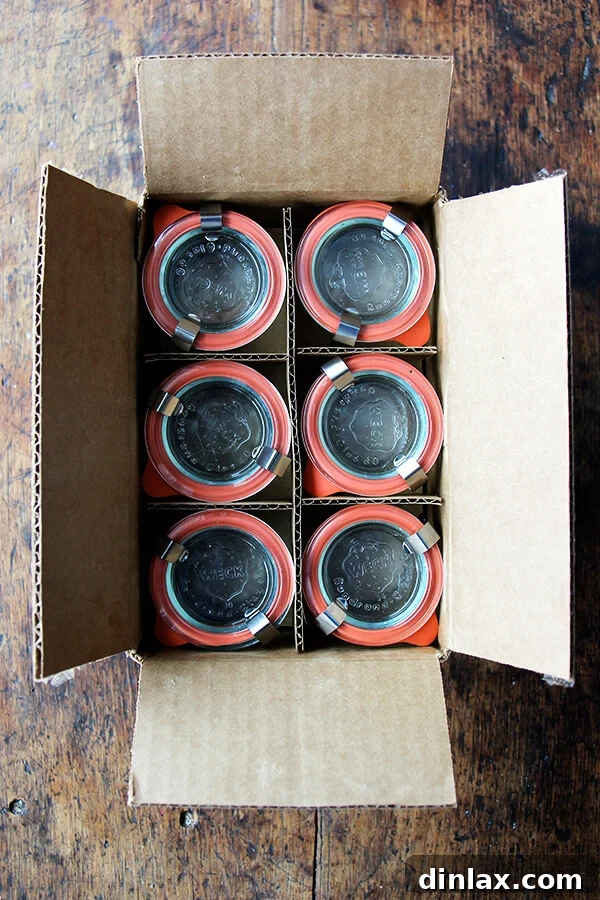
Upon my return home, still basking in the glow of my Vermont culinary adventure, I almost succumbed to the temptation of ordering a set of lidded pots de crème molds. They were undeniably adorable, but a nagging voice whispered of their potential as “uni-taskers” – single-purpose gadgets that often end up gathering dust. I’ve made that mistake before, filling my kitchen with equipment for specific occasions rather than versatile tools. Instead, I opted for a more practical and equally charming solution: a set of mini Weck jars.
These petite jars had caught my eye ever since my mother gifted me one filled with a homemade pâté, beautifully packaged and sold within the very same Weck jar. Their size is simply enchanting – perfect for an array of delights. Beyond pots de crème, I envision them holding homemade jams, vibrant chutneys, or even artisanal face scrubs for those inclined towards DIY beauty. Looking ahead to the next holiday season, I’m already planning to stock up on these charming jars to present as gifts, filled with the delightful pâté recipe I discovered last winter. Their versatility makes them an invaluable addition to any kitchen.
Of course, traditional 4- or 6-ounce ramekins work perfectly well for this recipe and are a popular choice. However, there’s a particular charm to these teensy Weck jars. Their smaller size offers a delightful indulgence without the guilt, making it easy to enjoy one (or even two!) without a second thought. They transform a rich dessert into a perfectly portioned treat, ideal for elegant entertaining or a personal moment of bliss.
Crafting the Perfect French Custard: Vanilla Bean Pots de Crème
The allure of a classic French custard lies in its simplicity and the profound depth of flavor it achieves with just a few core ingredients. Vanilla Bean Pots de Crème is the epitome of this elegance, delivering a silky, melt-in-your-mouth experience that is both comforting and sophisticated. This recipe, inspired by the masterful Thomas Keller, guides you through creating a dessert that is truly restaurant-quality, right in your own kitchen.
Print
Vanilla Bean Pots de Crème
5 Stars 4 Stars 3 Stars 2 Stars 1 Star
5 from 4 reviews
Author: Alexandra Stafford
Total Time: 10 hours
Yield: 8 servings 1x
Description
This exquisite Vanilla Bean Pots de Crème recipe is inspired by the culinary genius of Thomas Keller, specifically from his renowned cookbook, Bouchon. Keller’s philosophy of precision and quality ingredients shines through in this French custard, resulting in a dessert that is incredibly smooth, perfectly sweet, and deeply satisfying. It’s a testament to how simple elements, when treated with care, can create something truly spectacular. This recipe provides an experience akin to an untorched crème brûlée, boasting a velvety texture that is simply irresistible.
Notes on Vessels:
Traditionally, pots de crème are baked in specific lidded molds, designed to create the perfect steamy environment for the custard to set gently. While the original Bouchon recipe calls for eight 5- or 6-ounce pot de crème molds, flexibility is key in home cooking. If you possess standard 4- or 6-ounce ramekins, these will work beautifully and are a fantastic, readily available option for individual dessert portions.
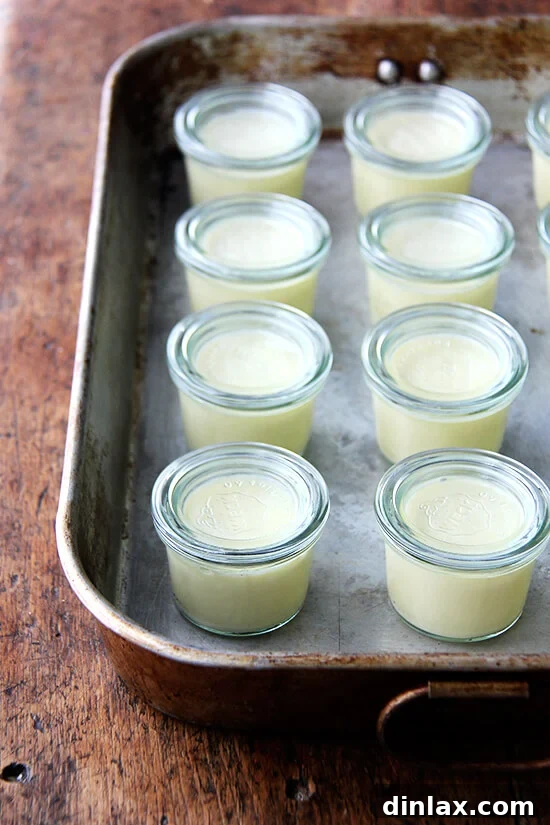
For this recipe, I recently acquired a set of charming mini Weck jars, and I absolutely adore them for serving these pots de crème. At a smaller 2.7-ounce capacity, they offer a more delicate portion size, which is quite appealing for such a rich and indulgent dessert. Their quaint aesthetic also adds a touch of rustic elegance to the presentation. My preference for these jars stemmed from a desire for versatility, avoiding single-use kitchen items. These Weck jars are wonderfully multi-functional, perfect for homemade jams, chutneys, or even as delightful gift packaging for other treats. Ultimately, the best vessel is the one you already have and love to use.
Chocolate Variation: A Rich Indulgence
For an equally decadent twist, try a chocolate version of this classic French custard. The process is remarkably similar, yielding a rich, deeply flavored dessert that will satisfy any chocolate craving. To prepare, finely chop 6 ounces of high-quality semisweet chocolate. Place the chopped chocolate in a heatproof metal bowl. In Step 2 of the instructions, when you strain the warm cream mixture, direct it into a clean saucepan instead of a measuring cup. Gently reheat the strained custard mixture until it is warm to the touch (not boiling). Pour this warm custard over the chopped chocolate and allow it to sit undisturbed for a few minutes, giving the chocolate time to melt into the warm liquid. Then, whisk the mixture gently but thoroughly until the chocolate is completely melted and smoothly combined with the custard. Continue with the rest of the recipe as instructed, baking and chilling the chocolate pots de crème. The result is a profoundly chocolatey, velvety dessert that is truly irresistible.
Ingredients
- 2½ cups heavy cream, ideally full-fat for ultimate richness
- ⅔ cup whole milk, for a balanced creaminess
- ½ cup plus 1 tablespoon granulated sugar, for perfect sweetness
- 1 plump vanilla bean, split lengthwise for maximum flavor extraction (or 1½ teaspoons pure vanilla extract)
- 6 large egg yolks, essential for richness and setting the custard
Instructions
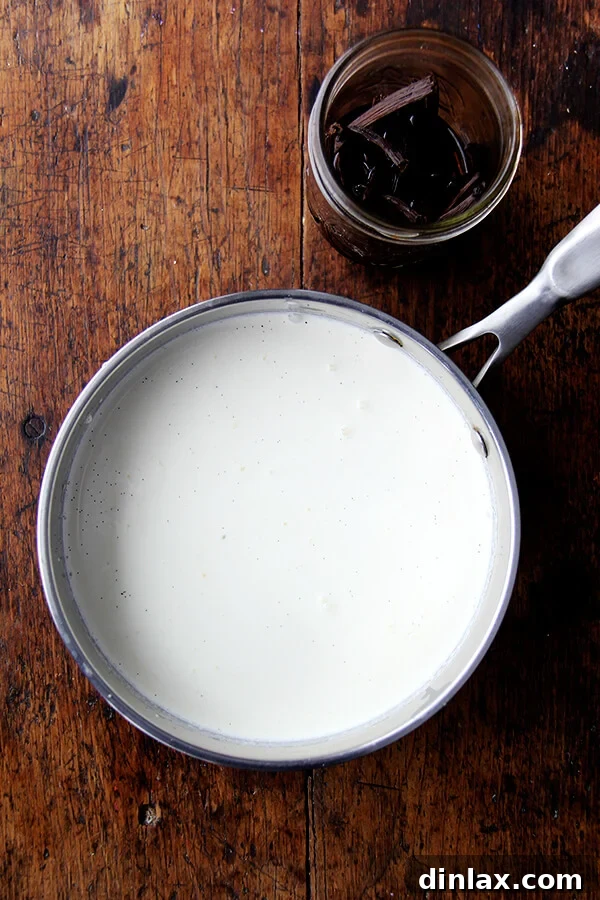
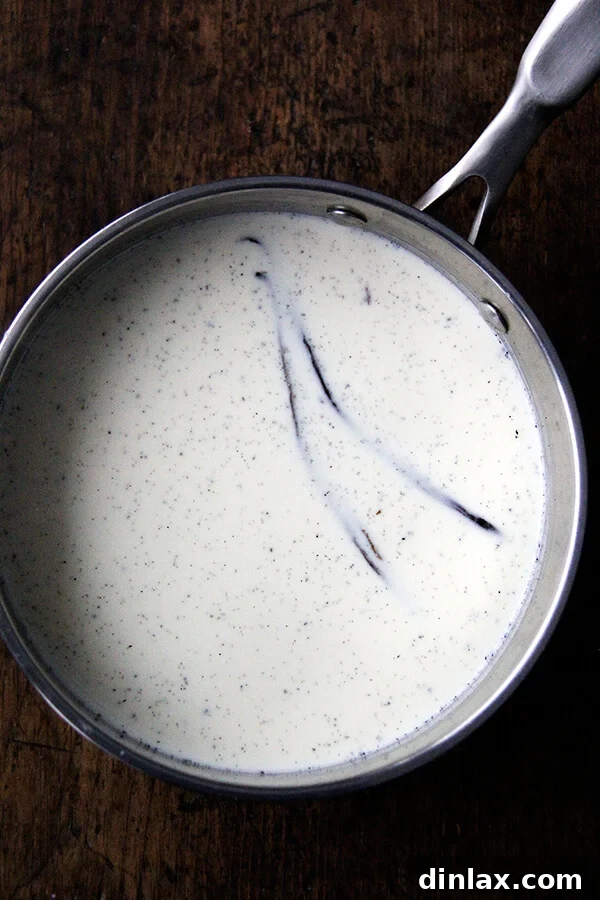
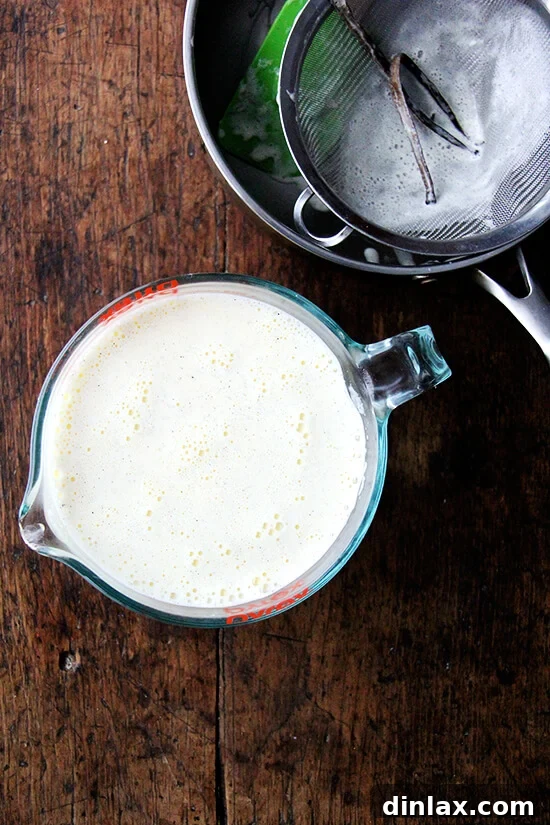
- Infuse the Cream with Vanilla: In a medium saucepan, combine the heavy cream, milk, and 5 tablespoons (which is ¼ cup + 1 tablespoon) of the granulated sugar. Take your vanilla bean, split it in half lengthwise using a sharp paring knife, and carefully scrape out the fragrant, tiny seeds. Add both the scraped vanilla seeds and the empty vanilla bean pod to the cream mixture. Heat this mixture over medium heat, stirring occasionally, until it’s hot to the touch and the sugar has completely dissolved. It should not boil. Once heated, remove the pan from the heat, cover it, and let it steep for at least one hour. This steeping process is crucial for allowing the vanilla bean to fully infuse its complex aroma and flavor into the cream, resulting in a much richer, more aromatic custard.
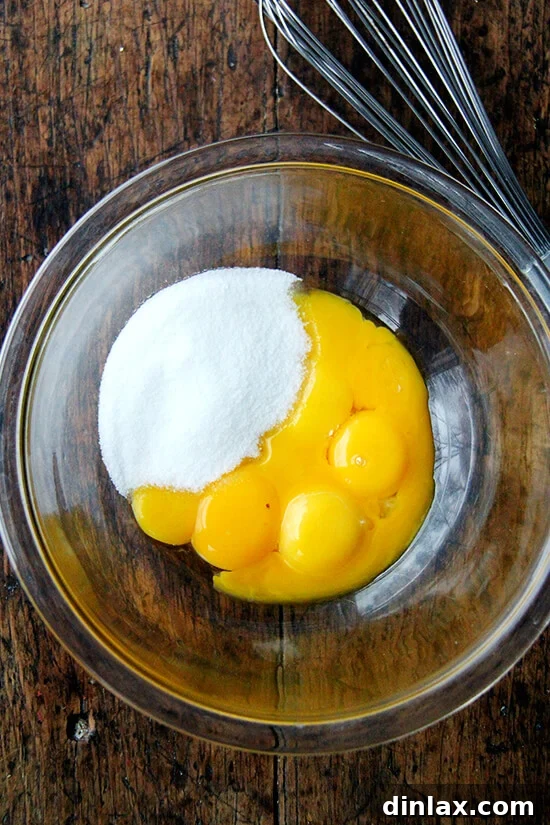
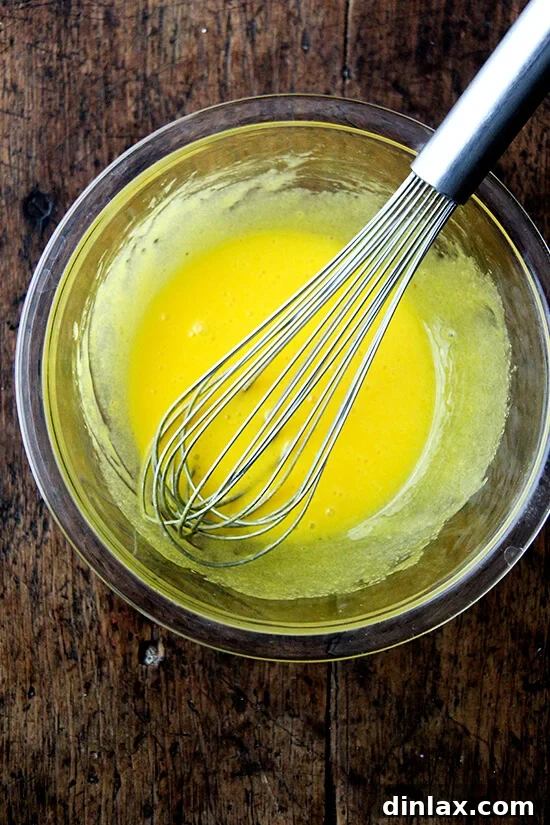
- Temper the Egg Yolks: While the cream mixture is steeping (or as it cools slightly after steeping), whisk the egg yolks with the remaining ¼ cup of sugar in a separate bowl until the mixture is pale yellow and slightly thickened. Before combining, gently re-heat the cream mixture until it is warm to the touch again, but still not hot enough to scramble eggs. To temper the yolks (prevent them from cooking instantly), slowly whisk a small amount (about ½ cup) of the warm cream mixture into the egg yolk and sugar mixture. Continue to gradually add the warm cream, whisking constantly, until all of the warm cream has been incorporated. This gradual addition raises the temperature of the yolks slowly and safely. Finally, strain the entire custard mixture through a fine-mesh sieve into a pitcher or a large measuring cup. Straining ensures a perfectly smooth, silky custard, free of any vanilla bean remnants or small pieces of cooked egg. At this point, the unbaked custard mixture can be covered and refrigerated for up to several days, making it an excellent make-ahead dessert.
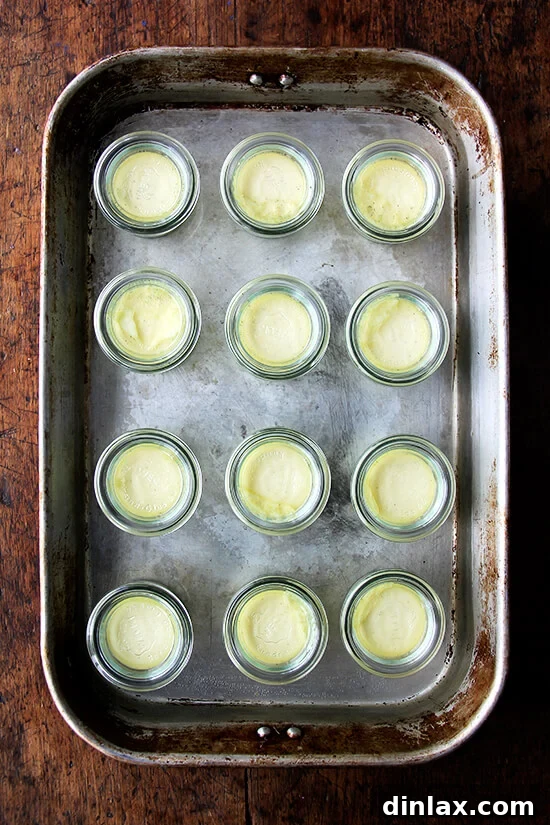
- Prepare for Baking (Water Bath): Position an oven rack in the center of your oven and preheat the oven to 300°F (150°C). Fill a teapot with water and bring it to a rolling boil. Arrange your chosen pot de crème molds (ramekins, Weck jars, or traditional molds, as discussed in the notes above) in a large, deep baking pan. A 9×13-inch baking dish typically accommodates most standard sets of molds. For optimal, gentle cooking and to prevent the bottom of the custards from cooking too quickly, place this large baking pan onto a larger sheet pan. This double insulation method helps distribute heat more evenly. Give the custard mixture a gentle stir to ensure everything is well combined, then carefully fill each vessel with the custard. You can cover each mold with its respective lid, if using Weck jars or lidded pots de crème molds, or simply bake the ramekins uncovered. Both methods work well to achieve a luscious custard.
- Bake in a Bain-Marie: Carefully place the baking pan (with the custards nestled inside) into the preheated oven, leaving a few inches of the pan sticking out. This allows you to safely pour in the hot water. From your boiling teapot, slowly pour the hot water into the larger baking pan, around the custard molds, until the water comes halfway to two-thirds up the sides of the molds. The water bath (bain-marie) is crucial for creating a moist, gentle cooking environment, which ensures the custards cook slowly and evenly, resulting in their signature silky texture and preventing them from curdling or developing cracks. Gently slide the pan fully into the oven. Bake for approximately 30 to 55 minutes. The exact cooking time will vary depending on the size and material of your vessels, as well as whether the custard mixture was refrigerated prior to baking (chilled custard will take longer). To test for doneness, carefully reach into the oven (using a tea towel or oven mitt to protect your hand) and gently shake one of the molds. The custard should be set around the edges but will still have a slight jiggle in the very center, similar to gelatin. Avoid overbaking, as this can lead to a less creamy texture.
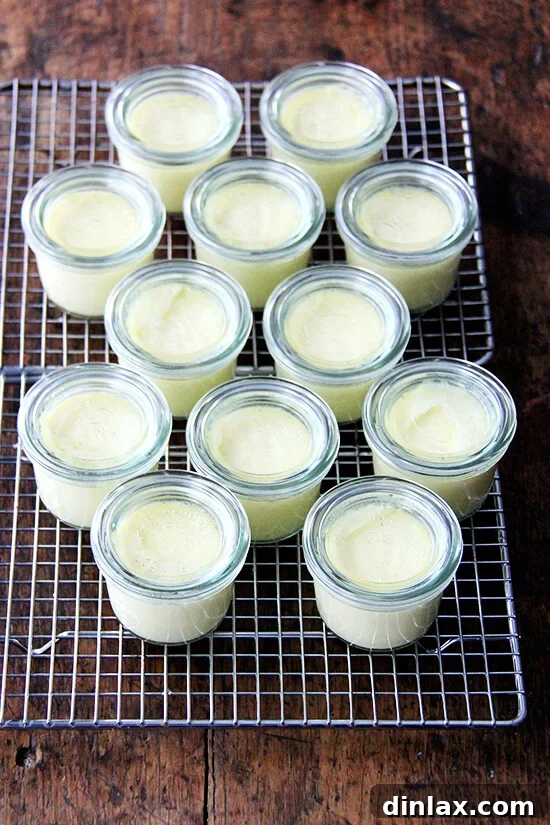
- Cool and Chill: Once baked, carefully remove the individual custard molds from the hot water bath and transfer them to a wire cooling rack. Allow them to cool completely at room temperature. Once cooled, cover each pot de crème (if not already lidded) and refrigerate for at least 8 hours, or preferably overnight, before serving. This extended chilling time is essential for the custards to fully set, firm up, and for their flavors to meld and deepen, achieving the ultimate velvety texture and exquisite taste.
- Prep Time: 1 hour
- Cook Time: 30 minutes
- Category: Dessert
- Method: Oven
- Cuisine: French
Tips for Achieving Velvety Perfection
- Quality Ingredients Matter: Since this recipe uses so few ingredients, their quality is paramount. Use fresh, high-quality heavy cream, whole milk, and the best vanilla bean you can find. A plump, moist vanilla bean will yield the most potent flavor.
- Don’t Rush the Infusion: The steeping time for the vanilla bean in the cream mixture is not just a suggestion; it’s essential. This allows the delicate vanilla flavors to fully bloom and infuse into the liquid, creating a deeply aromatic base for your custard.
- Temper with Care: The most crucial step to a smooth custard is tempering the egg yolks. Pouring hot cream directly into cold yolks will scramble them. Always add a small amount of warm cream to the yolks first, whisking constantly, before slowly incorporating the rest. This gradual temperature increase is key.
- Strain for Silkiness: Don’t skip straining the custard mixture. This step removes any bits of vanilla bean or tiny specks of cooked egg, ensuring an impeccably smooth and luxurious texture.
- The Water Bath is Your Friend: Baking custards in a water bath (bain-marie) prevents them from overcooking too quickly, cracking, or becoming rubbery. It creates a gentle, moist heat that allows the custard to set slowly and evenly, resulting in that signature velvety consistency.
- Don’t Overbake: Overbaked custards will be firm and might have a grainy texture. Look for the “slight jiggle” in the center; it’s the perfect indicator that they are done. They will continue to set as they cool and chill.
- Patience is a Virtue (Chilling): Allow ample time for cooling at room temperature and then a significant chilling period in the refrigerator. This not only fully sets the custard but also allows the flavors to deepen and mature, enhancing the overall experience.
Serving Suggestions for Your Elegant Custard
While Vanilla Bean Pots de Crème are exquisite on their own, a simple garnish can elevate them further and add a touch of sophistication:
- Fresh Berries: A scattering of fresh raspberries, blueberries, or sliced strawberries provides a lovely contrast in flavor and texture, adding a bright, tart note to the rich custard.
- Whipped Cream: A dollop of lightly sweetened, freshly whipped cream is a classic pairing that enhances the creamy texture.
- Chocolate Shavings: For a hint of extra indulgence, grate some dark chocolate over the top just before serving. This also pairs beautifully with the suggested chocolate variation.
- Caramel Drizzle: A light drizzle of homemade caramel sauce can add an additional layer of sweetness and complexity.
- Espresso Dusting: For coffee lovers, a light dusting of cocoa powder or finely ground espresso can add an intriguing bitter note that complements the vanilla.
Storage and Make-Ahead Tips
These Vanilla Bean Pots de Crème are an ideal make-ahead dessert, perfect for entertaining or enjoying throughout the week. Once fully chilled, they can be stored in the refrigerator, covered tightly, for up to 3-4 days. The flavors tend to deepen even further after a day or two, making them an excellent choice to prepare in advance. Ensure they are kept away from strong-smelling foods in the refrigerator to prevent flavor absorption.
Whether you’re hosting a dinner party or simply treating yourself to a moment of culinary bliss, these Vanilla Bean Pots de Crème promise an unforgettable dessert experience. Their luxurious texture and delicate vanilla flavor are a testament to the enduring appeal of classic French patisserie. So, gather your ingredients, take your time, and enjoy the process of creating this truly spectacular dessert.