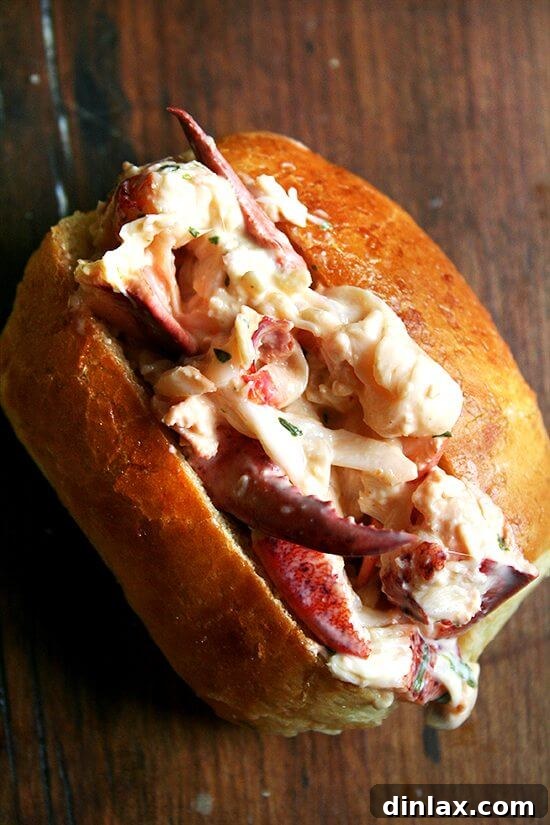
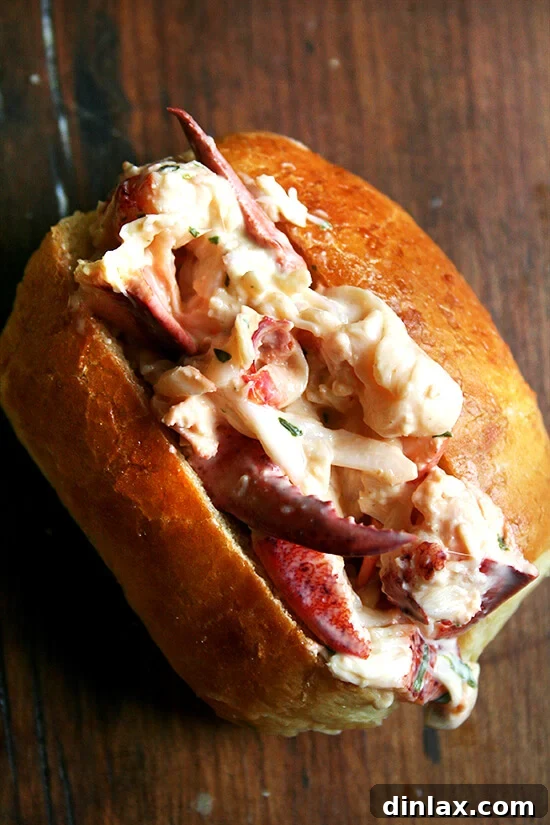
The Ultimate Homemade Lobster Roll: A Taste of Summer
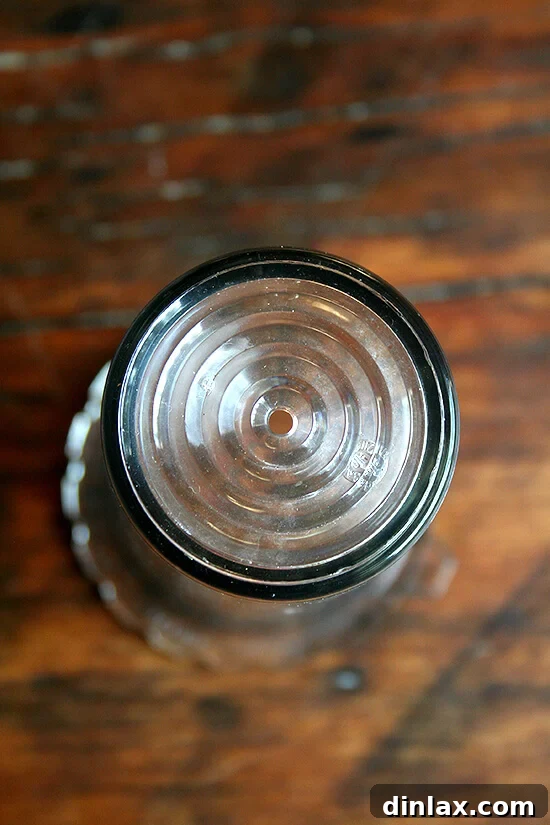
For weeks, the craving for a perfect lobster roll has lingered in my mind, a culinary whisper promising the essence of summer. It became clear: to achieve this dream, mastering homemade mayonnaise was essential. Following my mother’s sagacious advice, I turned to Mark Bittman’s renowned food processor mayonnaise recipe. As she had assured me, the process was not only incredibly easy but utterly foolproof, thanks to a cleverly designed, minuscule hole in the food-pusher insert of the processor. This tiny detail allows for a slow, steady drizzle of oil, creating a flawless emulsion every single time.
From the first ingredient to a sparkling clean kitchen, the entire operation took a mere five minutes. The mayonnaise itself came together in less than a minute once the blades began their mesmerizing spin, transforming simple ingredients into a rich, creamy condiment. This effortless preparation underscores a fundamental truth in cooking: sometimes, the most exquisite results come from the simplest, most thoughtfully executed steps.
Crafting the Perfect Tarragon Mayonnaise for Lobster Rolls
To elevate this creamy base for my lobster rolls, I incorporated fresh tarragon at the final stage of mayonnaise preparation. Tarragon, with its distinct anise-like flavor, has always been inextricably linked in my memory with an exceptional lobster roll—specifically, one crafted with love at home. This herb provides a sophisticated, aromatic note that complements the sweet richness of lobster meat beautifully, without overpowering it. While my most cherished memories of lobster rolls involve spontaneous roadside stands along the picturesque Maine coastline, enjoyed during a summer road trip with my mother years ago, those $3 rolls didn’t feature tarragon. They were a different kind of perfection, a nostalgic taste I’ve never attempted to replicate. At home, however, the addition of fresh tarragon and a bright squeeze of lemon juice transforms the humble lobster roll into a gourmet delight.
My homemade lobster rolls are prepared exactly as my mother taught me: with nothing more than fresh, succulent lobster meat, our homemade tarragon mayonnaise, and a generous splash of fresh lemon juice. The beauty lies in their simplicity. Aside from the initial, somewhat daunting task of preparing the lobsters themselves—the killing, boiling, and cracking—the assembly is straightforward and deeply rewarding. For me, summer doesn’t truly begin until I’ve savored that first bite of a lobster roll, whether it’s from a charming roadside shack or meticulously assembled in my own kitchen. These particular rolls, enjoyed just days before the Fourth of July, were no exception; they ushered in the warmth and joy of the season with every bite. Happy Fourth to everyone!
Ethical Sourcing and Humane Preparation of Lobster
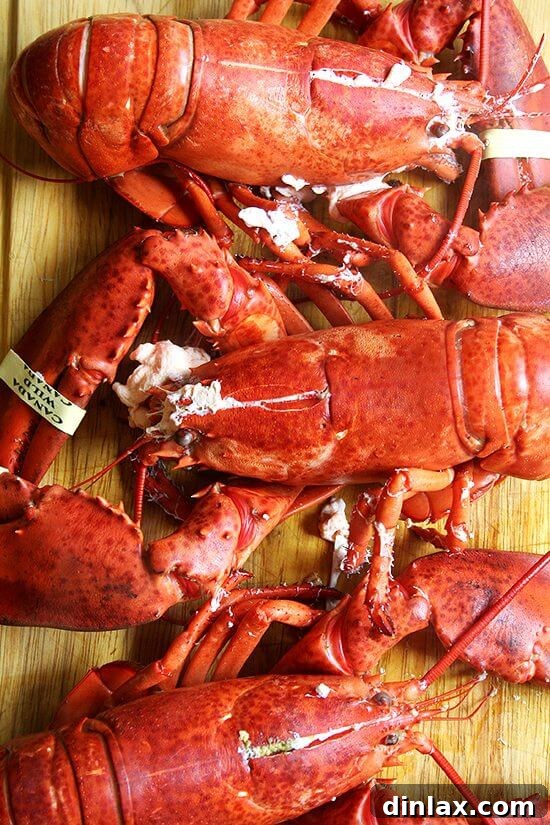
Preparing live lobster can be an intimidating prospect for many home cooks, and rightly so. The ethical considerations around killing an animal for food are significant. After extensive research, a consensus emerged: the most humane method for dispatching a lobster is by quickly thrusting a sharp knife through its shell, precisely behind its eyes, rather than the traditional practice of dropping a live lobster directly into boiling water. This method is believed to be instantaneous, minimizing stress and suffering for the animal.
My decision to adopt this approach was largely influenced by a compelling YouTube video featuring renowned chef Eric Ripert. His calm, respectful commentary and clear demonstration provided the practical guidance and moral conviction I needed to proceed. Ripert’s philosophy resonates deeply:
“It’s not a pleasant experience, but when you eat lobster and when you eat any kind of animal, that animal has been alive and it’s very important to be aware that we are taking that life away and that we are going to eat it, and if we do a good job, we are actually paying homage to the lives that we sacrifice.”
I must admit, the experience was far from pleasant. I felt a palpable sense of nervousness before, during, and even after the process—a lingering unease that stayed with me throughout the afternoon. However, the commitment to a more humane preparation, coupled with the incredible flavor of the resulting lobster, made it unequivocally worthwhile. This approach encourages a deeper respect for the food we consume and the lives that sustain us.
Sustainable Lobster Choices
Beyond the preparation, understanding the source of your lobster is crucial for responsible consumption. The Seafood Watch Ocean Friendly Seafood App is an invaluable resource for making informed choices. According to their guidelines, wild-caught lobster from California or Florida is designated as a “Best Choice,” indicating robust populations and sustainable fishing practices. Trap-caught lobster from the Northeastern U.S. and Canada is categorized as a “Good Alternative,” still a viable option with generally well-managed fisheries. Conversely, wild-caught lobster from Brazil is currently on Seafood Watch’s “Avoid” list, suggesting concerns about overfishing or detrimental fishing methods. By consulting such resources, we can ensure our delicious lobster rolls contribute to the health of our oceans.
The magic of foolproof mayonnaise lies in a tiny detail: the small hole within your food processor’s pusher insert. This ingenious feature ensures that the oil is added to the mixture in a perfectly slow, steady stream, allowing the emulsion to form smoothly and consistently. Without this controlled flow, achieving that silky, stable mayonnaise can be a challenging endeavor. It’s a testament to thoughtful design making complex culinary tasks accessible to everyone.
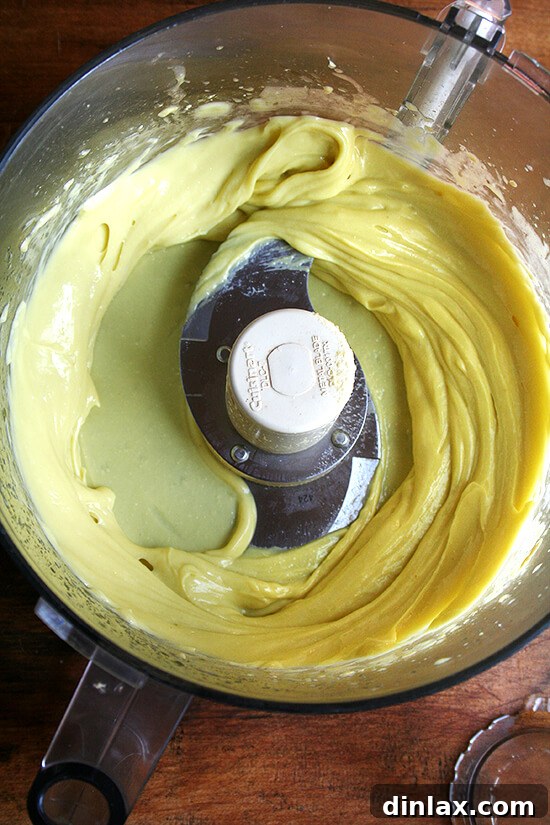
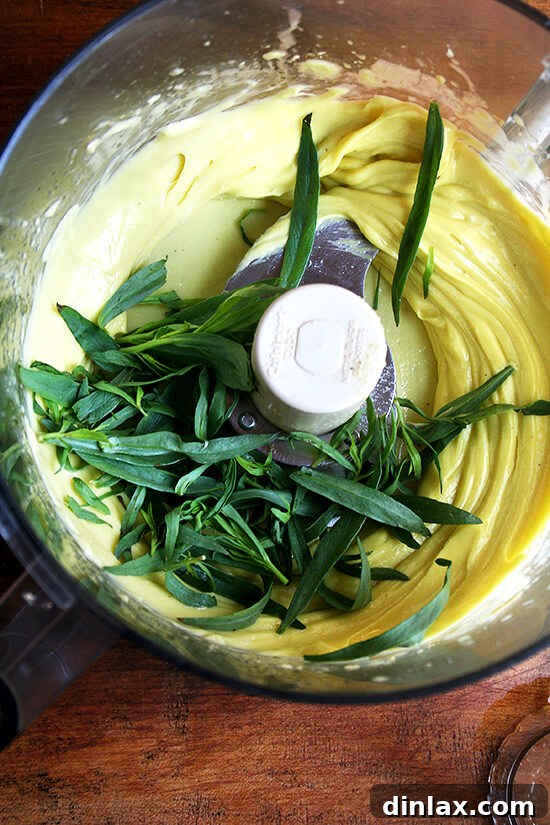
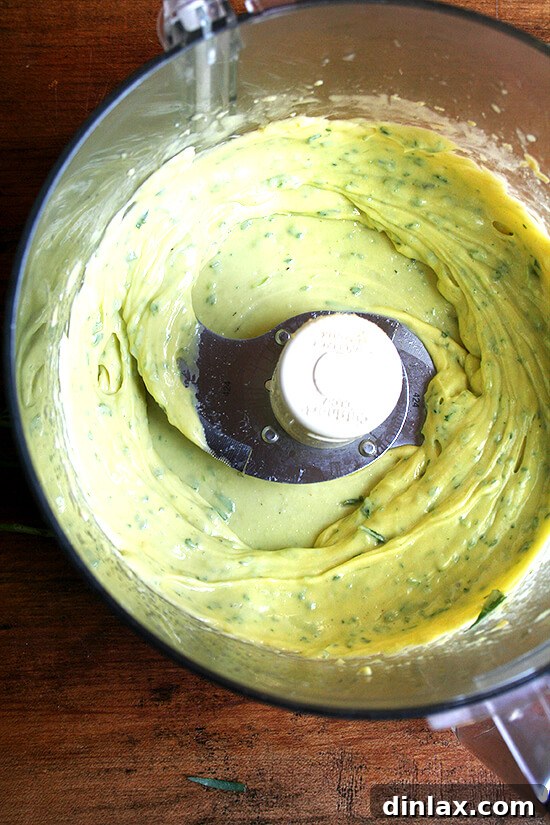
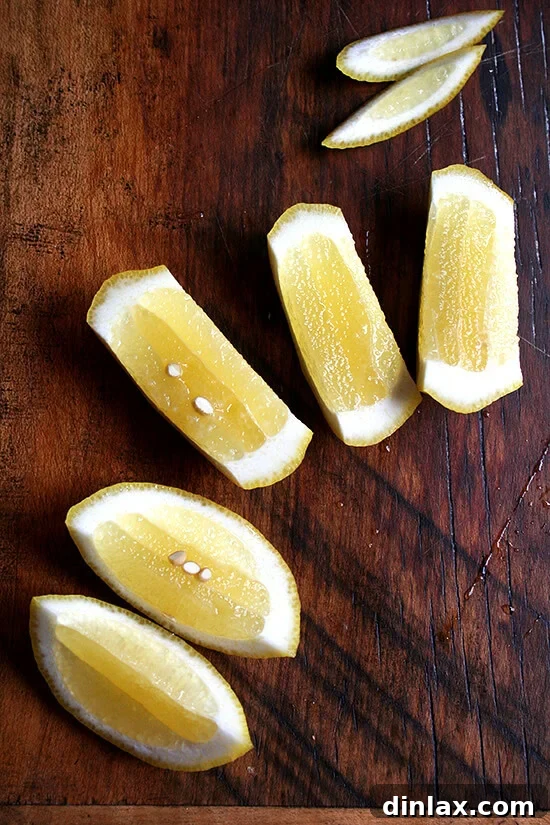
When preparing lemons, especially for garnish, a little extra attention to detail can significantly enhance your presentation. While not strictly necessary for flavor, learning to cut a lemon the “pretty way” can elevate your dish from delicious to truly stunning. If you’re unsure how to achieve those elegant wedges, take a moment to check out this guide. It’s a small technique that makes a big visual impact, perfect for serving alongside your gourmet lobster rolls.
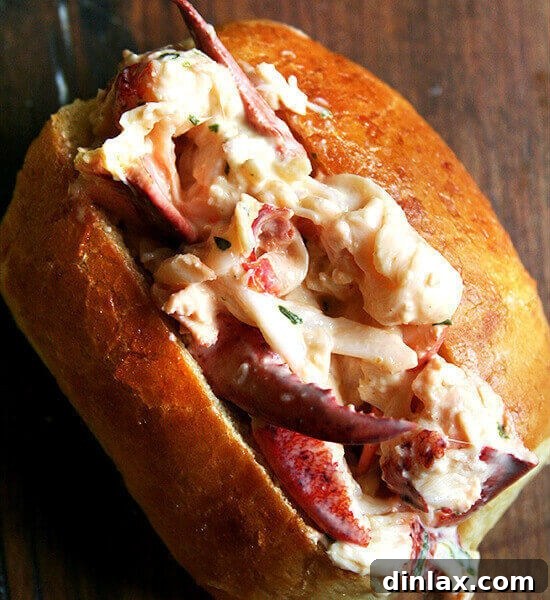
Unbelievably Delicious Lobster Rolls
5 Stars 4 Stars 3 Stars 2 Stars 1 Star
No reviews
- Author: Alexandra Stafford
- Total Time: 41 minutes
- Yield: 3 servings 1x
Ingredients
- 3 live lobsters, approximately 1 to 1.25 lbs each (choose fresh, active lobsters for best results)
- Kosher salt, for seasoning the lobster meat
- Homemade Tarragon Mayonnaise (recipe below), adjust to your preference
- Freshly squeezed lemon juice, to taste (enhances the sweetness of the lobster)
- Additional lemon, cut into wedges, for serving and garnish
- Soft hotdog buns or brioche rolls, split down the middle
Instructions
- Prepare the Lobsters: Bring a very large pot of heavily salted water to a rolling boil. If you don’t own a specialized lobster pot, use your two largest stock pots to accommodate the lobsters without overcrowding. If desired, dispatch the lobsters humanely as described in the article above. Carefully plunge the lobsters headfirst into the vigorously boiling water. Boil for 10 to 11 minutes for 1 to 1.25 lb lobsters; adjust time for larger lobsters (approximately 1 minute per ounce).
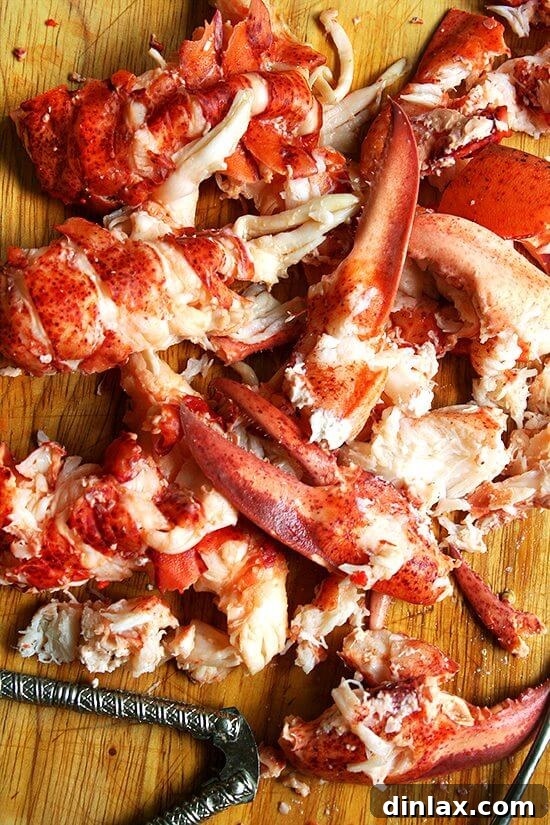
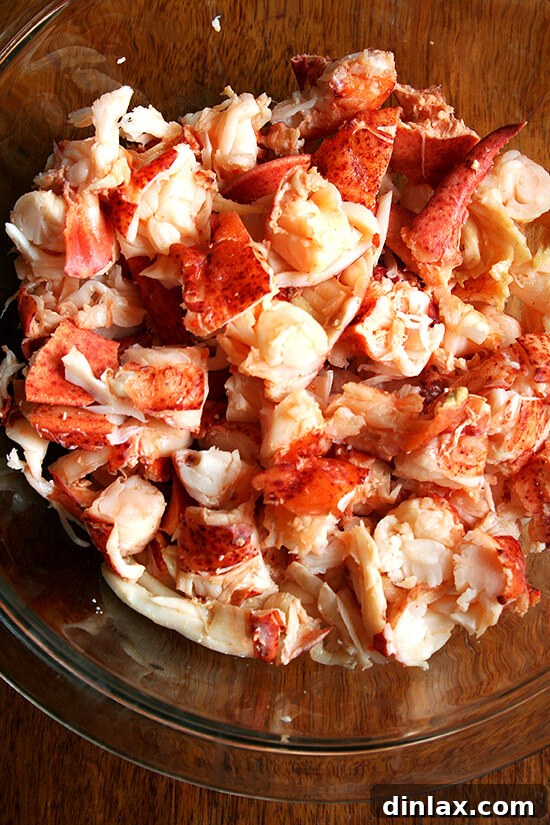
- Extract the Meat: Remove the cooked lobsters from the pots using tongs and allow them to cool slightly on a clean surface until they are comfortable to handle. Once cooled, begin the cracking process. Carefully twist off the claws and tail. Use a nutcracker or the back of a heavy knife to crack the claws and knuckles. Slice open the underside of the tail to remove the meat in one piece. Discard the tomalley (green paste) and coral (red roe) if present and undesired. Chop the extracted lobster meat into coarse, bite-sized pieces and transfer them to a large mixing bowl.
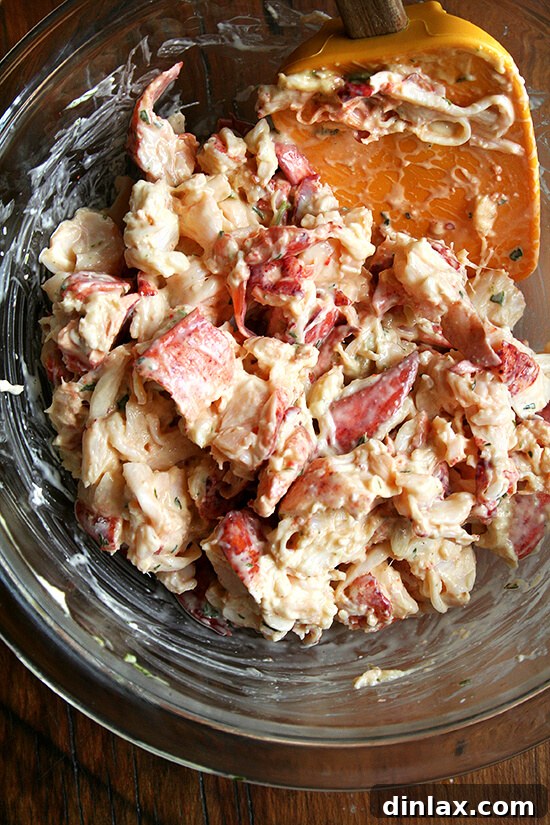
- Assemble the Lobster Salad: Spread the chopped lobster meat into a single, even layer in the bowl. Season generously with kosher salt to enhance its natural flavor. Next, add the homemade tarragon mayonnaise to taste. For context, three lobsters typically yield around 13.5 ounces of meat, for which I typically use about a quarter cup of the tarragon mayonnaise. Start with a smaller amount and add more as needed to achieve your preferred creaminess without overwhelming the lobster. Finish with a squeeze of fresh lemon juice—approximately half a lemon’s worth, or to your personal preference—for brightness. Gently mix all ingredients with a spatula until just combined, being careful not to overmix, which can toughen the lobster. Taste and adjust seasoning or lemon juice as necessary.
- Prepare and Serve: If desired, lightly toast your hotdog buns or brioche rolls until golden and slightly crisp on the edges. (If your buns are exceptionally fresh, like mine were, toasting might not be necessary.) Spoon the luscious lobster salad generously into each prepared bun. Serve immediately with extra lemon wedges on the side, allowing guests to add more citrusy zest if they wish. Pair with a crisp side salad or potato chips for a quintessential summer meal.
- Prep Time: 25 minutes
- Cook Time: 11 minutes
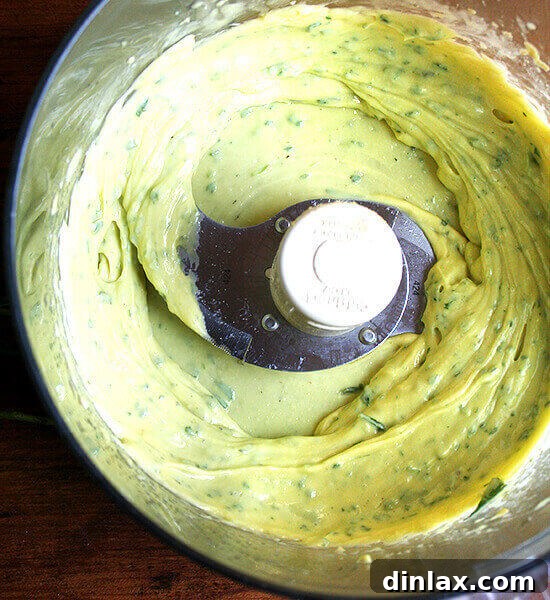
Homemade Mayonnaise: The Foundation of Flavor
5 Stars 4 Stars 3 Stars 2 Stars 1 Star
No reviews
- Author: Alexandra Stafford
- Total Time: 10 minutes
Description
Unlock the secret to superior flavor and texture with this incredibly easy, foolproof homemade mayonnaise recipe. Far surpassing store-bought versions, this fresh condiment is ready in minutes and forms the perfect base for dressings, sandwiches, and especially our unforgettable lobster rolls. This recipe is adaptable, allowing for personalization with herbs like tarragon.
Source: Adapted from Mark Bittman and The New York Times
Ingredients
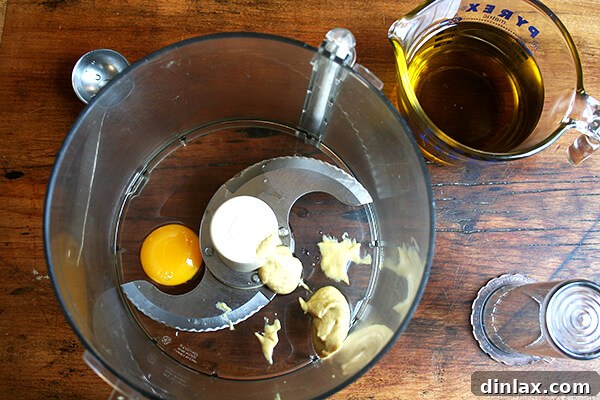
- 1 large egg yolk or a whole egg (I opted for the yolk for a richer, thicker mayonnaise)
- 2 teaspoons good quality Dijon mustard (essential for flavor and emulsification)
- Pinch of kosher salt and freshly ground black pepper, to taste
- 1 tablespoon fresh lemon juice, sherry vinegar, or white wine vinegar (I found white balsamic vinegar works wonderfully, offering a subtle sweetness)
- 1 cup neutral-flavored oil, such as grapeseed, canola, or corn oil. Alternatively, extra virgin olive oil can be used for a more robust flavor, or a combination of both. (I used extra-virgin olive oil due to availability, and it produced a delicious result.)
- Fresh tarragon, finely chopped (optional, but highly recommended for lobster rolls) — I typically add a generous bunch, about 5 to 6 tablespoons, for a vibrant herbal note.
Instructions
- Combine Initial Ingredients: Place the egg yolk (or whole egg), Dijon mustard, salt, freshly ground black pepper, and lemon juice (or vinegar of choice) into the bowl of your food processor. Secure the lid.
- Emulsify with Oil: Turn the food processor on and let it run. While the machine is running, begin to slowly and steadily drizzle in the oil through the small hole in the food pusher insert at the top of the lid. This controlled stream is critical for creating a stable emulsion. Listen for the sound of the mixture thickening and watch for a creamy, cohesive texture to form.
- Adjust and Flavor: Once a thick emulsion has formed (which happens surprisingly quickly thanks to the small hole), you can continue adding the oil a little faster, though the slow drizzle from the hole usually suffices. Stop the machine, taste the mayonnaise, and adjust the seasoning with more salt, pepper, or lemon juice if necessary to balance the flavors. If you’re making tarragon mayonnaise, add the fresh, chopped tarragon to the food processor and pulse a few times until the herb is finely incorporated and evenly distributed throughout the mayonnaise.
- Storage: Transfer the homemade mayonnaise to an airtight container and refrigerate immediately. Homemade mayonnaise is best enjoyed fresh and typically lasts for about one week in the refrigerator. Use it to enhance your lobster rolls, sandwiches, salads, or as a dip!
- Prep Time: 10 minutes