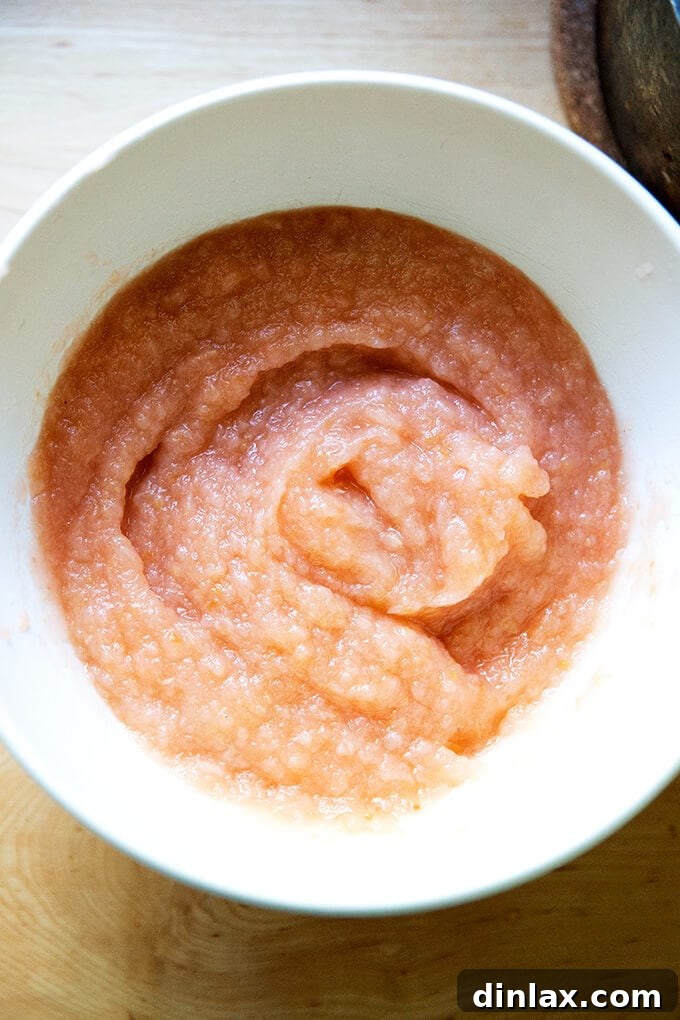
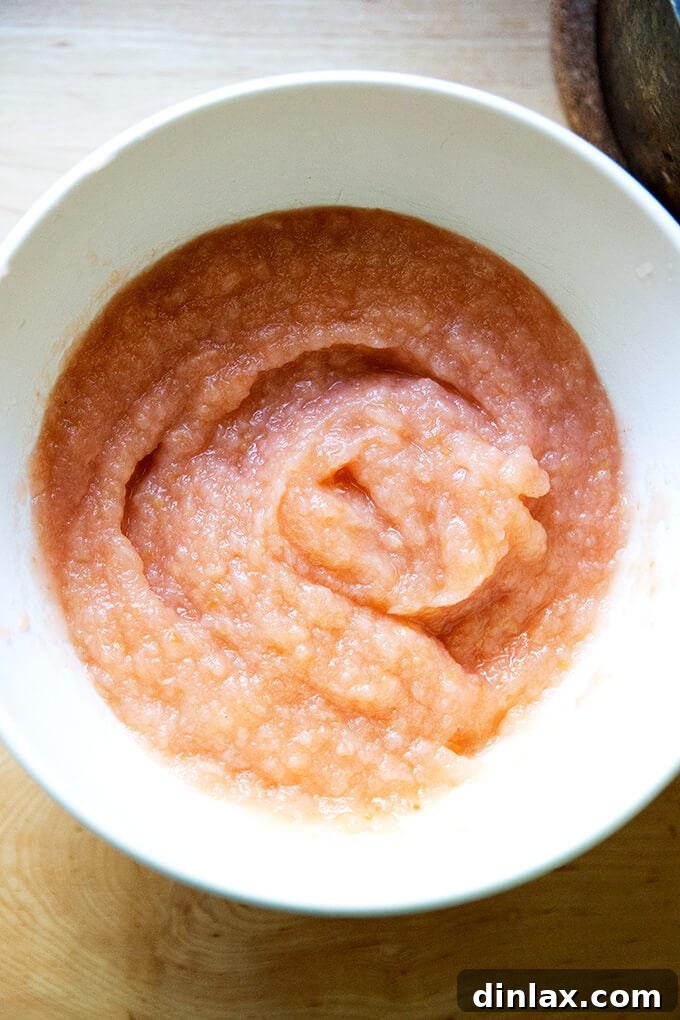
The Ultimate Guide to Homemade Applesauce: Effortless, Healthy & Delicious
There’s a certain magic that happens when you transform a simple pile of apples into a velvety smooth, naturally sweet, and incredibly flavorful applesauce. Forget the store-bought versions; once you experience the ease and superior taste of homemade applesauce, you’ll never look back. Many assume making applesauce from scratch is a labor-intensive task, but in reality, it requires minimal effort, no peeling, no added sugar, and no unnecessary spices – just the pure, unadulterated goodness of apples.
This guide will walk you through creating the most delicious homemade applesauce, focusing on simplicity, health, and maximizing flavor. We’ll explore why a specific kitchen tool makes all the difference, how to choose the best apples, and countless ways to enjoy your fresh batch.
Why Homemade Applesauce Reigns Supreme
The benefits of making your own applesauce extend far beyond just taste. While the nuanced flavor profile of freshly cooked apples is undeniably superior to mass-produced varieties, there are several compelling reasons to embrace this simple culinary endeavor:
- Unrivaled Freshness and Flavor: Store-bought applesauce often contains preservatives, excessive sugar, and sometimes even artificial flavors. Homemade applesauce, however, captures the vibrant, natural essence of the fruit, delivering a taste that’s both clean and deeply satisfying. You’ll notice the difference immediately.
- Control Over Ingredients: When you make applesauce at home, you dictate what goes into it. This means no hidden sugars, no high-fructose corn syrup, and no mysterious additives. It’s an excellent way to ensure a healthy snack for yourself and your family, especially for those with dietary restrictions or who are conscious about sugar intake.
- Maximizing Nutritional Value: Keeping the apple skins on during the cooking process (before milling) is crucial. Apple skins are packed with fiber, vitamins, and antioxidants. These beneficial compounds contribute not only to the beautiful color of your applesauce but also to its overall health benefits.
- Cost-Effective: Apples are often affordable, especially when purchased in season or in bulk. Turning them into applesauce can be a budget-friendly way to enjoy a healthy snack or ingredient compared to buying premium organic versions from the store.
- Incredibly Versatile: Homemade applesauce isn’t just a side dish. It’s a versatile ingredient that can be incorporated into countless recipes, from savory mains to delectable desserts. Its natural sweetness and moist texture make it a fantastic substitute for oil or sugar in baking, adding a healthy twist to your favorite treats.
The Indispensable Tool: Your Food Mill
While many kitchen gadgets promise to simplify cooking, one stands out as truly essential for the smoothest, most flavorful homemade applesauce: the food mill. This humble device is the key to achieving that perfectly smooth texture without the tedious chore of peeling or the loss of flavor and color from discarding the skins.
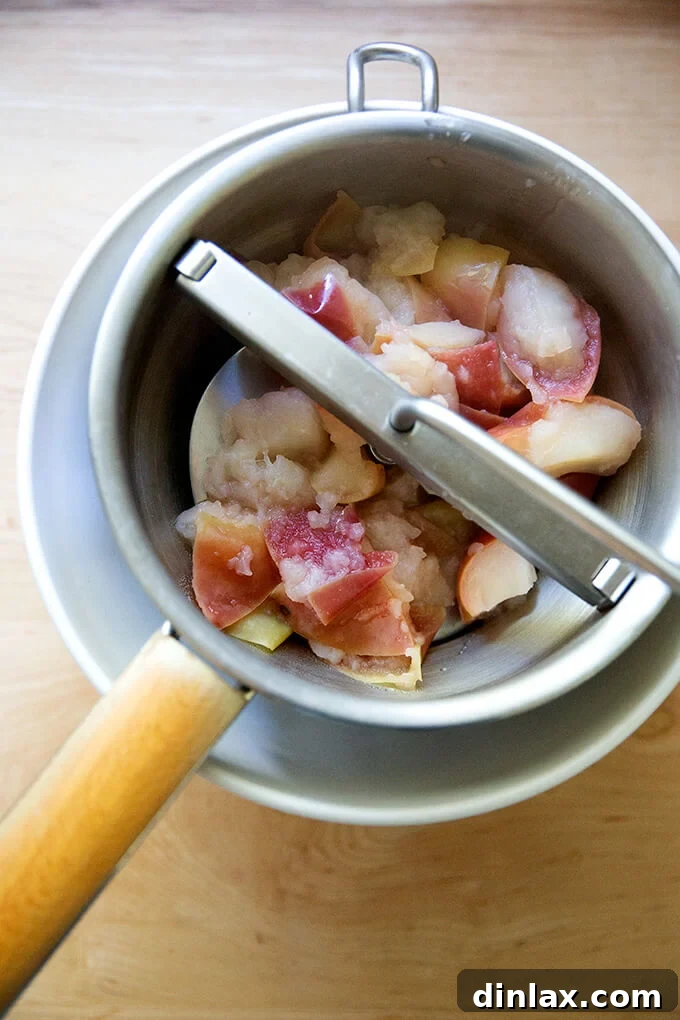
A food mill works by forcing cooked fruits or vegetables through a perforated disk, separating the pulp from skins, seeds, and cores. For applesauce, this means you can simply cook whole, cored apple chunks with their skins on. The skins impart wonderful color and flavor to the sauce, and the food mill effortlessly sifts them out, leaving you with a silky-smooth puree.
You might be wondering if a food mill is a worthwhile investment if you only use it for applesauce. Many home cooks share this sentiment. However, a food mill is surprisingly versatile and can be used for a variety of other culinary tasks:
- Tomato Sauce: Perfect for removing seeds and skins from cooked tomatoes for a rustic, homemade sauce.
- Mashed Potatoes: Creates incredibly fluffy, lump-free mashed potatoes.
- Berry Purees: Ideal for making seedless purees for jams, jellies, or coulis.
- Baby Food: A fantastic way to prepare fresh, nutritious purees for infants.
- Soups and Broths: Helps to create smooth purees from cooked vegetables for creamy soups.
So, while it excels at applesauce, your food mill might become a more frequently used tool than you initially thought!
Choosing the Best Apples for Your Applesauce
The type of apple you choose significantly impacts the flavor, sweetness, and even color of your homemade applesauce. While almost any apple variety can be used, certain ones yield superior results:
- For Sweet and Mellow Applesauce: Fuji, Gala, Honeycrisp, Golden Delicious, and Pink Lady are excellent choices. They naturally sweeten the sauce, often requiring no added sugar at all. Pink Lady and Empire apples are particularly recommended for their ability to imbue the sauce with a beautiful rosy hue from their red skins.
- For a Tart Kick: Granny Smith or Braeburn apples can add a pleasant tartness, especially if you prefer a less sweet applesauce. You might consider blending them with sweeter varieties for a balanced flavor profile.
- For a Complex Flavor: Heirloom varieties from local farmers’ markets often offer unique flavors and aromas that can elevate your applesauce to gourmet status. Don’t be afraid to experiment with a mix of different apples to find your perfect blend.
The Importance of Organic Apples (The “Dirty Dozen”)
My mother, and indeed many health-conscious individuals, would strongly advocate for using organic apples. Apples consistently rank high on the Environmental Working Group’s (EWG) “Dirty Dozen” list, indicating that conventionally grown apples often contain significant pesticide residues. While scrubbing and even peeling can reduce some of these chemicals, complete elimination is difficult.
Since the skins are essential for both flavor and color in this no-peel applesauce recipe, opting for organic apples is highly recommended. If organic isn’t accessible, consider purchasing from local farmers who might practice organic methods even if they lack formal certification. Building relationships with local growers can provide valuable insight into their farming practices and ensure you’re getting the cleanest possible fruit for your delicious, healthy applesauce. It truly makes a difference in both peace of mind and the purity of your finished product.
PS: Once you’ve mastered homemade applesauce, you’ll love using it in this Moist Applesauce Bundt Cake!
Homemade Applesauce Recipe: A Step-by-Step Guide
This method is more of a technique than a rigid recipe, allowing for flexibility based on your apple choices and desired consistency. The beauty lies in its simplicity and the minimal ingredients required.
Ingredients:
- 3 lbs. apples (approximately 8 to 10 medium apples)*
- 1 cup water (adjust as needed)
*Any variety of apples will do, but Fuji, Pink Lady, Empire, or a blend of sweet and tart varieties will yield the most flavorful and colorful results.
Equipment:
- Large pot with a lid
- Food mill
- Large bowl to collect applesauce
- Cutting board and knife
Instructions:
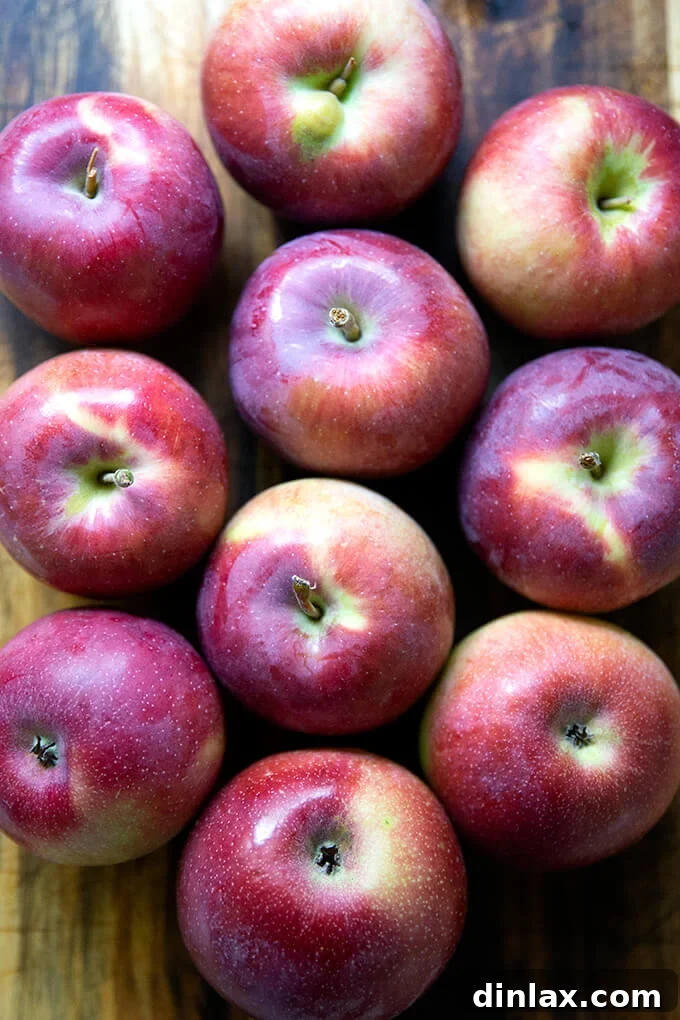
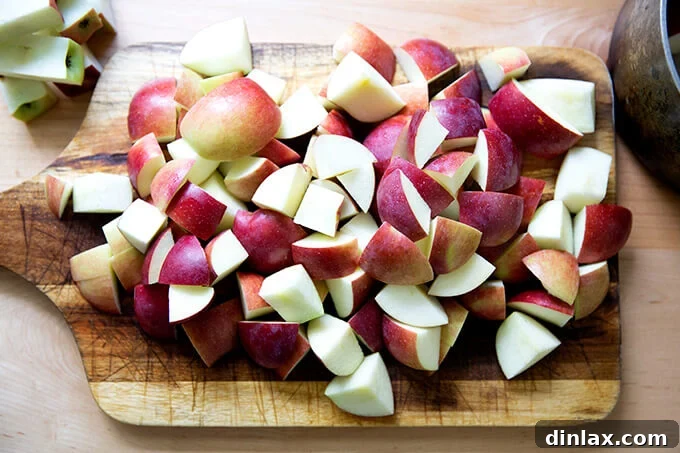
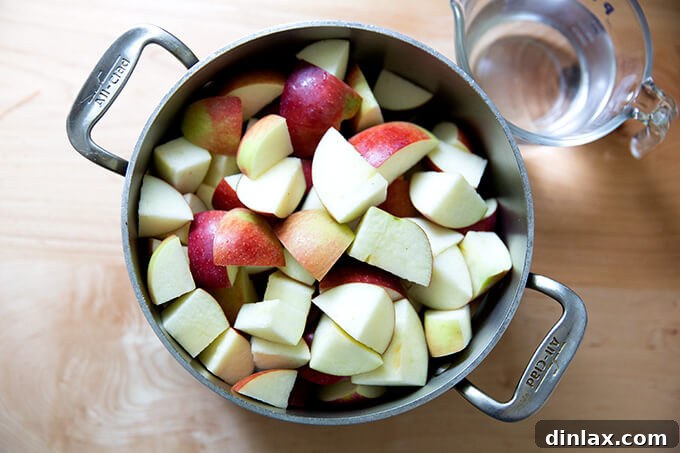
- Prepare the Apples: Begin by washing your apples thoroughly. There’s no need to peel them! Simply cut the apples into large chunks, cutting straight down around the core to remove and discard it. You want generous pieces, not too small, as they will cook down considerably.
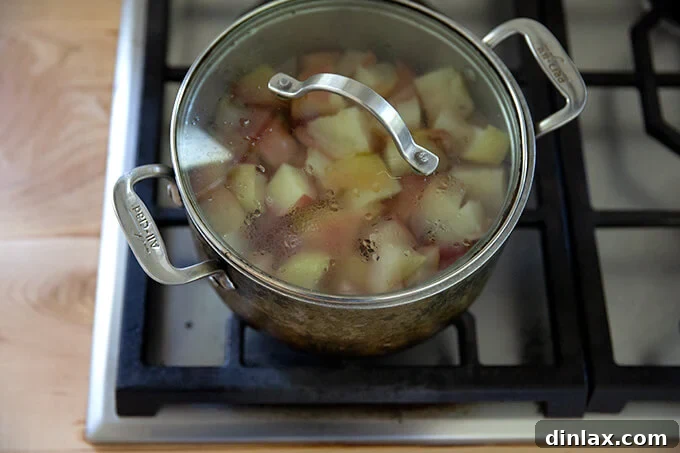
- Cook the Apples: Transfer the apple chunks to a large, heavy-bottomed pot. Add about 1 cup of water. The water helps create steam, preventing the apples from sticking and ensuring even cooking. Cover the pot with a lid, bring the water to a boil over medium-high heat, then reduce the heat to medium-low to maintain a gentle simmer.
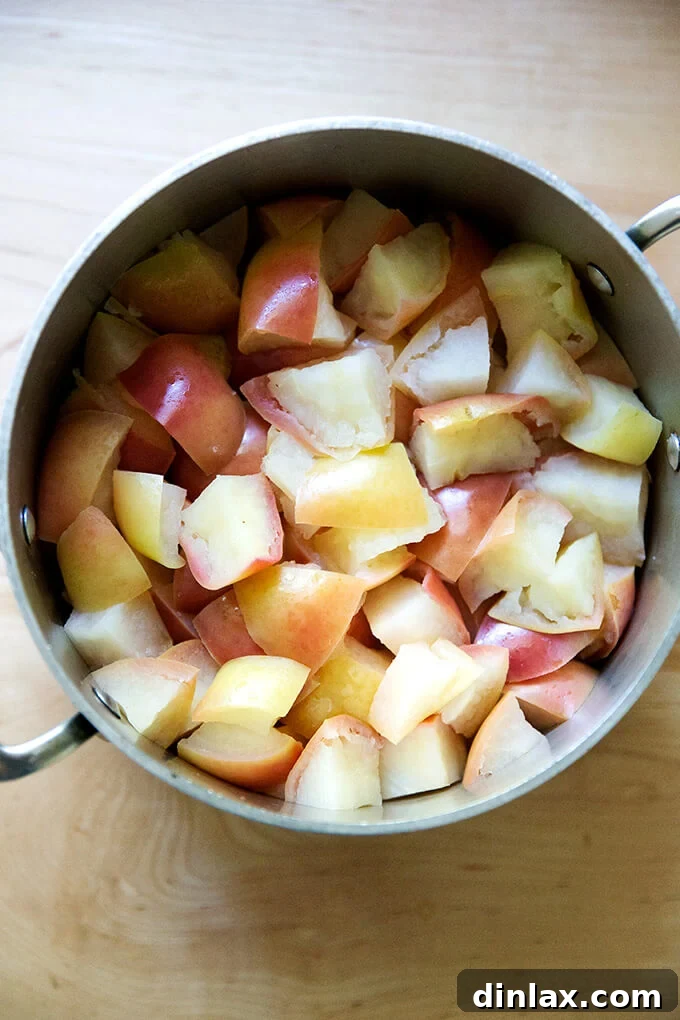
- Simmer Until Tender: Continue to simmer the apples for approximately 20 to 30 minutes, or until they are very soft and easily mashable with a spoon. The cooking time will vary depending on the apple variety and the quantity you’re cooking. Stir occasionally to ensure even cooking and prevent sticking. The apples will break down and become quite fragrant.
- Mill the Apples: Once the apples are tender, carefully spoon them, along with any remaining liquid in the pot, into your food mill set over a large bowl. Begin cranking the handle, allowing the cooked apple pulp to pass through the mill’s screen while the skins and any small bits of core are left behind. Work in small batches if necessary to ensure smooth operation.
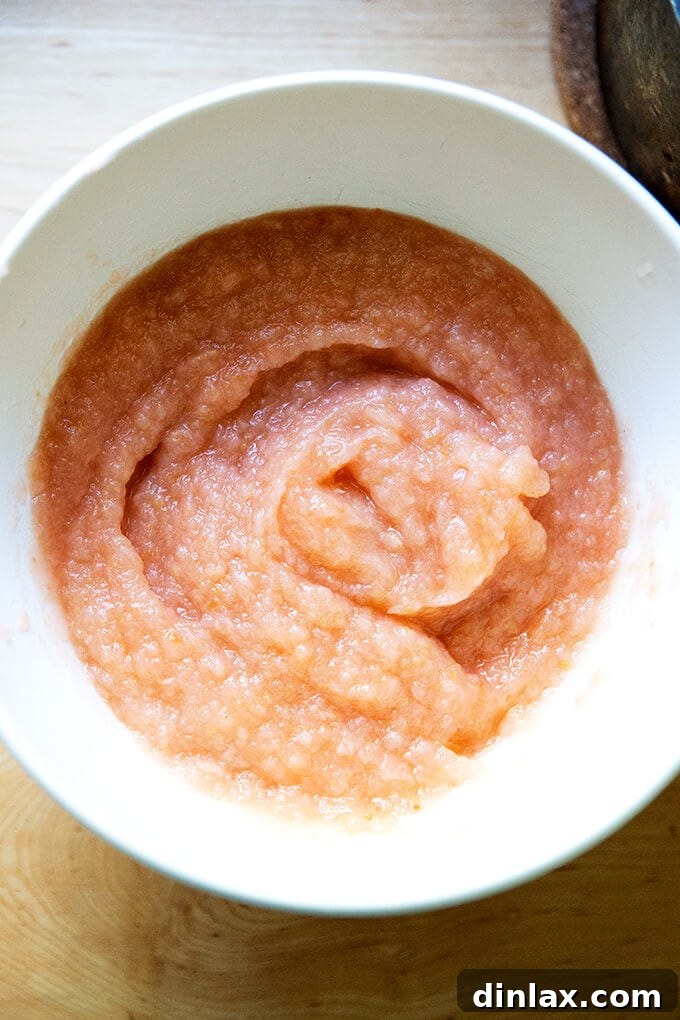
- Achieve Desired Consistency: The amount of liquid you add back from the pot will determine the final consistency of your applesauce. Start by adding a little at a time until you reach your preferred thickness. Some prefer a thicker sauce, while others enjoy a looser consistency. Taste your applesauce! It should be naturally sweet and flavorful. If desired, you can add a pinch of cinnamon or a dash of nutmeg, though many find it perfect as is.
- Serve or Store: Your homemade applesauce is now ready! Enjoy it warm or chilled. Store any leftovers in the fridge or prepare for longer storage.
Tips for Success:
- Water-to-Apple Ratio: The 1 cup of water is a guideline. If your apples are very juicy, you might need less. If they are drier, a little more might be necessary to prevent scorching. After a batch or two, you’ll develop a feel for the ideal ratio.
- Sweetness Adjustment: If your chosen apples are particularly tart, and you desire a sweeter sauce without refined sugar, consider adding a tablespoon of maple syrup or a tiny splash of apple juice after milling. Honey can also be a good natural sweetener.
- Optional Spices: While the pure apple flavor is wonderful on its own, a touch of cinnamon, nutmeg, or a hint of allspice can elevate your applesauce. Add them after milling to taste.
- Prevent Browning: To keep your applesauce from browning, you can add a tablespoon of lemon juice to the pot with the water during cooking. This also brightens the flavor.
Storing Your Homemade Applesauce
One of the joys of making a big batch of applesauce is knowing you have a healthy, delicious treat ready for days or even months to come. Proper storage ensures its freshness and extends its shelf life.
Refrigeration:
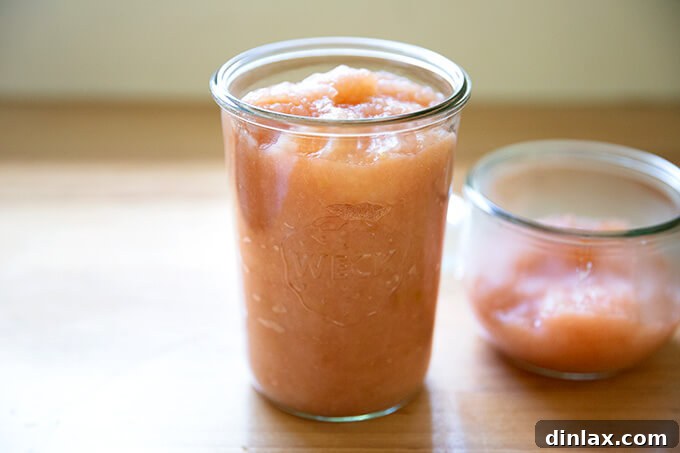
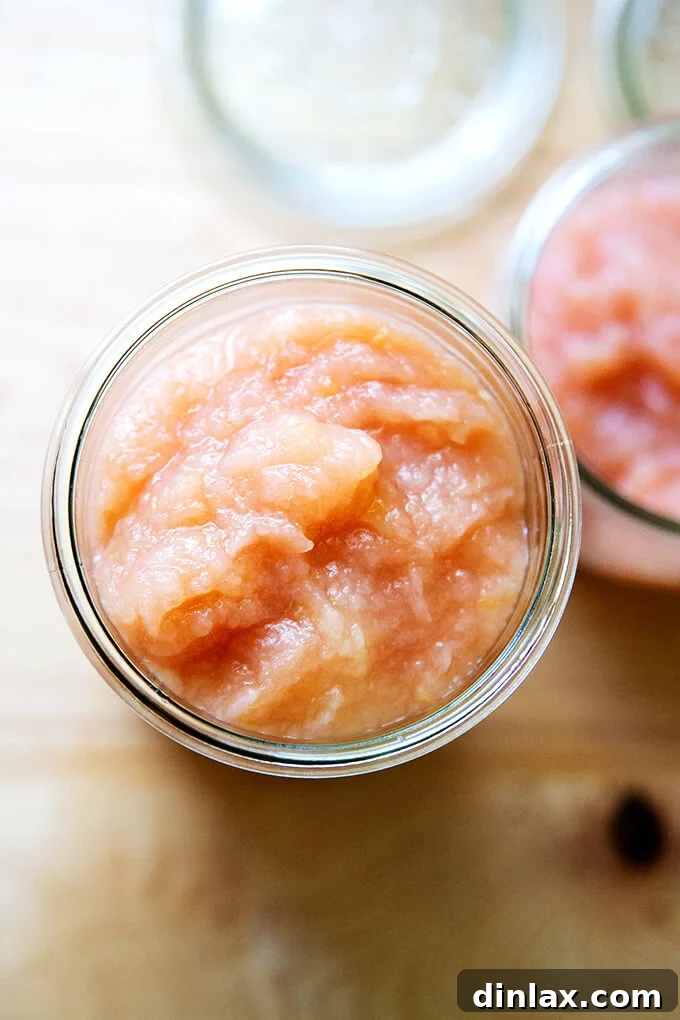
Once cooled, transfer your homemade applesauce to airtight containers or jars. It will keep beautifully in the refrigerator for up to 7-10 days. Always ensure the containers are clean and sealed tightly to maintain freshness and prevent contamination.
Freezing:
For longer storage, freezing is an excellent option. Applesauce freezes wonderfully without losing its texture or flavor. Here’s how:
- Allow the applesauce to cool completely.
- Portion the applesauce into freezer-safe containers, heavy-duty freezer bags, or even ice cube trays for smaller servings (perfect for baby food or individual portions).
- Leave about half an inch of headspace in containers to allow for expansion during freezing.
- Label with the date. Frozen applesauce can be stored for up to 6 months to a year.
- Thaw in the refrigerator overnight or gently reheat on the stovetop or in the microwave.
Delicious Ways to Enjoy Your Homemade Applesauce
The versatility of homemade applesauce is truly remarkable. Beyond eating it straight from the bowl, here are some delightful ways to incorporate it into your meals and snacks:
- Classic Side Dish: It’s the perfect accompaniment to savory meats like pork chops, roasted chicken, or turkey. Its natural sweetness provides a lovely contrast to rich flavors.
- Baking Ingredient: Use it as a healthy fat substitute in muffins, cakes, quick breads, and cookies. It adds moisture and natural sweetness, reducing the need for oil, butter, or refined sugar. Don’t forget to try it in an applesauce bundt cake – it’s a favorite!
- Breakfast Booster: Stir it into your morning oatmeal, yogurt, or spread it on toast or pancakes. It adds a burst of fruit flavor and natural sweetness.
- Smoothies: Add a dollop to your fruit or vegetable smoothies for extra creaminess and flavor.
- Dessert Topping: Serve it warm over ice cream, alongside a slice of pound cake, or as a light dessert on its own.
- Marinades and Sauces: Incorporate it into glazes for ham or chicken, or use it to thicken and sweeten barbecue sauces.
- Healthy Snack: A simple bowl of applesauce, perhaps with a sprinkle of cinnamon, makes for a satisfying and nutritious snack at any time of day.
Frequently Asked Questions About Homemade Applesauce
Do I have to peel the apples for applesauce?
No, and in fact, for this recipe, it’s highly recommended to leave the skins on! The skins contribute significantly to the flavor, color, and nutritional value of your applesauce. The food mill efficiently separates the cooked skins, leaving you with a smooth puree without the need for pre-peeling.
Can I make applesauce without a food mill?
While a food mill is ideal for achieving the smoothest, no-peel applesauce, you can still make it without one. After cooking the apples until very tender, you can:
- Use a Blender or Food Processor: Blend the cooked apples (you might need to add a bit more liquid) until smooth. For a perfectly smooth texture, you would need to peel and core the apples *before* cooking them, as blenders won’t remove skins and seeds as cleanly as a food mill.
- Use a Potato Masher: For a chunkier, more rustic applesauce, a potato masher works well. Again, you’d want to peel and core the apples beforehand for the best result.
However, if you’re aiming for a completely smooth sauce while retaining the benefits of cooking with the skins on, a food mill is truly the best tool.
How long does homemade applesauce last?
Homemade applesauce, stored in an airtight container, will last for 7-10 days in the refrigerator. If frozen, it can maintain its quality for 6 months to a year.
Can I add sugar or other spices?
This recipe emphasizes natural sweetness, but you can certainly customize it! If your apples are particularly tart, or you simply prefer a sweeter sauce, you can add sugar (white, brown, or maple syrup) to taste after milling. Spices like cinnamon, nutmeg, allspice, or a pinch of ginger are also popular additions. Add them gradually and taste as you go.
Conclusion: Embrace the Simple Joy of Homemade Applesauce
Making your own applesauce is a truly rewarding experience. It’s a simple act that yields a product far superior to anything you can buy, brimming with natural flavor, essential nutrients, and the warmth of homemade goodness. From selecting the perfect apples to the satisfying whir of the food mill, each step brings you closer to a wholesome treat that can be enjoyed in countless ways.
So, gather your apples, embrace the ease of the food mill, and prepare to delight your taste buds. This healthy, versatile staple will quickly become a favorite in your kitchen, especially as the crisp flavors of fall come knocking. Try it once, and you’ll understand why it’s well worth the minimal effort. Happy applesauce making!