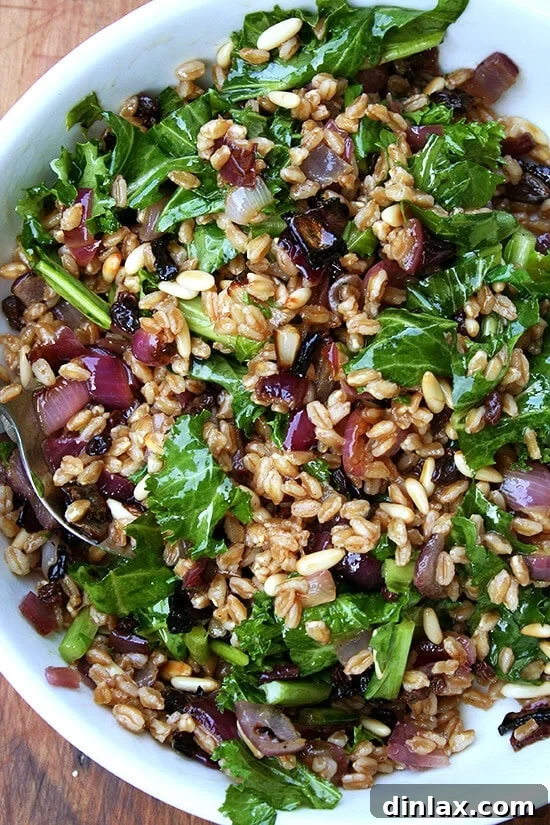
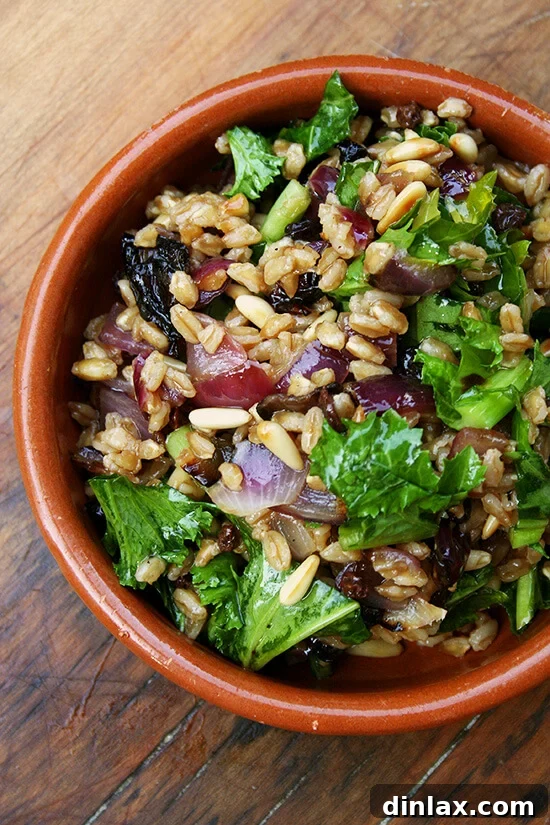
In the bustling culinary world, certain dishes achieve legendary status, inspiring countless delicious variations that captivate palates worldwide. The Zuni Cafe Bread Salad is unequivocally one such masterpiece, revered for its masterful combination of textures and flavors – notably the satisfying crunch of toasted pine nuts, the sweet-tart bursts of Zante currants, and the vibrant, peppery bite of fresh mustard greens. This salad’s reputation often precedes it, leaving an indelible impression on those who experience its unique composition.
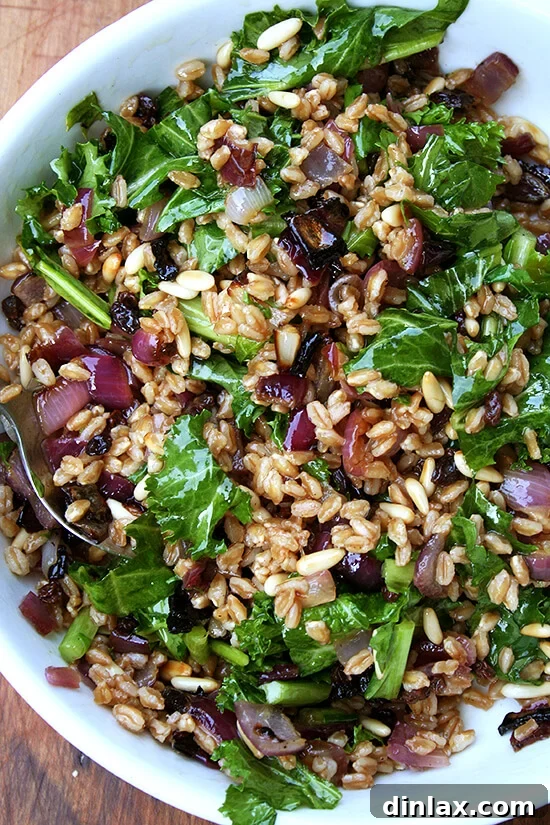
Today, we embark on a journey to explore a delightful reinterpretation of this iconic salad. Our goal is to capture the essence and spirit of the Zuni classic while introducing a fresh, lighter, and equally captivating dimension to your plate. Imagine savoring all the beloved components that make that famous bread salad so irresistible – the savory depth, the irresistible crunch, the delicate sweetness, and the stimulating spice – but with a wholesome, ancient grain twist: farro, stepping gracefully into the role traditionally held by bread. This clever substitution not only renders the salad wonderfully light and satisfying but also infuses it with its own distinct nutty aroma and a remarkably chewy texture. The result is a dish that masterfully balances nourishment with an explosion of flavor, promising a culinary experience that is both healthy and unforgettable.
When surrounded by the rich elements of this Zuni-inspired creation – the deeply sweet caramelized notes of roasted onions, the delightful crunch of perfectly toasted nuts, the zesty, peppery kick of fresh greens, and a meticulously crafted, simple olive oil and white balsamic vinegar dressing – farro showcases its incredible ability to absorb and carry flavor. It rivals bread in its capacity to soak up the “goodness” of the dressing and accompanying ingredients, ensuring every bite is a harmonious blend of tastes. Yet, farro proudly maintains its unique, robust integrity, offering a satisfying chew that elevates the entire salad from a mere side dish to a truly fulfilling and memorable centerpiece. This adaptation is designed not just as a recipe, but as a versatile foundation in your kitchen, promising a burst of fresh flavors and a satisfying texture that will undoubtedly keep you coming back for more.
Unveiling Farro: An Ancient Grain for Modern, Health-Conscious Palates
Farro, an ancient grain boasting a storied history that stretches back thousands of years, stands as a cornerstone in the culinary traditions of many Mediterranean and Middle Eastern cultures. While it is occasionally mistaken for other hearty grains like spelt or barley, farro distinguishes itself through its unique nutritional profile and its wonderfully distinctive, firm texture. It’s a remarkably versatile grain, available in several forms, each presenting slight variations in cooking time and nutrient retention, thereby offering different culinary possibilities. A deeper understanding of these distinctions is key to selecting the ideal farro for your specific cooking needs and achieving consistently perfect results.
Fundamentally, three main types of farro are typically found in markets: whole, semi-pearled, and pearled. Whole farro represents the most nutritionally complete option, as it retains all its natural layers—the bran, germ, and endosperm. This means it delivers the highest concentrations of dietary fiber, plant-based protein, and essential minerals such as magnesium, iron, and zinc. However, its whole-grain composition necessitates a longer soaking period and an extended cooking time, often ranging from 40 to 50 minutes or more, which can be a significant time commitment for impromptu weeknight meals.
Conversely, pearled farro undergoes a milling process where its entire bran and germ layers are removed, akin to the processing of white rice. This results in a significantly reduced cooking time, often just 15-20 minutes, making it incredibly convenient. However, this convenience comes at a nutritional cost, as a substantial portion of its fiber and micronutrients are stripped away. While still a healthier alternative to many highly refined grains, it is a simpler carbohydrate form.
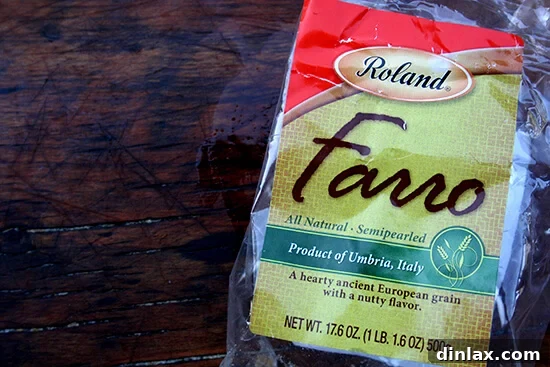
Our featured ingredient for today’s recipe is semi-pearled farro. This variety offers an ideal compromise, truly embodying the best of both worlds. A portion of the bran and germ layers is gently removed, drastically shortening its cooking time to a swift 15-20 minutes – a speed comparable to that of quinoa or even many types of pasta. Crucially, this processing doesn’t entirely compromise its health benefits. Semi-pearled farro continues to be an excellent source of dietary fiber and protein, contributing significantly to feelings of satiety and supporting robust digestive health, thus making it an outstanding component of a balanced dietary regimen. Its relatively rapid cooking speed makes it a prime choice for preparing wholesome, flavor-packed meals, even on the busiest of schedules. For many, the discovery of semi-pearled farro has transformed it into an indispensable pantry staple, celebrated for its convenience and its delightful texture, which effortlessly elevates a diverse range of salads, side dishes, and main courses.
Crafting the Perfect Farro Salad: A Symphony of Thoughtfully Chosen Flavors and Textures
The profound allure of this farro salad stems not only from its utterly delightful taste but also from its remarkable and welcoming adaptability. It stands as a vibrant testament to the culinary magic that occurs when simple, yet high-quality ingredients are brought together to forge something truly extraordinary. While the foundational inspiration from the Zuni Cafe classic guides our selection of core ingredients, the realm of possibilities for personalization and seasonal adjustments remains wide open and inviting. Consider this recipe not as a rigid set of rules, but rather as a flexible framework, an enticing invitation for you to experiment boldly, infuse your unique culinary perspective, and truly make this dish your very own.
Key Ingredients and Why Each Shines:
- Roasted Red Onion: The culinary technique of roasting red onions is transformative. It gently coaxes their naturally sharp, somewhat pungent flavor into a deeply sweet, caramelized delicacy. This process significantly enriches the overall flavor profile of the salad, introducing a profound, savory sweetness that beautifully balances and harmonizes with the other vibrant components. Roasting the onions at a high temperature, typically around 450°F (230°C), until they just begin to char at the edges, is crucial for unlocking their most desirable texture and flavor.
- Toasted Pine Nuts: Pine nuts are celebrated for their distinctly buttery, subtly resinous flavor and the exquisite crunch they impart—a quality that is genuinely unparalleled. Toasting these delicate nuts in a dry skillet until they achieve a perfect golden-brown hue and release their intoxicating aroma intensifies their inherent nuttiness, elevating their contribution to the salad. While pine nuts hold a special place as a personal favorite due to their unique character, this salad is remarkably forgiving and versatile. Feel empowered to substitute them with other equally delightful nuts such as chopped toasted hazelnuts, walnuts, pecans, or even slivered almonds. Each alternative will offer a different, yet equally satisfying, textural contrast and a nuanced flavor profile that will complement the dish beautifully.
- Zante Currants: These diminutive, intensely sweet, and delightfully tart dried grapes serve as concentrated bursts of fruitiness within the salad. They introduce a crucial counterpoint to the more savory and spicy elements, preventing the dish from becoming one-dimensional. Their pleasing chewiness also adds another intriguing layer of texture, enriching the overall mouthfeel. Should Zante currants prove difficult to locate, a variety of other dried fruits can offer a similar sweet-tart equilibrium and satisfying chew. Consider alternatives such as dried cranberries, finely chopped dried apricots, or even golden raisins. Rehydrating them briefly in a small amount of boiling water and a splash of vinegar is a clever trick that helps them plump up beautifully and become infused with an additional layer of tangy flavor.
- Mustard Greens: The characteristic peppery and subtly bitter kick of mustard greens is what truly defines this salad, providing a fantastic, invigorating contrast to the sweetness of the roasted onions and the currants. When these vibrant greens are gently wilted by the ambient warmth of the freshly cooked farro and the hot roasted onions, they release their full, robust flavor and soften just enough without losing their structure. If procuring mustard greens presents a challenge, fear not! Arugula makes an excellent stand-in, offering a similar peppery note. Baby spinach provides a milder, more earthy flavor, while robust mixed Asian greens or even tender, finely chopped kale can also serve as superb substitutes, contributing not only appealing color but also a healthy dose of dietary roughage. The fundamental principle here is to select a leafy green that possesses sufficient structure to endure a gentle kiss of heat without becoming overly soggy or limp.
- Olive Oil & White Balsamic Vinegar: The foundation of any great dressing lies in the quality of its components. A superior extra virgin olive oil forms the rich backbone of this dressing, lending a luxurious mouthfeel and a subtly fruity undertone. White balsamic vinegar, with its characteristically milder acidity and delicate sweetness compared to its traditional dark counterpart, brightens the salad without ever overwhelming the other nuanced flavors. The thoughtful combination of these two elements culminates in a dressing that is simultaneously simple yet elegantly refined, perfectly coating each individual grain of farro and every other ingredient in a harmonious embrace of flavor.
Beyond the Basics: Unlocking Endless Variations and Customization
The remarkable adaptability of this farro salad truly stands as one of its most cherished attributes. Once you’ve mastered the foundational recipe, the spectrum of possibilities for customization and creative exploration becomes virtually boundless. Here are a myriad of ideas designed to ignite your culinary imagination and inspire endless delightful variations:
- Amplify with More Roasted Vegetables: Expand the roasted element by adding other vegetables alongside the red onions. Consider vibrant carrots, colorful bell peppers (red, yellow, or orange), tender zucchini, sweet cherry tomatoes, or even comforting cubes of sweet potato or butternut squash. These additions will naturally introduce more inherent sweetness, contribute a spectrum of enticing colors, and significantly boost the nutritional value of your salad.
- Elevate with Protein Power: To transform this already satisfying salad into a more substantial and hearty main course, thoughtfully incorporate cooked proteins. Options such as perfectly grilled or tender shredded chicken, delicate flakes of salmon, neatly hard-boiled eggs, crumbly feta cheese, creamy goat cheese, or even plant-based heroes like protein-rich chickpeas or tender white beans would all be exceptionally delicious choices, adding substance and satiety.
- Infuse with Fresh Herbs: A generous sprinkle of finely chopped fresh herbs can dramatically elevate the flavor profile, introducing layers of complexity and aromatic freshness. Consider the bright notes of chopped fresh parsley, the cool essence of mint, the fragrant allure of basil, or the delicate touch of dill.
- Brighten with Citrus Zest: For an invigorating burst of unexpected freshness and a zesty zing, incorporate a hint of grated lemon or orange zest. This subtle addition works particularly well when harmonized with the tanginess of white balsamic vinegar, creating a vibrant lift.
- Introduce a Spicy Kick: For those who delight in a touch of heat, a modest pinch of red pepper flakes or a finely diced jalapeño (seeds removed for milder heat) can add an exciting and welcome kick, awakening the palate.
- Embrace Seasonal Adjustments: Tailor your salad to the bounty of the seasons. In the warmer months of summer, integrate fresh, sweet corn kernels or crisp cucumber slices. As autumn arrives, consider incorporating earthy roasted squash or thinly sliced apples, celebrating the flavors of the harvest. This approach ensures your salad always feels fresh and exciting.
This farro salad is intentionally designed to be infinitely adaptable, guaranteeing that it remains an exciting and novel culinary experience each time you prepare it. Do not shy away from the joy of experimenting with combinations that personally appeal to your palate and by intelligently utilizing the fresh, seasonal ingredients that are readily available in your kitchen. Your creativity is the only limit!
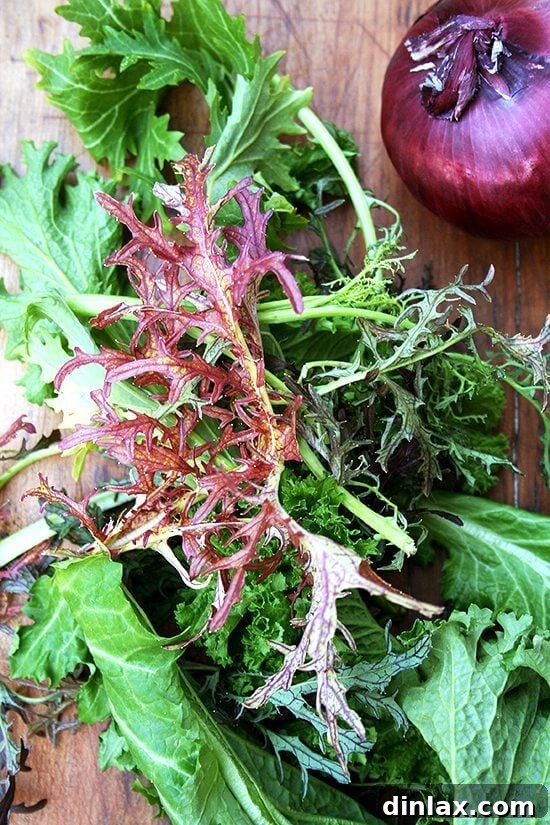
Just recently, our CSA delivery brought an incredible “Asian mix” of greens, prominently featuring an array of vibrant mustard greens. The entire combination was extraordinarily tasty, serving as a delicious reminder that incorporating fresh, seasonal produce can truly elevate any dish, transforming it into something spectacular. Imagine the complex layers of flavors and textures such a mix would introduce into this already delightful farro salad – it would undoubtedly yield spectacular, unforgettable results.
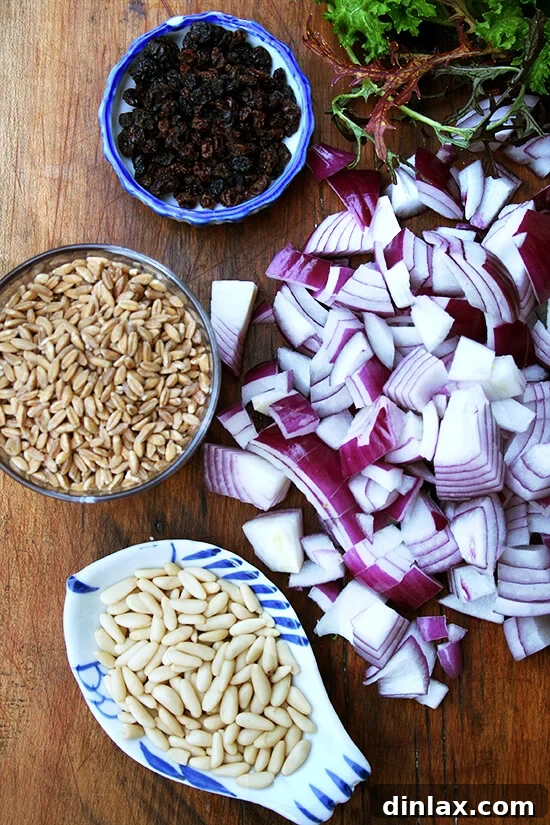
When you are selecting your farro, it’s beneficial to keep in mind that semi-pearled varieties offer a superb balance between a conveniently short cooking time and their valuable nutritional content. While whole farro certainly holds the crown for being the most fibrous and protein-rich, its extended cooking duration can often be a practical deterrent for those seeking quick and easy meal solutions. Semi-pearled farro expertly streamlines the cooking process, typically requiring only about 15 minutes. This makes it incredibly convenient for everyday cooking without sacrificing a significant portion of its inherent goodness. You may discover high-quality semi-pearled farro at your local health food store, in the bulk section of a well-stocked supermarket, or within specialty grocery stores. If it proves elusive on your local shelves, do not hesitate to explore online options; reputable brands like Roland, for example, offer excellent semi-pearled farro that consistently cooks beautifully and delivers a delightful texture. Even if your preference leans towards whole farro, simply adjust the cooking time according to its package instructions, and rest assured, your salad will be just as wonderfully delicious and satisfying.
Print Recipe
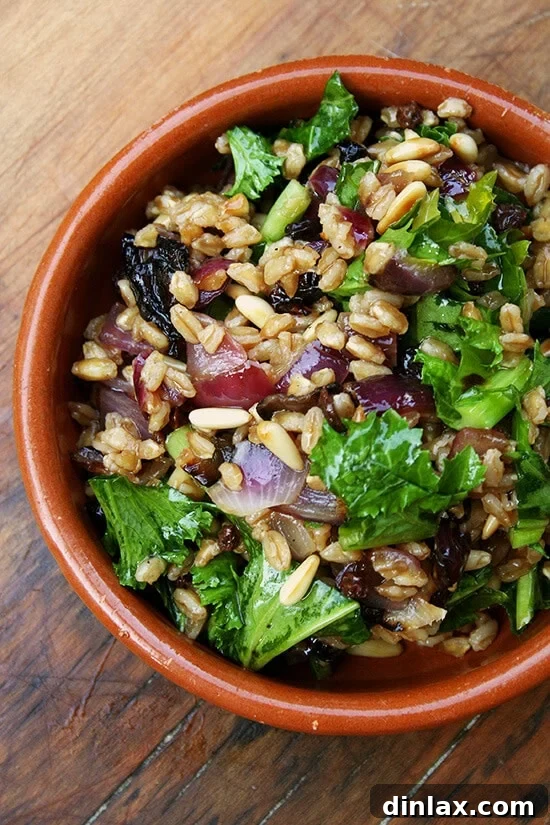
Farro Salad with Roasted Onion, Toasted Pine Nuts, Currants & Greens: A Zuni-Inspired Delight
5 Stars 4 Stars 3 Stars 2 Stars 1 Star
5 from 4 reviews
Author: Alexandra Stafford
Total Time: 30 minutes
Yield: 2 servings 1x
Description
Farro Selection: This recipe primarily utilizes Roland semi-pearled farro for its exceptional texture and convenient cooking time. However, any type of farro will work splendidly, as will other hearty grains like wheat berries, barley, or even spelt. Semi-pearled farro is often available in larger supermarkets or specialty grocery stores; if you’re having trouble locating it, it’s also conveniently available for purchase online here. If you prefer the extra fiber and robust texture of whole farro, simply extend the cooking time as necessary according to package instructions.
Ingredients
- 1 medium red onion, finely diced (about 1.5 cups)
- 2 tablespoons olive oil, plus more for drizzling
- Kosher salt, to taste
- 1 cup semi-pearled farro, uncooked (see description above for notes on farro types)
- 2 tablespoons dried currants, preferably Zante currants
- 2 tablespoons white balsamic vinegar, plus more to taste
- 2 tablespoons (or more, to your preference) pine nuts, or your favorite toasted nut (such as hazelnuts, walnuts, or pecans)
- A generous handful of mustard greens (approximately 2 loosely packed cups), stems removed and roughly chopped. If mustard greens are unavailable, substitute with peppery arugula, baby spinach, or a robust mixed greens blend that can withstand slight wilting. Feel free to adjust the quantity of greens to your liking – a larger amount adds more freshness and texture.
- Freshly ground black pepper, optional
Instructions
- Prepare the Roasted Onions: Preheat your oven to a high heat of 450ºF (230ºC). On a sturdy sheet pan, toss the finely diced red onion with about 1 tablespoon of olive oil. Season generously with kosher salt, ensuring the pieces are evenly coated. Spread the onions in a single layer to promote even roasting. Transfer the sheet pan to the preheated oven and roast for approximately 12 to 15 minutes. Keep a close eye on them; you want the onions to soften, turn sweet, and just begin to char at the edges, developing a beautiful caramelized flavor. Avoid over-charring unless you prefer a very smoky taste.
- Cook the Farro: While the onions are roasting, bring a large pot of salted water to a rolling boil. Add the semi-pearled farro to the boiling water, along with a generous pinch of kosher salt. Cook the farro for about 15 minutes, or until it reaches an al dente, chewy texture. Begin tasting a few kernels after 15 minutes to check for doneness; some varieties might take a minute or two longer. Once cooked, drain the farro thoroughly using a fine-mesh sieve.
- Prepare Currants and Pine Nuts: In a small bowl, place the dried currants. Pour 1 tablespoon of boiling water and 1 tablespoon of white balsamic vinegar over them to rehydrate and infuse them with a delightful tang. Set this aside to plump up while you finish other preparations. Meanwhile, toast the pine nuts: heat a small, dry skillet over medium heat. Add the pine nuts and cook, stirring frequently, for 2-4 minutes until they turn golden brown and fragrant. Be extremely vigilant, as pine nuts can burn quickly. Once toasted, immediately transfer them from the hot skillet to a small plate to cool and prevent further cooking.
- Assemble the Salad Base: Place the fresh mustard greens (or your chosen greens) into a large mixing bowl. As soon as the roasted onions are ready, carefully scrape them directly from the hot sheet pan over the greens in the bowl. The residual heat from the onions will gently wilt the greens, softening them just enough without overcooking. Immediately add the drained, warm farro to the bowl. Season the warm mixture with another substantial pinch of kosher salt. Drizzle about 2 tablespoons of good quality olive oil over the warm farro, tossing gently to coat. The warmth of the farro will help the oil absorb and distribute the flavor. Follow with a splash of white balsamic vinegar – start with about 1 tablespoon and adjust to your taste after mixing everything together.
- Final Touches and Seasoning: Drain any excess liquid from the rehydrated currants and add them to the mixing bowl. Add the toasted pine nuts. Toss all the ingredients thoroughly to ensure everything is well combined and coated with the dressing. Taste the salad. This is your chance to adjust the seasoning: if it seems a little dry, add more olive oil and/or white balsamic vinegar. If it lacks a certain zing, a touch more salt can make a big difference. For an added layer of flavor, grind some fresh black pepper over the salad before serving. Serve warm or at room temperature for the best flavor experience.
- Prep Time: 15 minutes
- Cook Time: 15 minutes
Serving Suggestions and Make-Ahead Tips for Maximum Enjoyment
This Farro Salad with Roasted Onion, Toasted Pine Nuts, Currants & Greens is a marvel of culinary versatility, making it an impeccable choice for a wide array of occasions. Its delightful profile allows it to shine as a comforting warm side dish, perfectly accompanying robust roasted chicken, delicate grilled fish, or a hearty vegetarian main course. Furthermore, its rich flavors and deeply satisfying texture elevate it to an excellent standalone option for a light, yet fulfilling lunch, or an elegant, nourishing dinner. For events such as picnics or potlucks, this salad performs exceptionally well; it travels with ease and is equally delicious when served at room temperature, making it a crowd-pleasing addition to any spread.
One of the most appealing characteristics of this particular salad is its ability to actually improve with a little time, allowing all the distinct flavors to meld and deepen into a more cohesive and harmonious whole. For your convenience, you can prepare several components a day in advance. The farro can be cooked, the onions expertly roasted, and the nuts perfectly toasted, then each element stored separately in airtight containers in your refrigerator. When you’re ready to serve, simply rewarm the farro gently (or opt to serve it chilled, depending on your preference), combine all the prepared elements with the fresh greens, and dress the salad as per the instructions. This strategic approach makes it an ideal candidate for efficient meal prepping throughout your busy week or for effortless entertaining, significantly reducing last-minute culinary stress. For optimal freshness and texture, particularly if you are using more delicate greens like arugula or baby spinach, it is generally best to dress the salad just before serving to prevent them from becoming overly soggy. If you plan to make the entire salad ahead, consider adding the fresh greens and the dressing just prior to serving to maintain their vibrant crispness.
Why Choose Farro? Unpacking Its Health Benefits & Culinary Allure
Beyond its intrinsically delicious flavor and wonderfully satisfying chewy texture, farro is a powerhouse of nutritional benefits, establishing itself as a discerning choice for any health-conscious kitchen. As an authentic ancient grain, it has admirably retained much of its original nutritional integrity, a stark contrast to many modern grains that have undergone extensive processing. Here’s a detailed look at why making farro a regular part of your diet is an exceptionally intelligent and beneficial decision:
- Remarkably Rich in Fiber: Farro is an outstanding source of dietary fiber, with whole farro leading the pack in this regard. Fiber is absolutely vital for maintaining optimal digestive health, promoting regular bowel movements, and effectively preventing constipation. Moreover, its presence contributes significantly to feelings of sustained fullness, which can be an invaluable asset in managing weight by naturally curbing overall calorie intake.
- Impressively High in Protein: For a grain, farro boasts an impressively high protein content, positioning it as a highly valuable and versatile component for those following vegetarian and vegan dietary lifestyles. Protein itself is fundamental for the intricate processes of building and repairing bodily tissues, facilitating the production of essential enzymes and hormones, and generally supporting a multitude of critical bodily functions.
- Packed with Essential Minerals: This revered ancient grain is a rich reservoir of vital minerals, including magnesium, iron, and zinc. Magnesium, in particular, plays a pivotal role in over 300 enzymatic reactions throughout the body, encompassing functions from robust muscle and nerve operation to precise blood glucose regulation and healthy blood pressure maintenance. Iron is indispensable for the efficient transport of oxygen within the bloodstream, and zinc is crucial for fortifying immune function and expediting wound healing processes.
- A Source of Complex Carbohydrates: Farro delivers complex carbohydrates, which are characterized by their slow and deliberate digestion. This results in a gradual, sustained release of energy throughout your day. This controlled energy release is instrumental in stabilizing blood sugar levels, effectively preventing the undesirable spikes and subsequent crashes that are often associated with the consumption of more refined carbohydrates, thus providing consistent energy and focus.
- Abundant in Antioxidants: Akin to many other wholesome whole grains, farro contains naturally occurring antioxidants. These powerful compounds play a critical role in safeguarding the body’s cells from oxidative damage induced by free radicals, thereby contributing to a reduced risk of various chronic diseases and promoting long-term health.
- Incredibly Versatile in the Kitchen: Farro’s firm, satisfyingly chewy texture and its distinctly nutty flavor render it extraordinarily versatile across a wide spectrum of culinary applications. It holds its structural integrity exceptionally well in vibrant salads, hearty soups, comforting stews, and can even serve as an excellent, nutritious base for custom grain bowls or be prepared in a creamy, risotto-like fashion. Its unique ability to absorb a myriad of flavors while steadfastly maintaining its desirable texture makes it a perennial favorite among discerning chefs and home cooks alike.
It is important to note that while farro does contain gluten (being a type of wheat), it is an ancient variety and is often reported to be better tolerated by some individuals with mild gluten sensitivity compared to more modern wheat varieties. However, for those diagnosed with celiac disease or suffering from severe gluten allergies, farro is unequivocally not a suitable dietary choice. Always prioritize consulting with a qualified healthcare professional or a registered dietitian if you have any specific dietary concerns or questions.
Embrace the Farro Revolution in Your Kitchen Today!
This Farro Salad with Roasted Onion, Toasted Pine Nuts, Currants, and Greens transcends the definition of a mere recipe; it is, in essence, an open invitation to embark on a delightful exploration of the delicious and nutrient-rich world of ancient grains. It offers a unique opportunity to discover how the thoughtful combination of simple, wholesome ingredients can culminate in the creation of truly memorable and deeply satisfying dishes. Drawing profound inspiration from a culinary icon, yet meticulously designed with modern convenience and optimal health in mind, this salad achieves a perfect, harmonious balance of sweet, savory, tangy, and crunchy elements that are destined to captivate and delight all your senses.
Whether your quest is for a quick, exceptionally nutritious lunch, a vibrant and eye-catching side dish to elevate your next meal, or a show-stopping, wholesome addition to a celebratory potluck, this farro salad unequivocally delivers on all fronts. Its extraordinary and appealing adaptability means you possess the creative freedom to tailor it precisely to your personal preferences and the seasonal availability of ingredients, thereby ensuring it remains a constant and exciting source of culinary inspiration within your kitchen. So, gather your finest ingredients, embrace the joyful spirit of culinary experimentation, and prepare yourself to savor a salad that is as profoundly good for your well-being as it is utterly delectable to taste. Happy cooking!