Mastering Your CSA: The Ultimate Guide to Maximizing Fresh Produce and Reducing Waste
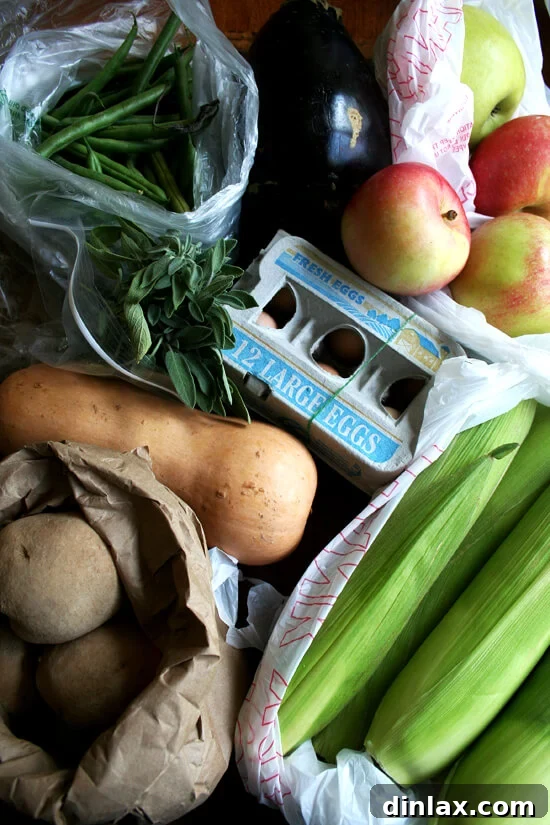
There was a time when the idea of subscribing to a Community Supported Agriculture (CSA) program held little appeal for me. I valued the freedom to choose exactly what I wanted, whenever I wanted it, from the vast aisles of a grocery store. However, my perspective has completely shifted. Today, I embrace the delightful surprise of having a farmer make those decisions for me, receiving a weekly or bi-weekly bounty of seasonal, fresh produce.
Over the past six years, my journey with CSAs across different regions – eastern Pennsylvania, southern California, and northern Virginia – has profoundly transformed my approach to eating and cooking. This experience has instilled in me a deep appreciation for planning meals around the vibrant vegetables at hand, rather than the protein. It’s taught me to savor vegetables in their purest, freshest state, often requiring little more than a drizzle of olive oil, a sprinkle of salt, and a dash of pepper to bring out their incredible natural flavors. Frankly, I’ve eaten more dark leafy greens than I ever thought possible, and my palate is richer for it.
Of course, this transformation wasn’t without its growing pains. In the beginning, I confess to allowing more than one bunch of beautiful radishes to shrivel, a kohlrabi bulb or two to dry out, and a few bags of okra to succumb to mold. The sight of these fresh foods spoiling was truly painful and, frankly, shameful. It felt like a disrespect to the labor of the farmers and the natural abundance of the earth. But those early missteps became powerful lessons. Today, I’m proud to say that not a single morsel of my CSA share goes to waste.
This article compiles the most valuable insights and practical strategies I’ve gathered over these six transformative years. My hope is that these tips will empower you to utilize your own CSA subscription to its fullest potential, whether you’re a seasoned subscriber looking for new ideas or someone contemplating joining a CSA for the first time. If you have your own tried-and-true methods or creative uses for your CSA produce, please don’t hesitate to share them in the comments section below – community knowledge is always the best resource!
For those new to the concept of CSAs and eager to learn more about how they work and their numerous benefits, I recommend reading this introductory guide to eating locally.

Essential Tips for Maximizing Your CSA Share
1. Strategize Your Approach: Plan to Prevent Waste
Upon receiving your CSA share, it’s crucial to immediately assess the contents and identify which vegetables are most perishable. Some items, due to their delicate nature or high water content, will “tire” more quickly than others. Prioritizing these for early consumption is your first line of defense against food waste. Here’s the systematic process I follow every time I pick up my CSA share:
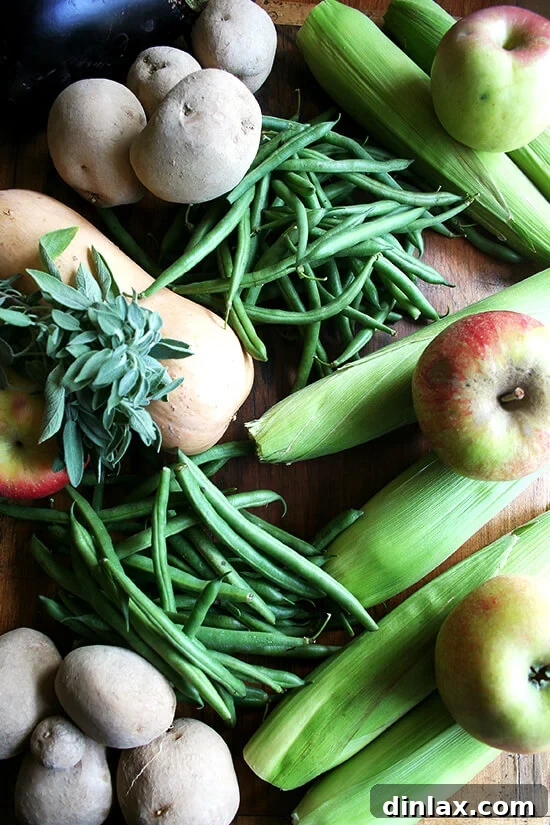
- Lay Everything Out: Unpack all your vegetables onto a clean table or counter. This visual inventory allows you to truly see what you have and appreciate the diversity of your share.
- Rough Portioning: Mentally (or physically) divide your produce into approximate side-dish or meal-sized portions. This helps you conceptualize how many meals you can derive from your share and prevents overwhelming yourself with a large quantity of a single item.
- Draft a Flexible Schedule: Create a tentative meal plan for the week, focusing on incorporating the most perishable items first. This isn’t a rigid contract, but a guideline. Jot it down and stick it somewhere visible, like your refrigerator.
- Prioritize Smartly: Circle or highlight the meals or vegetables that are most urgent. This helps you focus your efforts and ensures that delicate greens or tender root vegetables are used before they decline.
- Proper Storage Prep: Before storing your vegetables, always remove any rubber bands, which can cause bruising and premature spoilage. For root vegetables like radishes, beets, and carrots, clip off their greens. Store the roots and greens separately. Many greens, like beet greens and radish greens, are delicious and can be used in cooking, so don’t discard them!
Vegetables That Tire Quickly (Use First):
These vegetables typically have a shorter shelf life and should be consumed within the first few days of receiving your share. Store them correctly to extend their freshness as much as possible, often in the crisper drawer with minimal moisture.
- Radishes
- Carrots (especially with greens attached)
- Okra
- Most delicate greens (e.g., lettuce, spinach, arugula)
- Turnips
- Eggplant (can sometimes be delicate)
- Cucumbers (can sometimes be delicate)
Vegetables That Keep Well (Store for Later):
These hearty vegetables are often more forgiving and can be stored for longer periods, providing flexibility in your meal planning.
- Potatoes
- Sweet Potatoes
- Butternut Squash
- Corn (in the husk, refrigerated)
- Zucchini/Summer Squash
- Acorn Squash
- Kohlrabi
- Cauliflower
- Broccoli
- Cabbage
- Garlic Scapes
- Beets (roots, stored without greens)
- Rutabaga
Important Note on Washing Greens: Avoid washing your greens ahead of time if you plan to store them. Moisture accelerates spoilage. Wash greens only right before you intend to use them, and if washing in advance for a specific meal, dry them meticulously with a salad spinner or paper towels before storage.
2. Raw vs. Cooked: Maximizing Greens for Flavor and Volume
The dark leafy green family is often the star of any CSA share. From kale and mustard greens to arugula and chard, these nutrient powerhouses offer incredible versatility. Many can be enjoyed raw, which is an excellent way to get more mileage from your share, as a large batch of raw greens cooks down to a surprisingly small portion. The best way to know if a green is good raw? Simply taste a small piece! If it’s palatable, vibrant, and not overly bitter, embrace it in its raw form.
Embracing Raw Greens:
Eating greens raw, such as in salads, wraps, or smoothies, preserves their maximum nutrient content and provides a satisfying texture. When preparing raw greens, especially heartier ones like kale, a well-made salad dressing can transform them into a culinary delight. For a comprehensive guide to crafting various dressings, visit my collection of Salad Dressings & Vinaigrettes. Robust greens like kale stand up beautifully to rich, creamy dressings like Caesar, while delicate greens such as arugula are best complemented by lighter options like a zesty lemon vinaigrette.
Quick Sauté for Cooked Greens:
When raw isn’t the preference, a quick sauté over high heat is ideal for preserving the volume and vibrant color of your greens without over-wilting them. Certain greens, like Swiss chard and watercress, truly shine with just a brief kiss of heat. Here’s a simple, go-to recipe for perfectly sautéed greens:
Quick Sautéed Greens (e.g., Swiss Chard)
5 Stars
4 Stars
3 Stars
2 Stars
1 Star
No reviews
- Author: Alexandra Stafford at alexandracooks.com
Total Time: 5 minutes
Yield: 2– 4 servings
Description
A simple, rapid method to cook dark leafy greens like Swiss chard, preserving their texture and vibrant flavor with minimal effort.
Ingredients
- 1 bunch Swiss chard (or other leafy greens like kale, mustard greens, spinach)
- 1-2 cloves garlic, minced
- 1/2 teaspoon crushed red pepper flakes (optional, for a kick)
- 1-2 tablespoons olive oil
- Pinch of kosher salt, to taste
Instructions
- Thoroughly wash your chard (or other greens) and leave it to drain in a colander. Don’t worry about drying it completely; a little residual water will help create steam during cooking, which is beneficial.
- Prepare your aromatics: mince the garlic and have your red chile flakes ready nearby.
- Heat a large sauté pan or skillet over high heat. Add the olive oil, just enough to thinly coat the bottom of the pan (about a tablespoon or two).
- Once the oil is shimmering, carefully add the greens. Be mindful that any remaining water on the greens will cause some splattering. Immediately add a pinch of kosher salt, the minced garlic, and the crushed red pepper flakes (if using).
- Let the greens cook undisturbed for about one minute. Then, using tongs, gently rearrange the greens to ensure even cooking. Continue to cook for another minute.
- Remove the pan from the heat. The residual heat will continue to cook the chard slightly as it rests, ensuring it remains tender-crisp and not overly soft. Serve immediately as a vibrant side dish.
- Prep Time: 3 minutes
- Cook Time: 2 minutes
3. Invest in Essential Kitchen Equipment
Having the right tools can make all the difference in transforming your CSA haul into delicious meals efficiently and effectively. While a fully stocked gourmet kitchen isn’t necessary, a few key pieces of equipment can elevate your cooking experience significantly:
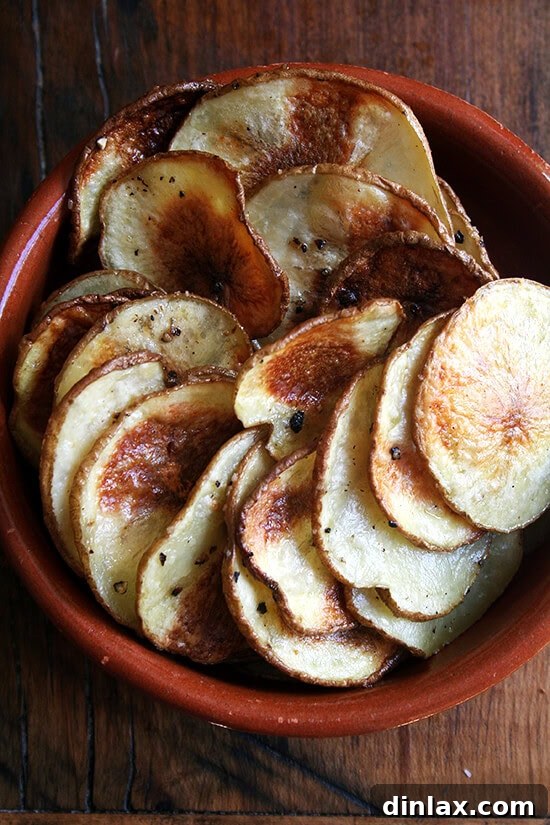
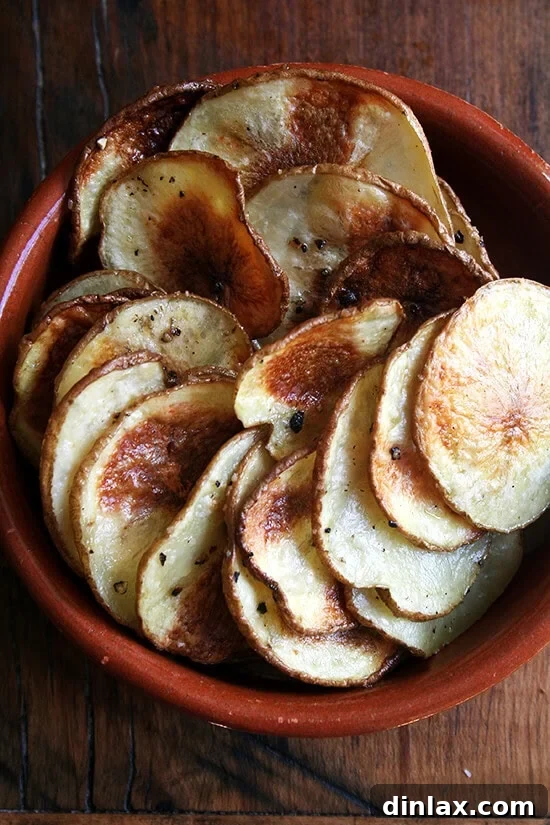
- Mandoline Slicer: If you’ve ever considered buying a mandoline, now is an excellent time to invest. This precision tool makes quick work of uniformly slicing vegetables, turning three small potatoes into a sheet-pan’s worth of delicate “coins” that can comfortably feed a hungry couple. These thinly sliced potatoes, seasoned with olive oil, salt, and pepper and roasted at 450ºF for about 15 minutes, are incredibly flavorful and might become your new favorite potato preparation. CSA potatoes, with their superior freshness and unique varietal characteristics, truly shine when prepared this way. A mandoline is also invaluable for quickly slicing radishes and kohlrabi for vibrant salads, adding beautiful texture and presentation.
- Large Jelly Roll Pans: Essential for roasting vegetables. Their generous size allows you to spread vegetables in a single layer, ensuring even cooking and beautiful caramelization without steaming. I recommend having at least two or three half-sheet pans for efficiency, especially when roasting multiple types of vegetables or large quantities.
- Quality Cutting Board and Chef’s Knife: These are the foundation of any kitchen. A large, sturdy cutting board provides ample space for preparing your bounty, and a sharp chef’s knife makes every chop, slice, and dice safer and more enjoyable. Investing in these basics improves efficiency and reduces prep time significantly.
- Bench Scraper: A surprisingly versatile tool. Use a bench scraper to swiftly transfer chopped ingredients from your cutting board into prep bowls, or to scrape scraps directly into a “trash” bowl, saving countless trips to the bin. It’s also excellent for portioning doughs and cleaning flour from your work surface.
- Steamer Basket and Large Pot: Perfect for gently cooking delicate vegetables like green beans, broccoli florets, or corn on the cob. Steaming preserves nutrients and texture, offering a healthy and simple cooking method.
- Stainless Steel Mixing Bowls: A set of a few large stainless steel bowls in various sizes is indispensable for tossing vegetables with olive oil and seasonings, mixing doughs, preparing pasta salads, or simply holding prepped ingredients.
- Large Wooden Salad Bowl: While perhaps not strictly “essential” for every kitchen, a beautiful, generously sized wooden salad bowl adds a touch of rustic charm to your dining experience. It encourages mixing and serving large, vibrant salads, truly showcasing your fresh CSA greens.
- Salad Spinner: Some consider a salad spinner a luxury, arguing that paper towels suffice for drying greens. However, I find mine to be a highly effective and eco-friendly tool for thoroughly drying washed greens, which is critical for crisp salads and preventing spoilage.
4. Supplementing Your CSA: Filling in the Gaps
While a CSA share provides an incredible foundation of fresh, seasonal produce, it’s often unrealistic to expect it to cover all your family’s vegetable needs for the entire period between pickups. I’ve found that supplementing my CSA is almost always necessary, not only to ensure a continuous supply but also to add variety and round out meals. Beyond additional produce, certain kitchen staples are indispensable:
- Produce Staples: Onions, garlic, shallots, and lemons are the workhorses of almost any cuisine. They add depth, acidity, and aroma to countless dishes. Fresh ginger is also fantastic to have on hand for Asian-inspired dishes, dressings, or warming teas.
- Fresh Herbs: Herbs can transform a simple vegetable dish into something extraordinary. Rosemary and thyme are excellent for cooler months, pairing beautifully with roasted root vegetables and potatoes. In spring and summer, chives, tarragon, basil, and cilantro become stars, ideal for fresh salads, pestos, and vibrant garnishes. Consider growing a small herb garden if space allows for a continuous fresh supply.
- Beyond Produce: Don’t forget pantry staples like good quality olive oil, a variety of vinegars, sea salt, black pepper, and other spices. These items ensure you can season and flavor your CSA produce effectively.
Don’t feel guilty about buying additional items from the grocery store or a local farmer’s market. The goal is to make your CSA share work for *you*, extending its use and enjoying all the fantastic produce it provides.
5. Reviving Tired Greens: A Simple Trick
Even with the best intentions and strategic planning, sometimes a bunch of beautiful chard or spinach might look a bit limp and sad in your vegetable drawer. Before you discard them, try this amazing revival trick – it works wonders for many types of tired greens:
Place your wilted greens in a large bowl. Fill the bowl with enough very cold water to completely submerge the greens. Add about a tablespoon of white vinegar to the water. Let the greens soak for at least 30 minutes. The cold water helps the cells rehydrate, and the vinegar (though not strictly necessary) can sometimes aid in the process and also helps clean the greens. After 30 minutes, you’ll likely see a remarkable transformation as the greens regain their crispness. If, after this time, some leaves remain severely wilted or show signs of decomposition, they are probably beyond repair and should be composted.
6. Pair with Whole Grains, Beans, and Pasta for Complete Meals
One of the easiest and most satisfying ways to transform your CSA vegetables into hearty, complete meals or substantial side dishes is by combining them with wholesome pantry staples like whole grains, beans, and pasta. These ingredients provide bulk, protein, and complex carbohydrates, making your vegetable-centric meals truly satisfying.
- Quick-Cooking Grains: Keep convenient options like quinoa, couscous, or semi-pearled farro on hand. You can quickly turn a couple of carrots, an onion, and a few big leaves of mustard greens into a delicious and hearty grain salad. Add some crumbled feta, toasted nuts, or a poached egg for extra protein, or a bit of diced, crispy pancetta or shredded roasted chicken to make it a main course.
- Dried Beans: While they require a bit more planning for soaking and cooking, dried beans are incredibly economical and nutritious. Cook a large batch of chickpeas, lentils, or cannellini beans at the start of the week and use them in stews with braised greens, robust salads, or mashed into veggie burgers.
- Pasta: A simple pasta dish can be a fantastic canvas for seasonal vegetables. Think roasted broccoli and garlic pasta, a fresh tomato and basil sauce, or a light sauté of zucchini and cherry tomatoes. Adding a handful of fresh herbs and a grating of Parmesan can elevate any pasta creation.
For inspiration, this farro salad recipe, made with semi-pearled farro, comes together very quickly and is highly adaptable to whatever CSA greens and other vegetables you have on hand.
7. When in Doubt, Roast It!
Roasting is truly a magical cooking method, capable of transforming almost any vegetable into a deeply flavorful and satisfying dish. The high heat coaxes out natural sugars, creating a delicious caramelization and a wonderfully tender interior. From humble radishes and crisp cabbage to earthy kohlrabi and robust root vegetables, nearly everything benefits from a good roast.
Here’s my simple, go-to roasting method:
- Preheat your oven to 450ºF (230ºC). High heat is key for that desirable browning.
- Prep Your Veggies: Wash and chop your vegetables into roughly uniform-sized pieces to ensure even cooking.
- Season Generously: Spread the prepared vegetables in a single layer on a large jelly roll pan. Drizzle liberally with good quality olive oil, then season all over with kosher salt and freshly ground black pepper. Toss everything to ensure each piece is well coated.
- Roast to Perfection: Arrange the vegetables back into a single layer on the pan. Roast for about 20 minutes, stirring them halfway through if you remember, to promote even browning. The cooking time may vary depending on the vegetable type and size, so keep an eye on them until they are tender and beautifully caramelized.
This method works wonders for showcasing the natural sweetness and texture of your CSA produce with minimal effort.
8. Explore the Art of Pickling
Pickling is a fantastic technique for preserving vegetables, extending their shelf life, and transforming their flavors into something entirely new and exciting. While it doesn’t help you “get mileage” out of your CSA in the immediate moment, it’s an invaluable skill for utilizing those less-loved or abundant vegetables that might otherwise go to waste. I’ll admit, I wasn’t always the biggest fan of kohlrabi or okra. However, my recent discovery of pickled okra completely changed my mind – it’s absolutely delicious!
Pickling kohlrabi is next on my list, and I have a strong suspicion it will be equally delightful. With the newfound appreciation for pickled vegetables, I now genuinely look forward to receiving these items in my CSA share. Beyond okra and kohlrabi, consider quick-pickling carrots, green beans, cauliflower florets, or even thinly sliced radishes. A basic pickling brine typically involves equal parts vinegar and water, seasoned with salt, a touch of sugar, and aromatics like garlic, dill, or mustard seeds.
9. Creative Ways to Use an Abundance of Radishes
Radishes, with their peppery bite and vibrant color, are a common sight in CSA shares. While I love them, facing a large bunch can sometimes leave me wondering how to make them a substantial part of a meal. Even with a mandoline for thin slicing, a bunch of radishes on its own might not feel like a full side dish. So, when I’m organized, I turn to a timeless classic:
Bake some fresh bread – whether it’s a rustic no-knead loaf or a speedy five-minute artisan bread – then bring out the good quality butter and flaky sea salt. Slice those radishes paper-thin on your mandoline and arrange them on buttered bread. Yes, this is an incredibly simple, even unoriginal, idea for using radishes, but there’s a reason this combination of good bread, rich butter, crisp radishes, and a touch of salt is universally adored. If you haven’t experienced this simple pleasure, now is the time. It can even be the centerpiece of a light meal, accompanied by a few tins of sardines and a block of your favorite cheese.
Beyond this classic, consider adding thinly sliced radishes to tacos, tossing them into a vibrant slaw, or even roasting them (yes, roasting mellows their peppery flavor beautifully!).
10. Master a Few Staple Recipes
Having a repertoire of flexible, vegetable-friendly recipes is key to successful CSA cooking. These foundational recipes can be adapted to whatever produce your share brings, ensuring delicious and varied meals throughout the season.
Homemade Pizza:
Homemade pizza is always a treat, and it’s a fantastic vehicle for showcasing seasonal vegetables. Top your pizza with sautéed greens, roasted eggplant, raw shaved zucchini, or thinly sliced potatoes. Use different sauce bases – a classic tomato, a pesto, or even a white sauce – and experiment with various cheeses. With pizza as the star, a simple side salad featuring fresh CSA greens or a few roasted vegetables makes for a perfect companion.
Versatile Quiche (Crustless or Traditional):
After discovering Tartine’s quiche recipe, this dish, most often crustless in our home, has become a staple. The beauty of quiche is its adaptability: you can easily add uncooked greens like chopped raw kale or chard directly to the custard. Load it up with whatever vegetables your CSA provides, perhaps some roasted onions, bell peppers, or even asparagus. Quiche is a wonderful, high-protein vegetarian entrée that is both incredibly delicious and satisfying, perfect for breakfast, lunch, or dinner.
Hearty Whole Grain Salads:
As mentioned before, whole grains are your best friend when it comes to CSA cooking. Having cooked grains like farro, quinoa, or barley on hand means you’re always just a few steps away from a substantial and healthy meal. I adore semi-pearled farro and find myself making variations of farro salad at least twice a week. Combine your cooked grains with roasted vegetables, fresh herbs, a flavorful dressing, and perhaps some toasted nuts or seeds for crunch. Here are two ideas to get you started, but feel free to adjust them based on your preferences and available produce:
- Farro Salad with Mustard Greens, Pine Nuts, Roasted Onions & Currants
- Farro Salad with Roasted Corn, Red Onion, Red Pepper and Cilantro
Delicious Potato Recipes:
Potatoes are a CSA favorite and incredibly versatile. Beyond the thinly sliced roasted “chips” (see recipe below), it’s great to have a few other go-to potato preparations. When I’m not using the mandoline, I often cook them simply: with a generous amount of salt, fresh herbs like rosemary and thyme, and a few cloves of crushed garlic in water, brought just to a boil, then simmered until tender. You can find the full method and recipe here: Fingerling Potatoes with Rosemary & Thyme, Crispy or Not.
I also highly recommend this delightful roasted potato salad, perfect for warmer months.
Finally, I’ve long wanted to share this fantastic “veggie fry” recipe from Cooking Light. The version pictured features only potatoes, but the original recipe includes both potatoes and carrots, which are equally delicious. I suspect parsnips would also respond beautifully to the same treatment, offering another way to enjoy your root vegetables.
Roasted Potato “Chips”
5 Stars
4 Stars
3 Stars
2 Stars
1 Star
No reviews
- Author: Alexandra Stafford at alexandracooks.com
Total Time: 20 minutes
Yield: 2 servings 1x
Ingredients
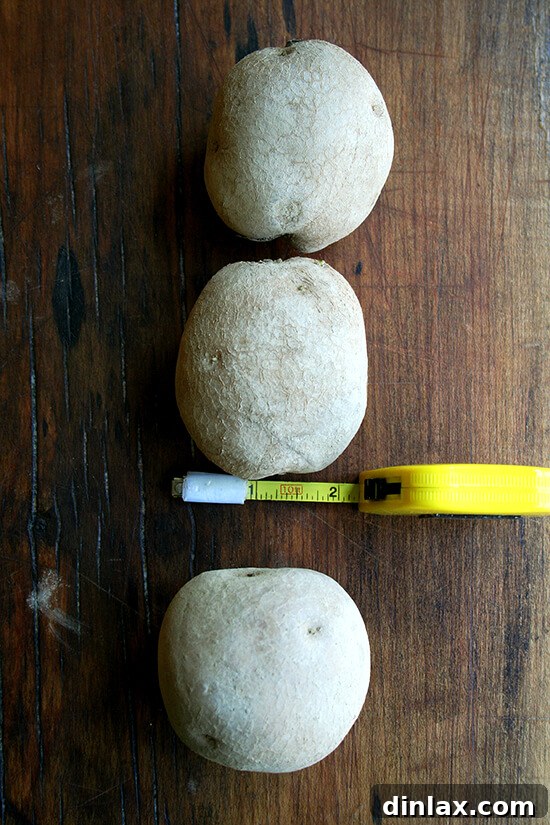
- 3 small potatoes (or desired amount)
- Olive oil
- Kosher salt
- Freshly ground pepper
Instructions
- Preheat your oven to 450ºF (230ºC).
- Using a mandoline, thinly slice the potatoes to about 1/8- to 1/4-inch thick. Uniform slices are key for even cooking.
- Lay the potato slices in a single layer on a sheet pan. Drizzle generously with olive oil and season all over with kosher salt and freshly ground pepper.
- Toss the slices gently to ensure they are evenly coated, then spread them back out into a single layer on the sheet pan.
- Place the sheet pan in the preheated oven and cook for about 15 minutes. Start checking for doneness and browning after 10 minutes. If you notice uneven browning, you can turn the oven down to 400ºF (200ºC) and continue cooking until golden and crispy.
- Prep Time: 5 minutes
- Cook Time: 15 minutes
Embrace the CSA Journey
Subscribing to a CSA is more than just buying vegetables; it’s an investment in local agriculture, a commitment to seasonal eating, and an incredible journey of culinary discovery. While it presents unique challenges, the rewards — fresher produce, a connection to your food source, reduced food waste, and an expanded repertoire of vegetable-forward recipes — are immeasurable. By adopting these strategies, equipping your kitchen thoughtfully, and embracing a spirit of culinary adventure, you can truly master your CSA share and transform your cooking and eating habits for the better. Happy cooking, and enjoy the bounty!