Mastering the Art of the Perfect Quesadilla: A Culinary Journey
Today, I stumbled upon a surprising culinary revelation: despite my love for simple, comforting dishes, I realized I didn’t truly know how to make a quesadilla. What might seem like a straightforward endeavor quickly turned into a delightful learning experience, leading me to ponder the subtle nuances that transform a mere snack into a truly satisfying meal. Join me as I recount my first earnest attempt and delve into the secrets of crafting a delicious, crispy, and perfectly melted quesadilla.
My First Quesadilla Adventure: A Step-by-Step Account
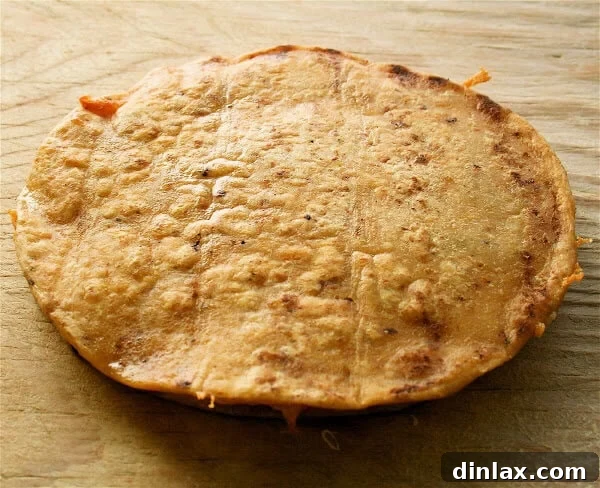
My journey began with a simple craving. I started by briefly warming two soft, corn tortillas in a dry nonstick pan. The goal was to make them pliable and ready for filling. Once gently heated, I removed them from the pan. On one tortilla, I generously sprinkled grated cheese, and on the other, I layered thinly sliced avocado halves. At this point, I added a tiny bit of oil to the pan, just enough to prevent sticking and encourage browning. I then placed the avocado-laden tortilla on top of the cheese-covered one, creating a sandwich, and carefully transferred the whole assembly into the now lightly oiled frying pan. To ensure maximum contact with the heat and proper melting, I weighed down the tortillas with another nonstick pan. While my quesadilla sizzled, I enjoyed the remaining half of the avocado, sprinkled with a dash of salt – a truly unbeatable snack that kept my hunger at bay.
The anticipation was high. However, the final product, while certainly edible, left me with more questions than answers. It wasn’t that my quesadilla tasted bad; it was simply… different. This divergence from my imagined ideal quesadilla sparked a genuine curiosity to understand the factors at play. What makes a quesadilla truly great?
Troubleshooting My Quesadilla: Common Pitfalls and Solutions
Several possibilities immediately sprang to mind regarding why my quesadilla didn’t meet expectations, each pointing to a crucial element in quesadilla making:
Corn vs. Flour Tortillas: The Foundation of Your Quesadilla
One of my first thoughts was the type of tortilla I used. I opted for corn tortillas from Trader Joe’s, which are undeniably delicious for tacos and other preparations (thanks for the tip, Aunt Vicki!). However, for quesadillas, especially those seeking a soft, pliable, and easily foldable texture, flour tortillas are often the traditional choice. Flour tortillas tend to become more supple and develop a pleasant chewiness when cooked, while corn tortillas can sometimes become a bit crispier or even crumbly if not handled correctly. They also tend to absorb more moisture from the fillings, which can affect the final texture. For a classic, gooey quesadilla, a good quality flour tortilla offers an excellent foundation, providing a softer backdrop for the cheese and other fillings.
The Cheese Factor: Meltdown Marvels vs. Stubborn Solids
My cheese choice also came under scrutiny. I used a pre-grated mix called Quatro Frommagio. While convenient, many pre-shredded cheeses contain anti-caking agents like cellulose, which can inhibit their ability to melt smoothly and evenly. This often results in a less cohesive, gooier texture that we associate with a perfect quesadilla. For optimal melt and flavor, freshly grated cheese is always superior. Monterey Jack, Oaxaca, or a good quality cheddar are excellent choices, known for their superior melting properties, creating that irresistible, stringy pull when you cut into them. The blend I chose, while flavorful, might not have been designed for the ultimate melt.
Cooking Technique and Patience: The Unsung Heroes
Finally, my impatience might have played a role. I confess, I took the quesadilla out of the pan almost as soon as I finished my avocado. Proper cooking requires patience. A quesadilla needs sufficient time over medium heat for the cheese to fully melt and for the tortillas to achieve a golden-brown crispness. Rushing the process can lead to unevenly melted cheese and a lack of texture contrast, resulting in a soggy or undercooked interior and a pale exterior.
The Definitive Guide to Making a Perfect Quesadilla
While I haven’t supplied a specific recipe, as you likely have your own preferences, understanding the core principles can elevate your quesadilla game significantly. A quesadilla, at its heart, is a Mexican dish consisting of a tortilla filled primarily with cheese, sometimes other ingredients, and then grilled or cooked until the cheese has melted and the tortilla is slightly crispy.
Choosing Your Ingredients Wisely
- Tortillas: While corn tortillas offer a distinct flavor, for a classic, gooey quesadilla, opt for good quality flour tortillas. They come in various sizes; a 6-8 inch tortilla is perfect for a single-serving quesadilla, while larger ones can be folded.
- Cheese: This is paramount. Forget pre-shredded bags for truly exceptional melt. Go for blocks of Monterey Jack, Oaxaca, Asadero, or even a good quality mild cheddar. Grate it yourself just before cooking. The absence of anti-caking agents will make a world of difference in its melt and texture.
- Fats: A little oil (like vegetable or canola), butter, or even a spray of cooking oil can help achieve that beautiful golden-brown exterior. You can also dry-fry the tortillas for a lighter, less crispy version.
- Optional Fillings: Beyond cheese and avocado, the possibilities are endless. Consider cooked chicken or beef, black beans, sautéed peppers and onions, mushrooms, or even a touch of salsa or pickled jalapeños. Remember not to overfill, as this can lead to a soggy quesadilla that’s difficult to cook evenly.
The Art of Assembly and Cooking
- Prepare Your Tortillas: If using flour tortillas, warm them slightly in a dry pan first to make them more pliable. This prevents them from cracking when folded.
- Layer the Cheese: For a folded quesadilla, place a single tortilla in a lightly oiled pan over medium heat. Sprinkle cheese evenly over one half of the tortilla. For a stacked quesadilla (two tortillas), sprinkle cheese over the entire surface of one tortilla.
- Add Fillings (Sparingly): If adding other ingredients, layer them over the cheese. Remember, less is often more to prevent overstuffing.
- Fold or Stack: If making a folded quesadilla, fold the empty half of the tortilla over the filled half. If stacking, place the second tortilla directly on top of the first.
- Cook Evenly: Cook for 2-4 minutes per side, or until the cheese is thoroughly melted and the tortilla is golden brown and crispy. Press down gently with a spatula or another pan to ensure good contact with the heat and even browning. Adjust heat as necessary to prevent burning while ensuring the cheese melts.
- Serve Immediately: Once cooked, transfer the quesadilla to a cutting board. Let it rest for a minute, then cut into wedges using a pizza cutter or a sharp knife. Serve hot with your favorite accompaniments like sour cream, guacamole, or salsa.
Beyond the Basic: Elevating Your Quesadilla Experience
The beauty of the quesadilla lies in its versatility. Once you’ve mastered the basic cheese melt and crispy tortilla, you can experiment with a myriad of flavors. Imagine a breakfast quesadilla with scrambled eggs and bacon, or a gourmet version with roasted vegetables and a sprinkle of fresh cilantro. The key is to ensure any added fillings are already cooked and relatively dry to avoid making your quesadilla soggy.
My initial “different” tasting quesadilla was not a failure but a crucial step in understanding the simple yet profound elements that contribute to a truly great one. From the choice of tortilla and the quality of cheese to the patience in cooking, each detail plays a vital role. So, next time you embark on a quesadilla quest, remember these tips, and prepare to enjoy a perfectly melted, wonderfully crispy, and utterly satisfying culinary creation. Happy cooking!