Skip to Recipe
The Enchanting Allure of Quince Jam: A Culinary Odyssey
There’s a quiet charm that descends upon the kitchen during autumn, a season that beckons with unique flavors and ancient traditions. Among these, the quince fruit holds a particularly special place in my culinary heart. I must confess, I am currently in the throes of a delightful quince fixation. Each visit to my local produce market, Anastasio’s Produce (a gem nestled at 9th & Christian), inevitably leads to me acquiring a half dozen or so of these wonderfully knobby and often irregularly-shaped fruits. They arrive with a promise of transformation, an invitation to experiment and uncover their hidden potential.
For many, the quince remains an enigma. Unlike apples or pears, it’s not a fruit one can simply bite into. Its flesh, when raw, is notoriously rock hard and incredibly tart, a stark reminder that some of nature’s greatest treasures require patience and the magic of heat. Yet, it is precisely this initial resistance that makes its eventual metamorphosis so rewarding. My journey with quince has, thus far, revealed three primary, deeply satisfying uses: transforming it into a luxurious paste (membrillo), crafting this very jam, or simply arranging a bowl of these pale yellow beauties on my kitchen table as an unusually elegant and aromatic seasonal centerpiece.
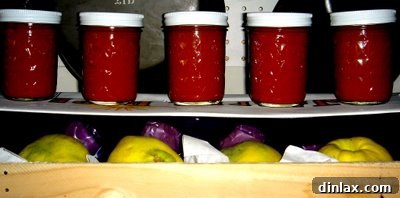
My profound attraction to quince, despite its initial culinary challenges, might stem from various sources. Perhaps it’s the refreshingly citrusy and subtly floral aroma that perfumes my entire apartment for days when a bowl sits undisturbed. Or it could be the sheer wonder of witnessing the dramatic color transformation it undergoes during cooking – a slow, mesmerizing shift from a delicate pale yellow to a radiant, deep ruby red, achieved after many hours over gentle heat. There’s also a subconscious pull, a feeling of paying homage to my Greek ancestry, where quince holds historical and cultural significance, by incorporating it into my diet. Whatever the underlying reason, one truth remains: I simply adore the taste of quince, especially in the form of a meticulously prepared jam. It’s a taste that transcends the ordinary, offering a sophisticated sweetness with a hint of tang, perfectly balanced and utterly delicious. This jam is, of course, a sublime companion to warm toast slathered with a pat of butter, but it also shines brilliantly as a refined substitute for raspberry jam, elevating classic Linzer cookies to a new level of gourmet delight. Get ready to embark on your own quince adventure!
The Enigmatic Quince: A Culinary Gem Waiting to Be Discovered
The quince (Cydonia oblonga) is an ancient fruit with a storied past, often overshadowed by its more common relatives, the apple and pear. Native to the Middle East and parts of Asia, it has been cultivated for thousands of years, revered in many cultures for its distinct aroma and medicinal properties. Visually, quinces are striking; they resemble a fuzzy, somewhat lumpy pear, typically bright yellow when ripe. Their firm, aromatic flesh is packed with pectin, making them an ideal candidate for jams, jellies, and preserves.
Its unique characteristic lies in its necessity for cooking. Unlike many fruits, quince develops its full flavor, softens its dense flesh, and reveals its breathtaking color only through heat. This transformative process is not just culinary; it’s almost alchemical, turning a humble, unpalatable fruit into a golden-hued, fragrant delicacy. The flavor profile is complex: a delicate balance of tartness with hints of apple, pear, and tropical fruits, underlined by a profound floral perfume. It’s this complexity that makes quince an endlessly fascinating ingredient for the adventurous home cook.
Beyond the Jar: Versatile Uses for Quince
While quince jam is undeniably a star, the versatility of this fruit extends far beyond the breakfast table. Understanding its broader culinary potential can inspire even more creative uses in your kitchen:
- Quince Paste (Membrillo): Perhaps the most famous alternative, quince paste is a firm, sweet, and tangy preserve, often served with cheese. Its robust flavor perfectly complements salty cheeses like Manchego, creating a classic Spanish pairing.
- Compotes and Sauces: Gently cooked quince, often with a touch of sugar and spices like cinnamon or star anise, makes a wonderful compote. It can be served alongside roasted meats (especially pork or duck), as a topping for yogurt, or as a warm dessert on its own.
- Savory Dishes: Don’t limit quince to sweets! Its tartness and firm texture hold up well in savory preparations. Consider adding sliced quince to slow-cooked stews, tagines, or roasting it alongside root vegetables and poultry for a surprising depth of flavor.
- Baking: Quince can be used in pies, tarts, and crumbles, much like apples or pears. Its unique flavor adds a sophisticated twist to familiar baked goods.
- Infusions: The powerful aroma of quince makes it an excellent candidate for infusing spirits or creating flavorful syrups for cocktails and non-alcoholic drinks.
- Aromatic Decor: Even raw, a bowl of quinces placed in a room can fill it with a beautiful, natural perfume, acting as a fragrant and visually appealing autumnal decoration.
The Nutritional Bounty of Quince
Beyond its delightful taste and aromatic qualities, quince also offers a range of health benefits, making it a truly wholesome addition to your diet:
- Rich in Fiber: Quince is an excellent source of dietary fiber, which is crucial for digestive health. Fiber aids in promoting regularity, preventing constipation, and supporting a healthy gut microbiome.
- Packed with Antioxidants: The fruit contains a good amount of antioxidants, including phenolic compounds and vitamin C. Antioxidants help protect the body’s cells from damage caused by free radicals, potentially reducing the risk of chronic diseases.
- Vitamins and Minerals: Quince provides essential vitamins and minerals such as vitamin C, potassium, copper, and iron, all vital for overall health and well-being.
- Anti-inflammatory Properties: Some studies suggest that quince may possess anti-inflammatory properties, which could contribute to reducing inflammation in the body.
- Immune Support: With its vitamin C content, quince can help bolster the immune system, aiding the body’s natural defenses against infections.
Incorporating quince into your diet, particularly in forms like jam or compote, allows you to enjoy these benefits while savoring its exquisite flavor.
Mastering Homemade Quince Jam: Tips for Success
Crafting homemade quince jam is a labor of love, but the results are undeniably worth the effort. Here are some insights to help you achieve perfect jam every time:
- Selecting Your Quinces: Choose firm, bright yellow quinces that are free of bruises and blemishes. A fragrant aroma is a good indicator of ripeness. Don’t be deterred by their fuzzy skin; it will be removed during preparation.
- The Gentle Simmer: The initial simmering with lemon is crucial. It not only softens the incredibly hard fruit but also helps in extracting pectin and preventing oxidation, which can cause the fruit to brown prematurely. The lemon also brightens the flavor.
- The Magic of the Food Mill: Passing the cooked quince through a food mill ensures a smooth, consistent texture for your jam, free of any gritty bits, while retaining the pulp’s integrity and flavor.
- Why White Wine? The addition of white wine, like a Riesling, adds an extra layer of complexity and acidity to the jam. It beautifully complements the quince’s natural flavor, enhancing its floral notes and providing a subtle depth that distinguishes this jam. If you prefer to omit alcohol, you can replace it with an equal amount of water or apple cider, though the flavor profile will be slightly different.
- Vanilla Bean’s Embrace: The vanilla bean is not merely an accessory; its warm, sweet, and creamy notes round out the tartness of the quince and the acidity of the wine, creating a more harmonious and luxurious flavor. Don’t discard the scraped pod; it continues to infuse flavor as the jam cooks.
- Achieving the Perfect Set: The key to any good jam is reaching the “setting point.” This usually occurs when the jam reaches 220-222°F (104-106°C). A reliable way to test this is the “cold plate test”: spoon a small amount of hot jam onto a plate that has been chilled in the freezer for 10-15 minutes. Let it sit for 30 seconds, then push it with your finger. If it wrinkles, it’s ready. If not, continue cooking and retest every few minutes.
- The Color Transformation: Patience is truly a virtue when making quince jam. The deep red hue develops slowly over hours of gentle simmering. This is a natural chemical reaction of the fruit’s compounds with heat and air; resist the urge to rush it with high heat, which can scorch the jam.
Print
Quince Jam Recipe
5 Stars 4 Stars 3 Stars 2 Stars 1 Star
No reviews yet! Be the first to rate this recipe.
Author: Alexandra Stafford at alexandracooks.com
Total Time: 4 hours 50 minutes
Yield: Approximately 40 4-oz jars 1x
Ingredients
- 16 large quinces, firm and ripe
- 1 large lemon, halved
- 1 bottle (approximately 3 1/4 cups) dry white wine, such as Riesling (an affordable bottle works perfectly)
- 4 cups granulated sugar (adjust to taste after initial cooking)
- 1 vanilla bean, split lengthwise and seeds scraped (reserve both pod and seeds)
Instructions
- Prepare the Quinces: Begin by thoroughly washing all 16 quinces to remove any fuzz, stickers, or leaves. Using a sturdy knife, carefully cut straight down around the core of each quince to remove the tough core and any seeds. Once the core is discarded, cut the quince flesh into large, manageable chunks. Place these quince pieces into a very large, heavy-bottomed pot. Add approximately 12 cups of cold water, ensuring the quince is well covered, along with the halved lemon. Bring the mixture to a gentle simmer over medium heat and continue to cook for about 1½ hours, or until the quince pieces are easily pierced with a knife and tender. This slow cooking is essential for both softening the fruit and beginning the color transformation.
- Combine and Cook: Carefully strain the cooked quince, making sure to reserve all the fragrant cooking liquid. Discard the spent lemon halves. Now, pass the tender quince flesh through the fine disk of a food mill into the same large, heavy-bottomed pot. This will create a smooth, consistent pulp. Add the reserved cooking liquid back into the pot with the quince pulp. Pour in the entire bottle of white wine and add the 4 cups of granulated sugar. Split the vanilla bean lengthwise, scrape out the fragrant seeds, and add both the scraped pod and the seeds into the pot. Stir well to combine all ingredients. Bring the mixture back to a steady simmer and continue to cook gently for another 2 to 3 hours. During this phase, stir occasionally to prevent sticking, and observe as the mixture gradually reduces in volume by several inches and gloriously transforms from a pale yellow to a rich, deep ruby-red hue. The jam is ready when it thickens and a small amount placed on a cold plate wrinkles when pushed with a finger.
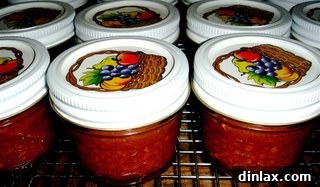
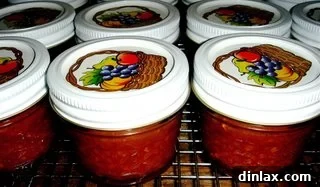
- Canning and Storage: Once the jam has reached its desired consistency and color, it is ready for canning. This process ensures long-term preservation and shelf stability. I highly recommend following the comprehensive canning instructions provided on reputable websites such as www.homecanning.com or your local cooperative extension guidelines. While canning can be a laborious process, requiring careful sterilization and proper sealing techniques, the reward is immense: you’ll have approximately 40 beautiful 4-ounce jars of homemade quince jam, perfect for gifting during the upcoming holidays or enjoying throughout the year.
- Prep Time: 20 minutes
- Cook Time: 4 hours 30 minutes
Serving Suggestions & Creative Pairings for Quince Jam
Once you’ve mastered the art of making quince jam, the possibilities for enjoying this golden-red delicacy are endless. While it’s undeniably exquisite simply spread on a slice of fresh toast with a dollop of butter, its complex flavor profile lends itself to a surprising array of culinary applications:
- Classic Breakfast & Brunch: Elevate your morning routine. Beyond toast, try it swirled into warm oatmeal or creamy Greek yogurt for a touch of autumnal sweetness. It’s also fantastic on pancakes, waffles, or French toast.
- Cheese Board Companion: Quince jam is a sophisticated addition to any cheese board. Its tart-sweet notes and firm texture pair wonderfully with a variety of cheeses, from sharp cheddars and crumbly goat cheeses to creamy brie and salty blue cheeses. It creates a harmonious balance that delights the palate.
- Baking & Desserts:
- Linzer Cookies: As mentioned, it’s a stellar substitute for traditional raspberry jam in Linzer cookies, offering a more nuanced and elegant flavor.
- Thumbprint Cookies: Use it as the sweet center for classic thumbprint cookies.
- Tarts & Pastries: Spread a thin layer on the bottom of a fruit tart before adding other fillings, or use it as a filling for hand pies and turnovers.
- Cake Glaze: Warm a little jam and brush it over a plain cake or scone for a quick, flavorful glaze.
- Savory Pairings: Don’t shy away from savory combinations. A spoonful of quince jam can act as a delightful chutney or condiment for roasted poultry (chicken, duck, turkey) or pork. Its acidity and sweetness cut through richness beautifully.
- Cocktails & Beverages: For the adventurous, a small amount of jam can be dissolved in hot water to create a simple syrup, perfect for adding a unique twist to cocktails or non-alcoholic sparkling drinks.
The Rewarding Process of Canning Your Homemade Quince Jam
The final step in your quince jam journey – canning – is an art in itself, and a highly rewarding one. While it may seem daunting at first, following proper canning procedures ensures the safety and longevity of your delicious homemade preserve. The thought of neatly lined jars, gleaming with that exquisite ruby-red hue, ready to be enjoyed or gifted, is often the greatest motivator for this extra effort. Not only does canning allow you to savor the taste of autumn’s bounty throughout the year, but it also creates deeply personal, handmade gifts that speak volumes. Imagine presenting a jar of your artisanal quince jam during the holiday season; it’s a thoughtful gesture that connects deeply with tradition and homemade goodness. Proper canning involves sterilizing jars and lids, filling them correctly, and processing them in a boiling water bath to create a vacuum seal. This careful attention to detail protects your jam from spoilage and locks in its vibrant flavor, aroma, and color for months to come. It’s an investment of time and care that truly pays off with every spoonful.