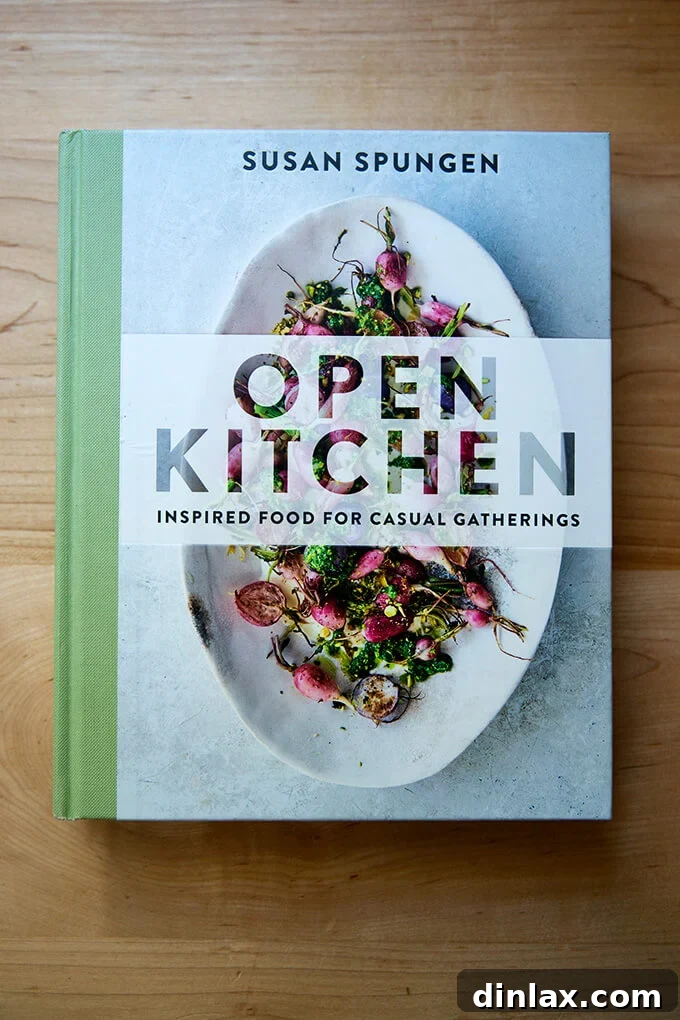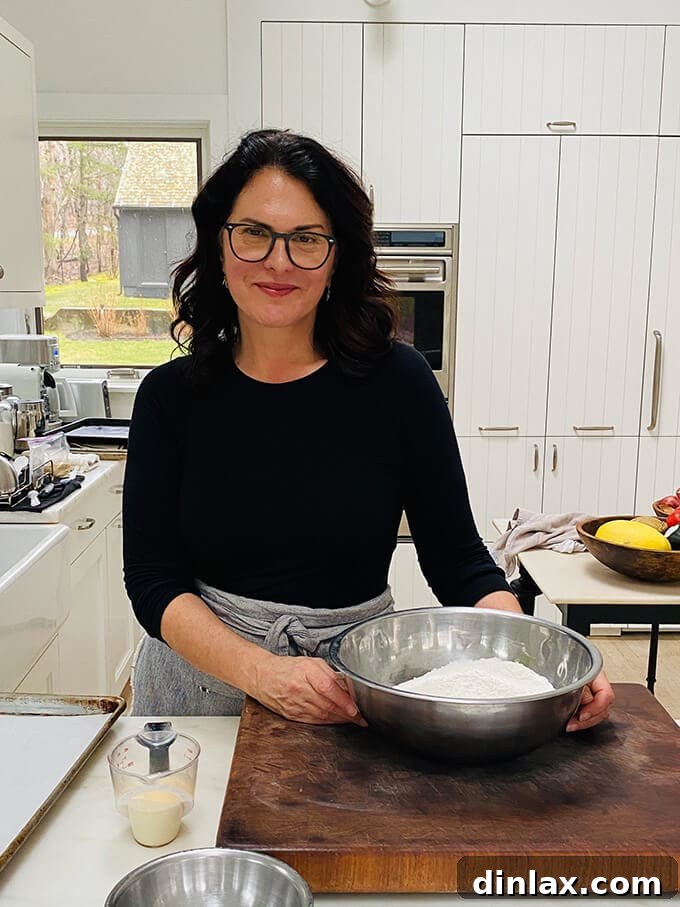
An Exclusive Culinary Journey: A Q&A with Susan Spungen on Art, Food, and the Creative Kitchen
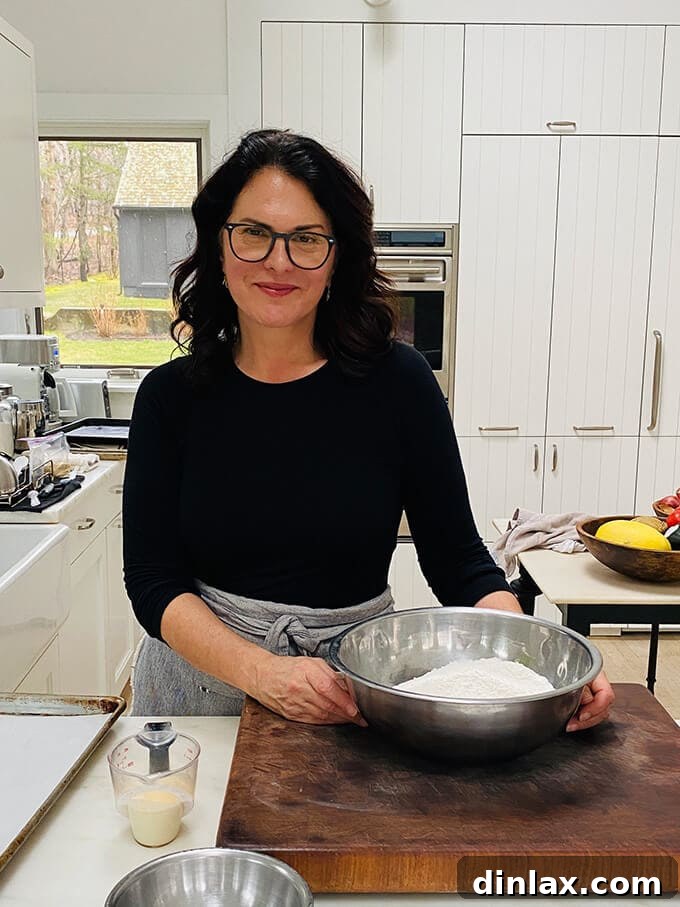
For many in the culinary world, the name Susan Spungen evokes images of meticulously crafted dishes, inspiring recipes, and a career trajectory that reads like a dream. She is widely recognized as a pivotal figure in modern food media, known for her groundbreaking work as one of the original editors of Martha Stewart Living, her insightful contributions to The New York Times, and her incredible talent as the food stylist behind iconic films like Julie and Julia, It’s Complicated, and Eat Pray Love. Her influence extends far beyond these impressive credits, shaping the way we perceive and interact with food.
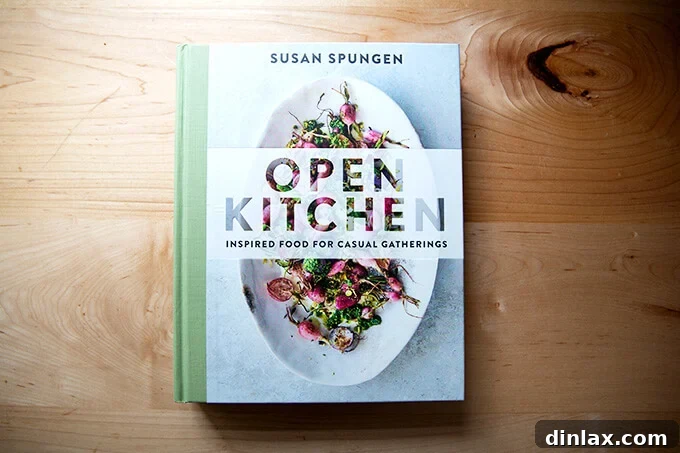
Before diving into her latest cookbook, Open Kitchen, her formidable reputation was already well-established. Yet, as I delved deeper into the pages of this beautiful book, a deeper curiosity began to unfold. Susan offers tantalizing glimpses into her personal history and creative process, from her formative years growing up in Philadelphia to her early training as an artist. These insights sparked a desire to learn more about the woman behind the remarkable culinary achievements. I reached out to Susan, and she graciously agreed to share more of her story with us.
What follows is our in-depth Q&A, offering a fascinating peek into the mind and journey of one of the most respected voices in food.
Unveiling the Culinary Artist: A Deep Dive with Susan Spungen
1. In Open Kitchen, you mention your early training as an artist. Could you expand on this pivotal period of your life? At what age did this artistic pursuit begin, and how did it eventually transition into your renowned culinary career? Or, perhaps, have these two creative spheres always been intertwined?
SS: Indeed, art was my first calling. From a very young age, I was drawn to visual expression and always envisioned myself as an artist. I applied exclusively to art schools, driven by this passion. However, my path didn’t lead to a traditional graduation for a complex variety of reasons. Parallel to my artistic aspirations, I cultivated a deep love for cooking and baking during my childhood. I found immense joy and satisfaction in the kitchen. This passion naturally led me to work in restaurants during a gap year and throughout my college years. After leaving college, continuing in the food industry felt like a natural, almost instinctive, progression for me. At that point, I wasn’t consciously mapping out a career path; I was simply following what felt right and engaging.
The overlap between art and food has always been profoundly significant. My artistic training instilled in me a keen eye for aesthetics, composition, and color – principles that are just as vital in presenting a dish as they are on a canvas. Whether it’s arranging ingredients, plating a meal, or styling a photograph, that foundational artistic sensibility has always guided my approach to food, making the transition feel less like a departure and more like an evolution of my creative spirit.
2. Your journey into the culinary world is often described as accidental. Can you elaborate on the circumstances that led you into this celebrated field? When did this “accident” occur, and what were the key moments that shaped it?
Well, building on my previous answer, after leaving school, I needed to work, and food was the most logical and enjoyable path for me. It was something I was naturally good at and truly enjoyed. I spent a few years living in Aspen right after college, primarily waiting tables in a local café. This hands-on experience in a bustling environment further cemented my connection to the food service industry.
When I moved to New York City a few years later, I initially thought waiting tables would be the most straightforward way to earn a living. However, I quickly discovered that my experience, while solid, wasn’t quite aligned with the expectations of the highly competitive “real” NYC restaurant scene. This unexpected challenge led me to a unique opportunity at a restaurant called “Food.” This establishment originally began as a groundbreaking artist co-op in SoHo, founded by the visionary artist Gordon Matta-Clark. By the time I joined, it had evolved into a more conventional restaurant but still retained much of its bohemian spirit. It served as a vibrant hub, even a sort of informal soup kitchen, for the artists who populated the neighborhood.
My role there primarily involved staff management, but I was also deeply involved with various aspects of the food operation. I relished being in the thick of this dynamic environment. After some time, I began to think more strategically about building a career. This introspection gradually led me into catering, where I worked for a small company, handling everything from menu planning to execution. It was an incredibly hands-on experience that allowed for immense creativity and problem-solving. It’s a long story, but eventually, I decided to seek out a more structured “food job” and managed to secure a position as a chef, creating prepared foods for a beautiful new shop in SoHo. I had always shied away from working in traditional restaurant kitchens, instinctively knowing that the high-pressure environment wasn’t the right fit for my creative inclinations. I was in my late twenties at this point, constantly seeking roles that offered artistic expression within the culinary field. When that particular job concluded, I returned to catering, drawn by the incredible variety it offered – always a different menu, a new location, and a continuous opportunity to innovate and be creative.
3. Your background, from your roots in Philadelphia to your early career at The Commissary and your eventual rise as a celebrated food stylist, is truly captivating. Many would love to hear more about these formative experiences. (As a side note, The Frog Commissary Cookbook holds a special place in my heart as one of my very first cookbooks!) How did you transition from these foundational experiences to becoming a key figure at Martha Stewart Living, and subsequently, a sought-after food stylist for major films like Julie and Julia? What advice would you offer to aspiring food stylists eager to break into the industry?
Wow! Condensing that rich history into a few paragraphs is a challenge, but I’ll do my best! Yes, during what I fondly call my “gap year” – which was less a planned sabbatical and more a period following a missed college application deadline – I began working at The Commissary. This was an incredibly cool and immensely popular restaurant in Philadelphia during the late 70s, a true culinary landmark of its time. It was there that the seeds were truly planted, making me realize that working with food could be an incredibly cool and creatively fulfilling endeavor, and the people involved were generally fascinating individuals. Many of my colleagues at The Commissary were erstwhile artists, reinforcing my long-held belief that the intersection of art and food is a vibrant space with countless natural crossovers.
My burgeoning interest in food styling was born from a desire to merge these two passions more directly. I wanted to find a way to visually articulate the beauty and art of food. In my quest to become a food stylist, I had the incredible fortune to connect with Martha Stewart at a pivotal moment – just as she was preparing to launch Martha Stewart Living. I contributed freelance work to the initial three test issues, gaining invaluable experience in a nascent and revolutionary media environment. Meanwhile, I took on a role as pastry chef at Coco Pazzo, a new Italian restaurant that quickly became a massive hit in early 90s New York. I worked there long enough to earn a coveted three-star review from The New York Times, and then, as I had hoped, a full-time position as food editor became available at the rapidly expanding MSL. I seized the opportunity to join that pioneering team and truly never looked back. It was an absolutely perfect fit for my skills and aspirations, and I absorbed an immense amount of knowledge and expertise during my twelve transformative years there. And regarding The Frog Commissary Cookbook – it truly is a classic, a wonderful testament to that era!
Transitioning into food styling for films like Julie and Julia came after my tenure at MSL, building on the extensive experience I gained in creating visually appealing food for print. Food styling for film presents unique challenges, requiring a deep understanding of continuity, camera angles, and the practicalities of a film set, often demanding a blend of culinary skill and artistic ingenuity to make food look perfect under the lens. For anyone aspiring to enter food styling, my advice is multifaceted: develop strong culinary skills, practice photography and plating incessantly, build a diverse portfolio, and network relentlessly. Understanding light, texture, and color is paramount. Be prepared for long hours and meticulous attention to detail, and always remember that food styling is about telling a story through taste and sight.
4. You draw immense inspiration from the changing seasons and the bounty of seasonal produce. Where else do you find creative sparks for your culinary endeavors? I’m particularly thinking about your extraordinary cookie spread forThe New York Times, which was truly mind-blowing. Each cookie was a miniature work of edible art.
For that specific assignment, I consciously turned to fine art as my primary source of inspiration, which felt like an organic and obvious choice given the artistic nature of the request. The initial spark came from exploring Ellsworth Kelly’s iconic brushstroke series and some of his captivating color field works. It felt like an idea that had strong potential to translate beautifully into the medium of cookies, and fortunately, it did. The challenge was to abstract elements of his artistic vocabulary and apply them to edible forms, using color, shape, and negative space to create a visually cohesive and striking collection.
Beyond specific artistic movements, I am perpetually inspired by the sheer beauty and inherent artistry of nature and raw ingredients themselves. I spend a significant amount of time in Amagansett, New York, where my family and I are proud members of Quail Hill Farm, which holds the distinction of being one of the first CSA (Community Supported Agriculture) farms in the United States. It operates on a pick-your-own model, and there is genuinely nothing more inspiring or grounding than the act of digging up fresh potatoes or carrots from the earth, or painstakingly gathering vibrant green beans, and then immediately heading home to cook with them. This direct connection to the source, the soil, and the growth cycle profoundly teaches you what real food is supposed to taste like—pure, unadulterated flavor, vibrant textures, and the subtle nuances that often get lost in commercially processed produce. It’s a constant reminder of the simple elegance and profound deliciousness that comes from respecting seasonal ingredients and letting their natural qualities shine.
5. Is there one particular recipe (or perhaps more than one) from Open Kitchen that you wish everyone would try, a recipe that truly encapsulates the spirit of the book?
Oh, that’s like asking a parent to choose a favorite child! Naturally, I wish everyone would make all of them! Each recipe in Open Kitchen is dear to me and represents a piece of my culinary journey. But since we’re heading into the glorious seasons of spring and summer, I can definitely highlight a couple that shine during these months.
In the dessert category, my heart truly belongs to the Strawberry Tart. This recipe holds a special place for me as it was directly inspired by a beloved dessert from my time at The Commissary, a nostalgic nod to my early culinary roots. When crafted with perfectly ripe, in-season, locally sourced strawberries, there is simply nothing more sublime, more bursting with fresh flavor and delightful sweetness. The crisp crust, the luscious cream, and those sweet, juicy berries create a harmonious symphony of tastes and textures that is utterly irresistible. It embodies the joy of seasonal eating.
On the savory side, I am absolutely obsessed with the Snap Pea Salad. I confess, I could easily devour an entire bowl of this crunchy, vibrant salad by myself! It’s a celebration of fresh, crisp snap peas, elevated with complementary textures and bright flavors. It’s the kind of dish that invigorates your palate, offering a refreshing counterpoint to richer meals, and perfectly captures the lightness and freshness that spring and summer produce offer. Both of these recipes truly reflect the ethos of Open Kitchen: approachable, seasonal, and utterly delicious food that brings joy to the table.
Inspired by Susan Spungen’s philosophy of fresh, seasonal, and approachable cooking, here are a couple of additional recipes that exemplify her style and are sure to become new favorites in your kitchen:
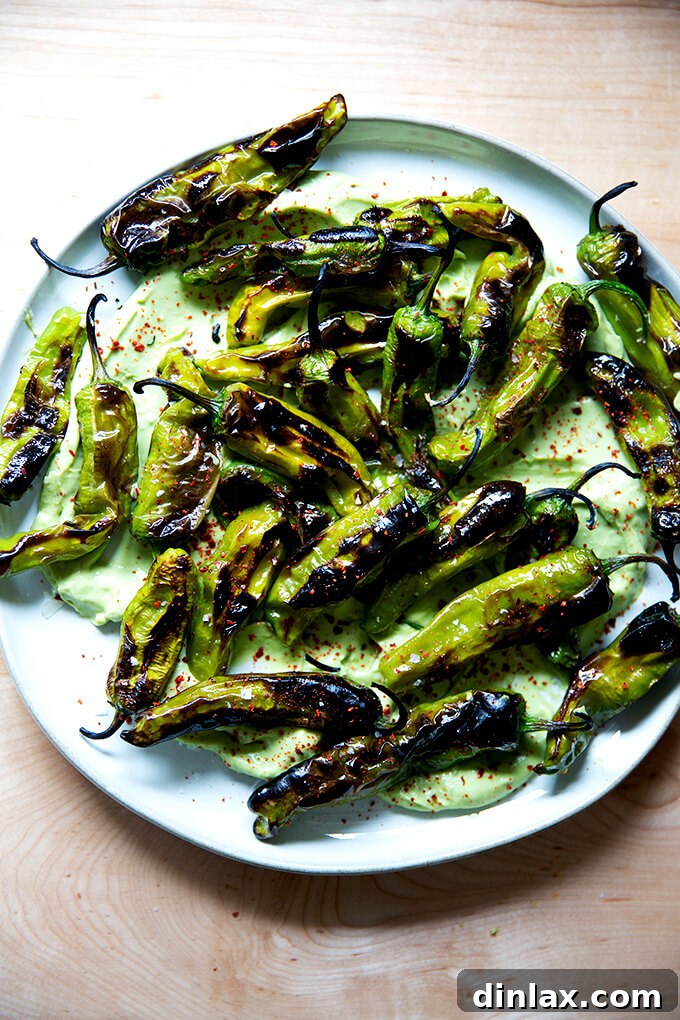
A new favorite Susan Spungen-inspired recipe: Blistered Shishitos with Avocado Crema: These perfectly charred peppers, with their occasional spicy kick, are beautifully complemented by a cooling, creamy avocado dip. It’s a quick, effortless appetizer that is as visually appealing as it is delicious, perfect for any gathering or a simple snack.
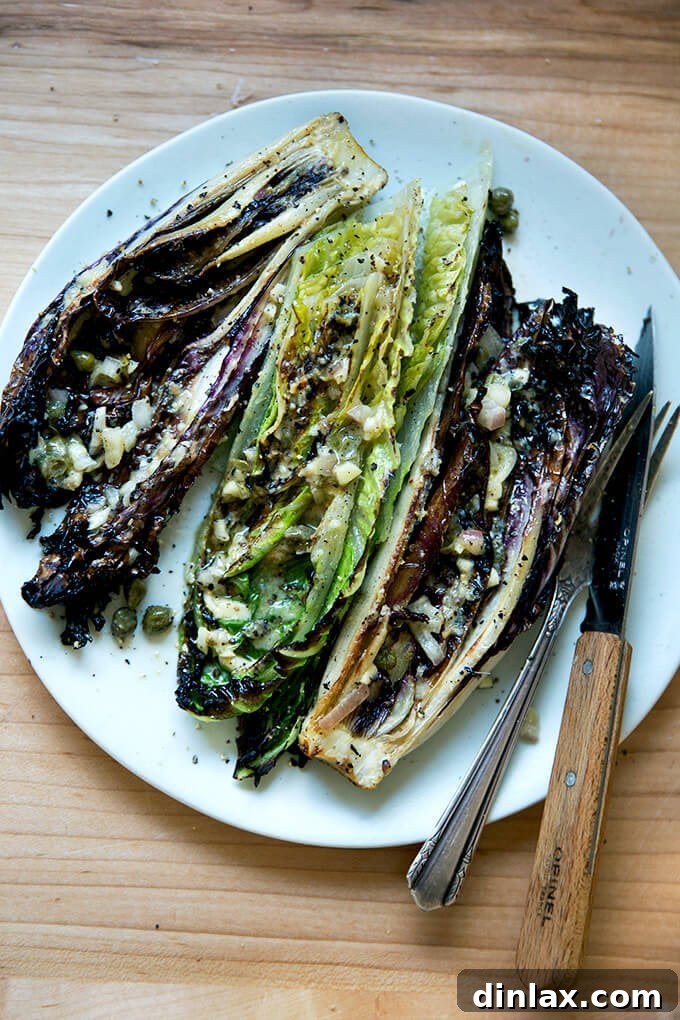
Another beloved recipe to try: “Grilled” Romaine Caesar Salad: Elevate a classic with this ingenious twist. Grilling the romaine lettuce adds a subtle smokiness and a tender-crisp texture that transforms the traditional Caesar into something truly special. It’s incredibly easy to prepare and yields impressive results, making it a standout side dish or light main course.
Susan Spungen’s Open Kitchen is more than just a cookbook; it’s a profound invitation to embrace the art of cooking with joy, simplicity, and an appreciation for the finest ingredients. It’s a testament to Susan’s incredible legacy as a culinary artist, food stylist, and author. Her ability to blend artistic sensibilities with practical, delicious recipes makes her work truly timeless. We encourage you to explore her beautiful work and let her inspire your next culinary adventure.