

Heartwarming Rosemary Butternut Bisque: A Seasonal Delight Paired with Homemade Challah
As the vibrant hues of autumn paint the landscape, and the crisp air signals a shift in seasons, there’s nothing quite as comforting and satisfying as a rich, creamy bowl of homemade soup. This Rosemary Butternut Bisque, a true testament to the bounty of the fall harvest, offers a symphony of flavors that will undoubtedly warm your soul from the inside out. When lovingly paired with a freshly baked loaf of golden, tender Challah bread, this meal transcends the ordinary, transforming simple, wholesome ingredients into an extraordinary and deeply satisfying culinary experience.
My culinary journey to perfecting this particular bisque began, as many of my most cherished dishes often do, with the generous contents of my Community Supported Agriculture (CSA) box. While I must confess to occasionally falling behind on my initial promise to meticulously document each week’s harvest – a promise I made with the best of intentions at the start of the growing season – the continuous inspiration drawn from those fresh, seasonal vegetables is undeniable. For this specific recipe, I enthusiastically delved into the abundant offerings of not just one, but what felt like three separate CSA distributions. I vividly recall the delightful process of roasting two glorious butternut squash and two equally charming delicata squash. Curiously, the memory of a beautifully roasted pumpkin also lingers in my mind, yet a thorough and meticulous check of my weekly produce lists reveals no such entry. Perhaps it was a delightful culinary hallucination, a testament to the generous spirit of the season influencing my perception, or simply the sheer joy of working with such wonderful ingredients!
The Magic of Butternut Squash: A Versatile Autumnal Gem
Butternut squash, the undeniable star of our velvety bisque, is a true autumnal treasure. Its naturally sweet, slightly nutty flavor deepens into an exquisite caramelized richness when roasted, creating the perfect complex foundation for a truly exceptional soup. Beyond its delectable taste and appealing texture, butternut squash is a powerhouse of nutrition, generously packed with essential vitamins A and C, dietary fiber, and a host of beneficial antioxidants. It’s a fantastic and flavorful ingredient choice for boosting immunity, supporting healthy digestion, and promoting overall well-being, making this bisque not just a treat for your taste buds, but also a nourishing and health-conscious option for your body.
The inherent beauty of this soup lies in its remarkable simplicity and inherent adaptability. The recipe I am delighted to share with you here is intended to be more of a guiding principle rather than a rigid set of rules, actively encouraging you to embrace the liberating joy of intuitive cooking. While precise measurements are thoughtfully provided to ensure consistent and reproducible results, please feel empowered to adjust seasonings and ingredients to perfectly suit your personal palate and preferences. The ultimate goal is to allow the natural, inherent sweetness of the roasted squash to shine through vibrantly, perfectly complemented by the fragrant and aromatic notes of fresh rosemary.
Crafting the Perfect Rosemary Butternut Bisque: A Step-by-Step Guide
This recipe elegantly transforms humble winter squash into a gourmet-level experience with surprisingly minimal fuss. The roasting process, in particular, is where the true culinary magic unfolds, concentrating the squash’s natural sugars and creating that irresistible depth of flavor. Here’s how to bring this incredibly comforting and deeply satisfying bisque to life in your own kitchen.
Rosemary-Butternut Bisque Recipe
Adapted from a Molly O’Neill recipe originally printed in the New York Times Magazine, Nov. 06, 1994
Yield: Approximately 2 quarts (serves 6-8)
Ingredients:
- 2 medium butternut squash (approximately 4-5 lbs total), or a combination of butternut and other winter squash like delicata or acorn
- 1-2 tablespoons high-quality olive oil, plus extra for drizzling
- 6 cups chicken broth, preferably homemade for an unparalleled depth of flavor (or a good quality vegetable broth for a delicious vegetarian or vegan option)
- 1 tablespoon fresh rosemary, finely chopped (about 3-4 sprigs)
- 2 teaspoons freshly grated orange zest (optional, but highly recommended for adding a bright, citrusy counterpoint that elevates the flavor profile)
- Kosher salt and freshly ground black pepper to taste
- 2 tablespoons heavy cream, optional (for extra richness, a truly luxurious texture, and a more traditional “bisque” mouthfeel)
Instructions:
- Prepare the Squash for Roasting: Begin by preheating your oven to 375ºF (190ºC). Carefully cut each butternut squash in half lengthwise. A sharp, sturdy chef’s knife is essential for this step. Use a strong spoon to thoroughly scoop out and discard the seeds and any fibrous strands from the center of each squash half.
- Season and Roast for Flavor Development: Drizzle about a teaspoon of olive oil onto a large baking sheet. Place the squash halves cut-side down on the prepared sheet. Gently rub the backs of the squash with any remaining olive oil on the sheet, or add a little more if needed to lightly coat. Roasting the squash cut-side down helps to steam the flesh, keeping it moist and tender, while allowing the skin to protect it from drying out during the baking process.
- Bake Until Perfectly Tender: Place the baking sheet with the squash in the preheated oven and roast for approximately 45 minutes to 1 hour, or until the squash is unequivocally fork-tender. The exact cooking time will naturally depend on the size and density of your squash. You should be able to easily pierce the flesh with the tip of a knife with little resistance.
- Cool and Scoop the Flesh: Carefully remove the roasted squash from the oven and allow it to cool slightly on the baking sheet until it is comfortable enough to handle. Once cooled, use a large spoon to scoop the soft, sweet, cooked flesh into a large, heavy-bottomed saucepan or a Dutch oven, discarding the tough skins.
- Combine Ingredients and Simmer: To the saucepan containing the scooped squash flesh, add the chicken broth (or vegetable broth), the finely chopped fresh rosemary, and (if you choose to use it) the freshly grated orange zest. Season generously with a big pinch of kosher salt and freshly ground black pepper. Bring the entire mixture to a gentle boil over medium-high heat, then immediately reduce the heat to low, cover the pot, and let it simmer gently for 30 minutes. This simmering period is crucial as it allows all the beautiful flavors to meld and deepen harmoniously.
- Purée to a Silky Smoothness: For a truly silky-smooth and luxurious bisque, use an immersion blender directly in the pot to purée the mixture until absolutely no lumps remain. Alternatively, if you don’t have an immersion blender, carefully transfer the hot mixture in batches to a food processor or a standard blender. Blend until perfectly smooth, exercising extreme caution when blending hot liquids (always remember to vent the lid and cover it with a kitchen towel to prevent pressure buildup).
- Final Seasoning and Optional Cream: Taste the finished bisque and adjust the seasoning as needed. You might find it beneficial to add more salt or pepper to perfectly balance the flavors. If you desire an even richer, creamier texture and a more traditional “bisque” consistency, stir in the 2 tablespoons of heavy cream now, allowing it to gently warm through.
- Serving Suggestions: Ladle the steaming hot bisque into individual bowls. It is wonderfully satisfying and complete on its own, but it truly shines and reaches its full potential when served with warm, crusty bread like our homemade challah, or even a simple, fresh side salad. Garnish with a delicate sprig of fresh rosemary or a beautiful swirl of cream for an elegant and inviting touch.
Tips for Butternut Bisque Perfection:
- The “Bisque” Etymology: Traditionally, a bisque typically referred to a creamy soup made with shellfish (like lobster bisque) and was often thickened with rice. However, modern culinary parlance has broadly adopted “bisque” to describe any thick, rich, and creamy vegetable soup, especially one that has been puréed to a velvety, smooth consistency. While our recipe thoughtfully omits the heavy cream, achieving a lighter yet still wonderfully luxurious texture, please feel completely free to add it for that classic, indulgent richness if you desire.
- Exploring Squash Varieties: While butternut squash is the classic and most commonly used variety for this bisque, feel encouraged to experiment with other delightful winter squash types such as acorn, kabocha, Hokkaido pumpkin, or even a classic carving pumpkin (if you can manage to procure one that’s suitable for cooking!). Each variety will lend a slightly unique and nuanced flavor profile to your bisque.
- Make-Ahead and Freezing: If you find yourself with extra roasted squash flesh – a common occurrence from particularly generous CSA boxes or when buying in bulk – purée it with a little broth and freeze it in convenient 1-2 cup portions. This makes for an incredibly quick and easy soup base for future meals, or even a fantastic and flavorful ravioli or dumpling filling later on.
- Enhanced Flavor Boosters: For an additional layer of complex flavor, consider incorporating a tiny pinch of freshly grated nutmeg, a dash of ground ginger, a hint of warm curry powder, or even a splash of apple cider vinegar to brighten the flavors in your bisque.
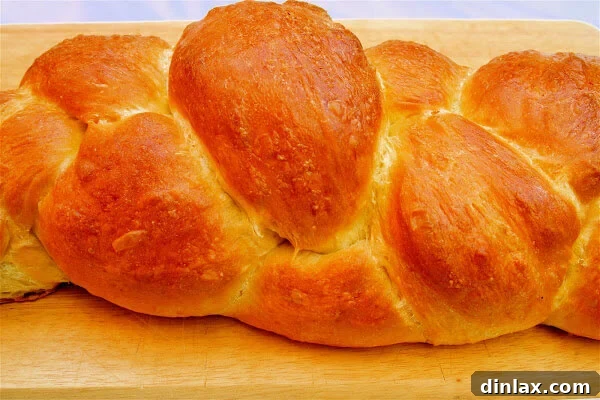
The Art of Homemade Challah: A Golden, Braided Companion
There is a truly special, almost therapeutic joy that emanates from baking bread from scratch, and challah, with its iconic braided form, wonderfully rich crumb, and subtly sweet flavor, is particularly rewarding to create. This thoughtfully adapted version of Peter Reinhart’s renowned recipe ensures a consistently soft, incredibly tender, and gloriously golden loaf that is absolutely perfect for dipping into our velvety bisque, or simply relishing on its own as a delightful treat.
Challah Recipe
Adapted from Peter Reinhart’s The Bread Baker’s Apprentice (Ten Speed Press, 2001)
Yield: 1 large, impressive loaf
Ingredients:
- 4 cups (approximately 18 oz. or 510g) unbleached bread flour, plus additional flour for light dusting
- ¼ cup (2 oz. or 57g) granulated sugar
- 1 teaspoon (.25 ounce or 7g) salt
- 1 1/3 teaspoons (.15 ounce or 4g) instant yeast
- 2 tablespoons (1 oz. or 28g) vegetable oil, plus extra for oiling the mixing bowl
- 2 large eggs, lightly beaten
- 2 egg yolks, lightly beaten (reserve the egg whites for the essential egg wash)
- ¾ cup plus 2 tablespoons (approximately 6.75 fl oz or 200ml) water, lukewarm (around 95-105°F / 35-40°C)
- Sesame seeds or poppy seeds for an optional, traditional garnish
Instructions:
- Prepare Dry Ingredients: In the spacious bowl of a stand mixer that is equipped with a dough hook attachment, thoroughly whisk together the bread flour, granulated sugar, salt, and instant yeast. Ensure these dry ingredients are perfectly combined and evenly distributed.
- Prepare Wet Ingredients: In a separate, medium-sized bowl, whisk together the vegetable oil, the two lightly beaten large eggs, the two lightly beaten egg yolks, and the lukewarm water until the mixture is completely blended and homogeneous.
- Mix and Knead the Dough: Pour the prepared liquid mixture directly into the dry ingredients in the stand mixer bowl. Mix on medium-low speed for approximately six minutes. During this process, the dough should come together, begin to gather around the dough hook, and gracefully pull away from the sides of the bowl. The resulting dough should feel soft, pliable, and slightly elastic, but notably not sticky. If the dough appears excessively wet, add a very small amount of additional flour (a teaspoon at a time) until it achieves the desired consistency. It is crucial to be cautious and avoid adding too much additional flour, as this can easily lead to a dry, dense loaf.
- First Rise (Bulk Fermentation): Once the dough is soft, supple, and exhibits a good degree of elasticity, transfer it to a lightly oiled clean bowl. Roll the dough around gently to ensure its entire surface is coated with a thin layer of oil; this crucial step prevents it from sticking during rising. Cover the bowl tightly with plastic wrap or a clean, damp kitchen towel. Allow the dough to rise at a comfortable room temperature for one hour, or until it has visibly increased significantly in size.
- Degas and Second Rise: Gently remove the risen dough from the bowl and knead it briefly for about two minutes on a lightly floured work surface. This action serves to “degas” the dough, releasing the built-up carbon dioxide. Reshape the dough into a smooth, round ball, return it to the oiled bowl, cover it once more, and let it rise for another hour, or until it has unmistakably doubled in bulk. This second rise is instrumental in developing a more complex flavor profile and contributing to a finer, more tender crumb structure.
- Prepare for Braiding: Carefully remove the fully risen dough from the bowl. Divide it precisely into three equal pieces. For the most aesthetically pleasing results and uniform braiding, it is highly recommended to use a kitchen scale to accurately weigh each portion. Roll each portion into a smooth ball, place them on your clean work surface, and cover them loosely with plastic wrap. Allow them to rest for 10 minutes. This resting period is vital as it allows the gluten to relax, making the dough significantly easier and more cooperative to roll into strands.
- Shape the Strands: Take each individual dough ball and meticulously roll it into a long, uniform strand. Aim for each strand to be approximately 16-18 inches in length and of consistent thickness. The traditional challah shape typically features slightly tapered ends and a subtly thicker center portion for a classic appearance.
- The Art of Braiding the Challah: Line a large baking sheet with parchment paper. Place the three prepared dough strands parallel to one another on your clean work surface, orienting them perpendicular to your body. For ease of instruction, imagine them numbered 1, 2, 3 from left to right.
- Begin Braiding from the Middle: Firmly pinch the three strands together at their exact center point. This creates a secure starting point for your braid.
- Braid Towards Yourself: Take the rightmost strand (strand #3) and elegantly cross it over the middle strand (strand #2). Then, take the leftmost strand (strand #1) and cross it over the new middle strand. Continue repeating this rhythmic pattern (always taking the right outside strand over the current middle, then the left outside strand over the new middle) until you reach the bottom end of the dough. Pinch the ends firmly together to thoroughly seal them.
- Flip and Finish: Carefully rotate the braided portion of the dough 180º so that the unbraided end is now facing you. Continue the braiding process on this remaining section, but now subtly alter your technique: weave the outside strand *under* the middle strand until you reach the end of the loaf. Pinch these final ends together firmly to seal. This specific braiding method creates a beautifully intricate, even, and classic challah braid.
- Final Proofing (Loaf Proof): Carefully transfer the meticulously braided challah loaf to the prepared parchment-lined baking sheet. In a small bowl, beat the reserved egg whites until they become light and frothy. Gently and evenly brush the entire surface of the challah with this egg wash. Lightly mist the loaf with a fine spray of cooking oil (such as olive oil spray) and then cover it loosely with plastic wrap. Allow the dough to rest at a comfortable room temperature for another 60 to 75 minutes, or until it has notably expanded to about one-and-a-half times its original size. It should appear beautifully puffy and soft.
- Preheat Oven and Prepare for Baking: While the challah is undergoing its final proof, preheat your oven to 350ºF (175ºC) with the oven rack positioned securely in the middle shelf.
- Final Egg Wash and Bake: Once the challah has perfectly proofed, gently brush it once more with any remaining frothy egg whites. If desired, generously sprinkle the loaf with sesame seeds or poppy seeds for an added textural crunch and an authentic, traditional appearance. Bake for an initial 20 minutes.
- Rotate and Complete Baking: After 20 minutes, carefully rotate the baking pan 180º to ensure thoroughly even browning on all sides. Continue baking for an additional 20 minutes, or potentially longer, depending on the specific characteristics of your oven. The challah should achieve a magnificent, rich, deep golden-brown color and should sound pleasantly hollow when gently tapped on the bottom. For ultimate precision, an instant-read thermometer inserted into the very center of the loaf should register a temperature of approximately 190-200ºF (88-93ºC).
- Cooling for Perfection: Immediately transfer the freshly baked challah loaf to a wire cooling rack. It is absolutely crucial to allow it to cool completely for at least one hour before attempting to slice it. This vital cooling period allows the internal structure of the bread to properly set and prevents it from becoming gummy or doughy when cut.
Tips for Perfect Homemade Challah:
- Embrace Ingredient Accuracy: As highlighted in the general cooking tips, utilizing a reliable kitchen scale for measuring critical ingredients like flour and sugar is highly recommended for achieving consistently perfect results in bread baking. Volume measurements can introduce significant variations that impact the final texture.
- Kneading is Non-Negotiable: Proper and thorough kneading is the fundamental key to developing the gluten in the dough, which in turn gives challah its characteristic chewy yet wonderfully tender texture. Do not skimp on this essential step. If kneading by hand, strive for a dough that is smooth, elastic, and resilient.
- Patience is a Baker’s Virtue: Bread making is an art that beautifully rewards patience. The rising times provided are approximate and can naturally vary based on your ambient room temperature and the specific activity level of your yeast. Always rely on visual cues (such as doubled in size, visibly puffy, etc.) rather than adhering strictly to exact timing.
- The Power of the Egg Wash: The application of a double egg wash not only bestows challah with its signature glossy, deep golden crust but also acts as an excellent “glue” for any seeds you choose to sprinkle on top and helps to protect the crust from becoming overly dry during baking.
- Guard Against Over-Baking: While a rich, deep golden brown exterior is highly desired, it is important to be vigilant as over-baking can unfortunately lead to a dry, less flavorful loaf. Keep a close eye on your challah, especially during the final stages of baking.
Embracing Seasonal Eating and the Gifts of Community Supported Agriculture (CSAs)

This recipe, in its very essence, truly embodies the cherished spirit of seasonal cooking and eloquently highlights the myriad benefits of actively participating in a Community Supported Agriculture (CSA) program. CSAs establish a direct and invaluable connection between you and local farms, providing a consistent weekly bounty of the freshest, often organically grown produce available. This direct connection actively encourages culinary creativity, prompting you to courageously explore new and unfamiliar ingredients, and inspiring you to craft truly delicious and imaginative meals from whatever bounteous offerings nature graciously provides each week.
Beyond the undeniable freshness and superior quality of the ingredients, there is an inherent, deep satisfaction that comes from intimately knowing where your food originates and consciously supporting local agriculture. While my meticulous documentation might occasionally waver or my memory playfully deceive me about a phantom pumpkin, the sheer abundance, pristine quality, and inspiring variety of the produce I receive always profoundly inspire me to create dishes that wholeheartedly celebrate its natural, unparalleled flavors. This delightful butternut bisque, born directly from a particularly generous CSA haul, stands as a perfect and glowing example of transforming simple, exceptionally fresh ingredients into a cherished, heartwarming, and truly memorable meal.
The Indispensable Importance of Accurate Measurement: A Baker’s Secret to Success
For achieving consistent, repeatable, and ultimately successful results, especially within the intricate art and science of baking, the precision in measuring ingredients cannot possibly be overstated. While volume measurements (such as cups and spoons) are undoubtedly common and convenient in many home kitchens, they can regrettably be highly inaccurate, particularly for ingredients like flour, where the packing density can significantly and unpredictably alter the actual quantity of ingredient used.
In contrast, professional bakers universally and steadfastly rely on weight scales. Measuring ingredients by weight (in grams or ounces) provides an exact, precise, and perfectly repeatable quantity, thereby ensuring that your doughs, batters, and recipes behave consistently and predictably every single time. While high-end, commercial-grade mechanical scales can certainly be quite pricey and occupy a considerable amount of valuable kitchen counter space, many reasonably priced, compact, and highly accurate digital scales are now readily available and perfectly suited for the home cook. Reputable brands like Salter, for instance, offer excellent options that are remarkably easy to use and convenient to store, with typical capacities ranging from six to nine pounds, which is more than sufficient for virtually all everyday baking and cooking needs. Investing in a good quality kitchen scale is a relatively small initial step that can dramatically improve your baking success, consistency, and overall confidence in the kitchen.
A Meal to Savor and Share: Bringing Joy to the Table
There is an immense and unparalleled joy in the act of creating a meal that effortlessly brings warmth, comfort, and a sense of shared well-being to your home. As I thoughtfully put these words to paper, the delightful, earthy aroma of the Rosemary Butternut Bisque gently fills the air, and I can already hear the happy, contented sounds of Little Lindis and Mr. T. thoroughly enjoying their bowls. Their enthusiastic approval, often from the toughest and most honest critics in my household, truly speaks volumes about the universal appeal and deliciousness of this heartwarming dish.
Whether you are diligently searching for the perfect autumnal centerpiece for your dinner table, seeking a creative and delicious way to utilize your seasonal squash harvest, or simply yearning for a comforting and nourishing meal on a chilly day, this Rosemary Butternut Bisque, exquisitely complemented by a side of homemade Challah, is undoubtedly a recipe you will find yourself returning to and cherishing again and again. It is not merely a meal; it is a heartfelt celebration of simple, wholesome ingredients, the profound satisfaction of culinary creation, and the unparalleled joy of food made with genuine love and shared with those you hold dear.