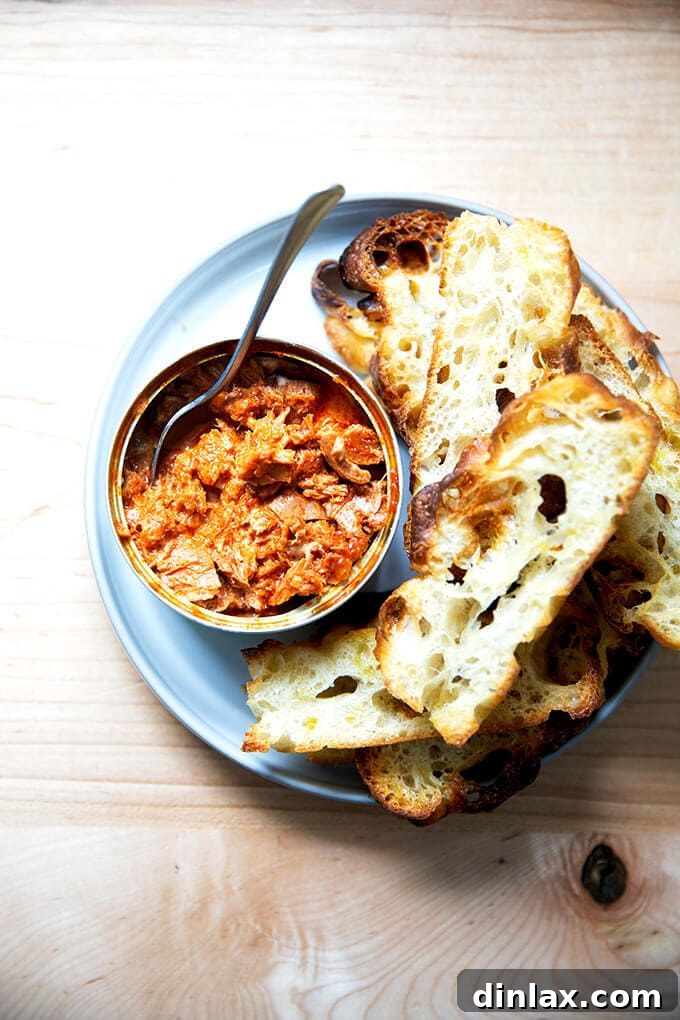
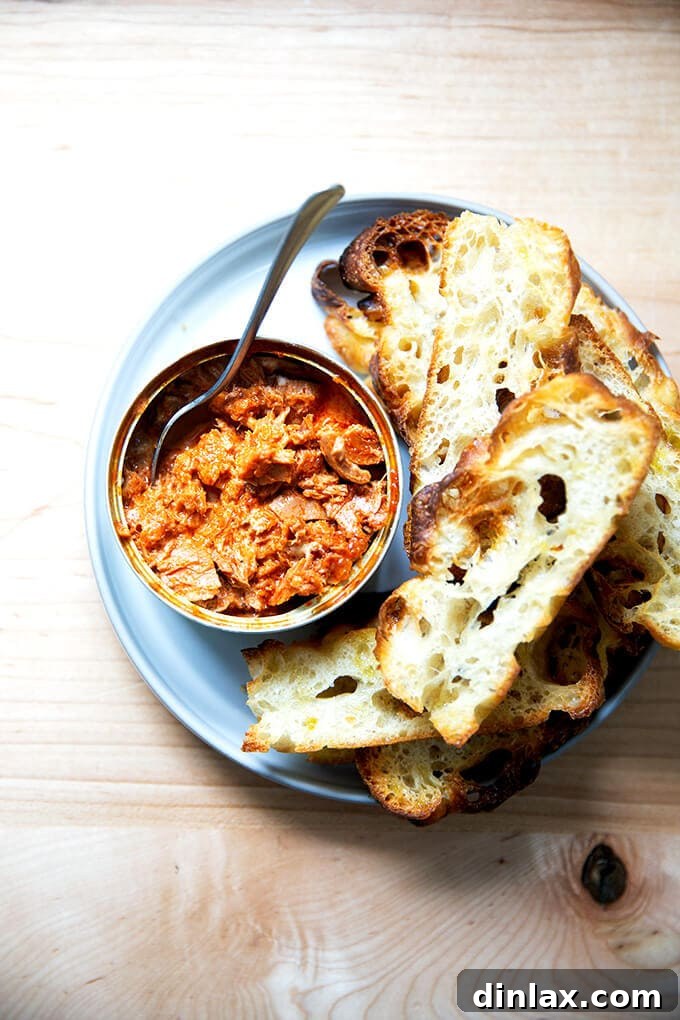
Discovering the Unexpected Delight: Korean Double Hot Tuna with Homemade Crostini
Every now and then, a culinary experience unexpectedly captures your senses, leaving an indelible mark on your palate and inspiring you to recreate the magic at home. Such was the case during a memorable evening last fall when my husband, Ben, and I dined at the renowned Momofuku Ssäm Bar. Having followed the restaurant’s acclaim for years, I arrived with a mental checklist of their iconic dishes – the fried Brussels sprouts and the legendary pork buns were absolute must-orders. However, a lesser-known appetizer, the “Double Hot Tuna Can,” initially escaped my attention, overshadowed by the anticipation of the more celebrated items.
It was Ben, ever the tuna enthusiast, who, intrigued by the name, inquired about the dish when our server approached. His curiosity proved to be a stroke of genius, as what followed was a culinary revelation. Despite my long-standing indifference towards tuna, I found myself utterly captivated. This seemingly humble canned tuna, enhanced with the creamy richness of Kewpie mayonnaise and a hint of fresh chili, was transformed into an appetizer that stole the show. Served elegantly back in its tin, accompanied by thin, perfectly toasted baguette slices, it became an instant favorite – a testament to the power of simple ingredients elevated to extraordinary heights.
The Secret Behind the Sensation: Korean Double Hot Tuna
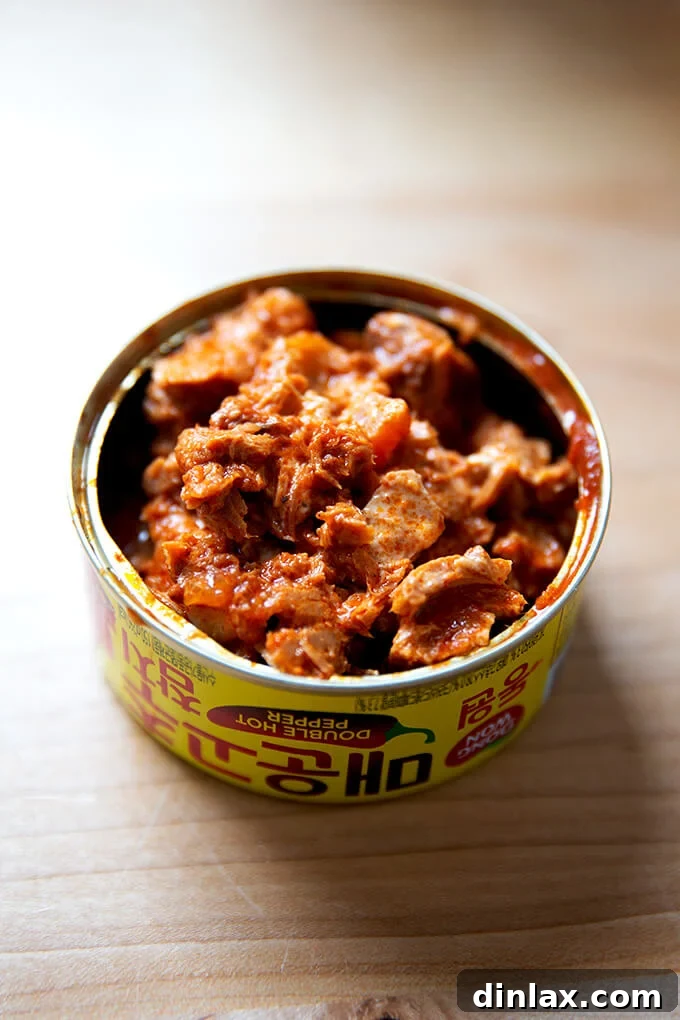
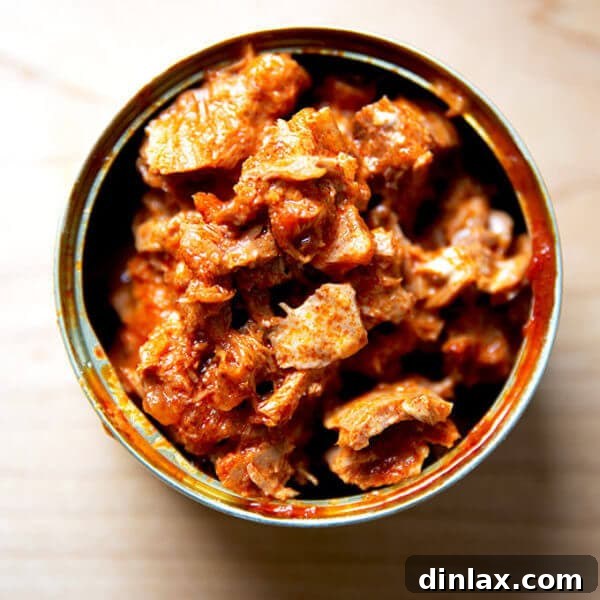
What makes this dish so remarkably flavorful, despite its simplicity? The answer lies primarily in the star ingredient itself: Korean Double Hot Tuna. This isn’t your ordinary canned tuna. It distinguishes itself by being packed in a vibrant, tomato-based hot pepper sauce, creating a depth of flavor that is both intriguing and incredibly satisfying. Unlike many other canned varieties, this tuna boasts a moist, tender texture, likely a delightful consequence of marinating in its rich sauce. Adding to its unique character, the sauce is subtly flecked with finely diced potatoes and onions, contributing a pleasant texture and a nuanced sweetness that balances the gentle heat. The spice level is wonderfully approachable – present enough to awaken the palate without being overpowering, making it a crowd-pleaser for those who appreciate a touch of warmth in their food.
Elevating the Experience with Kewpie Mayonnaise
No discussion of this dish would be complete without highlighting the indispensable role of Kewpie mayonnaise. For those unfamiliar, Kewpie is a beloved Japanese brand of mayonnaise, celebrated globally for its distinctively rich and creamy profile. Its superior flavor isn’t accidental; it stems from a meticulous production process and premium ingredients. Unlike many Western counterparts that use whole eggs and distilled vinegar, Kewpie is crafted with prized Japanese egg yolks and rice vinegar, which imparts a subtle tang and unparalleled richness. The addition of MSG, a natural flavor enhancer, contributes significantly to its signature umami bomb, giving it an addictive depth that regular mayonnaise simply cannot replicate. This unique blend of ingredients and its emulsification process results in a mayonnaise that is smoother, creamier, and more intensely flavorful, making it the ideal partner for the spicy Korean tuna.
If you’re eager to experience this deliciousness firsthand, tracking down Kewpie mayonnaise is generally straightforward. It’s widely available in most Asian grocery stores, international food aisles of larger supermarkets, and, of course, through numerous online retailers. A quick search will usually provide several convenient purchasing options.
Sourcing Your Korean Double Hot Tuna: A Culinary Quest
While Kewpie mayonnaise has become increasingly accessible, locating the specific Korean Double Hot Tuna may require a bit more effort, especially if you prefer to avoid shipping costs. During my initial quest, I found reliable sources online, such as H&Y Market. For those who enjoy exploring local culinary gems, many well-stocked Asian markets often carry this specific brand. However, it’s worth noting that availability can vary, so a quick call ahead might save you a trip. For those in certain regions, specialized stores like Sunhee’s in Troy are fantastic local resources. The good news is that its popularity is growing, and with a little persistence, this delightful ingredient is well within reach, often found on major online platforms like Amazon as well.
I truly wish this particular tuna were easier to procure for everyone. Not only is it an incredibly versatile and flavorful pantry staple, perfect for quick appetizers or emergency meals, but it’s also undeniably delicious. If you appreciate the savory depth of tuna and enjoy a pleasant hint of spice, this dish is an absolute must-try. I’m always on the lookout for more convenient online sources and will be sure to share any new discoveries.
PS: For another fantastic, quick appetizer that utilizes canned fish, consider trying my Avocado and Smoked Trout Salad – a perennial favorite!
Here’s how to bring this exceptional appetizer to life:
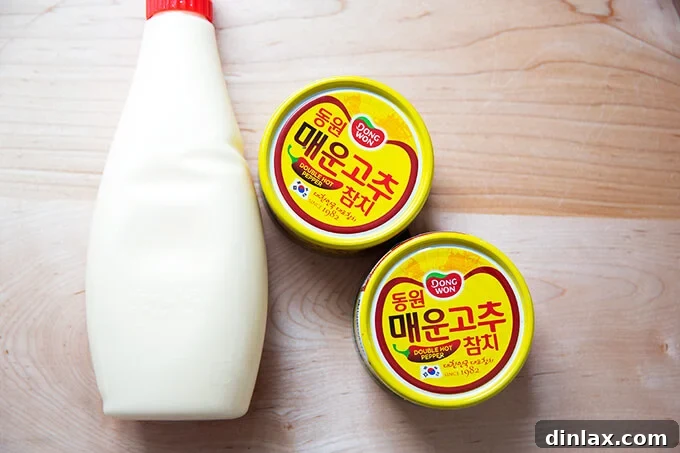
Gather your simple yet powerful ingredients: one or two tins of the distinctive Korean double hot tuna and your preferred mayonnaise – ideally, the incredibly rich and umami-packed Kewpie, if you can track it down. The quality of your mayonnaise truly elevates this dish.
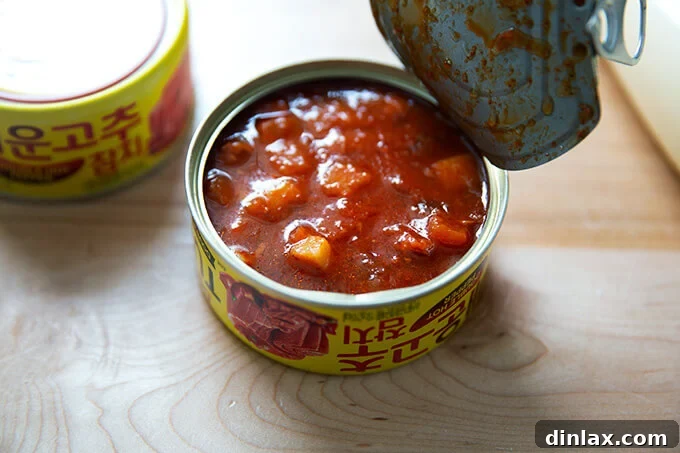
Carefully open the tin of tuna, ensuring you preserve the can if you plan to serve it Momofuku-style. Transfer the contents into a small mixing bowl. Add a generous squirt or two of mayonnaise – about a teaspoon to start. While Momofuku incorporates thinly sliced chilies for an extra kick, I often find the tuna’s inherent spice, combined with the mayo, perfectly balanced. However, if you crave more heat, don’t hesitate to finely slice a fresh red chili and mix it in. Remember, the tuna itself isn’t aggressively spicy, so you have full control over the heat level.
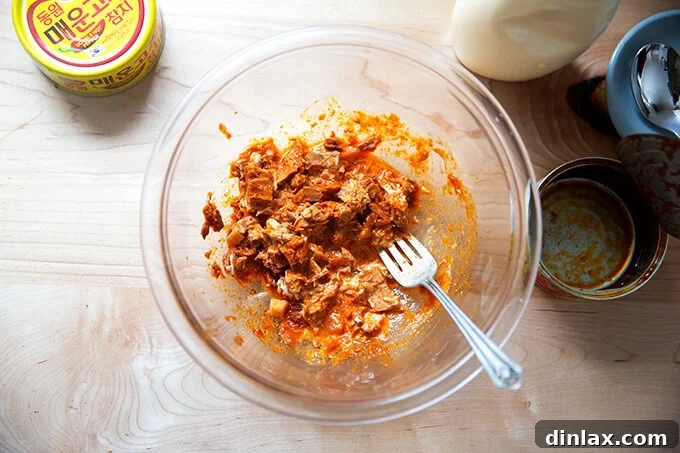
Mix the tuna and mayonnaise thoroughly with a fork until well combined and creamy. Taste and adjust the mayonnaise to achieve your desired consistency and flavor. If you’re aiming for that signature Momofuku presentation, gently spoon the mixture back into its original can. This adds a charming, rustic touch to your appetizer.
While your tuna mixture is ready, it’s time to prepare the perfect accompaniment: crispy crostini. The ideal bread for this is slightly stale, as it toasts up beautifully without becoming too chewy. We particularly love using day-old or even several-days-old focaccia for its superior texture and flavor. This is a brilliant way to repurpose leftover bread and transform it into something truly special.
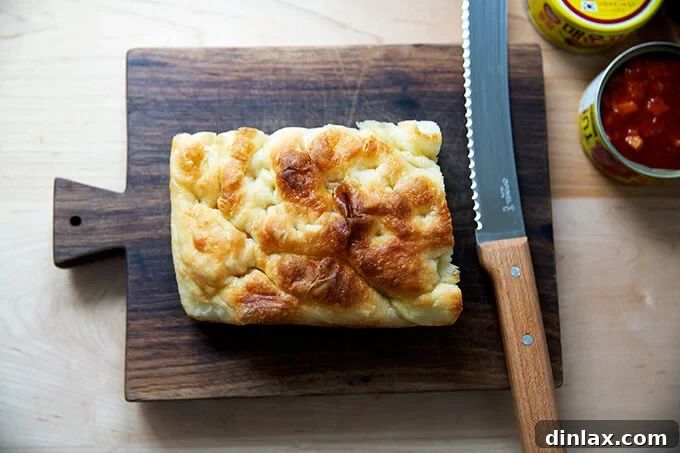
Using a sharp bread knife, slice your stale bread thinly, aiming for uniform pieces that will toast evenly. Our simple sourdough focaccia from several days prior works wonderfully, but even a freshly baked overnight refrigerator focaccia, allowed to sit for a day, yields equally delicious results. The slightly open crumb of focaccia absorbs the olive oil beautifully, leading to an incredibly crisp texture.
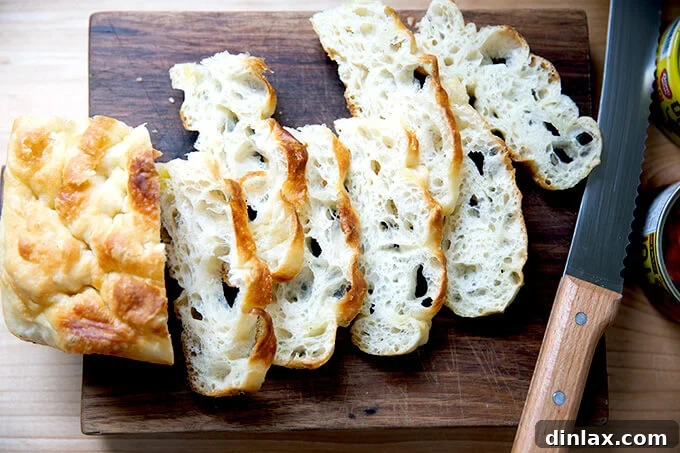
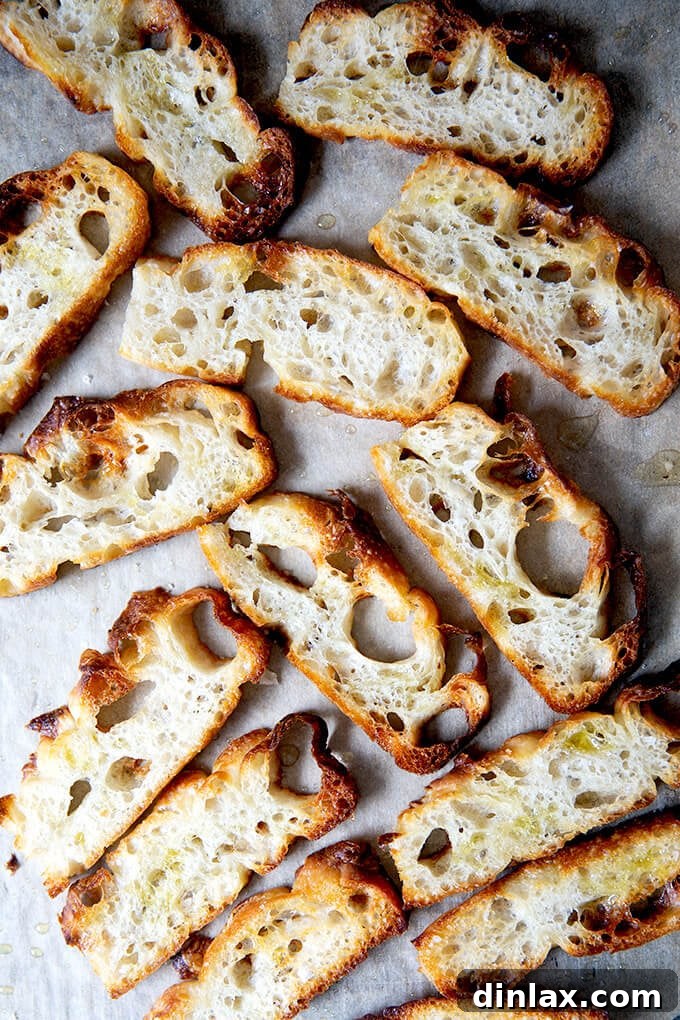
Arrange the thinly sliced bread in a single layer on a baking sheet. Drizzle generously with good quality olive oil, ensuring each slice is lightly coated. Then, sprinkle a pinch of flaky sea salt over the bread. The combination of olive oil and sea salt enhances the bread’s flavor and contributes to that irresistible crunch. Preheat your oven to 450ºF (230ºC) and toast the crostini for 7-10 minutes, or until they turn a beautiful golden brown and are perfectly crisp. Keep a close eye on them, as thin bread can toast quickly.
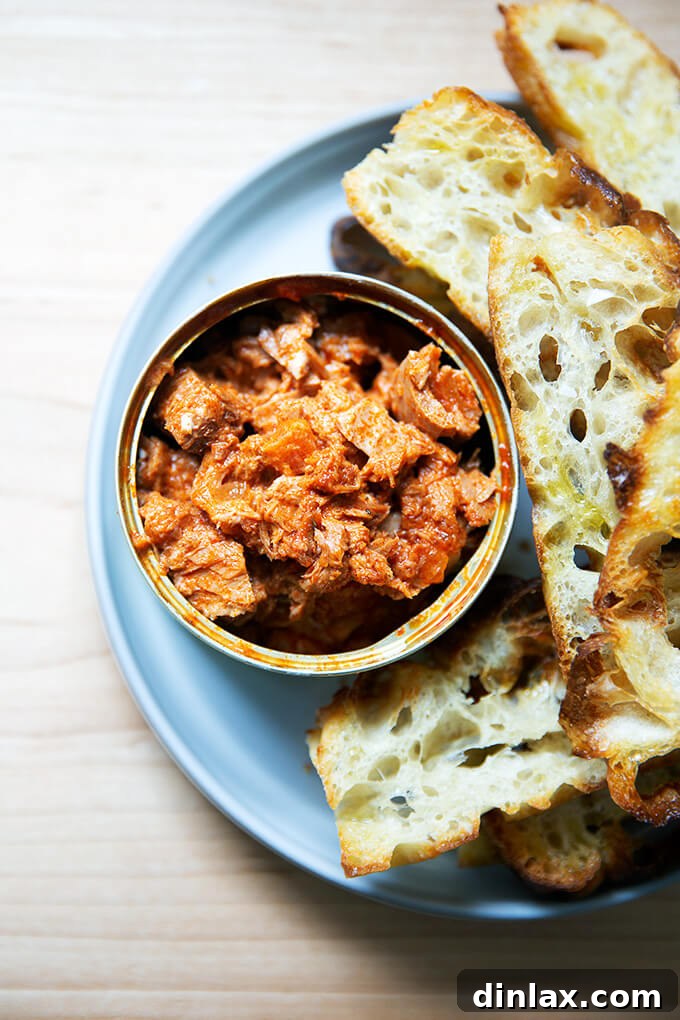
Finally, serve your exquisitely prepared Korean Double Hot Tuna alongside your warm, crispy crostini. A squeeze of fresh lemon or lime juice can add a bright, zesty counterpoint to the richness of the tuna and mayo, if desired. This dish is not just an appetizer; it’s an experience – a fusion of bold Korean flavors with the creamy indulgence of Japanese mayonnaise, all perfectly complemented by the rustic simplicity of homemade toasted bread. It’s a testament to how simple ingredients, thoughtfully combined, can create truly memorable dining moments.
Print Recipe
Korean Double Hot Tuna with Crostini
5 Stars 4 Stars 3 Stars 2 Stars 1 Star
5 from 5 reviews
Author: Alexandra Stafford
Total Time: 12 minutes
Yield: Serves 2-4 as an appetizer 1x
Description
This recipe brings the unexpected delight of Korean Double Hot Tuna, inspired by an unforgettable appetizer served at Momofuku Ssäm Bar in NYC, right to your kitchen. It’s incredibly simple yet bursts with flavor, thanks to the spicy, tomato-based Korean tuna and the creamy richness of Kewpie mayonnaise, all served with perfectly crisp homemade crostini. Even if you’re not typically a tuna lover, this dish promises to surprise and impress.
Tips for Success:
- Kewpie Mayonnaise: While any mayonnaise will work, Kewpie is highly recommended for its unique richness and umami flavor, derived from Japanese egg yolks, rice vinegar, and MSG. It truly elevates the dish. You can find it in Asian markets or online. Here’s one reliable source.
- Korean Double Hot Tuna: This specific brand of tuna is key. It’s packed in a savory, slightly spicy tomato-pepper sauce with bits of potato and onion, offering a moist texture and complex flavor. Look for it in Korean or larger Asian grocery stores, or order online. I’ve successfully sourced it from H&Y Market and locally at Sunhee’s in Troy. Amazon also carries it.
- Optional Sliced Hot Chilies: At Momofuku, fresh, thinly sliced chilies are often mixed into the tuna for an extra layer of heat and freshness. While delicious, the tuna itself offers a pleasant warmth, so this step is entirely optional based on your spice preference.
- Perfect Crostini: Stale bread is ideal for crostini as it crisps up beautifully without becoming too hard. Focaccia makes exceptional crostini due to its airy texture and ability to absorb olive oil. Consider these easy focaccia recipes: Overnight Refrigerator Focaccia and Simple Sourdough Focaccia. Baguette or other crusty breads work well too.
- Serving Suggestion: For a true Momofuku experience, return the mixed tuna to its cleaned can for serving. This adds a charming, rustic touch.
Ingredients
For the tuna mixture:
- 1 5.3-oz can Korean double hot tuna (see notes for sourcing)
- 1-2 teaspoons Kewpie mayonnaise (or preferred mayonnaise), adjust to taste
- Fresh lemon or lime wedges, optional, for serving
- Thinly sliced fresh chilies (such as serrano or jalapeño), optional, for extra heat
For the crostini:
- 4-6 slices day-old or stale bread (focaccia, baguette, or similar crusty bread, sliced thinly)
- 1 tablespoon olive oil
- Pinch of flaky sea salt
Instructions
- Prepare the Tuna Mixture: Carefully open the can of Korean double hot tuna. Drain any excess liquid if desired, then empty the tuna and its flavorful sauce into a small bowl. Add approximately 1 to 2 teaspoons of Kewpie mayonnaise. Using a fork, gently mix and flake the tuna until the mayonnaise is thoroughly incorporated and the mixture is creamy. Taste the mixture and adjust with more mayonnaise if you prefer a richer consistency. If using, stir in the thinly sliced fresh chilies. For an authentic Momofuku presentation, carefully return the mixed tuna to the cleaned, empty can.
- Make the Crostini: Preheat your oven to 450ºF (230ºC). Arrange the thinly sliced bread in a single layer on a baking sheet, ensuring they don’t overlap. Drizzle the bread slices lightly but evenly with olive oil, using about 1 tablespoon for the specified amount of bread. Sprinkle a pinch of flaky sea salt over the oiled bread. Transfer the baking sheet to the preheated oven and toast for 7 to 10 minutes, or until the crostini are golden brown and wonderfully crisp. Monitor closely to prevent burning.
- Serve: Arrange the tuna-filled can (or a small serving bowl of the tuna mixture) on a plate alongside the freshly baked crostini. Garnish with lemon or lime wedges, if desired, to offer a bright, acidic counterpoint. Serve immediately and enjoy this simple yet profoundly flavorful appetizer.
- Prep Time: 5 minutes
- Cook Time: 7 minutes
- Category: Appetizer
- Method: Stir, Bake
- Cuisine: Korean