An Unforgettable Late-Night Culinary Adventure with Friends: From Baklava to Panini Pizza
The shared experience of food often creates some of our most cherished memories, especially when those moments unfold unexpectedly with dear friends. This particular story began on a vibrant Friday night, following a delightful dinner at the renowned Buddakan, where laughter and conversation flowed freely among ten high school friends reconnecting. The evening’s energy continued to surge as we moved to Plough and the Stars for an exhilarating session of dancing, music, and pure enjoyment. After hours of celebrating our enduring friendships and dancing our hearts out, two of my closest friends and I found ourselves back at my apartment, where a sudden, voracious hunger struck us with full force. It was the kind of hunger that only manifests after an evening packed with excitement and physical exertion – a profound craving for something comforting, delicious, and utterly satisfying.
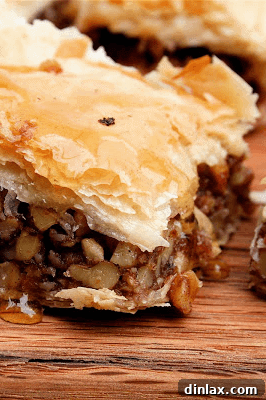
A quick survey of my pantry, however, revealed a surprisingly promising collection of trusty items that promised to quell our post-midnight cravings. Among the usual suspects like microwave popcorn and a forgotten packet of frozen pizza dough, lay an unexpected treasure: a whole, glistening tray of baklava. This traditional Middle Eastern dessert, with its layers of crisp pastry, nutty filling, and sweet honey syrup, seemed like an indulgent antidote to our hunger, an unlooked-for culinary beacon in the quiet of the night.
The Kitchen Whirlwind: A Quest for Late-Night Comfort Food
Inspired by the diverse offerings, I immediately set to work, transforming my kitchen into a bustling late-night diner. I poured oil into a saucepan, anticipating the comforting pops and aroma of stovetop popcorn, a nostalgic treat far superior to its microwave counterpart. Next, I preheated my panini machine, foreseeing a quick and easy way to transform the humble pizza dough into a crispy delight. The frozen pizza dough, a sturdy ball of potential, was promptly unwrapped and placed in the microwave for a swift defrosting and instant rise – a convenient shortcut for an unbaked dough that needed to be ready without delay. I had barely completed a fraction of this preliminary preparation when my two friends, their hunger reaching critical levels, wandered into the kitchen, drawn by the nascent smells and the promise of impending food. They stood there, scrutinizing my culinary efforts with a mixture of curiosity and palpable anticipation.
Both Kristin and Liz, eyes wide with hunger and a touch of amusement, asked why a pot was on the stove when a microwave could do the trick. I patiently explained the classic, non-microwave method of making popcorn, emphasizing the superior flavor and texture. With the initial mystery solved, I handed them the generous tray of baklava and gently guided them back into the living room, hoping the sweet delicacy would tide them over. Kristin, with an appreciative hum, happily tucked into the rich, nutty, and honey-laden dessert, savoring each delicate, flaky bite. Liz, however, after just a few perfunctory bites, declared her allegiance to savory delights and demanded her homemade pizza with an earnestness that was both amusing and urgent! Her craving for something warm and cheesy was undeniable, compelling me to accelerate my kitchen efforts.
I rushed back to the kitchen, a renewed sense of urgency propelling me. My first offering was the freshly popped popcorn, hoping its salty warmth would satisfy. But alas, neither of them was impressed. The ratio of unpopped to popped kernels was an embarrassing two to one, a culinary mishap I couldn’t dispute. They had a valid, if humorously expressed, argument regarding the quality of my popcorn, confirming their sophisticated palate even in a state of late-night hunger. The pressure was on to deliver something truly satisfying.
Crafting the Ultimate Panini Pizza: A Masterpiece of Midnight Snacking
By this point, the thawed pizza dough had transformed into a pliable, yielding disk, which I carefully placed onto the preheated panini machine. The sizzle and the emerging aroma of baking dough filled the kitchen, a promising prelude to the main event. After just a few minutes, the dough emerged from the panini press, perfectly golden and crispy on the outside, yet wonderfully soft within. Without hesitation, I slathered the warm crust generously with fresh, creamy ricotta cheese, its delicate tang providing a perfect counterpoint to the next layer: a rich, sweet fig jam. The combination of creamy cheese and fruity sweetness on the crisp crust was already an enticing prospect.
As a final, luxurious touch, I drizzled a generous amount of truffle oil over the top. This was not just any ingredient; truffle oil was Liz’s absolute favorite, a sophisticated addition that she believed could elevate any dish from simple to extraordinary. Its earthy, pungent aroma immediately permeated the air, signaling that this was no ordinary late-night snack. Liz adored the unique depth and complexity that truffle oil imparted, often saying it added a touch of gourmet magic to even the most rustic preparations. The pizza, now complete with its symphony of flavors and textures, looked incredibly inviting.
Carrying the freshly made panini pizza into the living room, I found Kristin already on the couch, comfortably settling into what appeared to be a blissful food coma, the remnants of baklava a testament to her earlier indulgence. Liz, ever the eager epicure, was patiently (or perhaps not so patiently) awaiting her meal on the air mattress, her eyes lighting up at the sight of her customized creation. The relief and joy on their faces were immediate and deeply satisfying. We eagerly finished the pizza, each slice a testament to improvisation and shared enjoyment. As we ate, we recounted the evening’s events, our stomachs aching not just from the delicious food, but from continuous bursts of laughter, nearly crying from the sheer joy of our shared stories, and very likely from the delightful, if slightly excessive, consumption of food. It was a perfect culmination to an eventful night.
As the last crumbs of pizza were devoured, Kristin, still under the influence of her earlier baklava indulgence, dramatically swore off baklava forever, a common, humorous declaration after over-satiation. Liz, while making no explicit mention of abandoning her beloved truffle oil, seemed to share Kristin’s sentiment of temporary dessert exhaustion. There was a silent understanding between them, a shared experience of delightful overindulgence that only true friends could appreciate.
The Sweet Redemption: Baklava’s Enduring Appeal
Fortunately, and much to my personal relief, Kristin’s bold declaration of baklava abstinence proved to be, as most such declarations are, remarkably short-lived. Around three o’clock the following afternoon, as the effects of the previous night’s revelry and culinary adventures began to wane, Kristin sheepishly admitted a change of heart. With a smile that acknowledged her earlier, dramatic vow, she confessed she was indeed ready to give what remained of the baklava another go. The allure of the sweet, flaky layers, it seemed, was too powerful to resist. This moment of sweet redemption affirmed that some desserts, especially those shared with good company, possess an enduring appeal that transcends momentary vows of abstention.
Crafting Your Own Classic Baklava: A Step-by-Step Guide
Baklava is a quintessential dessert, cherished across many cultures for its rich flavors and delicate texture. Making it at home might seem daunting, but with a bit of patience, you can create a truly authentic and delicious batch. This recipe yields a generous amount, perfect for sharing with friends and family, and perhaps even for a late-night craving! The key to exceptional baklava lies in the quality of ingredients and careful layering.
Ingredients:
- 1 lb. fillo dough, preferably thawed in the refrigerator overnight to ensure it’s pliable and easy to work with
- 1 lb. walnuts, offering a robust, earthy flavor and satisfying crunch
- ½ C. granulated sugar, to sweeten the nut filling
- 1 T. ground cinnamon, for its warm, aromatic spice that complements the walnuts
- 1 tsp. ground cloves, adding a subtle, fragrant depth to the spice blend
- 1 lb. clarified butter (ghee), essential for coating the delicate fillo layers and achieving that signature flakiness and rich flavor
- 1 lb. honey (approximately 2 cups), to create the luscious, sweet syrup that soaks into the warm baklava
Instructions:
- Prepare Your Workspace and Preheat Oven: Begin by preheating your oven to 350ºF (175ºC). This ensures your oven is at the correct temperature when the baklava is ready to bake. Lay out your fillo dough on a clean, dry surface, keeping it covered with a damp cloth or plastic wrap to prevent it from drying out, as fillo is notoriously delicate.
- Process the Walnuts: In a food processor, pulse the walnuts until they are finely chopped but not reduced to a paste. You want to achieve a texture that offers a pleasant bite without being overly coarse. Avoid over-processing, as too fine a chop can make the filling dense. Remove the chopped walnuts from the processor and place them in a medium-sized bowl.
- Create the Nut Filling: To the bowl of chopped walnuts, add the ½ cup of sugar, the tablespoon of ground cinnamon, and the teaspoon of ground cloves. Mix these ingredients thoroughly until the nuts are evenly coated with the sugar and spices. This fragrant mixture will be the heart of your baklava.
- Prepare the Pan: Grease a 10- by 15-inch baking pan generously with one tablespoon of the melted clarified butter. This ensures the baklava doesn’t stick and helps in achieving a golden-brown bottom layer.
- Begin Layering the Fillo: Carefully place one sheet of fillo dough onto the bottom of the greased pan. Drizzle one to two tablespoons of the melted clarified butter over the dough. It’s important not to use a pastry brush for this step, as fillo is extremely thin and can tear easily. Instead, gently spoon the butter over the surface, allowing it to spread. Don’t worry if much of the dough remains unbuttered in this initial layer; the butter will redistribute during baking.
- Continue Layering Dough and Butter: Layer with another sheet of fillo, placing it carefully on top of the previous layer. Spoon more butter over this new layer, aiming to cover areas of the dough that were untouched by butter in the previous layer. Repeat this meticulous layering process with approximately half of your fillo dough, which typically amounts to about 14 sheets, depending on the brand and thickness of your fillo. Each layer of butter helps create the signature flakiness of baklava.
- Add the Nut Filling: Once you have completed the base layers of fillo and butter, spread the prepared nut filling evenly over the top of the fillo sheets. Ensure the filling covers the entire surface right to the edges of the pan.
- Complete the Fillo Layers: Top the nut filling with the remaining fillo dough, layering it in the same careful manner as before – alternating each sheet with a generous spooning of clarified butter. This creates the beautiful, crispy top layers of the baklava.
- Final Buttering and Scoring: Brush the very top layer of fillo generously with the remaining clarified butter. This will help the baklava achieve a beautiful golden-brown color and a crisp finish. Using a very sharp knife, score the baklava into a traditional diamond pattern. Scoring before baking is crucial, as it allows the butter to penetrate evenly between the layers and makes cutting much easier after it’s baked.
- Bake to Golden Perfection: Place the pan in the preheated oven and bake for 30 to 45 minutes, or until the top is a rich, golden brown and the edges are bubbling. Keep an eye on it to prevent over-browning.
- Pour the Honey Immediately: As soon as you remove the hot baklava from the oven, immediately and slowly pour the entire 1 lb. of honey evenly over the surface. The hot baklava will absorb the cool honey syrup, creating a moist, incredibly sweet, and perfectly balanced dessert. This immediate pouring is key for maximum absorption and flavor.
- Cool, Cut, and Serve: Allow the baklava to cool completely in the pan, preferably for several hours or even overnight, to allow the honey to fully permeate and the layers to set. Once cooled, use the lines you scored earlier to cut through the baklava. Serve these delectable pieces and watch them disappear!
Whether it’s a planned dessert or a spontaneous late-night snack, baklava offers an unparalleled experience of indulgence and comfort. Enjoy the process of making it and the joy of sharing it with loved ones!
An Unforgettable Late-Night Culinary Adventure with Friends: From Baklava to Panini Pizza
The shared experience of food often creates some of our most cherished memories, especially when those moments unfold unexpectedly with dear friends. This particular story began on a vibrant Friday night, following a delightful dinner at the renowned Buddakan, where laughter and conversation flowed freely among ten high school friends reconnecting. The evening’s energy continued to surge as we moved to Plough and the Stars for an exhilarating session of dancing, music, and pure enjoyment. After hours of celebrating our enduring friendships and dancing our hearts out, two of my closest friends and I found ourselves back at my apartment, where a sudden, voracious hunger struck us with full force. It was the kind of hunger that only manifests after an evening packed with excitement and physical exertion – a profound craving for something comforting, delicious, and utterly satisfying.
A quick survey of my pantry, however, revealed a surprisingly promising collection of trusty items that promised to quell our post-midnight cravings. Among the usual suspects like microwave popcorn and a forgotten packet of frozen pizza dough, lay an unexpected treasure: a whole, glistening tray of baklava. This traditional Middle Eastern dessert, with its layers of crisp pastry, nutty filling, and sweet honey syrup, seemed like an indulgent antidote to our hunger, an unlooked-for culinary beacon in the quiet of the night.
The Kitchen Whirlwind: A Quest for Late-Night Comfort Food
Inspired by the diverse offerings, I immediately set to work, transforming my kitchen into a bustling late-night diner. I poured oil into a saucepan, anticipating the comforting pops and aroma of stovetop popcorn, a nostalgic treat far superior to its microwave counterpart. Next, I preheated my panini machine, foreseeing a quick and easy way to transform the humble pizza dough into a crispy delight. The frozen pizza dough, a sturdy ball of potential, was promptly unwrapped and placed in the microwave for a swift defrosting and instant rise – a convenient shortcut for an unbaked dough that needed to be ready without delay. I had barely completed a fraction of this preliminary preparation when my two friends, their hunger reaching critical levels, wandered into the kitchen, drawn by the nascent smells and the promise of impending food. They stood there, scrutinizing my culinary efforts with a mixture of curiosity and palpable anticipation.
Both Kristin and Liz, eyes wide with hunger and a touch of amusement, asked why a pot was on the stove when a microwave could do the trick. I patiently explained the classic, non-microwave method of making popcorn, emphasizing the superior flavor and texture. With the initial mystery solved, I handed them the generous tray of baklava and gently guided them back into the living room, hoping the sweet delicacy would tide them over. Kristin, with an appreciative hum, happily tucked into the rich, nutty, and honey-laden dessert, savoring each delicate, flaky bite. Liz, however, after just a few perfunctory bites, declared her allegiance to savory delights and demanded her homemade pizza with an earnestness that was both amusing and urgent! Her craving for something warm and cheesy was undeniable, compelling me to accelerate my kitchen efforts.
I rushed back to the kitchen, a renewed sense of urgency propelling me. My first offering was the freshly popped popcorn, hoping its salty warmth would satisfy. But alas, neither of them was impressed. The ratio of unpopped to popped kernels was an embarrassing two to one, a culinary mishap I couldn’t dispute. They had a valid, if humorously expressed, argument regarding the quality of my popcorn, confirming their sophisticated palate even in a state of late-night hunger. The pressure was on to deliver something truly satisfying.
Crafting the Ultimate Panini Pizza: A Masterpiece of Midnight Snacking
By this point, the thawed pizza dough had transformed into a pliable, yielding disk, which I carefully placed onto the preheated panini machine. The sizzle and the emerging aroma of baking dough filled the kitchen, a promising prelude to the main event. After just a few minutes, the dough emerged from the panini press, perfectly golden and crispy on the outside, yet wonderfully soft within. Without hesitation, I slathered the warm crust generously with fresh, creamy ricotta cheese, its delicate tang providing a perfect counterpoint to the next layer: a rich, sweet fig jam. The combination of creamy cheese and fruity sweetness on the crisp crust was already an enticing prospect.
As a final, luxurious touch, I drizzled a generous amount of truffle oil over the top. This was not just any ingredient; truffle oil was Liz’s absolute favorite, a sophisticated addition that she believed could elevate any dish from simple to extraordinary. Its earthy, pungent aroma immediately permeated the air, signaling that this was no ordinary late-night snack. Liz adored the unique depth and complexity that truffle oil imparted, often saying it added a touch of gourmet magic to even the most rustic preparations. The pizza, now complete with its symphony of flavors and textures, looked incredibly inviting.
Carrying the freshly made panini pizza into the living room, I found Kristin already on the couch, comfortably settling into what appeared to be a blissful food coma, the remnants of baklava a testament to her earlier indulgence. Liz, ever the eager epicure, was patiently (or perhaps not so patiently) awaiting her meal on the air mattress, her eyes lighting up at the sight of her customized creation. The relief and joy on their faces were immediate and deeply satisfying. We eagerly finished the pizza, each slice a testament to improvisation and shared enjoyment. As we ate, we recounted the evening’s events, our stomachs aching not just from the delicious food, but from continuous bursts of laughter, nearly crying from the sheer joy of our shared stories, and very likely from the delightful, if slightly excessive, consumption of food. It was a perfect culmination to an eventful night.
As the last crumbs of pizza were devoured, Kristin, still under the influence of her earlier baklava indulgence, dramatically swore off baklava forever, a common, humorous declaration after over-satiation. Liz, while making no explicit mention of abandoning her beloved truffle oil, seemed to share Kristin’s sentiment of temporary dessert exhaustion. There was a silent understanding between them, a shared experience of delightful overindulgence that only true friends could appreciate.
The Sweet Redemption: Baklava’s Enduring Appeal
Fortunately, and much to my personal relief, Kristin’s bold declaration of baklava abstinence proved to be, as most such declarations are, remarkably short-lived. Around three o’clock the following afternoon, as the effects of the previous night’s revelry and culinary adventures began to wane, Kristin sheepishly admitted a change of heart. With a smile that acknowledged her earlier, dramatic vow, she confessed she was indeed ready to give what remained of the baklava another go. The allure of the sweet, flaky layers, it seemed, was too powerful to resist. This moment of sweet redemption affirmed that some desserts, especially those shared with good company, possess an enduring appeal that transcends momentary vows of abstention.
Crafting Your Own Classic Baklava: A Step-by-Step Guide
Baklava is a quintessential dessert, cherished across many cultures for its rich flavors and delicate texture. Making it at home might seem daunting, but with a bit of patience, you can create a truly authentic and delicious batch. This recipe yields a generous amount, perfect for sharing with friends and family, and perhaps even for a late-night craving! The key to exceptional baklava lies in the quality of ingredients and careful layering.
Ingredients:
- 1 lb. fillo dough, preferably thawed in the refrigerator overnight to ensure it’s pliable and easy to work with
- 1 lb. walnuts, offering a robust, earthy flavor and satisfying crunch
- ½ C. granulated sugar, to sweeten the nut filling
- 1 T. ground cinnamon, for its warm, aromatic spice that complements the walnuts
- 1 tsp. ground cloves, adding a subtle, fragrant depth to the spice blend
- 1 lb. clarified butter (ghee), essential for coating the delicate fillo layers and achieving that signature flakiness and rich flavor
- 1 lb. honey (approximately 2 cups), to create the luscious, sweet syrup that soaks into the warm baklava
Instructions:
- Prepare Your Workspace and Preheat Oven: Begin by preheating your oven to 350ºF (175ºC). This ensures your oven is at the correct temperature when the baklava is ready to bake. Lay out your fillo dough on a clean, dry surface, keeping it covered with a damp cloth or plastic wrap to prevent it from drying out, as fillo is notoriously delicate.
- Process the Walnuts: In a food processor, pulse the walnuts until they are finely chopped but not reduced to a paste. You want to achieve a texture that offers a pleasant bite without being overly coarse. Avoid over-processing, as too fine a chop can make the filling dense. Remove the chopped walnuts from the processor and place them in a medium-sized bowl.
- Create the Nut Filling: To the bowl of chopped walnuts, add the ½ cup of sugar, the tablespoon of ground cinnamon, and the teaspoon of ground cloves. Mix these ingredients thoroughly until the nuts are evenly coated with the sugar and spices. This fragrant mixture will be the heart of your baklava.
- Prepare the Pan: Grease a 10- by 15-inch baking pan generously with one tablespoon of the melted clarified butter. This ensures the baklava doesn’t stick and helps in achieving a golden-brown bottom layer.
- Begin Layering the Fillo: Carefully place one sheet of fillo dough onto the bottom of the greased pan. Drizzle one to two tablespoons of the melted clarified butter over the dough. It’s important not to use a pastry brush for this step, as fillo is extremely thin and can tear easily. Instead, gently spoon the butter over the surface, allowing it to spread. Don’t worry if much of the dough remains unbuttered in this initial layer; the butter will redistribute during baking.
- Continue Layering Dough and Butter: Layer with another sheet of fillo, placing it carefully on top of the previous layer. Spoon more butter over this new layer, aiming to cover areas of the dough that were untouched by butter in the previous layer. Repeat this meticulous layering process with approximately half of your fillo dough, which typically amounts to about 14 sheets, depending on the brand and thickness of your fillo. Each layer of butter helps create the signature flakiness of baklava.
- Add the Nut Filling: Once you have completed the base layers of fillo and butter, spread the prepared nut filling evenly over the top of the fillo sheets. Ensure the filling covers the entire surface right to the edges of the pan.
- Complete the Fillo Layers: Top the nut filling with the remaining fillo dough, layering it in the same careful manner as before – alternating each sheet with a generous spooning of clarified butter. This creates the beautiful, crispy top layers of the baklava.
- Final Buttering and Scoring: Brush the very top layer of fillo generously with the remaining clarified butter. This will help the baklava achieve a beautiful golden-brown color and a crisp finish. Using a very sharp knife, score the baklava into a traditional diamond pattern. Scoring before baking is crucial, as it allows the butter to penetrate evenly between the layers and makes cutting much easier after it’s baked.
- Bake to Golden Perfection: Place the pan in the preheated oven and bake for 30 to 45 minutes, or until the top is a rich, golden brown and the edges are bubbling. Keep an eye on it to prevent over-browning.
- Pour the Honey Immediately: As soon as you remove the hot baklava from the oven, immediately and slowly pour the entire 1 lb. of honey evenly over the surface. The hot baklava will absorb the cool honey syrup, creating a moist, incredibly sweet, and perfectly balanced dessert. This immediate pouring is key for maximum absorption and flavor.
- Cool, Cut, and Serve: Allow the baklava to cool completely in the pan, preferably for several hours or even overnight, to allow the honey to fully permeate and the layers to set. Once cooled, use the lines you scored earlier to cut through the baklava. Serve these delectable pieces and watch them disappear!
Whether it’s a planned dessert or a spontaneous late-night snack, baklava offers an unparalleled experience of indulgence and comfort. Enjoy the process of making it and the joy of sharing it with loved ones!