Embracing the Homestead Dream: From Backyard Chickens to Homemade Pizza and Raised-Bed Gardens
A few months ago, the dream of a freestanding freezer large enough to store a significant amount of meat, like a half or quarter steer, sparked my imagination. That vision continues to be a driving force behind our long-term plans for a more self-sufficient lifestyle. However, this journey towards homesteading has recently gained a new, feathery dimension: chickens. It’s truly surprising that the thought hadn’t crossed my mind sooner, especially given the rewarding experience many friends have shared. And, based on my initial foray into a fascinating new cookbook, raising chickens doesn’t appear to be an overwhelming endeavor. I’m eager to dive in and discover the reality for myself.
A Culinary Journey with “Blue Eggs & Yellow Tomatoes”
My recent source of inspiration and culinary exploration is a wonderful cookbook titled Blue Eggs & Yellow Tomatoes. Penned by Jeanne Kelley, this book has already led me through several exciting kitchen experiments. I’ve ventured into preparing dishes such as penne with asparagus, delicate Meyer lemon scones, and a gourmet thin-crust pizza featuring brie, prosciutto, and fresh watercress. While the penne was undeniably tasty, the recipe called for a rather generous 15 ounces of ricotta and a half cup of Parmesan cheese for just one pound of pasta, making it a bit too rich for my preference. The Meyer lemon scones were good, offering a bright citrusy note, yet they didn’t quite surpass the delightful texture and flavor of my go-to almond-buttermilk scones.
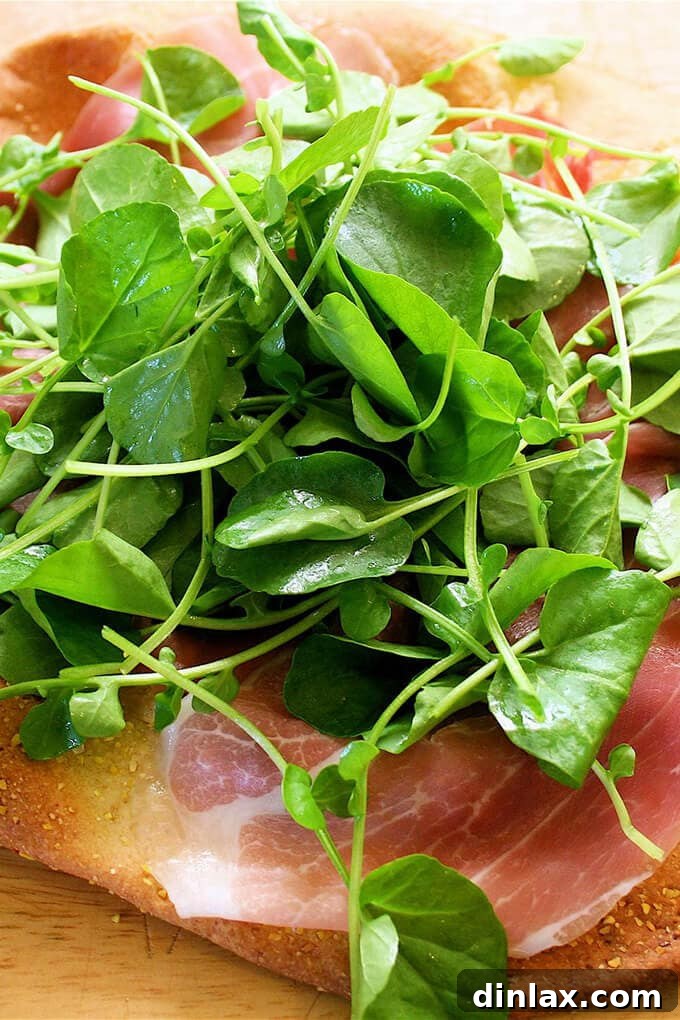
However, the pizza, specifically the version topped with brie, prosciutto, and watercress, was nothing short of delectable. Its sophisticated flavor profile truly impressed. The pizza dough recipe itself is a true gem, yielding three perfectly sized eight-ounce balls that freeze exceptionally well. This makes it incredibly convenient for spontaneous pizza nights. Just tonight, I thawed one of these dough balls at room temperature for three hours, as recommended, then rolled it out and baked it with an alternative topping: sautéed Swiss chard, Parmigiano Reggiano, and smoked Gouda. To my surprise, I actually preferred this vibrant, savory combination to the original brie and prosciutto creation. Perhaps I’m a bit unconventional, but as I savored the watercress-topped pizza, I couldn’t shake the feeling it needed an extra element, perhaps a perfectly poached or fried egg on top to tie all the flavors together with a creamy richness.
Cultivating Green Thumbs: My Raised-Bed Gardening Adventure
Despite a few recipes that were merely “so-so,” my serendipitous discovery of Blue Eggs & Yellow Tomatoes remains a source of immense satisfaction. The book’s greatest impact on me wasn’t just culinary; it ignited a powerful desire to plant my own garden. Author Jeanne Kelley, a resident of Los Angeles, briefly describes an effective gardening method using raised beds constructed from plywood. She asserts that this technique provides optimal conditions for vegetable growth. Coincidentally, I had recently read an article in Acres U.S.A about a woman in Colorado employing a similar approach, but with cinder blocks. This intriguing concept led me to The Living Farm website, referenced in the article, where I promptly downloaded Lynn Gillespie’s insightful e-book, Cinder Block Gardens, for $19.95. This resource proved invaluable, meticulously detailing the process and transforming a potentially daunting task into an accessible project.
Inspired and equipped with newfound knowledge, I spent the past weekend gathering supplies from Lowe’s and Plant Depot, securing everything necessary to bring my garden vision to life. The cinder blocks are now precisely laid, the rich soil is meticulously mixed, and the ground has been thoroughly watered, awaiting its first tenants. The anticipation of selecting and planting my initial seedlings is almost unbearable. While I still need to finalize my crop list, the foundation is set, and the journey from seed to harvest is about to begin. It’s important to note that you don’t need a pristine plot of land to embark on this adventure; our own raised bed was successfully constructed on a slightly sloped, rock-hard area measuring approximately seven feet by four feet. Lynn Gillespie’s e-book provided step-by-step guidance, making the entire process manageable and truly worth every penny for its comprehensive detail and practical advice.
Long-Term Vision: A Future with Backyard Hens
Once our garden is thriving and we’ve settled into our rhythm, the next phase of our homesteading dream will come into sharper focus. When space truly permits, perhaps in 10 or 20 years, I plan to revisit Blue Eggs & Yellow Tomatoes. The final chapter, dedicated to the detailed art of raising backyard hens, will undoubtedly become my definitive guide. The thought of fresh, homegrown eggs, possibly even those charming blue ones, is a delightful prospect that fuels our long-term aspirations for a truly sustainable and fulfilling lifestyle.
Reflecting on the pizzas, I believe one reason I favored the Swiss chard pizza over the brie and prosciutto version was possibly due to an insufficient amount of Brie on the latter. The original pizza, while delicious, emerged from the oven looking a little less aesthetically pleasing and perhaps didn’t achieve its full flavor potential without ample Brie coverage.
Masterful Homemade Pizza Recipes from “Blue Eggs & Yellow Tomatoes”
Brie and Prosciutto Pizza with Watercress: A Gourmet Delight
Brie and Prosciutto Pizza with Watercress
Adapted From Blue Eggs & Yellow Tomatoes (Running Press, 2008)
Yield = One 12-inch pizza
Ingredients:
- 8 oz. Pizza Dough (recipe below)
- 8 oz. double-cream Brie (any type of Brie works fine, too; double-cream offers extra richness)
- Cornmeal (for dusting)
- 3 to 4 thin slices prosciutto
- 2 cups watercress or arugula leaves
- 1 tablespoon fresh lemon juice
- 2 teaspoons extra-virgin olive oil
- 1 garlic clove, pressed
- Freshly ground black pepper, to taste
Instructions:
- Prepare the pizza dough according to the detailed recipe provided below. This foundational step is crucial for an excellent crust.
- For optimal slicing, place the Brie in the freezer until it becomes firm but not completely solid, typically around 15 minutes. This makes the cheese much easier to handle. Carefully trim off the rind and cut the Brie into ¼-inch-thick slices. Arrange these slices on a pan lined with waxed paper and refrigerate until ready to use. (My personal experience suggests that for most readily available Brie varieties, this freezing step might be optional. If you’re using a high-quality, very soft Brie, it’s beneficial. Otherwise, leaving it at room temperature or just chilled might suffice.)
- Position one oven rack in the bottom third of your oven and preheat to 400ºF (200ºC). Lightly sprinkle a large, heavy baking sheet with about one tablespoon of cornmeal. This helps prevent sticking and contributes to a wonderfully crisp crust.
- On a lightly floured surface, roll the prepared pizza dough out into a 12-inch round. Carefully transfer the dough to the cornmeal-dusted baking sheet. Evenly distribute the Brie slices across the top of the dough. Bake the pizza until the Brie is beautifully melted and bubbly, and the crust achieves a golden-brown hue on the bottom, usually about 15 minutes.
- Once baked, transfer the hot pizza to a cutting board. Immediately arrange the thin slices of prosciutto evenly over the melted Brie. The residual heat from the pizza will gently warm the prosciutto, enhancing its flavor and texture.
- In a medium-sized bowl, gently toss the fresh watercress (or arugula) with the lemon juice, extra-virgin olive oil, and pressed garlic. This creates a vibrant, zesty topping that cuts through the richness of the cheese and prosciutto.
- Finally, generously top the pizza with the dressed watercress and season with freshly ground black pepper. Slice into wedges and serve immediately to enjoy this exquisite gourmet pizza.
The Foundation: Perfect Pizza Dough from Scratch
Pizza Dough
Adapted From Blue Eggs & Yellow Tomatoes (Running Press, 2008)
Yield = Three 8-oz. Balls Pizza Dough
Ingredients:
- 1 cup lukewarm water (around 105-115ºF or 40-46ºC, ideal for yeast activation)
- 1½ teaspoons active dry yeast
- 2¼ cups unbleached all-purpose flour
- ½ cup white whole wheat flour (regular whole wheat flour works perfectly fine and adds a subtle nutty flavor)
- 3 tablespoons vital wheat gluten (enhances elasticity and chewiness, crucial for a good pizza crust)
- 1½ teaspoons kosher salt
- ¼ cup extra-virgin olive oil
Instructions:
- In a two-cup measuring cup, whisk together the lukewarm water and active dry yeast. Allow this mixture to stand undisturbed for 5 minutes. During this time, the yeast will activate, becoming foamy and fragrant, indicating it’s alive and ready to work its magic.
- In the bowl of a food processor, combine the unbleached all-purpose flour, white whole wheat flour, vital wheat gluten, and kosher salt. Pulse briefly to ensure all dry ingredients are thoroughly blended. Meanwhile, whisk the extra-virgin olive oil into the activated yeast mixture.
- With the food processor running, gradually pour the liquid yeast mixture through the feed tube. Continue processing until the dough comes together and forms a cohesive ball, which typically takes about 1 minute. (If the dough seems too dry and doesn’t form a ball, add lukewarm water, one teaspoon at a time, until the dough achieves the right consistency and comes together.)
- Transfer the dough to a lightly floured surface. Knead the dough briefly for approximately one minute to develop its gluten structure further, resulting in a more elastic and workable dough.
- Lightly brush a large bowl with olive oil. Transfer the kneaded dough to this bowl, turning it once or twice to coat it lightly with the oil. This prevents the dough from sticking and aids in its rise. Cover the bowl with a clean towel and let the dough stand in a warm place until it doubles significantly in volume, which usually takes about 1½ hours.
- Once risen, gently punch the dough down to release the air. Divide the dough into three equal balls, each weighing approximately eight ounces. These portions are perfect for individual 12-inch pizzas. (For convenience, these dough balls can be refrigerated for up to two days or frozen for up to one month. If refrigerated, allow the dough to stand at room temperature for one hour before rolling. If frozen, allow it to thaw at room temperature for approximately four hours before proceeding with your pizza creation.)
A Delicious Alternative: Swiss Chard & Smoked Gouda Pizza
Using the very same exceptional pizza dough recipe detailed above, I created a delightful alternative with a rich, earthy flavor profile. This version was generously topped with sautéed Swiss chard, a generous sprinkle of Parmigiano Reggiano for its salty, umami kick, and creamy smoked Gouda for a deep, complex smokiness. This combination proved to be incredibly satisfying and perhaps even more memorable than its prosciutto counterpart, offering a wonderful balance of textures and robust flavors that truly sing. It’s a testament to the versatility of a great homemade pizza dough.
Embarking on this journey of culinary discovery and backyard homesteading is a deeply rewarding experience. From the simple joy of growing your own food to the satisfaction of baking perfect pizza from scratch, each step brings us closer to a more connected and sustainable way of living. I look forward to sharing more updates as our garden flourishes and our homestead dreams continue to evolve.