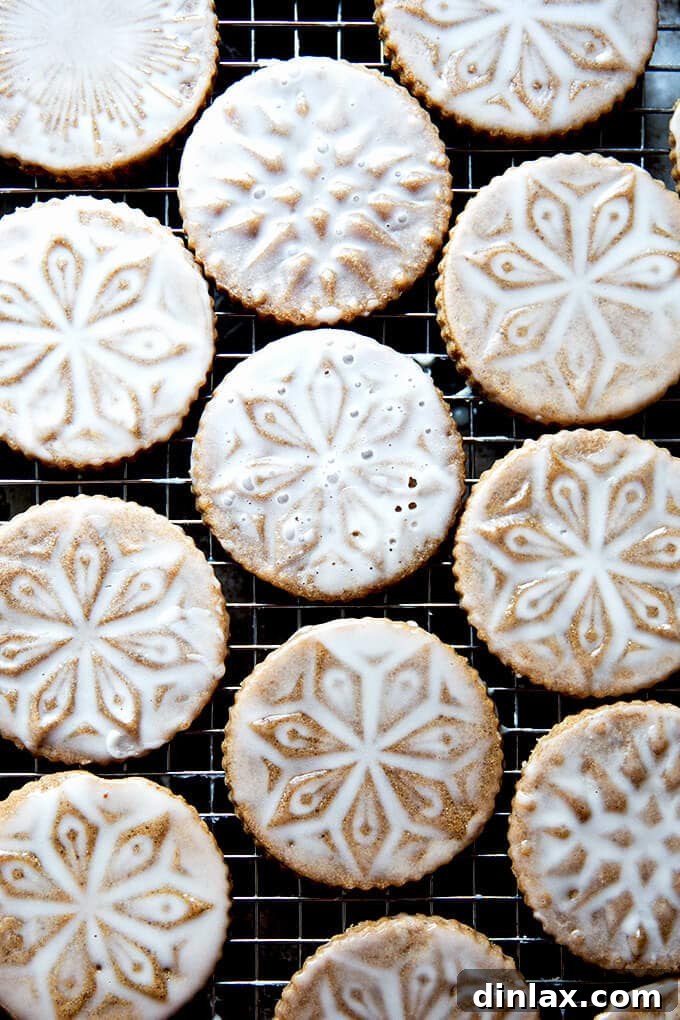
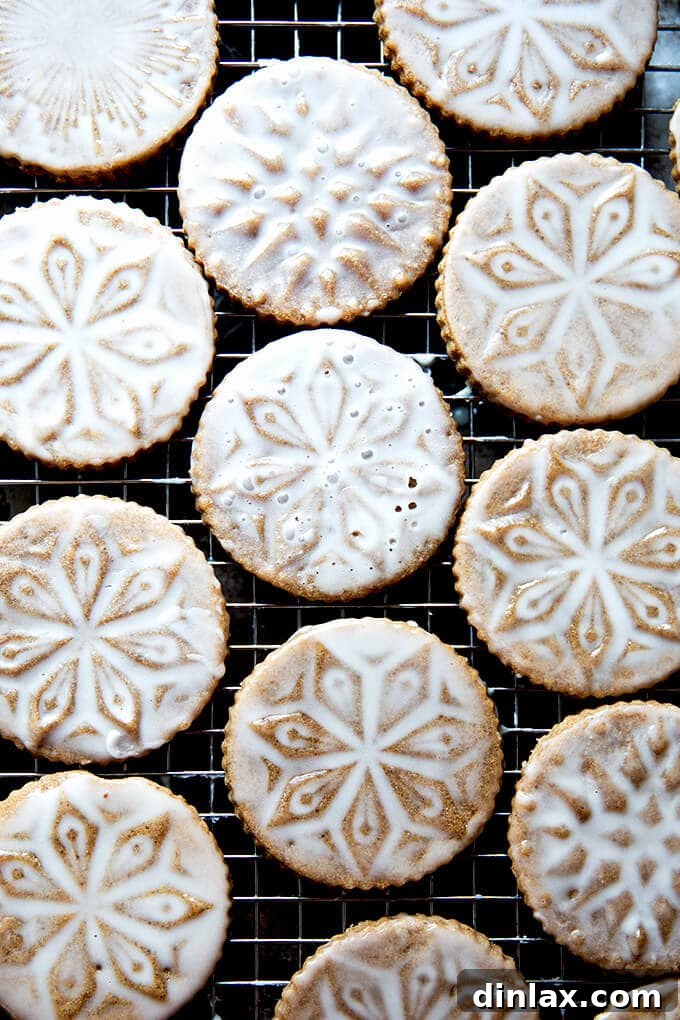
As the holiday season draws near, the air fills with the enticing aroma of cinnamon, ginger, and sweet baking. It’s a time for cherished traditions, heartwarming gatherings, and of course, exceptional cookies. While many shy away from intricate baking projects, perceiving them as overly complicated or time-consuming, there’s an undeniable allure to a dessert that marries both stunning aesthetics and incredible flavor. These Stamped Christmas Cookies, featuring the rich depth of brown butter, the complex sweetness of muscovado sugar, and a vibrant blend of warming spices, elegantly finished with a delicate maple glaze, are precisely that – a festive masterpiece that proves beauty doesn’t have to be daunting.
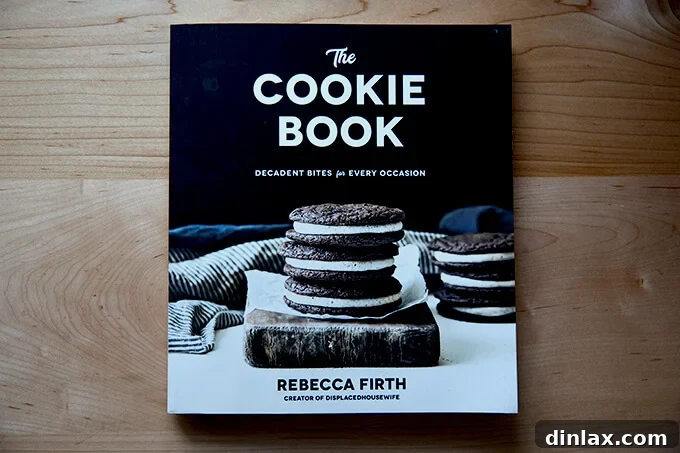
My own baking philosophy often leans towards simplicity, favoring rustic charm over elaborate decorations requiring piping bags and intricate frosting tips. Yet, one glimpse of an embossed sugar cookie, softly glazed and reminiscent of a frosted snowflake, captured my imagination. This vision came from Rebecca Firth’s essential baking guide, The Cookie Book. Her interpretation was a revelation, demonstrating that visually striking cookies could be achieved without sacrificing the comforting, homemade feel. It’s a cookie that truly speaks to the festive spirit, inviting you to create something both memorable and delicious.
The Allure of Stamped Cookies: A Touch of Elegance
Stamped cookies possess a unique charm. They transform a simple cookie into a work of art, each impression telling a story or evoking a memory. The intricate patterns, from starry nights to delicate snowflakes, add an unexpected layer of sophistication to your holiday cookie platter. Beyond their visual appeal, there’s a satisfying sensory experience in seeing the perfect design emerge from the dough, hinting at the delightful textures and flavors to come. These cookies are not just treats; they are edible decorations that elevate any festive occasion, making them ideal for gifting, sharing, or simply enjoying with a warm cup of coffee or tea.
A Symphony of Flavors: Brown Butter, Muscovado, and Holiday Spices
What truly sets these stamped cookies apart is their exceptional flavor profile. Rebecca Firth, inspired by the stamped molasses cookies from Yotam Ottolenghi and Helen Goh’s Sweet, ingeniously pivoted to a brown butter and muscovado sugar base. This choice is nothing short of brilliant. Brown butter, or beurre noisette, brings a profound nutty, toasted dimension that elevates the humble butter into something far more complex and aromatic. It’s a simple technique that adds incredible depth, a secret weapon in any baker’s arsenal.
Coupled with brown butter is muscovado sugar, a less refined cane sugar with a rich, moist texture and deep molasses flavor. Unlike regular brown sugar, muscovado retains more of its natural molasses, imparting a distinctive caramel-like taste with subtle toffee notes that are both robust and comforting. This provides a wonderfully complex sweetness that complements the nutty butter perfectly. And as if that weren’t enough, the recipe is generously infused with a medley of quintessential holiday spices: warm cinnamon, fragrant allspice, pungent cloves, spicy ginger, and aromatic cardamom. Each bite is a journey through a spice bazaar, perfectly balanced and utterly irresistible. As Ina Garten famously says, “How bad can that be?” Indeed, the combination is pure perfection.
Embarking on Your Baking Journey: Tips and Tricks for Stamped Cookie Success
While the idea of stamped cookies might seem intimidating, Rebecca’s meticulous guidance makes the process approachable and enjoyable. Her detailed notes in The Cookie Book act as a reassuring presence, guiding you through each step and anticipating potential challenges. One crucial insight she shares pertains to the dough’s texture: unlike typical sugar cookie doughs that require a light touch, this particular dough demands a more assertive approach. You’ll need to “almost knead it to get it to adhere together,” ensuring a cohesive structure that holds the intricate stamp designs beautifully. This specific instruction is a game-changer, preventing crumbly dough and ensuring successful imprints.
Another vital aspect is dough temperature. It’s a delicate balance: too cold, and the cookie stamp won’t leave a distinct mark; too warm, and the dough will cling to the stamp or cutter, ruining the design. The trick is to find that sweet spot, which usually involves quick chilling cycles in the freezer or fridge. Her advice to quickly chill the dough for 5-10 minutes in the freezer or 10-20 minutes in the fridge is invaluable. Should the dough become too hard, simply let it sit at room temperature for a while – patience is key. These practical tips demystify the process, making the wonderful world of stamped cookies less daunting and more rewarding.
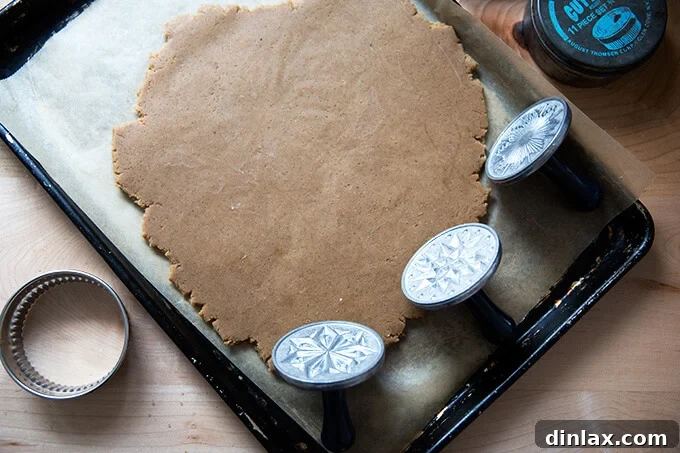
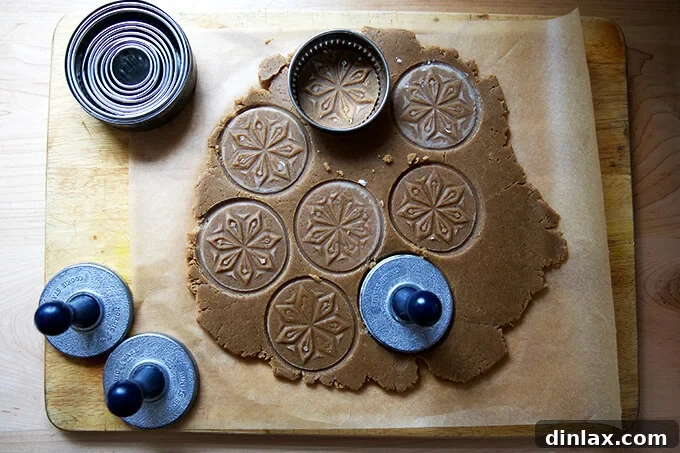
To embark on this delightful baking adventure, I promptly ordered a set of cookie stamps, and before I knew it, I was captivated by the process – browning butter, rolling out the aromatic dough, and meticulously stamping away. The satisfaction of peeling back the stamp to reveal a perfectly embossed design is truly gratifying. What’s more, Rebecca’s commitment to precision extends to her ingredient lists, which consistently include both volume and weight measurements. This detail is immensely helpful, ensuring accuracy and consistency, which I appreciate more and more with every recipe I try. It empowers bakers of all skill levels to achieve professional-level results in their home kitchens.
The Perfect Finish: A Hint of Maple Glaze
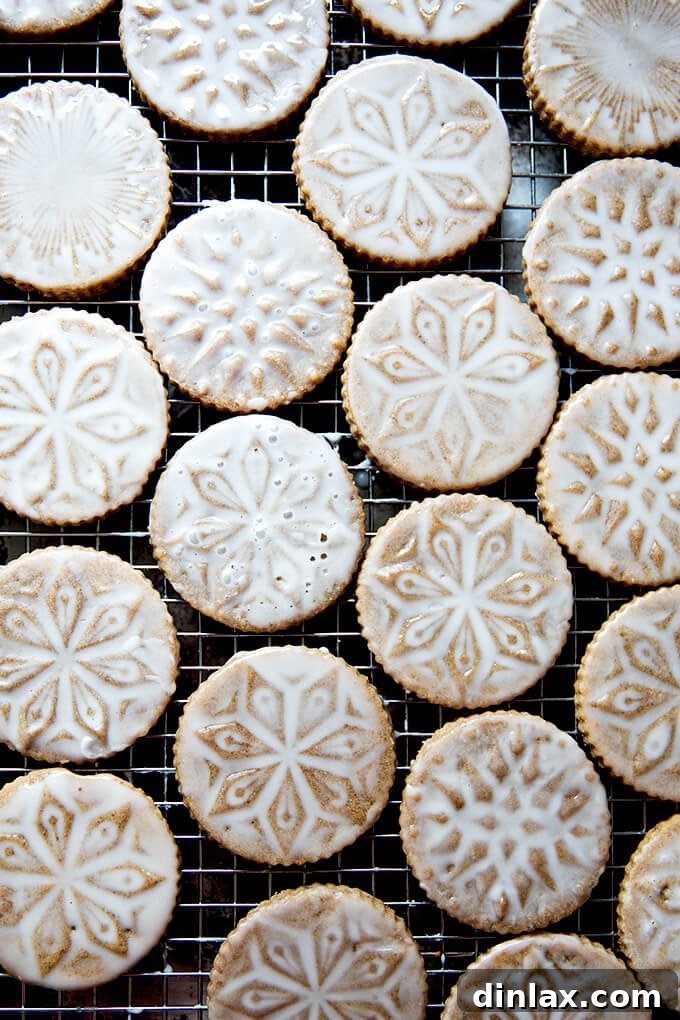
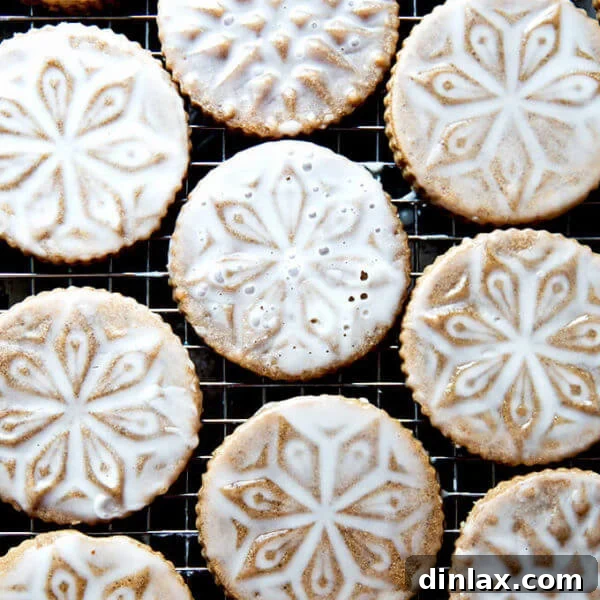
Once baked to golden perfection, these cookies receive their crowning glory: a simple yet elegant maple glaze. This thin, delicate coating not only adds a touch of sweetness but also enhances the overall aesthetic, highlighting the stamped details without overpowering the rich flavors of the cookie itself. The glaze provides a beautiful, slightly frosted appearance, turning each cookie into a shimmering, edible jewel. While the cookies are undeniably delicious even without the glaze, this final touch elevates them to a truly festive and eye-catching holiday treat.
The final verdict is in: these Stamped Christmas Cookies are as incredibly delicious as they are visually stunning. While investing in a cookie stamp set can certainly enhance the experience and presentation, I wholeheartedly recommend making these cookies even with a simple round cutter. Their exceptional flavor, perfectly spiced for the season, stands entirely on its own. They embody the essence of holiday baking – a treat that is both a pleasure to make and an absolute delight to share. Happy baking, friends! I sincerely hope these beautiful and flavorful cookies find their way into your holiday traditions soon.
Get your copy of Rebecca Firth’s inspiring cookbook here: The Cookie Book!
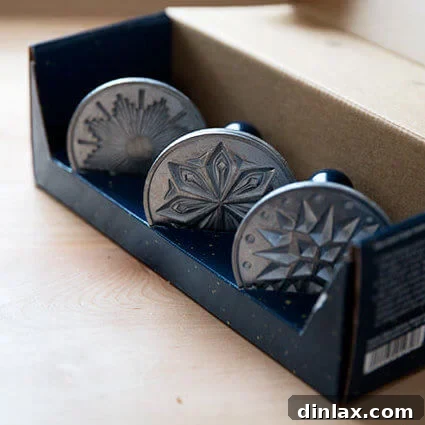
And these are the versatile cookie stamps I used. Together, they make a thoughtful gift for any baking enthusiast.
Print
Stamped Christmas Cookies: Brown Butter Muscovado with Maple Glaze
5 Stars 4 Stars 3 Stars 2 Stars 1 Star
4.7 from 12 reviews
Author: Alexandra Stafford
Total Time: 1 hour 7 minutes
Yield: 24 – 36 1x
Description
Inspired by Rebecca Firth’s brilliant The Cookie Book, these Stamped Christmas Cookies are a celebration of holiday flavors and festive elegance. Combining the rich, nutty notes of brown butter with the deep, caramel sweetness of muscovado sugar and a comforting blend of traditional Christmas spices, they are then finished with a delicate maple glaze. These cookies are not only a feast for the eyes but also a delightful treat for the palate, perfect for holiday gatherings, gifting, or simply enjoying during the festive season.
As highlighted in the article, these cookies are exceptionally delicious even if you choose not to stamp them; a simple round cutter will yield a wonderful result. However, for those interested in adding that elegant embossed touch, this is the Starry Night Cookie Stamps set I personally use and highly recommend. To achieve that beautiful fluted edge, a set of fluted cookie cutters is a fantastic addition to your baking toolkit—they’re also superb for making classic Linzer cookies!
Notes:
- If authentic muscovado sugar is difficult to find, dark brown sugar is an excellent substitute that will still provide a rich, molasses-rich flavor.
- The process of making these cookies, particularly achieving the perfect stamp, requires a bit of patience and attention to detail. However, Rebecca’s comprehensive tips and notes embedded within the recipe are incredibly empowering and helpful. The key to success often lies in the dough’s temperature: if it’s too cold, the stamp won’t leave a clear impression; if it’s too warm, the dough might stick to the cutter or lose its shape. Once you adapt to the dough’s unique needs and find your rhythm, the process becomes surprisingly smooth and enjoyable. Don’t be discouraged by initial attempts; practice truly makes perfect with this delightful recipe.
Ingredients
For the cookies:
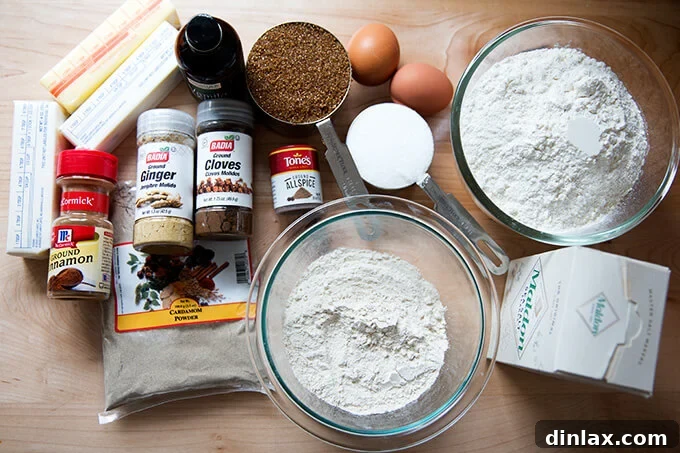
- 24 tablespoons (344 g) unsalted butter
- 1 cup (210 g) dark muscovado sugar, packed or dark brown sugar
- ½ cup (96 g) granulated sugar
- 2 large eggs, room temperature
- 1 tablespoon (15 ml) real vanilla extract
- 3 cups (408 g) all-purpose flour
- 1 cup (136 g) bread flour
- 2 teaspoons (5 g) ground cinnamon
- 1 teaspoon ground allspice
- 1 teaspoon ground cloves
- 1 teaspoon ground ginger
- 1 teaspoon sea salt
- ½ teaspoon ground cardamom
For the glaze:
- 2 cups (260 g) powdered sugar
- 1 tablespoon (15 ml) pure maple syrup
- ½ teaspoon maple extract, optional (for an intensified maple flavor)
- 4 tablespoons (60 ml) milk, or more as needed to reach desired thin consistency
Instructions
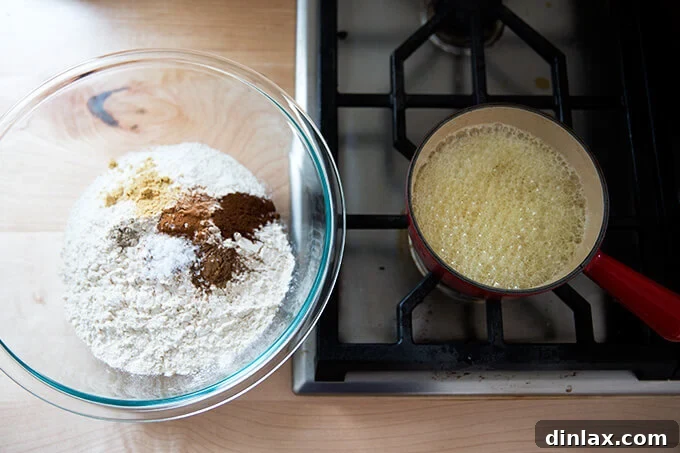
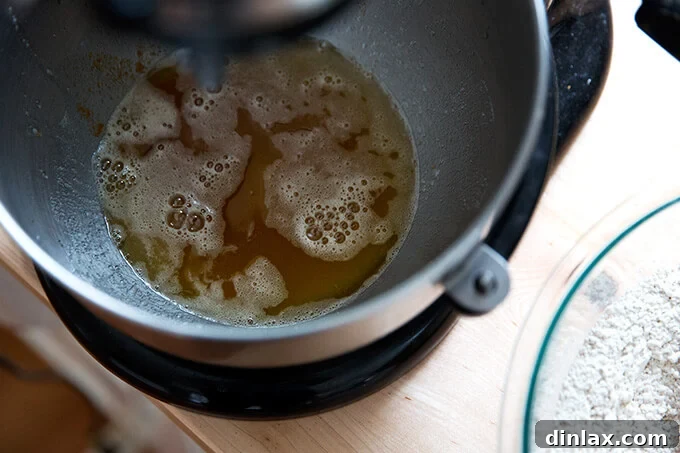
- Prepare the Brown Butter: In a medium-sized, heavy-bottomed saucepan, melt the unsalted butter over medium heat. It’s crucial to use a pan that is adequately sized, as the butter will foam and boil considerably during the browning process, preventing overflow.
- Brown the Butter and Combine with Sugars: Once the butter has completely melted, increase the heat to medium-high. Continue stirring constantly. You’ll notice small golden-brown bits beginning to form and settle at the bottom of the pan, accompanied by a distinct, nutty aroma. This transformation typically takes about 3 to 5 minutes. Immediately remove the pan from the heat and carefully pour the browned butter into the bowl of an electric stand mixer fitted with the paddle attachment. Allow the brown butter to cool slightly before proceeding. Once slightly cooled, add the muscovado sugar (or dark brown sugar) and granulated sugar to the mixer bowl. Mix on medium speed until all ingredients are thoroughly blended and incorporated. The mixture will be notably thick. Add the eggs one at a time, ensuring each egg is fully blended into the mixture before adding the next. Finally, stir in the vanilla extract and mix for an additional minute. During this step, use a spatula to break up any stubborn large lumps of muscovado sugar to ensure a smooth, uniform mixture.
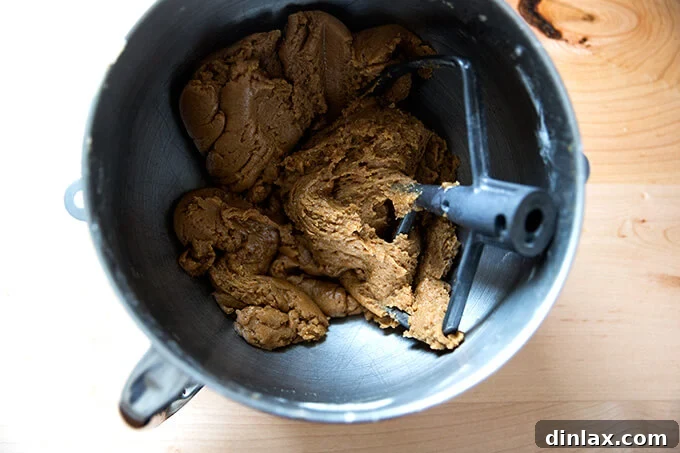
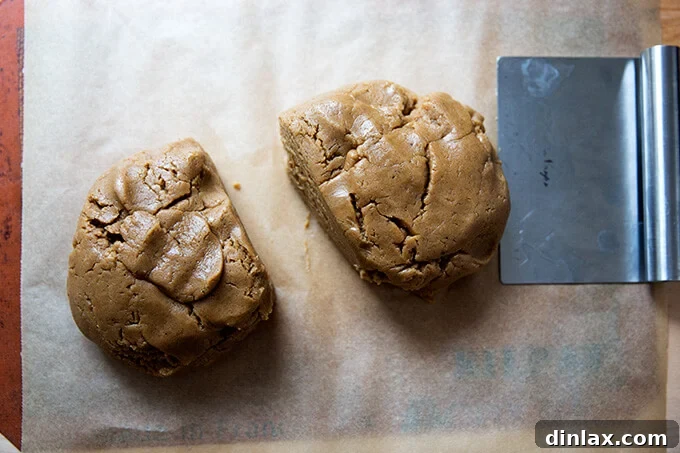
- Prepare the Dry Ingredients and Form the Dough: In a separate large bowl, whisk together the all-purpose flour, bread flour, cinnamon, allspice, cloves, ginger, sea salt, and cardamom until well combined. Gradually add this dry mixture to the brown butter mixture in the stand mixer. Mix on low speed until the ingredients just come together and no dry crumbs remain. The dough will be quite firm. Divide the dough into two equal halves. Pat each portion of dough into a thick, flat disc. Unlike delicate sugar cookie doughs that require a very light hand, this dough needs more persuasion. You will need to almost knead it gently to ensure it fully adheres together and is smooth enough for rolling and stamping.
- Smooth the Dough: Press any visible cracks or fissures in the dough discs together with your hands to create smooth surfaces.
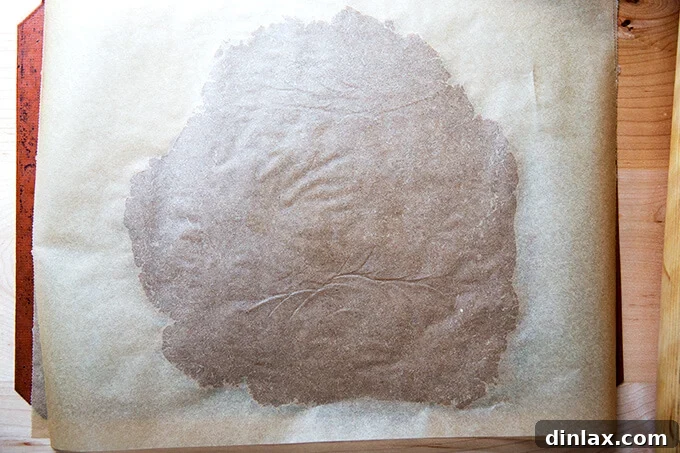
- Chill the Dough for Stamping: Place one dough disc between two sheets of parchment paper. If you have a silicone baking mat, place it underneath the parchment paper on your counter to prevent the dough from sliding while rolling. Roll the dough to a uniform thickness of 1/4 to 1/2 inch. You might find a slightly thinner dough easier to handle for stamping. Transfer the rolled dough (still between parchment) onto a baking sheet and chill it in the freezer for 5 to 10 minutes, or in the refrigerator for 10 to 20 minutes maximum. The dough should become firm quickly. It’s critical that the dough is at the perfect temperature for stamping: if it starts sticking to your floured cookie stamps, return it to the freezer for 5 minutes or the fridge for 10 minutes. Conversely, if the dough becomes too hard to stamp effectively, allow it to sit at room temperature for about 30 minutes to an hour until it is pliable enough to work with. (This happened to me once, requiring an hour at room temperature to soften.)
- Prepare Baking Sheets: Line several baking sheets with parchment paper in anticipation of the stamped cookies.
- Stamp and Cut the Cookies: If using cookie stamps, lightly dip the stamp into flour and gently tap off any excess. This helps prevent sticking and ensures a clean impression. Evenly press the cookie stamp firmly onto the chilled dough to achieve a detailed imprint. Then, use a fluted, round cutter (or your preferred shape) to cut out the cookie around the stamped design. Carefully use a thin spatula to transfer the cut-out, stamped cookie to your prepared baking sheets, leaving a little space between each. Gather and re-roll any dough scraps as needed, chilling them briefly if they become too warm, before stamping and cutting additional cookies.
- Preheat Oven and Position Rack: Preheat your oven to 375°F (190°C). Ensure an oven rack is positioned in the top third of the oven, at least 6 inches (15 cm) away from the heat source, to prevent over-browning.
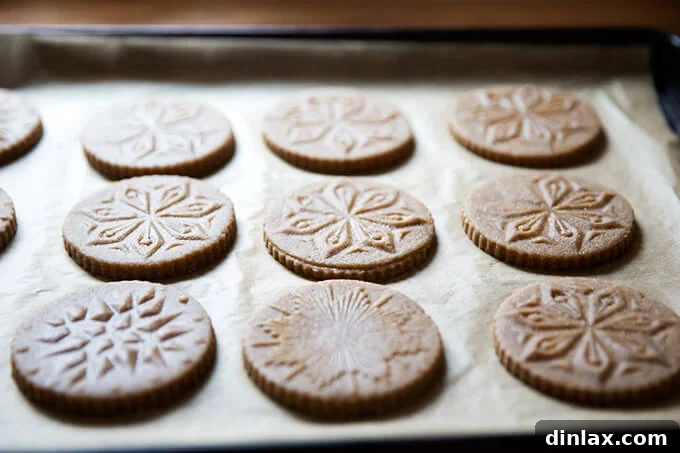
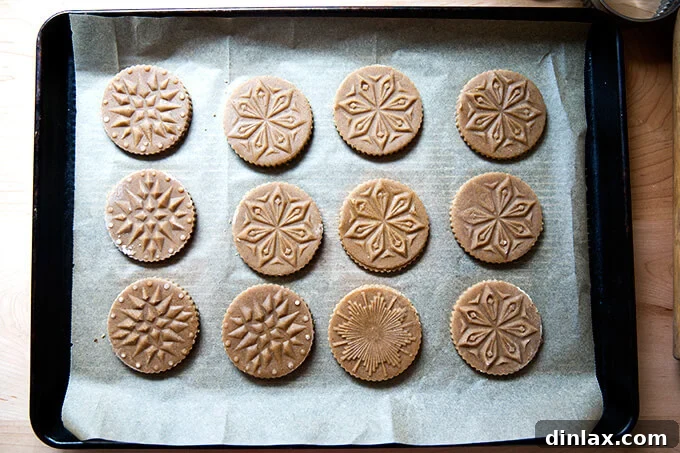
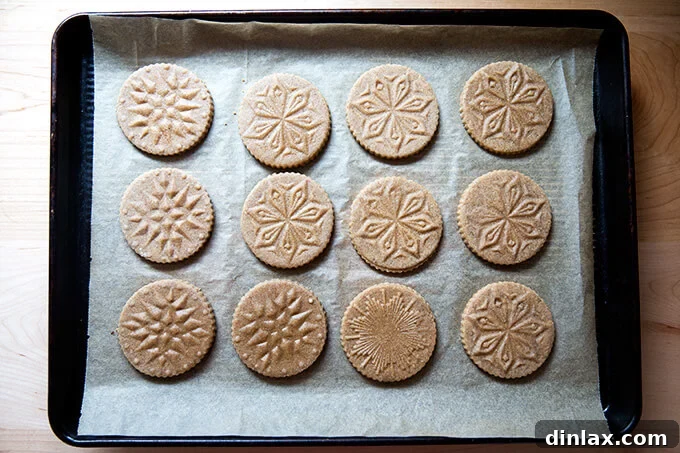
- Final Chill and Bake: Place the baking sheets with the stamped cookies in the freezer for a minimum of 30 minutes. (They can be kept longer, up to 24 hours in an airtight container in the freezer, or even longer if properly stored.) Transfer the frozen cookies directly from the freezer to the preheated oven’s top rack. Bake for approximately 9 minutes. It is absolutely crucial not to overbake these cookies, as doing so will cause the intricate stamped design to become less pronounced. Note: my cookies, when rolled slightly thinner (around 1/4 inch), cooked perfectly in about 7 minutes, so keep a close eye on them! They may not appear fully “done” or golden brown when you remove them from the oven, but they will continue to firm up and cook slightly as they cool on the baking sheet. Allow the cookies to cool on the baking sheet for 5 minutes before carefully transferring them to a wire rack to cool completely.
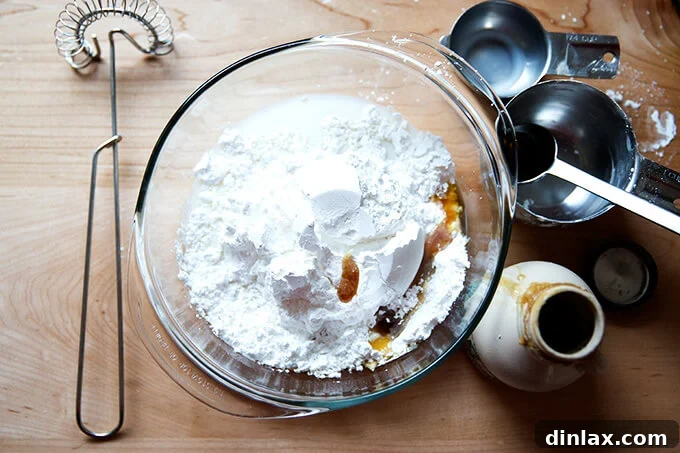
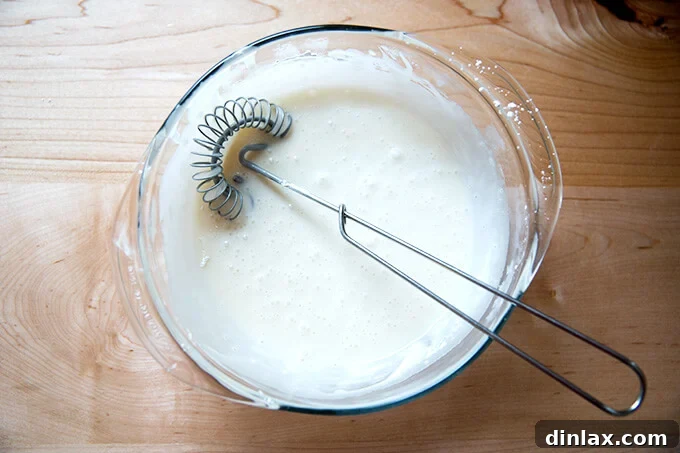
- Prepare and Glaze: While the cookies cool, prepare the maple glaze. In a small bowl, whisk together the powdered sugar, pure maple syrup, optional maple extract (if using for enhanced maple flavor), and milk. Add the milk gradually, a tablespoon at a time, until you achieve a thin, pourable glaze consistency. Place a baking sheet directly underneath your cooling rack to catch any excess glaze. Dip the completely cooled cookies into the glaze, allowing any excess to drip back into the bowl. The goal is a thin coating that allows the intricate details of the cookie stamps to remain visible. You might find it helpful to gently wipe off excess glaze with your finger for a delicate finish. While these cookies are delicious even without any glaze, the maple glaze adds a beautiful sheen and an extra layer of flavor that is super pretty and festive. Allow the glazed cookies to dry completely on the cooling rack before serving or storing.
- Prep Time: 1 hour
- Cook Time: 7 minutes
- Category: Cookies, Holiday Baking
- Method: Baking
- Cuisine: American