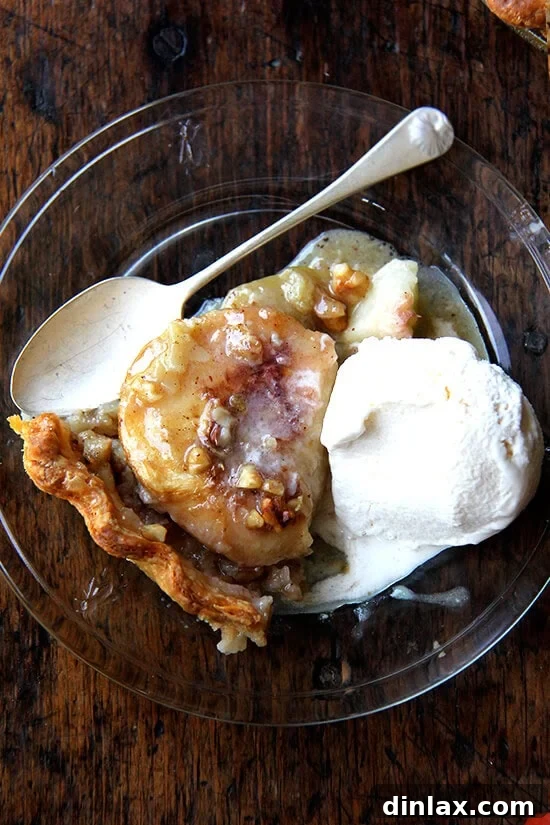
A Slice of Summer: Indulging in German Peach Pie with Brown Butter & Walnuts
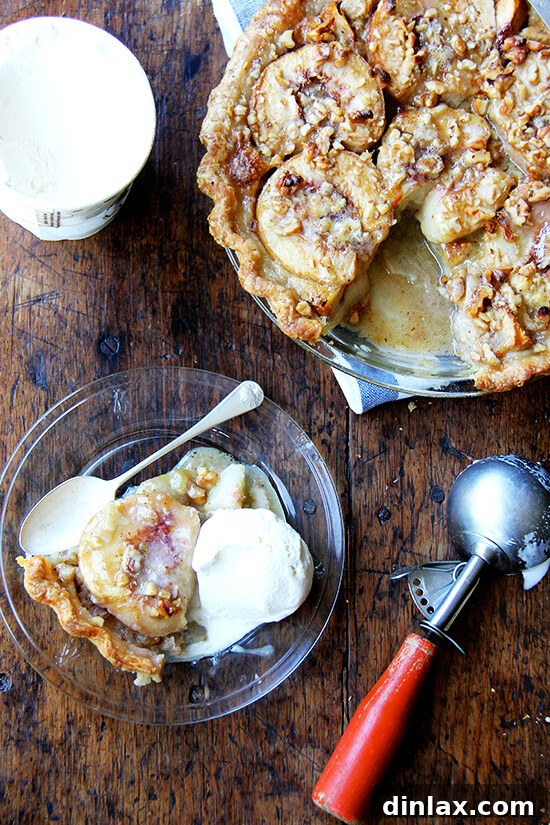
The fleeting beauty of summer fruit is an annual delight, and few things capture its essence quite like a perfectly baked peach pie. This season, with peaches at their absolute peak—succulent, fragrant, and bursting with sunshine—the urge to transform them into a truly memorable dessert became irresistible. While simply enjoying a ripe peach, juice dripping down your chin, is a sacred summer ritual, the call of a homemade pie whispers promises of comforting warmth and shared joy. Our journey led us to an “old family recipe” for German Peach Pie, lovingly adapted to include the irresistible depth of brown butter and the subtle crunch of walnuts, making it an undisputed contender for the ultimate summer baking project.
The Culinary Muse: Inspiration from Unexpected Places
Just a few weeks ago, a daily cooking newsletter from the NY Times, penned by the insightful Kim Severson, sparked a particular culinary craving. Severson eloquently expounded on the profound joys of cooking alongside friends, highlighting the invaluable lessons learned from shared kitchen experiences and the delightful discoveries that often emerge. She spoke of a peach and blackberry crisp, whose “luscious secret,” a technique borrowed from the renowned pastry chef Nancy Silverton, involved browning four tablespoons of butter in a saucepan with a vanilla bean, then pouring this aromatic elixir over the fruit before the sweet sugar and nut topping was applied.
While no specific recipe accompanied the newsletter, and my subsequent online searches yielded no exact match, the core message resonated deeply: sometimes, true culinary magic doesn’t require a rigid formula. Instead, it invites adaptation and intuition. The idea that any bubbling-fruit, crumb-topped creation could be elevated by the addition of vanilla bean-flecked brown butter was a revelation. This simple, yet transformative technique promised to infuse a profound depth of flavor into any fruit-based dessert, turning a good pie into an extraordinary one.
Embracing the Peach: A Summer Dilemma
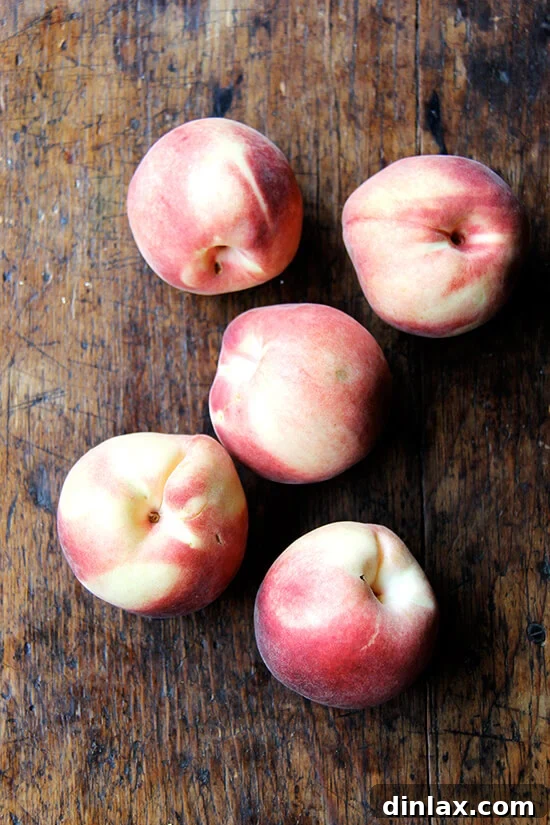
Initially, the thought of sacrificing the half-dozen exquisite peaches ripening on my counter to a pie felt almost sacrilegious. This summer’s peaches were exceptionally good, each one a jewel of sweetness and juiciness. To consume them in any way other than leaning over the kitchen sink, allowing the nectar to cascade down my chin and arm, felt fundamentally wrong. It’s a primal, unadulterated pleasure that defines the very essence of peak peach season.
However, an equally strong conviction began to surface: the summer simply could not pass without the creation of a single pie, cobbler, or crisp. How had so much time slipped by? Where does life vanish to when the days are long and seemingly endless? This growing sense of urgency, coupled with the lingering inspiration of brown butter, finally spurred me into action as Labor Day weekend approached. It was time to honor the summer’s bounty with a dessert that would encapsulate its warmth and sweetness.
Unearthing a Family Treasure: The German Peach Pie Recipe
My solution came in the form of an heirloom: a German Peach Pie recipe, an old favorite that my mother had kept, scribbled on a worn piece of scratch paper for years. This humble, handwritten note held the key to fulfilling my summer baking quest. While its “German” origins remain a charming mystery—it may or may not be authentically German at all—its simplicity and comforting appeal are undeniable.
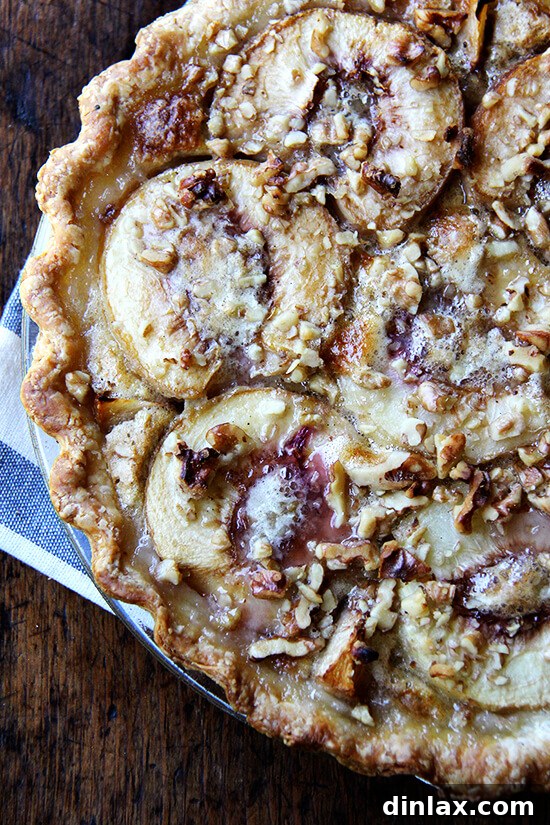
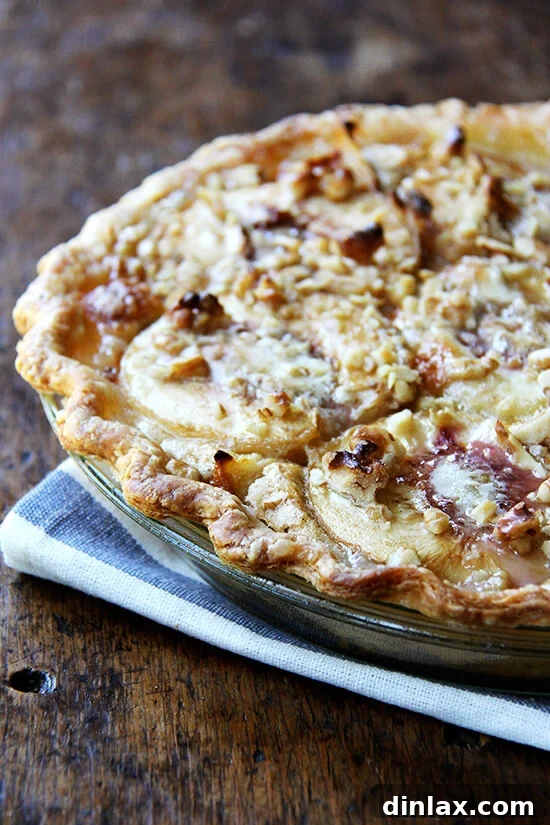
This unique pie is essentially an open-faced tart, showcasing four beautifully halved and peeled peaches as its star. These luscious halves are generously topped with a rich, buttery, sugar, and egg mixture, finished with a delicate scattering of nuts. As it bakes, this vanilla-infused custard magically bubbles and cradles the peach halves, transforming them into incredibly spoon-tender morsels after an hour in the oven. The result is utterly delicious, a symphony of textures and flavors that sing of summer.
Inspired by Kim Severson’s article and Nancy Silverton’s technique, I decided to adapt this cherished family recipe, elevating it with a few thoughtful additions. I swapped the standard melted butter for rich brown butter, introduced a hint of aromatic vanilla bean paste (a more intense flavor than extract), and opted for the earthy notes of walnuts instead of pecans. These modifications promised to add layers of complexity and sophistication to an already beloved dessert.
The Irresistible Allure of Brown Butter and Vanilla
Unlocking Deeper Flavors: The Brown Butter Technique
Browning butter is a simple yet profoundly impactful technique that transforms ordinary butter into a nutty, aromatic elixir. The process involves gently heating unsalted butter until the milk solids separate and toast, creating a golden-brown liquid with an incredibly complex flavor profile. This “liquid gold” adds a depth and richness to desserts that cannot be achieved with plain melted butter. For our German Peach Pie, the brown butter introduces warm, toasty notes that beautifully complement the sweet acidity of the peaches and the creamy vanilla custard, creating an unforgettable sensory experience. It’s a game-changer for any baking enthusiast looking to elevate their recipes.
The Magic of Vanilla Bean Paste
While vanilla extract is a pantry staple, vanilla bean paste offers a more intense, visually appealing burst of flavor. Flecks of real vanilla bean are suspended in a thick, concentrated syrup, delivering a robust vanilla essence that stands out in baked goods. In our peach pie, the vanilla bean paste infuses the custard with a pronounced, luxurious vanilla aroma and taste, enhancing the natural sweetness of the peaches without overpowering them. The tiny black specks also add an elegant visual touch, signaling the premium quality of the ingredients.
The Walnut Whisper: A Perfect Pairing
The choice of walnuts over traditional pecans was another subtle yet significant adaptation. Walnuts, with their slightly bitter, earthy undertones, provide a wonderful contrast to the sweetness of the peaches and the richness of the custard. When lightly toasted during baking, they release an even deeper flavor and add a satisfying crunch, contributing to the overall textural harmony of the pie. This thoughtful addition not only enhances the flavor profile but also provides an appealing visual element to the pie’s open-faced design.
Crafting Your German Peach Pie: A Step-by-Step Guide
Creating this delightful German Peach Pie is a rewarding experience, from preparing the tender peaches to whisking the velvety custard. The process starts with a perfectly prepared pie crust, the foundation of any great pie.
Achieving the Perfect Peach Peel
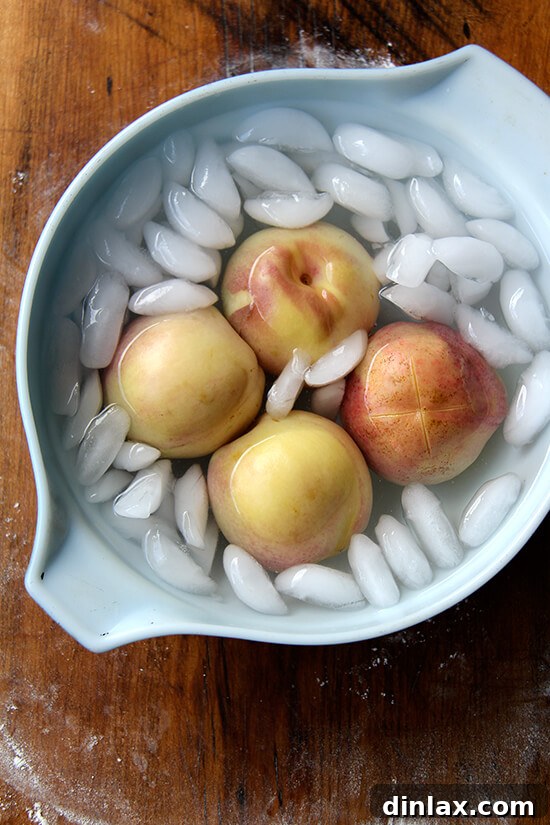
For that elegant, skinless peach presentation, the blanching method is your best friend. It’s surprisingly simple:
- Bring a pot of water to a rolling boil.
- Prepare an ice bath in a large bowl.
- Carefully submerge each peach into the boiling water for about 30 seconds.
- Using a slotted spoon, quickly transfer the peaches to the ice bath to stop the cooking process.
- Once cooled, the skin should easily slip off, revealing the smooth, unblemished flesh beneath. This technique ensures your peaches are ready to absorb all the delicious custard flavors.
The Unsung Hero: The Pie Crust
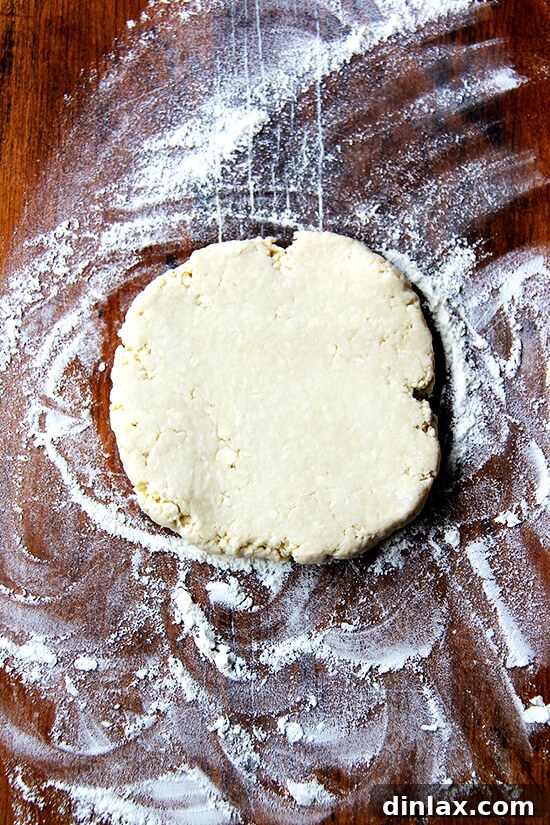
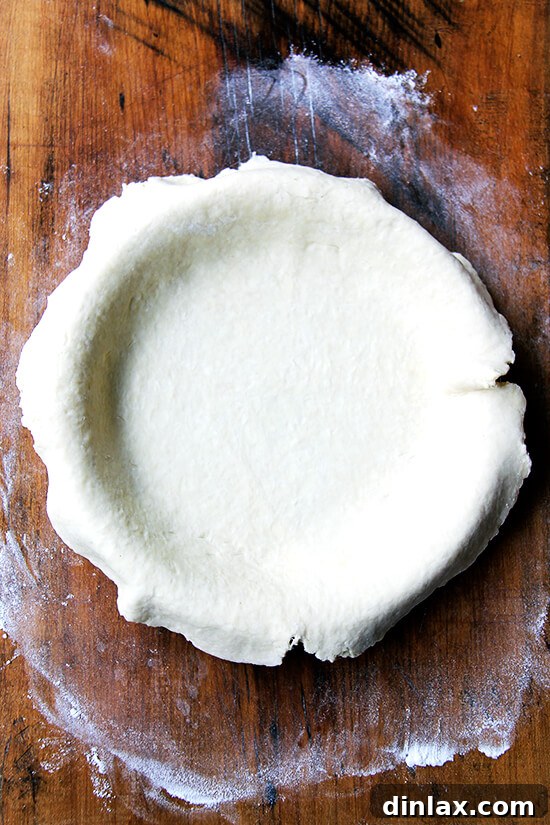
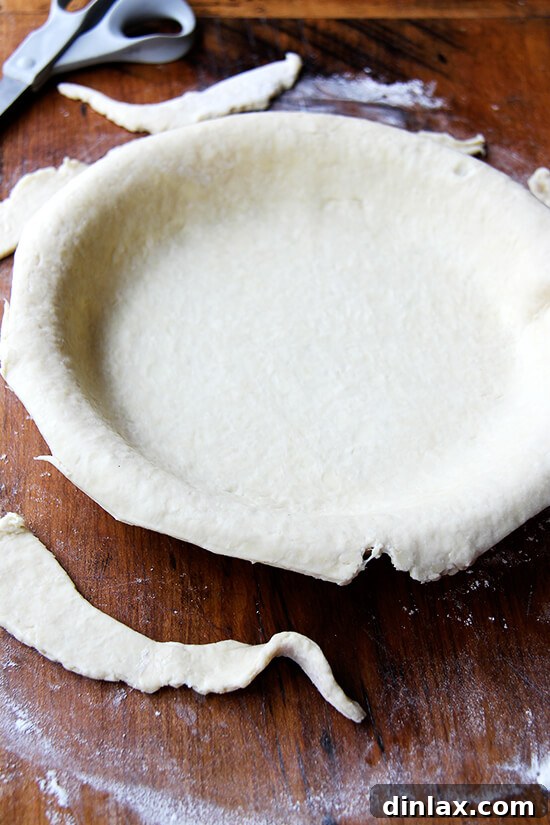
A good pie begins with a great crust. While our recipe details a fantastic all-purpose pie dough, remember the fundamentals: cold butter, minimal handling, and sufficient chilling. These elements combine to create a flaky, tender crust that is a worthy vessel for our luscious peach filling. Rolling the dough to the right thickness and carefully placing it into the pie dish are crucial steps for an even bake. Don’t forget to trim the excess dough; it can be repurposed for delightful treats like cinnamon snails, ensuring no scrap goes to waste!
Assembly and Baking: The Grand Finale
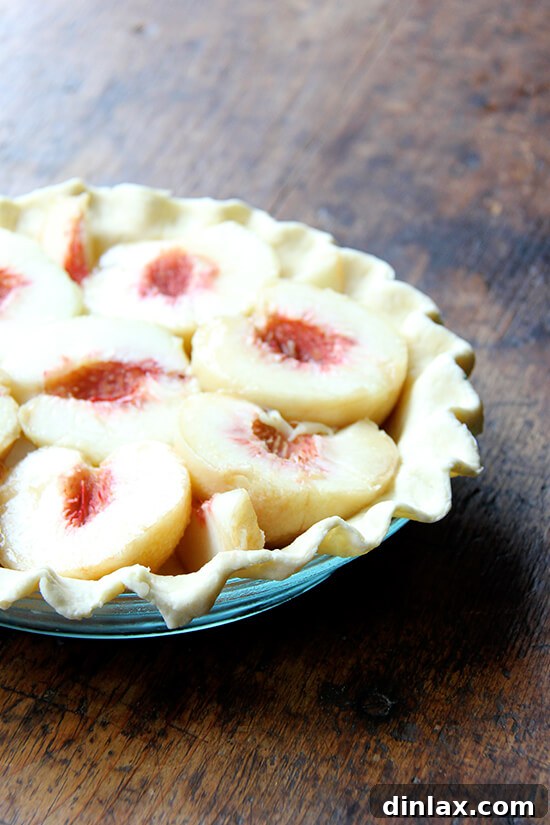
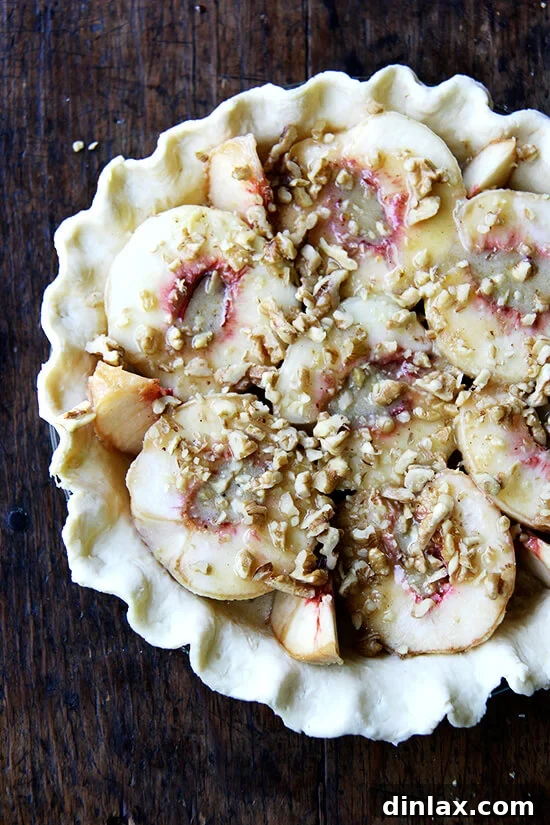
Once your crust is chilling and your peaches are prepped, the assembly is straightforward. Arrange the halved peaches cut-side up in the chilled pie shell, ensuring they fit snugly. If you have extra peach pieces, nestle them in the gaps for an even distribution of fruit. Then, pour the creamy brown butter and vanilla custard evenly over the peaches. A final sprinkle of chopped walnuts adds texture and visual appeal.
The baking process itself is a transformation. Starting at a higher temperature to set the crust and then reducing it allows the pie to cook through gently. Watch as the custard bubbles around the peaches, turning golden brown, and the crust develops its beautiful color. The aroma filling your kitchen will be nothing short of intoxicating, a true testament to the simple magic of homemade baking.
The Sweet Reward: Serving and Savoring
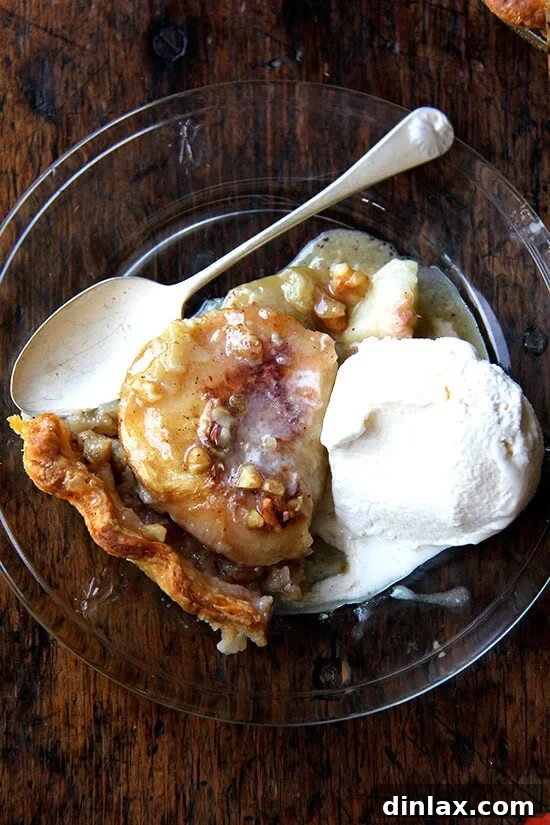
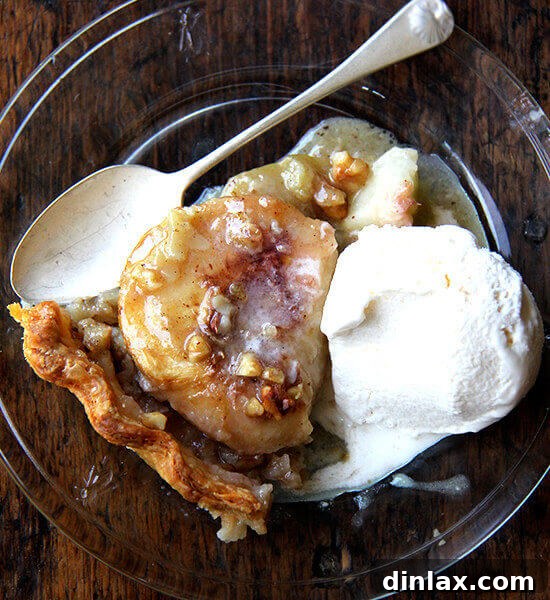
After an hour in the oven, the German Peach Pie emerges, golden and bubbling, its peaches perfectly spoon-tender. The vanilla custard, infused with the nutty richness of brown butter, creates a truly irresistible experience. While utterly delicious on its own, this pie absolutely demands a generous scoop of good quality vanilla ice cream. The creamy, cold ice cream melts slightly into the warm, fruity pie, creating a divine contrast that elevates every bite.
This pie is ideal for sharing with a “crew” – friends and family gathered around, eagerly polishing off the spoils. But let’s be honest, a slice for breakfast isn’t the worst thought either; it’s a perfectly acceptable, even delightful, way to start a day, especially after a successful baking endeavor.
With this delightful “German” Peach Pie now baked and savored, I can finally rest easy, having triumphantly crossed “make pie” off my summer bucket list. There’s a profound satisfaction in creating something beautiful and delicious from scratch, especially when it celebrates the freshest flavors of the season. I hope you, too, find immense joy in the simple pleasure of baking and sharing homemade goodness.
While this video might seem “boring,” it cleverly demonstrates the utility of the
Catamount Flameware measuring cup. Its ability to be placed directly over a flame makes browning butter a breeze, simplifying a step that can sometimes be tricky. It’s a fantastic tool for any kitchen.
Print Recipe
German Peach Pie with Brown Butter & Walnuts
5 Stars
4 Stars
3 Stars
2 Stars
1 Star
5 from 3 reviews
-
Author:
alexandra
Description
This versatile pie dough recipe is my go-to for any crust-requiring dessert. For detailed guidance on pastry and pie making, refer to our Basic Apple Pie post. A fantastic peach-peeling tutorial from King Arthur Flour recommends blanching peaches for 30 seconds in boiling water, then transferring to an ice bath for easy skin removal (if ripe). This recipe, an old family favorite, has been adapted from its original unknown source. My key changes include browning the butter instead of just melting it, adding vanilla bean paste and a pinch of kosher salt, and using walnuts instead of pecans. Cinnamon was omitted to let the peach and vanilla flavors shine.
Ingredients
- 1 nine-inch unbaked pie shell (see recipe below)
- 3 tablespoons unsalted butter
- 4 ripe peaches, peeled, pitted and halved
- 1/2 cup granulated sugar
- 2 large eggs
- 1 teaspoon vanilla bean paste or vanilla extract
- 1/4 teaspoon kosher salt
- 1/4 cup chopped walnuts, pecans, or almonds
For the Pie Crust (yields 2 nine-inch rounds; freeze one for later or halve the recipe):
- 2½ cups (11.25 oz | 320g) all-purpose flour
- 2 T. granulated sugar
- ½ tsp. table salt
- 16 T. (8 oz | 227g) unsalted butter, very cold and cut into small pieces
- ½ C. + 2 T. (4 oz | 114 g + 1 oz | 28g) ice water
Instructions
- Prepare the Pie Shell: Preheat your oven to 400ºF (200°C). On a lightly floured surface, roll out one disk of pie dough into a circle about an inch larger in diameter than your pie dish. Carefully transfer the dough to the dish, pressing gently to ensure it fills the pie plate without stretching. Trim any excess dough, saving it for delicious treats like cinnamon snails. Crimp the edges decoratively, if desired. Place the prepared pie shell in the refrigerator to chill while you prepare the filling.
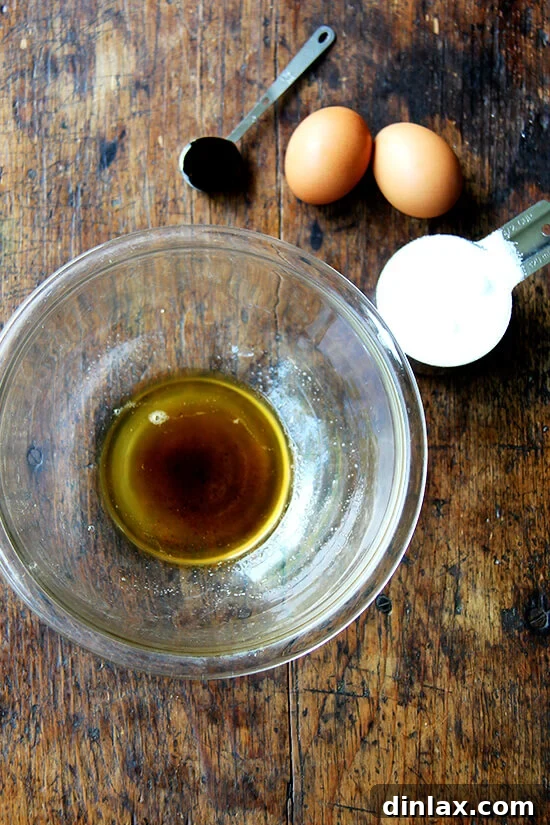
- Brown the Butter: Place 3 tablespoons of butter in a small saucepan, skillet, or a flame-safe measuring cup (like the Catamount Flameware measuring cup). Heat over medium heat until the butter begins to bubble. Continue to let the butter gently bubble, swirling the pan occasionally. You’ll notice the milk solids at the bottom begin to turn golden brown and a nutty aroma will fill your kitchen. The bubbles on the surface will become very small and rapid right before it browns. Be vigilant during this stage, as butter can quickly go from perfectly brown to burnt. Once it reaches a rich amber color and smells nutty, remove the pan from the heat and let it cool slightly.
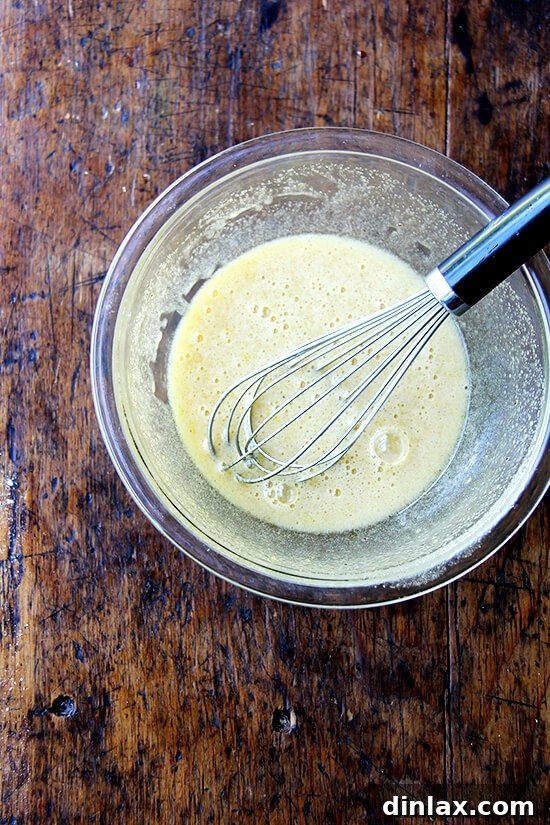
- Prepare the Filling and Assemble: In a medium bowl, whisk the slightly cooled brown butter with the sugar until well combined. Add the eggs, vanilla bean paste (or extract), and kosher salt, whisking until the mixture is smooth and evenly incorporated. Remove your chilled pie shell from the refrigerator. Arrange the halved peaches, cut-side up, in a single layer within the shell. If all four peaches don’t fit perfectly, you can cut any remaining pieces and nestle them in between the larger halves to fill gaps. Pour the prepared custard mixture evenly over the peaches. Finally, sprinkle the chopped walnuts (or other nuts) over the custard.
- Bake the Pie: Place the assembled pie on a baking sheet (to catch any potential drips) and transfer it to the preheated 400ºF (200°C) oven. Bake for 15 minutes. After 15 minutes, reduce the oven temperature to 325ºF (160°C) and continue to bake for another 35 to 45 minutes, or until the pie crust is golden brown, the peaches are bubbling gently, and the custard is set (a slight wobble in the center is okay, it will continue to set as it cools). Let the pie cool completely on a wire rack before slicing and serving.
- To Make the Pie Crust: In a large bowl, whisk together the all-purpose flour, granulated sugar, and table salt. Alternatively, you can pulse these dry ingredients in a food processor. Add the very cold, cubed unsalted butter to the flour mixture. Using a pastry cutter or the back of a fork (or by pulsing in a food processor at 1-second intervals), cut the butter into the flour until the butter pieces are about the size of small peas. Gradually add the ice water, starting with ½ cup + 2 T, and continue to mix with a fork until the mixture just begins to come together into a shaggy mass. Add more ice water, one tablespoon at a time, only if necessary for the dough to form. Gently gather the mass into a ball, divide it in half, and flatten each half into a disk. Wrap each disk tightly in plastic wrap and chill in the refrigerator for at least 30 minutes (or up to 2 days) before rolling out and using.