Bringing the Authentic Korean BBQ Experience Home
There are some meals that transcend mere sustenance, becoming cherished experiences that linger in memory long after the last bite. For us, Korean BBQ is precisely that. Just last Friday, my partner Ben and I stepped into our friends’ home, greeted by an intoxicating aroma and a sight that promised an evening of culinary delight: a bubbling rice cooker, a vibrant serving dish overflowing with perfectly pickled bean sprouts, a towering stack of crisp roasted seaweed sheets, and a glistening jar of brilliant red, pungent kimchi. It was a perfectly curated scene, designed to transport us straight back to the bustling flavors of North Philadelphia.
Our journey with Korean BBQ began years ago at Kim’s, a legendary hole-in-the-wall restaurant in North Philadelphia. Kim’s was more than just a place to eat; it was an institution, a vibrant hub where we could always anticipate certain delightful constants. Foremost among them was the blazing hot charcoal grill, a centerpiece that would be swapped out several times throughout the evening as it sizzled with succulent meats. Then came the extensive array of banchan – those indispensable Korean side dishes that elevate any meal. From spicy pickled daikon and tender steamed egg custards to savory scallion pancakes, each banchan offered a burst of flavor and texture, creating a symphony for the palate. And, of course, there was the company – a lively crew of friends, family, and coworkers, all eager to gather around the table, charring whole cloves of garlic, slices of jalapeño, and platters of paper-thin beef to perfection.
Many of our memorable evenings at Kim’s were orchestrated by Thien, then the chef at the esteemed Fork restaurant. Thien possessed an infectious passion for Korean food, finding any conceivable excuse to make the trek north for his fix. He was famous for somehow fitting not just an impressive selection of wine for everyone, but also actual glasses (he famously disdained plastic cups even for casual eats) into his messenger bag. We’d linger for hours, never leaving anything less than completely satisfied. Exiting Kim’s, however, always brought a profound appreciation for the fresh air – the restaurant’s ventilation system, or rather its distinct lack thereof, was undeniably part of its charm and character!
The Secret to Effortless Bulgogi and Home BBQ Mastery
The moment we crossed the threshold into our friends’ house, the unmistakable, pungent aroma of kimchi instantly transported us back to those cherished nights on North Fifth Street. And the incredibly tender bulgogi, served alongside those addictive, salty sheets of roasted seaweed, sparked an immediate craving for the recipe. My attempts at prying, however, proved entirely unnecessary. With a disarming honesty, our friends divulged their secret to such phenomenal bulgogi: Hmart. They simply purchased the meat already thinly sliced, perfectly marinated, and cryovacked, ready for cooking. Their love for Hmart was palpable, and in that moment, so was my love for their ingenious shortcut!
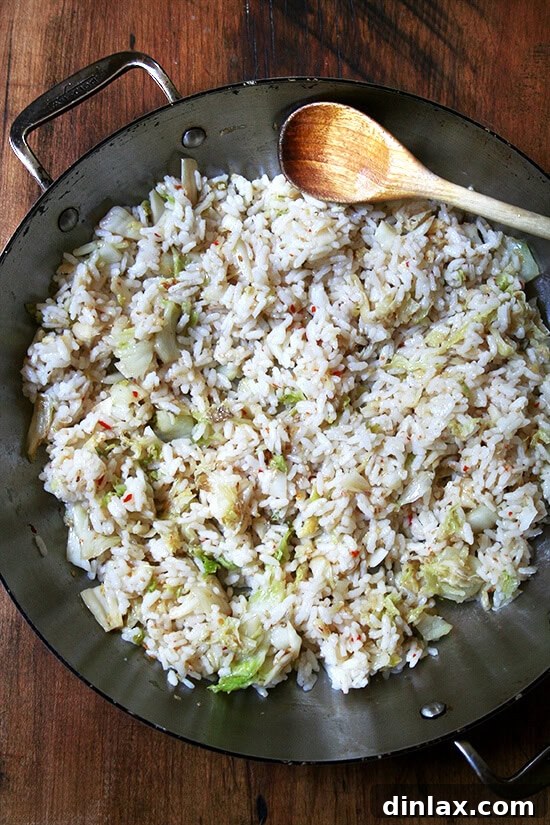
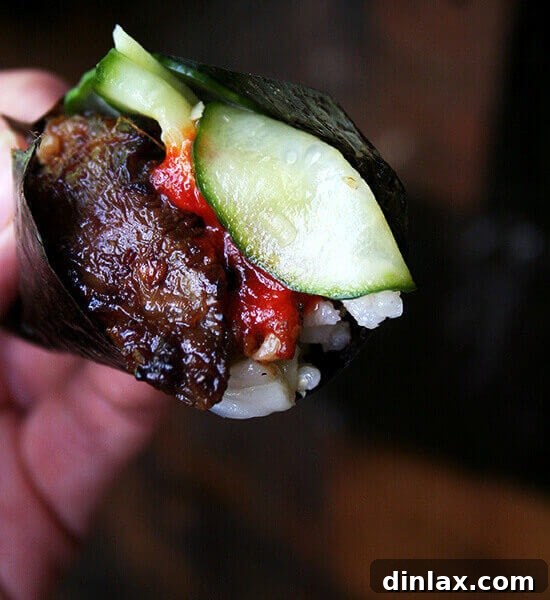
Inspired by their effortless approach, I embarked on my own Korean BBQ adventure, making bulgogi four nights in a row following that delightful dinner. I served it exactly as our friends did: with crisp sheets of roasted seaweed – an utterly irresistible combination! – and kimchi rice, a nod to The Good Fork in Brooklyn. While perhaps unconventional and not strictly traditional, my chosen banchan – a simple cucumber-apple pickle – played its role beautifully, striking that exquisite sweet, tart, and spicy balance that is so characteristic of Korean cuisine. I unearthed this delightful pickle recipe from a fantastic spread in the May 2009 issue of *Gourmet* magazine (the same issue that introduced me to the wonders of warm tofu with spicy garlic sauce). This pickle is not only a sparkling condiment but also shines as a standalone salad, pairing wonderfully with a variety of other Asian dishes, such as honey soy chicken legs, sesame-crusted tofu, or even light Asian lettuce wraps.
If there’s one recipe you decide to try from this entire post, let it be this cucumber-apple pickle. Trust me, apples and cucumbers have never tasted so perfectly harmonious together, offering a refreshing counterpoint to the rich flavors of Korean BBQ.
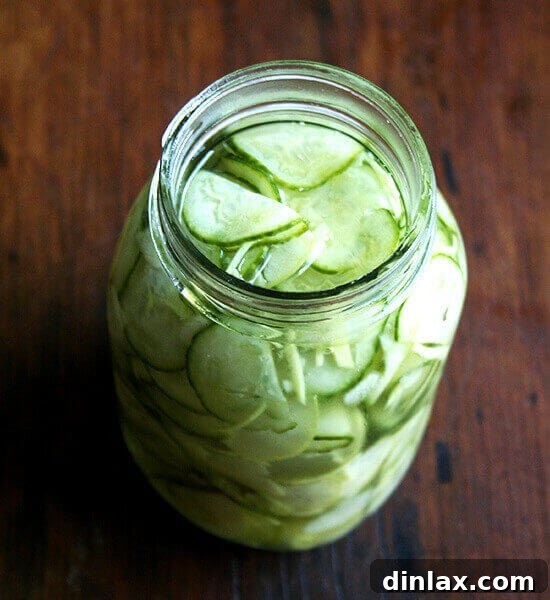
After just 30 minutes, the salted cucumbers take on this softened appearance, ready for the next step.
A handy kitchen trick: did you know the easiest way to peel ginger is with a spoon? This tip, among others, was highlighted in a fantastic Serious Eats post on essential kitchen hacks.
This bulgogi marinade, a fantastic find from The Good Fork in Brooklyn, was famously featured in a 2007 Bon Appetit recipe for Steak and Eggs Korean Style. While marinating overnight truly yields the deepest flavor, this potent concoction imparts an astonishing amount of flavor even in a shorter period – aim for at least an hour if time is tight.
A key characteristic of this particular marinade is its clever inclusion of both grated ginger and apple, contributing to its unique sweet and savory profile.
To achieve that desirable, slightly charred finish on your bulgogi, it’s crucial to thoroughly pat the marinated beef dry before placing it on the cooking surface. This ensures a beautiful sear rather than a steam.
When cooking thinly sliced meat in a properly hot pan or on a grill, it will cook incredibly fast – typically less than a minute per side. Be prepared for a quick cook!
If you’re fortunate enough to live near an Asian grocery store, keep an eye out for these specific packs of roasted seaweed – they are exceptionally delicious. Our friends discovered them at Hmart, and they’ve become a staple. If these aren’t available, any variety of nori (the kind used for making sushi) will work perfectly fine.
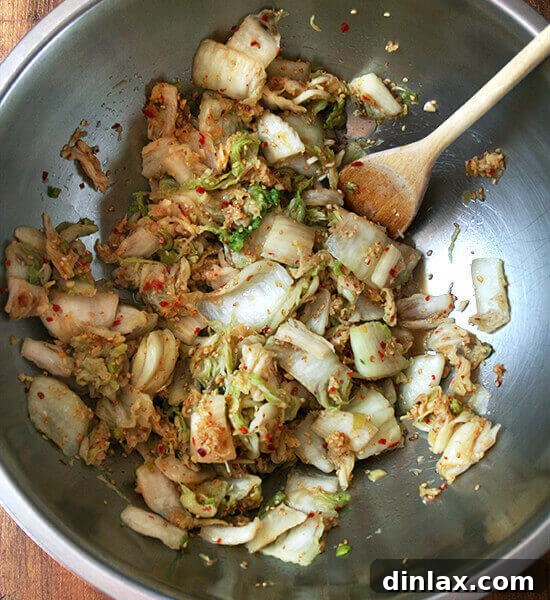
While I hadn’t initially planned on venturing into homemade kimchi for this Korean BBQ quest, my local grocery store proved uncooperative, and I simply couldn’t imagine the meal feeling complete without it. So, I took the plunge! This “Quick Kimchi” recipe cleverly utilizes fish sauce to accelerate the fermentation process, allowing it to develop a complex flavor in a relatively short timeframe. Although I didn’t document the process in as much detail as I might have liked, I can assure you it’s surprisingly easy to make if you’re up for the challenge. Just a heads-up: despite the “quick” moniker, the salted cabbage still requires a 2-hour resting period. If the idea of making it from scratch feels daunting, don’t hesitate to purchase it – I’m a big fan of good quality jarred kimchi from the store.
At The Good Fork in Brooklyn, their renowned Steak and Eggs dish is famously served with a side of kimchi rice – a truly delicious and inspired pairing that adds another layer of flavor and texture to the meal.
Creating Your Own Korean BBQ Feast at Home
Embarking on a Korean BBQ adventure at home can be as delightfully simple or as intricately elaborate as you choose to make it. For an effortlessly delicious experience, I recommend focusing on just one signature banchan, like the refreshingly sweet-tart cucumber-apple pickle featured here, alongside a homemade bulgogi marinade. While the ingredient list for the marinade might appear extensive at first glance, rest assured that it comes together surprisingly quickly, transforming simple beef into a flavor powerhouse.
My decision to make kimchi from scratch was driven purely by necessity, as it wasn’t readily available at my local store. However, this step is entirely optional! If you have access to a well-stocked grocery store or an Asian market, I highly encourage you to purchase good quality, pre-made kimchi. It’s an excellent shortcut that doesn’t compromise on flavor. I particularly enjoyed chopping the kimchi and incorporating it into the rice – not only does it add an incredible depth of flavor and a delightful texture, but it also makes the meal even more convenient to eat, especially when serving family style.
One of the beauties of this home Korean BBQ menu is the flexibility it offers for advanced preparation. The cucumber-apple pickle can be prepared a day ahead of time, allowing its flavors to meld beautifully (though I confess, I often can’t resist eating it immediately!). Similarly, the beef for the bulgogi marinade benefits immensely from an overnight soak – in fact, it’s highly recommended for maximum tenderness and flavor. If you’re planning to host a Korean BBQ party, this means that on the day of your gathering, your tasks are minimal. You’ll primarily focus on steaming the rice, opening those irresistible packs of roasted seaweed, and setting out the essential Sriracha for an extra kick. This streamlined approach allows you to relax and truly enjoy the company and the feast.
Essential Elements for a Simple Homemade Korean BBQ:
- Cucumber-apple pickle (recipe below)
- Bulgogi (recipe below)
- Kimchi (recipe below)
- Steamed rice
- Roasted seaweed sheets
- Sriracha
Print Recipe
Cucumber-Apple Pickle (Sweet & Sour Banchan)
5 Stars
4 Stars
3 Stars
2 Stars
1 Star
No reviews
- Author: Alexandra Stafford at alexandracooks.com
Total Time: 35 minutes
Yield: 4 servings
Description
This vibrant and refreshing cucumber-apple pickle is adapted from a 2009 Gourmet magazine recipe. It offers a delightful sweet-tart-spicy balance, making it an ideal banchan to complement the rich flavors of Korean BBQ or a standalone salad. A mandoline can significantly speed up the slicing process for uniformly thin pieces.
Ingredients
- 1/2 pound Japanese or Kirby cucumbers
- 1 1/4 teaspoons fine sea salt (or kosher salt)
- 1/2 Fuji or Granny Smith apple (or your preferred apple variety)
- 2 cups water
- 1/3 cup unseasoned rice vinegar or cider vinegar
- 1 tablespoon very thin matchsticks of peeled ginger
- 1/4 cup sugar
- Pinch of Korean hot red-pepper threads (optional – crushed red pepper flakes work well)
Instructions
- Slice cucumbers crosswise 1/8 inch thick, either by hand or using a mandoline, and toss them with the sea salt. Let the mixture stand for 30 minutes, allowing the salt to draw out excess moisture. Afterwards, rinse the cucumbers thoroughly and gently squeeze out any remaining liquid with your hands. Don’t worry about removing every last drop, as you’ll be adding more liquid later.
- Halve the apple lengthwise and carefully remove the core. Using a mandoline or a sharp knife, slice the apple crosswise into 1/8-inch thick pieces, matching the thickness of the cucumbers.
- Combine the sliced apple with the prepared cucumbers and all remaining ingredients in a bowl. Toss everything gently to ensure an even coating. Marinate the pickle, chilled, turning occasionally. While it can be eaten immediately for a fresh crunch, allowing it to marinate for at least 1 day will deepen the flavors beautifully.
Prep Time: 5 minutes
Print Recipe
Korean Style Steak (Bulgogi Marinade)
5 Stars
4 Stars
3 Stars
2 Stars
1 Star
No reviews
- Author: Alexandra Stafford at alexandracooks.com
Total Time: 1 hour 15 minutes
Yield: 4 servings
Description
This fantastic bulgogi marinade is adapted from a Bon Appetit article, originally for “Steak and Eggs Korean Style.” For the most tender and flavorful beef, marinating overnight is ideal. However, even an hour of marination time can impart a surprising amount of delicious flavor to the meat. I’ve found that even just 2 hours yields amazing results, proving this marinade is highly effective in a short period.
Ingredients
- 1/4 cup mirin (sweet Japanese rice wine)
- 2 tablespoons finely grated cored peeled Granny Smith apple
- 2 tablespoons soy sauce
- 2 tablespoons light corn syrup (brown sugar or maple syrup can be substituted)
- 1 1/2 tablespoons finely chopped green onion (white and pale green parts)
- 1 tablespoon (scant) Korean hot pepper paste (such as gochujang or sambal oelek)
- 1 tablespoon (scant) minced peeled fresh ginger
- 2 garlic cloves, minced
- 1 1/2 teaspoons Asian sesame oil
- 1 1/2 teaspoons unseasoned rice vinegar
- 1 to 2 skirt steaks (about 10 to 20 oz total), or hanger steak, ribeye, or strip steak, very thinly sliced
Instructions
- In a bowl, whisk together the first 10 ingredients to create the marinade. Add the thinly sliced meat, ensuring it’s thoroughly coated. Cover the bowl and chill it overnight in the refrigerator. If overnight marinating isn’t possible, aim for at least one hour to allow the flavors to penetrate the meat.
- While the meat marinates, prepare your cooking surface. You can either preheat a barbecue grill to high heat or place a cast-iron skillet or stainless steel skillet over high heat. Remove the sliced steak from the marinade, placing it on a plate or in a colander, and gently pat it dry with paper towels to ensure a good sear. Cook the steaks for approximately 1 minute or less per side. Note: If using a well-seasoned cast iron pan, you may not need additional oil. However, if you are concerned about sticking, add a small amount of olive, canola, or grapeseed oil to the pan as it preheats, adding the meat once the oil appears hot and shimmers. The meat cooks so quickly that you’ll likely start flipping the first pieces you placed onto the cooking surface as soon as the last piece is down. Transfer the cooked beef to a platter and let it rest for 5 minutes before serving.
Prep Time: 5 minutes
Cook Time: 5 minutes
Print Recipe
Quick Kimchi (Homemade Napa Cabbage Kimchi)
5 Stars
4 Stars
3 Stars
2 Stars
1 Star
No reviews
- Author: Alexandra Stafford at alexandracooks.com
Total Time: 3 hours 15 minutes
Yield: 2 quarts
Description
This “Quick Kimchi” recipe, adapted from a 2009 Gourmet magazine recipe, offers a relatively fast way to make delicious homemade kimchi. By relying on fish sauce, it develops a flavorful fermented taste in a shorter timeframe. While the cabbage still needs a 2-hour salting period, the active preparation time is minimal, making it an accessible option for those new to kimchi making. It’s a rewarding way to ensure fresh kimchi for your Korean BBQ.
Ingredients
- 1 (3-pound) head Napa cabbage
- 3 tablespoons salt (for cabbage)
- 2 tablespoons chopped garlic
- 1 tablespoon chopped peeled ginger
- 2 tablespoons fish sauce
- 2 teaspoons distilled white vinegar
- 1 bunch scallions, chopped (1 cup)
- 3 tablespoons sesame seeds, toasted and crushed with the side of a heavy knife
- 2 to 3 tablespoons coarse Korean hot red-pepper flakes (Gochugaru)
- 1/2 Asian pear or Granny Smith apple (or your preferred apple variety)
Instructions
- Quarter the Napa cabbage lengthwise, then cut crosswise into 2- to 3-inch pieces. Place the cabbage in a large bowl and toss it thoroughly with 3 tablespoons of salt. Let this mixture stand for 2 hours, tossing occasionally to ensure even salting.
- After 2 hours, rinse the cabbage very well under cold running water to remove excess salt, then drain thoroughly. Squeeze out as much excess water as you can with your hands and transfer the cabbage to a clean large bowl.
- In a blender, purée the garlic, ginger, fish sauce, and vinegar until the mixture is smooth. Pour this purée over the drained cabbage. Add the chopped scallions, toasted and crushed sesame seeds, and Korean red-pepper flakes to the bowl. Toss everything together vigorously to ensure the cabbage is fully coated with the flavorful paste.
- Peel the Asian pear or apple, then grate it using the large holes of a box grater (avoiding the core and seeds). Add the grated fruit to the cabbage mixture and toss well once more. Marinate the kimchi for at least 1 hour before serving to allow the flavors to meld. For a deeper flavor, it can be refrigerated for longer periods.
Prep Time: 15 minutes
Print Recipe
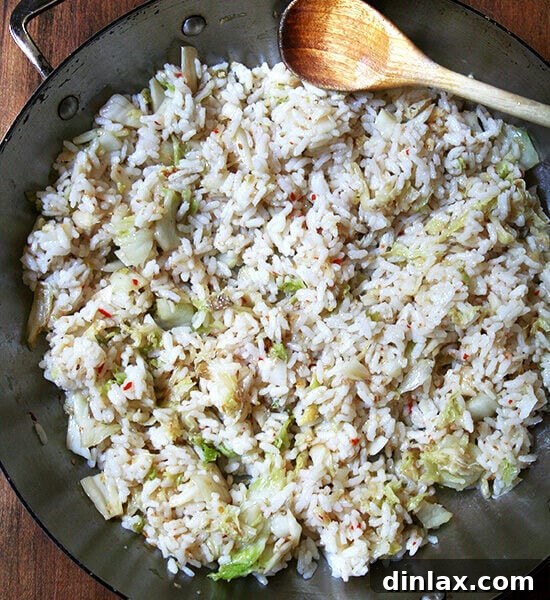
Kimchi Rice (Savory Side Dish)
5 Stars
4 Stars
3 Stars
2 Stars
1 Star
No reviews
- Author: Alexandra Stafford at alexandracooks.com
Total Time: 35 minutes
Yield: 4 servings
Ingredients
- 2 cups water
- 1 cup sushi rice (or other short-grain rice)
- 1 teaspoon salt
- 2 tablespoons cooking oil (e.g., olive, canola, or grapeseed oil)
- 1 1/2 cups Napa cabbage kimchi, coarsely chopped
- 2 tablespoons unseasoned rice vinegar
- Salt and freshly ground black pepper to taste
Instructions
- In a small saucepan, bring 2 cups of water to a rolling boil. Add the sushi rice and 1 teaspoon of salt. Once it returns to a boil, reduce the heat to low, cover the saucepan tightly, and cook until all the water is absorbed, which typically takes about 18 minutes.
- While the rice cooks, heat 2 tablespoons of oil in a large skillet over medium heat. Add the coarsely chopped kimchi and rice vinegar to the hot skillet. Stir constantly until the kimchi is thoroughly heated through and fragrant. Gently fold in the cooked rice until it is well combined with the kimchi. Season with salt and pepper to your liking. Keep the kimchi rice warm until ready to serve.
Prep Time: 5 minutes
Cook Time: 30 minutes