Embracing the Spirit of Pascha: A Traditional Greek Easter Celebration
Every year, the arrival of Greek Easter, or Pascha, signals a deeply cherished time for family, reflection, and abundant feasting. This past Friday, my children and I embarked on our annual pilgrimage north, journeying to Vermont to celebrate this significant occasion with my beloved aunt and uncle. Their home, nestled amidst the picturesque landscapes of Vermont, transforms into a hub of activity days before the actual feast, humming with preparations that honor centuries-old traditions.
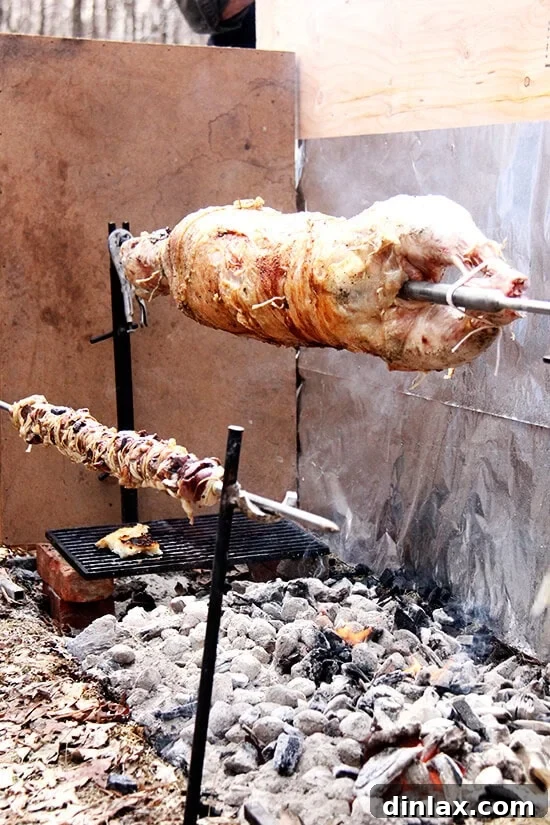
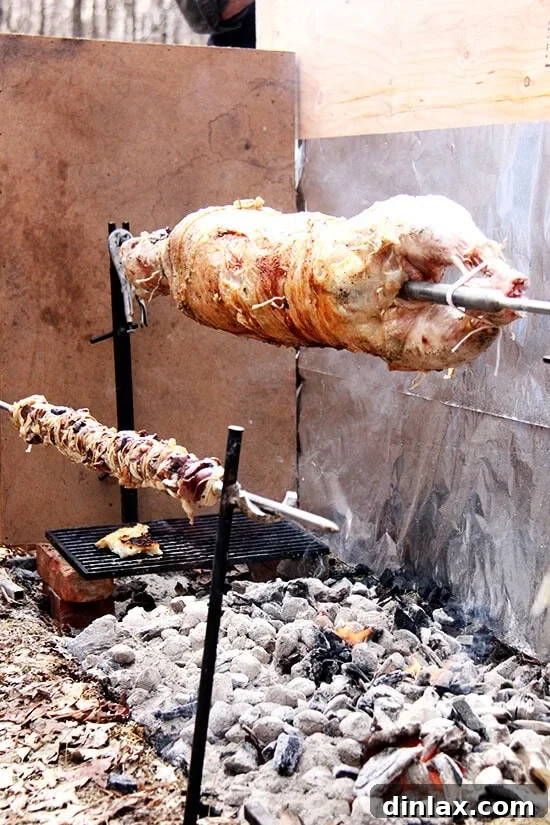
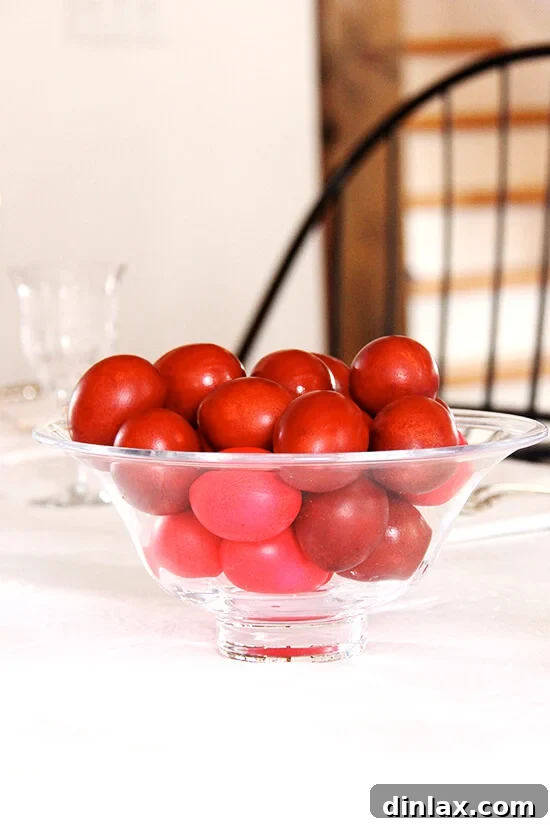
The anticipation built steadily as my aunt and uncle meticulously dyed countless eggs a vibrant crimson for the customary tsougrisma egg-cracking game. Simultaneously, the intricate process of rinsing and soaking intestines for the savory kokoretsi was underway, a true labor of love that speaks to the heart of traditional Greek cuisine. And, of course, the sturdy spit was being carefully prepared, awaiting the majestic lamb that would slowly roast over an open fire throughout the weekend, becoming the centerpiece of our celebratory meal.
Vermont, as it always is, offered a dreamy backdrop for our festivities. The crisp air, the budding spring foliage, and the serene environment amplified the joy and warmth of our family gathering. What follows is a delightful recap of our unforgettable Greek Easter experience.
The Heart of Pascha: Time-Honored Greek Easter Traditions
Greek Easter is far more than just a meal; it’s a profound cultural and religious celebration steeped in symbolism and communal spirit. Unlike Western Easter, Pascha often falls on a different date, determined by the Julian calendar. The traditions we embrace are ancient and meaningful.
Tsougrisma and the Red Eggs: The dyeing of eggs, predominantly red, is a cornerstone of Greek Easter. The red color symbolizes the blood of Christ and his sacrifice, while the egg itself represents rebirth and the resurrection. The tsougrisma game, played after dinner, involves two people tapping their eggs together, blunt end to blunt end, then pointed end to pointed end. The person whose egg remains uncracked is said to have good luck for the rest of the year. It’s a lively, competitive, and utterly joyful tradition that brings out laughter from young and old alike.
Kokoretsi: A Delicacy of Dedication: For those unfamiliar, kokoretsi is a traditional Greek dish made from lamb or goat offal (such as liver, lungs, and sweetbreads), seasoned, and then wrapped in caul fat and intestines, slow-roasted on a spit. While its preparation is certainly not for the faint of heart – involving meticulous cleaning and preparation of the intestines – it is a highly prized delicacy, synonymous with Greek Easter. Its rich, savory flavor and unique texture are deeply rooted in rural Greek culinary heritage, a testament to utilizing every part of the animal.
Lamb on the Spit: The Ultimate Feast: The slow roasting of an entire lamb on a spit is arguably the most iconic symbol of Greek Easter feasting. It’s a communal endeavor, requiring hours of tending, basting, and rotating over hot coals. This method of cooking not only imbues the lamb with an unparalleled smoky flavor and succulent tenderness but also serves as a focal point for family and friends to gather, share stories, and simply enjoy each other’s company throughout the day. It’s a magnificent spectacle and the ultimate expression of hospitality.
A Day of Feast and Festivity: Greek Easter Sunday
Awakening to Aromas: The Morning’s Culinary Symphony
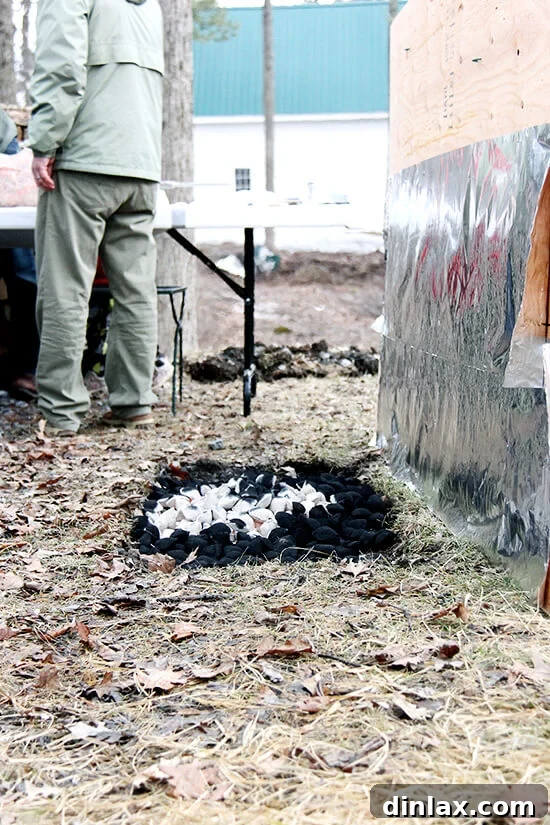
Sunday morning dawned with a quiet excitement that soon erupted into a symphony of culinary activity. The first task, overseen by Uncle Wade and his dedicated company, was the preparation of the coals. This isn’t just a simple lighting of charcoal; it’s an art form. Lumps of wood charcoal were carefully arranged and ignited, slowly transforming into glowing embers that would provide the steady, even heat required for hours of spit-roasting. The air soon filled with the earthy scent of woodsmoke, a primal aroma that signals the start of a grand feast.
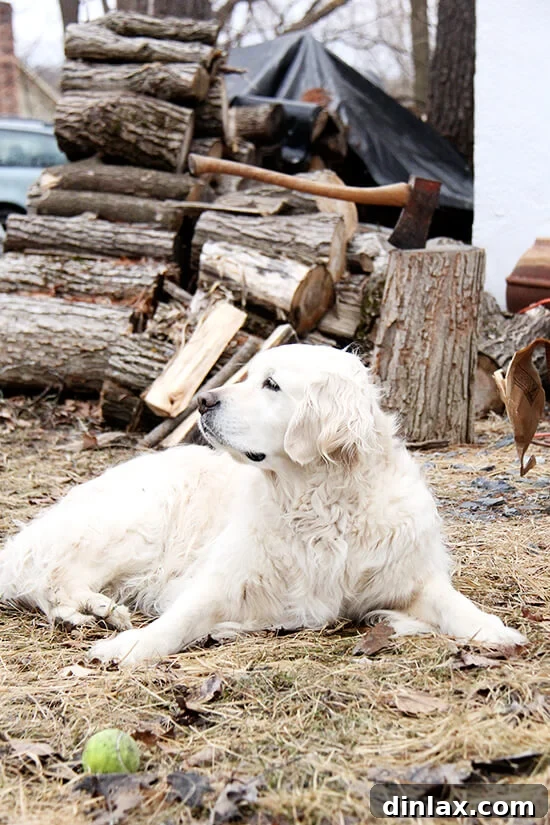
Amidst the growing bustle, Ajax, one of the family’s watchful canines, stood guard. With keen eyes and an air of quiet dignity, he observed every movement, perhaps dreaming of the scraps that might eventually fall his way. Dogs are truly part of the family in these celebrations, their presence adding to the homely warmth.
The Kitchen Comes Alive: Baking and Beyond
While the outdoor preparations set the stage for the main event, the kitchen inside was a hive of equally important activities. We enthusiastically punched down a double batch of Jim Lahey’s famous No-Knead Pizza Dough. This particular recipe is a marvel of simplicity and flavor, yielding a remarkably chewy and crusty bread with minimal effort – perfect for a busy celebratory day. The dough, having risen beautifully overnight, released a satisfying sigh as we worked out the air.
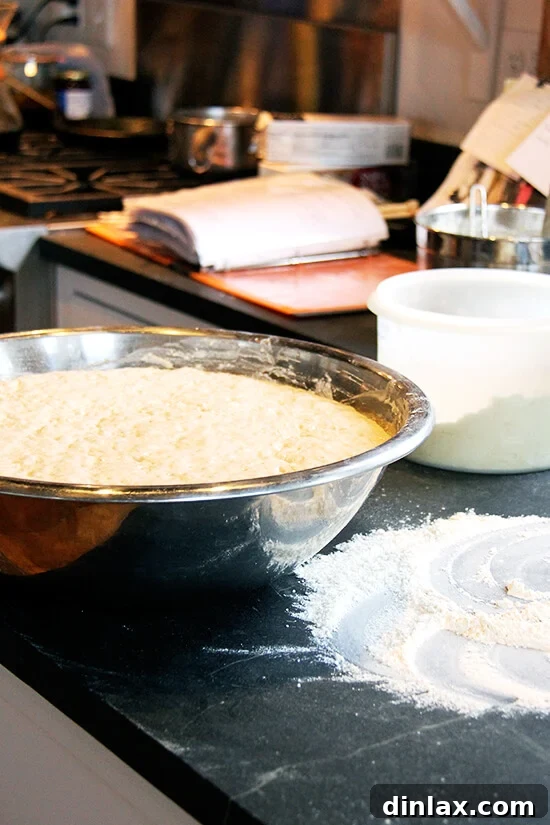
Once punched down, the soft, pliable dough was divided into equal portions. The tactile experience of handling the dough, feeling its elasticity, is a simple pleasure that connects one to the timeless art of baking.
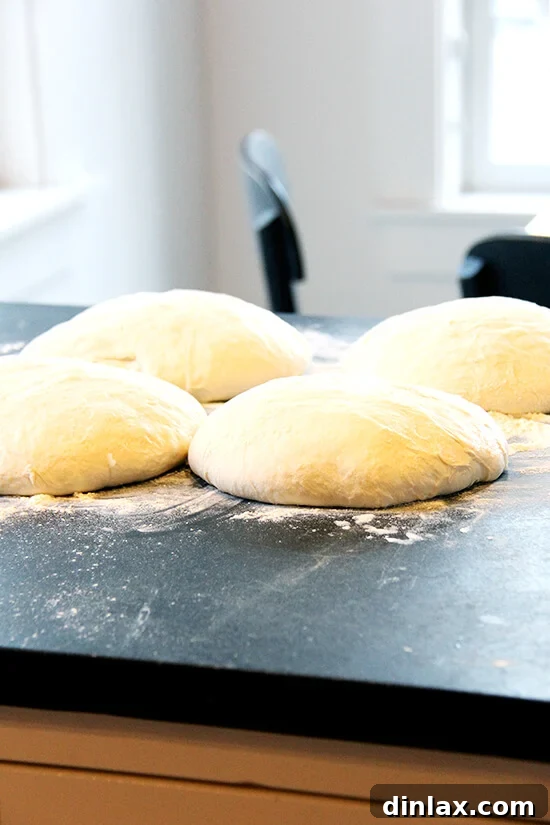
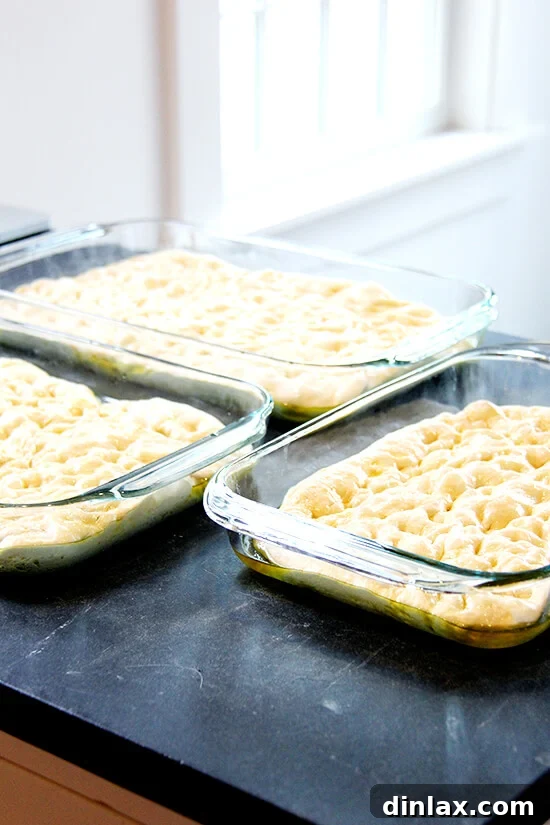
These portions were then lovingly dropped into well-oiled Pyrex pans, where they would undergo a final proof, creating those signature dimples and airy pockets characteristic of good focaccia. A generous coating of olive oil ensures a golden, crispy bottom crust.
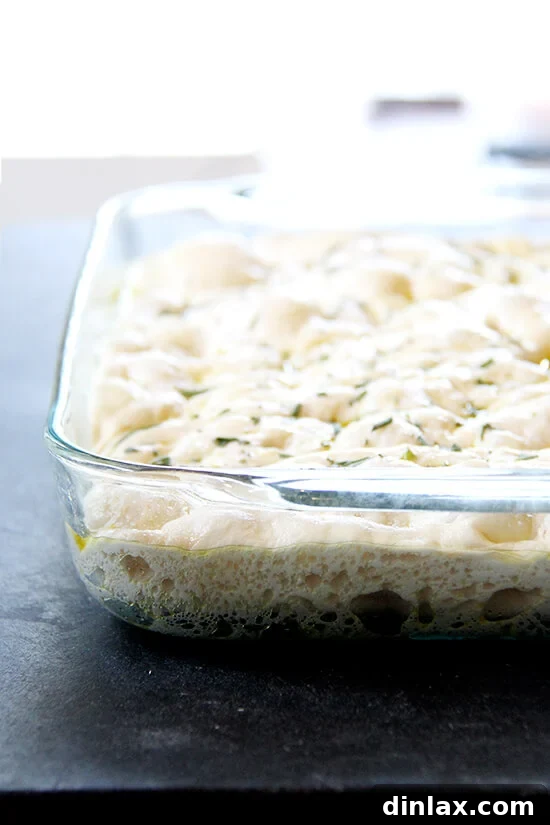
Before heading into the oven, each focaccia was adorned with a scattering of fresh rosemary sprigs and a generous sprinkle of coarse sea salt, enhancing its aromatic profile and providing a delightful textural contrast. The promise of warm, fragrant bread filled the kitchen.
Meanwhile, Marcy, another skilled member of our culinary team, was busy crafting delicate pita bread. The rhythmic kneading and shaping, the way the dough puffs up in the oven, transforming into soft, airy pockets – it’s a beautiful dance of flour and heat, resulting in the perfect accompaniment for all the delicious dips and meats to come.
Amidst all this delicious chaos, Tig, the serene family cat, found a quiet corner for a much-needed nap. Even the pets contribute to the cozy, relaxed atmosphere, providing moments of calm amidst the bustling preparations.

The Spectacle of the Spit: Lamb and Kokoretsi Roasting
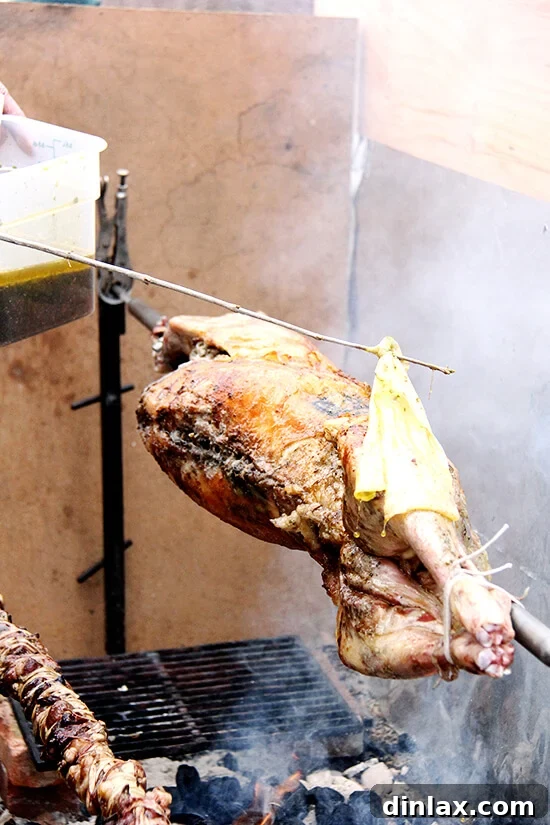
Outside, Uncle Wade returned to the main event, diligently prepping the lamb. Seasoned liberally with garlic, oregano, lemon, and olive oil, the lamb was carefully secured onto the spit, ready for its slow dance over the embers. This preparation is critical, ensuring even cooking and maximum flavor penetration.
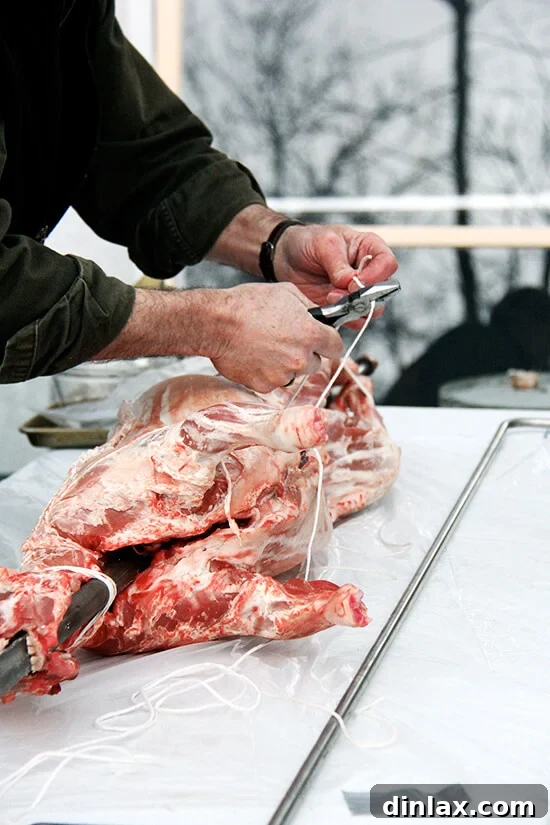
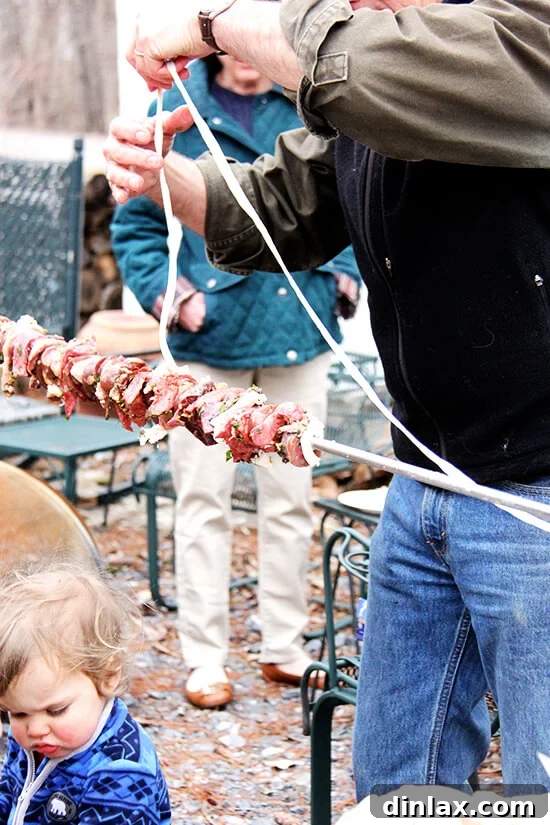
Next came the kokoretsi. The pre-soaked and cleaned intestines, now skillfully wrapped around the seasoned offal, were also threaded onto a smaller spit. The aroma, even before cooking, was distinct and promised a truly authentic taste of Greek tradition. Both spits were then positioned over the glowing coals, marking the official start of the long, delicious wait.
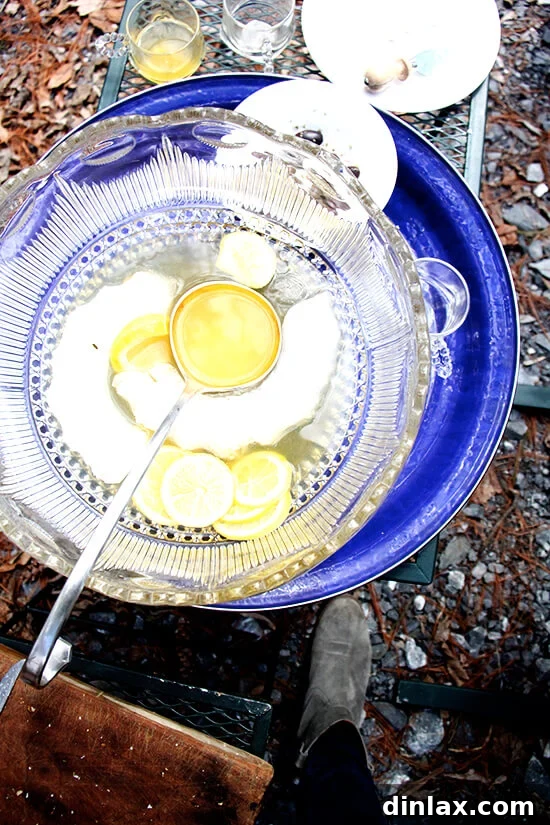
To keep spirits high and thirsts quenched throughout the long roasting process, a generous bowl of refreshing punch was, of course, a staple. Its fruity, zesty notes provided a welcome counterpoint to the rich, smoky scents wafting from the grill.
Throughout the Day: Communal Cooking and Joy
As the hours passed, the celebration unfolded with a natural rhythm. The lamb, slowly turning, required constant attention. Family members took turns basting it with a mixture of lemon juice, olive oil, and herbs, ensuring a crispy, golden skin and unbelievably juicy meat within. This act of shared responsibility further deepened the communal bond.
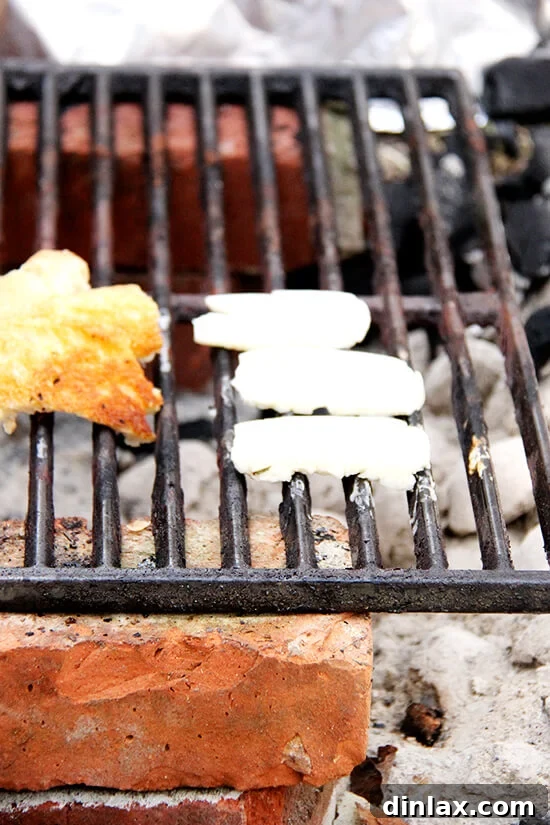
Alongside the main event, various delicious side dishes were being prepared and grilled. Slices of halloumi cheese sizzled on a separate grill, developing a delightful golden crust and a salty, chewy interior – a perfect appetizer to nibble on as the feast progressed.
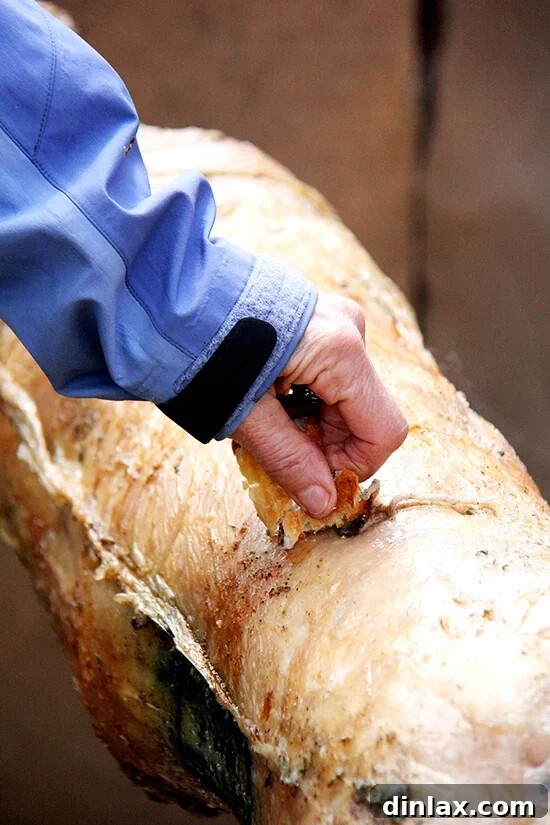
A fascinating tradition observed was the rubbing of fresh focaccia bread across the turning lamb. This practice allows the bread to absorb some of the rich, savory juices and fat from the lamb, creating incredibly flavorful croutons or accompaniments that are utterly irresistible.
The kokoretsi also demanded its share of attention, with family members, including the younger generation like Wren and Ben, taking turns rotating its spit. This hands-on involvement makes the children feel like integral parts of the celebration, passing on traditions through direct experience.

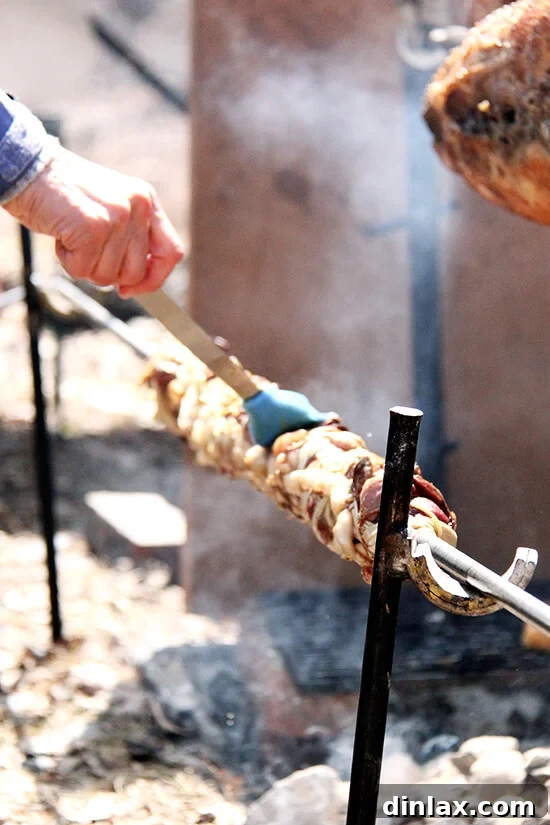
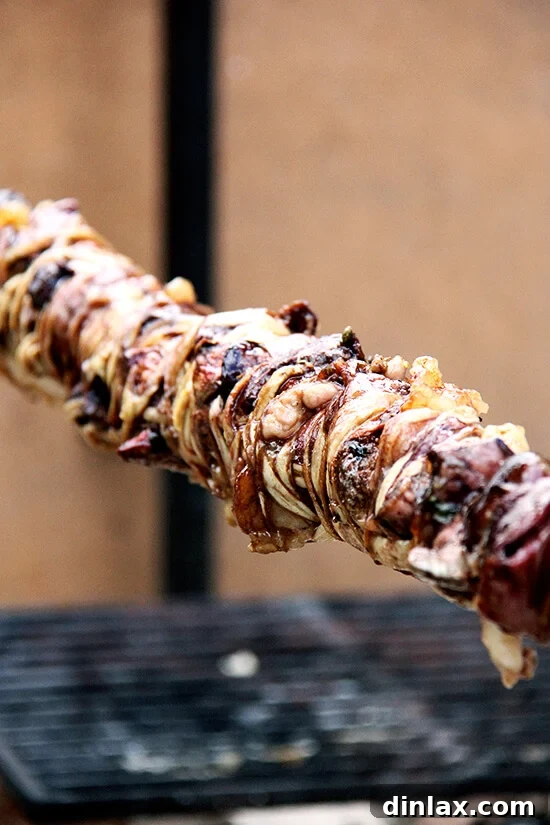
The culinary masterpieces slowly reached their peak perfection. The kokoretsi, a rustic spectacle, was beautifully browned and fragrant, its rich internal flavors melding together. It’s truly a sight to behold and a taste sensation unique to Greek culture.
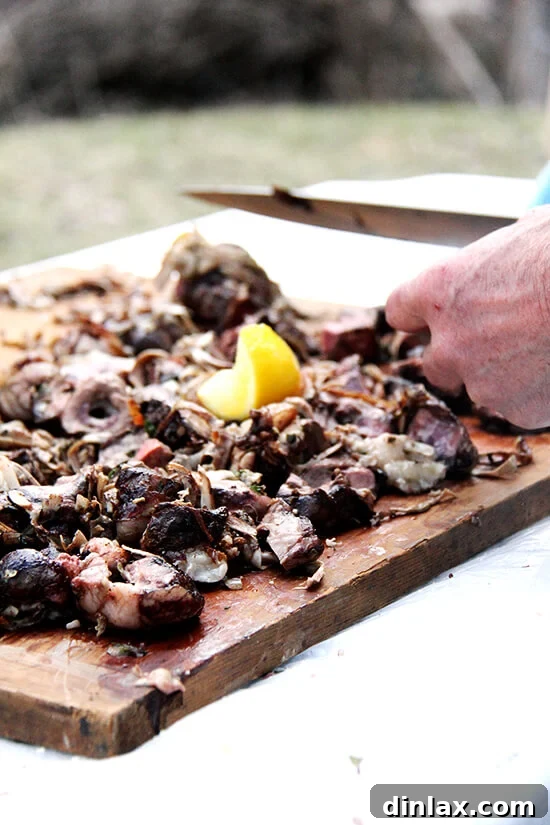
And finally, the lamb. After hours of patient roasting, it emerged from the spit, a magnificent golden-brown, its skin crisp and its meat incredibly tender. It was a true triumph of traditional cooking, ready to be carved and savored by all.
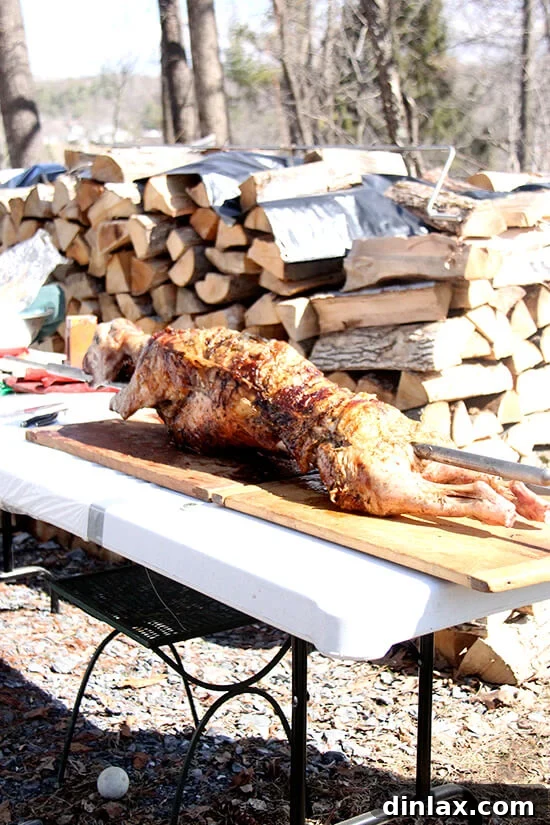
As the aroma of the finished lamb filled the air, the joyous atmosphere was palpable. Ella and Graham, like all the family members present, reveled in the camaraderie and the shared anticipation of the feast.

Moments of Rest and Reflection
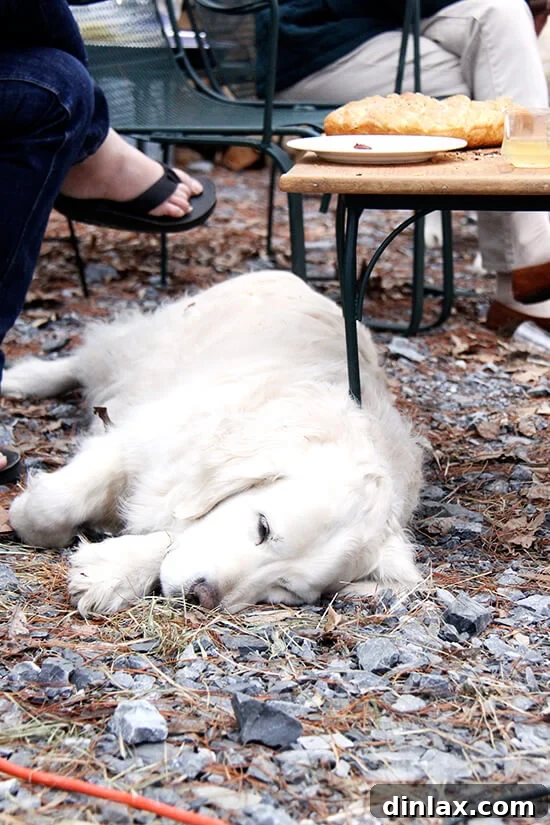
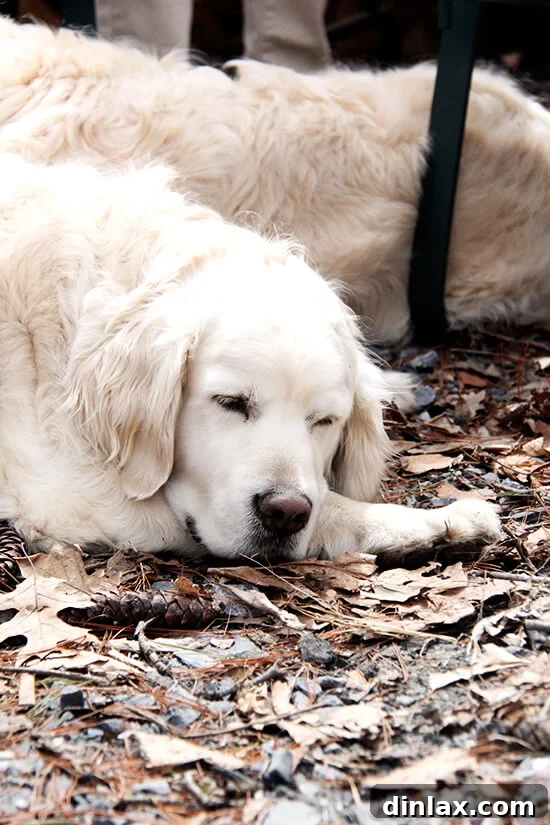
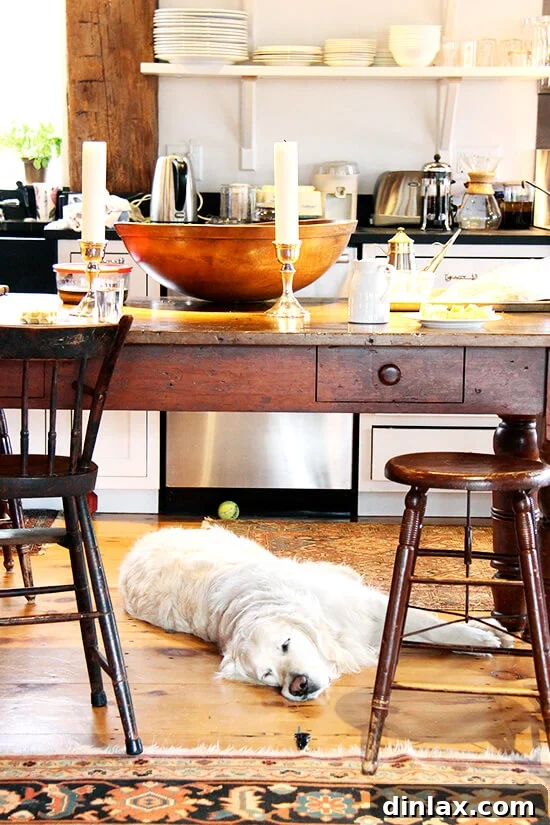
Preparing and celebrating such a grand feast is, admittedly, quite exhausting! By late afternoon, even the most energetic members of the household, especially our furry friends, began to show signs of delightful fatigue. The dogs, having spent the day observing, occasionally participating, and always providing comforting presence, found various spots to curl up for a well-deserved rest.
The Grand Finale: Feasting and Evening Traditions
The Tsougrisma Game: A Symbol of Resurrection
After dinner, with bellies full and hearts content, we gathered for the traditional tsougrisma. The beautifully dyed red eggs, symbols of Christ’s blood and resurrection, were distributed. Laughter and cheers erupted as eggs were tapped, cracked, and declared victors. It’s a simple game, yet it carries profound cultural significance and is an incredibly fun way to cap off the meal, particularly for the children.
Relaxing with Coffee and Companionship
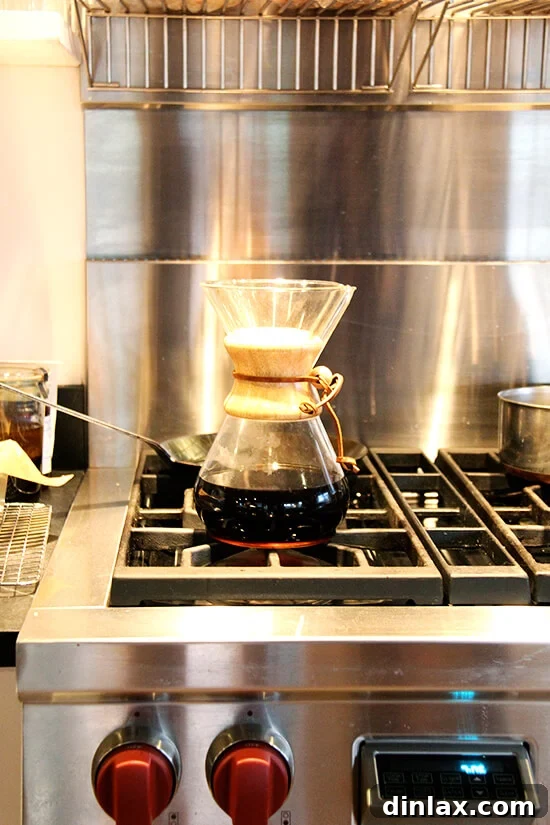
As the evening drew to a close, a calming ritual of brewing coffee began. The elegant Chemex coffee maker provided a soothing counterpoint to the day’s boisterous activities. The methodical process of preparing the coffee, the rich aroma filling the air, and the warmth of a freshly brewed cup offered a perfect opportunity for relaxed conversation and cherished companionship.
It was also an opportune moment for Tig, the newest feline family member, to be properly introduced to Ajax and Argos. The gentle introductions marked another sweet memory made during this special weekend.

Children’s bedtime routines unfolded with playful energy. Wren, with typical childlike exuberance, helped get Tig ready for bed, though it was clear a little fun was still to be had.

Before settling down entirely, Wren made a joyful dash, a fleeting moment of freedom and laughter that perfectly encapsulated the lighthearted end to a monumental day.

A Toast to Tradition: The Metaxa Nightcap
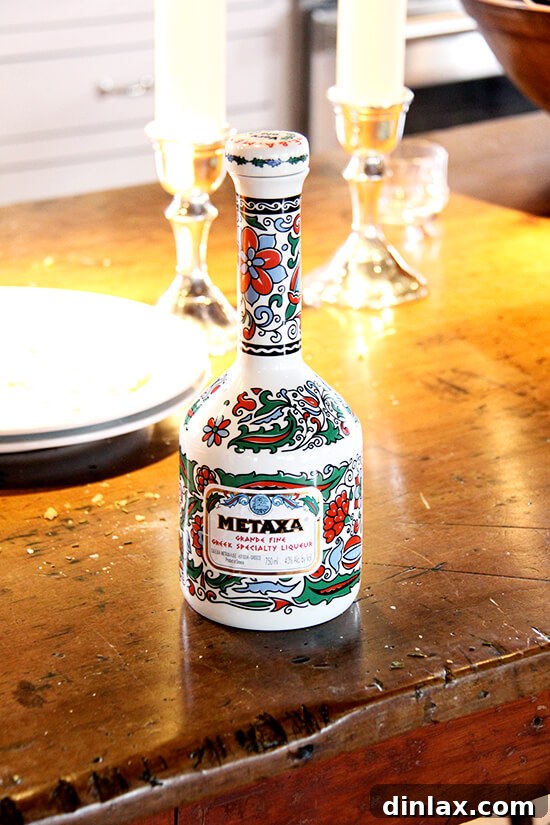
Just before calling it a night, the adults indulged in a final, exquisite tradition: a toast with Metaxa. This unique Greek amber spirit, a blend of brandy, wine, and botanicals, is incredibly smooth and aromatic. It’s a perfect digestif, offering a warm, sweet finish to an evening filled with rich flavors and even richer memories. It’s truly “so, so good,” as the saying goes, and an ideal way to reflect on the blessings of family and tradition.
The Greek Easter Feast Menu: A Culinary Journey
Our Greek Easter feast was a testament to traditional flavors, fresh ingredients, and the joy of home cooking. Here’s a detailed look at the dishes that graced our table:
Grilled Halloumi with Olive Oil, Lemon & Oregano
This simple yet exquisite appetizer features thick slices of halloumi cheese, grilled until golden and slightly softened, then drizzled generously with high-quality olive oil, fresh lemon juice, and dried oregano. While finding halloumi can sometimes be a challenge (our friends found it at Whole Foods, but it can be elusive!), its salty, tangy, and squeaky texture makes it absolutely worth seeking out. A recipe will be provided soon, though its preparation is wonderfully straightforward.
Spanakopita
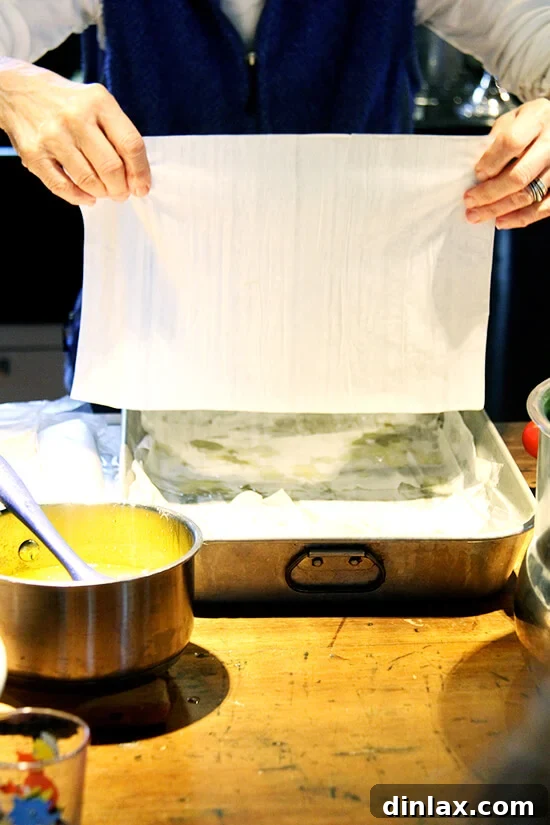
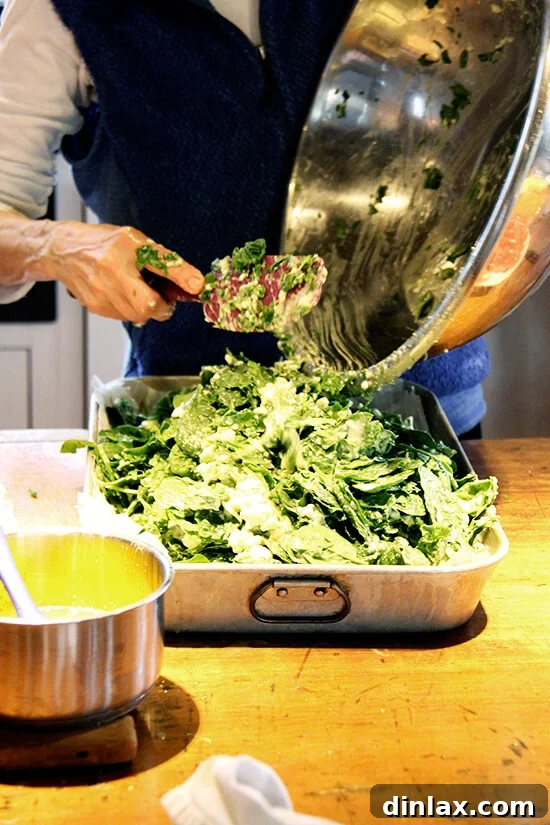
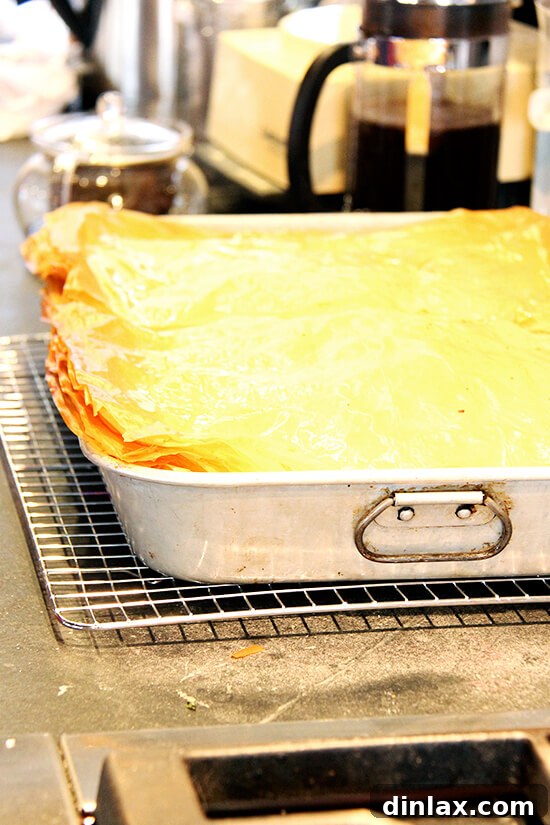
A classic Greek savory pastry, our spanakopita was made with layers of crisp phyllo dough filled with a delicious mixture of spinach, feta cheese, and herbs. This comforting dish is a staple in Greek celebrations, offering a delightful contrast to the rich meats.
Focaccia
Baked using a double recipe of Jim Lahey’s No-Knead Pizza Dough, our focaccia was a revelation. We baked it in three 9×13-inch Pyrex dishes, ensuring a wonderfully thick and airy crumb. Each pan was generously coated with olive oil and topped with fragrant fresh rosemary and coarse sea salt. Baked at around 425°F for 15 to 20 minutes, or until beautifully golden brown, it was the perfect vehicle for soaking up lamb juices or simply enjoying on its own.
Greek Salad
No Greek feast is complete without a refreshing Greek salad. Our version, loaded with ripe tomatoes, crisp cucumbers, red onion, Kalamata olives, and generous blocks of feta cheese, dressed simply with olive oil and red wine vinegar, provided a vibrant and essential counterpoint to the richer dishes.
Lamb on the Spit and Kokoretsi
These two traditional spit-roasted dishes were the undisputed stars of our feast. The lamb, slow-roasted to perfection, was succulent, smoky, and falling off the bone. The kokoretsi offered its unique, deeply savory flavor, a true delicacy for those who appreciate authentic Greek cuisine. The preparation and timing for these dishes are an art form, and if anyone is interested in the intricate details, I would be delighted to gather more specific information from my aunt and uncle.
Red Eggs
The symbolic red eggs were dyed in two distinct ways: some using traditional dyes for vibrant color, and others using a natural method involving onion skins, which produced a darker, more rustic hue. If you’re curious about the natural dyeing process, I can certainly find out the specifics of this age-old technique.
Nigella Lawson’s Boozy Chocolate Loaf Cake
For dessert, we indulged in this rich and decadent chocolate loaf cake. It was so incredibly delicious and perfectly moist, with a hint of boozy warmth, that we ended up making it twice over the weekend! A perfect end to a grand meal.
Metaxa
The evening culminated with glasses of Metaxa, a fine Greek amber spirit. Its smooth, complex flavor, with notes of fruit and spice, provided a luxurious and traditional digestif, a fitting conclusion to a day of abundant food and cherished company.
Conclusion: Cherished Memories of a Greek Easter
Our Greek Easter celebration in Vermont was a beautiful tapestry woven with vibrant traditions, delectable food, and the unwavering warmth of family. From the meticulous preparations of the lamb and kokoretsi to the joyful cracking of red eggs, every moment was infused with cultural significance and shared happiness. It’s a testament to how these ancient customs continue to bring people together, creating unforgettable memories and strengthening bonds across generations. This annual journey to embrace Pascha is more than just a holiday; it’s a reaffirmation of heritage, hospitality, and the simple, profound joy of being together.