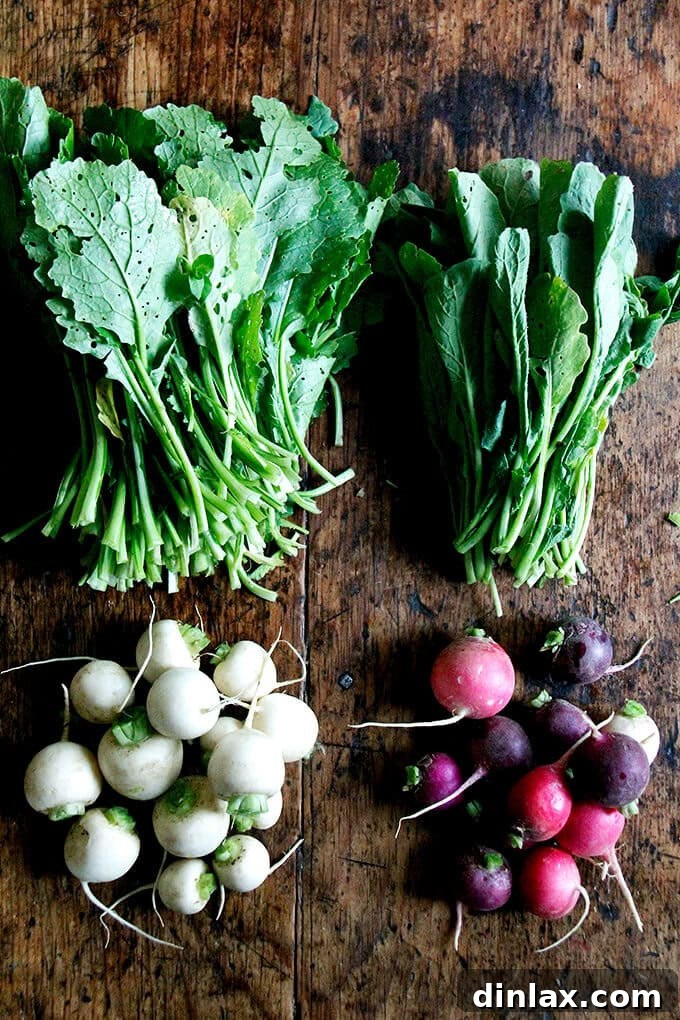
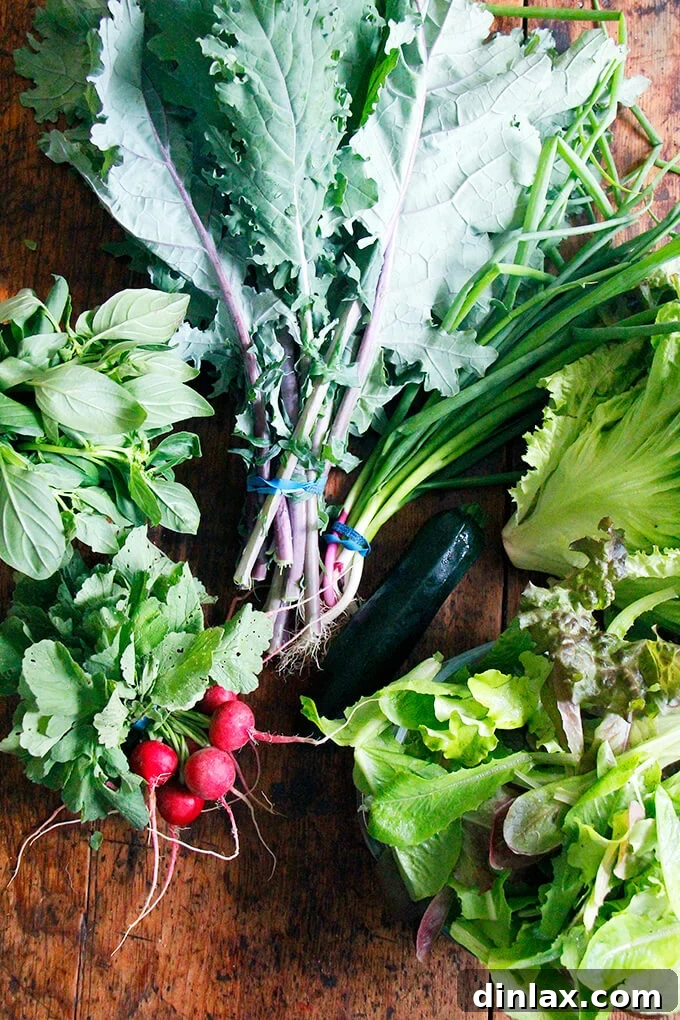
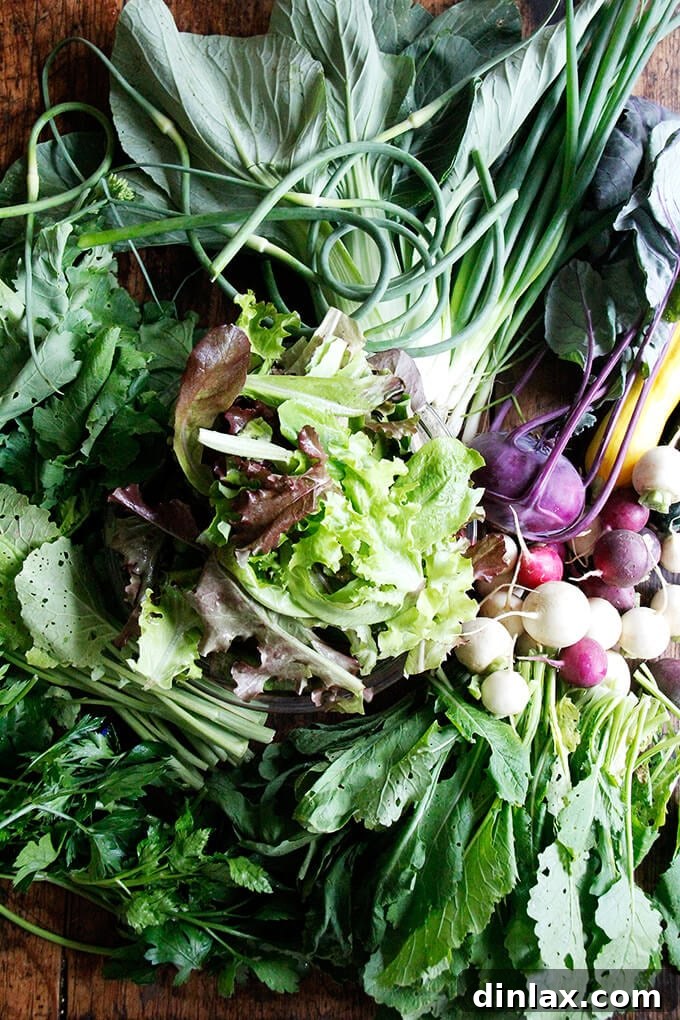
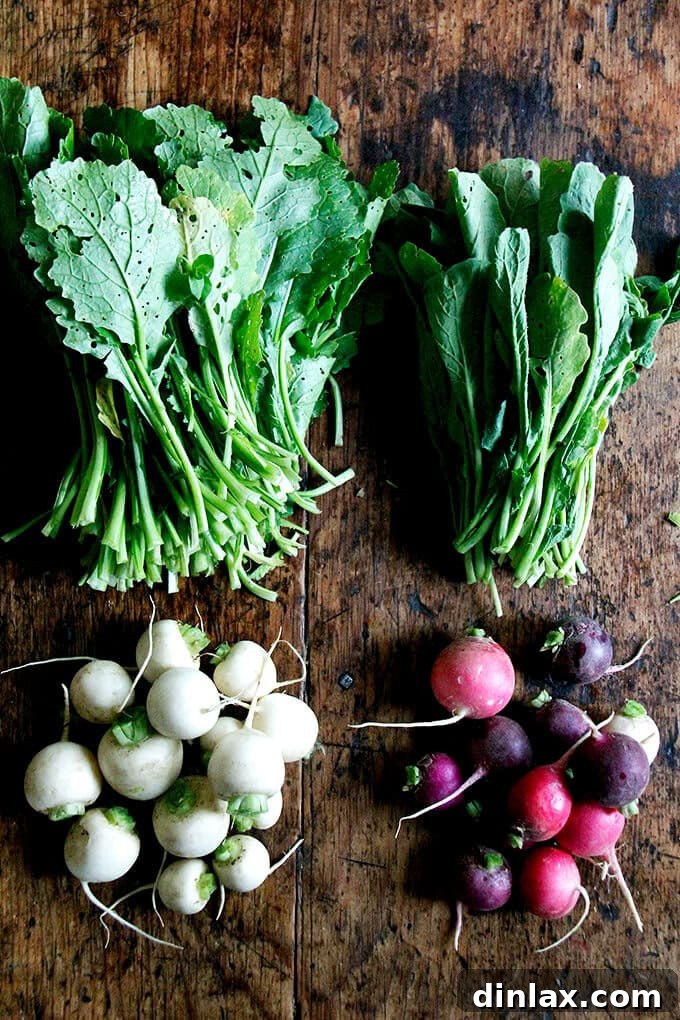
For enthusiasts of farm-fresh flavors and seasonal eating, the arrival of our Roxbury Farm CSA share heralds the most delightful time of the year. The initial weeks of our community-supported agriculture program have already blessed us with an abundance of nature’s finest: vibrant, crisp greens, delightfully peppery radishes, and the most aromatic, delicate herbs. This consistent stream of fresh, locally-sourced produce not only fills our kitchens with incredible ingredients but also deepens our connection to sustainable farming practices and the natural cycles of the growing season.
Embracing a CSA share is an exciting journey into culinary creativity and mindful eating. However, handling a weekly bounty of fresh vegetables can sometimes feel overwhelming, especially when you want to ensure nothing goes to waste. The secret to enjoying every leaf, root, and stem lies in two key areas: proper preparation and storage upon arrival, and a repertoire of versatile recipes designed to highlight these seasonal gems. This comprehensive guide will walk you through essential tips for keeping your produce at its peak freshness and introduce you to a collection of creative recipes that will transform your CSA haul into delicious, nourishing meals.
Mastering Vegetable Storage: Preserve Freshness and Flavor
The journey from farm to fridge is crucial for maintaining the quality of your CSA vegetables. A few simple steps taken immediately after unpacking your share can significantly extend the shelf life of your produce, ensuring your ingredients stay crisp, vibrant, and packed with flavor for days. Implementing these practices will help minimize food waste and maximize your enjoyment of your seasonal bounty.
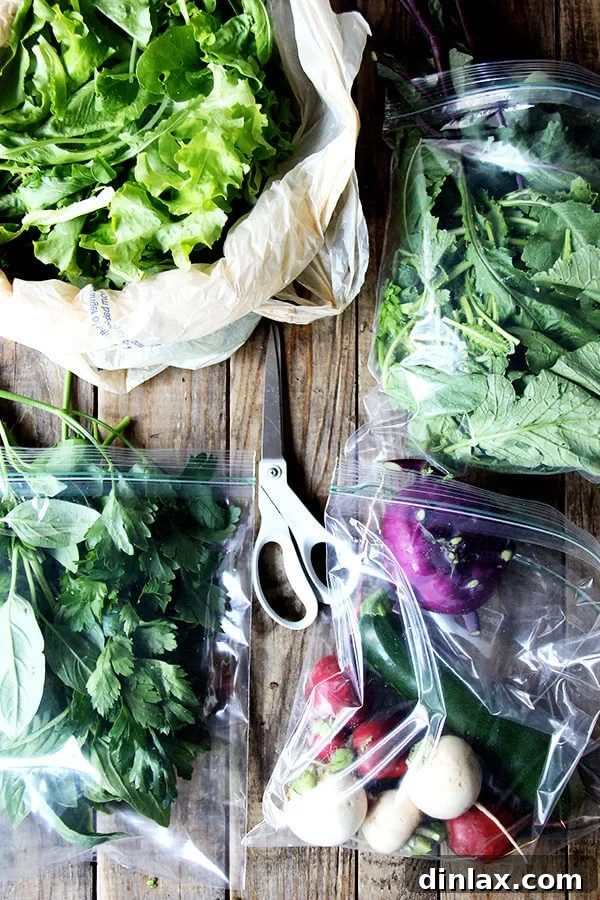
- Always Separate Greens from Roots: This is a golden rule for many root vegetables. Radishes, turnips, kohlrabi, carrots, and beets all come with their leafy tops attached. These greens, while delicious, actively draw moisture away from the roots, causing both the roots and the leaves to wilt prematurely. As soon as you unbox your CSA, snip the greens from the roots. Store the greens separately in a loosely sealed bag (a reusable silicone bag or a breathable produce bag works wonderfully) in your refrigerator’s crisper drawer. The roots can be stored in a similar bag, or for extra crispness, submerged in water in an airtight container, also in the fridge.
- Release Tightly Bound Produce: Rubber bands and tight twist ties, commonly used to bundle herbs, asparagus, or bunches of radishes, can cause damage to delicate stems and restrict vital air circulation. This often leads to bruising and accelerates spoilage. Make it a habit to gently remove all such bindings as soon as you bring your produce home. This simple act allows your vegetables to breathe and prevents unnecessary stress on their structure, keeping them firm and healthy.
- Strategic Herb Storage for Maximum Potency: Herbs are particularly susceptible to improper storage. Basil, being a warm-weather plant, dislikes cold temperatures and will quickly blacken in the fridge. Instead, treat basil like a bouquet of flowers: place its stems in a glass of water on your kitchen counter, away from direct sunlight. Change the water daily. For other herbs like parsley and cilantro, the refrigerator is their friend. Wrap them loosely in a damp paper towel and place them in a sealed bag, or stand them upright in a glass of water covered with a plastic bag before placing them in the fridge. This keeps them hydrated and prevents wilting and browning.
- Gentle Washing and Drying (When Appropriate): While washing produce right before use is often recommended, certain sturdy greens, such as kale or Swiss chard, can benefit from a gentle wash and thorough drying (with a salad spinner or clean towel) prior to storage. This can save prep time later. However, ensure they are completely dry to prevent moisture-induced mold and rot. More delicate items like mixed lettuces are best washed just before you plan to eat them to maintain their fragile texture.
- Leverage Your Crisper Drawers: Your refrigerator’s crisper drawers are designed with adjustable humidity controls for a reason. High-humidity settings are ideal for most leafy greens, preventing them from drying out too quickly. Low-humidity settings are better for fruits and vegetables that emit ethylene gas, which can cause other produce to ripen or spoil faster. Understanding and utilizing these settings can create optimal microclimates for different types of produce, significantly extending their freshness.
Innovative Recipes: Transform Your CSA Greens and Root Vegetables
Once your beautiful CSA bounty is properly prepped and stored, the culinary adventure truly begins. The early weeks of a farm share often feature an abundance of diverse greens and crunchy root vegetables. Instead of letting any of this precious produce go unused, embrace its versatility with these delicious and essential recipes. From comforting pasta dishes to vibrant tartines, these ideas will help you utilize every part of your turnip greens, radish tops, kale, broccoli rabe, and the roots themselves.
- Weeknight Carbonara Loaded with Greens: This recipe is an absolute lifesaver during peak CSA season and might just become your new favorite weeknight meal. It’s a remarkably simple yet profoundly satisfying pasta dish that cleverly incorporates a hefty amount of fresh greens. Whether you have turnip greens, radish greens, kale, broccoli rabe, spinach, or Swiss chard, they all wilt beautifully into the rich, creamy, and eggy carbonara sauce. The subtle bitterness or earthiness of the greens provides a wonderful counterpoint to the indulgent pasta, creating a well-balanced and incredibly tasty dish that’s both hearty and surprisingly quick to prepare. It’s the perfect solution for turning an overflowing greens basket into a family favorite.
- Fried Greens Meatless Balls: For those seeking a truly creative and resourceful way to use up a substantial quantity of greens, these meatless balls are a revelation. They offer a delightful texture and a robust flavor profile, making them an excellent vehicle for less common greens like collards or mature kale. Serve them with your favorite pasta and marinara, tuck them into a warm pita, or enjoy them as a unique appetizer with a tangy dipping sauce. This recipe is a fantastic way to prevent food waste, offering a delicious vegetarian option that will surprise and impress with its flavor and versatility.
- Shallot Vinaigrette for Delicate Lettuces: When your CSA share includes tender, delicate mixed greens, a simple yet sophisticated dressing is often all that’s needed to let their fresh flavors shine. A bright, zesty shallot vinaigrette is the perfect accompaniment. I recently enjoyed a wonderful 10-minute, no-cook summer meal featuring these delicate greens, along with thinly sliced scallions and crunchy radishes and turnips, all lightly tossed in this exquisite dressing. The vinaigrette’s sharp, aromatic notes beautifully complement the subtle sweetness and occasional bitterness of the greens and the crisp texture of the root vegetables, making for an incredibly refreshing and flavorful dish ideal for warmer evenings.
- Simple Refrigerator Pickles: Beyond merely slicing them into salads, pickling offers a fantastic method to transform and preserve radishes and turnips. Pickled radishes and turnips develop a wonderfully tangy, slightly sweet flavor while retaining their satisfying crunch, making them an addictive addition to almost any meal. They’re excellent on sandwiches, tacos, grain bowls, or simply enjoyed straight from the jar. This simple pickle formula is a culinary superpower for any CSA member, allowing you to easily put up a vibrant, flavorful condiment from an abundant harvest, and it works equally well for kohlrabi.
- Turnip Burgers: If you’re looking for an adventurous and wholesome way to use a generous supply of turnips, these turnip burgers are an unexpected delight. These flavorful, plant-based patties showcase the unique, earthy, and slightly sweet notes of turnips in a completely new light. They make for a satisfying vegetarian main course, offering a delicious alternative to traditional burgers and proving just how versatile these humble root vegetables can be in creative cooking.
- Anchovy Butter: The Ultimate Flavor Enhancer: While we delve into the full recipe for our exquisite tartines below, it’s essential to highlight the transformative power of anchovy butter. This savory, umami-rich compound butter is a culinary secret weapon. It instantly elevates everything from a simple slice of toast to roasted vegetables, and it’s particularly phenomenal when paired with the crisp, peppery bite of radishes and turnips. Beyond the tartines, consider spreading it on grilled corn, tossing it with hot pasta for an instant flavor boost, or melting it over pan-seared steak. Discover more inspiring ways to use radishes here, many of which can be enhanced by this incredible butter.
- A Treasure Trove of Herb Recipes: Your CSA share isn’t just about vegetables; the fresh herbs are equally valuable! From aromatic basil to fragrant parsley, fresh herbs are the soul of countless dishes. Explore a curated collection of herb-focused recipes here that will inspire you to incorporate these vibrant aromatics into every meal. Learn how to craft pestos, infuse oils, make flavorful marinades, or simply use them as a delicate finishing touch, ensuring no sprig goes to waste.
- Versatile Kale Creations: Kale, a nutrient-dense powerhouse, is a common feature in early CSA shares. Its robust nature makes it incredibly versatile. Transform a bunch into your Favorite Kale Salad by massaging it until tender and dressing it with a zesty vinaigrette. For a wholesome and satisfying meal any time of day, a Crustless Quiche Loaded with Kale is an excellent option, packing serious nutritional benefits into a delicious and easily customizable form.
We are constantly inspired by the creativity within our community! What innovative and delightful dishes are you crafting with the latest vegetables from your CSA share? Share your culinary adventures and favorite seasonal recipes with us in the comments below!


Print Recipe

Radish or Turnip Tartines with Anchovy Butter
5 Stars 4 Stars 3 Stars 2 Stars 1 Star
5 from 2 reviews
Description
These elegant and surprisingly flavorful tartines feature crisp, peppery radishes or mild, earthy turnips generously spread over toasted bread with a rich, umami-packed anchovy butter. They make for a perfect light lunch, sophisticated appetizer, or a delightful snack, showcasing the fresh bounty of your CSA farm share. The recipe for the anchovy butter is adapted from The New Greenmarket Cookbook, ensuring a delicious and fresh-market inspired dish.
Ingredients
For the Anchovy Butter:
- 1 stick (1/2 cup) unsalted butter, softened
- 6 anchovy fillets, finely minced (about 1.5 teaspoons)
- 1 large scallion, minced (white and light green parts)
- 1 tablespoon fresh dill or basil and parsley, minced (use what’s fresh from your garden or CSA)
- 1 garlic clove, finely minced
- Pinch of sea salt and freshly ground black pepper, to taste
- 1 tablespoon fresh lime or lemon juice
For the Tartines:
- Good quality rustic bread, sliced and lightly toasted
- Thinly sliced fresh radishes or turnips (or a mix of both)
- Flaky sea salt, such as Maldon, for finishing
Instructions
- Prepare the Anchovy Butter: In a small bowl, combine the softened unsalted butter with the finely minced anchovy fillets, minced scallion, minced fresh herbs (dill, basil, or parsley), and minced garlic clove. Mix thoroughly with a fork until all ingredients are well incorporated and the butter is evenly flavored. Add a pinch of sea salt and freshly ground black pepper, then stir in the fresh lime or lemon juice. Taste and adjust seasoning as necessary; the natural saltiness of the anchovies may mean you need less added salt.
- Assemble the Tartines: Take your slices of good quality rustic bread and lightly toast them to your preferred crispness. While still warm, spread a generous layer of the prepared anchovy butter evenly over each slice. Arrange the thinly sliced radishes or turnips (or both) neatly on top of the buttered bread. Finish with a sprinkle of flaky sea salt, such as Maldon, to enhance the flavors and add a delightful crunch. Serve immediately and enjoy the fresh, savory combination!