Mastering Homemade Pesto: Your Ultimate Guide to Versatile & Flavorful Sauces
There’s a magical alchemy that happens when fresh ingredients transform into a vibrant, aromatic sauce. Pesto, with its rich history and irresistible flavor, is one such culinary marvel. While many associate pesto exclusively with basil, pine nuts, and Parmesan, the truth is far more exciting: homemade pesto can be crafted from an astonishing array of ingredients, limited only by your imagination and what’s fresh in your kitchen.
Forget the notion that you need specific herbs, nuts, or cheeses. No basil? No pine nuts? No Parmesan? Absolutely no problem! This guide will empower you to create exquisite, custom pesto sauces that not only elevate your meals but also help reduce food waste by utilizing those forgotten herbs in your fridge. Dive into the world of truly versatile pesto, where every batch is a delightful experiment in flavor.
The Unsung Hero: Why Homemade Pesto is a Must-Have in Your Kitchen
In a world of convenience, choosing homemade over store-bought can sometimes feel like a daunting task. However, when it comes to pesto, the difference is night and day. Homemade pesto offers an unparalleled freshness and depth of flavor that simply cannot be replicated by its jarred counterparts. The vibrant green hue, the pungent aroma of fresh garlic, the nutty undertones, and the sharp salinity of cheese combine into a symphony of taste that instantly elevates any dish.
Beyond the superior taste, crafting your own pesto provides complete control over the ingredients. This means you can tailor it precisely to your dietary needs, preferences, or what you have on hand. Want a nut-free option? Easy. Prefer a dairy-free version? Absolutely achievable. Moreover, making pesto from scratch is incredibly satisfying and surprisingly quick, often taking just minutes in a food processor. It’s not just a sauce; it’s a fresh condiment, a flavor booster, and a testament to the power of simple, wholesome ingredients.
Unlocking Pesto’s Potential: Beyond Basil and Pine Nuts
While the classic Ligurian pesto (made with basil, pine nuts, Parmesan, garlic, and olive oil) holds a special place in our hearts, the world of pesto is vast and wonderfully diverse. Understanding the fundamental components allows you to substitute and experiment, creating unique flavor profiles that are equally delicious.
Embracing Diverse Herbs and Greens
The “green” component of pesto is your canvas for flavor. Basil offers a sweet, peppery aroma, but don’t stop there:
- Cilantro & Parsley: Often found together, these two herbs lend a fresh, herbaceous, slightly peppery kick. They are fantastic for a brighter, more vibrant pesto that pairs well with Mexican or Middle Eastern-inspired dishes.
- Arugula: For those who love a bit of a bite, arugula pesto delivers a distinct peppery, slightly bitter note that’s incredibly sophisticated. It’s wonderful with roasted vegetables or as a pizza base.
- Kale & Spinach: Health-conscious? Leafy greens like kale and spinach can form the base of a hearty, earthy pesto. Blanching kale briefly before processing can soften its texture and reduce bitterness.
- Chives & Scallions: For a milder, oniony flavor, chives or the green parts of scallions can create an interesting twist, especially for savory applications.
- Mint: A small addition of mint can brighten a basil pesto or create a refreshing sauce for lamb or spring vegetables.
Exploring a World of Nuts
Nuts provide texture, richness, and depth. Pine nuts are traditional, but they can be expensive. Fortunately, many alternatives work beautifully:
- Almonds: A fantastic all-rounder, almonds (especially blanched or lightly toasted) lend a creamy texture and a subtle, sweet flavor. They are often what people have on hand, making them a convenient choice.
- Walnuts: For an earthier, slightly bitter profile, walnuts are an excellent substitute. They create a robust pesto that stands up well to stronger flavors.
- Hazelnuts: These nuts contribute a sweet, buttery richness, perfect for a more gourmet pesto experience. Lightly toasting them enhances their flavor.
- Pecans: Similar to walnuts but often sweeter, pecans add a comforting, warm note.
- Cashews: For an incredibly creamy and subtly sweet pesto, cashews are a great option, especially if you’re aiming for a dairy-free version, as they blend wonderfully smooth.
The Cheese Factor: Salty and Savory
A hard, salty cheese is crucial for pesto’s characteristic umami. Parmigiano Reggiano is king, but here are other great choices:
- Pecorino Romano: Made from sheep’s milk, Pecorino offers a sharper, saltier, and tangier flavor than Parmesan, giving your pesto a bold kick.
- Grana Padano: A close cousin to Parmigiano, Grana Padano is slightly milder and less crumbly, yet still delivers that essential savory depth.
- Manchego: A Spanish sheep’s milk cheese, Manchego can introduce a distinct, nutty, and slightly grassy flavor to your pesto.
- Asiago: Either fresh or aged, Asiago provides a pungent, nutty, and sometimes fruity note that works well in diverse pesto blends.
For those avoiding dairy, nutritional yeast can provide a cheesy, umami flavor, though it won’t replicate the texture perfectly.
The Essential Pesto Formula
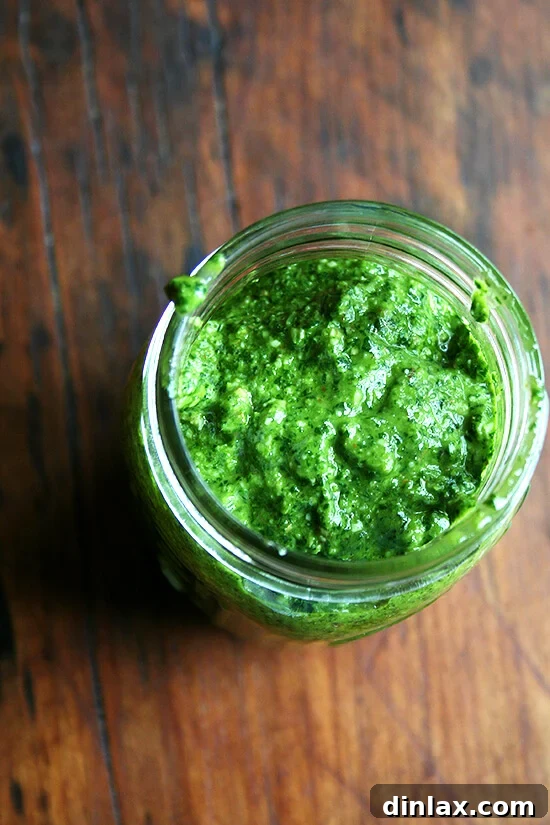
No matter your chosen ingredients, the basic formula for homemade pesto remains consistent: a generous quantity of fresh greens, a handful of nuts, a couple of garlic cloves, a hard salty cheese, a touch of acid (usually lemon juice), and a good quality olive oil, seasoned with salt and pepper. This framework allows for endless creativity.
Crafting Your Perfect Pesto: A Step-by-Step Guide for Flavorful Results
Making fresh pesto is surprisingly straightforward, relying mostly on your food processor and your taste buds. This method ensures a perfectly blended, aromatic sauce every time.
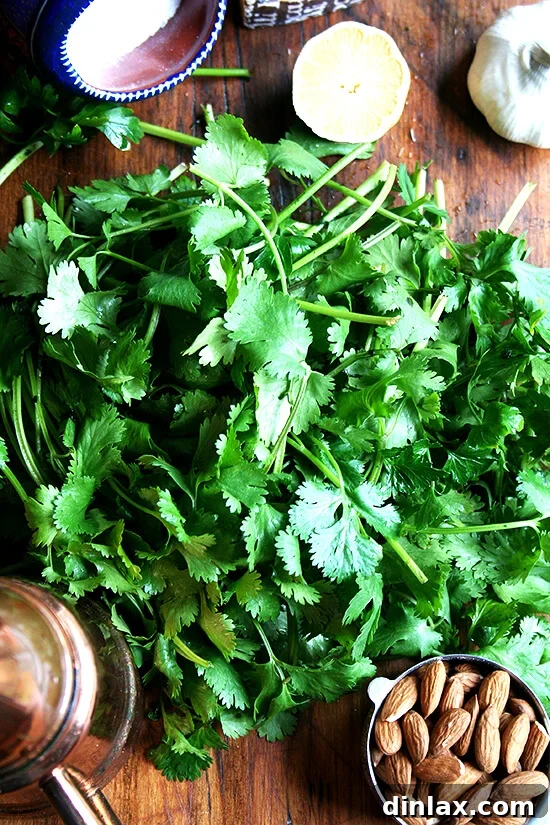
- Gather Your Greens and Main Ingredients: Start with approximately 3 to 4 cups of your chosen fresh herbs or greens, such as basil, cilantro, parsley, chives, arugula, or spinach. Ensure they are thoroughly rinsed and dried. Measure out 1/2 cup of your preferred nuts (pine nuts, almonds, walnuts, hazelnuts) and grate 1/2 cup of a hard, salty cheese (Parmigiano Reggiano, Pecorino Romano, or Manchego). Have two cloves of peeled garlic ready, along with half a lemon for juicing (yielding 1-2 tablespoons), and 1/2 cup of good quality olive oil.
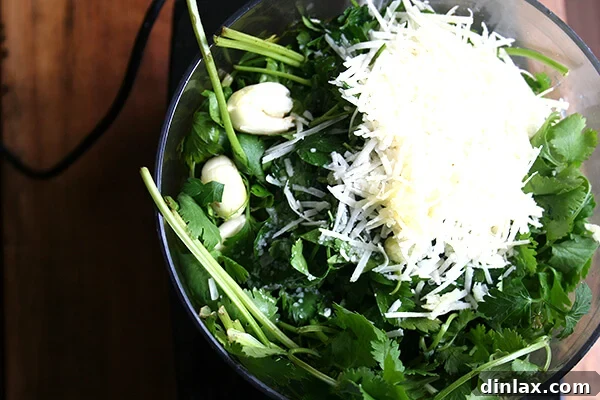
- Prepare the Aromatics and Solids: Place the garlic cloves and the nuts into the bowl of your food processor. Pulse several times until they are finely chopped but not yet a paste. This initial step helps to break down the harder ingredients evenly.
- Introduce the Greens and Seasoning: Add your chosen herbs or greens to the food processor. Include the grated cheese, about 3/4 teaspoon of kosher salt, and a generous amount of freshly cracked black pepper.
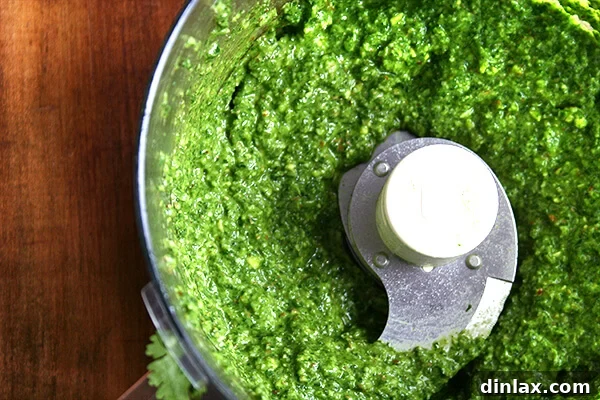
- Process and Emulsify with Olive Oil: Begin to pulse the mixture. As the ingredients start to combine, slowly drizzle in the 1/2 cup of olive oil through the feed tube while the processor is running. Continue to process until the mixture reaches your desired consistency – typically smooth but with a slight texture from the nuts and herbs. Avoid over-processing, which can warm the oil and diminish the fresh flavor.
- Season and Adjust to Perfection: Once blended, stop the processor and taste the pesto. This is where your intuition comes in! Add the fresh lemon juice to brighten the flavors and adjust the salt and pepper as needed. If it feels too thick, a tiny bit more olive oil can be added. If it lacks zing, a bit more lemon or salt can do wonders. Pulse again briefly to incorporate any adjustments. The goal is a balanced flavor that hits all the right notes: fresh, garlicky, nutty, salty, and a hint of acidity.
Transforming Meals with Pesto: Creative & Delicious Serving Ideas
Once you’ve mastered your homemade pesto, the culinary possibilities are endless. It’s truly a versatile condiment that can elevate countless dishes beyond the traditional:
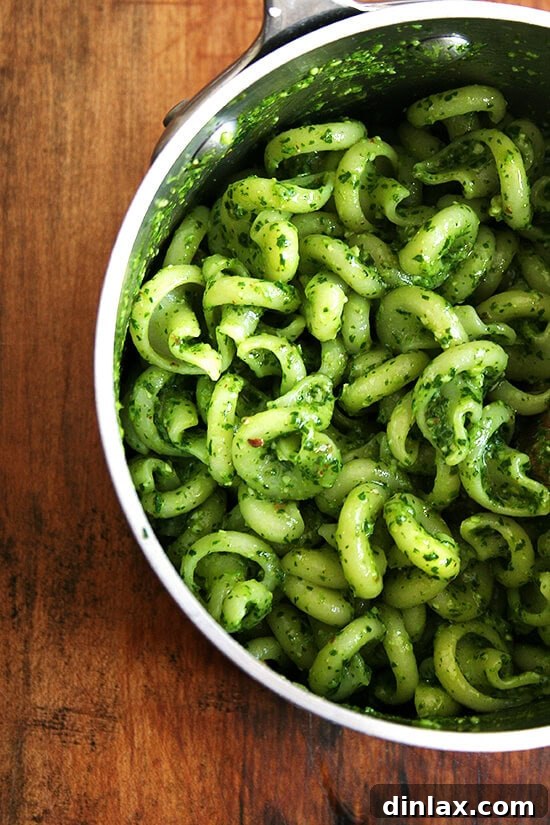
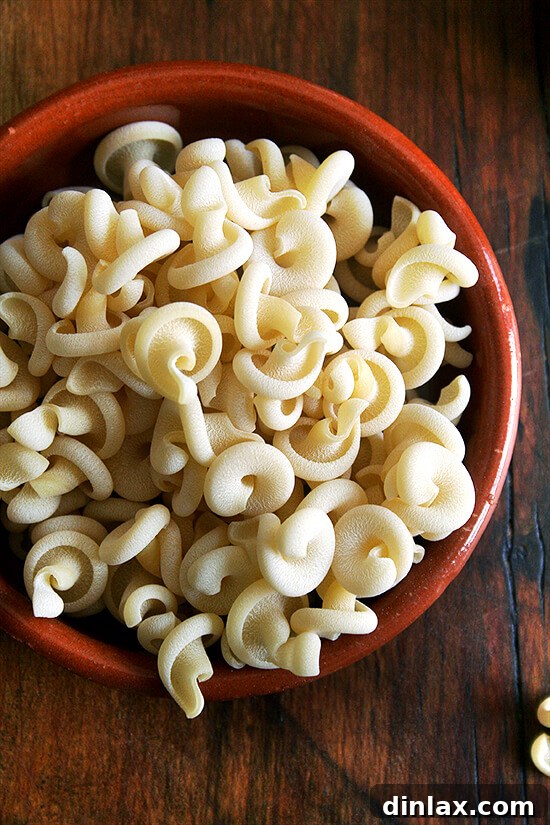
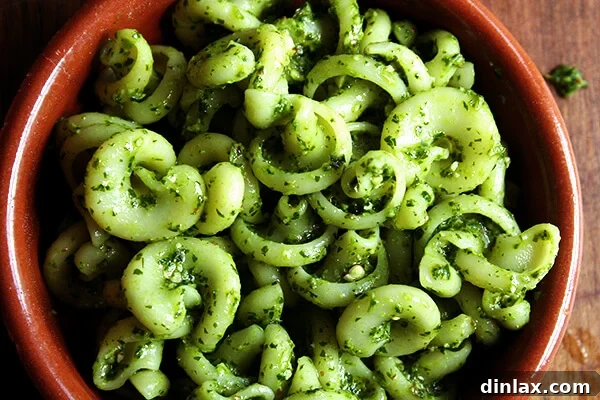
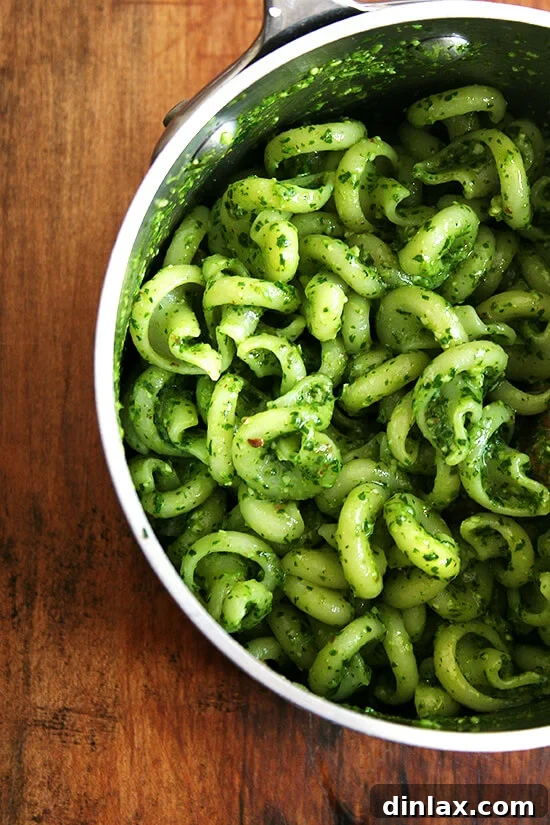
- Pesto Pasta: A Classic Reimagined: The most iconic use, and for good reason. Toss your freshly cooked pasta with a generous spoonful of pesto, adding a splash of pasta cooking water to create a silky, emulsified sauce. Experiment with different pasta shapes like gemelli or orecchiette that catch the sauce beautifully. Top with extra grated cheese if desired.
- Pizza Perfection: A Green Base: Swap out your traditional tomato sauce for a thin layer of pesto on your pizza crust. Pair it with fresh mozzarella, cherry tomatoes, and perhaps some grilled chicken or vegetables for a gourmet pizza experience.
- Elevated Sandwiches and Wraps: Spread pesto generously on bread, ciabatta, or tortillas for an instant flavor boost. It pairs wonderfully with turkey, chicken, fresh vegetables, or even just sliced tomatoes and mozzarella.
- Vibrant Salads and Dressings: Whisk pesto with a little extra olive oil, vinegar (balsamic or red wine), and a touch of honey for a unique salad dressing. Alternatively, dollop it directly onto green salads, grain bowls, or roasted vegetable salads.
- Beyond the Basics: Meats, Fish, and Veggies: Use pesto as a marinade for chicken, fish, or shrimp before grilling or baking. Spoon it over grilled salmon, steak, or roasted potatoes for an explosion of flavor. It’s also fantastic stirred into scrambled eggs or spread on toast.
- Unexpected Delights: Soups, Eggs, and Dips: A spoonful of pesto swirled into a vegetable soup or minestrone adds incredible depth. Mix it into mayonnaise or Greek yogurt for a quick dip or spread. It’s also an excellent complement to bruschetta or crostini.
Preserving Pesto Perfection: Freezing and Storage Tips for Lasting Freshness
One of the greatest advantages of making your own pesto is its incredible freezer-friendliness. This allows you to prepare large batches when herbs are abundant and save that fresh taste for months to come. It’s also a fantastic way to rescue those past-prime herbs from withering away in the fridge, giving them a delicious second life.
Here’s how to freeze pesto effectively, ensuring you always have a burst of summer flavor at your fingertips:
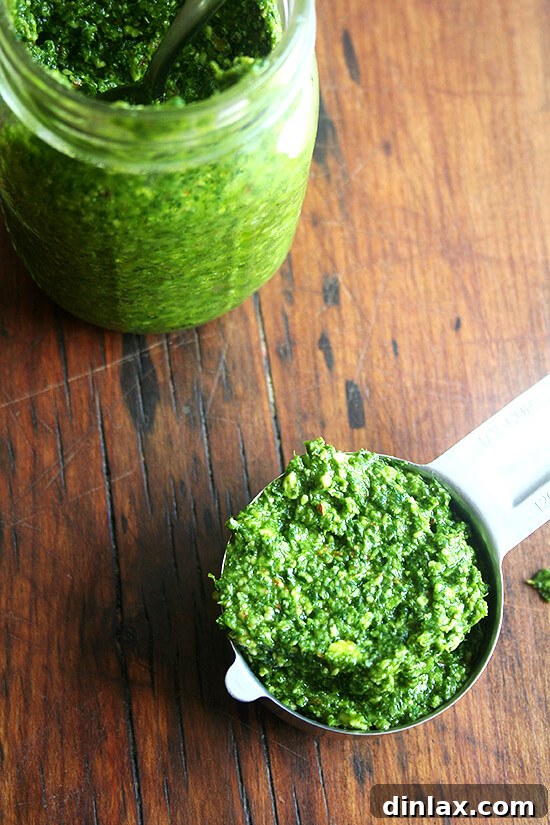
- Portioning for Convenience: Spoon your freshly made pesto into ice cube trays or other small, freezer-safe vessels. This method creates individual portions that are easy to thaw and use as needed. For larger quantities, small airtight containers work well.
- Freezing Solid: Place the ice cube trays or containers in the freezer until the pesto is completely solid. This usually takes a few hours.
- Long-Term Storage: Once frozen, pop the pesto cubes out of the trays. Transfer them to an airtight freezer bag or a vacuum-sealed container. This prevents freezer burn and helps maintain flavor and color. Store in the freezer indefinitely – it will retain its quality for up to 6-9 months.
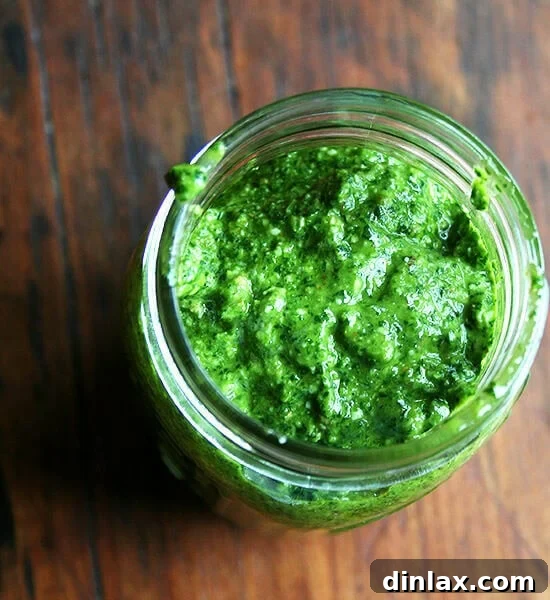
To prevent discoloration (oxidation) when storing pesto in the refrigerator or freezer, it’s best practice to smooth the surface of the pesto and pour a thin layer of olive oil over the top before covering tightly. This creates a barrier against air, keeping your pesto vibrant green. When ready to use, simply thaw the desired number of cubes or portions and enjoy the taste of fresh summer, anytime.
Often, I’ll discover bunches of tired herbs, typically cilantro and parsley, neglected in my vegetable bins. A quick refresh in cold water, followed by trimming any slimy strands, and they’re ready to be transformed. I’ll typically buzz them in the food processor with almonds (which I always have on hand) and some grated Pecorino. Once you grasp the simple formula, you’ll find yourself intuitively combining ingredients, tasting, and adjusting with salt, pepper, and lemon until your pesto hits all the desired notes.
PS: For a truly abundant batch, don’t miss our Large Batch Basil Pesto recipe.
Print
Simple, Fresh Homemade Pesto Sauce with Pasta
5 Stars 4 Stars 3 Stars 2 Stars 1 Star
No reviews
Author: Alexandra Stafford
Total Time: 20 minutes
Yield: 2 cups pesto; 2 servings pasta 1x
Description
This recipe provides a flexible framework for crafting delicious homemade pesto, easily adaptable to a variety of herbs, nuts, and cheeses you have on hand. It’s an excellent way to use up fresh garden produce or revitalise tired fridge finds. The result is a vibrant, flavorful sauce that’s far superior to anything store-bought.
Adapted from The Garden of Eden. If you’re looking to make a large quantity of pesto, follow this recipe: Large Batch Basil Pesto
Ingredients
For the versatile homemade pesto sauce:
- 3 to 4 cups fresh herbs or greens, such as basil, cilantro, parsley, chives, arugula, kale, or spinach, thoroughly rinsed and dried
- 1/4 cup to 1/2 cup nuts, like almonds, walnuts, pine nuts, or hazelnuts (can be lightly toasted for enhanced flavor)
- 2 cloves fresh garlic, peeled
- Juice of 1/2 lemon (1 to 2 tablespoons), for brightness
- 3/4 teaspoon kosher salt, or to taste
- Freshly cracked black pepper, to taste
- 1/2 cup high-quality extra virgin olive oil
- 1/2 cup grated hard salty cheese, such as Parmigiano Reggiano, Pecorino Romano, or Grana Padano
For the delicious pesto pasta:
- 1/2 lb. dried pasta, such as gemelli, orecchiette, or penne
- 1/4 to 1/2 cup freshly made pesto sauce (adjust to your preference)
- 1/2 cup reserved pasta cooking water
- Extra Parmigiano Reggiano or Pecorino, for serving (optional)
Instructions
- Make the Pesto Sauce: In the bowl of a food processor, combine the garlic and nuts. Pulse until finely chopped. Add the herbs/greens, grated cheese, lemon juice, kosher salt, and freshly cracked black pepper. While pulsing, slowly drizzle in the olive oil through the feed tube until the mixture is nicely blended and reaches your desired consistency. Taste and adjust seasoning as necessary, adding more salt, pepper, or lemon juice to balance the flavors. Set aside.
- Cook the Pasta: Bring a large pot of generously salted water to a rolling boil. Add the pasta and cook according to package directions until al dente. Before draining, reserve approximately 1/2 cup of the starchy pasta cooking water. Drain the pasta thoroughly.
- Combine Pasta and Pesto: Return the drained pasta to the empty pot or a large mixing bowl. Add 2 tablespoons of the reserved pasta cooking liquid back into the pot. Place the pot over medium-high heat (if using the same pot). Bring the liquid to a gentle simmer, then add 1/4 cup of the fresh pesto sauce. Stir vigorously with the hot water until the pesto emulsifies and forms a creamy sauce. Add the cooked pasta to the pot and stir/toss until every strand is beautifully coated. Taste the pasta; if you desire more flavor, add additional pesto, one tablespoon at a time, until it tastes perfect to you.
- Serve and Enjoy: Serve the pesto pasta immediately. Offer extra grated Parmigiano Reggiano or Pecorino Romano on the side for guests to sprinkle over their portions, if desired.
Notes
To Prevent Discoloration: When storing leftover pesto in the refrigerator or freezer, it is best to smooth the surface of the pesto in its container and then pour a thin layer of olive oil over the top. This acts as a barrier, preventing air from oxidizing the pesto and helping it retain its vibrant green color. Cover tightly and refrigerate for up to a week, or freeze as directed in the article above for longer storage.
- Prep Time: 10 minutes
- Cook Time: 10 minutes
- Category: Condiment, Sauce, Pasta Dish
- Method: Food Processor, Sauté
- Cuisine: American, Italian, Mediterranean