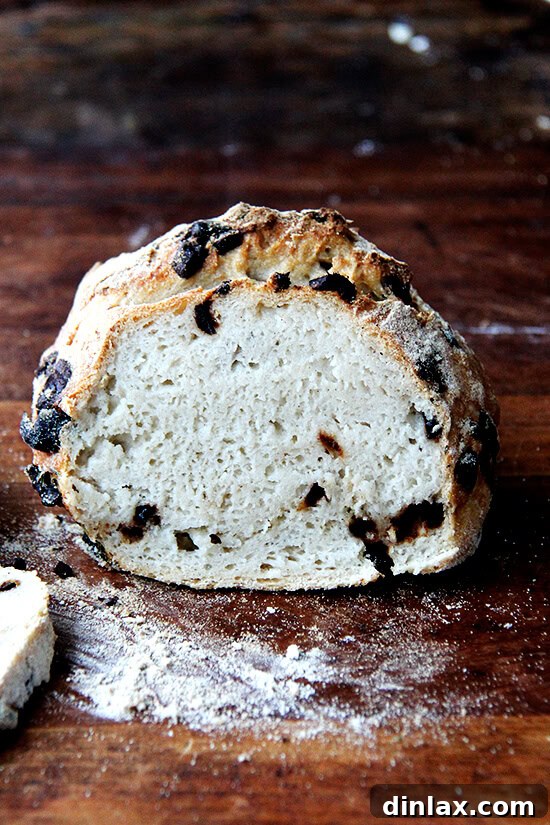
Unveiling the Secret to Easy Gluten-Free Artisan Bread in Five Minutes a Day
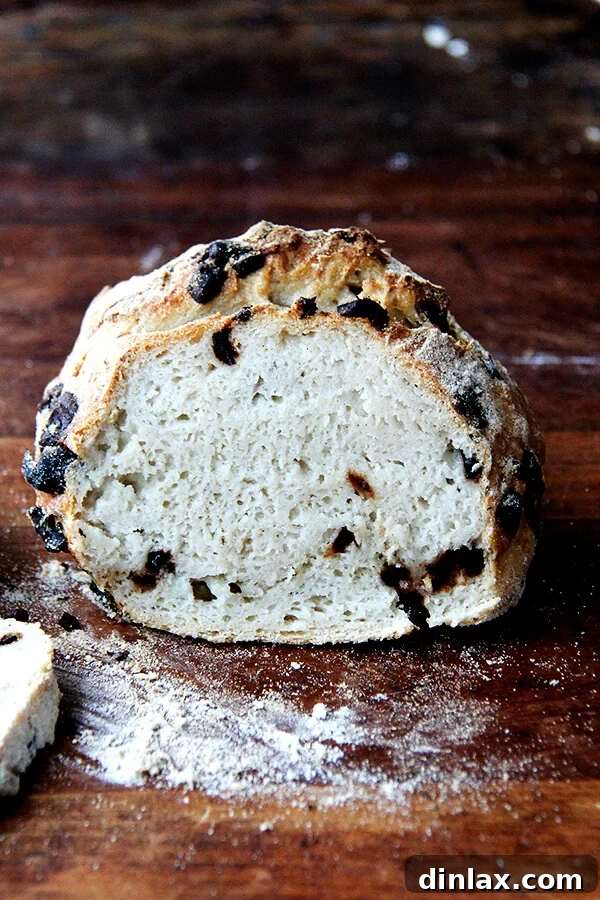
Good morning, baking enthusiasts and wellness seekers!
Today marks an exciting collaboration as I have the distinct pleasure of guest posting on my dear friend Phoebe’s critically acclaimed and award-winning blog, Feed me Phoebe. Phoebe’s platform is renowned for its insightful culinary content, and I couldn’t be more thrilled to share a topic that resonates deeply with so many: the magic of preparing Gluten-Free Artisan Bread in Five Minutes a Day. This revolutionary method has transformed the way countless individuals approach bread making, and its gluten-free adaptation is nothing short of a revelation for those navigating dietary restrictions without compromising on taste or quality.
For anyone who has ever yearned for the aroma of freshly baked bread filling their home but felt daunted by the time commitment or the complexities of gluten-free baking, this approach offers a liberating solution. We’re talking about achieving a crusty, flavorful, and remarkably simple loaf with just minutes of active preparation each day. It’s a game-changer for busy households, gluten-intolerant individuals, and anyone who appreciates the wholesome goodness of homemade bread.
The Quest for Perfect Gluten-Free Bread: A Baker’s Journey
The journey to finding truly satisfying gluten-free bread can often feel like a culinary odyssey. Many commercial gluten-free breads, while convenient, often fall short in texture, flavor, and freshness. They can be dense, crumbly, or possess an off-putting taste, leaving gluten-free consumers longing for the chewy, airy interior and crisp crust of traditional artisan loaves. The challenge lies in replicating the structural properties that gluten provides – elasticity, extensibility, and the ability to trap gas, creating that coveted open crumb structure. Without gluten, bakers must meticulously balance various alternative flours, binders, and hydration levels to achieve a comparable result.
Why Go Gluten-Free? Understanding the Dietary Landscape
The reasons individuals choose or need to adopt a gluten-free diet are diverse and deeply personal. For some, it’s a medical necessity, such as those diagnosed with Celiac Disease – an autoimmune condition where gluten consumption damages the small intestine. For others, it’s a matter of non-celiac gluten sensitivity, where they experience uncomfortable symptoms like digestive issues, fatigue, or brain fog after consuming gluten, even without the autoimmune response of Celiac Disease. Then there are those who simply choose a gluten-free lifestyle for perceived health benefits, seeking to reduce inflammation or improve overall well-being. Regardless of the motivation, the demand for delicious, high-quality gluten-free alternatives continues to grow, making innovations like the “Artisan Bread in Five Minutes a Day” method incredibly valuable.
Introducing the Revolutionary “Artisan Bread in Five Minutes a Day” Method
The original “Artisan Bread in Five Minutes a Day” concept, pioneered by Jeff Hertzberg and Zoë François, revolutionized home baking by introducing a no-knead, high-hydration dough that could be mixed in minutes and stored in the refrigerator for up to two weeks. This brilliant method allows bakers to pull off a small piece of dough, shape it, and bake it on demand, ensuring a fresh loaf whenever the craving strikes. The beauty of this technique lies in its simplicity: the long, slow fermentation in the fridge develops flavor, while the minimal handling creates an open, rustic crumb. It democratized artisan bread, making it accessible to even the busiest of home cooks who previously thought baking fresh bread daily was an impossible dream.
The core principle is brilliantly straightforward: combine flour, water, yeast, and salt. A brief mix, a bulk rise, and then straight into the fridge. No arduous kneading, no complex proofing schedules. Just a simple dough that waits patiently for you to transform it into a magnificent loaf. This effortless approach has garnered a loyal following, changing the perception of bread baking from a labor-intensive chore to a delightful, everyday possibility.
Mastering Gluten-Free with the Five-Minute Method
Adapting this ingenious method for gluten-free baking required thoughtful consideration of how gluten-free flours behave. Gluten, a protein composite, is responsible for the elasticity and extensibility of dough, providing structure and allowing bread to rise. Without it, dough can be dense, brittle, and difficult to work with. However, the “Artisan Bread in Five Minutes a Day” principles — particularly the high hydration and minimal handling — translate surprisingly well to gluten-free flours, especially when combined with the right binders and flour blends.
The Science Behind Gluten-Free No-Knead
Gluten-free baking relies on a clever combination of ingredients to mimic gluten’s structural role. Often, a blend of different gluten-free flours (like rice, sorghum, tapioca, cornstarch, or almond flour) is used to achieve a balanced flavor and texture profile. Crucially, binders such as xanthan gum or psyllium husk powder are incorporated. These ingredients absorb moisture and provide the necessary elasticity and structure that gluten would otherwise offer, helping the dough hold its shape and trap the gases produced by yeast. The higher hydration levels often recommended for gluten-free doughs in this method also contribute to a softer crumb and prevent the bread from becoming too dry or crumbly.
Essential Gluten-Free Flour Blends
Success in gluten-free artisan bread often hinges on the right flour blend. A balanced blend typically combines a protein-rich flour (like sorghum or brown rice flour) for structure, a starchy flour (like tapioca or potato starch) for tenderness and elasticity, and sometimes a nut or seed flour for flavor and nutrient density. Many commercial gluten-free all-purpose flour blends are available, but home bakers can also create their own custom mixes. Experimenting with different combinations can lead to truly unique and delicious results, allowing you to tailor the bread to your specific taste preferences and dietary needs.
Hydration is Key for Gluten-Free Dough
One of the golden rules for the “Artisan Bread in Five Minutes a Day” method is high hydration, and this is even more critical for gluten-free versions. Gluten-free flours tend to be thirstier than wheat flours, and a wetter dough helps prevent the final product from being dry and crumbly. The extra moisture also contributes to a more open crumb and a better crust. While it might feel counterintuitive to work with such a sticky dough, trust the process – the high hydration is a secret weapon in achieving that desirable artisan quality in your gluten-free loaves.
The Unbeatable Benefits of Homemade Gluten-Free Artisan Bread
Embracing the “Artisan Bread in Five Minutes a Day” method for gluten-free baking brings a host of advantages that extend far beyond simply having bread in the house. It’s about elevating your culinary experience and taking control of your dietary choices.
Freshness and Flavor Unmatched
The most immediate and obvious benefit is the sheer delight of fresh bread. The ability to bake a small, warm loaf whenever you desire means you’re always enjoying bread at its peak. The slow, cold fermentation in the refrigerator develops complex flavors that store-bought breads simply cannot replicate. The difference in taste and aroma is truly remarkable – a sensory experience that elevates any meal.
Customization at Your Fingertips
Homemade means customizable. Want to add some toasted seeds for extra crunch? A sprinkle of herbs for an aromatic touch? Perhaps some sun-dried tomatoes or olives for a Mediterranean twist? With this method, you are the master of your loaf. You can experiment with different mix-ins, create various shapes, or adjust the crust’s darkness, truly making the bread your own. This level of personalization is almost impossible to achieve with store-bought options.
Health and Transparency: Knowing What’s In Your Bread
For those with dietary concerns, making your own gluten-free bread provides invaluable peace of mind. You control every ingredient, ensuring there are no hidden additives, preservatives, or cross-contamination issues that can sometimes be a concern with commercial products. This transparency is crucial for managing Celiac Disease or severe gluten sensitivities, allowing you to enjoy a staple food confidently and safely.
Economic Advantage: Saving Money in the Long Run
While the initial cost of gluten-free flours might seem higher, baking your own bread with this method can be significantly more cost-effective in the long run compared to regularly purchasing premium gluten-free loaves from the store. A batch of dough can yield multiple loaves, making fresh, delicious, and safe gluten-free bread an affordable luxury.
Simple Steps to Your First Loaf (General Overview)
While the full recipe and detailed instructions are best found in the “Artisan Bread in Five Minutes a Day” gluten-free cookbook, here’s a general overview of the effortless process:
Mixing and Resting: The Initial Phase
The process begins with a quick mix of your chosen gluten-free flour blend, water, yeast, and salt. No fancy equipment is needed – a large bowl and a sturdy spoon will suffice. Once combined, the dough undergoes a bulk fermentation, typically at room temperature for a couple of hours, allowing the yeast to become active and start developing flavor. After this initial rise, the dough is ready for refrigeration.
Storage and Longevity: Keeping Dough in the Fridge
The magic happens in the fridge. The large batch of dough is stored in a covered container, where it can happily reside for up to two weeks (or even longer, depending on the specific recipe). This cold fermentation slows down the yeast activity but dramatically enhances the flavor and texture of the bread. It means you don’t have to mix a new batch of dough every time you want fresh bread; it’s always ready and waiting.
Shaping and Baking Techniques: From Fridge to Oven
When you’re ready to bake, simply pull off a piece of the cold dough, gently shape it (minimal handling is key for gluten-free dough), and let it rest for a short period. Then, it’s straight into a preheated oven, ideally with a baking stone or a Dutch oven, to achieve that coveted artisan crust. The cold dough hitting the hot surface creates steam, which contributes to a beautiful, crackly crust and a soft, airy interior. This streamlined baking process is what makes daily fresh bread a reality.
Beyond the Basic Loaf: Creative Gluten-Free Possibilities
The versatility of the gluten-free “Artisan Bread in Five Minutes a Day” dough extends far beyond just simple loaves. With the same basic dough, you can explore a myriad of other delicious creations. Imagine crafting gluten-free dinner rolls for a special meal, slender baguettes for a cheese board, or even a quick and delicious pizza crust for a homemade pizza night. This method empowers you to be creative in the kitchen, offering an endless array of possibilities for delicious, homemade gluten-free baked goods without the usual fuss and complexity.
Unlock More Secrets and a Special Giveaway on Feed Me Phoebe!
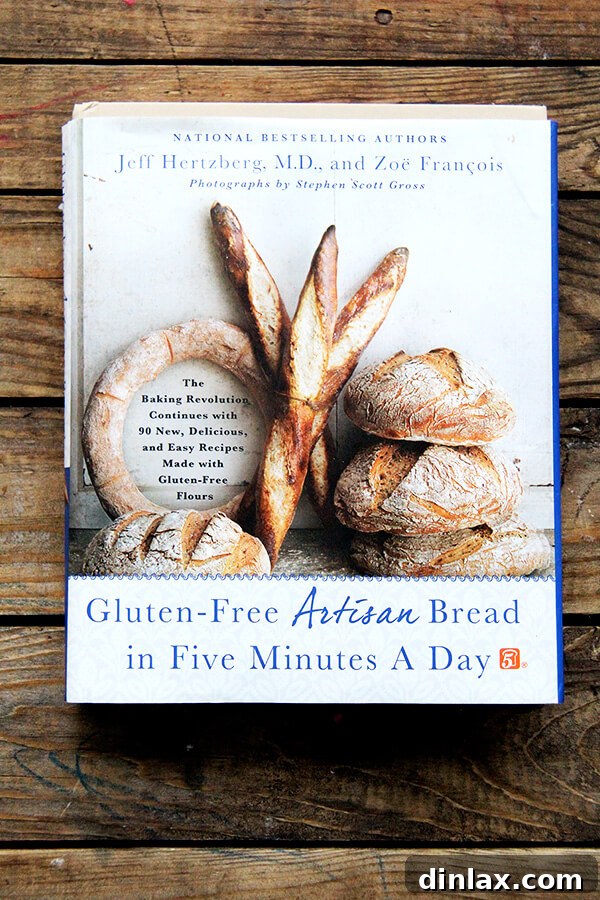
I hope this deep dive into the world of gluten-free artisan bread has piqued your interest and shown you just how attainable truly delicious homemade gluten-free bread can be. This method is a game-changer, removing the intimidation factor from baking and inviting everyone to experience the joy of fresh, wholesome bread. To learn even more about this fantastic approach, get specific recipes, and understand the nuances of gluten-free dough, I wholeheartedly encourage you to visit my guest post on Phoebe’s fantastic blog.
PS: And here’s an extra treat for you! There is a fantastic giveaway happening over at Feed Me Phoebe. Don’t miss this opportunity to potentially win some amazing baking resources that will further enhance your gluten-free culinary adventures. Check it out and enter for your chance to win!
Embrace the simplicity, savor the flavor, and rediscover the pure pleasure of baking your own gluten-free artisan bread, five minutes at a time. Happy baking!