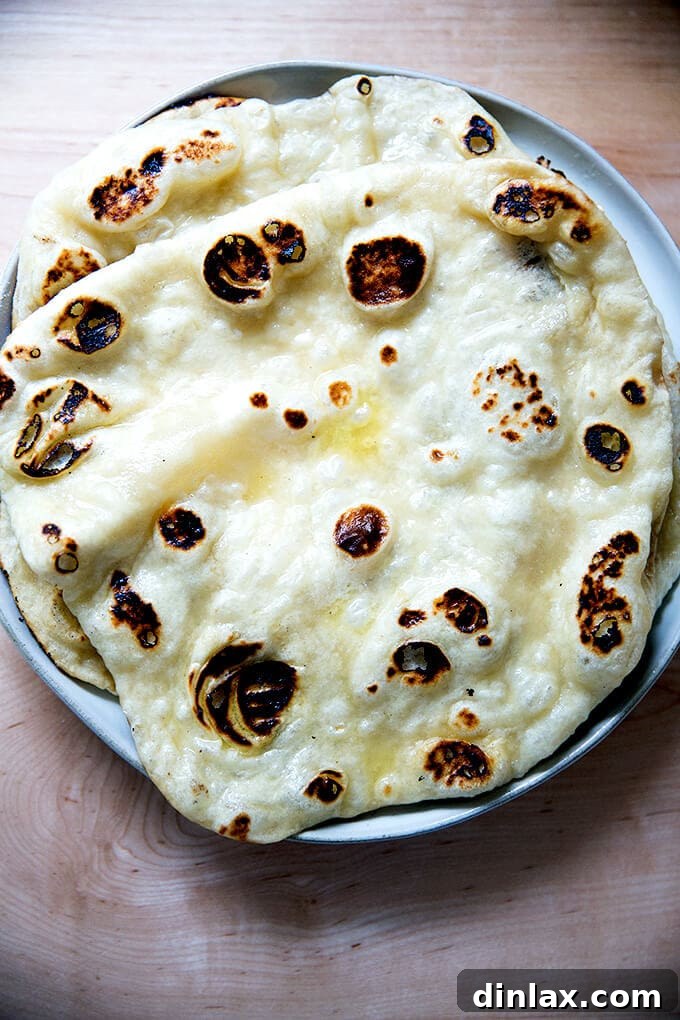
Unleash the aroma of freshly baked bread in your kitchen with this incredibly simple, no-knead naan recipe. Forget complicated techniques and endless kneading; this guide empowers you to create irresistibly soft and tender naan using just five essential ingredients. Perfect for busy weeknights or a relaxed weekend feast, homemade naan will elevate any meal from ordinary to extraordinary.
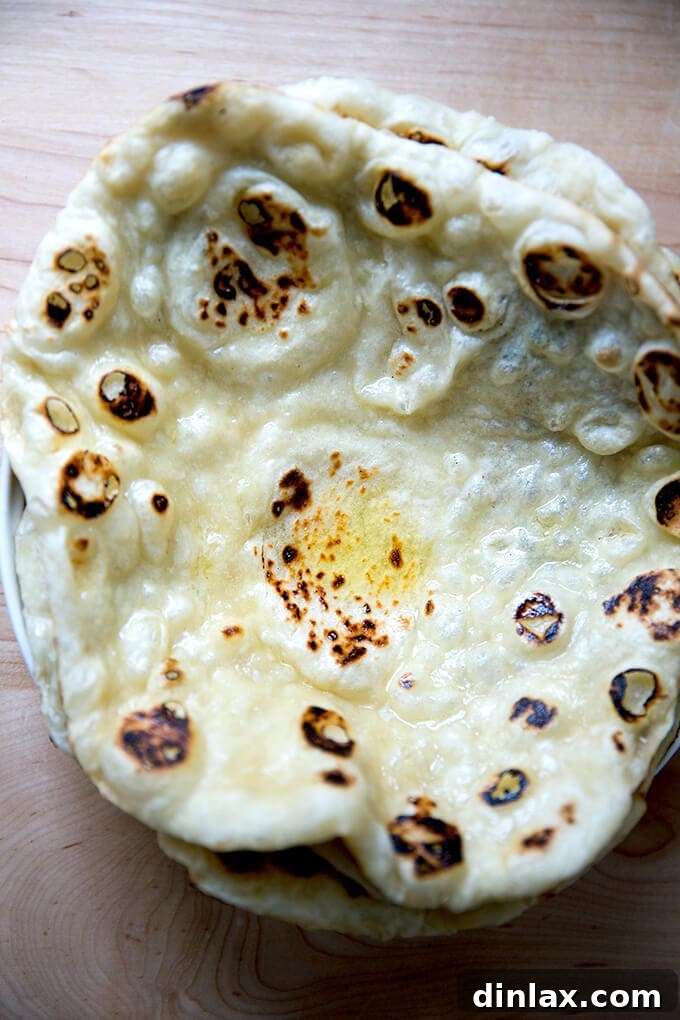
The Art of Effortless Naan: Simplicity at Its Best
While countless naan recipes exist, I’ve discovered a profound preference for the purest and most straightforward approach. This method relies on only five fundamental ingredients: all-purpose flour, kosher salt, instant yeast, creamy Greek yogurt, and warm water. It’s a testament to how minimal ingredients can yield maximum flavor and an incredibly tender texture. The inclusion of yogurt is more than just a flavor enhancer; it’s the secret to naan’s characteristic softness and subtle tang, providing both moisture and a delicate acidity that transforms the dough.
You might be surprised to learn what this recipe omits. There’s no need for oil, eggs, baking powder, or baking soda. For this particular yeasted naan, these additions are simply unnecessary and can sometimes overcomplicate a process that thrives on simplicity. The beauty of this recipe lies in its elegant brevity, proving that extraordinary results don’t require an extensive ingredient list.
The entire process is remarkably simple and fits perfectly into a busy schedule. The no-knead dough comes together in minutes, requiring minimal effort from your hands. After a short rise of just over an hour, it’s ready to be portioned, effortlessly rolled out, and cooked. Traditionally, naan originates from the Indian subcontinent and is baked in a high-heat tandoor, a cylindrical clay oven. However, for home cooks, a hot cast-iron skillet on your stovetop perfectly mimics the intense heat of a tandoor, delivering beautifully puffed and slightly charred naan in under two minutes per piece. This efficient cooking method means fresh, hot naan is always within easy reach.
PS: Craving more homemade bread? Try our Easy, Homemade Pita Bread Recipe!
Why This No-Knead Naan Recipe Stands Out
Many home bakers shy away from bread making, intimidated by the perceived complexity of kneading. This no-knead naan recipe completely eliminates that barrier. The magic lies in allowing time and yeast to do the heavy lifting, developing the gluten structure naturally. This results in a dough that is not only incredibly easy to manage but also produces a wonderfully soft and airy bread, a characteristic often associated with long, arduous kneading processes. It’s the perfect entry point for beginners and a beloved staple for experienced bakers looking for a quick and reliable recipe.
The Unsung Hero: Greek Yogurt
Greek yogurt plays a pivotal role in achieving the signature texture and flavor of this naan. Its higher fat content contributes to a rich, tender crumb, while its acidity helps to break down gluten, resulting in a remarkably soft dough. This acidity also subtly activates the yeast, giving the naan a lovely depth of flavor that complements a wide range of dishes. Furthermore, yogurt adds essential moisture, ensuring the naan stays pliable and fresh even after cooling. If you don’t have Greek yogurt on hand, plain full-fat yogurt or even buttermilk can be suitable substitutes, though you might need to slightly adjust the liquid content to maintain the desired dough consistency.
Mastering the Stovetop Tandoor
Replicating the intense heat of a traditional tandoor is key to achieving that characteristic puff and slight char on your naan. A well-seasoned cast-iron skillet is your best friend here. Its ability to retain and distribute high heat evenly creates the perfect environment for rapid cooking. When placed on the scorching hot surface, the dough quickly expands, trapping steam and creating those beautiful bubbles and soft, chewy pockets. Covering the skillet briefly during cooking helps to trap steam, ensuring the naan cooks through and puffs up spectacularly. Don’t be afraid to crank up the heat – the hotter the skillet, the better the results!
Simple Homemade Naan: A Step-by-Step Guide to Perfection
Creating homemade naan is a rewarding experience, and this detailed guide ensures success every time. Follow these steps for pillowy, flavorful naan that will impress everyone.
Step 1: Preparing Your Dry Ingredients
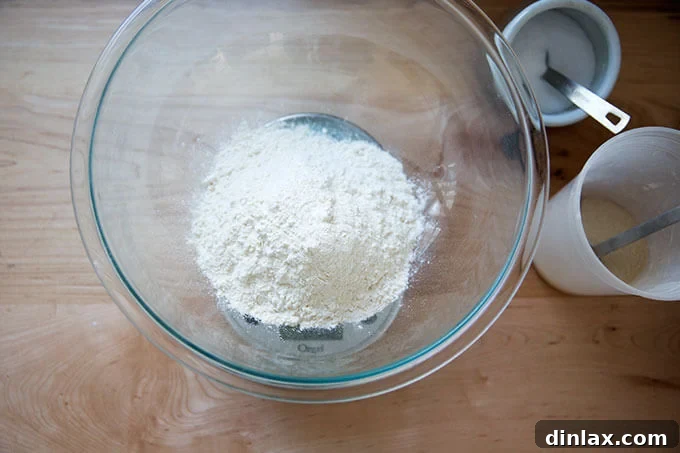
In a spacious mixing bowl, combine 2 cups of all-purpose flour, 1 teaspoon of kosher salt, and 1 teaspoon of instant yeast. For the most accurate and consistent results, I always recommend using a digital kitchen scale. Precision in baking ensures your naan turns out perfectly soft and tender every time. The weight measurements are conveniently included in the full recipe details for exact proportions.
Step 2: Mixing the Wet Ingredients
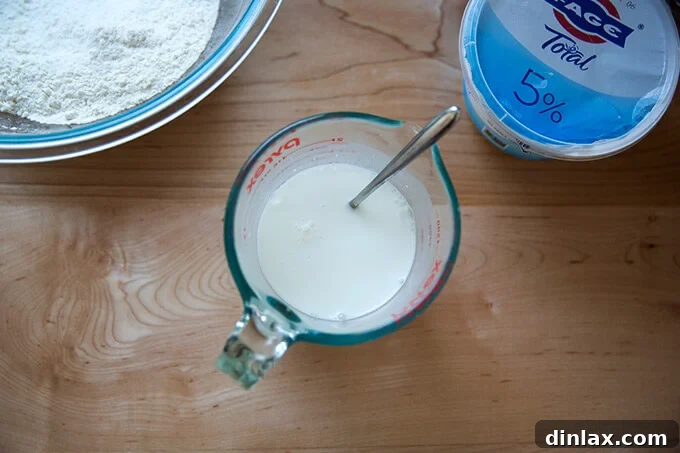
In a separate bowl or a liquid measuring cup, thoroughly combine ½ cup of Greek yogurt with ½ cup plus 2 tablespoons of boiling water. The boiling water is crucial here; it helps to gently warm the yogurt and create an ideal temperature for activating the yeast when combined with the dry ingredients.
Step 3: Forming the No-Knead Dough
Pour the warm liquid mixture directly into the bowl with your dry ingredients. Using a sturdy spatula, stir everything together until a shaggy dough begins to form. At this point, you’ll likely need to switch to using your hands. Knead gently for about a minute, just until all the flour is fully incorporated and you have a sticky, cohesive ball of dough. The goal is not to develop strong gluten through kneading, but merely to bring the ingredients together. For a visual demonstration, refer to the video embedded above for guidance on the ideal dough consistency.
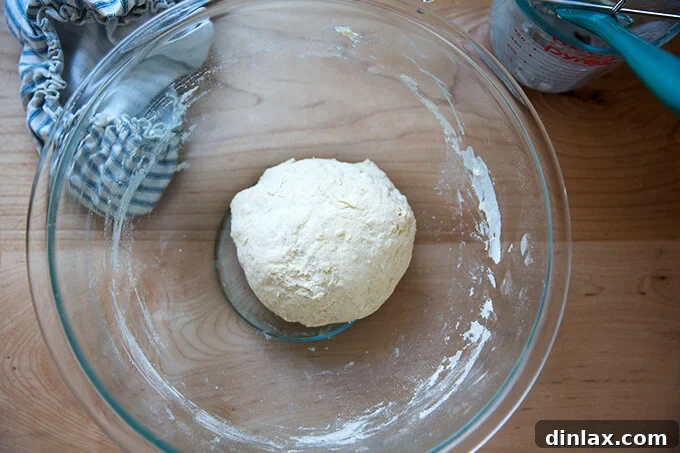
Step 4: The Rise to Perfection
Once your dough is formed, cover the bowl tightly with a clean kitchen towel or plastic wrap. Place it in a warm, draft-free spot to rise for approximately 1 hour and 15 minutes, or until the dough visibly puffs up and appears slightly expanded. A great trick for a warm spot is to preheat your oven for just one minute, then turn it off. The residual warmth creates the perfect environment for yeast activity. Avoid letting your oven get too hot; a gentle warmth around 100°F (38°C) is ideal.
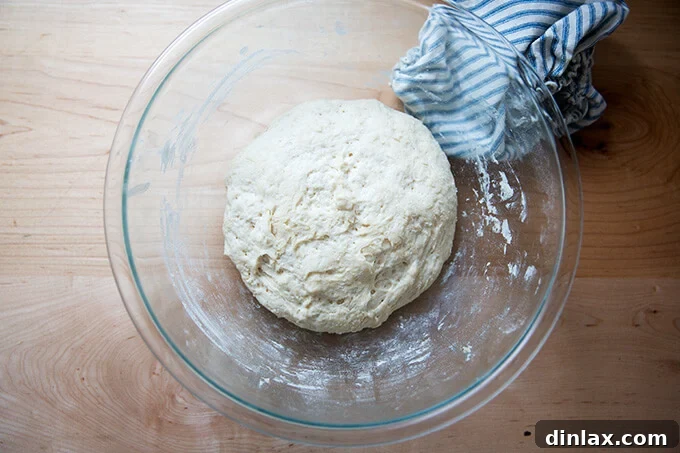
Step 5: Preparing for Shaping
Once the dough has risen, gently turn it out onto a lightly floured work surface. A little flour prevents sticking, but avoid adding too much, as this can make your naan dry and stiff.
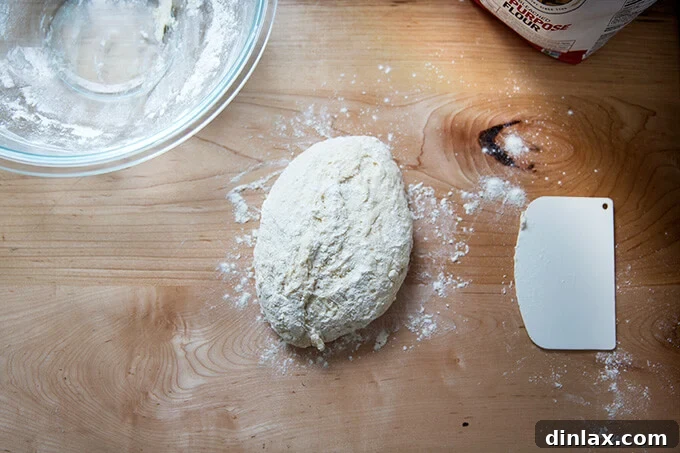
Step 6: Dividing the Dough
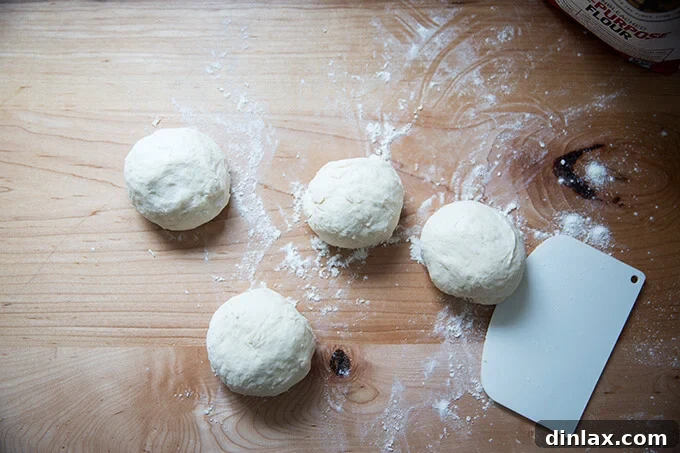
Divide the dough into four equal portions. This will yield four perfectly sized naan breads. Aim for consistency to ensure even cooking.
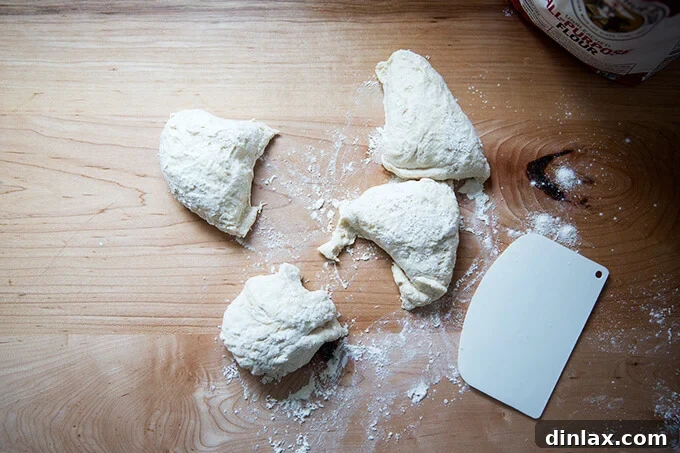
Step 7: Shaping Into Balls
Gently shape each portion into a smooth ball. This step helps create an even texture and makes rolling easier. Allow them to rest for a few minutes before rolling.
Step 8: Rolling the Naan
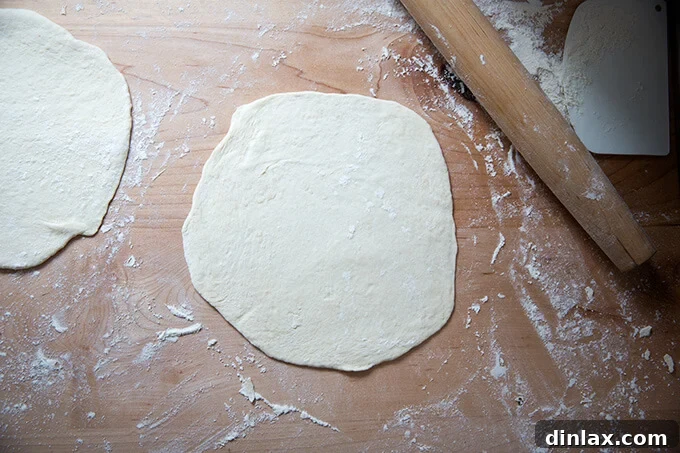
Using a rolling pin, carefully roll each ball into an 8- to 9-inch round or oval shape. Aim for a thin, even thickness. Dust your rolling pin and work surface with flour as needed to prevent sticking, but be conservative to keep the dough tender.
Step 9: Cooking on the Stovetop
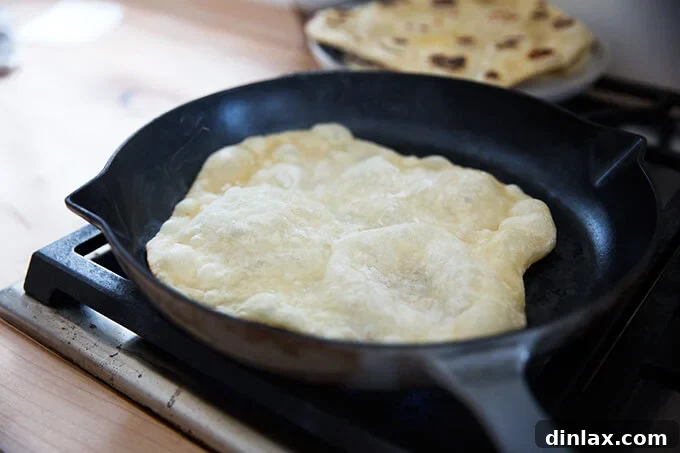
Heat a cast-iron skillet over high heat until it’s very hot – you should see wisps of smoke if you sprinkle a tiny bit of flour. Carefully place one rolled-out naan round into the dry skillet. Cover the skillet and cook for 1 minute. During this time, the naan will begin to puff up, and you’ll hear a gentle sizzling. Uncover, flip the naan, and cook for another 30 seconds uncovered. This quick cooking ensures a soft interior and slightly crispy, bubbly exterior.

Step 10: Buttering for Irresistible Flavor
As soon as each naan comes out of the hot pan, brush it generously with melted butter. This not only adds a rich, savory flavor but also keeps the naan soft and pliable.
Step 11: Keeping Warm and Serving
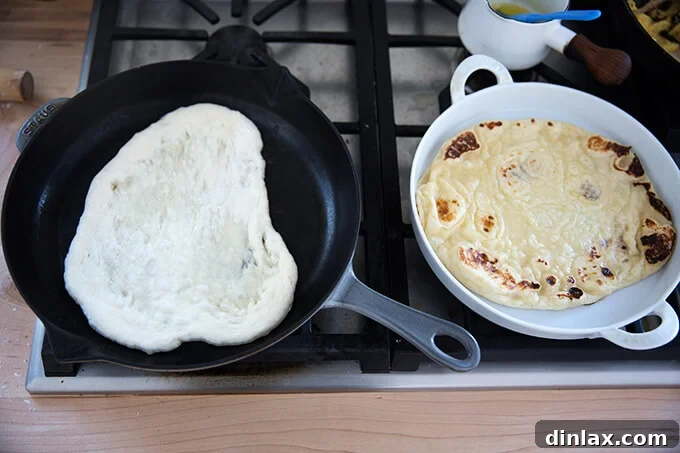
Stack the cooked, buttered naan on a plate or platter and cover them with a clean kitchen towel. This traps the steam and keeps them wonderfully warm and soft until you are ready to serve. Repeat the cooking process with the remaining dough portions, adjusting the heat as needed. If flour starts to burn in the skillet, simply wipe it out carefully with a dry cloth before continuing.
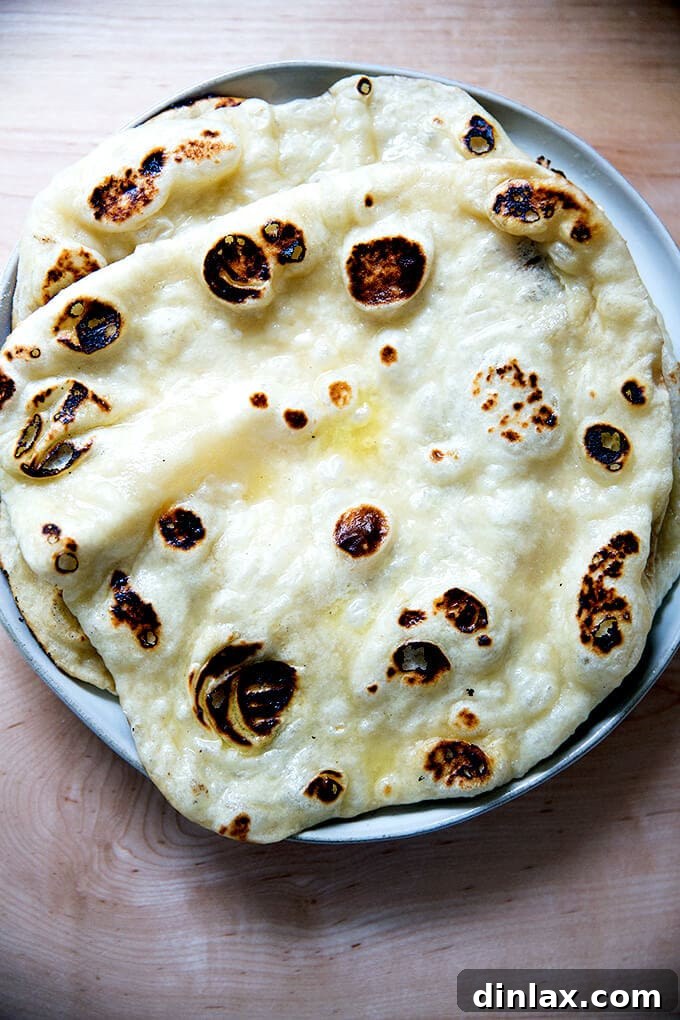
Friends, these homemade naan are truly unbelievably delicious!


Serving Suggestions and Customizations
The versatility of homemade naan is truly incredible. Serve it warm alongside your favorite Indian curries, lentil dals, or savory stews. It’s perfect for dipping into hummus, baba ghanoush, or other creamy spreads. For a quick and delicious lunch, use it as a base for mini pizzas or fill it with grilled vegetables and a dollop of tzatziki for a Mediterranean-inspired wrap. For an extra treat, sprinkle freshly chopped garlic and cilantro over the dough before cooking for a fragrant garlic naan, or a touch of coarse sea salt. You can even explore sweet variations by brushing with melted butter and a sprinkle of cinnamon sugar for a delightful dessert or breakfast treat.
Tips for Naan Perfection & Troubleshooting
Achieving consistently perfect naan is easy with a few simple tips and tricks:
- Why didn’t my naan puff? The most common reasons are that the skillet wasn’t hot enough, the dough was rolled too thick or too thin, or the yeast wasn’t active. Ensure your skillet is smoking hot before adding the dough, and always check your yeast’s expiration date.
- Making ahead: To prepare the dough in advance, once it’s mixed, lightly coat it with a thin layer of oil, cover the bowl, and refrigerate overnight. About an hour before you plan to cook, remove the dough from the fridge, divide it into portions, shape into balls, and let it rest at room temperature to warm up before rolling and cooking.
- Storing leftovers: Cooked naan can be stored in an airtight container at room temperature for up to two days or frozen for up to one month. To reheat, simply warm them in a dry skillet over medium heat for 30-60 seconds per side, or microwave briefly.
- Adjusting for different yogurts: While Greek yogurt is recommended for its consistency, if using regular plain yogurt or buttermilk, you might need to slightly reduce the amount of water to achieve the desired sticky, yet manageable, dough consistency. The total liquid weight (yogurt + water) should ideally remain consistent.
Simple Homemade Naan (5 Ingredients) Recipe Card

Simple Homemade Naan (5 Ingredients)
★ ★ ★ ★ ★
4.9 from 77 reviews
- Author: Alexandra Stafford
- ⌛ Total Time: 1 hour 55 minutes
- 🍴 Yield: 4 servings
Description
Naan is one of the simplest bread recipes you could make. There is no kneading, and after a short rise, you simply divide, roll, and griddle. The dough is so soft and tender thanks to yogurt, and a brush of melted butter out of the skillet makes them completely irresistible!
Notes:
- As always, for best results, use a digital scale for precise measurements.
- To create a warm spot for your dough to rise: Preheat your oven for 1 minute, then shut it off. This creates a cozy, draft-free environment around 100℉ (38℃) perfect for yeast activation.
- Notes for making dough ahead of time: After mixing, lightly coat the dough with a thin layer of oil. Cover the bowl and refrigerate until about an hour before you’re ready to cook the following day. Divide, ball up, and let rest at room temperature for an hour before rolling out.
- Interestingly, the weight of the flour and the weight of the liquid (water + yogurt) are identical here: 256 g each. If substituting buttermilk or regular yogurt, aim to keep the total liquid weight close to 256 g for optimal results.
Ingredients
For the naan:
- 2 cups (256 g) all-purpose flour
- 1 teaspoon (5 g) kosher salt
- 1 teaspoon (4 g) instant yeast
- ½ cup + 2 tablespoons (136 g) boiling water
- ½ cup (120 g) Greek yogurt
For Finishing:
- 2 tablespoons melted butter, for brushing (salted is recommended)
Instructions
- In a large bowl, whisk together the flour, salt, and instant yeast. In a medium bowl or a liquid measure, stir or whisk together the water and yogurt. Add the yogurt mixture to the flour mixture and stir to combine with a spatula. When the mixture becomes too stiff, knead with your hands for about a minute or until the flour is incorporated and you have a sticky, wet ball. Cover with a towel or cloth bowl cover, and let rise in a warm spot for 1 to 1.25 hours. (See notes above for creating a warm spot and for making dough ahead of time.)
- Turn dough out onto a lightly floured work surface. Divide into 4 equal portions, then shape each into a ball. Let rest for 5 minutes.
- Heat a large skillet (something like cast iron is excellent) over high heat until it’s very, very hot. Using a rolling pin dusted in flour, roll one ball into a thin large round or oval (8- to 9-inches in diameter, roughly), using flour as needed to prevent sticking. Repeat with another round. (It’s efficient to roll out 2 rounds while the first 2 are cooking.)
- When the skillet is very hot, transfer the rolled-out round, dusting off excess flour if possible, to the skillet. Cover. Cook for 1 minute. Towards the end of the minute, you’ll hear the pan hissing a bit – this is a good sign of proper heat. Flip, and cook for another 30 seconds uncovered. Transfer to a plate and brush the top lightly with melted butter.
- Repeat this process with the remaining dough balls. You may need to adjust the heat as you go. If too much flour is burning in the skillet, turn off the heat, carefully wipe it out with a dry dish cloth, then crank the heat back up. As the naan emerge from the skillet, stack them on top of one another in a shallow bowl or plate. Cover with a tea towel to keep warm and soft.
- ⌛ Prep Time: 1 hour 45 minutes
- ⌛ Cook Time: 10 minutes
- 📁 Category: Bread
- ▣ Method: Yeast
- 🏁 Cuisine: Indian