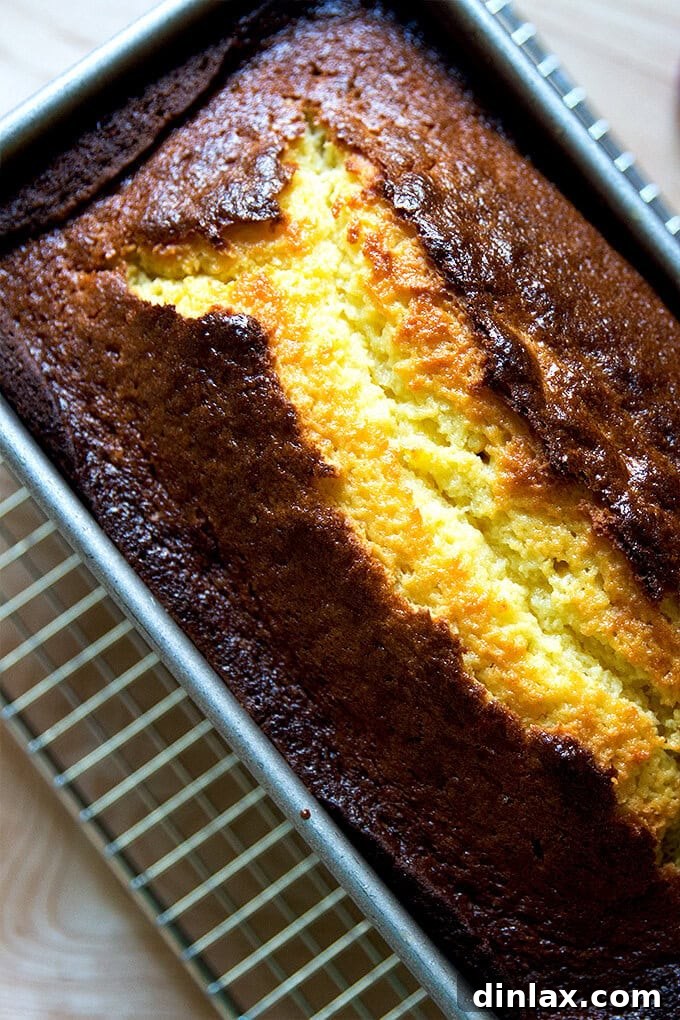
In the world of baking, few treats capture the essence of comfort and joy quite like a perfectly baked pound cake. But what if you could achieve that same rich, tender crumb with even greater ease and a unique depth of flavor? Enter the **One-Bowl Orange Ricotta Pound Cake**, a revolutionary recipe that transforms a classic into a modern marvel. This cake isn’t just easy; it’s a testament to the fact that simple ingredients, when combined thoughtfully, can create something truly extraordinary. Infused with bright orange zest and luxurious ricotta, and made with olive oil instead of butter, this pound cake promises an unparalleled moistness that lasts for days, making it the ultimate staple for any occasion, from casual family gatherings to elaborate holiday feasts.
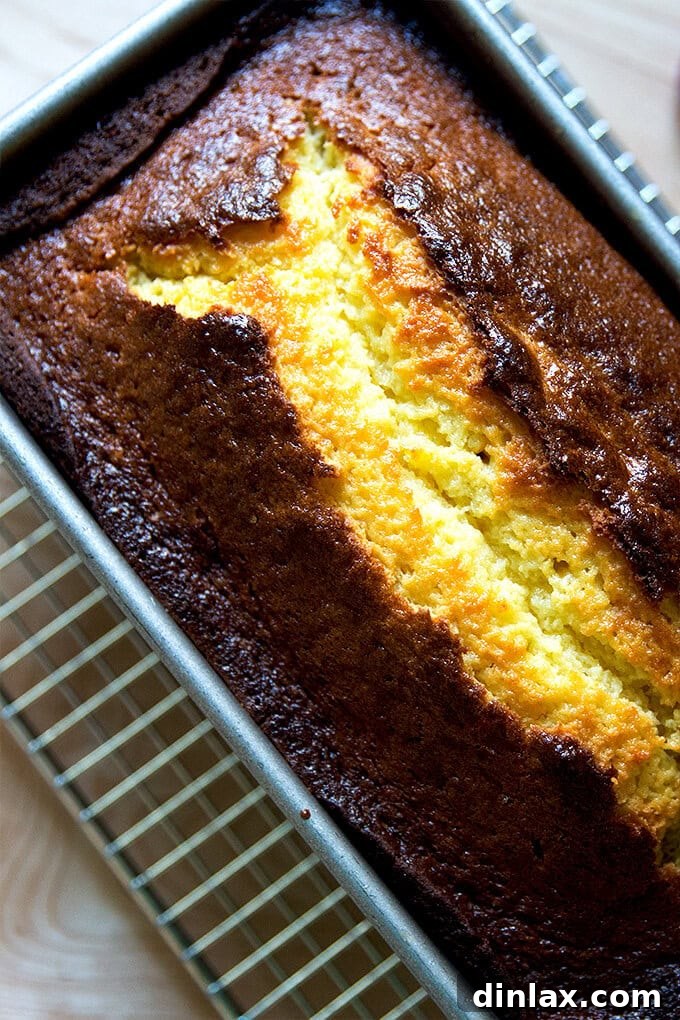
The journey to perfecting this one-bowl wonder began with a serendipitous experiment, inspired by the renowned chef Giada De Laurentiis’s beloved orange-ricotta pound cake. My initial thought was simple: could the butter in her recipe be swapped for oil without compromising flavor or texture? The results were not just promising; they were spectacular. The cake emerged from the oven beautifully, boasted an incredible moistness, and, best of all, came together in a single bowl, drastically cutting down on preparation and cleanup time. This discovery opened up a world of possibilities, leading to a profound appreciation for oil-based cakes, especially during the busiest times of the year when efficiency and deliciousness are paramount.
Why Choose Oil Over Butter for Your Pound Cake? The Unsung Benefits for a Perfect Bake
While butter has long held its sacred place in baking, embracing oil, particularly quality olive oil, offers a distinct set of advantages that can elevate your baking experience. For this **orange ricotta pound cake**, the choice of oil over butter is a deliberate one, delivering not only convenience but also a superior texture and enhanced longevity. Here’s why this simple substitution makes all the difference:
- Effortless Preparation: No More Waiting for Butter to Soften. One of the most common hurdles in traditional butter-based baking is remembering to pull butter out of the fridge hours in advance. Forgetting this crucial step often leads to either impatient waiting, frantic microwaving (which can easily melt the butter, altering its properties), or a compromise in the final texture of your baked goods. With oil, this step is completely eliminated. You can grab your bottle of olive oil, measure it out, and incorporate it instantly into your batter. This convenience alone is a game-changer, especially for spontaneous baking urges or when you’re pressed for time. Imagine the freedom of deciding to bake a delicious pound cake just an hour before guests arrive, knowing you won’t be held back by stubbornly cold butter.
- Simplified Mixing: Bid Farewell to Creaming. Many classic cake recipes begin with the instruction to “cream butter and sugar until light and fluffy.” This step, while essential for butter-based cakes to incorporate air and create a tender crumb, requires specific equipment like a stand mixer or hand mixer and a fair amount of time and effort. Oil-based cakes, by contrast, bypass this entirely. The oil is simply whisked into the wet ingredients – eggs, ricotta, and liqueur – a process that takes mere moments and can be accomplished with just a whisk and a single bowl. This significantly reduces the complexity of the recipe, making it more approachable for novice bakers and a much faster option for experienced ones. The lack of extensive beating also reduces the risk of overmixing the batter once the flour is added, which is a common pitfall that can lead to a tough, dry cake.
- Unbeatable Speed: From Pantry to Oven in Minutes. The cumulative effect of not having to soften butter or spend time creaming it means that oil-based cakes, especially this **one-bowl orange ricotta pound cake**, come together remarkably fast. This recipe truly embodies the one-bowl principle, where all the wet ingredients are combined, then the dry are folded in, all in one vessel. This streamlined process is a boon for busy individuals who crave homemade treats but lack endless hours for preparation. It’s the perfect recipe for those moments when you need a delicious dessert or a thoughtful gift in a hurry, without sacrificing quality or exquisite taste.
- Superior Texture: A Moist, Tender Crumb That Melts in Your Mouth. This is perhaps the most compelling reason to choose oil for your pound cake. Oil, being 100% fat, contributes to a much moister crumb than butter, which contains water and milk solids. The fat in oil coats the flour proteins more effectively, preventing excessive gluten development and resulting in an incredibly tender, soft, and moist texture that is hard to achieve with butter alone. While butter cakes often have a richer, traditional flavor profile, oil cakes offer a delicate, melt-in-your-mouth quality that many find irresistible. When using a flavorful oil like good quality extra-virgin olive oil, it also imparts a subtle, fruity, and slightly peppery note that beautifully complements the bright orange and creamy ricotta, adding an unexpected layer of sophisticated flavor to this humble pound cake.
- Enhanced Longevity: Stays Fresh and Flavorful for Days. Cakes made with oil tend to stay moist and fresh for significantly longer than their butter-based counterparts. The oil helps retain moisture within the cake’s structure, preventing it from drying out quickly, which is a common issue with many baked goods. This characteristic is particularly advantageous for meal prepping desserts, preparing gifts in advance, or simply ensuring you can enjoy a slice (or two!) over several days without any loss in quality. In fact, many oil cakes, including this **orange ricotta pound cake**, develop an even deeper, more complex flavor the day after baking, making them an excellent candidate for make-ahead baking. This impressive longevity also makes it ideal for sharing, as it travels exceptionally well and remains delicious, making it a favorite for holidays and gatherings.
Crafting Your One-Bowl Orange Ricotta Pound Cake: A Step-by-Step Guide
Creating this delightful pound cake is a straightforward and enjoyable process. The beauty of the one-bowl method lies in its simplicity and efficiency, allowing you to focus on the joy of baking rather than a pile of dirty dishes. Here’s the journey from simple ingredients to a golden, fragrant loaf:
Gather Your Ingredients: Quality Matters for the Best Orange Ricotta Pound Cake
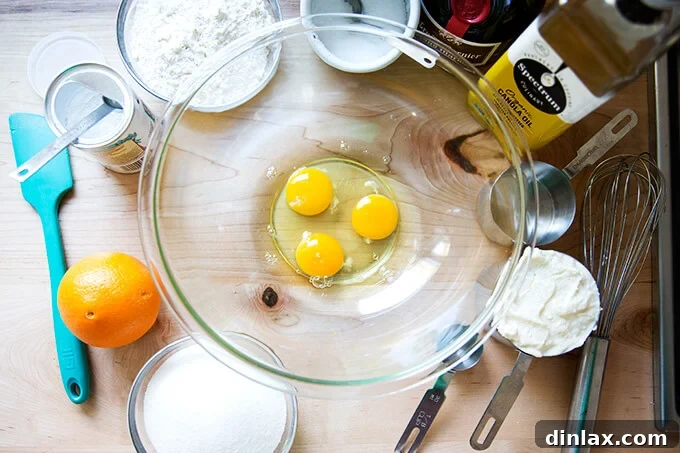
Before you begin, ensure all your ingredients are measured and ready. Using quality ingredients will make a noticeable difference in the final taste and texture of your cake. For the ricotta, whole-milk ricotta is highly recommended for its richness and moisture contribution, ensuring a truly decadent crumb. As for the oil, a good quality extra-virgin olive oil will lend a lovely nuanced flavor that harmonizes beautifully with the orange, but a neutral oil like grapeseed or canola will also work perfectly if you prefer the orange to be the dominant flavor. Don’t skip the fresh orange zest; it’s where much of the vibrant, aromatic orange flavor comes from, elevating this simple pound cake to something truly special.
The One-Bowl Magic: Whisking to Perfection
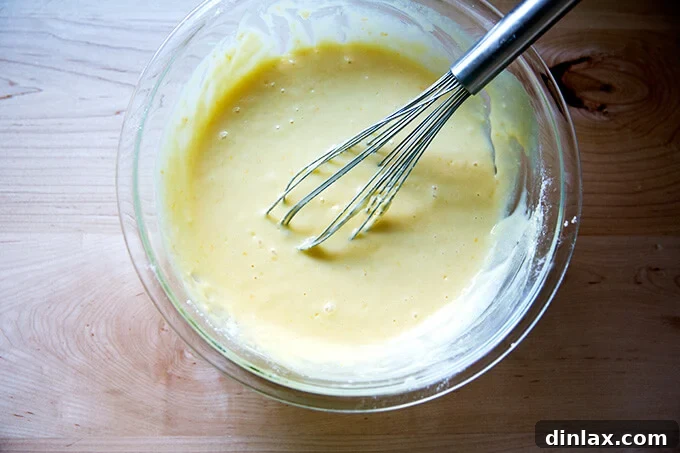
The core of this recipe is its ingenious one-bowl design. Begin by whisking together the large eggs and whole-milk ricotta until smooth and well-combined. The creamy ricotta adds incredible moisture and a subtle tang that complements the orange beautifully, creating a depth of flavor. Next, gently incorporate the oil and orange liqueur (such as Grand Marnier), whisking until the mixture is homogenous and silky. The liqueur not only enhances the bright orange flavor but also contributes significantly to the cake’s renowned moistness. Follow with the granulated sugar, kosher salt, and the vibrant orange zest, ensuring everything is thoroughly blended. Finally, add the baking powder and then the all-purpose flour, using a rubber spatula to gently fold until just combined. The key here is not to overmix; stop as soon as the flour streaks disappear, as overmixing can develop the gluten too much, leading to a tougher cake. A few small lumps in the batter are perfectly fine and often preferred!
Preparing Your Pan and Achieving the Perfect Bake
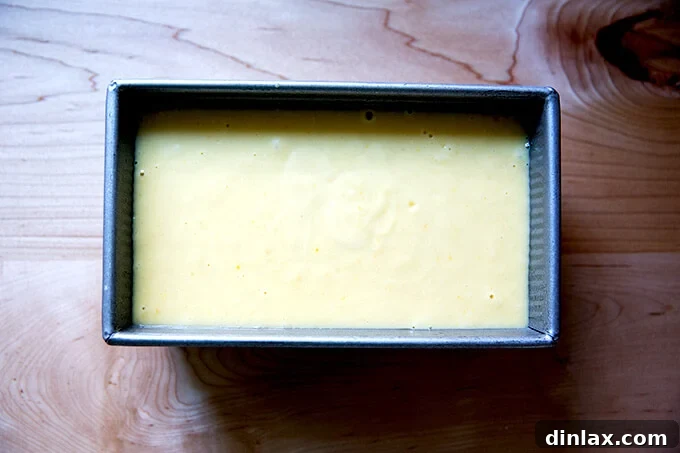
Preheat your oven to a consistent 350ºF (175ºC). For the best results and effortless release, generously grease a 9×5-inch loaf pan with butter or a high-quality nonstick spray. For even easier removal and cleanup, consider lining the pan with parchment paper, allowing some overhang on the longer sides. This creates convenient “handles” to lift the baked cake out effortlessly. If you’re planning to make mini loaves for gifting, grease three mini loaf pans instead. Carefully pour the perfectly whisked batter into your prepared pan(s), spreading it evenly to ensure uniform baking.
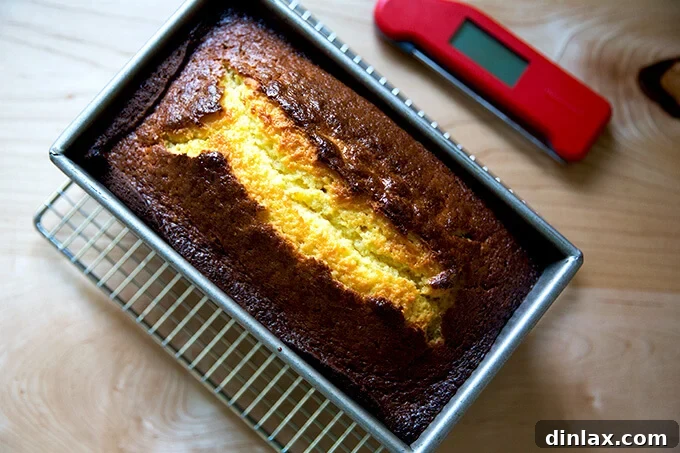
Bake for approximately 50 to 60 minutes for a standard loaf, or about 35 minutes for mini pans. The exact baking time can vary depending on your oven’s calibration and the material of your pan, so it’s crucial to rely on doneness cues rather than just elapsed time. The cake is done when a wooden skewer or toothpick inserted into the center comes out clean, and the cake springs back lightly when gently touched. For ultimate precision, an instant-read thermometer is your best friend in the kitchen. Insert it into the deepest part of the cake; it should register around 200ºF (93ºC). Underbaking can lead to a gooey, uncooked center, a common disappointment, so ensure it reaches the correct internal temperature for that perfect, uniformly moist crumb.
Cooling and Slicing: The Final Touches for Your Ricotta Pound Cake
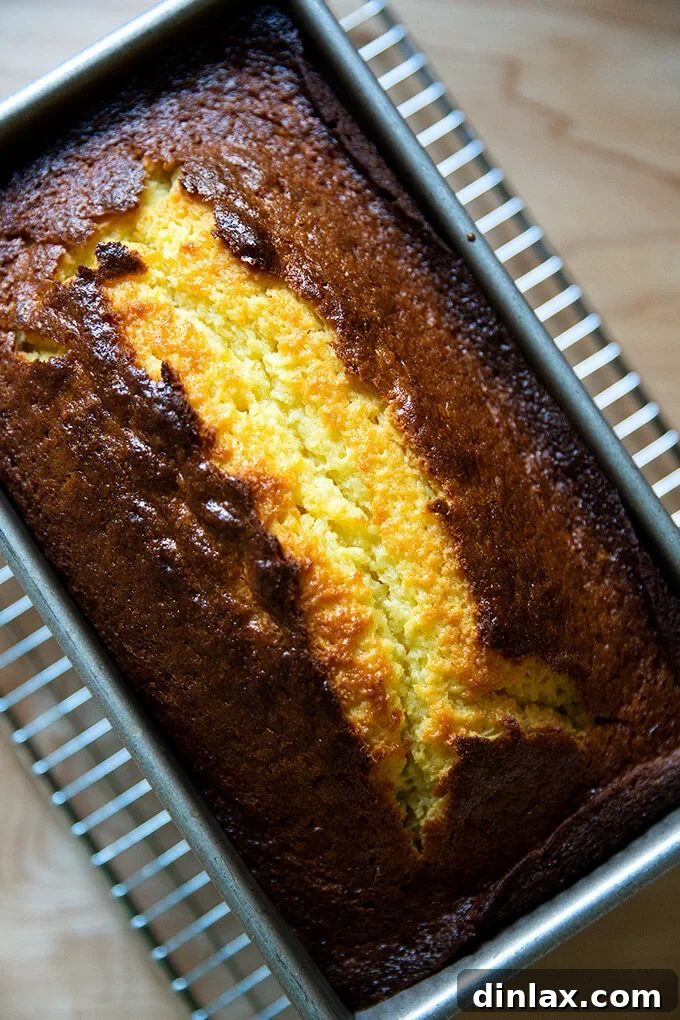
Once baked, resist the temptation to slice immediately! Allow the cake to cool in its pan for at least 30 minutes before attempting to invert it onto a wire rack. This initial cooling period is vital; it allows the cake to set properly, firm up its delicate structure, and prevents it from crumbling or sticking to the pan. If removed too soon, the warm, tender structure might collapse. Once on the rack, let it cool completely before slicing into generous portions. While the warm aroma of a freshly baked cake is incredibly tempting, patience here is truly rewarded with cleaner, more defined slices and the best possible texture. Cooling completely also ensures that when you wrap it for storage or thoughtful gifting, condensation won’t form, which could make the cake soggy and diminish its wonderful texture.
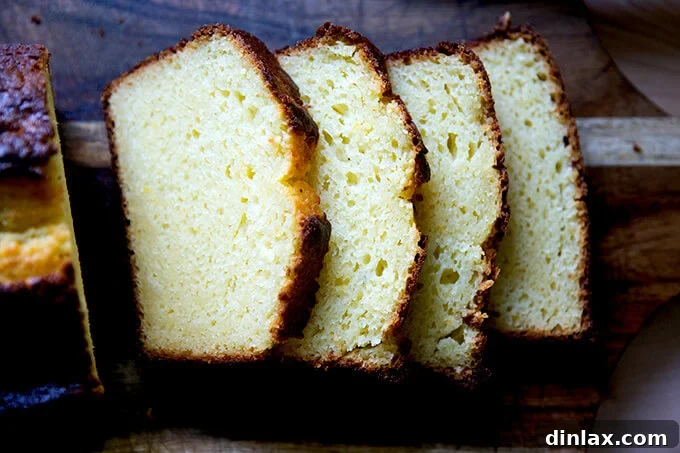
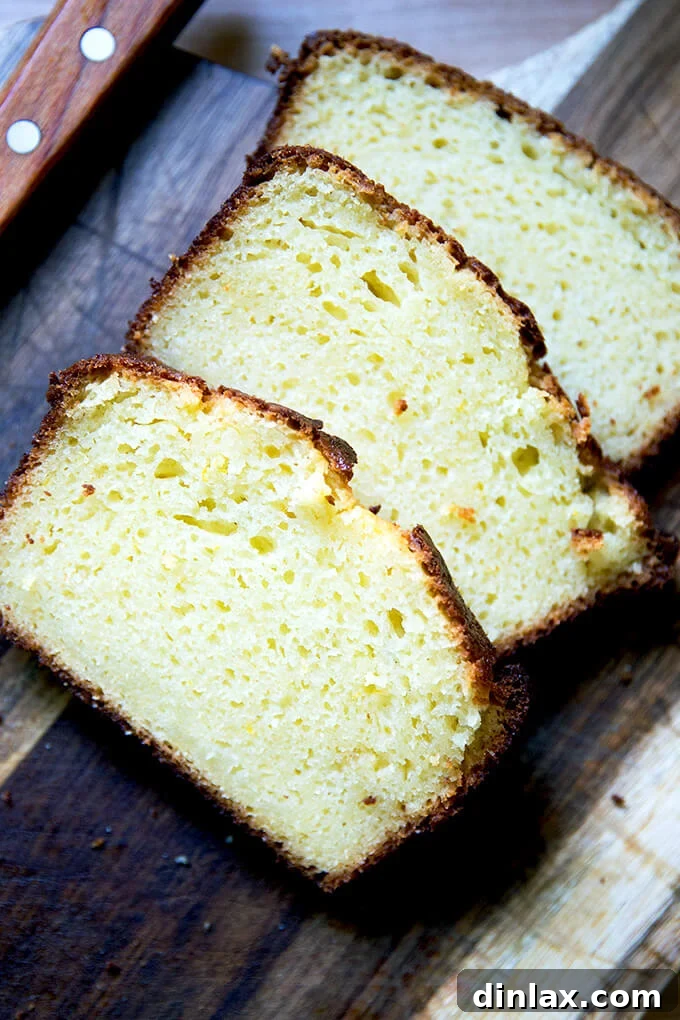
The Versatility of Orange Ricotta Pound Cake
This **orange ricotta pound cake** is incredibly versatile and can be enjoyed in numerous delightful ways. Serve it plain for a simple, elegant dessert with your morning coffee or afternoon tea. For an extra touch of sweetness and visual appeal, consider a simple citrus glaze made from powdered sugar and fresh orange juice, drizzled generously over the cooled loaf. A delicate dusting of powdered sugar is also a classic, beautiful, and effortless finish. Pair it with fresh seasonal berries, a dollop of lightly sweetened whipped cream, or a scoop of creamy vanilla bean ice cream for a more elaborate and indulgent treat. Its robust yet balanced flavor profile makes it perfectly suitable for breakfast, brunch, an afternoon snack, or an elegant after-dinner indulgence. It’s truly a cake for all seasons and reasons, always bringing a touch of sunshine to your table.
Creative Variations to Explore with Your One-Bowl Pound Cake
While the classic orange ricotta combination is truly delightful and a perennial favorite, this recipe provides a fantastic, sturdy base for countless other flavor explorations. Don’t hesitate to experiment and make this versatile pound cake your own:
- **Lemon Ricotta Pound Cake:** Easily transform this into a bright and zesty lemon-ricotta version by substituting fresh lemon zest for orange zest and lemon juice for the orange liqueur. A simple lemon glaze made with powdered sugar and lemon juice would be a perfect, tangy complement.
- **Grapefruit or Lime:** For a more adventurous citrus twist, experiment with other citrus zests, such as grapefruit or lime, for subtle yet distinct flavor variations that can surprise and delight your palate.
- **Almond Extract:** A touch of pure almond extract (1/2 to 1 teaspoon) can enhance the overall flavor profile, particularly if you’re a fan of amaretto or a marzipan-like sweetness. It pairs wonderfully with citrus notes.
- **Warm Spices:** For a comforting, aromatic cake, consider adding a pinch of warm spices like ground cardamom, nutmeg, or even a hint of cinnamon. These spices can add a wonderful depth, particularly appealing during cooler months or for holiday baking.
- **Chocolate Chips:** For a delightful texture and flavor contrast, fold in a handful of mini chocolate chips (white, milk, or dark chocolate) into the batter just before baking. Chocolate and orange are a classic pairing for a reason!
Storage and Gifting Tips for Your Moist Pound Cake
One of the standout features of this **moist orange ricotta pound cake** is its impressive longevity. Thanks to the oil and ricotta, it retains moisture beautifully. When stored properly in an airtight container at room temperature, it will remain incredibly moist and delicious for up to 4-5 days, making it perfect for enjoying throughout the week. For longer storage, you can freeze individual slices or whole loaves, well-wrapped in plastic wrap and then foil, for up to 2-3 months. Thaw at room temperature for several hours or overnight when you’re ready to indulge.
This pound cake also makes an exquisite and thoughtful homemade gift. Its elegant appearance, coupled with its enduring moistness and delicious flavor, makes it a cherished present for neighbors, friends, family, or teachers. To package it beautifully, allow the loaf to cool completely, then wrap it in a clean sheet of parchment paper and tie it securely with a rustic baker’s twine or a festive ribbon for a charming, homemade presentation. Around the holidays or for special occasions, consider baking the batter in mini loaf pans, which creates perfect individual portions ideal for easy gifting.
Print Recipe
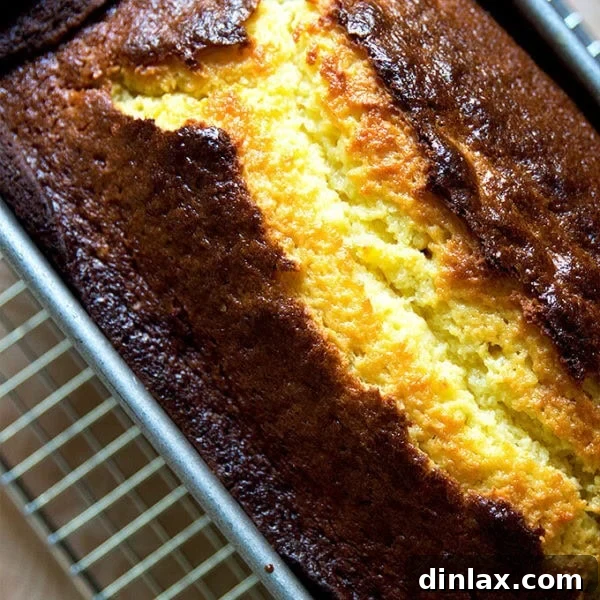
One-Bowl, Orange-Ricotta Pound Cake
4.9 from 106 reviews
- Author: Alexandra Stafford
Total Time: 1 hour 10 minutes
Yield: 1 loaf
Description
Adapted from Giada De Laurentis’s original recipe, this version substitutes oil for butter and simplifies the process into a single bowl, making it incredibly easy and quick to prepare.
This cake excels in longevity, remaining moist and flavorful for several days when stored in an airtight container or bag. Its robust nature and elegant presentation make it a perfect candidate for homemade gifting. Consider wrapping it in parchment paper and tying with a beautiful baker’s twine for a charming presentation.
Loaf Pan Recommendations: For the best baking experience, I highly recommend a 9×5-inch USA Loaf Pan. Its superior non-stick properties and even heat distribution ensure a perfectly baked cake every time. During festive seasons, this recipe scales beautifully into three mini loaf pans, ideal for creating individual gifts.
Baking with Confidence: An instant-read thermometer is an invaluable tool for ensuring your cake is perfectly baked and not undercooked. For this cake, an internal temperature of around 200ºF (93ºC) indicates doneness. Investing in one can save you from the disappointment of a raw center. Recent batches of this cake have sometimes required up to 1 hour and 10 minutes, making the thermometer essential for accurate results.
Ingredients
- 3 large eggs
- 1 1/2 cups (364 g) whole-milk ricotta cheese
- 3/4 cup (164 g) oil (extra-virgin olive oil, grapeseed oil, or canola oil)
- 2 tablespoons (26 g) orange-flavored liqueur (such as Grand Marnier)
- 1 1/2 cups (300 g) granulated sugar
- 1.5 teaspoon (6 g) Diamond Crystal kosher salt (or half as much by volume Morton kosher salt or fine sea salt)
- Zest of 1 large orange
- 2 1/2 teaspoons (11 g) baking powder
- 1 1/2 cups (192 g) all-purpose flour
Instructions
- Prepare Your Pan: Preheat your oven to 350ºF (175ºC). Generously grease one 9×5-inch loaf pan with butter or nonstick baking spray. For easier removal and cleanup, you may opt to line the pan with parchment paper, leaving an overhang on the longer sides to act as “handles.” If making individual gifts, grease three mini loaf pans instead.
- Combine Wet Ingredients: In a large mixing bowl, whisk together the large eggs and whole-milk ricotta cheese until the mixture is smooth and thoroughly blended. Ensure there are no large lumps of ricotta. Add the oil (whether it’s flavorful extra-virgin olive oil or a neutral grapeseed oil) and the orange-flavored liqueur. Continue to whisk until all these liquid ingredients are fully incorporated and the mixture is homogenous.
- Integrate Dry Flavorings and Leavening: Next, add the granulated sugar, kosher salt, and the fresh zest of one orange to the wet mixture. Whisk vigorously for about 30 seconds to dissolve the sugar partially and release the aromatic oils from the orange zest, infusing the batter with bright citrus flavor. Then, sprinkle in the baking powder and whisk briefly again, just enough to distribute it evenly.
- Add Flour and Mix Gently: Finally, add the all-purpose flour to the bowl. Switch from a whisk to a rubber spatula or a wooden spoon. Gently fold the flour into the wet ingredients until it is just incorporated and no streaks of dry flour remain. Be careful not to overmix the batter, as this can lead to a dense, tough cake. A few small lumps in the batter are acceptable and often preferable to overmixing.
- Bake to Perfection: Pour the prepared batter evenly into your greased and (optionally) lined loaf pan(s). Transfer the pan(s) to the preheated oven. Bake for approximately 50 to 60 minutes for a single 9×5-inch loaf, or around 35 minutes for mini loaf pans. The cake is ready when a wooden skewer or toothpick inserted into the center comes out clean, and the edges of the cake begin to pull away slightly from the sides of the pan. For precise doneness, use an instant-read thermometer; the internal temperature should register about 200ºF (93ºC).
- Cool Completely: Once baked, remove the loaf pan(s) from the oven and place them on a wire rack. Allow the cake(s) to cool in their pans for at least 30 minutes. This crucial resting period allows the cake’s structure to set properly. After 30 minutes, carefully invert the cake(s) onto the wire rack to cool completely. It is important not to wrap the cake until it has cooled entirely, as residual heat can cause condensation, leading to a soggy exterior.
- Prep Time: 10 minutes
- Cook Time: 1 hour
- Category: Quick Bread
- Method: Bake
- Cuisine: American