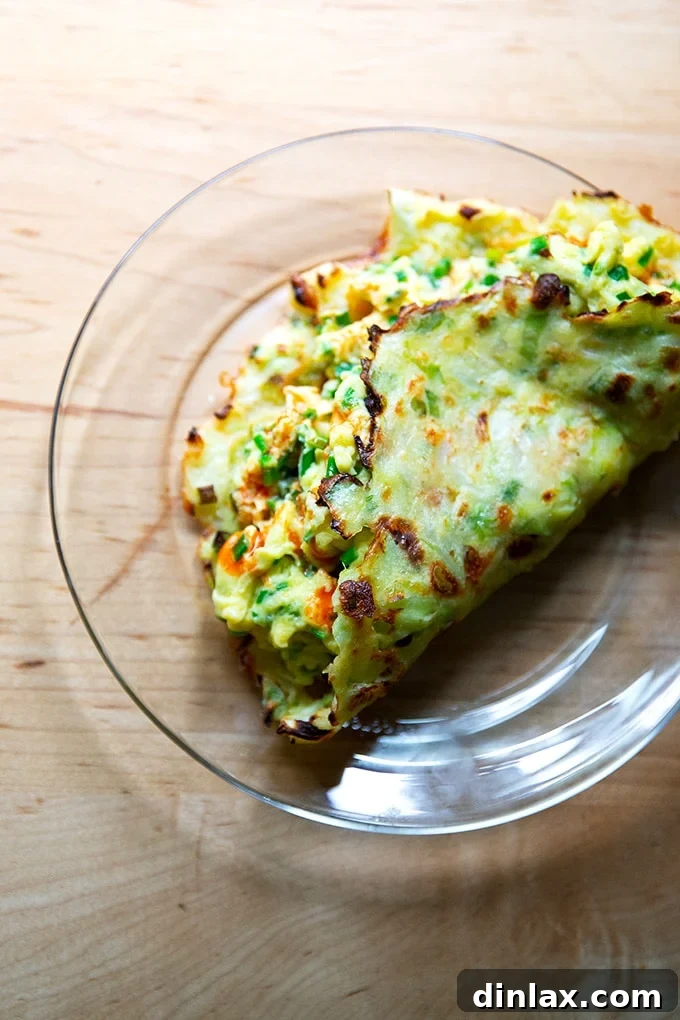
Crafted with just five simple ingredients, these gluten-free, baked cabbage tortillas are incredibly easy to make and bursting with flavor! After a quick 10-minute bake in the oven, they emerge thin, beautifully pliable, and remarkably sturdy—making them the ideal foundation for any of your favorite taco creations or as a versatile wrap for countless meals.
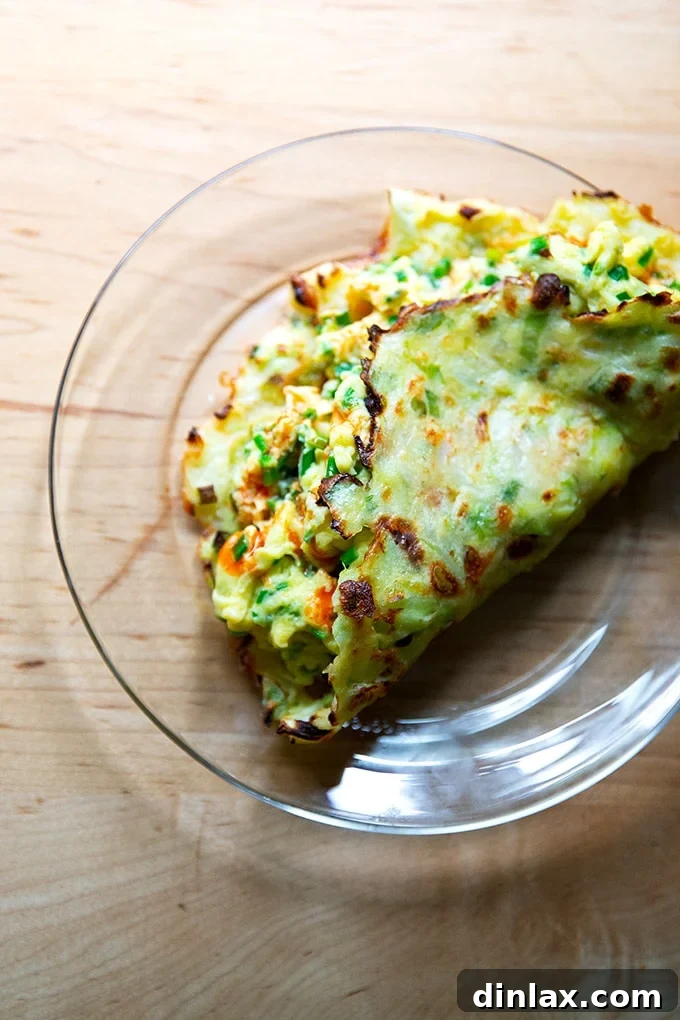
Deliciously Simple Baked Cabbage Tortillas: Your Gluten-Free, 5-Ingredient Taco Solution
Finding creative ways to incorporate more vegetables into your diet doesn’t have to be complicated or time-consuming. These baked cabbage tortillas are a prime example: a genius culinary hack born from a desire for something light, healthy, and incredibly satisfying. If you’re looking for a delicious gluten-free wrap that’s also surprisingly easy to prepare, then you’ve stumbled upon your new kitchen staple.
The Culinary Journey: From Okonomiyaki Inspiration to Perfect Cabbage Wraps
The genesis of these delightful cabbage tortillas began during a bustling okonomiyaki frying session. For those unfamiliar, okonomiyaki are savory Japanese pancakes, typically made with flour, eggs, and shredded cabbage, then fried. While incredibly tasty, the process can sometimes feel a bit labor-intensive, especially when you have a generous bowl of batter and a dwindling desire to stand over a hot stovetop. It was in such a moment, amidst a mountain of cabbage and scallion batter, that inspiration struck.
My mind immediately flashed back to last summer’s successful zucchini tortillas. The idea of baking a vegetable-based batter into a flexible, sturdy wrap seemed like a perfect solution. What if the same principle could be applied to cabbage? With a swift decision, I added some grated Parmesan to the okonomiyaki batter, spread it into thin circles on a parchment-lined sheet pan, and slid it into the oven. The hope was to transform a time-consuming pan-frying task into a hands-off baking marvel.
Ten minutes later, the moment of truth arrived. I pulled the sheet pan from the oven, and indeed, baked cabbage wraps had formed! They were good, yes, but not quite perfect. They turned out a little too thick and perhaps a bit too large for my ideal taco. However, the underlying flavor was fantastic, and the core concept held immense promise. Living with an abundance of cabbage from my farm share all summer long, the vision of a versatile, baked cabbage recipe was too compelling to ignore.
Crafting the Ideal Cabbage Tortilla: The Experimentation & Key Discoveries
Driven by the potential of that first experiment, I set out to refine the recipe, using the zucchini tortilla method as a guiding light. The first crucial step was to address the cabbage’s moisture content. Cabbage, like zucchini, releases a significant amount of water. To achieve thin, pliable tortillas, this moisture needed to be managed. Salting the shredded cabbage and allowing it to drain in a colander for about 15 minutes proved to be a game-changer, helping to soften the cabbage and extract excess liquid, which is key for a sturdy yet flexible wrap.
For simplicity and to highlight the natural flavor of the cabbage, I opted to omit the soy sauce and sesame oil typically found in okonomiyaki batter. However, I kept the fresh scallions, as their delicate oniony notes complement cabbage beautifully. The next phase involved extensive flour experimentation. I prepared three distinct batches: one using rice flour, another with almond flour, and a third with no additional flour at all. Each batch had its unique flavor profile, but when it came to texture and functionality, the rice flour batch emerged as the undisputed champion.
The no-flour and almond-flour versions, while flavorful, were simply too fragile and delicate to function effectively as tortillas. They lacked the necessary structural integrity for holding fillings. The rice flour cabbage tortillas, on the other hand, baked up beautifully thin, wonderfully pliable, and robust enough to handle various fillings without tearing or falling apart. This discovery was pivotal, transforming a promising idea into a truly practical and delicious recipe.
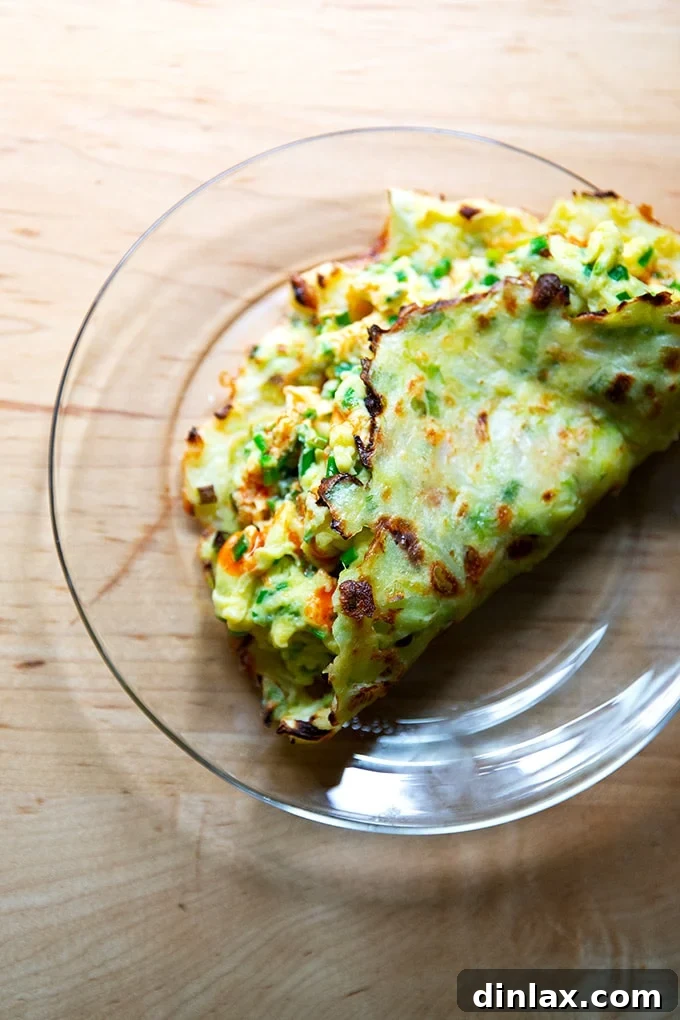
These unique cabbage tortillas are a delightful culinary fusion—imagine the savory depth of okonomiyaki meeting the tender flexibility of a crepe, all wrapped up in the convenience of a tortilla. They offer a refreshing twist on traditional wraps and a fantastic way to enjoy more vegetables. I’ve become quite fond of filling them with a rich grated Gruyère cheese and fluffy chive scrambled eggs, reveling in the satisfying addition of a wholesome vegetable element to my breakfast tacos. I sincerely hope you find as much joy in them as I have!
Why Choose Baked Cabbage Tortillas? Benefits Beyond Gluten-Free
Beyond being a fantastic gluten-free alternative, these baked cabbage tortillas offer a plethora of benefits that make them a standout choice for health-conscious eaters and culinary adventurers alike:
- Naturally Gluten-Free: Made with rice flour, they are perfectly suitable for those avoiding gluten, offering a delicious and safe option for wraps.
- Low-Carb and Nutrient-Rich: Cabbage is a powerhouse of vitamins (C, K) and fiber, while being very low in carbohydrates. This makes these tortillas an excellent choice for keto-friendly diets or anyone looking to reduce their carb intake without sacrificing flavor or satisfaction.
- Baked, Not Fried: The baking method eliminates the need for excess oil, resulting in a lighter, healthier wrap with less mess and fuss in the kitchen compared to traditional frying methods.
- Simple Ingredients: With just five core ingredients (cabbage, salt, eggs, Parmesan, rice flour, and optional scallions), these tortillas are made from wholesome, easy-to-find components.
- Versatile Culinary Canvas: Their mild, savory flavor and sturdy texture make them an incredibly versatile base for a wide array of fillings, from breakfast scrambles to savory lunch wraps and even light dinner tacos.
How to Make Baked Cabbage Tortillas: A Step-by-Step Visual Guide
Preparing these baked cabbage tortillas is a straightforward process. Follow these detailed steps to achieve perfect, pliable wraps every time.
Gathering Your Simple Ingredients
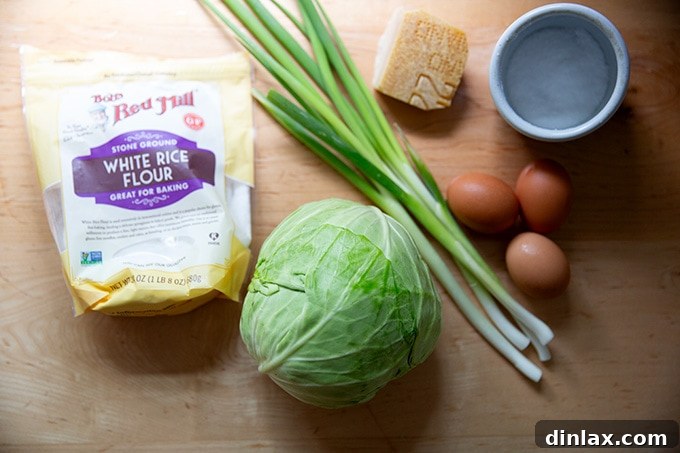
Before you begin, ensure you have all your ingredients ready. The beauty of this recipe lies in its simplicity and minimal component list.
Preparing the Cabbage: The Secret to Pliable Wraps
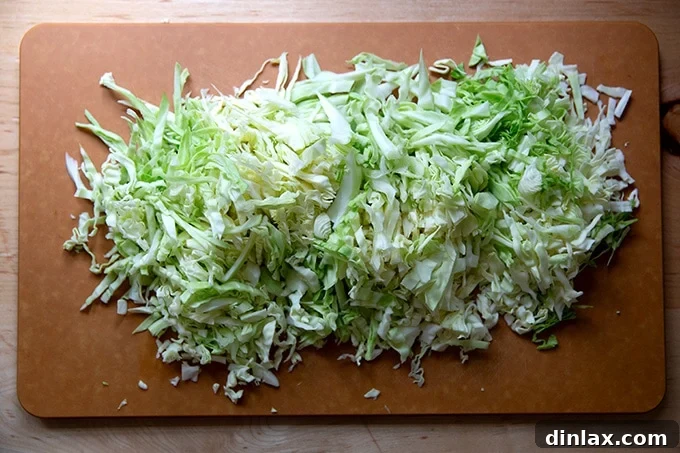
The first and most critical step for perfectly pliable tortillas is properly preparing the cabbage. Begin by shredding a small head of cabbage, aiming for about 1 pound, which translates to roughly 6 to 7 cups of shredded cabbage. You can use a mandoline, food processor, or a sharp knife for this task. The finer the shred, the better the texture of your tortillas.
Next, transfer the shredded cabbage to a large colander. Generously sprinkle kosher salt over the cabbage. Toss and gently squeeze the cabbage with your hands to ensure the salt is evenly distributed. This salting process is vital: it helps draw out excess moisture from the cabbage, preventing your tortillas from becoming soggy and ensuring they bake up thin and sturdy. Let the salted cabbage stand for at least 15 minutes. During this time, you’ll notice the cabbage visibly shrinking, and liquid will begin to accumulate at the bottom of the colander.
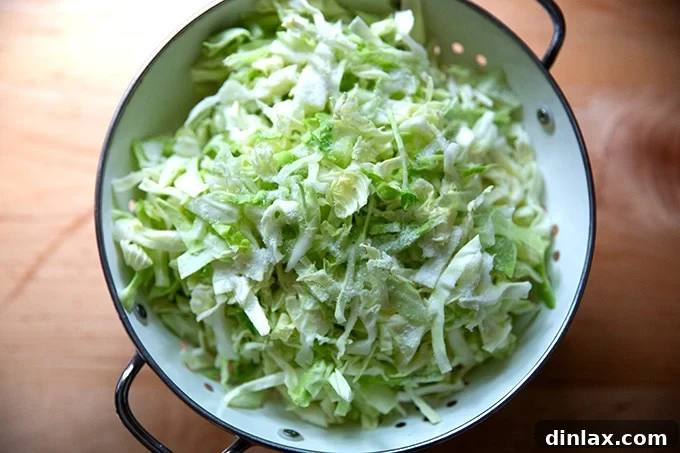
After 15 minutes, firmly squeeze the cabbage against the sides of the colander to extract as much moisture as possible. This step is crucial for achieving the ideal texture and preventing a watery batter. Don’t be shy; really get in there and squeeze!
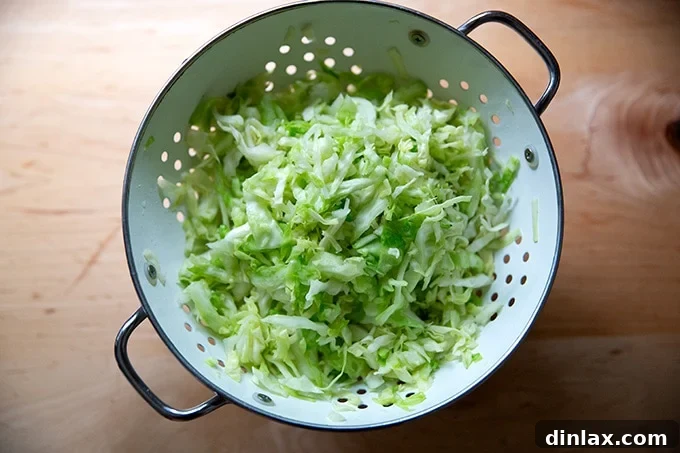
Mixing Your Flavorful Batter
In a large mixing bowl, crack and whisk the three eggs until well combined. Then, add the thoroughly drained cabbage, the grated Parmigiano Reggiano cheese (which adds a wonderful savory depth and helps with browning), the rice flour (our secret to pliability and sturdiness), and the sliced scallions (if using). The scallions provide a mild, fresh onion flavor that complements the cabbage beautifully, but they are optional if you prefer a simpler taste.
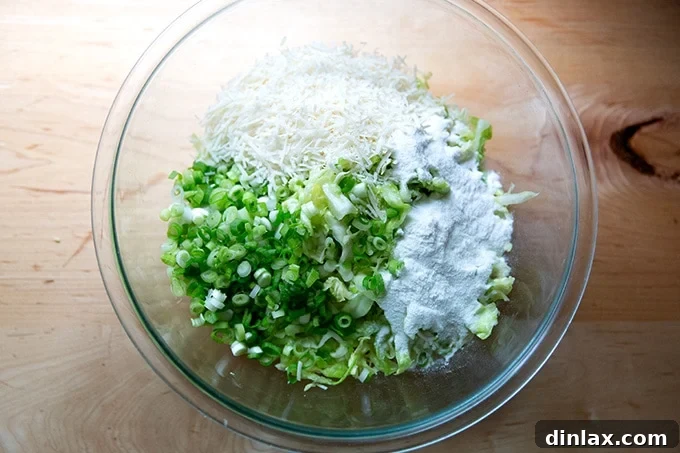
Using a large spoon or your hands, toss and stir all the ingredients together until they are evenly combined. The mixture should be a cohesive batter, moist but not overly wet, and the cabbage should be well coated with the egg and flour mixture.
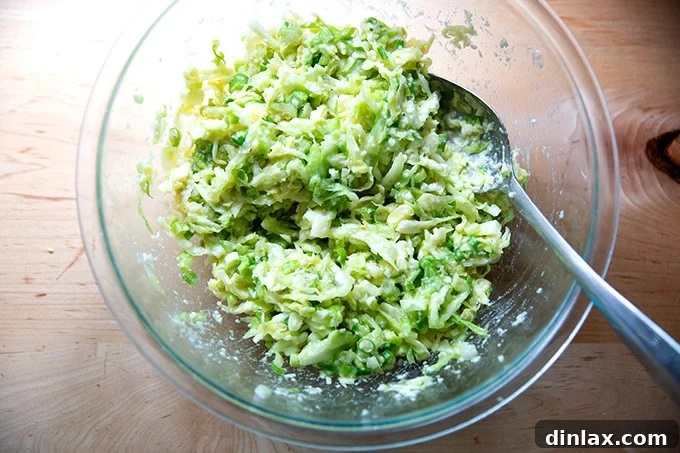
Forming and Baking Your Tortillas to Perfection
Preheat your oven to 450ºF (230ºC) on convection roast if you have the setting; otherwise, regular bake will work, though it may take slightly longer. Line an extra-large sheet pan or two standard-sized sheet pans with parchment paper. This prevents sticking and makes cleanup a breeze.
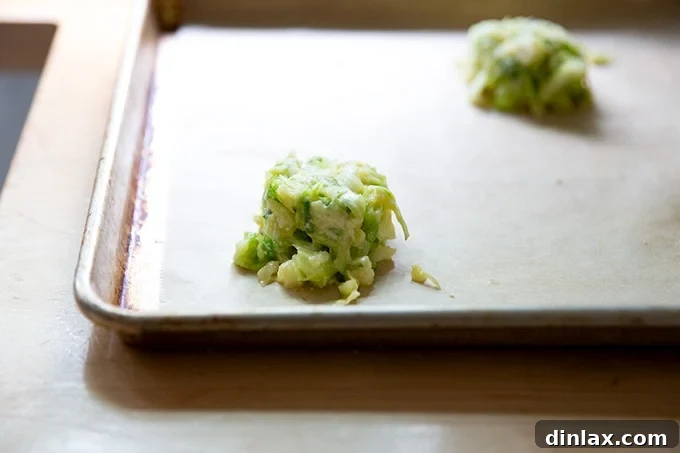
Using a 1/4-cup measure, portion out small mounds of the cabbage batter onto the prepared sheet pan. Aim for about five mounds on an extra-large pan or three on a standard half sheet pan, ensuring they are spaced evenly apart. Once portioned, use the back of the measuring cup or a spoon to spread each mound into a thin, even circle, approximately 6 to 7 inches in diameter. The thinner you spread them, the more pliable and tortilla-like they will be.
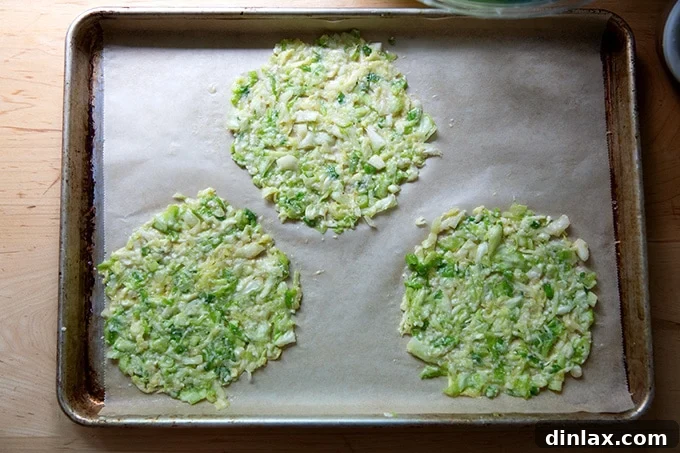
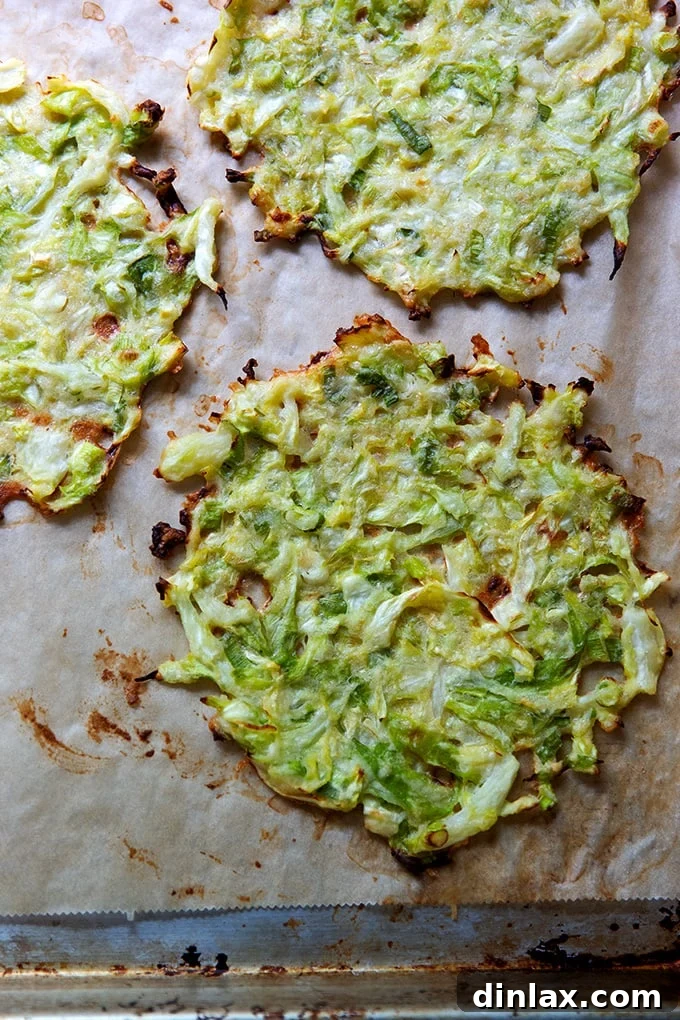
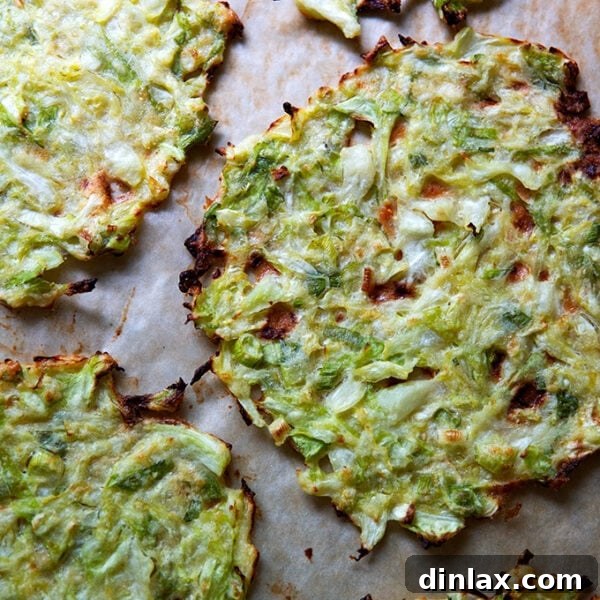
Transfer the sheet pan to the preheated oven and bake for 10 to 15 minutes. If using convection roast, 10 minutes should be sufficient. If using a regular oven, allow closer to 15 minutes. The tortillas are ready when the edges begin to crisp, and the surface is speckled with inviting golden-brown spots, particularly where the Parmesan cheese has caramelized.
Cooling and Stacking Your Fresh Wraps
Once baked, remove the pan from the oven. Let the tortillas cool on the sheet pan for just one to two minutes. This brief cooling period helps them firm up slightly, making them easier to handle. Then, carefully peel each tortilla off the parchment paper and transfer them to a plate or wire rack to cool completely. Repeat this process with any remaining batter. For best and most even results, I recommend baking one sheet pan at a time.
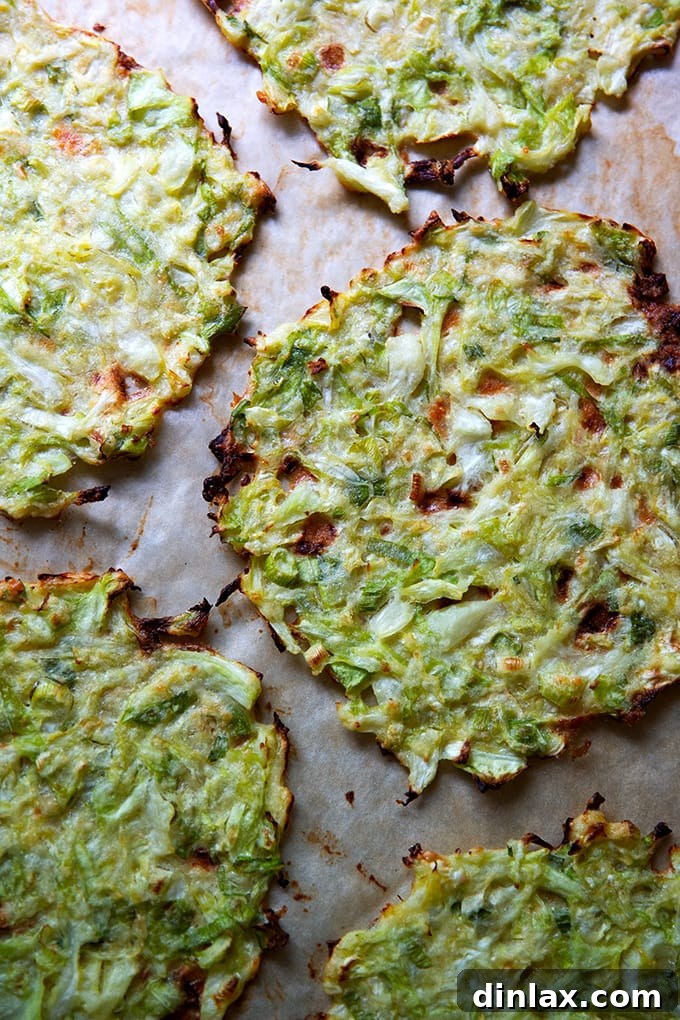
From one batch of batter, you should yield approximately 10 to 11 delicious and versatile cabbage tortillas, ready to be filled with your favorite ingredients.
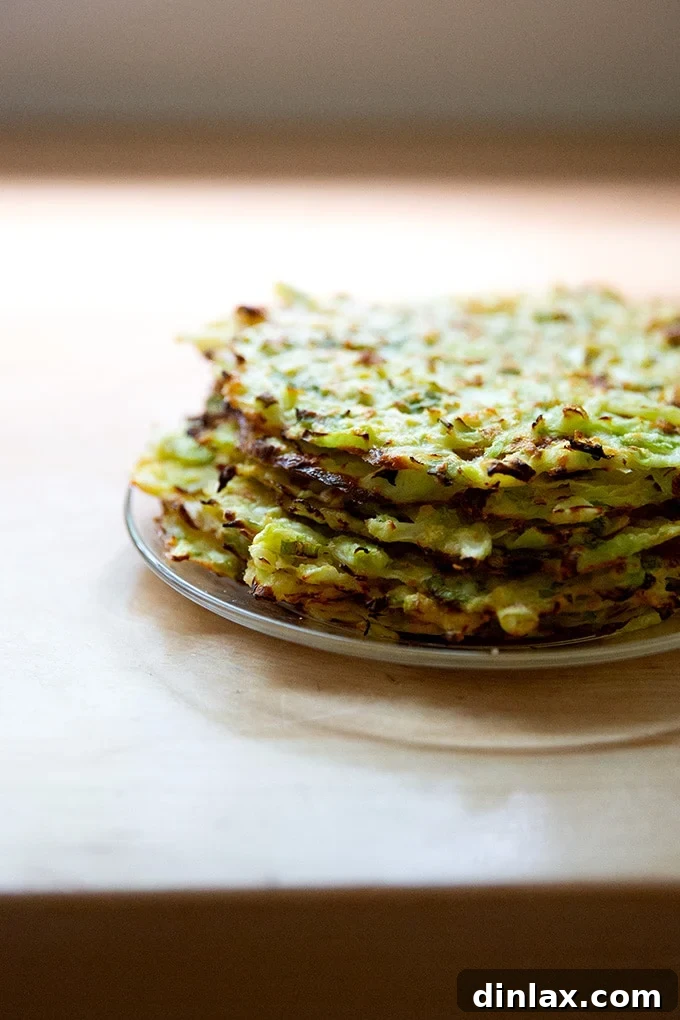
Creative Serving Ideas & Delicious Fillings
Just like their zucchini counterparts, these baked cabbage tortillas are incredibly versatile. My personal favorite way to enjoy them is filled with a generous sprinkle of grated Gruyère cheese, fluffy chive scrambled eggs, and a dash of hot sauce for a delightful breakfast taco experience. The combination of savory cheese, creamy eggs, and the fresh crunch of the cabbage tortilla is simply heavenly.
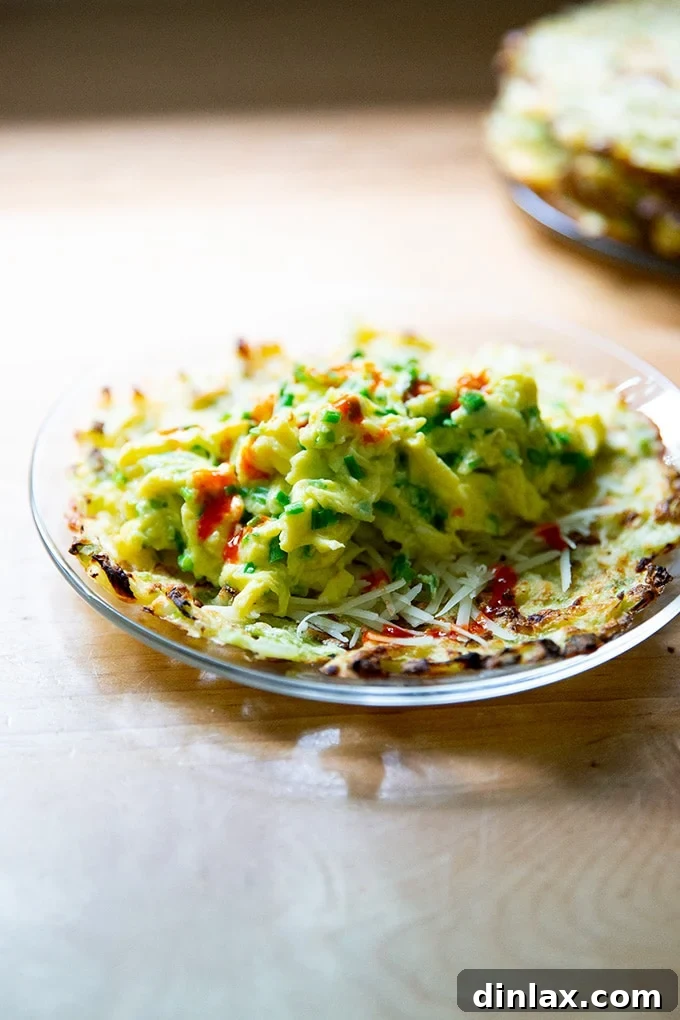
But don’t stop there! The possibilities are endless. Consider these other fantastic filling ideas:
- Lunch Wraps: Fill them with sliced turkey or chicken, fresh greens, avocado, and a smear of hummus or mustard.
- Savory Tacos: Use them for shredded chicken tacos, pulled pork, grilled fish, or seasoned ground beef with your favorite toppings like salsa, guacamole, and cilantro.
- Vegetarian Delight: Roasted vegetables like bell peppers, onions, and zucchini, combined with black beans or a sprinkle of feta cheese, make for a satisfying meatless meal.
- Breakfast Burritos (Mini): Beyond eggs, try sausage crumbles, a bit of potato, and a dash of hot sauce.
- Quick Snacks: Simply spread with cream cheese and everything bagel seasoning, or a quick dollop of pesto.
The Recipe Card: Baked Cabbage Tortillas
Cabbage Tortillas (5-Ingredients, Gluten-Free, Baked)
Rating: 4.9 from 7 reviews
- Author: Alexandra Stafford
- Total Time: 30 minutes
- Yield: 10 to 11 tortillas
- Diet: Gluten Free
Print Recipe
Description
These incredible 5-ingredient baked cabbage tortillas are adapted from our popular Zucchini Tortilla recipe. They are thin, pliable, and sturdy, perfect for any and all of your taco needs, or as a versatile, healthy wrap.
Notes:
- Salt: I use Diamond Crystal kosher salt. If you use Morton, you may need to adjust the amount, possibly using a bit less. That said, I often find myself wanting to add a touch more salt, as I enjoy a well-seasoned dish. I’ll continue experimenting and report back on optimal salt levels.
- Cabbage: The initial recipe test used a very small head of farm-share cabbage. When purchasing from a store, even the smallest heads typically yield more than enough for this recipe.
- Rice Flour: As discussed in the post, experiments without flour resulted in overly delicate and fragile tortillas. Almond flour also proved too delicate. Rice flour consistently delivers the best texture—thin, pliable, and sturdy. Some readers have suggested oat flour or corn flour as alternative gluten-free options, which could be worth trying.
Ingredients
- 6 to 7 cups shredded cabbage (from one small head, or roughly 1 pound of shreds)
- 1.5 teaspoons kosher salt (see notes)
- 3 eggs
- 2.5 ounces grated Parmigiano Reggiano cheese (a scant 1 cup)
- 1/3 cup (60 g) rice flour (see notes)
- 1 heaping cup sliced scallions (from 4 to 6, whites and light greens), optional
Instructions
- Heat the oven to 450ºF (230ºC) convection roast (if possible). Line an extra-large sheet pan or two standard-sized sheet pans with parchment paper.
- Place the shredded cabbage in a large colander and set it in the sink. Sprinkle the salt over the top and toss and squeeze the cabbage to distribute it evenly. Let stand for at least 15 minutes to allow excess moisture to drain.
- Firmly squeeze the cabbage and press it against the colander to remove as much moisture as possible. This step is critical for pliable and sturdy tortillas.
- Whisk the eggs in a large bowl. Add the thoroughly drained cabbage, Parmigiano Reggiano, rice flour, and scallions (if using). Stir with a large spoon or your hands to combine all ingredients thoroughly until a cohesive batter forms.
- Use a 1/4-cup measure to portion the cabbage tortilla batter into roughly five mounds (for an extra-large sheet pan) or three mounds (for a standard half sheet pan). Transfer each mound to your prepared sheet pan, ensuring they are spaced evenly. Spread each mound out into a thin, even circle, 6 to 7 inches in diameter. The thinner you spread them, the better the tortilla-like texture.
- Transfer the pan to the oven and bake for 10 to 15 minutes, or until the edges begin to crisp and the surface of each tortilla is speckled with golden spots of browning Parmesan cheese.
- Let the tortillas cool for one minute on the sheet pan, then carefully remove each tortilla with a spatula and transfer to a plate or wire rack to cool completely. Repeat this process with the remaining batter. For optimal and even baking, I recommend baking one sheet pan at a time.
- To store: Place the cooled tortillas in an airtight bag or container and store at room temperature for up to 2 days, or in the refrigerator for up to 1 week. To freeze: Place the tortillas in an airtight freezer bag, optionally with parchment paper between layers, and transfer to the freezer for up to 3 months.
Tips for Success & Frequently Asked Questions (FAQ)
Pro Tips for the Best Cabbage Tortillas
- Salt Wisely: The type of kosher salt you use matters. Diamond Crystal is less salty by volume than Morton. If using Morton, you might want to start with a slightly smaller amount (e.g., 1 teaspoon) and adjust to taste, as over-salting the cabbage can make your tortillas too savory.
- Don’t Skip the Squeeze: This is arguably the most important step! Thoroughly squeezing out moisture from the salted cabbage ensures your tortillas are thin, crispy at the edges, and hold together well. Insufficient squeezing can lead to soggy, hard-to-handle wraps.
- Even Spreading is Key: Aim for a consistent thickness when spreading the batter on the parchment paper. This ensures even baking and pliability. Thicker spots might remain slightly soft, while thinner areas become perfectly crispy.
- Bake One Batch at a Time: While it might be tempting to crowd your oven, baking one sheet pan at a time allows for better air circulation and more uniform cooking, yielding superior results.
- Experiment with Flours: While rice flour is highly recommended for its texture, if you need an alternative, oat flour (ensure certified gluten-free if required) or corn flour might also work, though results may vary in terms of pliability and sturdiness.
Frequently Asked Questions (FAQ)
- Can I make these cabbage tortillas ahead of time?
- Absolutely! These tortillas are excellent for meal prepping. You can store them at room temperature for up to 2 days, or in the refrigerator for up to a week in an airtight container. They maintain their flexibility and flavor well.
- How do I reheat them?
- For best results, gently reheat them in a dry skillet over medium-low heat for 1-2 minutes per side until warmed through and slightly crisp. You can also warm them briefly in a microwave (about 10-20 seconds) for a softer texture, or in a toaster oven for crispier edges.
- Are these truly low-carb?
- Yes, compared to traditional grain-based tortillas, these cabbage tortillas are significantly lower in carbohydrates. Cabbage itself is a low-carb vegetable, and rice flour is used in a relatively small amount per tortilla, making them a great option for low-carb or keto-friendly diets.
- Can I use other types of cheese?
- While Parmigiano Reggiano offers a distinct nutty, salty flavor and contributes to the crispiness, you can certainly experiment with other hard grating cheeses like Pecorino Romano or even a sharp cheddar for a different flavor profile. The key is to use a cheese that melts well and can crisp up slightly during baking.
- What if I don’t have convection roast on my oven?
- No problem! Simply use the regular bake setting at 450ºF (230ºC). You might need to extend the baking time by about 5 minutes, so keep an eye on them until the edges are golden and the surface is speckled.
Store & Freeze: Maximizing Freshness and Convenience
These baked cabbage tortillas are fantastic for making ahead, offering ultimate convenience for busy weeks. Properly stored, they remain fresh and delicious, ready for your next meal.
- Room Temperature: Once cooled completely, place the tortillas in an airtight bag or container. They will stay fresh and pliable at room temperature for up to 2 days, making them perfect for quick grab-and-go meals.
- Refrigeration: For longer storage, transfer the tortillas to an airtight container or zip-top bag and store them in the refrigerator for up to 1 week. They might become slightly firmer when chilled, but they will soften beautifully upon reheating.
- Freezing: These tortillas freeze wonderfully! Arrange them in an airtight freezer bag, placing a small piece of parchment paper between each tortilla to prevent sticking. They can be stored in the freezer for up to 3 months. When ready to use, simply thaw them in the refrigerator overnight or gently separate them while frozen and reheat directly from frozen in a skillet.
To reheat, a dry skillet over medium-low heat is ideal, warming them for 1-2 minutes per side until they’re soft and slightly crispy again. A toaster oven also works great for a crispier finish.
Final Thoughts: Embrace the Versatility of Cabbage
These 5-ingredient, gluten-free baked cabbage tortillas are more than just a recipe; they’re a testament to the delicious versatility of simple ingredients. They offer a healthy, flavorful, and incredibly adaptable alternative to traditional wraps, perfect for anyone seeking to add more vegetables to their diet or explore gluten-free options. So go ahead, give them a try, and unleash your culinary creativity with these unique and satisfying wraps!