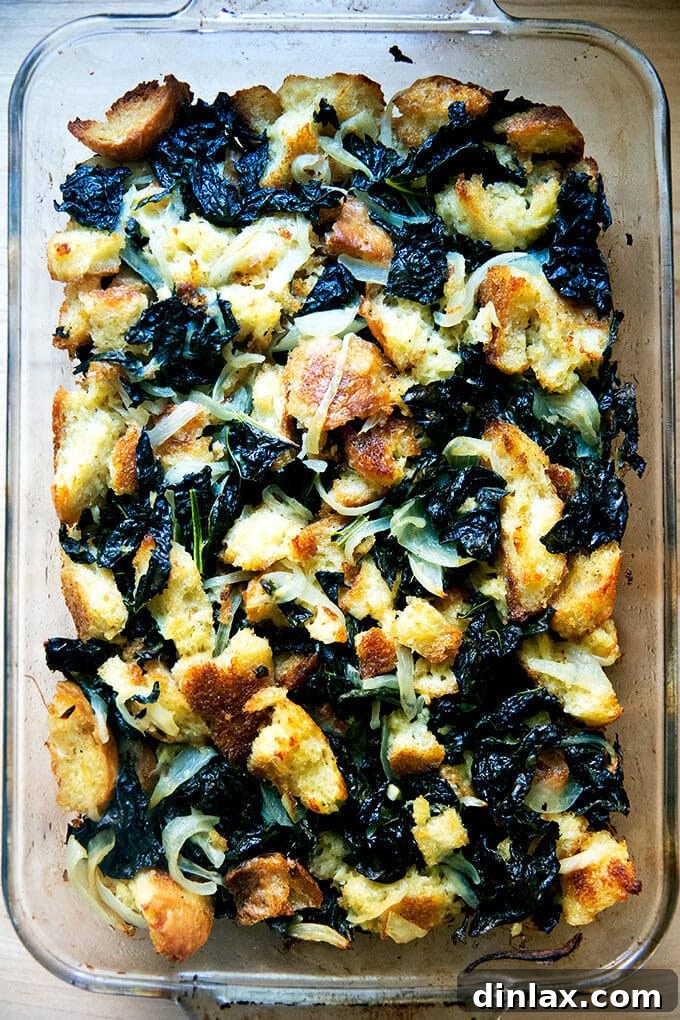
Thanksgiving is a time for feasting, family, and gratitude. Among the many beloved dishes, a well-made stuffing holds a special place at the holiday table. While the sheer volume of preparations can often feel overwhelming, there’s a brilliant way to lighten your load and ensure a stress-free celebration: prepare your stuffing ahead of time and freeze it. This particular recipe for Freezable Kale and Caramelized Onion Stuffing is not just a make-ahead marvel; it’s a genuine crowd-pleaser and a personal favorite, offering a sophisticated twist on a classic comfort food. Its unique blend of earthy kale and sweet, savory caramelized onions creates a depth of flavor that will leave your guests asking for the recipe.
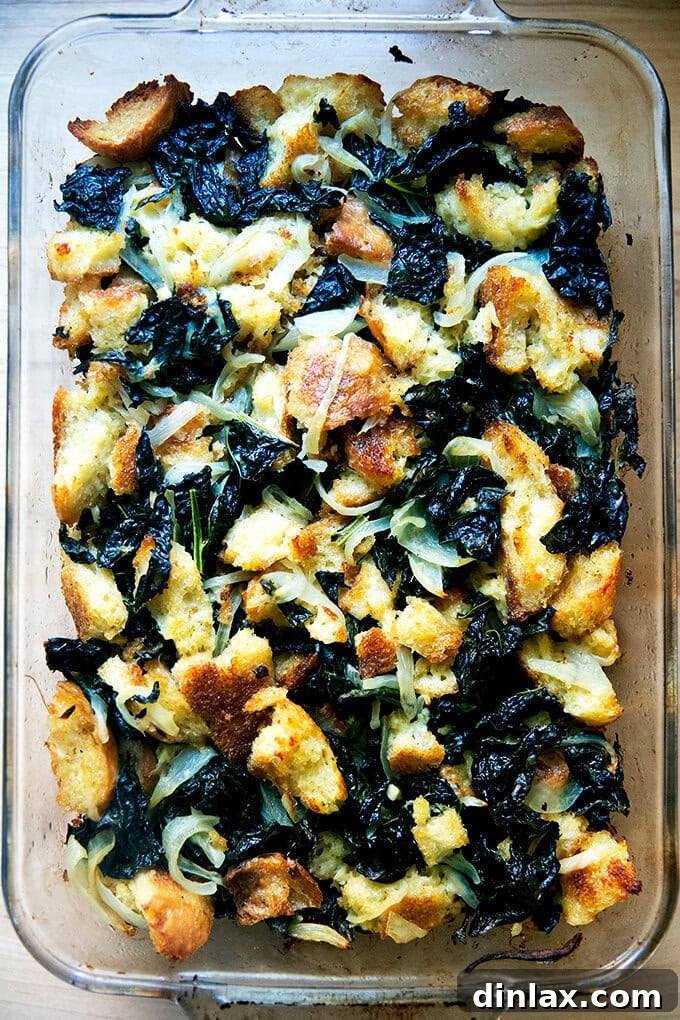
This exquisite stuffing recipe is an adaptation from the much-loved version found in my cookbook, Bread Toast Crumbs. What sets it apart is the thoughtful inclusion of tender kale and deeply flavorful caramelized onions, transforming a traditional side into a standout dish. After approximately 45 minutes in the oven, this stuffing emerges with an irresistibly crisp, golden-brown exterior that hints at the rich texture within. Cut into it, and you’ll discover a creamy, moist center bursting with savory notes and a subtle sweetness. It’s so flavorful, in fact, that it could easily be enjoyed on its own. However, it also serves as the perfect canvas for a variety of Thanksgiving accompaniments, from tangy cranberry relish to rich turkey gravy, enhancing every element of your holiday plate.
For those who prefer a more traditional stuffing experience, perhaps without the greens or the distinct sweetness of caramelized onions, you can find a classic bread stuffing recipe here: Classic Bread Stuffing. Remember, the beauty of homemade stuffing lies in its versatility. Feel free to customize the seasonings and add-ins to perfectly suit your palate and holiday traditions.
Mastering Homemade Stuffing: Essential Steps for a Flavorful Dish
Crafting the perfect stuffing doesn’t have to be daunting. Over the years, I’ve developed a foolproof method that consistently delivers exceptional results. These fundamental steps ensure a stuffing that is flavorful, texturally balanced, and truly memorable, whether you’re making this kale and caramelized onion version or any other adaptation.
- Selecting and Preparing Your Bread: The foundation of any great stuffing is the bread. While some recipes call for specific types, the key is often to use day-old or slightly stale bread, which absorbs liquids without becoming mushy. If you’re using a rustic loaf with a super-thick, tough crust, it’s best to remove those overly chewy parts. However, if you opt for a softer, more tender loaf like my mother’s peasant bread, its crust is typically buttery and not excessively thick, so you can confidently leave it on, adding wonderful texture and flavor.
- Toasting for Texture and Flavor: Once your bread is ready, tear it into irregular pieces or cut it into uniform cubes. I personally love the rustic appeal and varied texture that torn pieces offer. Toss these bread pieces generously with a good quality olive oil and a pinch of salt. This crucial step is then followed by toasting the bread until it’s golden brown and slightly crispy. Toasting isn’t just about drying out the bread; it develops a deeper, nuttier flavor and prevents the stuffing from becoming a soggy mess once the liquids are added.
- Incorporating Thoughtful Mix-Ins: This is where you can truly personalize your stuffing. For me, sautéed onions are absolutely essential, forming a sweet, aromatic base that elevates the entire dish. I also have a strong preference for adding fresh, vibrant greens like chard or kale, which introduce a welcome freshness and nutritional boost. While I often keep my stuffing meatless, it’s incredibly adaptable. If you enjoy heartier additions, feel free to incorporate ingredients like savory sausage, briny oysters, or crispy bits of bacon or pancetta – a little smoky richness never hurts!
- The Art of Seasoning and Binding: Before baking, it’s vital to taste the mixture of toasted bread and mix-ins. This is your chance to adjust the seasoning, ensuring every bite is perfectly balanced. Once seasoned to your liking, whisk together a generous amount of chicken or vegetable stock with one egg. The egg acts as a binder, helping the stuffing hold its shape and creating that coveted creamy, cohesive interior. Toss this liquid mixture with your seasoned bread and mix-ins until everything is evenly moistened, then bake until it’s beautifully golden and fragrant.
Simplify Your Thanksgiving: How to Make Freezable Kale and Caramelized Onion Stuffing
Preparing Thanksgiving dinner can be a monumental task, but with this freezable stuffing recipe, you can tick one major dish off your list well in advance. This section will guide you through each step, ensuring you achieve a perfectly delicious and freezable stuffing every time.
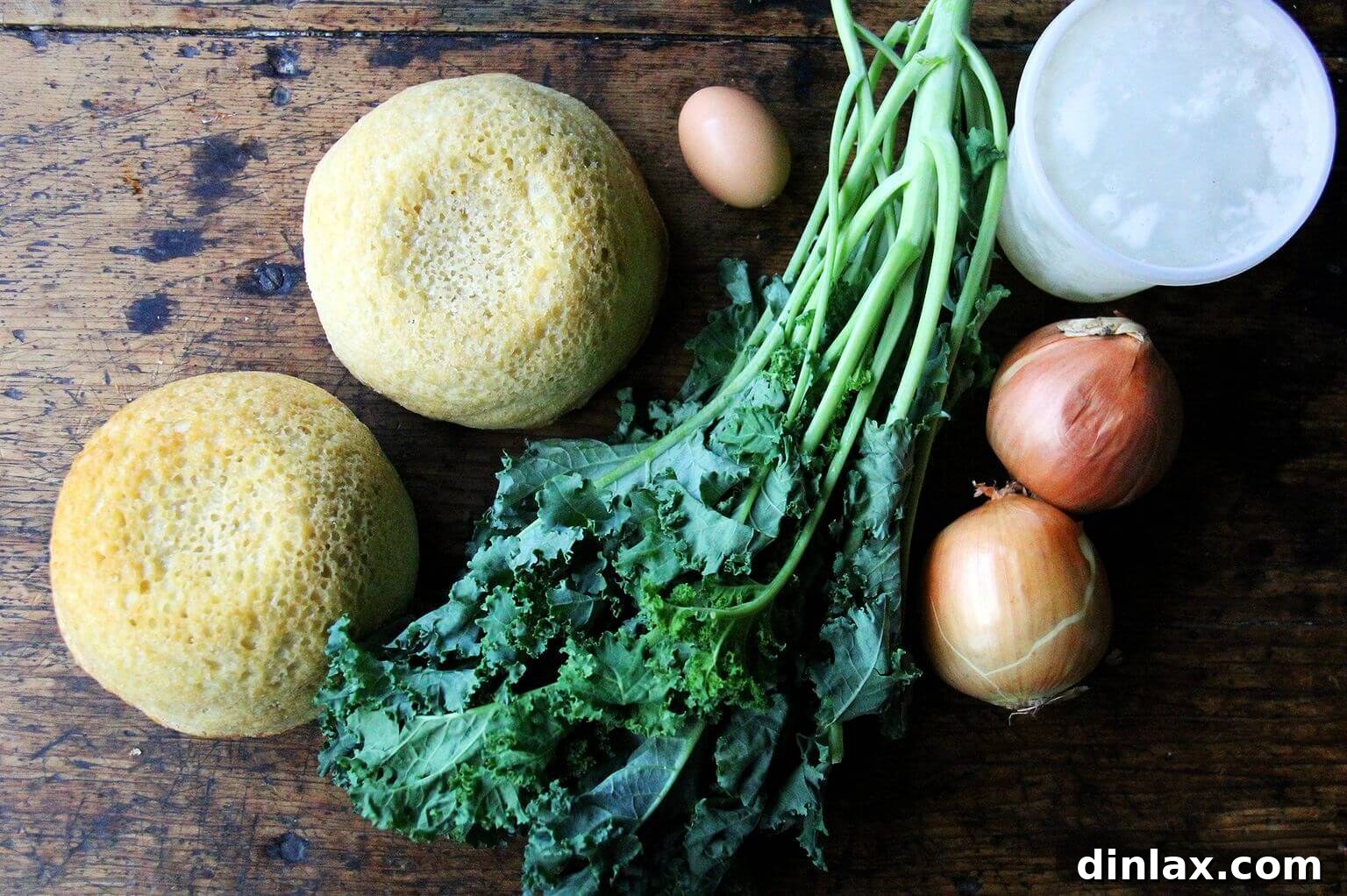
Gather your ingredients: The journey to exceptional stuffing begins with quality ingredients. For the bread, I highly recommend my mother’s peasant bread. Its crust is wonderfully crisp and buttery, yet not overly thick, making it ideal for stuffing without needing to remove the crust. If you’re using a different loaf, whether store-bought or homemade, and it has a notably extra-crusty exterior, consider removing the toughest parts of the crust for a more uniform texture. Beyond the bread, for this specific recipe, you’ll need fresh kale, sweet onions, a large egg, rich chicken stock (or vegetable stock for a vegetarian option), unsalted butter, and good quality olive oil.
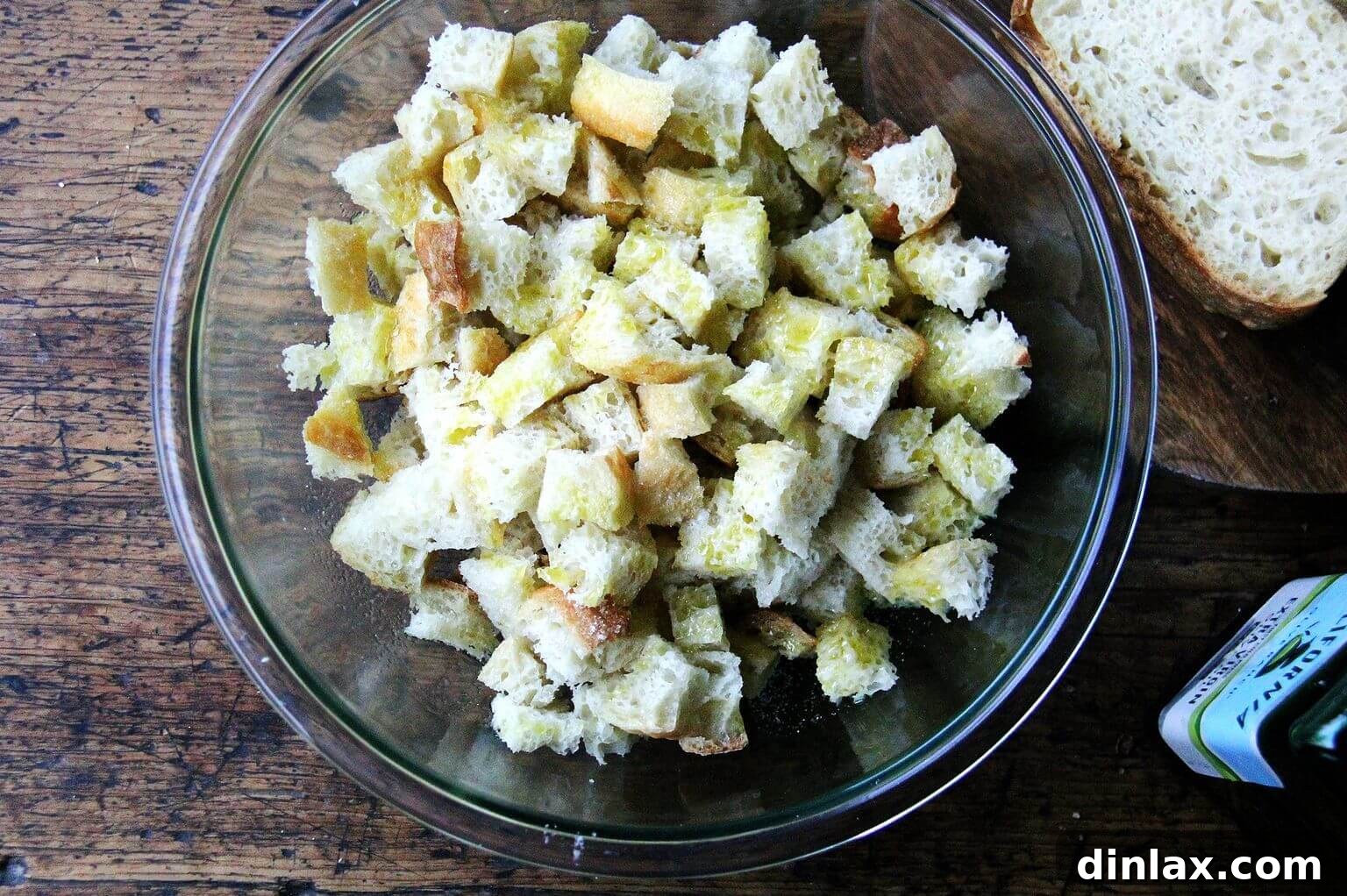
Once you have your bread, whether it’s the peasant bread or another type, proceed to tear or cube it into bite-sized pieces. Aim for pieces roughly 1 to 2 inches in size. Place these bread pieces into a large bowl, then drizzle them generously with a quarter cup of olive oil. Toss the bread until each piece is coated, and season with a good pinch of salt and freshly ground pepper. Don’t be shy with the seasoning; remember, the bread will absorb a lot of the flavor.
Transfer the seasoned bread cubes to a large sheet pan, spreading them out in a single layer to ensure even toasting. This single layer is crucial for achieving that desirable crisp exterior rather than steaming the bread.
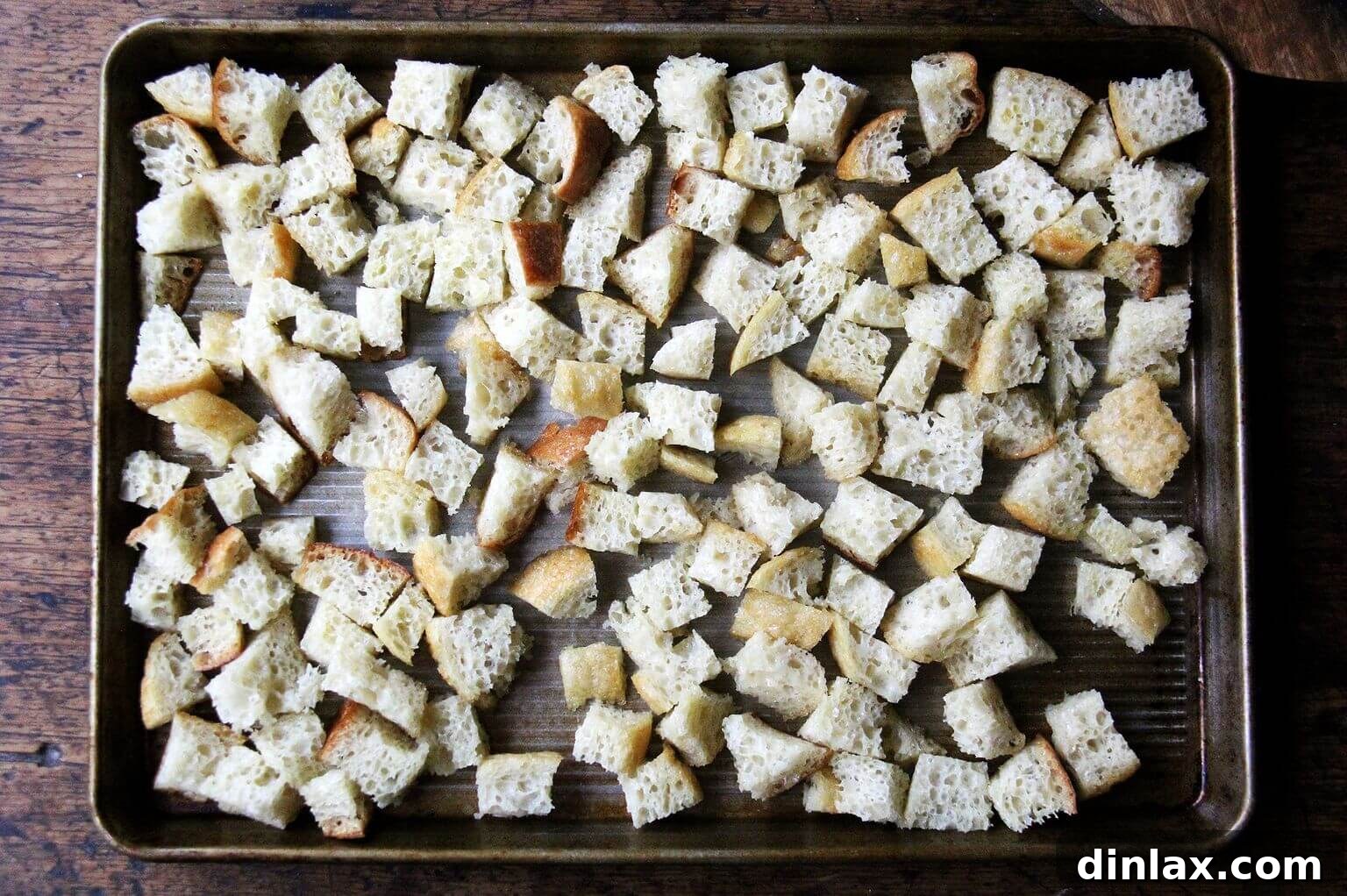
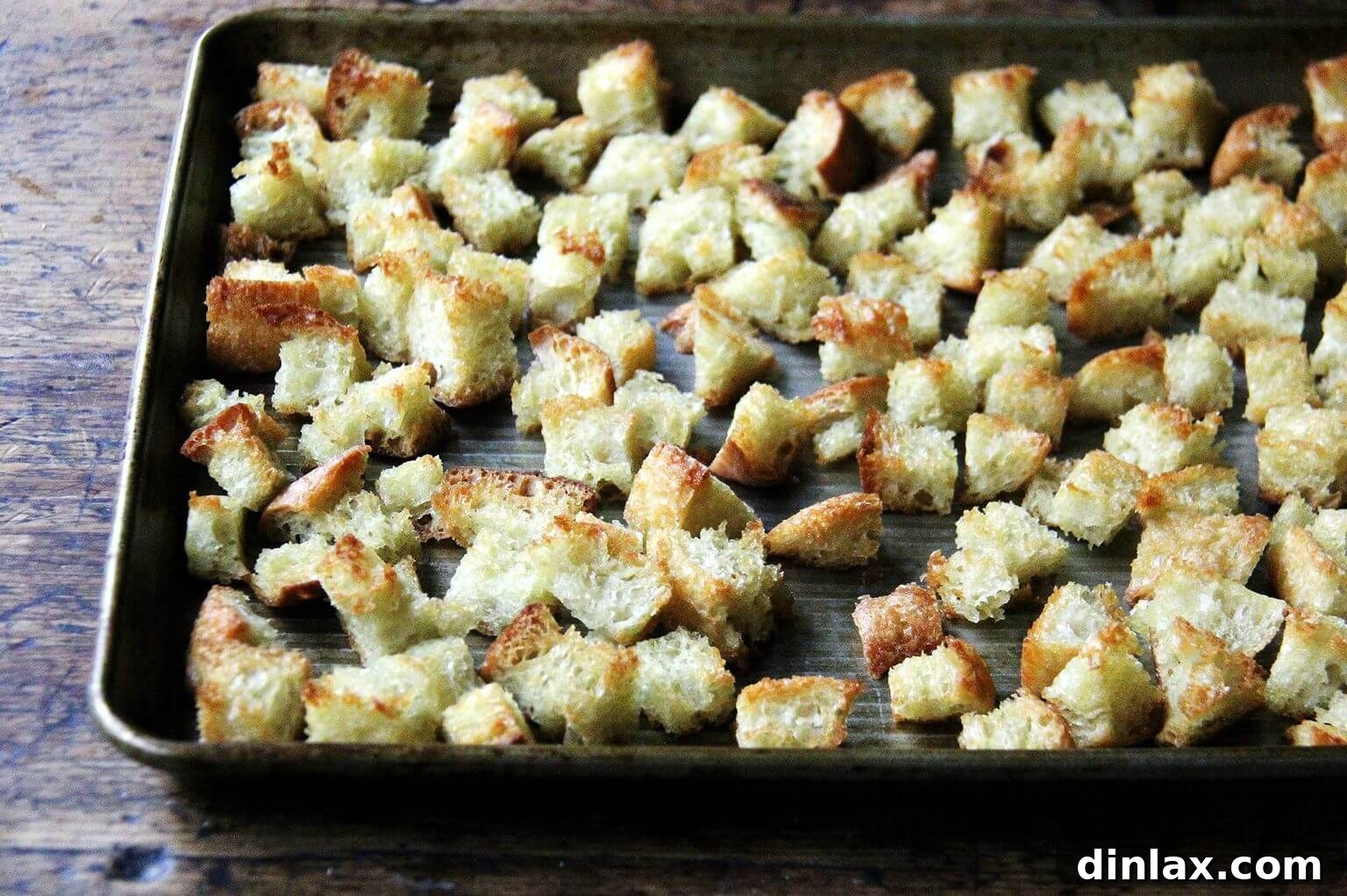
Bake the bread in a preheated 400°F (200°C) oven for about 15 to 17 minutes, or until the cubes are beautifully golden brown and slightly firm. This toasting step is essential as it provides the structural integrity for the stuffing, preventing it from becoming soggy when mixed with the liquid ingredients.
Meanwhile, prepare the star of the show: the caramelized onions. Begin by thinly slicing your onions. For best results and a uniform caramelization, try to keep your slices consistent in thickness.
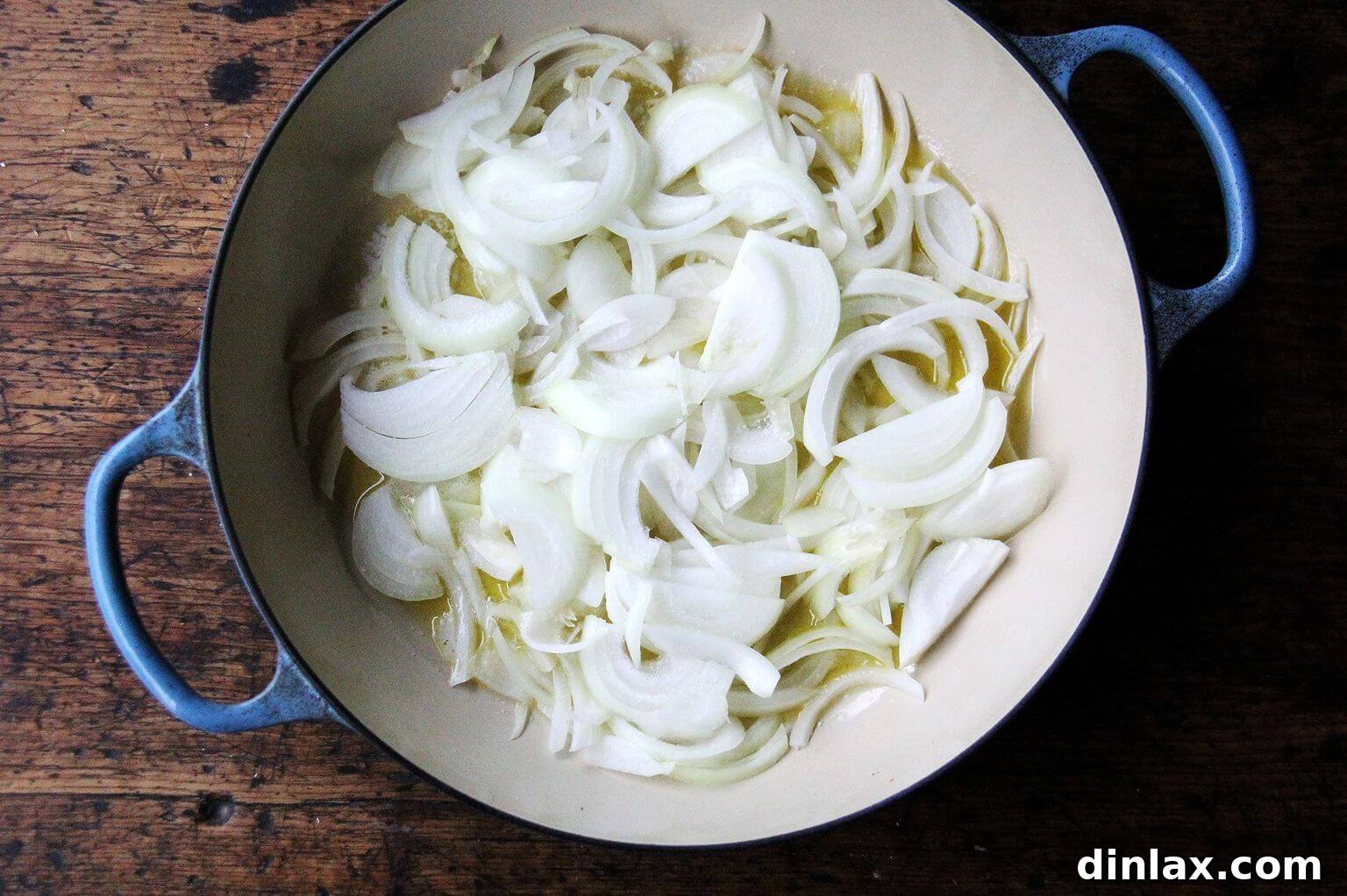
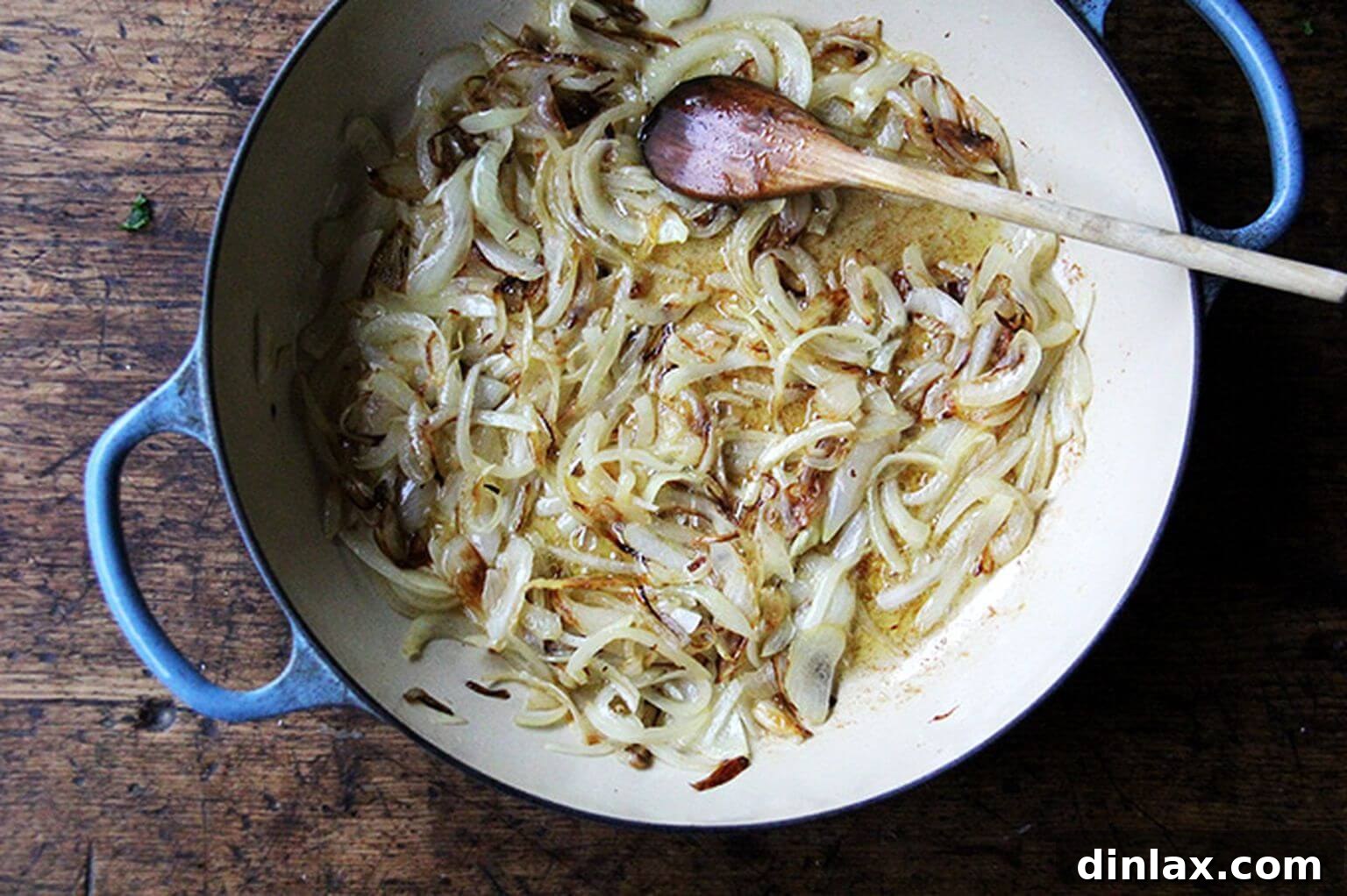
In a large sauté pan, melt the unsalted butter with the remaining quarter cup of olive oil over medium heat. Add the sliced onions, season them with a pinch of salt to help draw out their moisture, and begin to cook them slowly. Stir frequently, allowing the onions to soften and gradually transform. This process can take 15 to 20 minutes, as you want the onions to develop a deep golden-brown color and a rich, sweet, intensely savory flavor. Patience here is key to achieving truly caramelized onions.
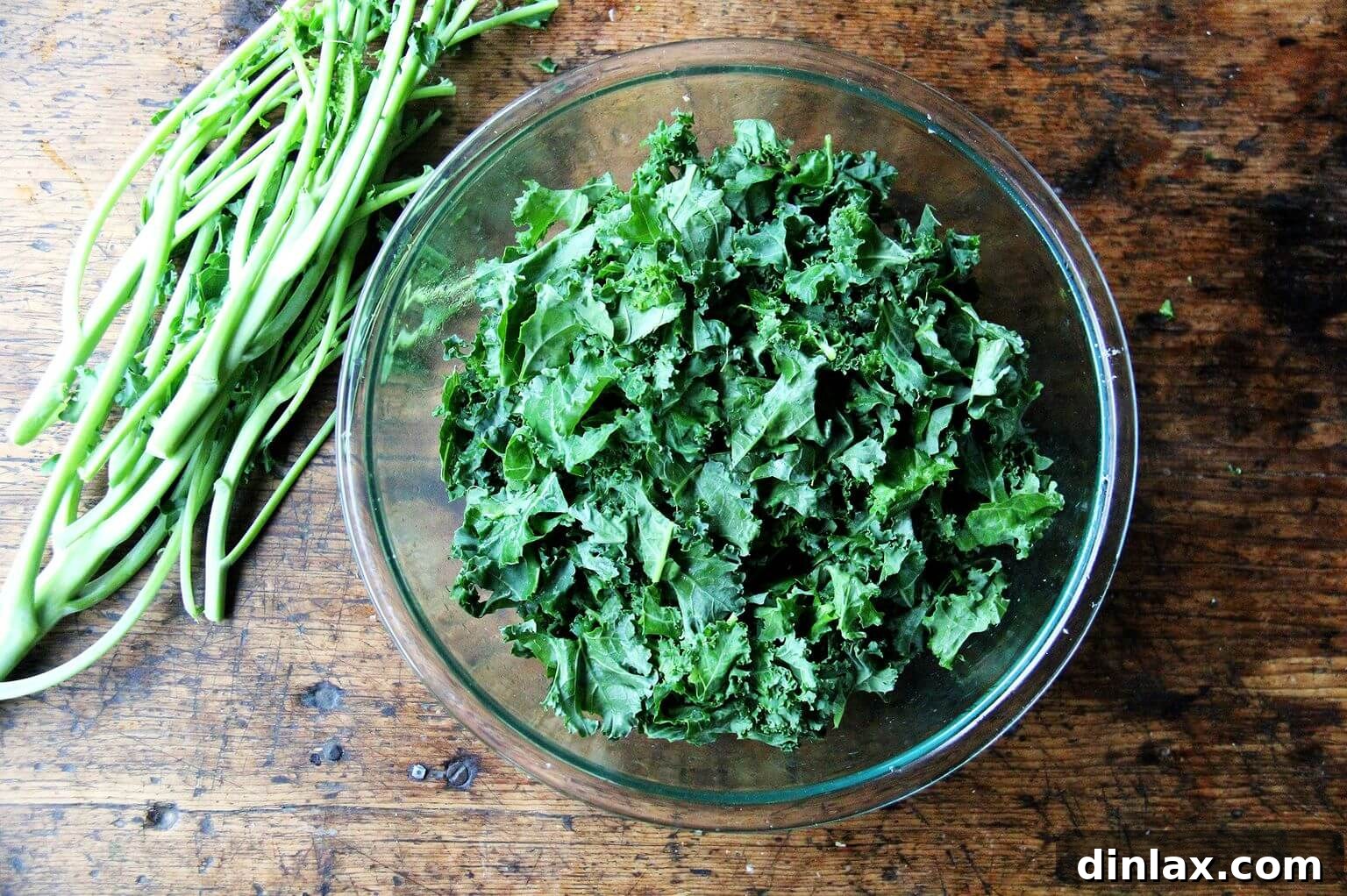
While the onions are caramelizing, prepare your kale. Start by removing the tough, fibrous stems from the kale leaves. You can either tear the leaves into small, rustic pieces or slice them into elegant ½-inch ribbons. Both methods work well; choose the one that appeals most to your desired aesthetic and texture. Place the prepared kale in the large bowl you used for the bread, ensuring it’s ready for assembly.
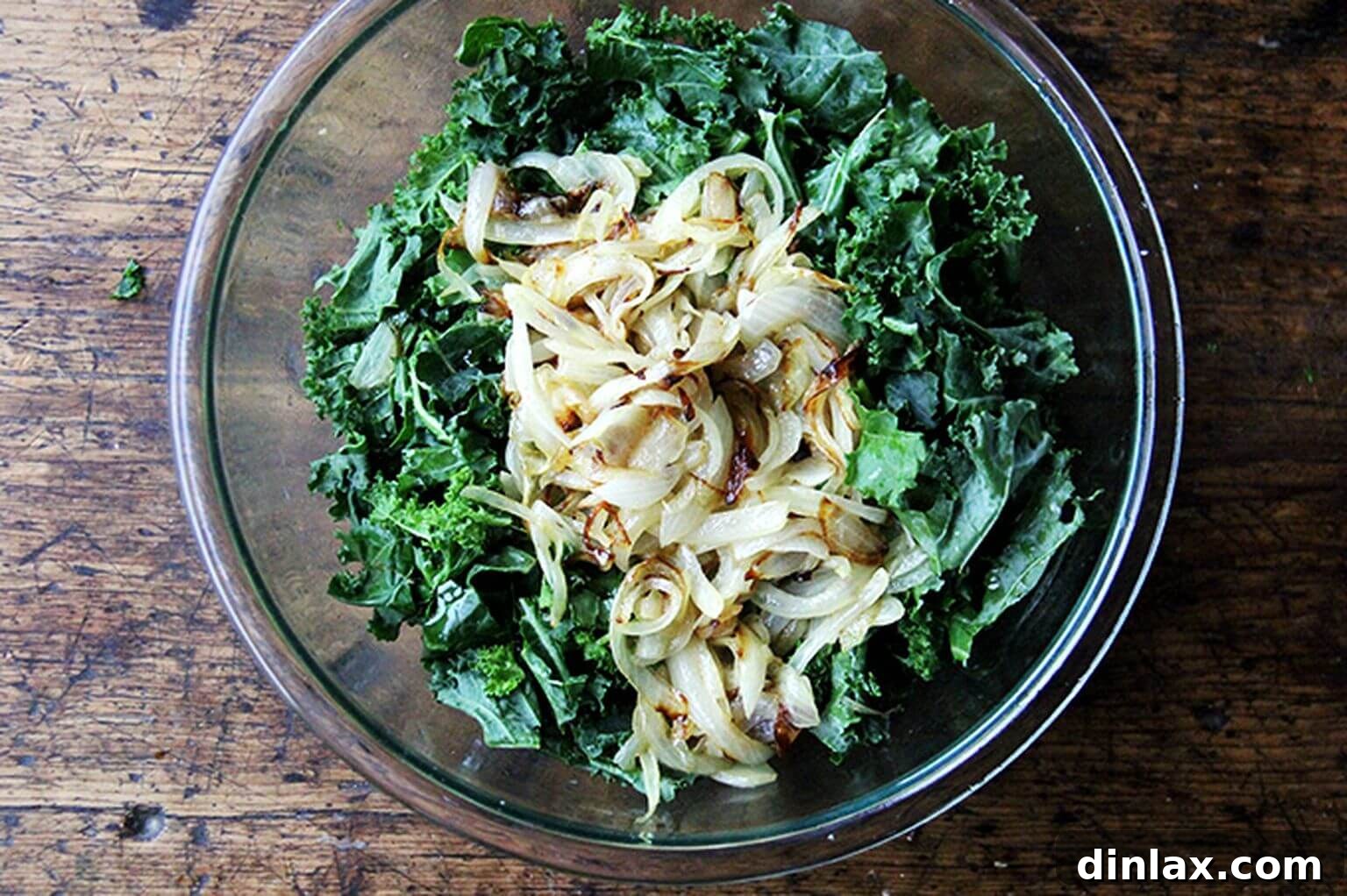
Once the onions have reached their beautiful caramelized state, carefully scrape them over the kale in the bowl. Gently toss the two together, allowing the residual heat from the onions to slightly wilt the kale and begin to meld their flavors. This combination offers a delightful contrast of sweet and earthy notes.
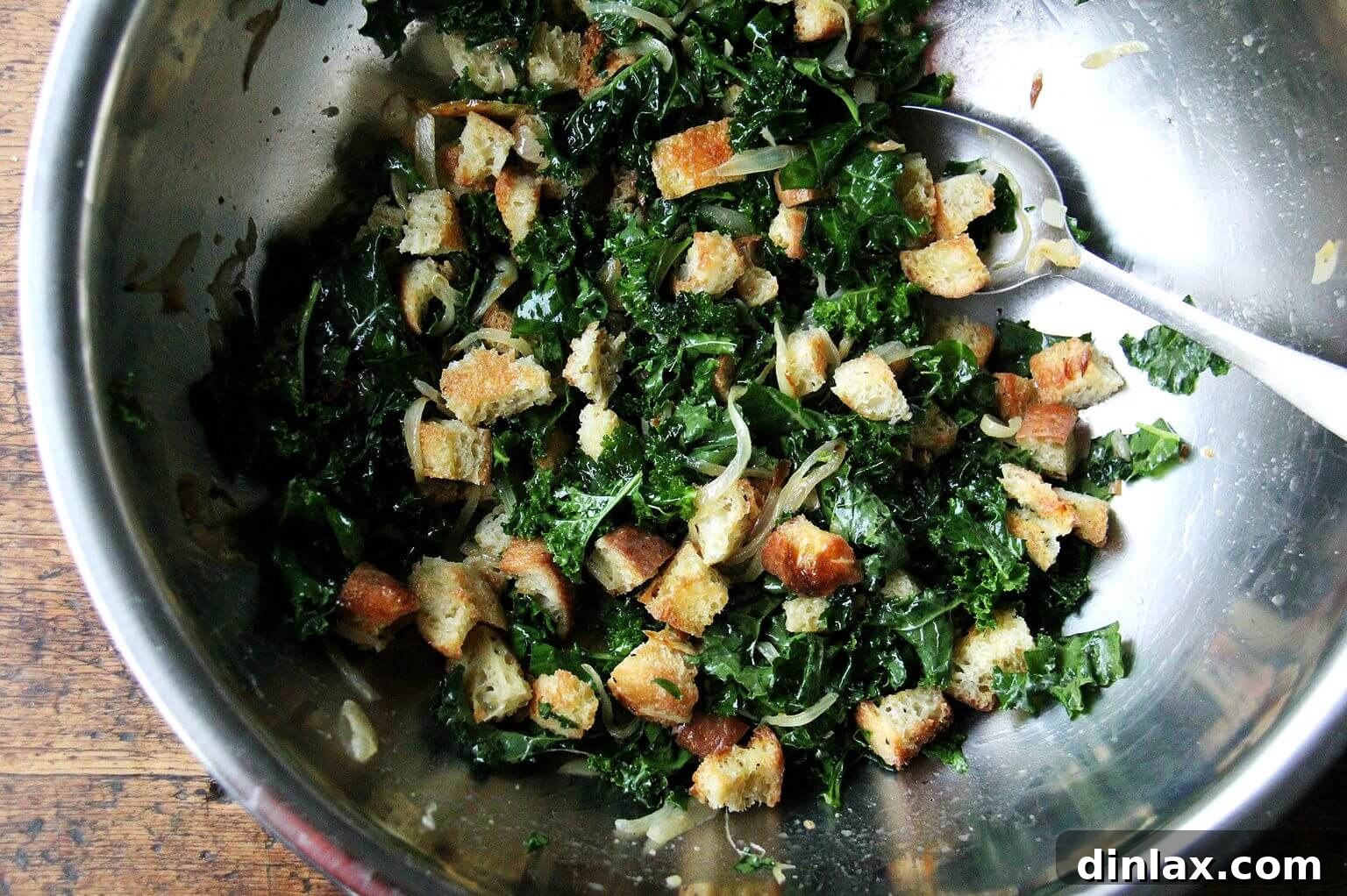
Toss kale and onions with bread, stock, salt, and pepper: Now, it’s time to bring all the main components together. Add your toasted bread cubes to the bowl containing the kale and caramelized onions. Pour in 1 cup of your chosen stock. If you’re aiming for a vegetarian stuffing, vegetable stock is an excellent choice. Otherwise, chicken stock or turkey stock will add a richer, more savory depth. Add about ½ teaspoon of salt and a generous grinding of fresh cracked pepper. Toss everything together thoroughly until the bread begins to absorb the stock and the flavors are well distributed.
This is a critical tasting point. Take a small portion of the mixture and taste it. The seasoning should be vibrant and well-balanced, much like a perfectly dressed panzanella salad. It should be so delicious that you’d be tempted to call it done right then and there. Adjust with more salt and pepper as needed until the flavors sing. Don’t worry, we’re almost there!
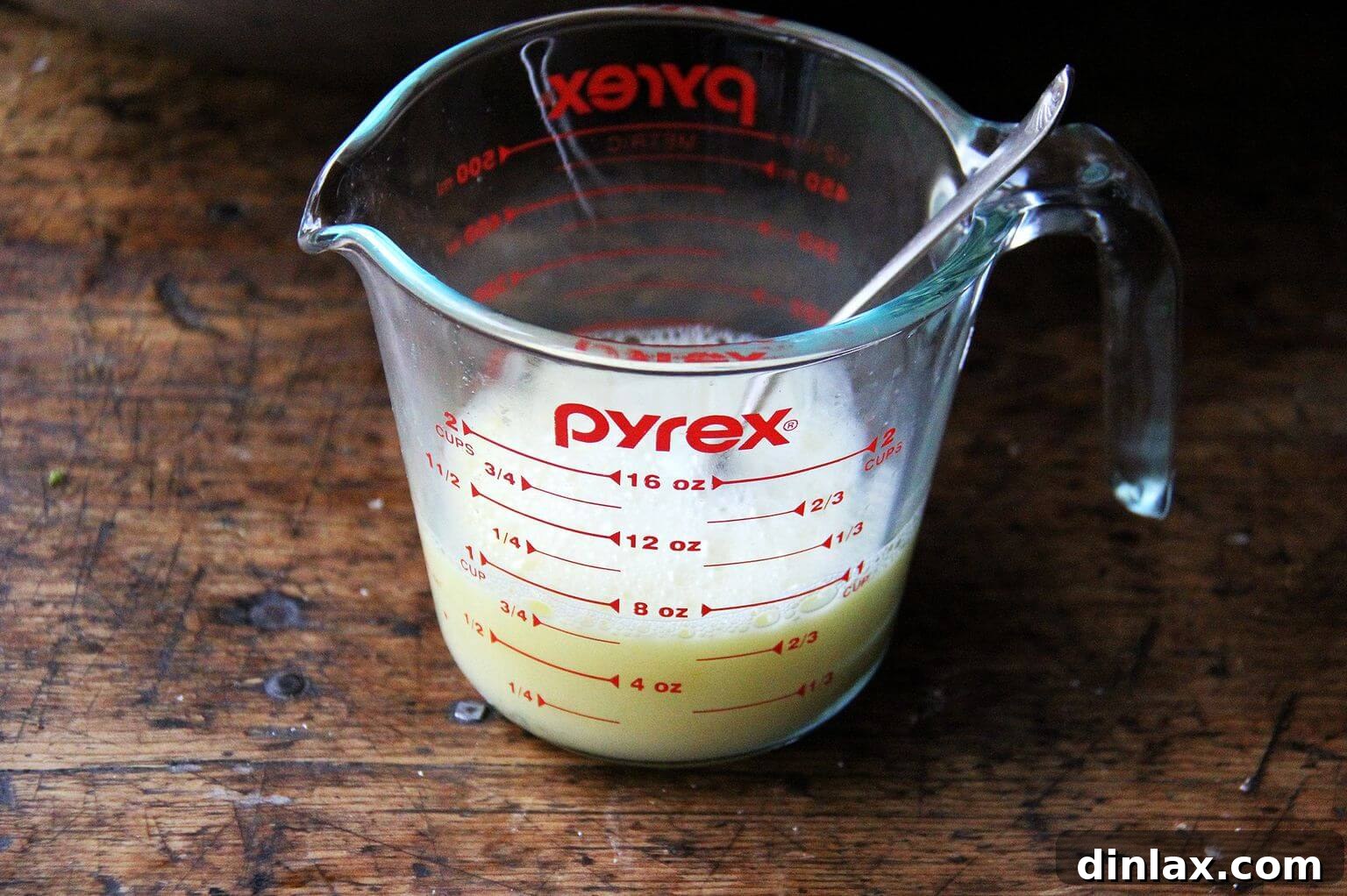
In a separate small bowl, whisk together the remaining ½ cup of stock with one large egg. This egg serves a crucial purpose: it acts as a binder, helping to hold the stuffing together during baking and creating that desirable moist, cohesive texture in the center. Add this egg and stock mixture to your bowl of greens and bread, and toss gently until everything is evenly combined.
Once thoroughly mixed, transfer the entire stuffing mixture into a generously greased 9×13-inch baking pan. Using softened butter to grease the pan will add a little extra flavor and ensure easy removal. Spread the stuffing evenly into the pan.
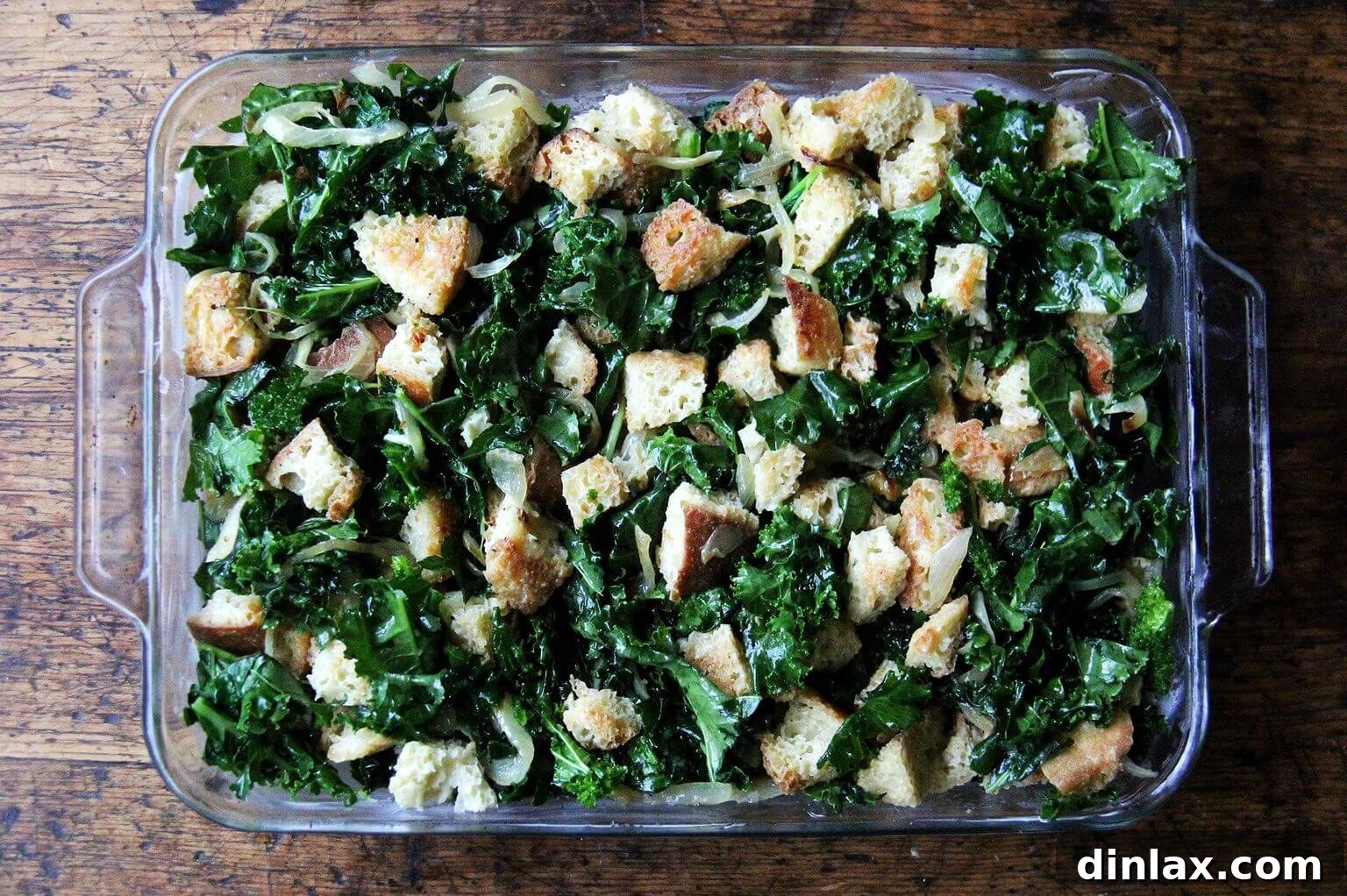
Now, cover the pan tightly with aluminum foil. At this point, you have two excellent options: you can either immediately transfer the pan to a preheated oven for baking, or you can place it directly into the freezer. Freezing allows you to get a significant head start on your holiday preparations, easing the pressure on the big day.
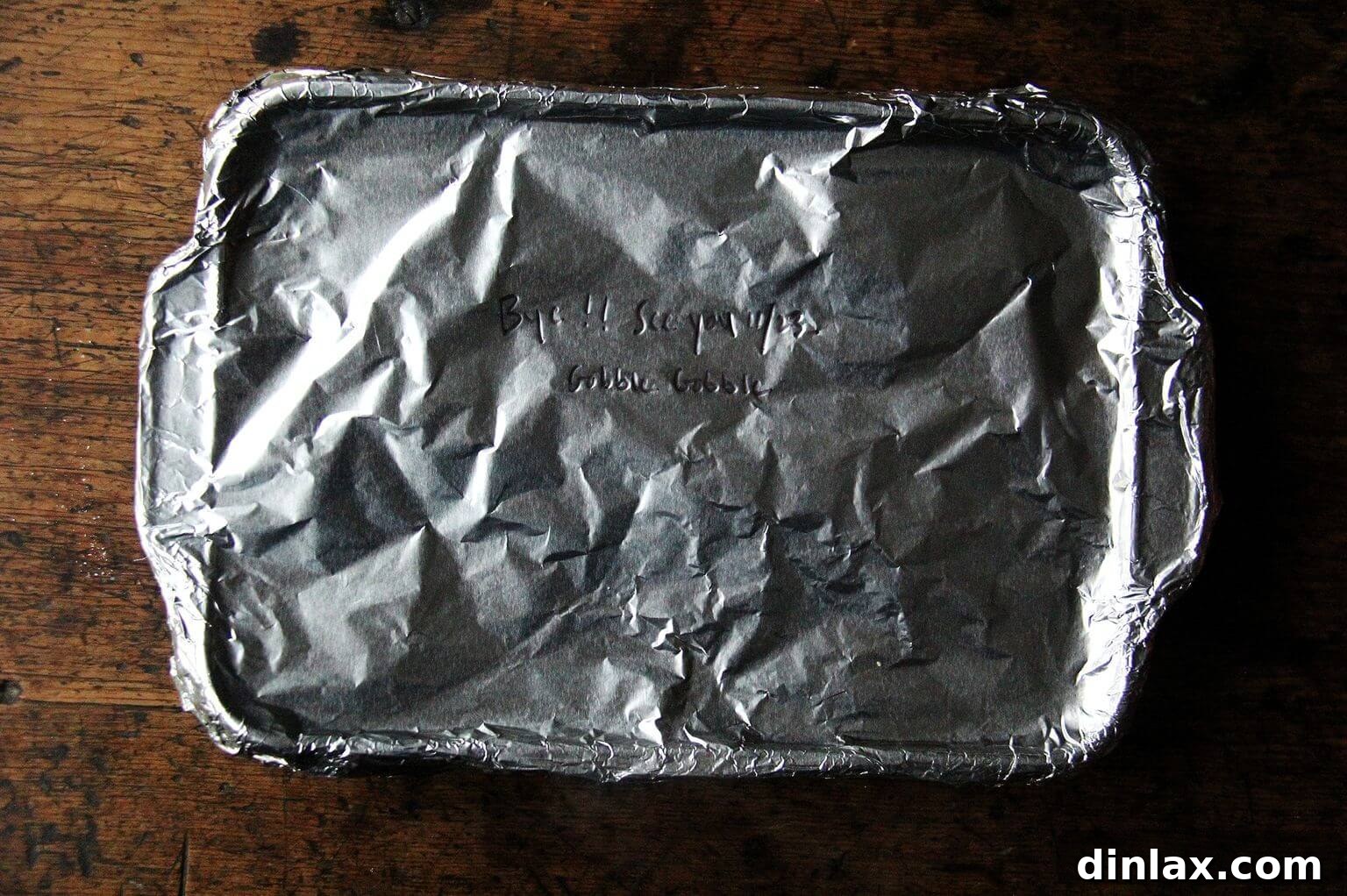
If baking from fresh, the stuffing bakes, covered, for 30 minutes to allow it to cook through and become tender. Then, uncover it and bake for an additional 15 to 20 minutes, allowing the top to become wonderfully crisp and golden brown. If baking from frozen, refer to the detailed freezing and baking instructions in the recipe card below for adjusted times.
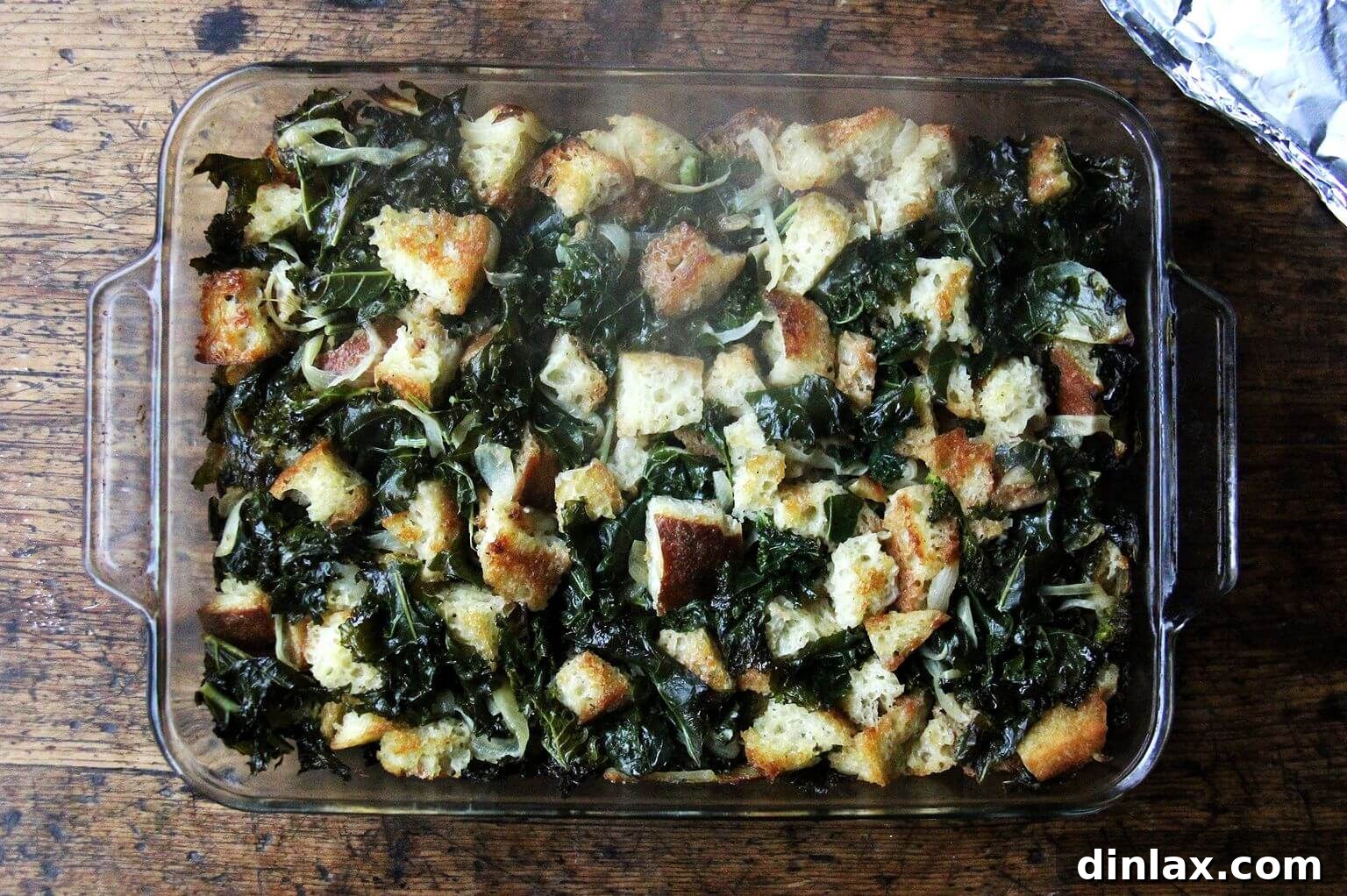
And there you have it – a perfectly baked, incredibly flavorful stuffing! The aroma filling your kitchen will be absolutely delightful, a true harbinger of the holiday season. Allow it to rest for a few minutes before serving to let the flavors settle and the structure firm up slightly.
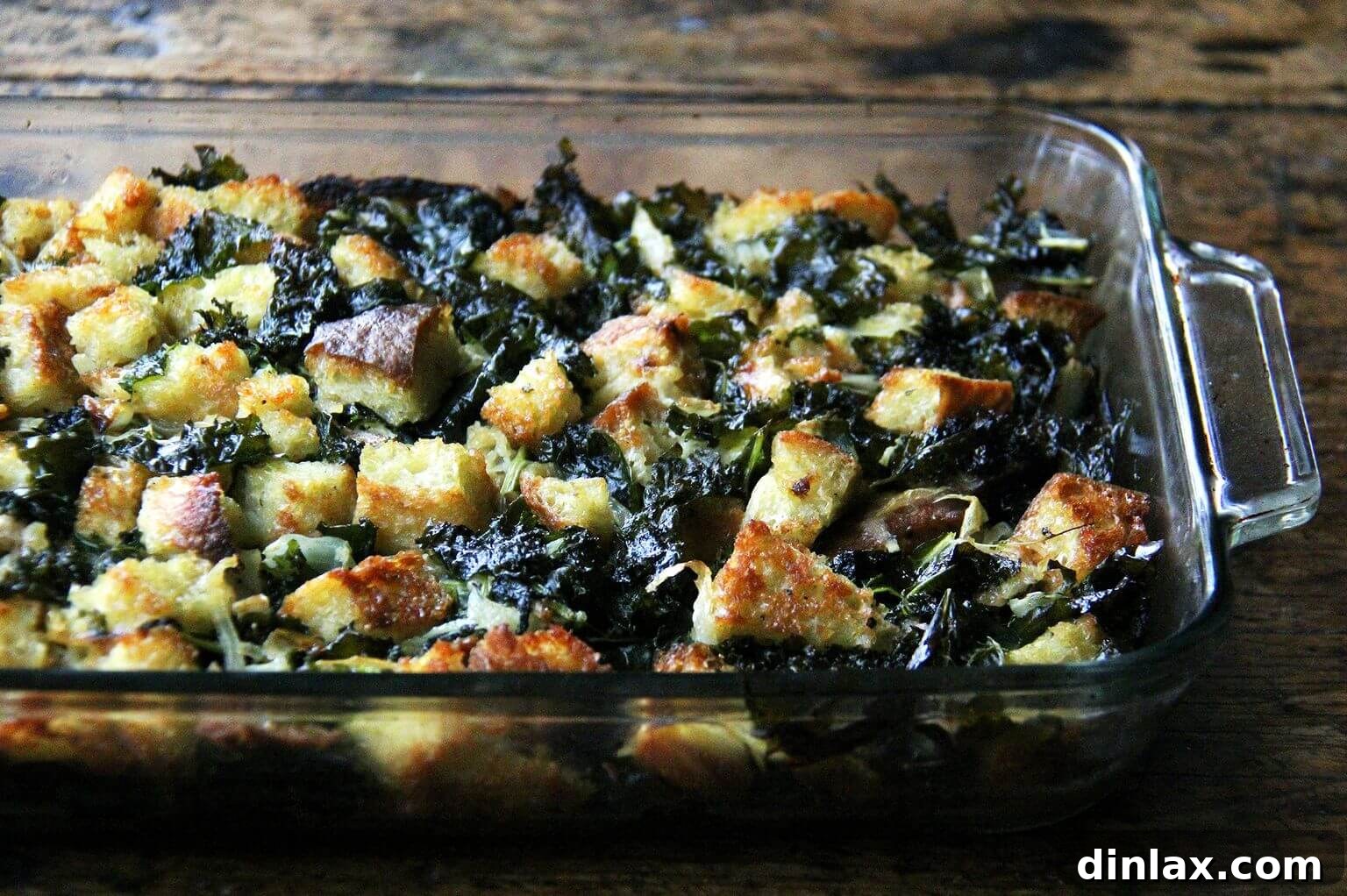
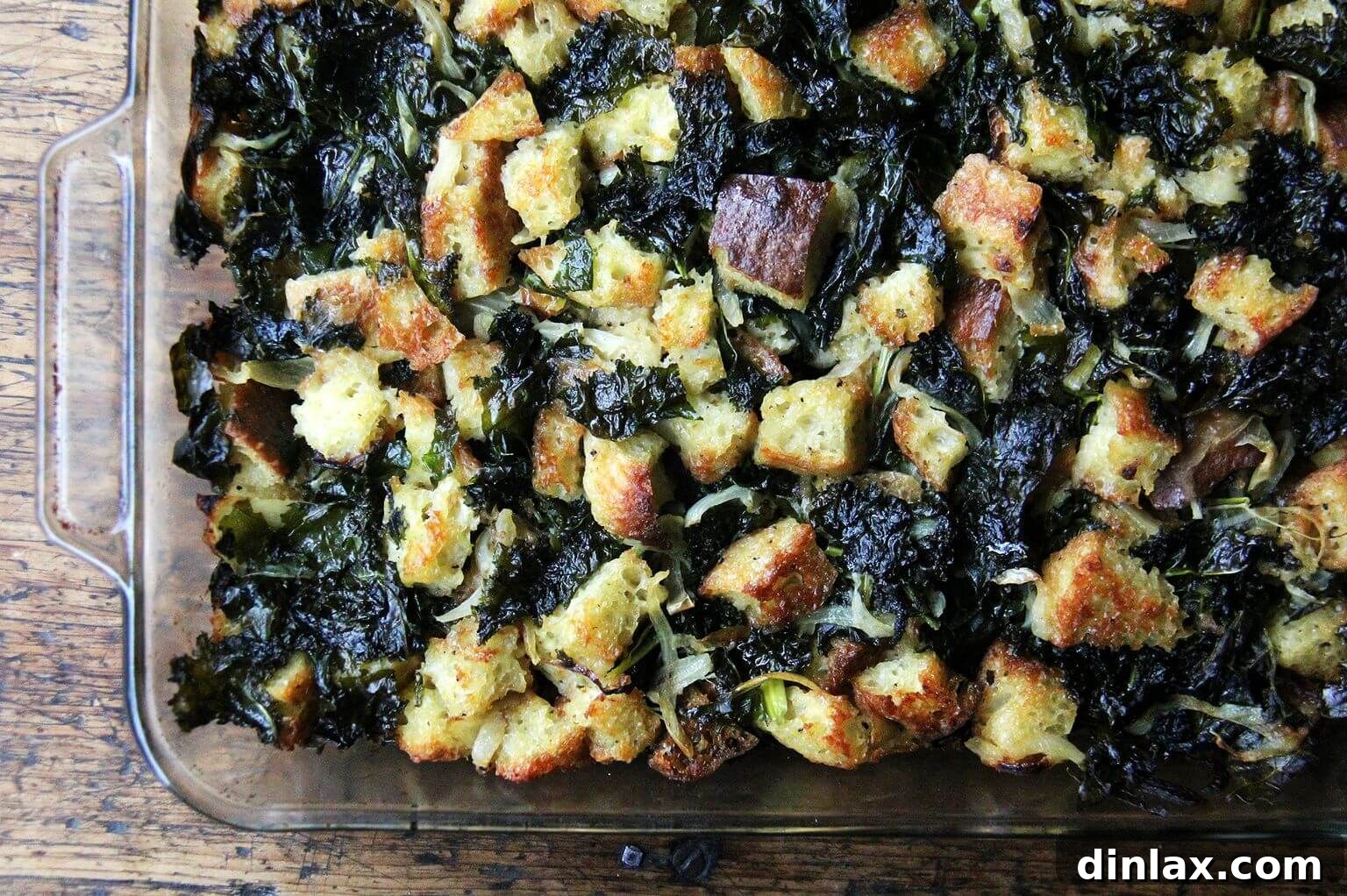
P.S. As a little tip on presentation and texture, I’ve come to prefer tearing my bread into irregular, rustic pieces rather than cutting it into neat, uniform cubes. I find this approach creates a more visually appealing dish with a more varied and interesting texture in every bite. It adds to the charm of a homemade, comforting side dish.
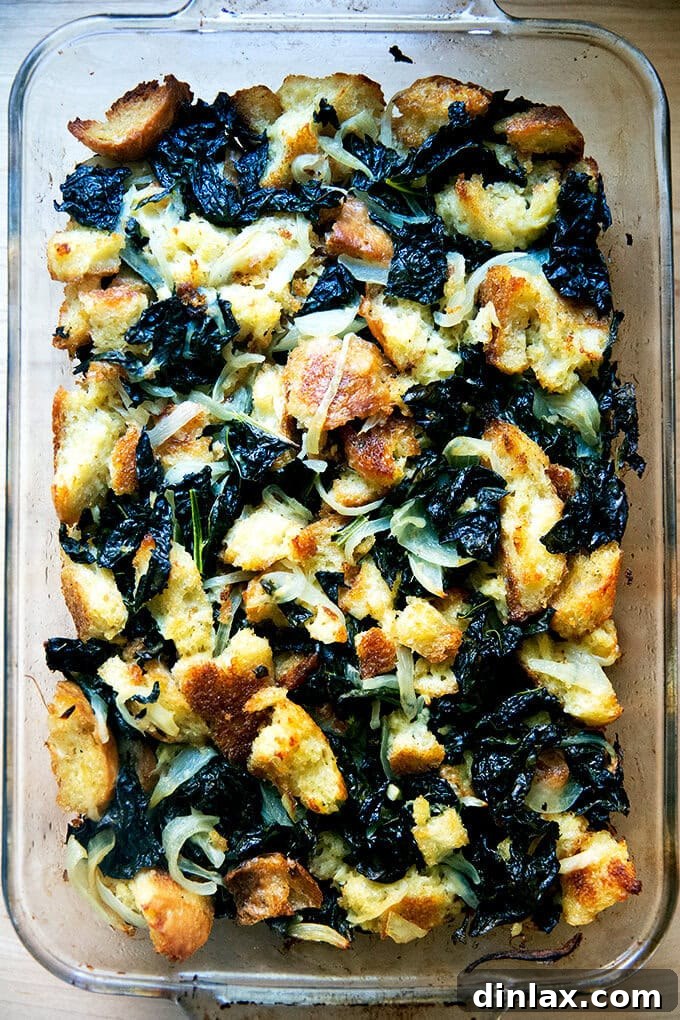
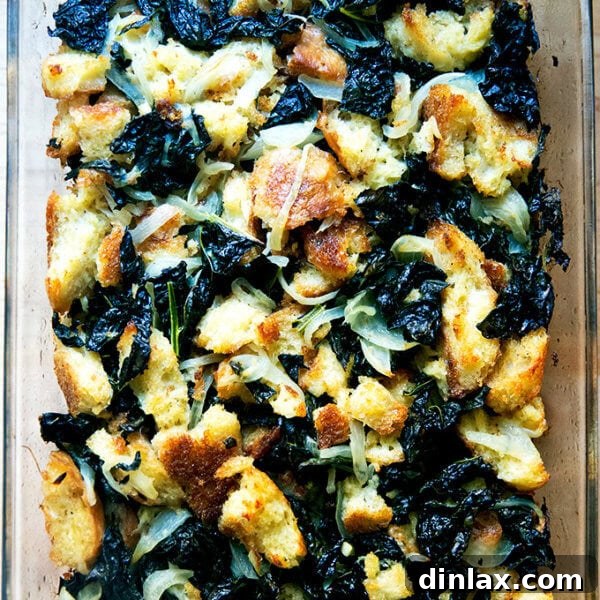
Kale and Caramelized Onion Stuffing (Freezable)
5 Stars 4 Stars 3 Stars 2 Stars 1 Star
5 from 8 reviews
Author: Alexandra Stafford
Total Time: 1 hour 20 minutes
Yield: 8 to 10 1x
Description
This Freezable Kale and Caramelized Onion Stuffing is a vibrant and flavorful addition to any holiday table, especially Thanksgiving. It’s designed to be prepared in advance, allowing you to simply freeze it and bake it when needed, significantly reducing stress on a busy celebration day. The stuffing features a delightful contrast of textures and tastes: the slight bitterness and hearty texture of kale perfectly balance the deep, sweet, and savory notes of slowly caramelized onions. Together with perfectly toasted bread, it creates a dish with a crisp golden exterior and a wonderfully creamy, moist interior.
This recipe is an inspired adaptation from the stuffing found in my cookbook, Bread Toast Crumbs. It’s not just a side; it’s a centerpiece dish that’s rich enough to satisfy on its own, yet perfectly complements roasted meats and other Thanksgiving fare.
Notes and Tips for Success:
- Bread Choice Matters: For the best results, I often use my mother’s peasant bread due to its ideal crust – crisp and buttery without being overly thick. If you opt for a store-bought or homemade bread with an exceptionally thick or tough crust, it’s advisable to remove it to ensure a consistent and enjoyable texture throughout the stuffing. Toasting the bread cubes or pieces until golden is crucial; this step prevents the stuffing from becoming mushy and enhances its flavor.
- Kale Varieties: Both Tuscan kale (Lacinato or dinosaur kale) and curly kale work beautifully in this recipe. Tuscan kale tends to be a bit more tender and has a milder flavor, while curly kale offers a slightly more robust texture and peppery note. Choose your favorite, ensuring to remove the tough central stems before slicing into ribbons.
- Freezing and Baking Instructions for Make-Ahead Convenience: The genius of this recipe lies in its freezability. I prefer to freeze the stuffing uncooked, which ensures maximum freshness upon baking. After assembling the stuffing and transferring it to your 9×13-inch baking pan, cover it securely with aluminum foil. You can then place the entire pan in the freezer for up to three months. This makes it an ideal make-ahead Thanksgiving side dish or a convenient option for any special occasion.
- To Bake from Frozen: When you’re ready to serve, preheat your oven to 350°F (175°C). Place the covered, frozen stuffing directly into the preheated oven and bake for 1 hour. This initial bake time allows the stuffing to thaw and cook through gently. After 1 hour, increase the oven temperature to 400°F (200°C), remove the foil, and continue baking uncovered for an additional 15 to 20 minutes. This final step creates that coveted golden-brown, slightly crispy crust that makes stuffing so irresistible.
Ingredients
- 1½ pounds day-old peasant bread or other French/Italian bread, torn into 1– to 2-inch pieces (approximately 8-10 cups), see notes above for crust guidance
- 1/2 cup extra-virgin olive oil, divided (for bread and onions)
- kosher salt and freshly ground black pepper to taste
- 4 tablespoons unsalted butter
- 2 cups thinly sliced onions (typically from 1 to 2 medium-sized onions)
- 8 ounces kale, (Tuscan or curly, see notes above), tough stems discarded, leaves sliced into ½-inch ribbons
- 1½ cups homemade chicken stock, turkey stock, or good quality store-bought vegetable stock for a vegetarian option
- 1 large egg
- softened butter, for greasing the baking pan
Instructions
- Prepare and Toast the Bread: Preheat your oven to 400°F (200°C). In a large mixing bowl, combine the torn or cubed bread pieces with 1/4 cup of the extra-virgin olive oil. Toss thoroughly until the bread pieces are well saturated. Season generously with kosher salt and freshly ground black pepper. Take a small piece of bread and taste it to ensure the seasoning is just right. Spread the seasoned bread onto a large sheet pan in a single layer, making sure not to overcrowd it. This ensures even toasting and crispness. Transfer the sheet pan to the preheated oven and toast for 15 to 17 minutes, or until the bread pieces are beautifully golden brown and slightly firm. Remove from the oven and set aside to cool briefly, reserving the large mixing bowl for later steps.
- Caramelize the Onions: While the bread is toasting, prepare your caramelized onions. In a large sauté pan or Dutch oven, melt the 4 tablespoons of unsalted butter with the remaining 1/4 cup of olive oil over medium heat. Add the thinly sliced onions to the pan, along with a pinch of salt. Cook the onions, stirring occasionally, for 15 to 20 minutes. Be patient during this step; you want the onions to slowly soften, turn translucent, and then caramelize into a rich, golden-brown color, developing a deep, sweet flavor.
- Combine Ingredients and Season: Place the prepared kale ribbons in the large mixing bowl that you reserved. Once the onions have finished caramelizing, scrape them directly into the bowl over the kale. Toss gently to combine; the warmth from the onions will slightly wilt the kale. Add the toasted bread pieces to the bowl and toss again until everything is well mixed. Pour in 1 cup of the chicken or vegetable stock, add 1/2 teaspoon of salt, and a generous amount of fresh cracked pepper to taste. Toss everything once more. Now, taste the mixture. This is the most crucial point for seasoning – the stuffing mixture should taste vibrant and well-seasoned on its own. Adjust with more salt and pepper as needed until the flavors are perfectly balanced.
- Bind and Bake (or Freeze): In a small separate bowl, whisk together the remaining 1/2 cup of stock with the large egg until well combined. Pour this egg-and-stock mixture into the large bowl with the stuffing ingredients. Toss gently until the liquid is evenly distributed and absorbed by the bread, ensuring the egg acts as a binder. Grease a 9×13-inch baking pan generously with softened butter. Transfer the stuffing mixture into the prepared pan, spreading it evenly. Cover the pan tightly with aluminum foil. At this stage, you can either proceed to bake immediately or freeze the uncooked stuffing (refer to the notes above for detailed freezing and baking instructions from frozen). If baking immediately, transfer the covered pan to the preheated 400°F (200°C) oven and bake for 30 minutes. After 30 minutes, remove the foil and continue baking for another 15 to 20 minutes, or until the top is golden brown and the kale edges are slightly crispy. Remove the pan from the oven and let the stuffing stand for 10 minutes before serving. Enjoy your delicious, homemade stuffing!
- Prep Time: 30 minutes
- Cook Time: 50 minutes
- Category: Stuffing, Side Dish, Thanksgiving
- Method: Baking, Freezing
- Cuisine: American