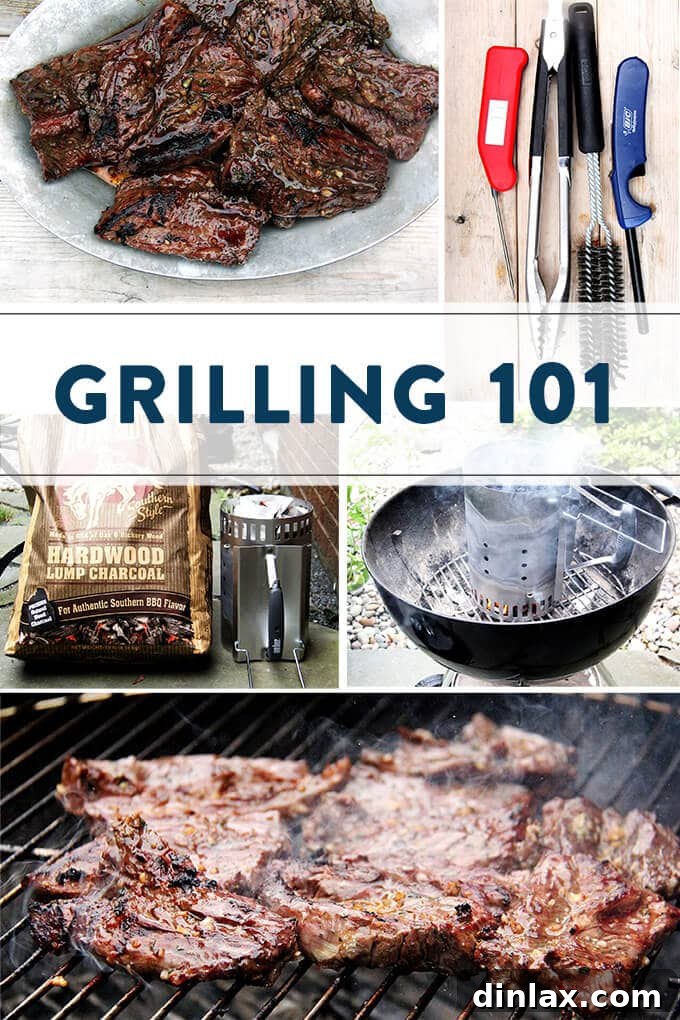
As the aroma of charcoal begins to fill the air, signaling the start of another glorious grilling season, many home cooks find themselves pondering a familiar set of questions: Is marinating truly essential for achieving that perfect flavor and tenderness? If so, what’s the ideal duration? Should salt be an integral part of the marinade, or is it best avoided? How about acidic components? And for those who swear by charcoal, the eternal debate rages on: lump or briquettes? Finally, should you grill with the lid on or off? These are common queries that can make even seasoned grill masters pause.
Fear not, aspiring outdoor chefs! In anticipation of the vibrant summer outdoor cooking season, I’ve meticulously gathered and distilled my extensive knowledge on grilling and marinating. This comprehensive guide is designed to empower you with the insights and techniques needed to elevate your barbecue game, ensuring every meal from the grill is a masterpiece of flavor and texture.
This detailed guide is structured to help you navigate the world of grilling with ease and confidence:
- Marinating 101: The Science and Art of Flavor Infusion
- Essential Grilling Gear: Tools for the Perfect Cookout
- Charcoal Grilling 101: Mastering the Flames
- 9 Favorite Recipes for Your Grill: Inspiration for Every Occasion
Your journey to becoming a grilling expert begins here. Feel free to share any personal grilling wisdom or questions in the comments below!
Marinating 101: The Science and Art of Flavor Infusion
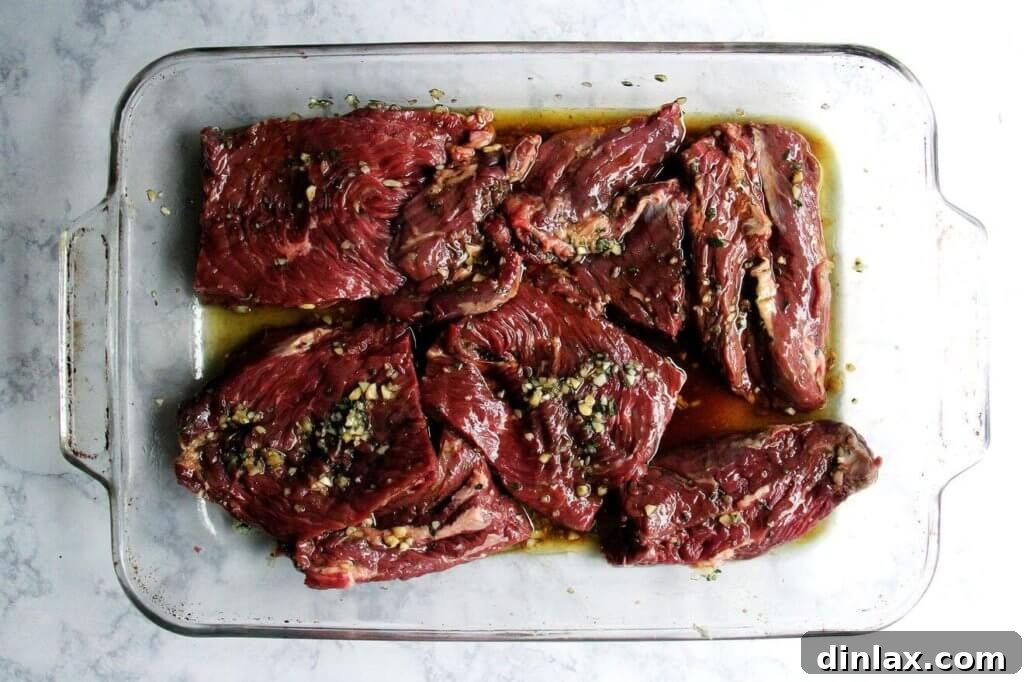
Marinating is often seen as a magical step that transforms ordinary cuts of meat into extraordinary culinary delights. While its effects might seem miraculous, they are rooted in simple culinary science. A well-crafted marinade serves multiple purposes: it infuses flavor, tenderizes tougher cuts, and helps retain moisture during the cooking process. Much of the foundational knowledge presented here is inspired by the scientific approach to cooking championed by J. Kenji Lopez-Alt’s The Food Lab, offering a deeper understanding of why certain ingredients are indispensable in any marinade.
What Key Ingredients Should Be In A Marinade?
To create a balanced and effective marinade, focus on these essential components, each playing a crucial role in enhancing your food:
- Oil: The flavor carrier and heat buffer.
- Acid: The tenderizer and brightener.
- Salt or Salty Liquid: The moisture retainer and protein modifier.
- Aromatics (optional, but highly recommended): The flavor infusers.
Why Is Oil Essential in a Marinade?
- Enhanced Adhesion and Emulsification: Oil helps to emulsify the marinade, creating a thicker, tackier consistency that adheres more effectively to the surface of the meat. This ensures a more even distribution of flavors and seasonings.
- Superior Flavor Dispersion: Many potent flavor compounds found in ingredients like onions, garlic, and various spices are oil-soluble. Mixing them with oil allows these flavors to disperse and penetrate the surface of the meat more efficiently, leading to a richer and more aromatic final product.
- Even Cooking and Heat Protection: A thin layer of oil on the meat’s surface acts as a buffer against the intense, direct heat of the grill. This helps the meat cook more evenly, reducing the risk of charring the exterior before the interior reaches the desired doneness, and also helps prevent sticking to the grates.
The Role of Acid in Tenderizing Meat
- Effective Tenderization: Acidic ingredients such as lemon juice, lime juice, vinegar (apple cider, red wine, balsamic), or even buttermilk, work by denaturing proteins on the surface of the meat. This process unravels the protein strands, making the meat fibers looser and more tender.
- Important Caution on Over-Marinating: While acid is a great tenderizer, moderation is key. Excessive acid exposure can “cook” the outer layers of the meat, causing them to firm up prematurely and develop an unappetizing chalky or mushy texture. To avoid this, aim for a balance: use no more than equal parts acid and oil in your marinade, and limit the marinating time to under 10-12 hours, especially for more delicate proteins.
Why Salt or Salty Liquid is a Must-Have
- Moisture Retention and Texture Improvement: Salt plays a critical role in altering the muscle proteins. Specifically, it helps to dissolve myosin, a key muscle protein. This dissolution leads to a looser texture within the meat and significantly improves its ability to retain moisture during grilling. The result is juicier, more succulent meat that is less prone to drying out.
- Enzymatic Breakdown for Enhanced Tenderness: Ingredients like soy sauce and Worcestershire sauce are excellent salty liquid options, not just for their flavor, but also because they contain proteases. These natural enzymes actively break down proteins, further contributing to the meat’s tenderness and overall palatable texture. A simple brine (salt dissolved in water) can also achieve similar benefits.
Maximizing Flavor with Aromatics
- Surface Flavor Infusion: Aromatics such as minced garlic, fresh ginger, finely chopped shallots, vibrant scallions, a variety of dried spices (cumin, paprika, chili powder), fresh herbs (rosemary, thyme, oregano, cilantro), and chilies are primarily responsible for seasoning the surface of the meat. While they don’t penetrate deeply, their concentrated flavors create an incredibly impactful and fragrant crust when grilled.
- Preparation Tips: To maximize the flavor release from aromatics, ensure they are finely minced, crushed, or chopped. This increases their surface area, allowing their essential oils and flavor compounds to infuse more readily into the marinade and onto the meat.
Best Practices for Marinating: How & For How Long?
- Optimal Marinating Vessels: A heavy-duty ziplock bag, with as much air squeezed out as possible, is an excellent tool for marinating. This method maximizes direct contact between the meat and the marinade, ensuring every part is thoroughly coated. Alternatively, any snug-fitting vessel like glass bowls or baking dishes works well, provided the meat is fully submerged or regularly turned to ensure even coverage.
- Understanding Marinade Penetration: It’s a common misconception that marinades deeply penetrate meat. In reality, marinades typically only seep a millimeter or two into the surface, even after many hours. Therefore, their primary effect is on the exterior flavor and texture, creating a delicious crust and a subtle flavor enhancement beneath the surface.
- Ideal Marinating Times: For most applications, aim to marinate your proteins for at least 1 hour to allow flavors to develop and the salt to begin its work. The sweet spot for marinating is generally between 4 to 12 hours. Extending beyond 12 hours can lead to an undesirable outcome, as the meat around the edges may become overly mushy or chalky, giving it a slightly “cooked” appearance before it even hits the grill. For very delicate fish, much shorter times (20-30 minutes) are often sufficient.
Essential Gear for Charcoal Grilling
To master the art of charcoal grilling, having the right tools is just as important as knowing the techniques. Investing in reliable equipment will make your grilling experience smoother, safer, and more enjoyable. Here’s a breakdown of the essential gear every charcoal enthusiast should consider:
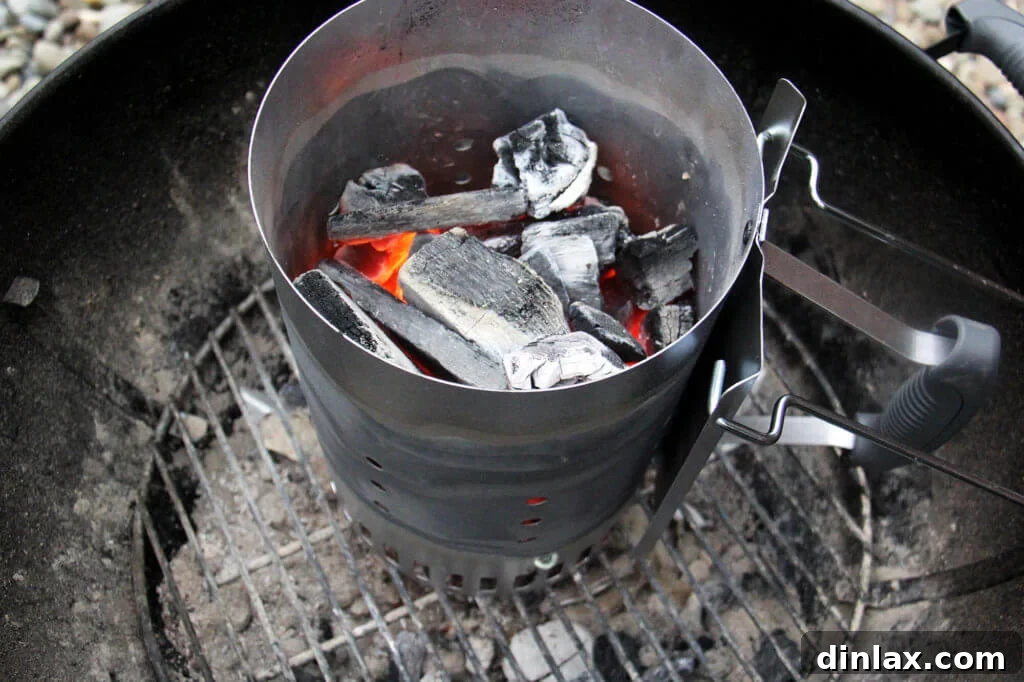
Your Trusted Charcoal Grill
- The Weber Kettle: A Timeless Classic: My personal choice, and a favorite among many, is the charcoal Weber kettle grill. While it’s a basic model, its simplicity and robust design make it incredibly effective for a wide range of grilling styles. Its ample size is perfect for everything from quick weeknight meals to larger gatherings. Look for models with adjustable air vents for temperature control and an ash catcher for easy cleanup. A good charcoal grill is an investment that will provide countless hours of delicious outdoor cooking.
Chimney Starters: Igniting Your Coals with Ease
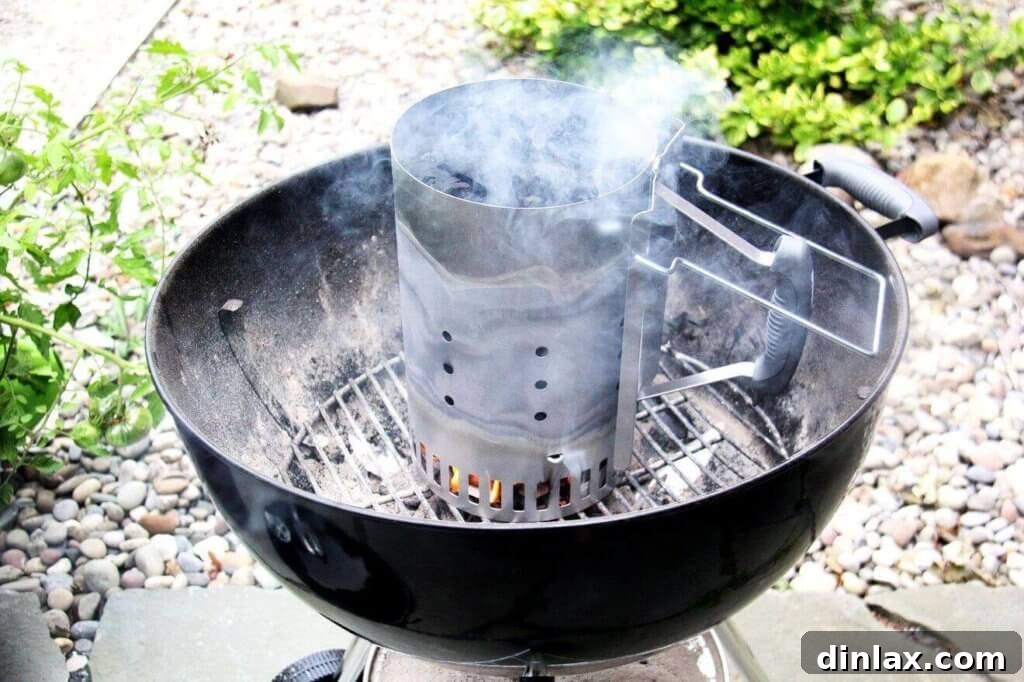
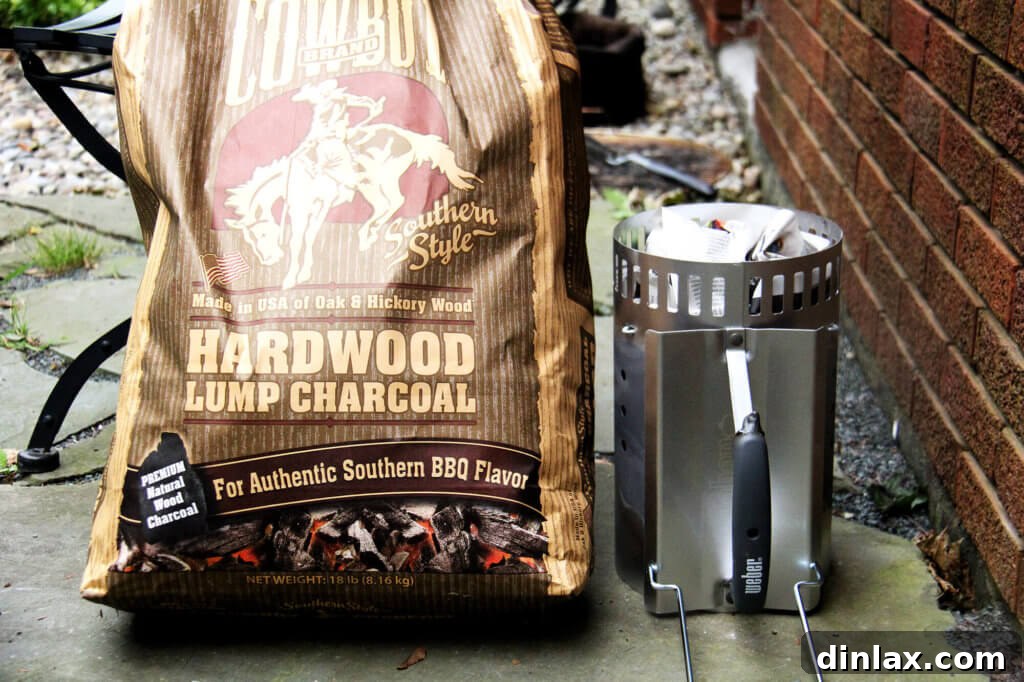
- Effortless Coal Lighting: Chimney starters are revolutionary tools that eliminate the need for lighter fluid, making lighting coals hassle-free and safer. They work by creating a natural draft, allowing coals to ignite quickly and evenly.
- The Advantage of Two: I highly recommend investing in a pair of chimney starters. While they might appear large when full, coals shrink significantly as they burn. For even a moderate amount of food, one chimney-full is often insufficient to create a hot, even cooking zone. Using two ensures you have enough scorching hot coals to achieve a perfect sear. Use one full sheet of crumpled newspaper per starter to get them going.
- Achieving Optimal Heat: Wait until the coals are covered with a uniform layer of white-gray ash. This indicates they are fully ignited and ready to provide consistent heat. Carefully dump the glowing coals into your grill, arrange them as desired (for direct or indirect heat), replace the cooking grate, and allow the grate to heat for at least five minutes. A super-hot grate is your secret weapon against food sticking!
Choosing the Right Charcoal: Lump vs. Briquettes
- Hardwood Lump Charcoal: The Purist’s Choice: When shopping for charcoal, prioritize Hardwood Lump Charcoal. Brands like Cowboy (often available at stores like Lowe’s) are excellent. Lump charcoal is essentially pure, charred hardwood—irregular chunks of real wood that burn hotter and faster, produce less ash, and often impart a cleaner, more natural smoky flavor. It’s fantastic for quick, high-heat grilling.
- Charcoal Briquettes: Consistent and Long-Lasting: While lump charcoal offers a purer experience, traditional briquettes (like Kingsford, which I used growing up) are also perfectly fine, especially for longer cooks or when you need consistent, predictable heat. Briquettes are made from compressed wood byproducts and often contain binders and other additives to ensure uniform size and burn time. They tend to burn longer and at a more consistent temperature, though they produce more ash. Don’t hesitate to use them if lump charcoal isn’t readily available.
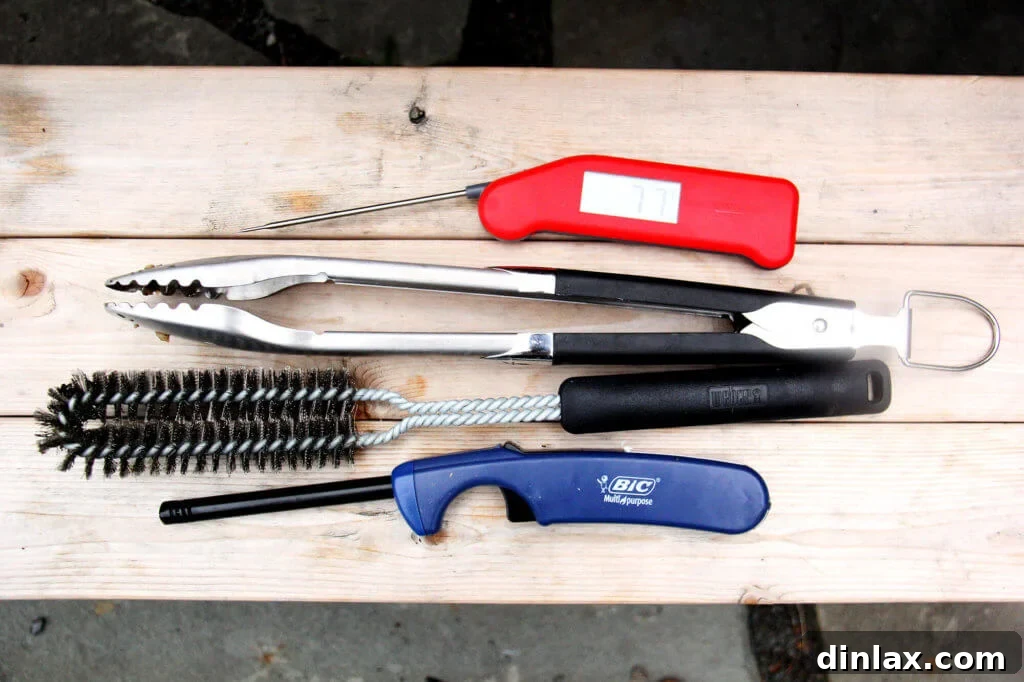
Essential Grilling Accessories: Tongs, Lighter, Brush, Gloves
- Long Tongs: Your Extended Arm: A sturdy pair of long tongs is indispensable. They allow you to safely manipulate food on the hot grill grates and manage coals from a comfortable distance, protecting your hands from the intense heat. Look for tongs with a strong grip and a locking mechanism for easy storage.
- Reliable Lighter: For Quick Ignition: Keep Bic lighters or a utility lighter on hand. They are perfect for quickly igniting the newspaper in your chimney starter without getting too close to the flames.
- Grill Brush: Keeping Grates Clean and Safe: A clean grill grate prevents food from sticking and reduces flare-ups. However, exercise caution with traditional wire brushes, as bristles can detach and inadvertently end up in your food. A safer and equally effective alternative is to ball up a sheet of heavy-duty aluminum foil, grip it with your tongs, and rub it vigorously against the hot grates. For tough spots, cut an onion in half, impale it on a fork, and scrub the grates – the onion’s natural juices help clean and season the surface.
- Heat-Resistant Gloves: Ultimate Protection: Protect your hands and forearms from the scorching heat of the grill with heat-resistant gloves. These are invaluable for handling hot grates, adjusting coals, or even moving hot grill components safely.
Instant-Read Thermometer: Your Guarantee for Perfection
- The Essential Tool for Doneness: An instant-read thermometer is arguably the most crucial tool for any grill master, ensuring both food safety and perfect doneness every time. No more guessing if your chicken is cooked through or if your steak has reached that ideal medium-rare.
- The Thermapen Advantage: While optional, a high-quality thermometer like a Thermapen is a game-changer. It has been a constant companion in my kitchen, providing accurate temperature readings in mere seconds. This precision allows you to confidently remove meat from the grill at its peak, preventing overcooking and ensuring juicy, tender results. It’s the ultimate assurance that “the meat is done, take it off the grill.”
Charcoal Grilling 101: Mastering the Flames
Charcoal grilling offers a unique depth of flavor that’s hard to replicate. While mastering it takes practice, understanding a few core principles can set you on the path to success. This minimalist guide focuses on tips for quick-cooking cuts of meat and fish, such as chicken thighs, cedar planks topped with salmon, whole fish, and thin cuts of beef like skirt or hanger steak.
Meat Grilling: A Simple, Flavorful Method
This straightforward method is my go-to for grilling various meats, including chicken, pork, and beef. It emphasizes building layers of flavor before hitting the hot coals:
- Infuse with Aromatics and Seasonings: Begin by thoroughly rubbing your chosen meat with a vibrant mix of fresh aromatics like minced garlic, ginger, shallots, or scallions. Incorporate a generous blend of dried spices (such as paprika, cumin, or chili powder), and fresh herbs (rosemary, thyme, oregano, cilantro) and chilies if desired. This initial step creates a flavor foundation that permeates the surface of the meat.
- Dress with Acid and Salt: Next, gently dress the meat with a combination of acid and salty liquid. This could be citrus juice (lemon, lime, orange) or vinegar (red wine, apple cider) for tenderization and brightness, alongside a salty liquid like Worcestershire sauce or soy sauce for umami and moisture retention. Alternatively, a simple sprinkling of good quality salt combined with olive oil works wonders.
- Optimal Marination Time: Allow the meat to marinate for a minimum of 1 hour to let the flavors meld and the tenderizing process to begin. For best results, aim for a marination period of 4 to 12 hours. While a little longer won’t necessarily ruin it, exceeding 12-14 hours might lead to an overly mushy or “cooked” texture on the meat’s exterior, especially with stronger acids.
- Prepare for Grilling: Before placing the meat on the grill, pat it thoroughly dry with paper towels. This crucial step helps achieve a beautiful, crispy sear and prevents steaming. Then, season liberally with freshly ground black pepper and additional salt, if necessary, right before grilling. Finally, grill over burning hot coals, ensuring your grates are screaming hot to prevent sticking and achieve those coveted grill marks.
Fish Grilling: A Delicate Approach
Grilling fish requires a slightly different philosophy due to its delicate texture and varying fat content. Simplicity often yields the best results:
- Fatty Fish (e.g., Salmon): For rich, fatty fish like salmon, a brief marination can enhance flavor without compromising texture. I typically marinate these for a short duration, usually 20 minutes to an hour, often with light citrus, herbs, and a touch of oil. For an extra layer of smoky flavor and to prevent sticking, consider grilling salmon on a cedar plank.
- Whole Fish: When grilling a whole fish, such as a whole trout, I generally skip the marinade entirely. Instead, I focus on simple internal and external seasoning: stuffing the cavity with fresh herbs (lemon slices, dill, parsley) and seasoning the skin generously with salt, pepper, and a light brush of olive oil. The goal is to highlight the fish’s natural flavors.
- Flaky White Fish: For delicate, flaky white fish (like cod, tilapia, or snapper), marinades are rarely used. Their lean nature means acids can quickly break down their structure, turning them mushy. Instead, a light rub with a few chosen spices (such as paprika, garlic powder, or a touch of cayenne) just before grilling, along with salt and pepper, is usually sufficient. Grilling flaky fish in a skillet on the grill can also prevent it from falling apart.
Vegetable Grilling: Embrace the “Dry” Method
While many grill vegetables with oil and seasoning beforehand, I’ve found a superior technique for truly exceptional grilled vegetables:
- The Art of Dry-Grilling: I am particularly fond of dry-grilling vegetables. This method involves grilling vegetables directly on the hot grates without any oil or seasoning applied beforehand. The direct heat caramelizes their natural sugars, intensifying their inherent sweetness and creating beautiful char marks.
- Why Dry-Grilling Works: This technique prevents the vegetables from becoming oil-laden, soggy, or acquiring an unpleasant, acrid burnt-oil flavor, which can happen when oil heats past its smoke point directly on the grill. By adding oil, salt, herbs, and other seasonings *after* grilling, the vegetables retain their fresh, vibrant flavors and firm texture. This post-grill dressing allows you to customize the seasoning perfectly, resulting in exceptionally flavorful and never-soggy grilled vegetables.
9 Favorite Recipes for Your Grill
Ready to put your new grilling knowledge to the test? Here are nine fantastic recipes that are perfect for your charcoal grill. From succulent meats to vibrant vegetables, these dishes will inspire your next outdoor cooking adventure and delight your guests.
Super-Easy Greek Chicken Souvlaki
Transport your taste buds to the Mediterranean with this incredibly simple yet flavorful Greek chicken souvlaki. Marinated chicken skewers grilled to perfection, offering tender, juicy bites with every turn.
Tzatziki (Greek Cucumber-Yogurt Sauce)
No Greek grilling experience is complete without creamy, refreshing tzatziki. This cucumber-yogurt sauce is the perfect cool counterpoint to grilled meats and vegetables, bursting with fresh herbs, garlic, and lemon.
Smoky Grilled Chicken with Cucumber-Yogurt Sauce
Experience the irresistible flavor of smoky grilled chicken, perfectly complemented by a cool and creamy cucumber-yogurt sauce. This recipe is a summer favorite, ideal for a quick weekday meal or entertaining guests.
How to Make Schug (Skug, Zhug, Zhoug) Sauce
Elevate your grilling with a vibrant, spicy, and herbaceous Schug sauce. This Middle Eastern condiment adds an incredible burst of flavor to grilled meats, fish, and vegetables, with notes of chilies, garlic, and aromatic spices.
“Grilled” Romaine Caesar Salad
Give your Caesar salad a unique twist by grilling romaine lettuce. The slight char adds a smoky depth that beautifully complements the classic creamy dressing, creating a salad that’s anything but ordinary.
Grilled Vegetable Tacos with Tomatillo Salsa
These grilled vegetable tacos are a celebration of fresh, seasonal produce. Featuring perfectly dry-grilled vegetables paired with a zesty tomatillo salsa and a cooling cilantro-lime crema, they’re a vibrant and satisfying meal.
How to Cook Hanger Steak on the Grill
Unlock the incredible flavor of hanger steak with this simple grilling guide. Learn how to achieve a perfect crust and tender interior, making this often-overlooked cut a star on your summer menu.
Dead Easy Steak Marinade
Discover the secret to perfectly flavored steak with this incredibly easy marinade recipe. Using just a few simple ingredients, it infuses your meat with deep, savory notes, ensuring a tender and juicy result every time.
Tabbouleh with Cilantro, Lime & Grilled Shrimp
A fresh and vibrant twist on classic tabbouleh, this recipe incorporates bright cilantro and zesty lime, topped with succulent grilled shrimp. It’s a light, flavorful, and complete meal perfect for warm weather.
Tacos with Grilled Poblano & Corn Salad
Elevate your taco night with this vibrant grilled poblano and corn salad. The smoky sweetness of grilled corn and mild heat of poblano peppers create a sensational topping for any taco, vegetarian or with meat.
Skillet-Grilled Fish + Tacos
Perfect for delicate fish, this skillet-grilled method ensures a beautiful sear and prevents sticking, making it ideal for flavorful fish tacos. Enjoy tender, flaky fish with minimal fuss.
Ginger-Sesame Soba Noodles with Cedar Plank Salmon
Combine the delicate flavors of cedar plank salmon with the nutty richness of ginger-sesame soba noodles for an unforgettable meal. This dish is elegant enough for guests yet simple enough for a weeknight.