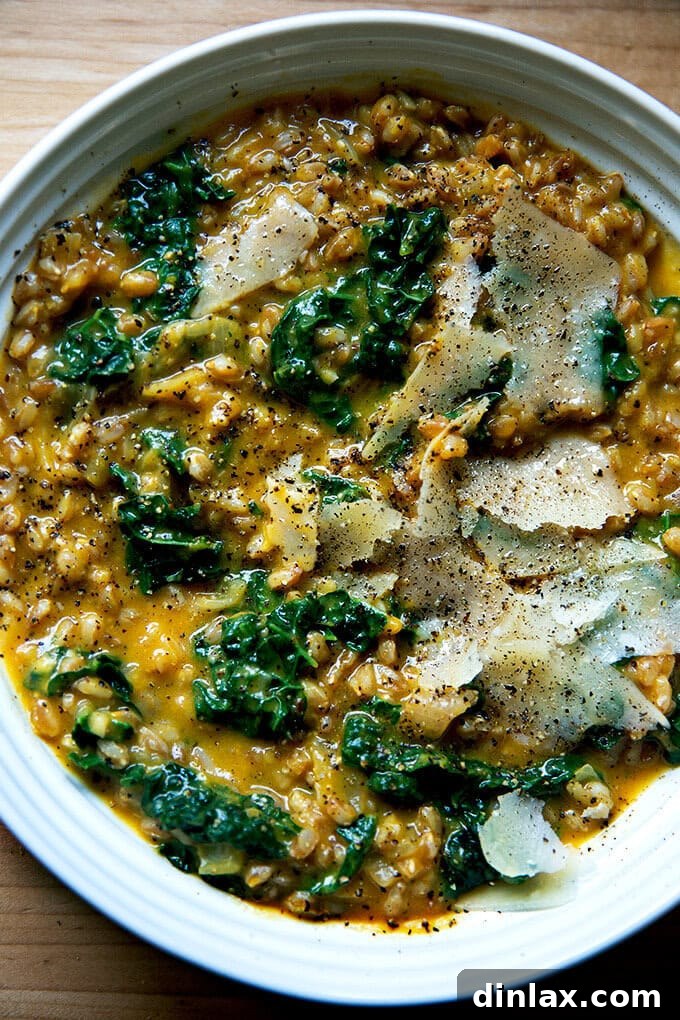
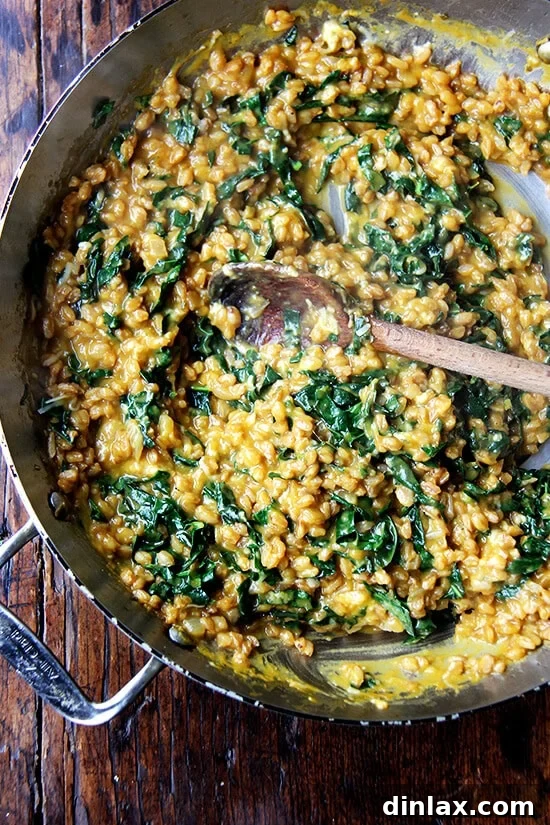
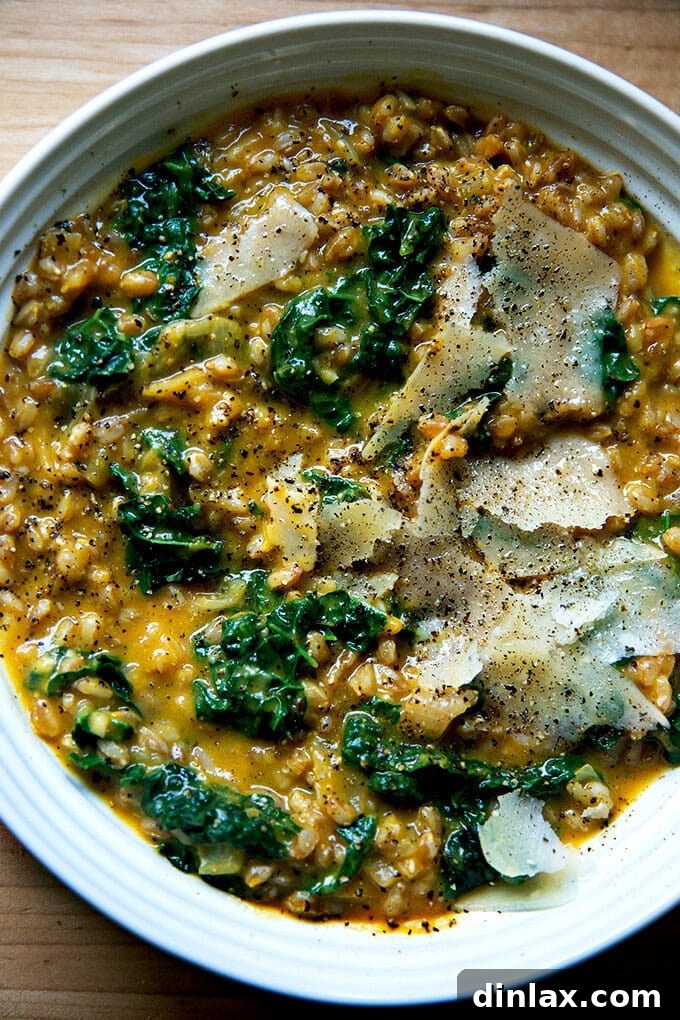
As the leaves begin to turn and a crispness fills the air, there’s nothing quite like a hearty, comforting meal to warm the soul. This Farro Risotto with Butternut Squash and Kale embodies the very essence of fall, offering a delightful blend of earthy flavors, vibrant colors, and wholesome ingredients. Forget the traditional, labor-intensive risotto methods; this recipe has been thoughtfully updated to be incredibly simple and stress-free. You won’t need homemade stock – just plain water works wonders – nor will you spend endless minutes stirring. All the liquid goes in at once, allowing you to enjoy the aromas as it gently simmers. In just over an hour, you’ll have a supremely delicious, healthy, and satisfying dish that perfectly captures the cozy spirit of the season.
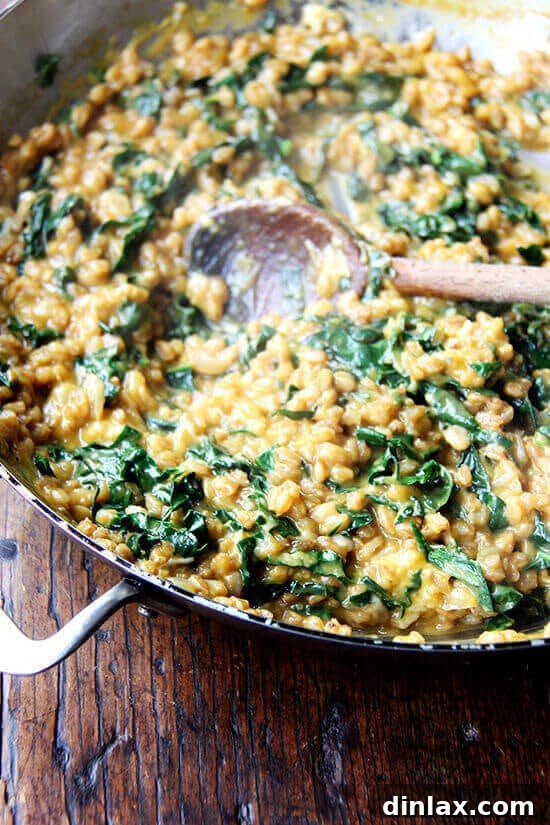
Embracing Comfort: Why This Farro Risotto Is a Seasonal Must-Have
Risotto holds a special place in the culinary world, often associated with sophisticated dining and leisurely cooking. While its creamy texture and rich flavors are universally adored, the traditional preparation can sometimes feel daunting for a weeknight meal due to the constant stirring and specific liquid addition techniques. That’s precisely why this Farro Risotto with Butternut Squash and Kale stands out. It brings all the deliciousness, the universally loved appeal, and the undeniable health benefits of a grain-and-vegetable-packed dish, but with a significantly streamlined approach. This isn’t just a meal; it’s an experience – one that brings warmth and satisfaction without the usual fuss, allowing you more time to relax and enjoy the cozy moments of autumn.
The Simplified Approach to a Classic Dish: Effortless & Flavorful
My goal was to create a risotto that was both incredibly flavorful and surprisingly quick, cutting down on the extensive cooking time typically associated with this dish. Through a few clever modifications, I transformed an old favorite into an even more accessible recipe. These adjustments not only reduce the active cooking time but also simplify the ingredient list without compromising on taste or the desired creamy, satisfying texture:
- Water Instead of Stock: Maximizing Natural Flavors. In a radical departure from conventional risotto, this recipe foregoes homemade vegetable stock entirely. Instead, plain water is used, allowing the natural, sweet-earthy flavors of the butternut squash, the savory depth of the aromatics (onion and garlic), and the inherent nutty notes of the farro to truly shine through. This not only simplifies the grocery list and reduces preparation time, but also results in a cleaner, more pronounced flavor profile unique to the core ingredients.
- One-Time Liquid Addition: The “Set-It-and-Forget-It” Method. Perhaps the most significant time-saver, this technique involves abandoning the slow, gradual addition of liquid characteristic of traditional risotto. Here, the entire quart of water is added at once, bringing the mixture to a simmer before reducing the heat. This “set it and forget it” method for simmering the farro drastically cuts down on constant stirring, freeing you up to prepare other components like grating Parmesan or slicing kale, or simply allowing you to enjoy a moment of peace while dinner cooks itself.
- Puréed Squash for Natural Creaminess: A Velvety Texture. The roasted butternut squash is puréed independently, intensifying its sweet, earthy flavor without dilution. When this silky purée is incorporated into the cooked farro at the end, it provides a natural creaminess and luxurious richness. This technique ensures the dish is incredibly satisfying and comforting, even without a complex stock base or heavy additions of butter and cheese, making it a healthier option for a creamy risotto.
The result was astonishingly efficient and delicious. While the farro gently simmered, absorbing the flavors and gradually softening, and the butternut squash roasted to tender perfection in the oven, I was able to effortlessly grate the Parmesan cheese and finely slice the fresh kale. In just over an hour, every component came together into a harmonious, comforting masterpiece. This simplified Farro Risotto is the epitome of fall comfort food, perfect for savoring by a crackling fire, wrapped in a cozy blanket, with your toes tucked into warm slippers. It’s an invitation to slow down and enjoy the simple pleasures of a homemade, wholesome meal.
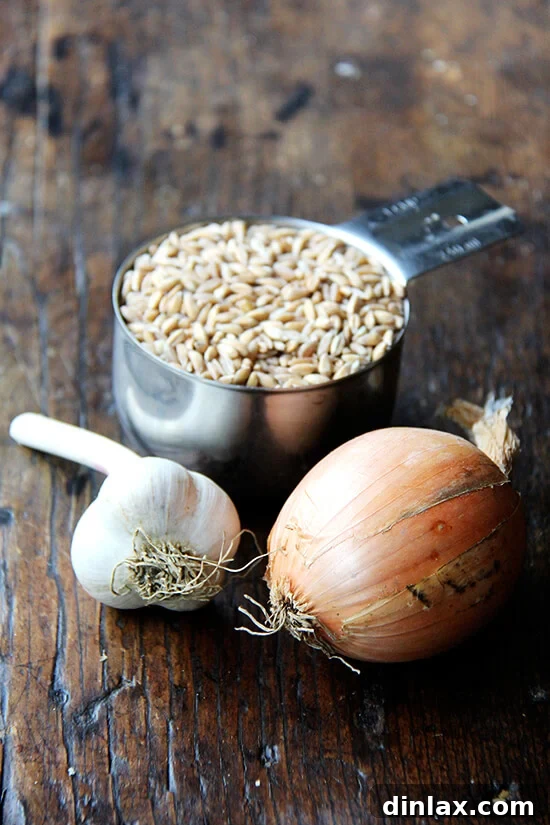
Ingredient Spotlight: The Heart of Our Farro Risotto
This recipe celebrates the wholesome goodness of a few carefully selected ingredients, each playing a crucial role in creating a dish that is both nourishing and incredibly flavorful. Understanding these core components will enhance your appreciation for this simple yet profound meal and help you achieve the best results.
The Power of Farro: A Wholesome Grain Hero
Farro, an ancient grain with a delightful chewy texture and nutty flavor, is the true star of this risotto. Unlike traditional Arborio rice, which demands constant attention to release its starches for creaminess, farro offers a more forgiving and hands-off cooking experience. Its inherent structure allows it to absorb liquid and flavors beautifully without becoming mushy, while still contributing a satisfying al dente bite that adds a rustic elegance to the dish. Farro is also an excellent source of fiber, protein, and essential minerals like magnesium and zinc, making this risotto a genuinely healthy choice that keeps you feeling full, energized, and satisfied for longer. Opting for pearled farro can significantly reduce cooking time, though semi-pearled or whole farro can also be used with slight adjustments to liquid quantity and simmering duration.
Butternut Squash: The Sweet & Silky Foundation of Flavor
Butternut squash brings a natural sweetness and vibrant autumnal hue to our risotto, transforming it into a feast for both the eyes and the palate. Roasting the squash before puréeing intensifies its inherent sugars and deepens its flavors, creating a rich, velvety base that contributes significantly to the dish’s creamy texture without the need for excessive fats. This sweet and earthy flavor beautifully complements the savory notes of the farro and the subtle bitterness of the kale, creating a perfectly balanced taste profile. Beyond its delicious taste, butternut squash is a powerhouse of essential vitamins, particularly A and C, along with beneficial antioxidants and dietary fiber, adding a considerable nutritional boost to your meal.
Kale: The Green Hero for Freshness & Nutrition
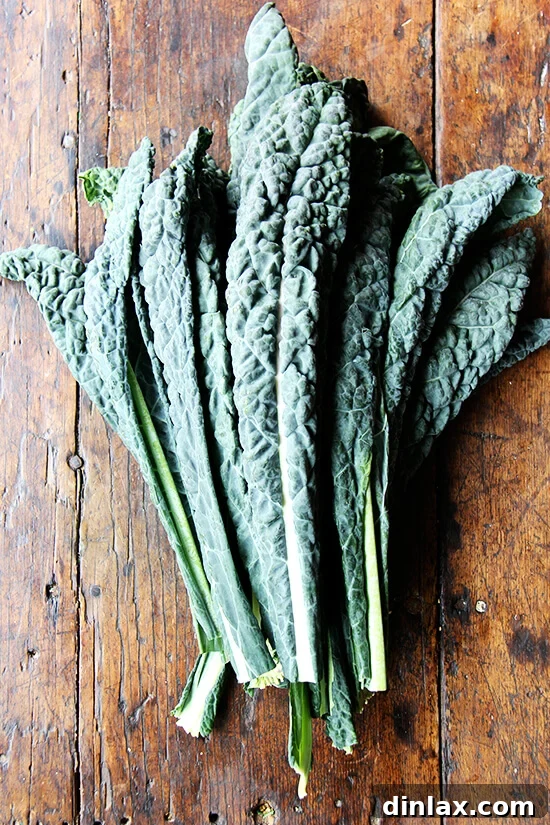
Fresh kale, with its slightly bitter edge and robust texture, provides a wonderful contrast to the sweetness of the squash and the chewiness of the farro. When thinly sliced and added at the very end of the cooking process, it wilts gently into the warm risotto, imparting a fresh, vibrant flavor and a wealth of nutrients. Kale is widely renowned for being a superfood, loaded with vitamins K, A, and C, as well as various minerals and powerful antioxidants. Its inclusion ensures a well-rounded meal that’s not only bursting with goodness but also adds a beautiful pop of color, making the dish as visually appealing as it is delicious.
Expert Tips for a Perfect Farro Risotto
Even with its simplified method, a few key considerations and expert tips will ensure your Farro Risotto with Butternut Squash and Kale turns out perfectly every time. These notes offer flexibility and guidance for customizing the dish to your preference and making the cooking process even smoother.
- Roasting the Squash in Advance: Your Time-Saving Secret. For maximum convenience and efficiency, the butternut squash can be roasted and puréed up to three days ahead of time. Simply store the purée in an airtight container in the refrigerator, or freeze it in individual portions for even longer storage (up to 3 months). This simple prep-ahead step makes assembling the risotto on a busy weeknight an absolute breeze, significantly cutting down on same-day cooking efforts.
- Liquid Options: Water vs. Stock – A Matter of Preference. While I’ve found that water alone provides ample flavor and allows the natural sweetness of the squash and nuttiness of the farro to truly shine, you have options. If you prefer a deeper, more savory base, feel free to use a high-quality vegetable stock or even chicken stock. For those who enjoy homemade broths, you can explore recipes for homemade vegetable stock or homemade chicken stock. Remember, the core philosophy of this recipe is simplicity, so don’t feel pressured to use stock if water suits your taste and time constraints perfectly.
- Grain Versatility: Understanding Your Choices. This recipe is specifically designed for farro due to its unique texture and cooking properties, which allow for the one-time liquid addition method. If you opt to use a different grain, such as traditional Arborio rice, or another variety like barley or wheat berries, be aware that cooking times and liquid absorption rates will vary significantly. For traditional risotto grains like Arborio, you may need to revert to the classic slow-addition method for the liquid and more constant stirring to achieve that characteristic creamy consistency. Always refer to package instructions for alternative grains.
- Squash Substitutions: Embrace Seasonal Variety. Butternut squash is fantastic for this recipe, but don’t limit yourself to just one type! Acorn squash, delicata squash, or even certain varieties of pumpkin can be wonderful substitutes, each lending its own subtle flavor profile and slightly different sweetness level. One medium butternut squash typically yields more purée than needed for a single batch of this risotto. Don’t let the extra go to waste! Freeze it in portions, use it to thicken other soups, blend it into a healthy smoothie, or even incorporate it into baked goods. It’s also a perfect excuse to make this delicious risotto again very soon.
- Leafy Green Alternatives: Freshness and Flavor. Any dark, leafy green can be used in place of kale to achieve a similar balance of flavor and nutrition. Spinach, Swiss chard, or even collard greens (though collard greens might require a little more cooking time to tenderize properly) would work beautifully. Choose what’s fresh, in season, or what you simply have on hand in your refrigerator. Ensure they are thinly sliced or chopped for best integration.
- Making it Vegan: A Delicious Dairy-Free Option. This dish is naturally vegetarian, but it can easily be made vegan by simply omitting the Parmigiano Reggiano. The roasted butternut squash purée is incredibly creamy and rich on its own, providing a luxurious mouthfeel that ensures you won’t miss the cheese. If desired, a sprinkle of nutritional yeast can be added at the end for a cheesy, umami flavor without any dairy, enhancing the savory notes.
A Step-by-Step Culinary Journey: From Pan to Plate


Print Recipe Card
Farro Risotto with Butternut Squash and Kale
5 Stars
4 Stars
3 Stars
2 Stars
1 Star
5 from 15 reviews
- Author: Alexandra Stafford
Total Time: 1 hour 20 minutes
Yield: 4 servings 1x
Diet: Vegetarian
Description
This Farro Risotto with Butternut Squash and Kale is a celebration of fall flavors, reimagined for modern, busy kitchens. Inspired by culinary excellence, it retains all the gourmet appeal of a classic risotto while significantly streamlining the cooking process. The result is a healthy, wholesome, and incredibly satisfying vegetarian dish that requires minimal hands-on time, making it perfect for both weeknight dinners and special occasions. The creamy texture, achieved naturally through roasted squash, and the hearty chew of farro create a truly memorable meal that will become a seasonal favorite.
A Note on Evolution: This recipe has been lovingly simplified to make the experience of cooking a delicious risotto more accessible and less time-consuming. For those who enjoy exploring variations or prefer a more traditional approach, the original inspiration for this dish can be found on Serious Eats. Both versions offer unique delights, but this updated rendition prioritizes ease and efficiency without sacrificing any of the deep, comforting flavors.
Ingredients
- 1 medium butternut squash (about 2-3 lbs), halved and seeded
- 2-3 tablespoons olive oil, divided
- 1 teaspoon kosher salt, plus more to taste
- Freshly cracked black pepper to taste
- 1 large onion, finely diced (yields about 1 cup)
- 2 cloves garlic, minced
- 1 cup pearled farro, rinsed
- 1 bay leaf
- 2-3 sprigs fresh thyme
- ½ cup dry white wine or dry Sherry (such as Fino or Amontillado)
- 1 quart (4 cups) water, plus additional hot water if needed
- 4 ounces fresh kale, a small bunch, stems removed and thinly sliced (about 3-4 cups packed)
- 1 to 2 ounces freshly grated Parmigiano Reggiano, or to taste (for vegetarian option; omit for vegan)
Instructions
- Roast the Butternut Squash: Preheat your oven to 425ºF (220ºC). Halve the butternut squash lengthwise and scoop out the seeds (these can be saved for roasting later or composted). Lightly rub the cut flesh of the squash with 1 tablespoon of olive oil and season generously with salt and pepper. Place the squash cut-side down on a parchment-lined baking sheet. Roast in the preheated oven for 30 to 45 minutes, or until the flesh is fork-tender. Cooking time will vary based on the size of your squash. Remove from the oven and set aside to cool slightly.
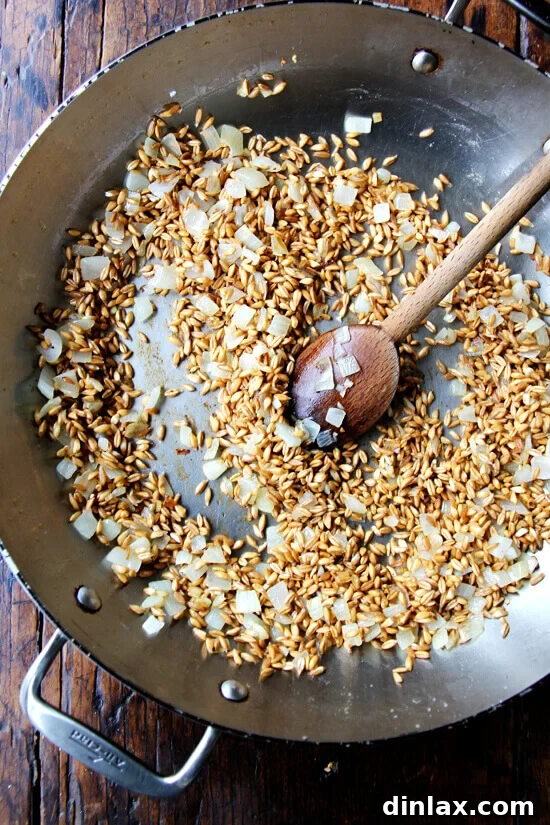
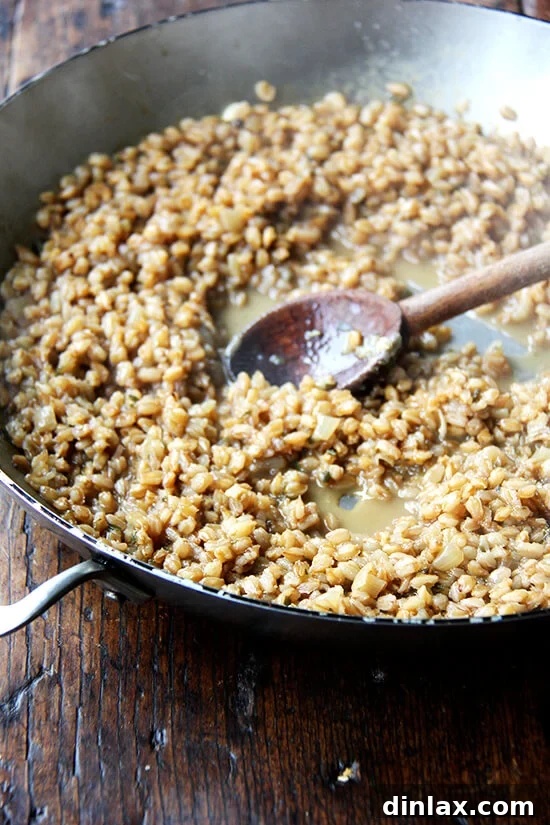
- Sauté Aromatics and Farro: While the squash roasts, warm the remaining 1-2 tablespoons of olive oil in a large, wide sauté pan or Dutch oven over medium heat. Add the finely diced onion and cook, stirring occasionally, until it becomes translucent and softened, about 5-7 minutes. Season with a pinch of salt to help draw out moisture. Add the minced garlic and cook for another minute until fragrant, being careful not to brown it. Stir in the rinsed pearled farro and cook, stirring constantly for about 1-2 minutes, allowing it to toast lightly and develop its nutty aroma.
- Deglaze with Wine and Add Herbs: Pour in the dry white wine or Sherry. Cook, stirring, until the wine is almost completely absorbed and the pan is nearly dry, about 2-3 minutes. This deglazing step adds a wonderful layer of complexity and depth to the dish. Add the bay leaf and fresh thyme sprigs to the pan.
- Simmer the Farro: Add the entire 1 quart (4 cups) of water along with 1 teaspoon of kosher salt to the pan. Bring the liquid to a gentle simmer. Once simmering, reduce the heat to medium-low, cover the pan loosely, and let the farro cook undisturbed for 45-55 minutes, or until the farro grains have expanded, are tender but still retain a slight chew (al dente). Check periodically (every 15-20 minutes) to ensure liquid isn’t completely gone and stir once or twice to prevent sticking. If the farro absorbs all the liquid before it’s tender, add a splash more hot water or stock, 1/4 cup at a time, until desired tenderness is reached.
- Purée the Roasted Squash: Once the roasted squash is cool enough to handle, peel off the skin (it should come away easily). Transfer the tender squash flesh to a food processor or blender. Process until it is completely silky smooth and lump-free. Measure out 1 cup of this purée for the risotto. Any leftover purée can be stored for future use in the refrigerator or freezer.
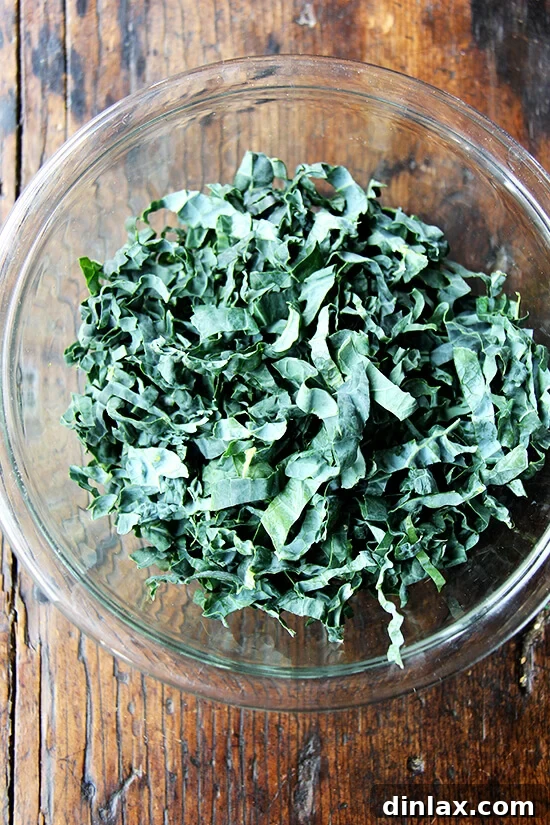
- Prepare the Kale: While the farro simmers and squash cools, prepare your kale. Remove the tough stems and thick ribs from the kale leaves. Stack the leaves, roll them tightly into a cylinder, and thinly slice them crosswise into delicate ribbons. Wash and thoroughly dry the kale if necessary.
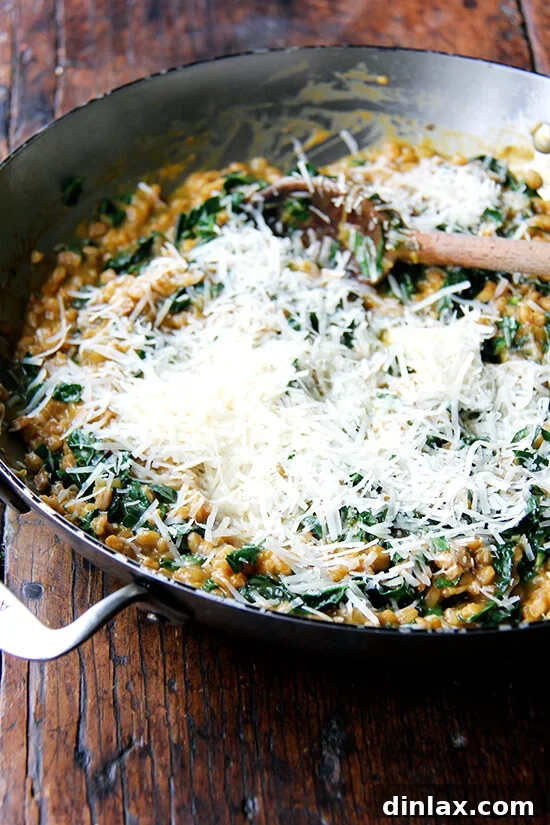
- Combine and Finish: When the farro is cooked to your liking, remove and discard the thyme sprigs and bay leaf from the risotto. Stir in 1 cup of the silky butternut squash purée into the farro, mixing until thoroughly combined and creamy. Season with freshly cracked black pepper to taste. Add a generous handful of the thinly sliced kale strips and a handful of freshly grated Parmigiano Reggiano (if using). Stir gently until the kale is slightly wilted and incorporated into the risotto. Taste and adjust seasoning with more salt, pepper, or additional Parmesan as desired. Serve immediately, perhaps with an extra sprinkle of cheese or a drizzle of good olive oil for garnish.
- Prep Time: 20 minutes
- Cook Time: 60 minutes
- Category: Entrée, Main Course, Dinner, Vegetarian, Fall Recipes
- Method: Stovetop, Roasting
- Cuisine: American, Italian-inspired, Seasonal, Fall, Winter
Serving Suggestions and Storage Tips
This Farro Risotto with Butternut Squash and Kale is a complete meal on its own, hearty and satisfying enough to be the centerpiece of any dinner. However, it pairs beautifully with a simple side salad dressed in a light vinaigrette, which provides a refreshing contrast to the richness of the risotto. For an added touch of elegance and texture, consider garnishing individual servings with a sprinkle of toasted pumpkin seeds for crunch, a fresh sprig of thyme or sage, or a final drizzle of high-quality extra virgin olive oil. A glass of crisp dry white wine, a non-alcoholic sparkling cider, or even a robust amber ale would also complement the dish’s earthy and sweet flavors wonderfully.
Leftovers, if any, are a delightful bonus and make for excellent lunch the next day! Store any remaining risotto in an airtight container in the refrigerator for up to 3-4 days. To reheat, gently warm in a saucepan over low heat on the stovetop, adding a splash of water or vegetable broth to restore its creamy consistency and prevent it from drying out. Stir frequently until heated through. Alternatively, microwave in short bursts, stirring between each, until warm. Avoid overheating to preserve the delightful texture of the farro and the subtle bite of the kale.