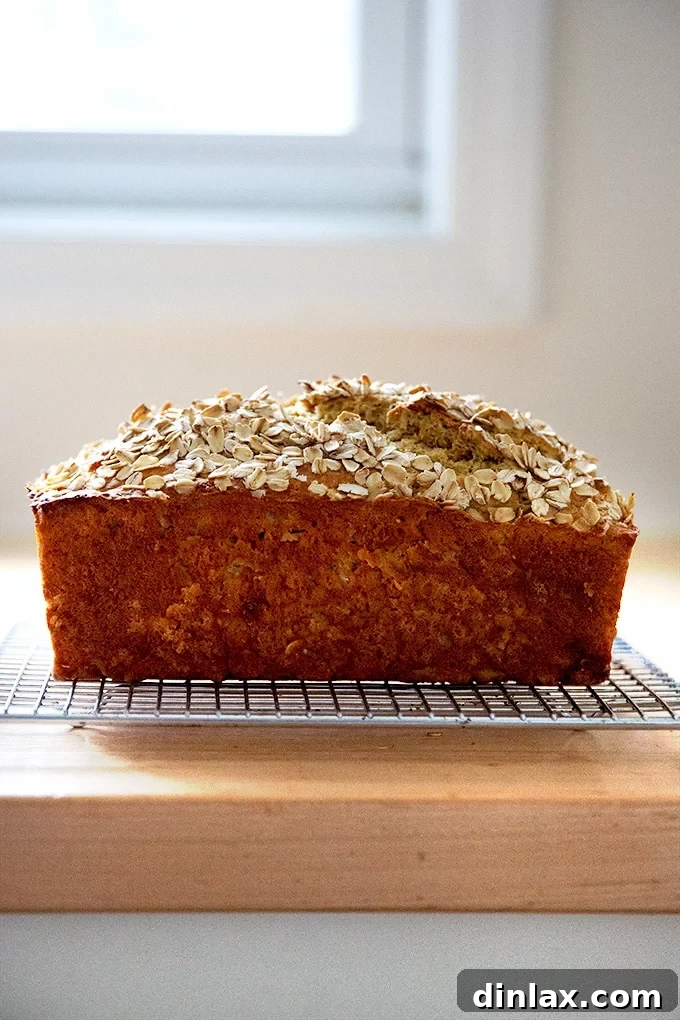
Dive into the rich, wholesome world of authentic Irish baking with this incredibly simple and satisfying Irish brown bread recipe. Crafted with the goodness of whole wheat flour, nutrient-rich wheat germ, and hearty rolled oats, this quick bread comes together effortlessly, yielding a deeply flavorful and robust loaf. It’s truly a delight, especially when toasted to golden perfection and generously slathered with creamy, good Irish butter – think Kerrygold! Prepare to experience a taste of Ireland that’s perfect for any occasion.
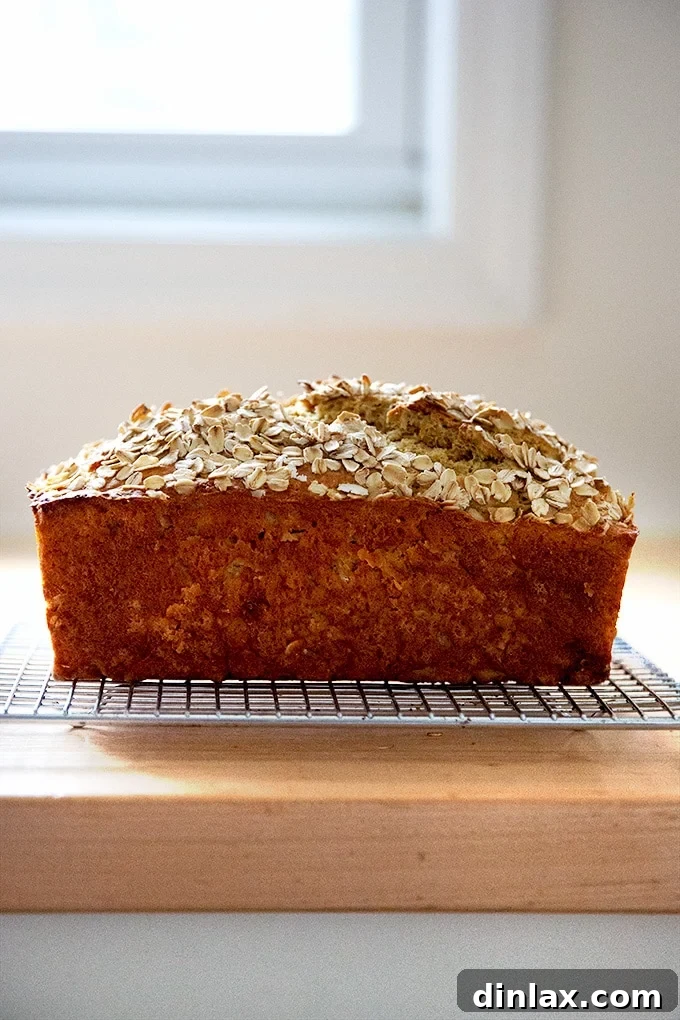
The Ultimate Guide to Simple Irish Brown Bread: A Wholesome & Hearty Loaf
When you search for “brown bread” online, the results can be surprisingly varied, ranging from dense, dark loaves traditionally baked in cans to lighter, brioche-like creations prepared in special Pullman pans. However, if your heart yearns for a taste of genuine Irish heritage, you’ve landed in the right place. This particular recipe for traditional Irish brown bread is a cherished adaptation, generously shared by our reader Michael, all the way from Ireland itself. It stands distinct from its close cousin, Irish soda bread, which typically features a firmer dough that can be hand-shaped before baking. Irish brown bread, by contrast, relies on a much wetter, almost batter-like consistency, necessitating a loaf pan or a similar mold to achieve its classic form. The foundation of its unique character lies in a generous blend of whole wheat flour and wholesome wheat germ.
Why You’ll Fall in Love with This Easy Irish Brown Bread
This bread holds a special place in my kitchen for a multitude of reasons, chief among them being its remarkable speed and unparalleled simplicity. Imagine a bread recipe so forgiving that you can mix the batter together even before your oven has fully preheated – that’s the magic of this Irish brown bread! As it bakes, your kitchen will be filled with an enticing aroma, reminiscent of a savory, nutty pancake, promising the deliciousness to come. The result is consistently a super flavorful, incredibly hearty loaf, ideally suited for slicing, toasting, and luxuriating in a generous spread of top-quality Irish butter. It’s the kind of comfort food that nourishes both body and soul.
My children adore this bread, especially for breakfast alongside their eggs, eagerly anticipating its rich, wholesome taste. When it’s fresh out of the oven, buttered slices are a coveted addition to their lunchboxes, providing a satisfying and nutritious treat. If you’re already a fan of the rustic charm of soda bread, then this delectable rendition of Irish quick bread is sure to capture your heart and become a new family favorite. Below, you’ll find comprehensive, step-by-step instructions to guide you through crafting your very own loaf.
Understanding Traditional Irish Brown Bread
Irish brown bread is more than just a recipe; it’s a staple of Irish culture, a testament to simple, wholesome ingredients and practical baking. Unlike many commercial breads, it prides itself on its rustic texture and deep, nutty flavor, largely thanks to the use of coarse whole wheat flour and wheat germ. The addition of rolled oats not only enhances its hearty texture but also provides a delightful chewiness and an extra layer of flavor, making each slice uniquely satisfying. The bread’s wet dough is traditionally leavened with baking soda, activated by buttermilk, creating a rise without the need for yeast or extensive proofing. This makes it a true ‘quick bread,’ perfect for those who appreciate homemade bread but have limited time for complex baking processes.
Its historical roots are deeply intertwined with Irish agrarian life, where resourcefulness and readily available ingredients were key. Brown bread provided sustained energy for laborers and was a consistent presence on family tables. It’s a bread that embodies resilience and tradition, offering a comforting connection to the past with every bite. The simplicity of its preparation ensured that even in humble homes, a fresh loaf could always be a part of the daily meal.
Essential Ingredients and Their Role in Your Perfect Loaf
Before you begin your baking journey, let’s gather and appreciate the carefully selected ingredients that contribute to the unique character of this Irish brown bread. For optimal results and precision, especially in baking, we highly recommend using a kitchen scale to measure your ingredients by weight. This method ensures consistency and guarantees the best possible outcome for your loaf. A reliable kitchen scale is an invaluable tool for any baker.
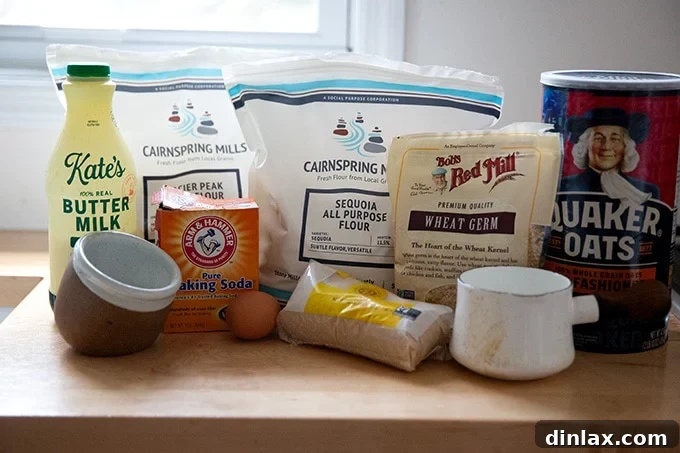
- Flour Blend (180g Bread Flour, 165g Whole Wheat Flour): The heart of our bread. While I specifically use Cairnspring Mills stone-milled flours (Glacier Peak Bread Flour and Sequoia All-Purpose Flour for whole wheat), the beauty of this recipe is its adaptability. Feel free to use any good quality stone-milled or conventional whole wheat flour combined with an all-purpose or bread flour you prefer. The total flour required is approximately 2.75 cups. The blend ensures a hearty yet manageable texture. Whole wheat flour provides fiber and a robust flavor, while a touch of bread flour helps with structure.
- Rolled Oats (50g / 1/2 cup, plus extra for sprinkling): These contribute to the bread’s signature texture and rustic charm. They add a delightful chewiness and a subtle nutty flavor, making the loaf even more satisfying. Sprinkling extra on top creates a beautiful, crunchy crust.
- Wheat Germ (44g / 1/2 cup): A nutritional powerhouse, wheat germ is the embryo of the wheat kernel, packed with vitamins, minerals, and healthy fats. It imparts a distinctive nutty, slightly earthy flavor and adds to the bread’s overall wholesomeness and texture.
- Brown Sugar (10g / 2 teaspoons): Just a hint of brown sugar is used, not for sweetness, but to balance the earthy flavors of the whole grains and to aid in browning, giving the crust a beautiful, rich hue.
- Diamond Crystal Kosher Salt (10g / 2 teaspoons): Salt is crucial for flavor development in any bread. If you’re using finer salts like Morton Kosher Salt or fine sea salt, remember to use half the volume but maintain the same weight for accurate flavor balance.
- Baking Soda (5g / 1 teaspoon): This is our primary leavening agent. It reacts with the acidity in the buttermilk to create carbon dioxide bubbles, giving the bread its rise and tender crumb.
- Egg (1 large): The egg acts as a binder, adds richness, and contributes to the bread’s structure and moisture. It helps create a more cohesive and tender crumb.
- Buttermilk (450g / 1.75 cups): The essential acidic component that reacts with baking soda to leaven the bread. Beyond its leavening power, buttermilk imparts a subtle tang and keeps the bread incredibly moist and tender.
- Melted Butter (28g / 2 tablespoons): A small amount of melted butter adds richness and enhances the overall flavor profile, contributing to a wonderfully soft texture.
Each ingredient plays a vital role, carefully chosen to create a loaf that is both simple in preparation and complex in its satisfying flavor and texture.
Step-by-Step: Crafting Your Authentic Irish Brown Bread
Making this Irish brown bread is a delightfully straightforward process, perfect for bakers of all skill levels. Follow these steps to achieve a perfectly hearty and delicious loaf.
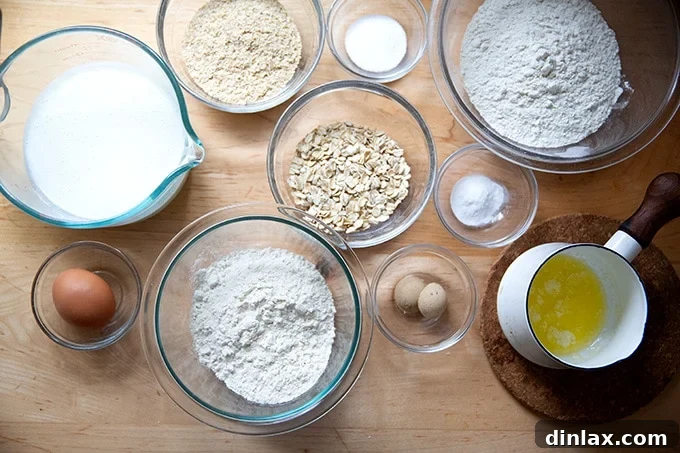
1. Prepare Your Oven and Loaf Pan
Begin by preheating your oven to a steady 400ºF (200ºC). This ensures the oven is at the correct temperature when the bread goes in, promoting an even rise and bake. While the oven heats, generously butter an 8.5 x 4.5-inch loaf pan. A well-greased pan prevents sticking and helps the bread develop a beautiful crust.
2. Combine the Dry Ingredients
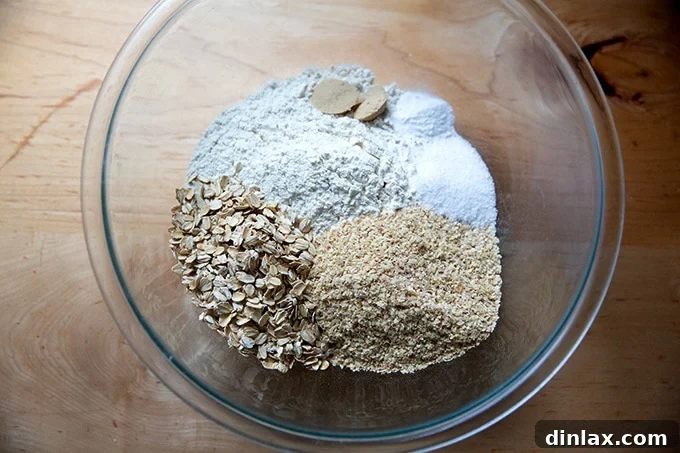
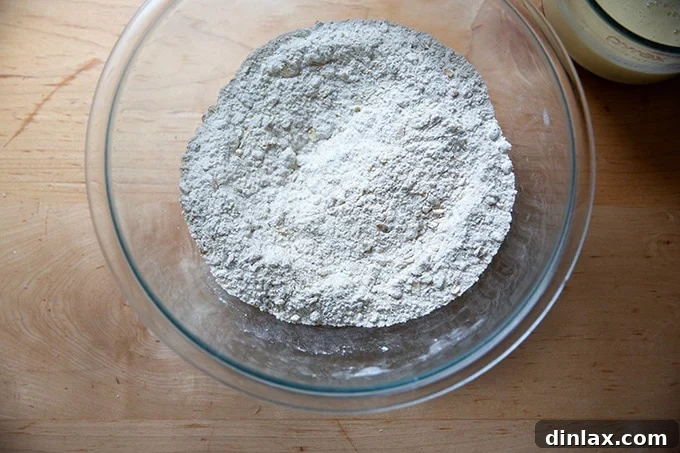
In a large mixing bowl, combine all your dry ingredients: the bread flour, whole wheat flour, rolled oats, wheat germ, brown sugar, Diamond Crystal Kosher Salt, and baking soda. Using a whisk, thoroughly combine them. Whisking ensures that the leavening agent (baking soda) and salt are evenly distributed throughout the flours, which is crucial for a consistent texture and rise.
3. Whisk the Wet Ingredients
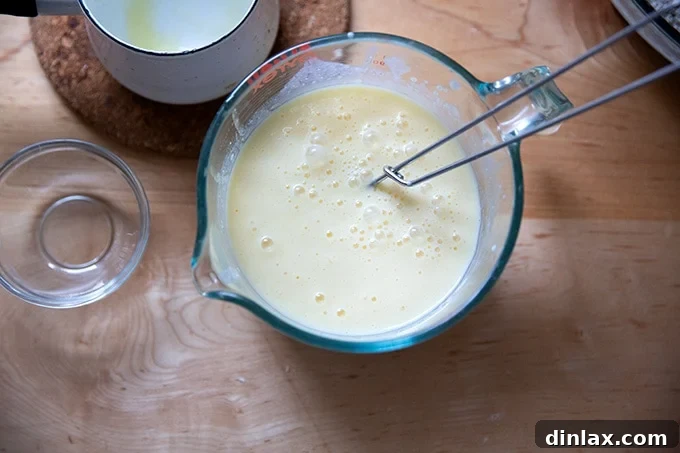
In a separate medium bowl, whisk together the buttermilk, egg, and melted butter until they are well combined. Ensure the melted butter isn’t too hot, as it could scramble the egg. This liquid mixture will provide the moisture and activate the leavening in our dry blend.
4. Combine Wet and Dry to Form Batter
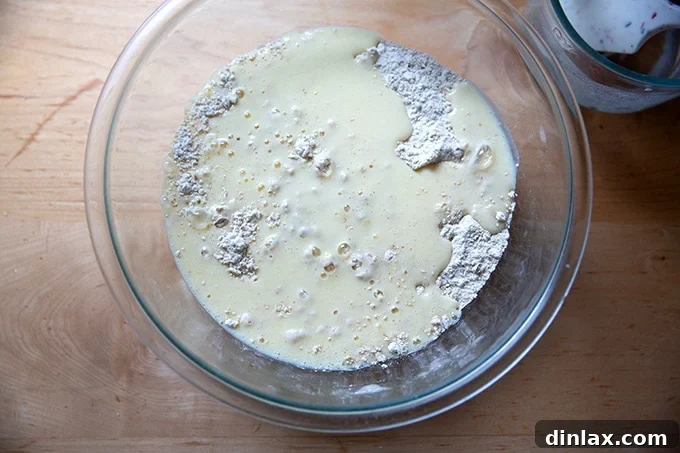
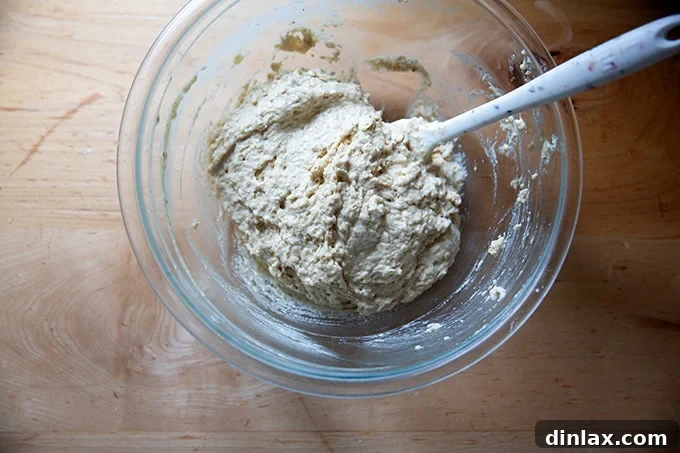
Pour the whisked wet ingredients into the bowl containing the dry ingredients. Using a sturdy spatula, mix gently until just combined. The key here is to avoid overmixing, which can lead to a tough bread. You’re aiming for a very wet, sticky batter – do not expect a firm dough like traditional soda bread. This wetness is characteristic of Irish brown bread and contributes to its moist crumb.
5. Transfer, Spread, and Top
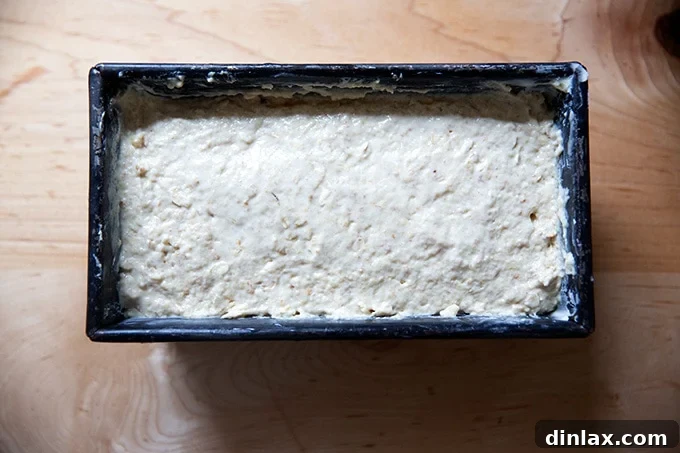
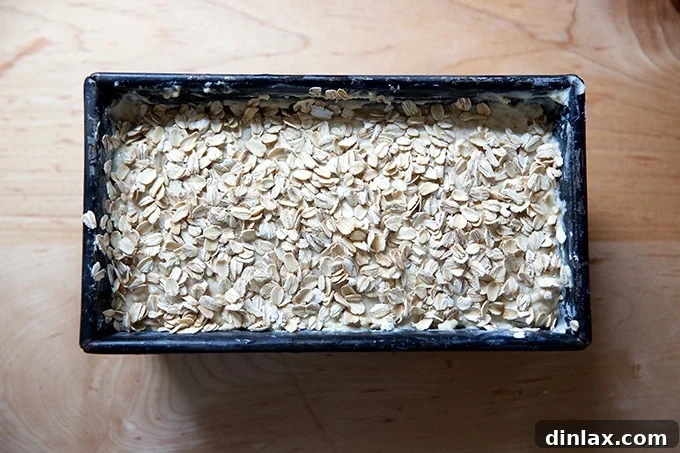
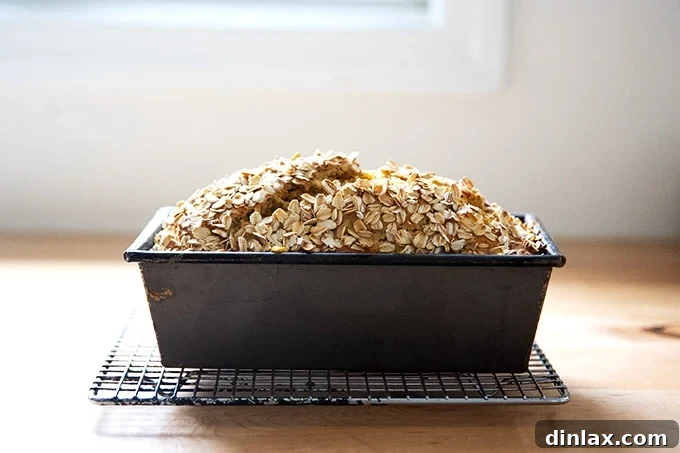
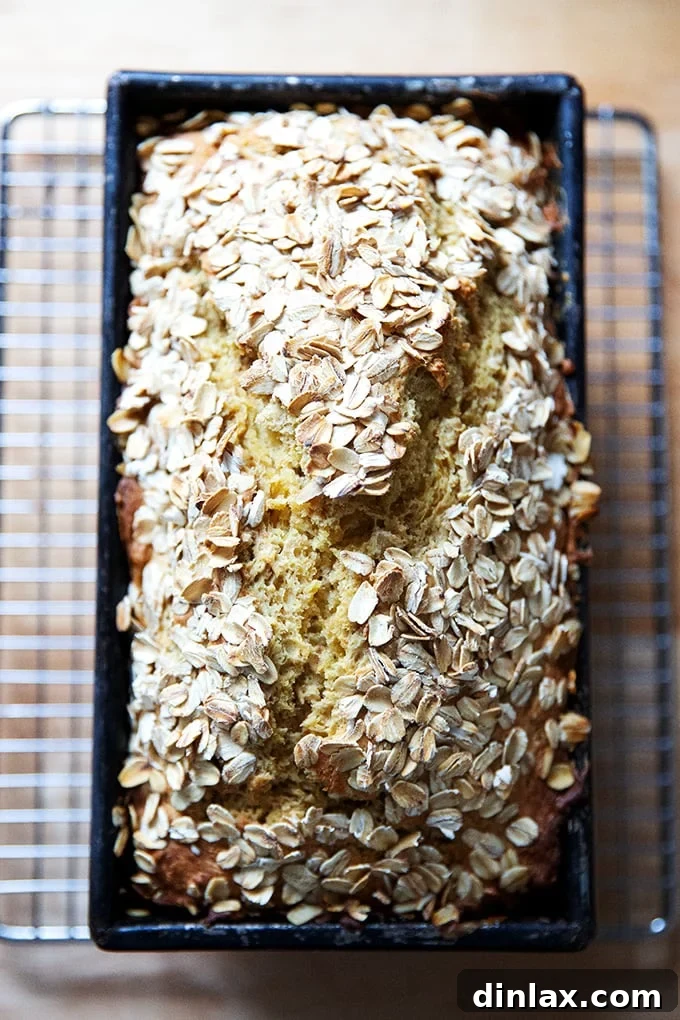
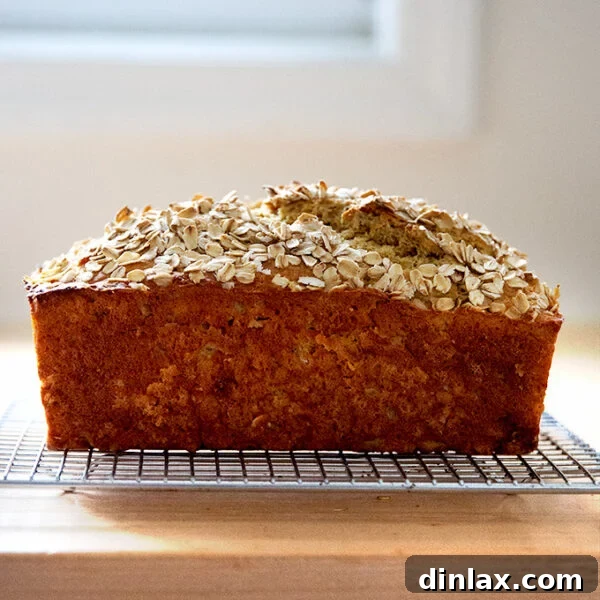
Carefully transfer the sticky batter into your prepared buttered loaf pan. To evenly spread the batter without it sticking to your hands, lightly wet your hand and gently press the batter into an even layer in the pan. This ensures uniform baking. Finally, sprinkle a generous layer of rolled oats over the top of the batter. This not only adds visual appeal but also creates a wonderfully textural crust.
6. Bake to Perfection
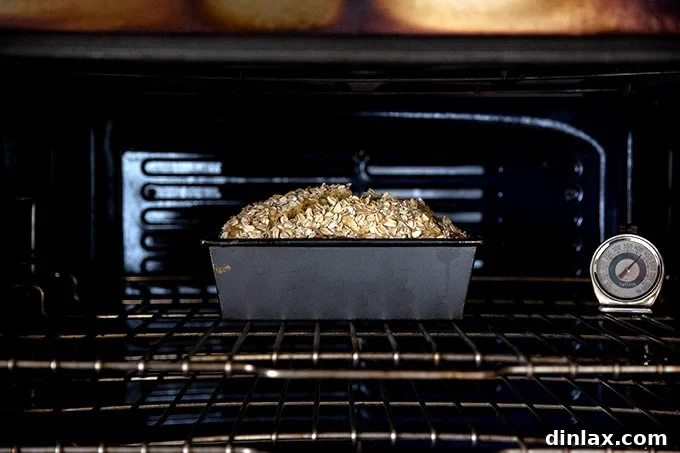
Carefully transfer the loaf pan to your preheated oven. Bake for approximately 45 to 55 minutes. The bread is done when a wooden toothpick inserted into the center comes out cleanly, or if you prefer a more precise method, an instant-read thermometer should register roughly 205ºF (96ºC). It’s crucial to test your loaf before removing it from the oven. I’ve learned from experience that an untested loaf can hide pockets of uncooked dough in the center. When in doubt, err on the side of over-baking; this hearty bread is quite forgiving!
7. Cool Before Slicing
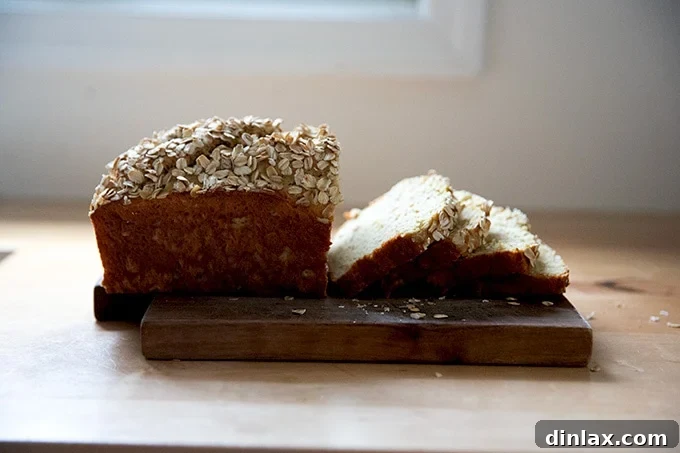
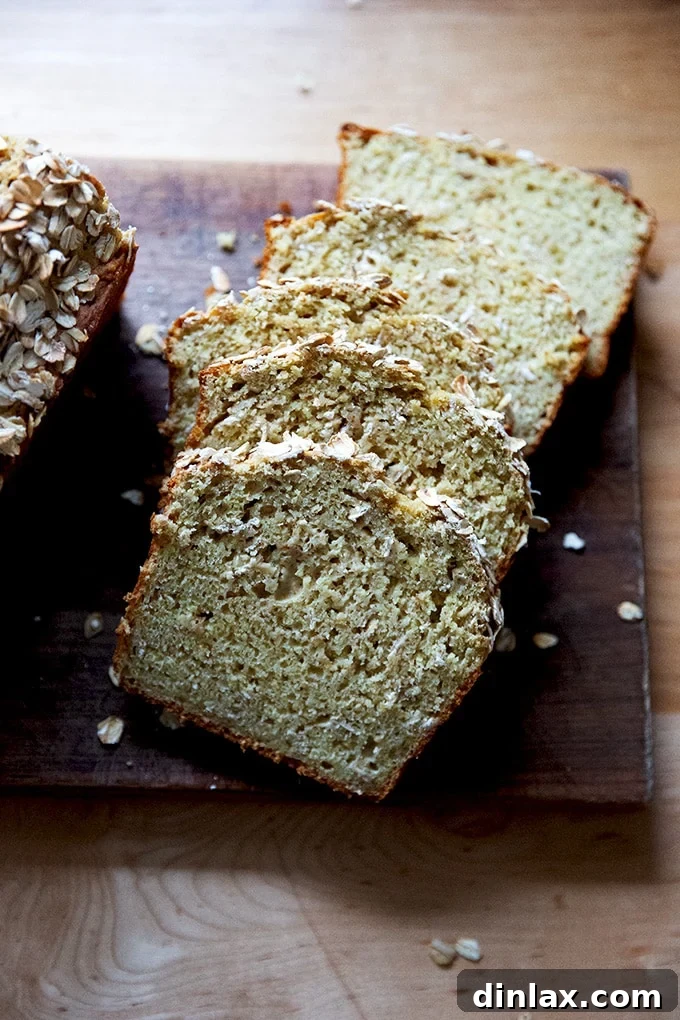
Once baked, remove the loaf pan from the oven and allow the bread to cool in the pan for about 10-15 minutes before carefully transferring it to a wire rack. Let it cool for at least 30 minutes (or ideally longer) before attempting to slice it. Cooling allows the internal structure of the bread to set and prevents it from becoming crumbly. Patience here is rewarded with perfectly structured slices.
Serving Suggestions & Storage Tips
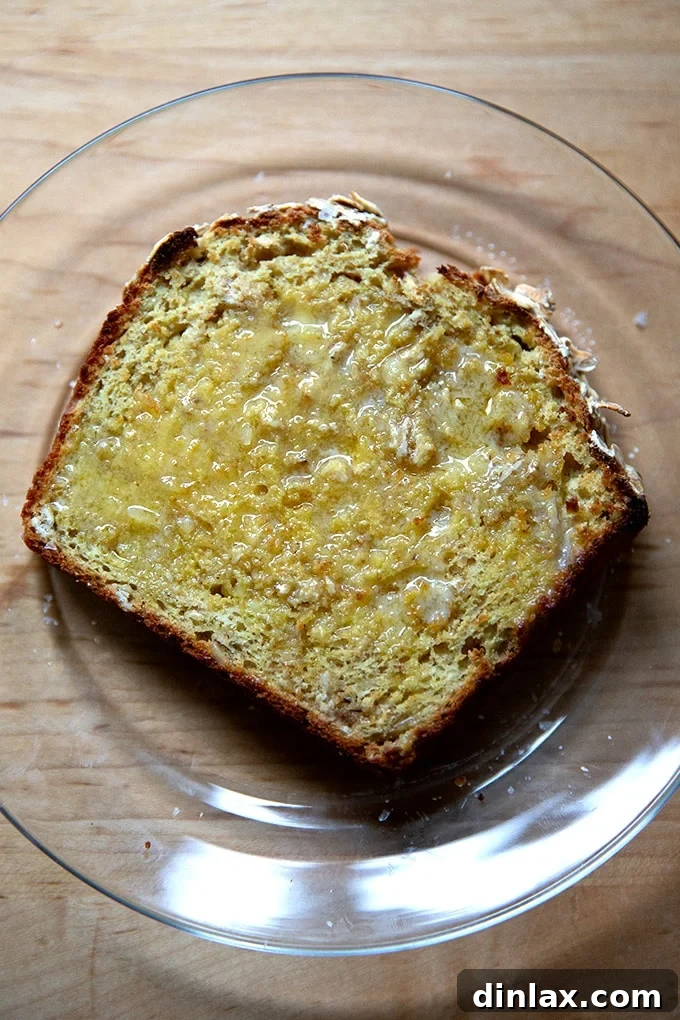
While this particular brown bread isn’t ideal for delicate sandwiches, its robust texture and wholesome flavor make it absolutely indispensable for toast. The crisp exterior and soft, chewy interior, especially after toasting, provide the perfect canvas for your favorite toppings. And speaking of toppings, it’s time to break out the Kerrygold – or any other high-quality Irish butter! The rich, creamy butter melts beautifully into the warm, toasted bread, creating an irresistible combination that’s truly a taste of Ireland.
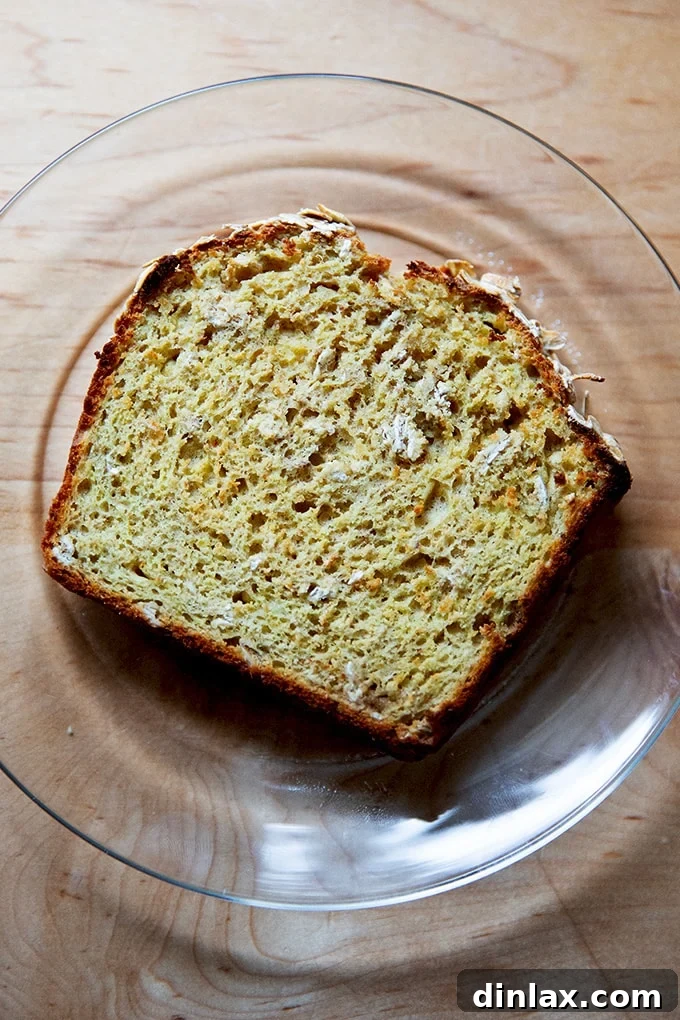
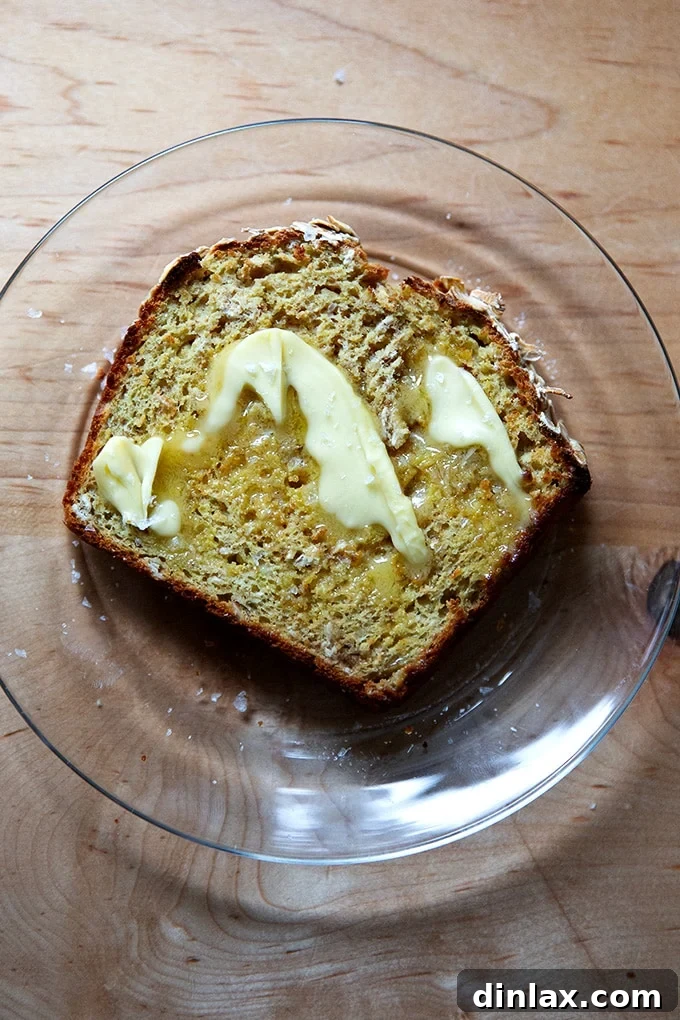
Beyond the classic butter, consider pairing your toasted brown bread with homemade jams, marmalades, or a drizzle of local honey for a sweet treat. For a savory option, it’s delightful with sharp cheddar cheese, smoked salmon, or even alongside a hearty bowl of Irish stew or a comforting vegetable soup. Its wholesome nature makes it a fantastic accompaniment to breakfast eggs or a robust Irish breakfast spread.
To keep your Irish brown bread fresh, store it in an airtight container at room temperature for up to 3-4 days. For longer storage, slices can be individually wrapped and frozen for up to 2-3 months. Simply toast directly from frozen for a quick and delicious snack anytime.
Recipe Overview: Simple Irish Brown Bread
Simple Irish Brown Bread
A hearty, wholesome, and easy-to-make traditional Irish brown bread.
Rating: 5 out of 5 stars (based on 43 reviews)
- Author: Alexandra Stafford
- Total Time: 1 hour
- Yield: 1 loaf
- Diet: Vegetarian
- Prep Time: 10 minutes
- Cook Time: 50 minutes
- Category: Bread
- Method: Oven
- Cuisine: American, Irish
Description
Made with whole wheat flour, wheat germ, and rolled oats, this simple Irish brown bread comes together in no time and yields a hearty, super-tasty loaf, perfect for toasting and slathering with good Irish butter. Break out the Kerrygold!
Recipe adapted from reader Michael — thank you!
Notes:
- For best results, use a scale to measure.
- Flour: I’m using 100% Cairnspring Mills stone-milled flour here (Glacier Peak Bread Flour and Sequoia All-Purpose Flour). You can use any mix of whole wheat and all-purpose or bread flour. You need 2.75 cups flour total.
- Salt: If you are using Morton Kosher Salt or fine sea salt, use half as much by volume or the same amount by weight as Diamond Crystal Kosher Salt.
Ingredients
- 180 grams (about 1.5 cups) bread flour, see notes above
- 165 grams (about 1.25 cups) whole wheat flour, see notes above
- 50 grams (about 1/2 cup) rolled oats, plus more for sprinkling
- 44 grams (about 1/2 cup) wheat germ
- 10 grams (about 2 teaspoons) brown sugar
- 10 grams (about 2 teaspoons) Diamond Crystal Kosher Salt, see notes above
- 5 grams (about 1 teaspoon) baking soda
- 1 egg
- 450 grams (about 1.75 cups) buttermilk
- 28 grams (2 tablespoons) melted butter
Instructions
- Preheat the oven to 400ºF (200ºC). Butter an 8.5×4.5 inch loaf pan.
- In a large bowl, whisk together the dry ingredients (flours, oats, wheat germ, brown sugar, salt, baking soda).
- In a medium bowl, whisk together the buttermilk, egg, and melted butter.
- Add the wet ingredients to the dry ingredients and use a spatula to mix until you have a wet, sticky batter. Transfer the batter to the prepared loaf pan. Using a wet hand, spread the batter out evenly in the pan. Sprinkle oats over the top to cover.
- Transfer to the oven for 45 to 55 minutes or until a toothpick inserted comes out cleanly. If you have an instant-read thermometer, it should register roughly 205ºF (96ºC) when it’s done. Do be sure to test the loaf before removing it from the oven — it’s forgiving, so err on the side of over-baking!
Variations and Frequently Asked Questions
This simple Irish brown bread recipe is wonderfully versatile. Feel free to experiment with additions like a handful of sunflower seeds or pumpkin seeds for extra crunch and nutrition. A quarter cup of dried cranberries or raisins can add a touch of sweetness, especially if you prefer a slightly fruitier loaf. You can also play with the flour blend, perhaps trying a coarser whole wheat flour for an even more rustic texture.
Frequently Asked Questions:
- Can I substitute ingredients? While the core ingredients are key, some substitutions are possible. For buttermilk, you can make a DIY version by adding 1 tablespoon of lemon juice or white vinegar to regular milk and letting it sit for 5-10 minutes. For wheat germ, if unavailable, you can increase the whole wheat flour slightly, though you’ll miss its unique flavor and nutritional benefits.
- How do I know if my bread is properly baked? Beyond the toothpick test, a well-baked loaf will have a deep golden-brown crust and sound hollow when tapped on the bottom. Trust your instincts and the thermometer for the best results.
- Why is my bread dense? Overmixing the batter can develop too much gluten, leading to a denser loaf. Mix just until the ingredients are combined. Also, ensure your baking soda is fresh, as old baking soda loses its leavening power.
- Can I make this dairy-free? You could try substituting the buttermilk with a plant-based buttermilk (made with plant milk and vinegar) and using a dairy-free butter alternative. Results may vary slightly in texture and flavor.
Conclusion: A Taste of Irish Heritage in Your Home
This simple Irish brown bread recipe is more than just a culinary instruction; it’s an invitation to partake in a rich tradition, offering warmth, comfort, and deep satisfaction with every slice. From its rustic appearance to its wholesome, nutty flavor, it embodies the essence of homemade goodness. Whether enjoyed fresh from the oven, toasted for breakfast, or as an accompaniment to a hearty meal, this bread promises to be a beloved addition to your kitchen repertoire. So go ahead, mix up a batch, and let the inviting aroma fill your home. Enjoy the timeless appeal of authentic Irish brown bread – a true everyday luxury.