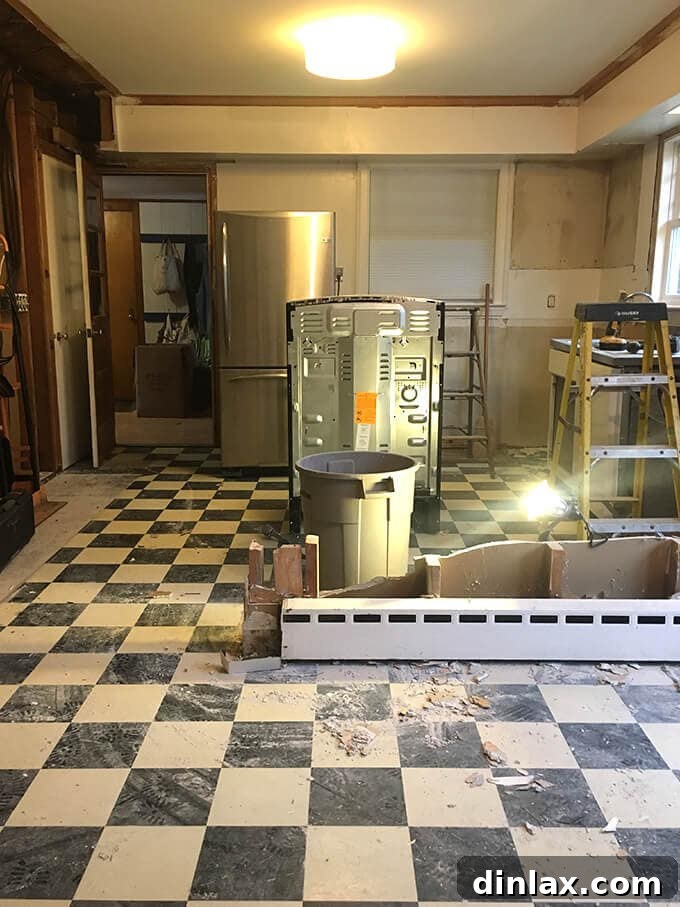
Welcome to a detailed, step-by-step journey through our intensive kitchen demolition and renovation project! If you’re currently navigating the exciting (and sometimes daunting) world of home remodeling, you’ve landed in the perfect spot. This post focuses specifically on the crucial demolition phase, illustrating the transformation from an outdated kitchen to a blank canvas ready for its modern revival. To provide you with a comprehensive guide, we’ve documented every stage of this significant home improvement endeavor. Should you be looking for other parts of this exhilarating renovation process, we encourage you to explore these essential posts:
1. How to Plan For A Kitchen Renovation: Laying the Groundwork for Success
2. Kitchen Before: A Glimpse into the Past
3. Kitchen Reveal: The Stunning Final Transformation
The Kitchen Demolition: Tearing Down to Build Anew
The first and often most satisfying step in any major kitchen overhaul is the demolition. It’s the moment when years of memories, old designs, and outdated fixtures are cleared away, making room for a fresh vision. There’s a particular catharsis in tearing down what once was, setting the stage for the dream kitchen to come to life. Witnessing the rapid deconstruction highlights the scale of the project and builds anticipation for the future.
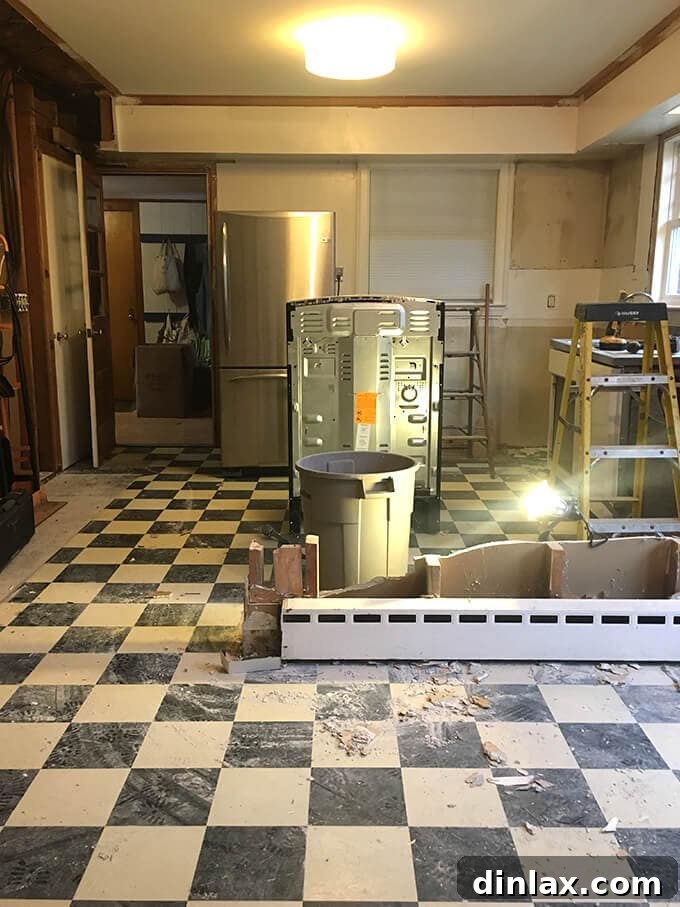
Clearing the Foundation: Floor Removal
With the initial fixtures removed, the next major task was tackling the flooring. Old kitchen floors often hide years of wear and tear, and removing them is critical for laying a new, level, and durable foundation. This stage involved careful yet forceful work to pry up the existing tiles or linoleum, revealing the subfloor beneath. The dust and debris were significant, underscoring the importance of proper safety gear and protection for adjacent areas. This removal ensures a clean slate, essential for the aesthetic and structural integrity of the new kitchen floor.
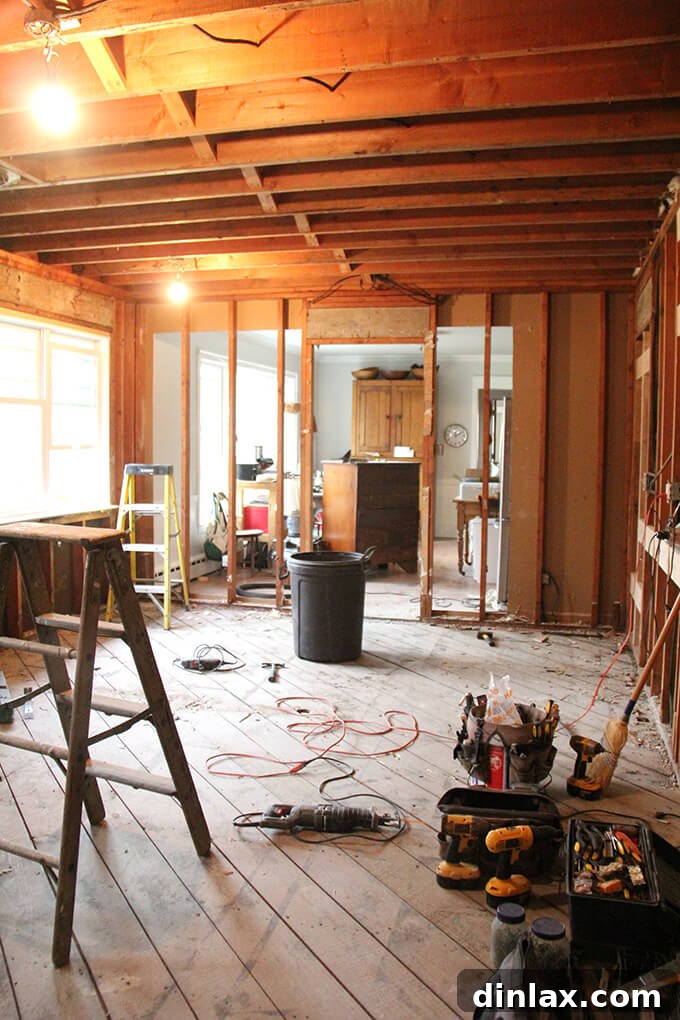
Opening Up Spaces: Doorway Expansion
A key objective of our kitchen remodel was to create a more open-concept living area, enhancing flow between the kitchen, dining room, and living room. This involved significantly opening up the doorway connecting the kitchen to these vital communal spaces. This structural change immediately transformed the feel of the entire downstairs, allowing more natural light to penetrate and fostering a greater sense of connectivity. This phase required precise measurements and careful structural work to ensure stability and a seamless transition between rooms.
The Renovation Supervisors: Wren and Tig
No major home renovation project is complete without some eager (and sometimes furry) supervisors. Our beloved pets, Wren and Tig, were absolutely loving every second of the renovation. While they might not have been assisting with the heavy lifting, their curious presence and playful antics provided much-needed comic relief and a sense of continuity amidst the chaos. Their enjoyment reminded us that even through disruption, home remains a place of comfort and excitement for every member of the family.
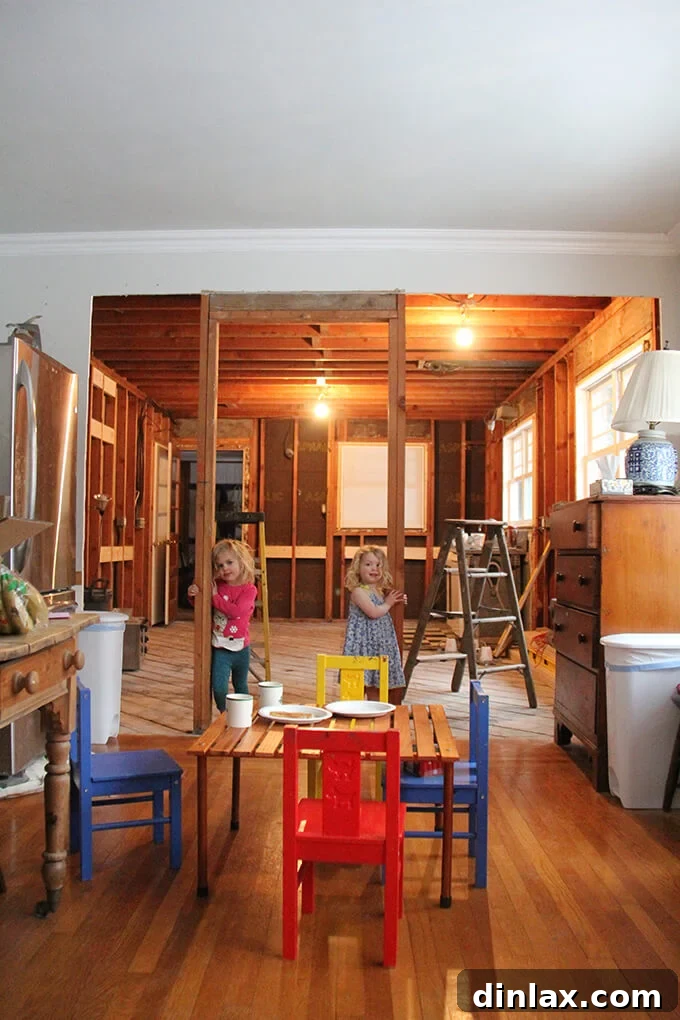
Embracing the Clean Slate: Clearing Out the Old
There’s an immense satisfaction in seeing all the old, worn-out components of the kitchen go. This image captures the moment when the last vestiges of the previous design were being removed, leaving behind a completely stripped-down space. This comprehensive clearing allowed us to visualize the new layout with greater clarity and ensured that every new element would be built upon a fresh, uncompromised foundation. It truly felt good to say goodbye to the past and wholeheartedly embrace the future possibilities.

Rebuilding the Heart of the Home: Infrastructure and Framing
Once the demolition was complete, the true rebuilding began. This phase is critical as it involves all the behind-the-walls work that ensures the kitchen is not only beautiful but also safe, functional, and efficient. Every aspect of the infrastructure, from electrical to insulation, must be meticulously installed to meet modern standards and anticipate future needs. This is where careful planning truly pays off, laying the groundwork for a kitchen that will serve our family for years to come.
Upgrading the Lifelines: New Electrical Wiring
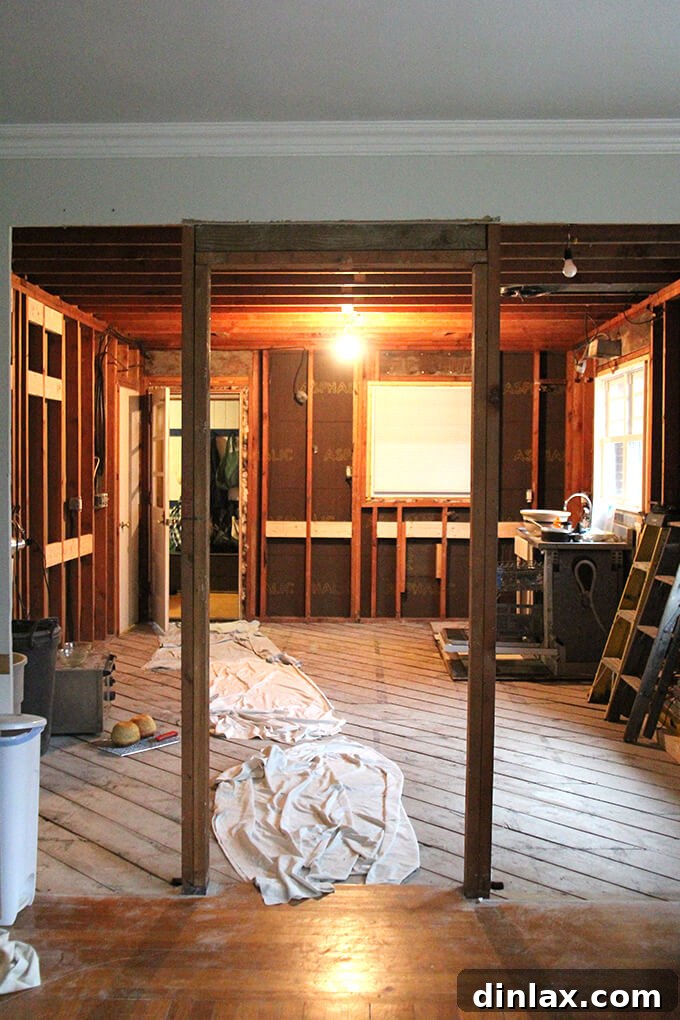
A modern kitchen demands robust and safe electrical infrastructure. The installation of new electrical wiring was a major undertaking, ensuring ample power outlets for appliances, proper lighting, and compliance with current safety codes. This included dedicated circuits for high-power appliances like ovens and microwaves, as well as strategically placed outlets for small appliances and charging stations. Upgrading the electrical system is a non-negotiable step in any comprehensive kitchen remodel, safeguarding against hazards and future-proofing the space.
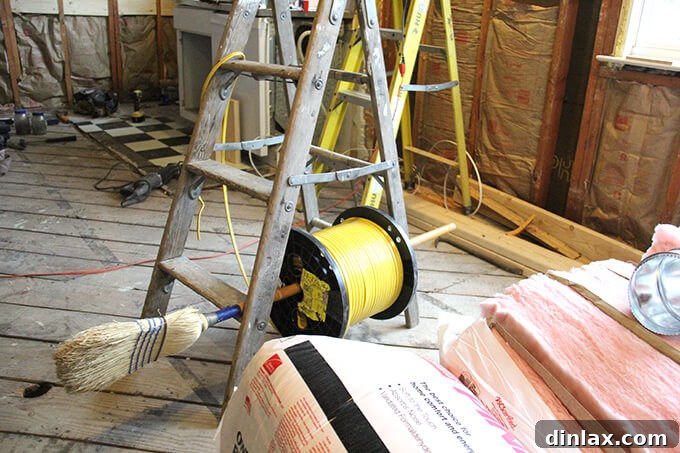
Enhancing Efficiency: New Insulation
With the walls opened up, it was the ideal opportunity to install new, high-quality insulation. This crucial step contributes significantly to energy efficiency, keeping the kitchen warmer in winter and cooler in summer. Good insulation also aids in sound dampening, creating a more peaceful and comfortable environment. Opting for modern insulation materials improves the home’s overall thermal performance and reduces utility costs, making it a wise investment during any renovation.
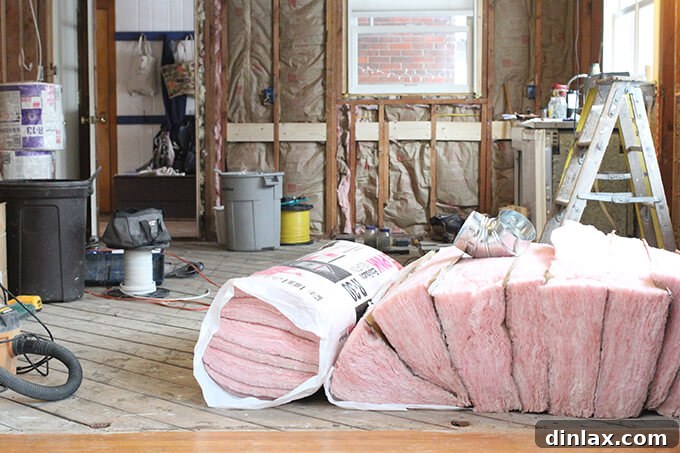
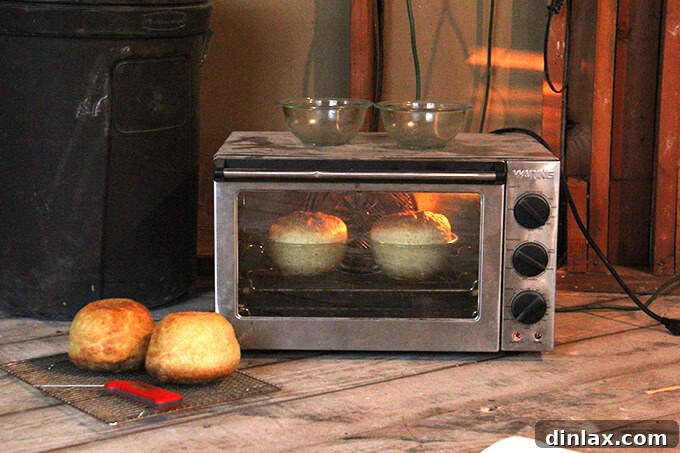
A Moment of Comfort: Bread!
Amidst the dust and construction, sometimes you need a comforting reminder of what a kitchen is truly for. This image, perhaps a delightful interlude, reminds us of the joy of baking. Even without a fully functional kitchen, the spirit of culinary creation persists. It’s a testament to the fact that the heart of the home, even under construction, still holds the promise of warmth and deliciousness. This particular loaf, inspired by a beloved recipe, served as a symbolic preview of the wonderful meals to be prepared in the new space.
Find the recipe for the best, easiest bread you will ever make here!
Creating the Top Layer: Ceiling Installation
Once the essential wiring and insulation were in place, attention turned to the ceiling. This stage involved installing new ceiling panels, ensuring a smooth, level surface. Whether it’s drywall or another material, the ceiling forms a vital part of the kitchen’s aesthetic and structural envelope. Proper installation here is key for a polished finish, ready for paint and lighting fixtures. It’s a significant step that starts to enclose the space and define its boundaries.
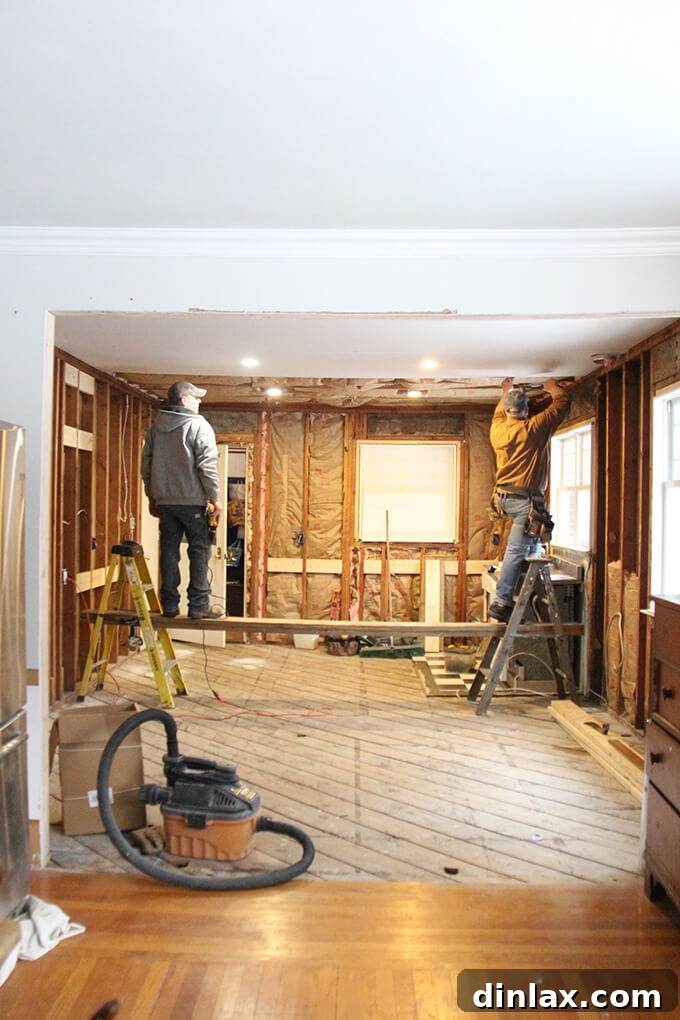
Walls Taking Shape: Drywall Installation
With the internal infrastructure hidden and the ceiling complete, drywall installation was next. This is where the kitchen truly begins to take shape, transitioning from exposed studs to defined walls. Sheets of drywall were meticulously cut and secured, creating the smooth surfaces that would eventually be painted. This step requires precision to ensure seamless joints and a perfectly flat finish, crucial for the subsequent stages of taping and painting. The transformation at this point is quite dramatic, giving a real sense of progress.
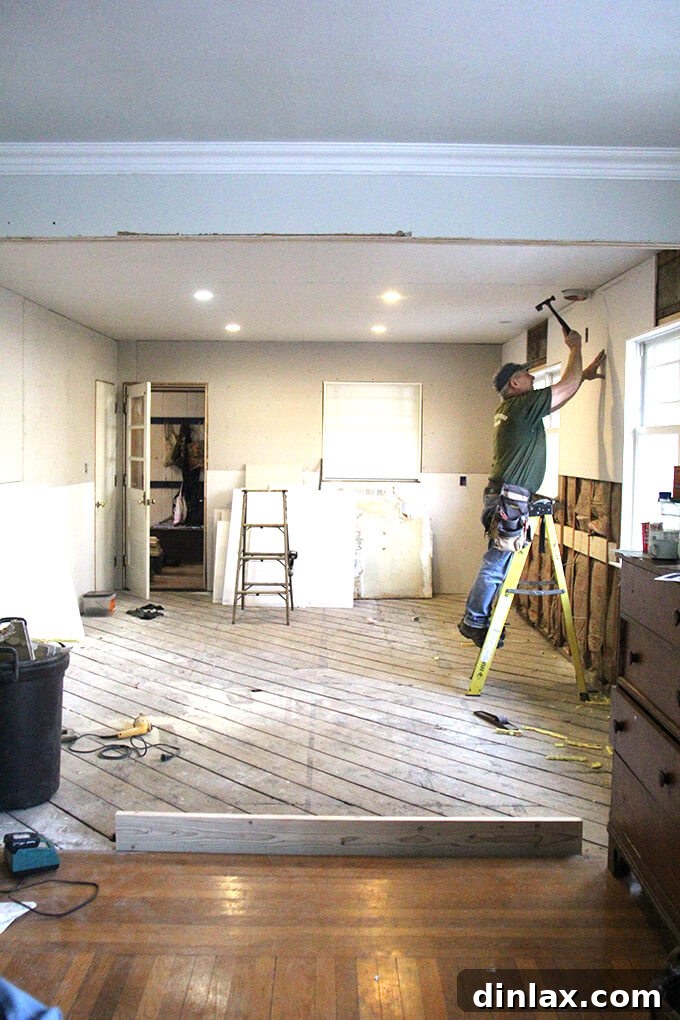
A Festive Touch: Mistletoe
Even during a significant renovation, small moments of joy and tradition can emerge. This mistletoe, perhaps a temporary fixture or a festive decoration hung amidst the construction, serves as a charming reminder of home and holiday spirit. It’s a delightful contrast to the surrounding raw construction, bringing a touch of warmth and personality to the evolving space. Such small details can often break the monotony of a construction site and inject a sense of future celebration.

Perfecting the Surfaces: Taping and Mudding
After the drywall was installed, the crucial process of taping and mudding began. This meticulous work involves applying joint compound over seams and screw holes, followed by embedding paper or fiberglass tape to create smooth, invisible transitions. Multiple coats of mud are applied, sanded, and feathered to achieve a perfectly uniform surface, essential for a flawless paint job. This stage demands patience and skill, as any imperfections will be highlighted once paint is applied.

Adding Color: Painting
With the drywall perfectly prepped, it was finally time for painting. Choosing the right color can dramatically impact the mood and perceived size of a kitchen. This stage involved applying primer and then several coats of the chosen paint color, transforming the once bare walls into a vibrant and inviting space. Painting provides a clean, fresh backdrop for the upcoming cabinet and appliance installations, truly bringing the kitchen to life and reflecting the desired aesthetic.
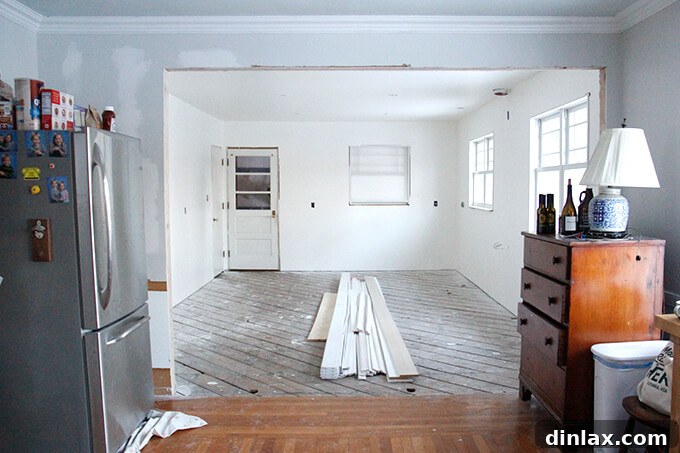
The Finishing Details: Flooring, Cabinets, and Appliances
As the structural elements and wall finishes were completed, the focus shifted to the visible elements that define the kitchen’s functionality and style. This phase involves installing the chosen flooring, meticulously arranging and securing cabinets, and bringing in the essential appliances. Each decision here profoundly impacts the kitchen’s usability and overall appeal, making it a truly exciting part of the renovation journey.
Grounding the Design: New Flooring
The selection and installation of new kitchen flooring is a pivotal moment in the renovation. The floor not only needs to be aesthetically pleasing but also durable, easy to clean, and resistant to the demands of a high-traffic area. Whether hardwood, tile, or another material, careful installation ensures a level and lasting finish that complements the overall kitchen design. This step truly grounds the space, providing a beautiful foundation for all the elements yet to come.
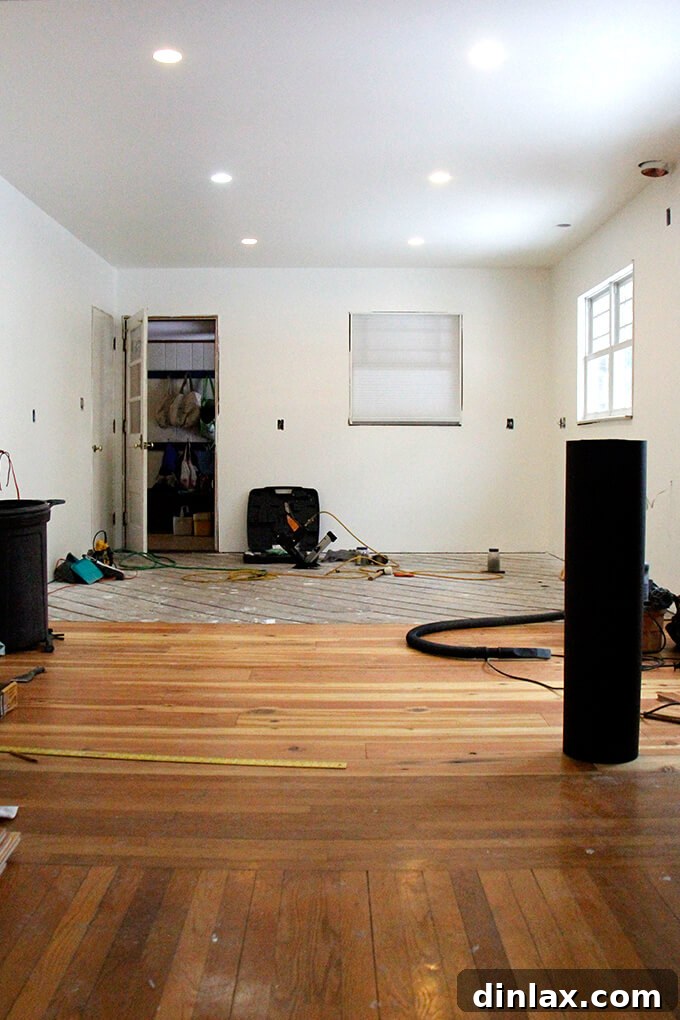
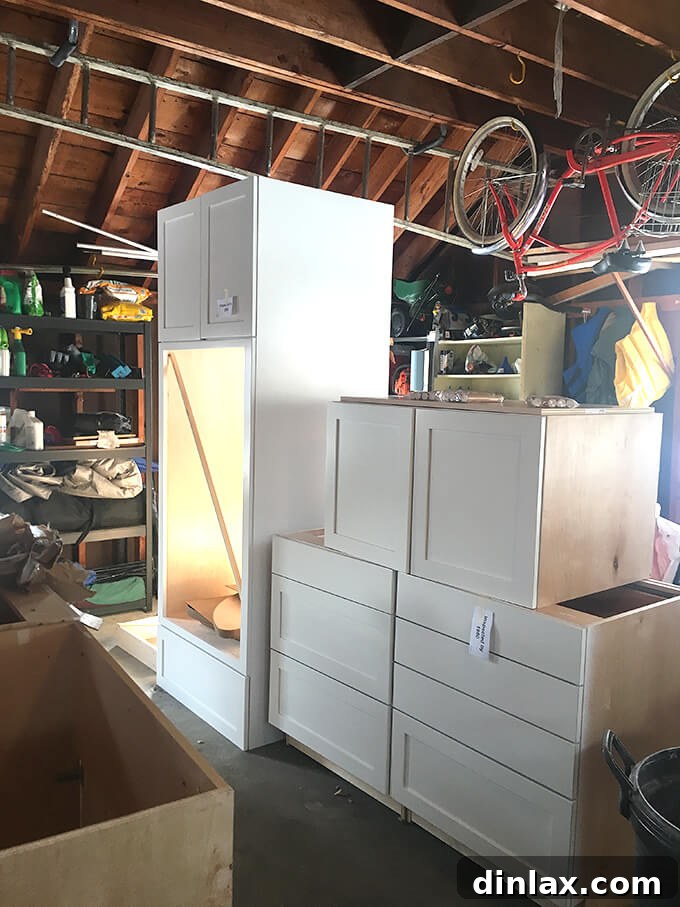
Visualizing the Layout: Staging Cabinets in the Garage
Before permanent installation, staging the cabinet setup in the garage was an invaluable step. This allowed us to visualize the entire kitchen layout, confirm measurements, and make any last-minute adjustments to the design before committing. It’s an excellent way to pre-assemble components and ensure everything fits perfectly, saving time and preventing potential issues during the actual kitchen installation. This meticulous planning ensures a smooth and efficient cabinet placement.
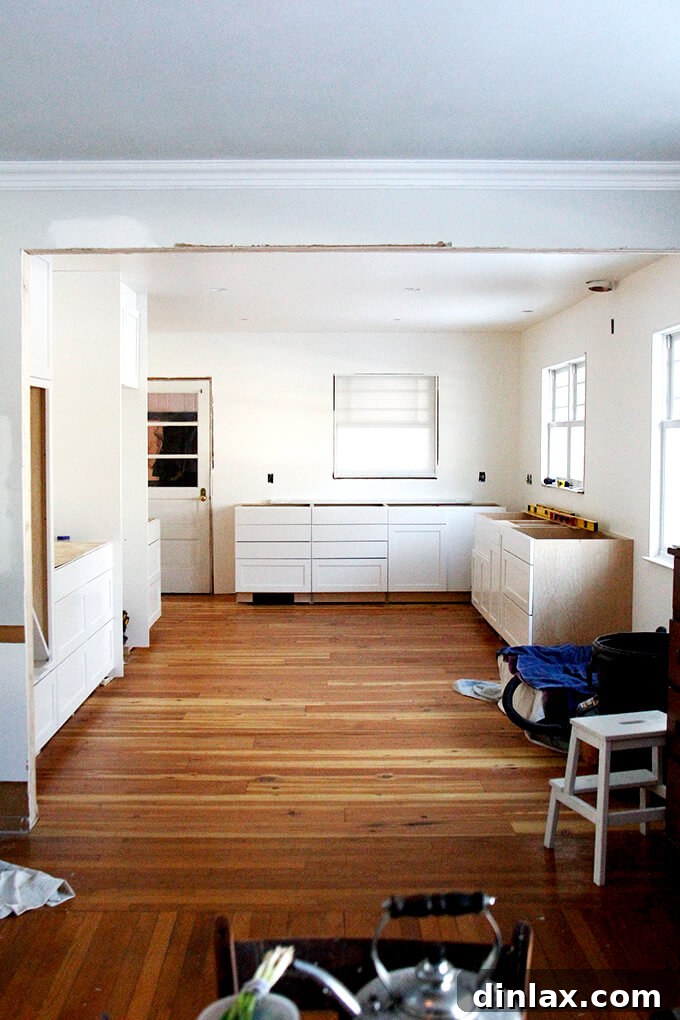
Progress in Motion: Getting There…
This image captures the palpable sense of progress as the kitchen renovation neared completion. With walls painted and flooring in place, the room was visibly transforming from a construction zone into a functional space. The basic framework was established, and the details were beginning to emerge, creating a feeling of anticipation for the final stages. It’s a moment of significant satisfaction, realizing that the vision is truly coming to life.
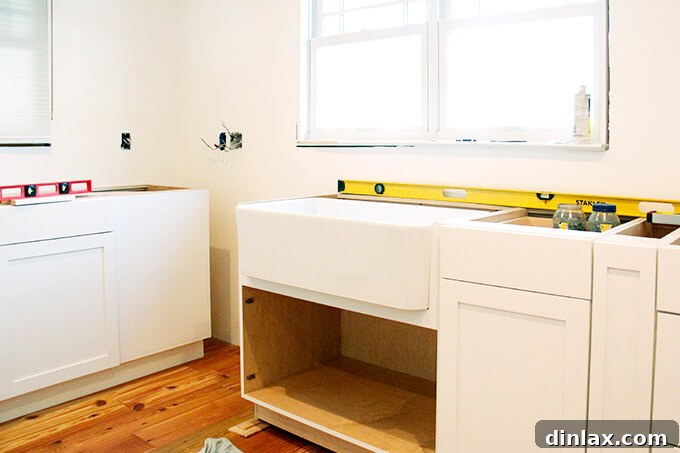
The Heart of Cleanup: Sink Installation
The sink is undeniably one of the most used fixtures in any kitchen, and its installation marks a significant milestone. This step involves carefully placing and securing the chosen sink, along with connecting the plumbing for both hot and cold water, and ensuring proper drainage. Selecting the right sink—whether a large farm sink, double basin, or undermount style—is crucial for both aesthetics and practicality. A well-installed sink is central to kitchen functionality and ease of use.
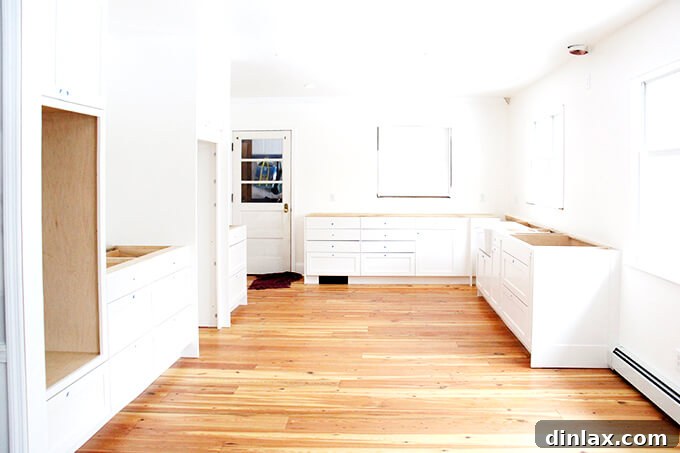
Storage Solutions: Cabinets
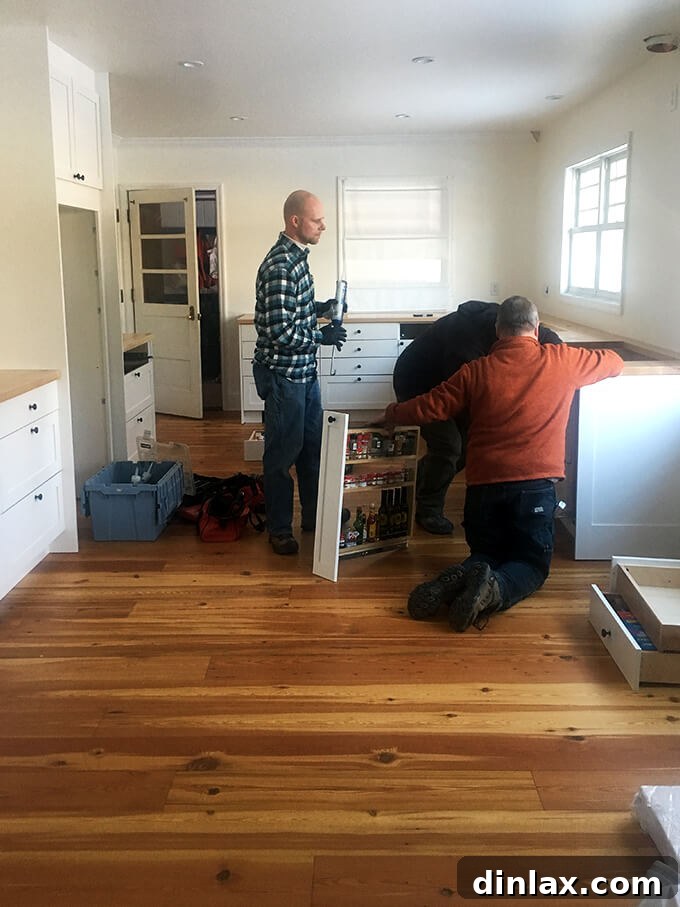
The installation of the main kitchen cabinets truly defines the space and provides essential storage. This process requires careful alignment and secure fastening of each cabinet unit, from base cabinets to wall-mounted ones. The choice of cabinet style, finish, and hardware plays a huge role in the kitchen’s overall design aesthetic, whether modern, traditional, or transitional. Seeing the cabinets go in brings a clear sense of structure and the realization of the planned layout.
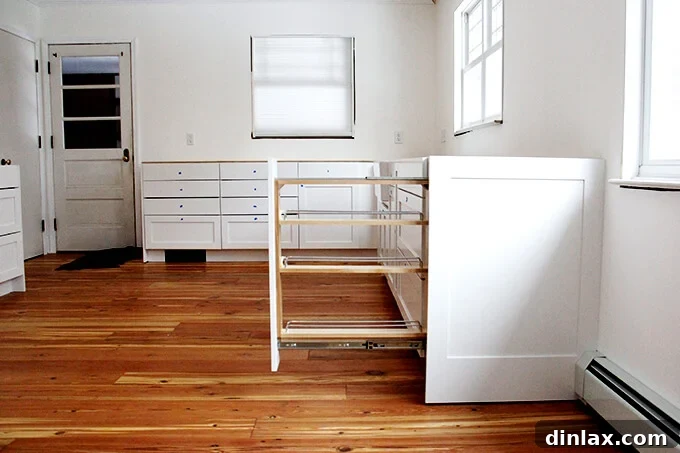
Organized Flavor: Spice Drawer
A dedicated spice drawer is a dream for any home cook, offering immediate access and organized storage for a vast array of seasonings. This thoughtful design feature was meticulously planned to keep spices neatly arranged and easily visible, eliminating the clutter of traditional spice racks or cabinets. It’s these small, personalized touches that elevate a kitchen from merely functional to truly exceptional, making cooking a more enjoyable and efficient experience.
The Final Flourish: Countertops, Appliances, and Personal Touches
With cabinets in place, the kitchen truly begins to feel complete. This stage focuses on the installation of countertops, which are both a major visual element and a critical workspace, followed by the integration of large appliances. These final touches not only enhance functionality but also bring the entire design together, adding personality and readiness for daily use.
Solid Surfaces: Countertops
The installation of countertops is a dramatic and impactful step in any kitchen renovation. The chosen material—whether quartz, granite, marble, or another option—significantly influences the kitchen’s aesthetic and durability. Precision templating and installation are crucial to ensure a perfect fit, especially around sinks and appliances. The countertops provide vital workspace for meal preparation and serve as a prominent design feature, tying together the entire look of the kitchen.
Joyful Observers: Children
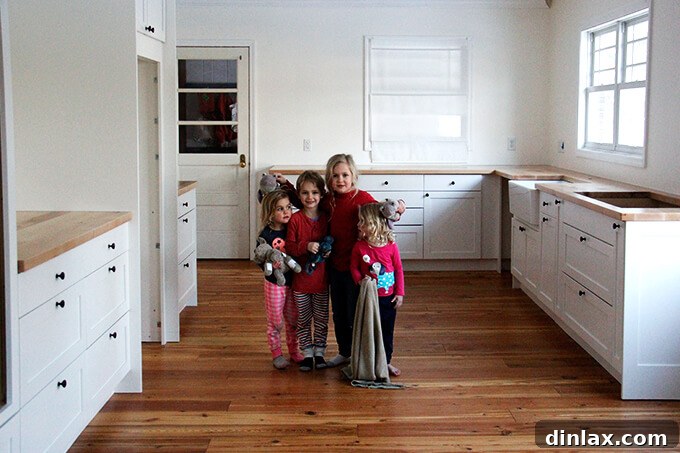
The best test of any new kitchen is often its appeal to the youngest members of the family. This image, showing children enjoying the new space, highlights that a kitchen is more than just a place to cook; it’s a hub for family life, creativity, and shared moments. Their presence adds a touch of warmth and reminds us of the true purpose of creating a comfortable and functional home environment for everyone. It’s a space where memories will undoubtedly be made.
Culinary Power: Ovens
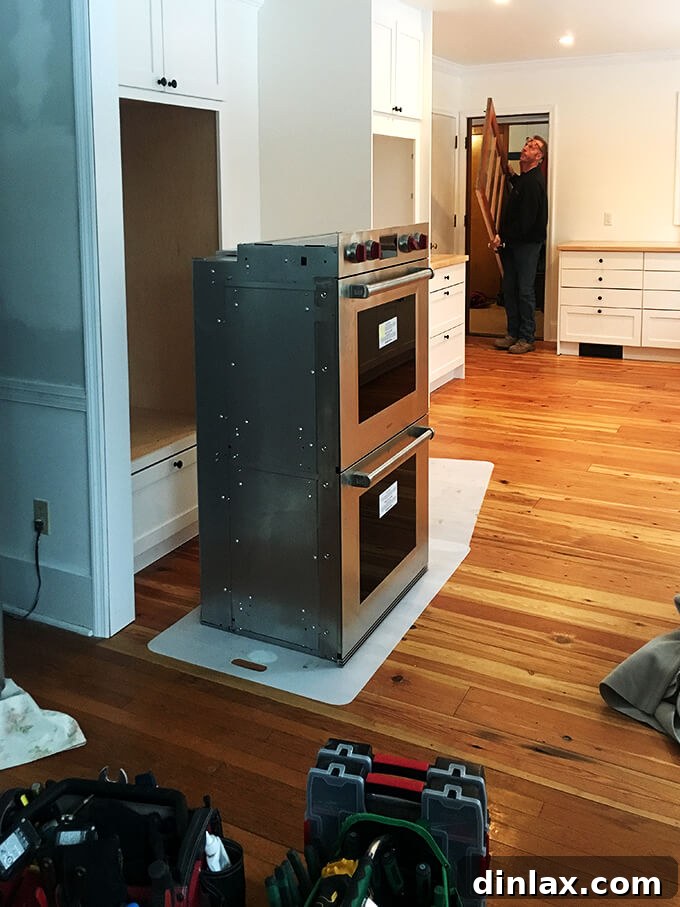
The installation of new ovens marks a significant step towards a fully functional kitchen. Depending on the design, this might involve single or double wall ovens, or a range cooker. Proper installation ensures secure placement and correct electrical connections, ready for countless meals and culinary adventures. Ovens are central to most cooking routines, and their arrival makes the kitchen feel ready for action and delicious creations.
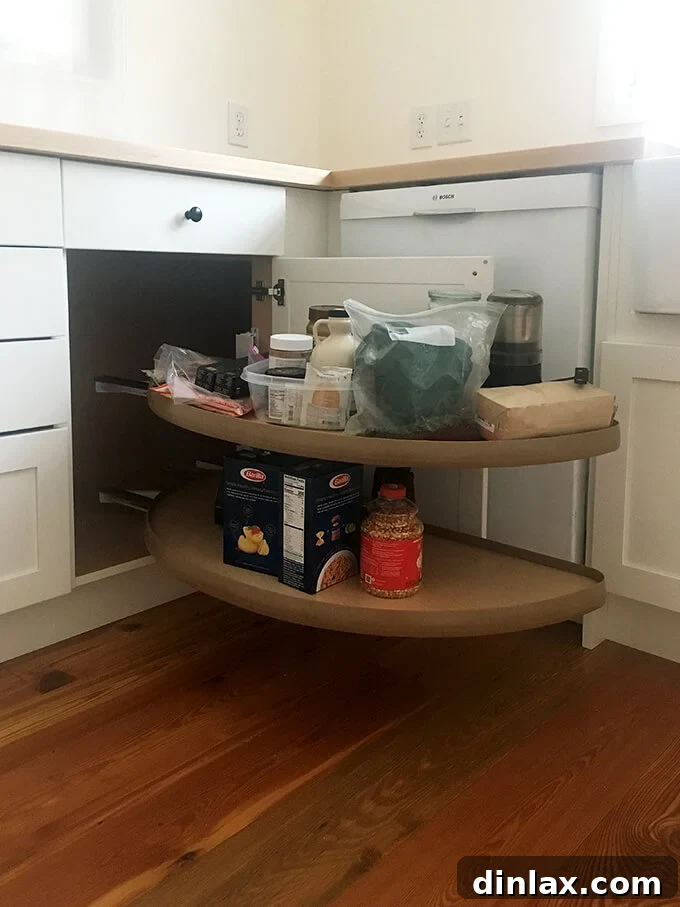
Smart Storage: Pull-Out Lazy Susan
The pull-out lazy Susan is a fantastic example of smart kitchen design, maximizing storage in corner cabinets which are often hard to access. This innovative system allows for easy retrieval of pots, pans, and small appliances with a simple pull and spin, making formerly dead space incredibly functional. It’s truly one of the best additions for improving kitchen organization and efficiency, making every item easily accessible. This feature is often a favorite in newly renovated kitchens due to its practicality.
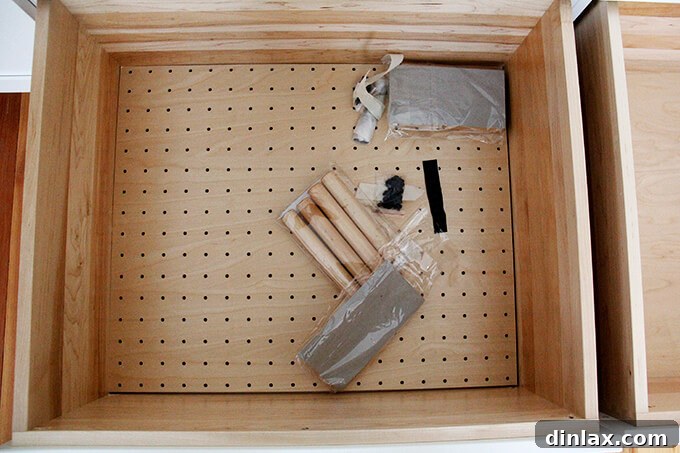
Custom Organization: Pegs for Drawers
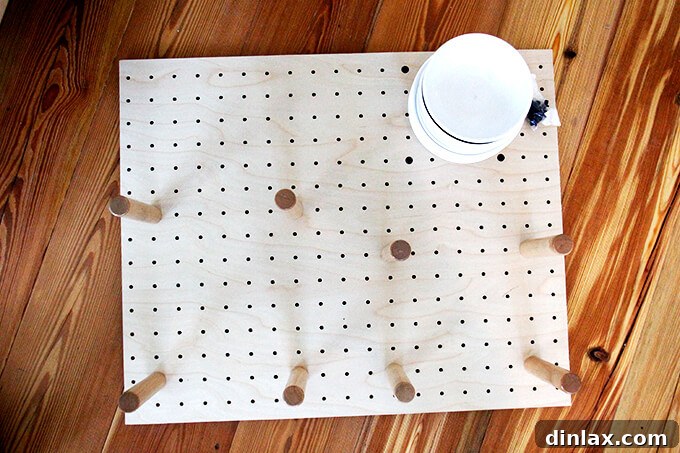
Drawer organization is key to a tidy and efficient kitchen, and custom pegs for drawers offer a brilliant solution. These adjustable pegs allow for flexible partitioning within deep drawers, perfect for securely storing plates, bowls, and other dishware. This prevents items from sliding around and getting damaged, while also making them easy to access. It’s another thoughtful detail that enhances the practicality and custom feel of the new kitchen, ensuring everything has its proper place.
Further showcasing the versatility and depth of the customized drawer solutions, this image highlights another section of our innovative storage. The careful placement of internal dividers ensures that every utensil, pot, or pan has a designated spot, minimizing clutter and maximizing accessibility. Such tailored storage options are invaluable in maintaining a highly functional and aesthetically pleasing kitchen environment. They represent a significant upgrade from generic, unorganized drawers, making daily tasks much smoother.
This image provides yet another perspective on the meticulous organization and custom features integrated into our kitchen drawers. It further emphasizes how every inch of storage space has been optimized for efficiency and ease of use. From cutlery to larger cooking tools, each item finds its perfect home, thanks to carefully designed inserts and compartments. These thoughtful details are what transform a good kitchen into a truly great one, reflecting an understanding of real-world cooking and storage needs.
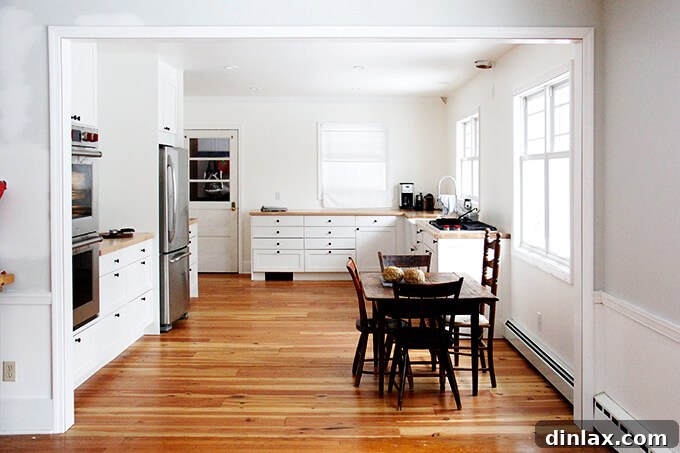
Display and Function: Shelves Being Installed
The installation of shelves, whether open shelving or within cabinets, adds both functional storage and aesthetic display opportunities to the kitchen. Open shelves, in particular, can showcase decorative items, cookbooks, or frequently used dishware, adding personality and warmth to the space. Careful placement and secure installation are vital to ensure they are both beautiful and capable of holding their intended contents safely. This step truly layers the final elements onto the kitchen’s design, making it ready for use and personalization.
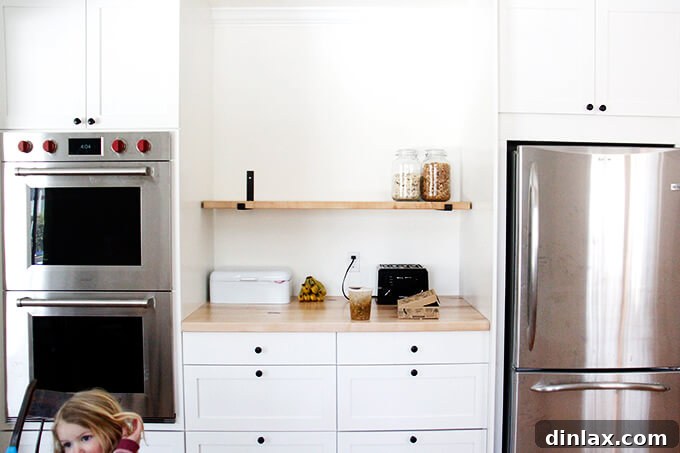
The Grand Finale: Witness the Transformation!
From the initial chaos of demolition to the meticulous installation of every last detail, this kitchen renovation has been an incredible journey. We hope this play-by-play has provided valuable insights and inspiration for your own home projects. Seeing each stage unfold highlights the hard work, planning, and vision required to bring a dream kitchen to life. The transformation is truly astounding, moving from an outdated space to a vibrant, functional, and aesthetically pleasing heart of the home.
Ready to see the ultimate outcome of all this hard work? Don’t miss the grand reveal where every element comes together beautifully to create our stunning new kitchen. See the final reveal here: Kitchen Reveal: Experience the Full Beauty of Our New Kitchen!