Photo by Chelsea Cavanaugh for How to Celebrate Everything
An Exclusive Interview with Jenny Rosenstrach: Unpacking Family Meals, Motherhood, and the Digital Age
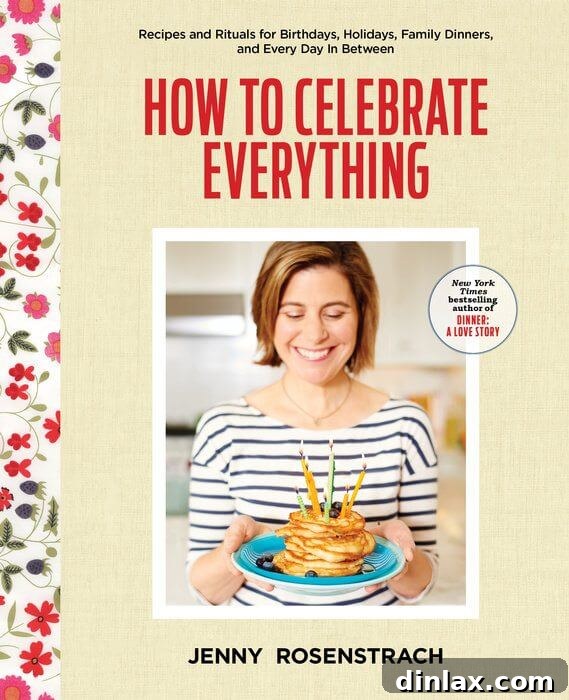
Dear friends and fellow food enthusiasts, I can genuinely say I’ve never been more thrilled to share a blog post with you than this one. There’s so much to dive into! Earlier this fall, I had the immense pleasure of writing about Jenny Rosenstrach’s latest masterpiece, How to Celebrate Everything. Finishing it left me with such a profound sense of connection, sparking a desire to revisit her earlier work. Soon after, I found myself rereading Dinner: A Love Story. The second reading was even more impactful than the first. Perhaps because my own children had grown a few years older, I found new layers of humor in the anecdotes and deeper resonance in the tender, relatable moments, often moving me to laughter and tears. I lingered on the final pages, absorbing every word, finding myself returning to them repeatedly.
As I immersed myself in these wonderful books, a myriad of questions naturally began to form in my mind. With a little push from a supportive friend, I gathered my courage and reached out to Jenny directly. To my delight, she graciously responded, confirming everything I had imagined: she is every bit as insightful, practical, and wonderfully humorous as her writing suggests. It is with immense pleasure that I now share Jenny’s thoughtful perspectives on a range of topics close to our hearts: navigating the kitchen with children, the complexities of social media, her recent culinary adventures, hints about her next literary endeavor, and so much more. This conversation delves deep into the realities of modern family life, offering wisdom and warmth.
A huge, heartfelt thank you to Jenny for her time and candidness!
Embracing Family in the Kitchen: Tips for Cooking with Children
Do you have any go-to recipes or activities in the kitchen that you find work well with children or toddlers? Any holiday-specific traditions or helpful tools?
“While my daughters are now teenagers — a fact that still sends a shiver up my spine because of how quickly time flies! — I vividly recall the strategies we used when they were younger. Our absolute go-to was something we affectionately called ‘Babysitter in a Box.’ This was essentially a large Tupperware container filled with various non-breakable measuring cups, spoons, and bowls. We’d give them a small amount of water, and they would be utterly absorbed in play. Often, their joy came from simply mimicking what my husband and I were doing – pouring water from one bowl to another, rather than actively participating in the actual cooking. It allowed them to feel involved in a safe, controlled way, fostering a connection to the kitchen environment without the pressure of precise culinary tasks.
As for cherished traditions, every year we host a special holiday cookie decorating party. My girls invite a few friends over, and we pair the decorating with a screening of the movie ‘Elf,’ which is always a hit. We use my grandmother’s beloved recipe, and to ensure inclusivity, we provide an ‘interfaith’ selection of cookie cutters. If I were to tell the story of my life through a single baked good – having been raised both Jewish and Presbyterian – it would unequivocally be the Star of David Christmas Cookie. It perfectly encapsulates our family’s unique blend of traditions. Similarly, our preferred snack for tree-trimming is a generous platter of potato latkes, complete with all the traditional trimmings. These traditions aren’t just about the food; they’re about creating lasting memories and reinforcing our family’s cultural narrative.”
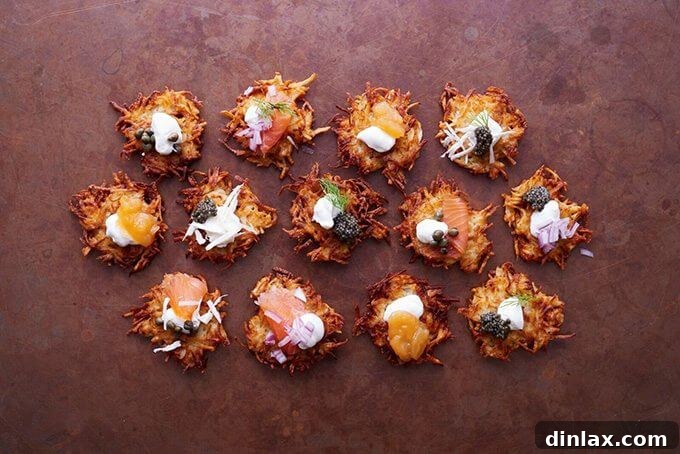
Photo by Chelsea Cavanaugh for How to Celebrate Everything
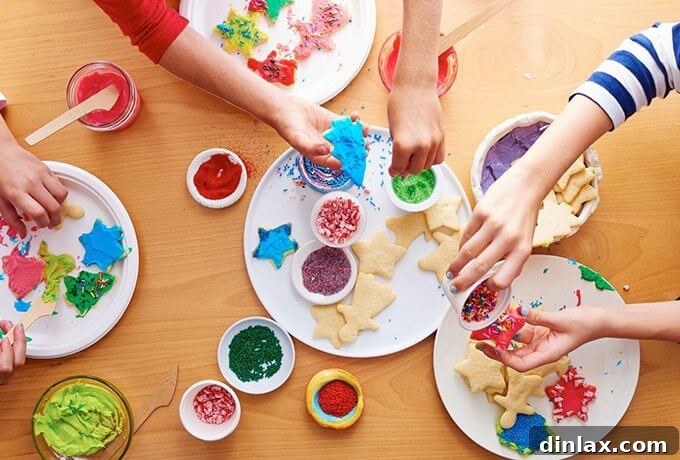
Photo by Chelsea Cavanaugh for How to Celebrate Everything

Photo by Chelsea Cavanaugh for How to Celebrate Everything
On that note, how do you loosen up and genuinely allow your children to help in the kitchen? I often find it incredibly stressful when they ‘help,’ even though they clearly enjoy it.
“You’re truly asking the wrong person if you’re looking for someone who effortlessly embraces daily kitchen chaos with kids! During the bustling week, I’m typically operating against a tight schedule, so when my children ask, ‘Can I help?’ what my brain often translates that into is, ‘Can we delay dinner by an hour or two and create an extraordinary mess in the process?’ I’ve always wished I possessed more daily patience for spontaneous kitchen assistance, but the practical solution I developed was the concept of ‘weekend project cooking.’ This approach transformed cooking from a necessary task to prevent starvation into an engaging activity designed to fill a few hours. When viewed as a project, the pressure to be efficient diminishes, and the experience becomes far more enjoyable and successful for everyone involved.
Baking cookies and making homemade pizzas are fantastic starting points for younger children, offering tangible results and plenty of opportunities for hands-on fun. As they mature, more intricate tasks like preparing gnocchi become wonderful shared experiences. In How to Celebrate Everything, I delve into the special pasta-making ritual I share with my younger daughter. These dedicated weekend sessions allow for a relaxed atmosphere where learning and connection flourish, without the stress of weekday deadlines. It’s about consciously choosing moments when you can truly lean into the process and enjoy the journey with your kids, rather than feeling overwhelmed by it.”
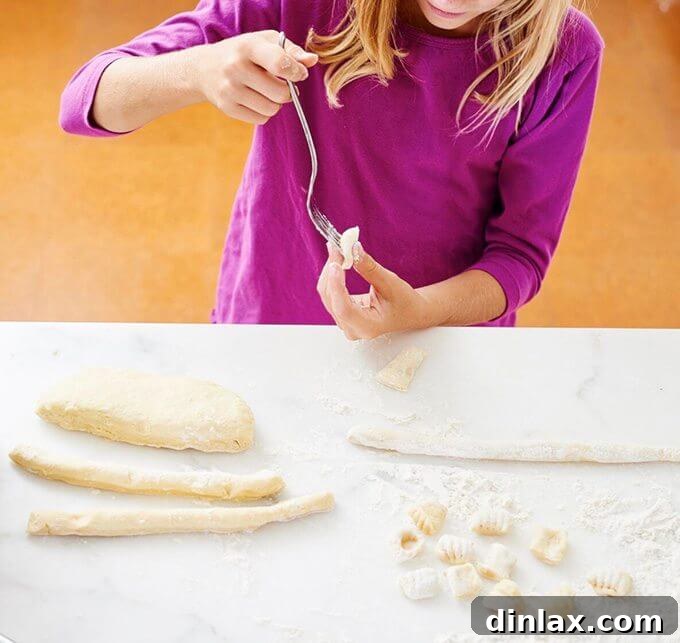
Photo by Chelsea Cavanaugh for How to Celebrate Everything
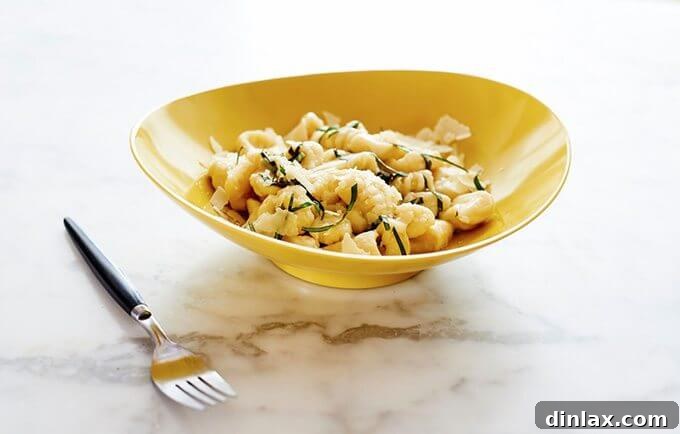
Photo by Chelsea Cavanaugh for How to Celebrate Everything
Following up on that, how do you actually get children to be genuinely helpful? I loved the passage in DALS about how things shifted for one of your co-workers when his child turned six and could finally make their own breakfast. Meanwhile, I still prepare cinnamon toast for my six-year-old every morning. Part of me enjoys it, but another part feels I should be encouraging more independence. Any tips for fostering self-reliance in the kitchen and beyond?
“Yes, I have what I consider the absolute best tip for fostering independence, not just in the kitchen but in many aspects of life: Get out of the kitchen. Of course, this assumes they are old enough to safely handle the task, but the principle holds true. I consistently found that whenever I remained in the kitchen, ‘helping out,’ my children would either default to my advice or I’d inevitably begin correcting their methods. It inadvertently stifles their initiative and problem-solving abilities. Stepping back allows them the space to figure things out for themselves, to make mistakes and learn from them without immediate intervention.
I’ve made a conscious effort to apply this strategy beyond cooking, too. Just yesterday, my 13-year-old asked me what time she should start getting ready for a 6:00 soccer practice. This isn’t because she genuinely doesn’t know – she’s been playing soccer for six years, and she’s a capable 13-year-old, for crying out loud! It’s simply often easier, and perhaps ingrained, to have Mom figure everything out. My response was intentionally designed to empower her: ‘Pretend I’m not here. I’ll bet you’d come up with the answer all by yourself.’ It’s about shifting the responsibility and allowing them to trust their own judgment. This encourages critical thinking and builds confidence in their ability to manage their own lives. It’s a subtle but powerful way to nurture self-reliance.”
Navigating the Digital Landscape: Parenting and Social Media in the Public Eye
Do your children read your blog? Are they comfortable with being written about? I’m starting to worry that one day my children might resent the stories I share about them.
“My daughters do read the blog occasionally, and they certainly read my books. However, anytime I consider writing about them in a specific, personal way, I always make sure to seek their approval first. The truth is, I don’t actually write about them in great detail very often. If you were to ask my regular blog readers what they know about my children, they could probably tell you a handful of surface-level facts: that they play soccer, enjoy reading, participate in cross-country running, and have a shared dislike for eggs. And that’s largely the extent of it. I doubt most readers would even be able to recognize them visually, unless they’ve seen my book jackets, because I very rarely share their faces on the blog or across social media platforms.
In the birthday chapter of How to Celebrate Everything, I did write brief profiles of them – mentioning how Abby loves to organize and how Phoebe’s defining characteristic is her loyalty. But even that, I believe, is as personal as I’ve ever gotten. I consciously avoid drilling deep into their private lives or sharing intimate details, if you understand what I mean. A good example of my approach is a post I once wrote about Einat Admony’s famous cauliflower dish. The story wasn’t about the specific conversation my middle schooler and I had, but rather how the act of preparing that recipe together – standing side-by-side, chopping and talking without direct eye contact – created a rare moment of connection that I felt had been missing. So, without divulging personal conversational details, I aimed to give parents an idea of how to foster connection with their own kids through shared activities. That’s generally how I try to approach all content related to my family. Someone once posed this very question to Smitten Kitchen’s Deb Perelman, and her response perfectly articulates my philosophy: she said, ‘You can share a lot without sharing everything.'”
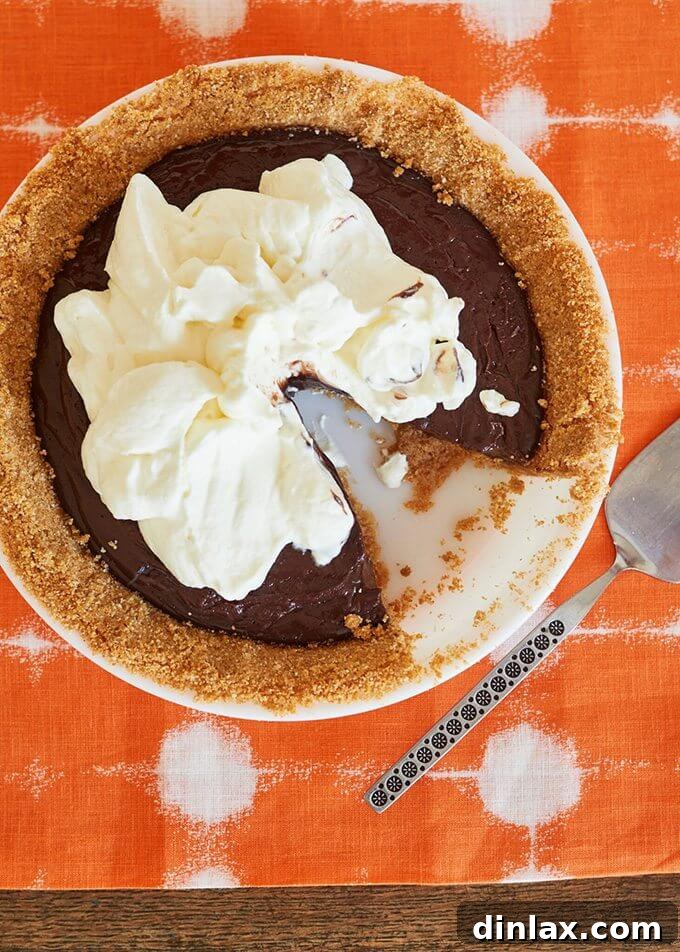
Photo by Chelsea Cavanaugh for How to Celebrate Everything
Regarding the infamous chocolate-pudding-pie-from-scratch experiment—how do we know when not to tamper with established traditions? Is it a matter of trial and error, or is there a guiding principle?
“I truly believe that knowing when to stick to tradition versus when to innovate is a deeply personal decision, and it’s also heavily dependent on the specific holiday or occasion. Consider my mother’s ‘famous’ Jell-O pudding pie, a staple at our Thanksgiving table for well over three decades. The primary reason my well-intentioned, homemade version of it spectacularly failed, creating what felt like a culinary affront, was precisely because it directly challenged everyone’s deeply held sense of nostalgia. And nostalgia, as we all know, is powerfully amplified during Thanksgiving, isn’t it? That holiday, perhaps more than any other, is steeped in memories and expectations.
I feel it’s perfectly acceptable, even encouraged, to experiment and mess around with family recipes on a random Tuesday or Thursday evening during the week. Those low-stakes moments are perfect for culinary exploration and trying new things. However, attempting such significant deviations on holidays like Thanksgiving or Christmas is an entirely different proposition. These are holidays that, in my view, are fundamentally about continuity, comfort, and the reaffirmation of cherished traditions. There’s a certain sacredness to familiar flavors and rituals during these times, and sometimes, the best recipe is the one that evokes the strongest, most loving memories, even if it’s from a box.”
Navigating Mealtime Challenges and Personal Needs
Deconstructed meals were a game-changer for my neighbor’s sanity—her daughter was instantly happier at dinner. But will she ever mix foods again? Is Abby still happiest with deconstructed meals?
“Ha! You ask me that as if I’m some kind of pediatric eating expert, which I assure you, I am decidedly not! My expertise is strictly limited to the unique eating habits of my own family. But I will answer by saying, ‘I honestly forgot I even had that strategy in my arsenal!’ It’s a testament to how quickly things evolve with kids. What works wonders one year might be completely irrelevant the next. The reality is that mealtime strategies are often phases, adapting to our children’s developmental stages and evolving preferences. While deconstructed meals can be a brilliant temporary solution for picky eaters or children who prefer their foods separate, it’s not necessarily a permanent state. Children’s palates and willingness to combine foods often broaden over time, sometimes unexpectedly. The key is flexibility and observing what brings peace and enjoyment to your family’s dinner table in the present moment.”
What if you feel you use cooking as a way to ‘check out’ or hide in the kitchen? How can one be more welcoming or social if they genuinely enjoy the solitude of cooking?
“I suppose my initial question back would be: What exactly is wrong with using cooking as a way to ‘check out’ or ‘hide’? I actually think it’s an incredibly therapeutic and beneficial thing for many people, myself included. In our hyper-connected, screen-dominated world, why would we want to distance ourselves from an activity that genuinely helps us feel better and offers a tangible, non-digital creative outlet? The kitchen, for many, is a sanctuary. It’s a space where one can engage all the senses, follow a process, and create something tangible and nourishing.
For me, some of my most cathartic and creative breakthroughs occur precisely when I’m engaged in a repetitive, rhythmic task like chopping onions. The meditative quality of the work allows my mind to wander, to process thoughts, and to find solutions or new ideas. It’s a form of active meditation. If ‘hiding’ in the kitchen brings you peace, clarity, or a sense of accomplishment, then I say embrace it wholeheartedly. There’s no universal mandate that cooking must always be a social, performative act. Sometimes, it’s a vital act of self-care, a quiet moment to recharge and reconnect with oneself before engaging with the demands of the world or other people. Recognizing and respecting that personal need is crucial for overall well-being.”
Social Media: A Double-Edged Spatula for Content Creators and Parents
Social media. How do you handle it? When I read DALS, I feel such nostalgia for the pre-social media era—a time when I worked, cooked, and engaged in activities without constantly thinking about whether they’d make a great Instagram post or story. The sincerity of everything seems so lost. It feels like we perform activities just to showcase them, compelled to document and publicize every aspect of our lives. How do we teach our children not to get consumed by it all, and how do you truly shut down at the end of the day when there’s always more work (on social media or elsewhere) to be done?
“I completely understand what you mean. My relationship with social media is definitely a complex love-hate dynamic. On one hand, it has opened up so many incredible opportunities for connection. I’ve forged genuine relationships with people I never would have encountered otherwise, creating a supportive community. And from a business perspective, as you well know, Alexandra, authors and bloggers can scarcely afford to forgo any platform that helps reach an audience and promotes their work. It’s become an indispensable tool for sharing stories and recipes.
However, the inherent pressure to curate seemingly spontaneous moments is, frankly, absurd. When I find myself slipping down that rabbit hole for a few days, constantly thinking about the next post or story, I invariably start to feel a little… ‘icky,’ much like I’ve consumed far too much candy. It’s an unsettling feeling. In response, I often go ‘cold turkey,’ disappearing from my social feeds for a week or two to reset. But then, almost inevitably, I get totally sucked back into the cycle, and it begins anew. It genuinely feels like a drug, with its intoxicating highs and subsequent lows.
That said, it has been fascinating to observe social media evolve from primarily a promotional tool into a content source in its own right. This shift forces food writers and creators to think more creatively about how to best utilize all the various platforms at our disposal, whether it’s Twitter, Instagram, Snapchat, or Facebook. In a strange, unexpected way, this evolution has actually made me value the blog and the art of writing for the blog more than ever before. You simply cannot achieve the depth, nuance, and storytelling capability on a short-form platform like Instagram or Twitter that you can in a well-crafted blog post or a chapter in a book. Therefore, no matter how popular social media becomes, I firmly believe that readers will always crave substantive stories and carefully written, detailed recipes. This makes it more vital than ever to keep the core, long-form writing part of the business thriving. (P.S. If you were to ask my husband this exact question, his succinct reply would undoubtedly be: ‘Social media is the root of all evil.’)”
Future Endeavors: The Dinner Journal and What’s Next for Jenny Rosenstrach
Are you still keeping a dinner journal? If so, could you share some recent entries or tell us what you’ve been cooking lately? Also, what will your next book be about?
“Yes, absolutely, I am still diligently keeping my dinner journal! And you know what’s truly amusing? I recently glanced back at the entries from the last two weeks, and aside from perhaps two or three relatively new recipes, it looks almost identical to entries from two weeks in, say, 2012. All the beloved classics from my books and the blog make regular appearances: my family’s favorite Pork Ragu, the incredibly simple yet elegant Salmon in Parchment Paper, our comforting Chicken Curry with Apples, the perfectly crispy Fried Flounder, homemade Pizza, the always satisfying Turkey Chili, versatile Burrito Bowls, and the ultimate comfort food, Chicken Pot Pie. You could interpret this consistency in two ways: either we’re incredibly boring with our meals, or we genuinely ‘walk the walk’ when it comes to advocating for simple, comforting, and repeatable family dinners. I wholeheartedly prefer option two!
I must also share that we are currently obsessed with two dinners that are relatively new additions to our regular rotation and have quickly become absolute favorites: Sushi Bowls (made with either salmon or tuna, they’re so fresh and customizable) and Diana Henry’s fantastic Mustardy-Herby Baked Chicken Thighs. Both are incredibly easy to prepare, pack a punch of flavor, and are wonderfully healthy weeknight options.
As for my next book, I have several intriguing ideas swirling around – including, believe it or not, a Young Adult novel! It’s a completely different creative avenue, but one I’m excited to explore. However, I’m always open to inspiration, so I’m definitely taking suggestions. Have any brilliant ideas for me?”
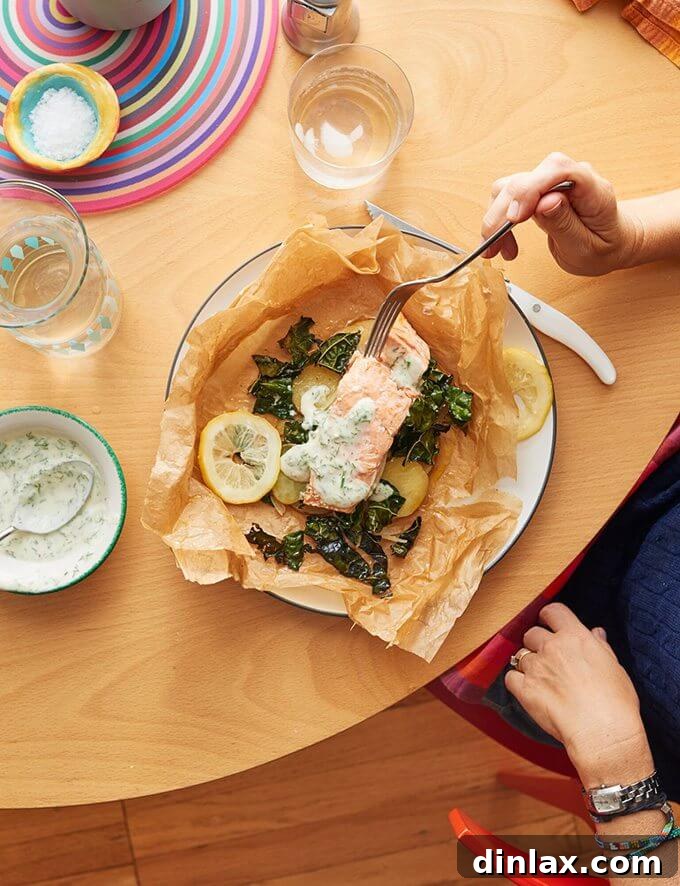
Photo by Chelsea Cavanaugh for How to Celebrate Everything
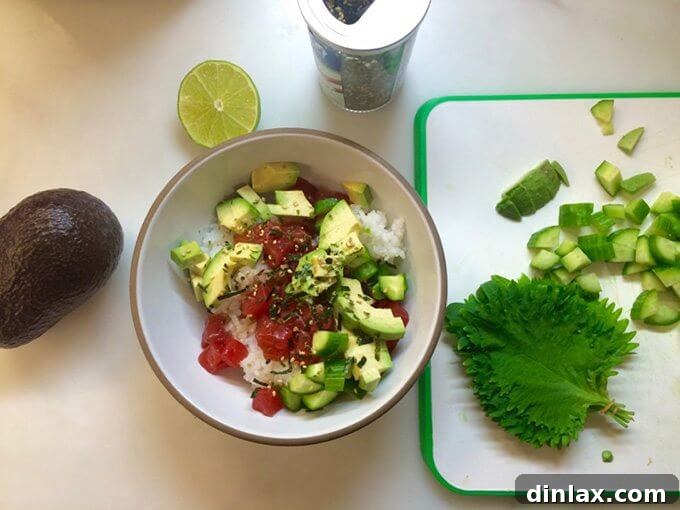
Photo by Jenny Rosenstrach
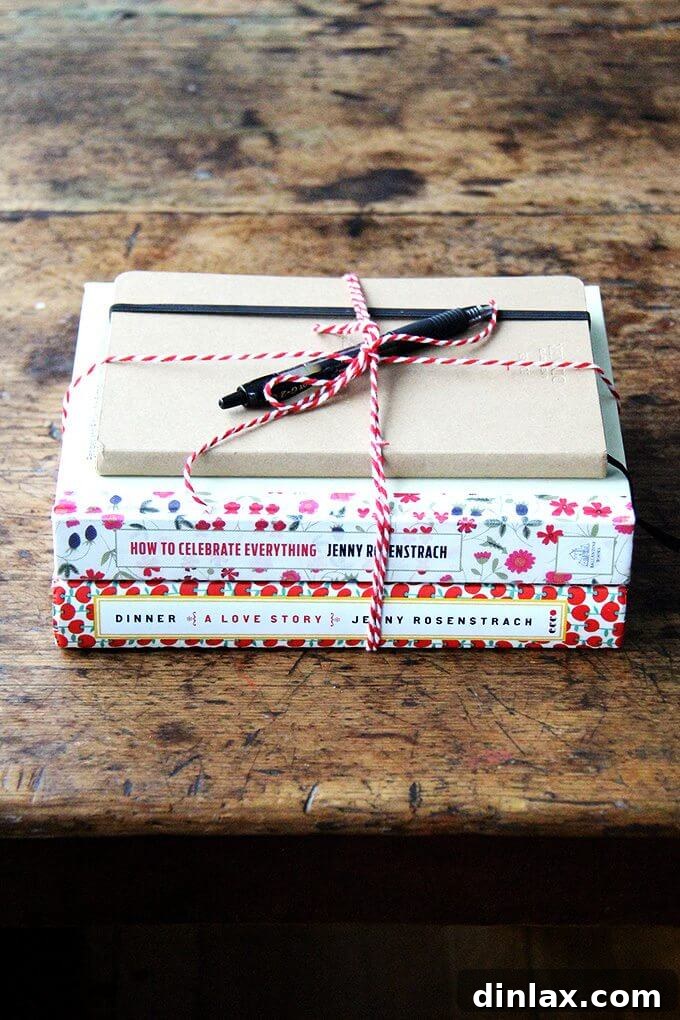
Photo by Alexandra Stafford
Join the Conversation: A Special Giveaway and Your Thoughts
Thank you so incredibly much, Jenny, for sharing your invaluable insights and wisdom with us today! Friends, wouldn’t the magnificent set pictured above – comprising Dinner: A Love Story, How to Celebrate Everything, plus Jenny’s equally fantastic second book, which I confess I don’t yet own (Santa, please take note!), Dinner: The Playbook, accompanied by a premium Moleskine notebook, and a truly exceptional pen (not just any pen, mind you, but an amazing pen that, thanks to Darcy, makes even the messiest handwriting look beautiful!) – make for an absolutely wonderful gift for any home cook or parent seeking inspiration?
Surprise! One lucky reader will win this incredible collection. To enter, simply leave a comment below and answer any of these engaging questions: What topic do you think Jenny Rosenstrach should explore in her next book? What’s your absolute favorite post or recipe from DALS? Or, if you had the chance, what one question would YOU ask Jenny?
UPDATE: GIVEAWAY IS CLOSED. The fortunate winner is Liz A. A huge thank you to all of you who took the time to leave such thoughtful and insightful comments. I’ve bookmarked so many of your suggestions, both for inspiring future posts and for new recipes to try. Happy, Happy New Year to everyone!