Skip to Recipe
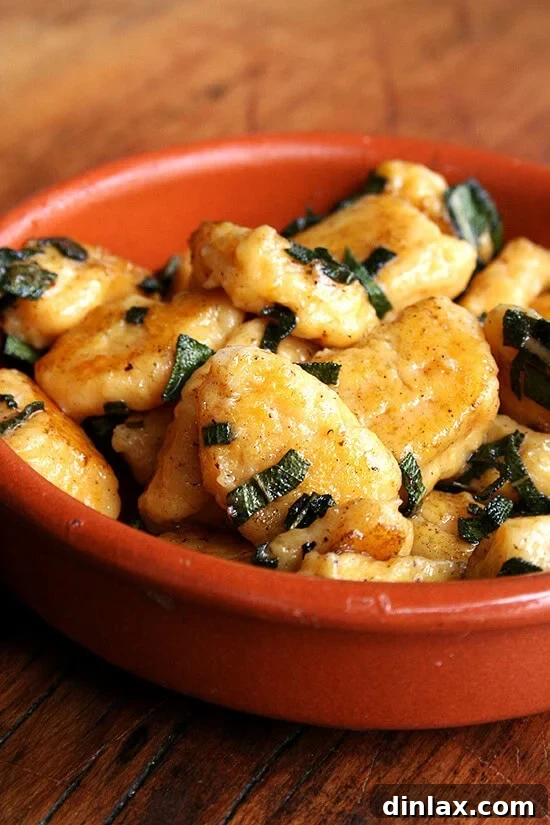
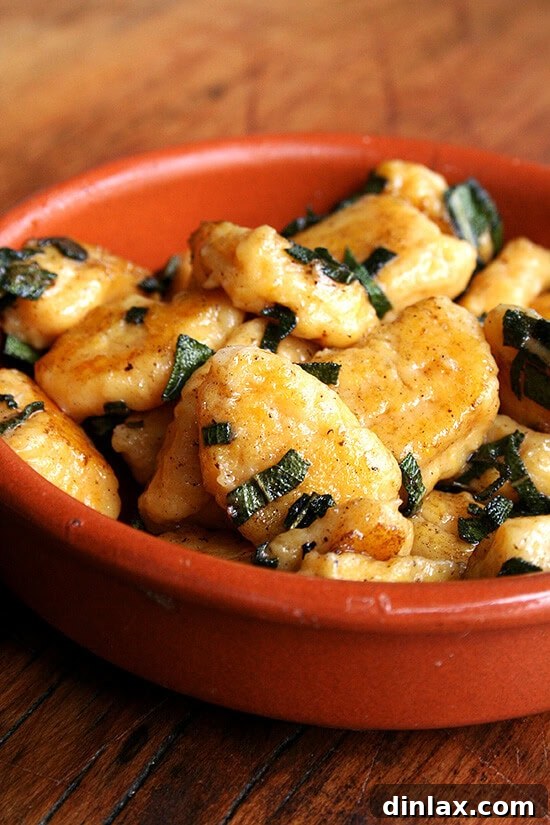
Lidia Bastianich’s Butternut Squash Gnocchi with Sage Brown Butter: A Journey into Autumnal Flavors
As the vibrant hues of summer gently fade, giving way to the rich tapestry of autumn, our culinary inclinations often shift towards dishes that offer warmth, comfort, and the profound flavors of the harvest season. There’s a particular magic in autumn cooking, where ingredients like the humble butternut squash transform into culinary masterpieces. This specific recipe, a brilliant creation from the revered Italian chef Lidia Bastianich, is a prime example of how simple, seasonal produce can be elevated to extraordinary heights, making it a truly unforgettable dish.
My initial encounter with this recipe was marked by a touch of apprehension. In our fast-paced world, where convenience often dictates kitchen choices, the idea of a multi-step, from-scratch recipe like homemade gnocchi might seem daunting. For a while, I confess, my culinary adventures gravitated towards quick and easy meals, which, while undoubtedly delicious, sometimes lacked the deep satisfaction and sense of accomplishment that comes from investing time and effort into a truly artisanal creation. My brain, as it were, tended to “surrender” at the sight of too many steps.
However, some recipes beckon you to slow down, to engage your senses, and to embrace the joy of the culinary process. This butternut squash gnocchi is unequivocally one such recipe. It’s an invitation to pause, to think, and to go “all out” in an effort to encapsulate the very essence of the season. When the October issue of Bon Appetit arrived, gracing my mailbox with Lidia Bastianich’s inspiring spread, any lingering hesitation I had instantly dissolved. It was a clear sign to embark on this beautiful culinary quest.
The Indispensable Tool: A Potato Ricer’s Revelation
One pivotal detail that jumped out from Lidia’s recipe was the emphatic mention of a potato ricer. This unassuming kitchen gadget had been a quiet contender on my wishlist for months, often lauded by seasoned cooks as a “life-changer” for creating incredibly light and fluffy textures, particularly when dealing with potatoes and other soft vegetables. Within minutes of devouring the article, I found myself heading out the door, driven by an urgent desire to acquire this heralded tool. And I can now confirm, with absolute certainty, that the potato ricer lives up to its reputation and then some. It has, indeed, changed my life in the kitchen.
For gnocchi, the ricer is not merely an optional accessory; it’s a fundamental instrument for achieving that coveted delicate, melt-in-your-mouth consistency. It processes the cooked potatoes and squash into an airy, uniform texture, free of lumps, which is crucial for preventing dense or gummy gnocchi. Without this tool, achieving the ideal light-as-a-cloud texture would be considerably more challenging, requiring extensive mashing and potentially overworking the dough. Investing in a good potato ricer is truly an investment in the quality of your homemade gnocchi, transforming a potentially laborious task into a smooth, efficient step towards perfection.
Crafting Culinary Comfort: The Art of Butternut Squash Gnocchi
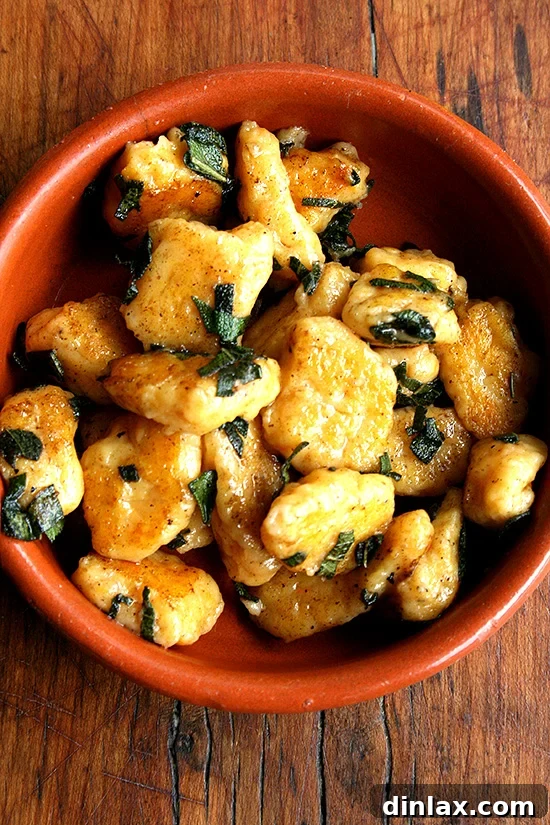
Gnocchi, those delightful little dumplings that dot the rich tapestry of Italian cuisine, are typically crafted from humble ingredients like potato, semolina, or flour. While classic potato gnocchi holds a cherished place, the infusion of seasonal vegetables like butternut squash elevates the dish to an entirely new realm of flavor and texture. The butternut squash not only imparts a subtle sweetness and a beautiful, earthy depth but also lends a stunning golden-orange hue to the gnocchi, making them as appealing to the eye as they are to the palate. This visual warmth is perfectly suited to the cozy atmosphere of autumn.
The genius of Lidia Bastianich’s approach lies in her meticulous balance of ingredients and her emphasis on proper technique. Her method ensures that the gnocchi remain incredibly light and tender, avoiding the common pitfalls of heaviness or gumminess often associated with homemade versions. The interplay of riced potatoes and carefully dried squash puree creates a dough that is both pliable and delicate. When these exquisite dumplings are lovingly tossed in a sauce of nutty brown butter and fragrant fresh sage, the result is nothing short of a symphony of autumnal flavors – a dish that is at once deeply comforting, elegantly rustic, and profoundly satisfying. It’s a culinary experience that truly embodies the spirit of Italian home cooking.
Recipe: Butternut Squash Gnocchi with Sage Brown Butter
Inspired by the masterful Lidia Bastianich and featured in Bon Appetit, this recipe is a cherished addition to any fall cooking repertoire. It invites you to savor the process and delight in the rich rewards.
Butternut Squash Gnocchi with Sage Brown Butter
Rating: 5 out of 5 stars (based on 1 review)
Yield: Approximately 4 generous servings
Print Recipe
Description
This exquisite recipe for butternut squash gnocchi, originating from the culinary expertise of Lidia Bastianich and highlighted in Bon Appetit, is a true celebration of autumn. It offers a rewarding culinary project for those eager to delve into the nuanced flavors and textures of homemade Italian pasta. Prepare to be inspired by the intricate steps and utterly captivated by the comforting, elegant result.
Ingredients
- 1 (1-pound) butternut squash
- 1 tablespoon olive oil
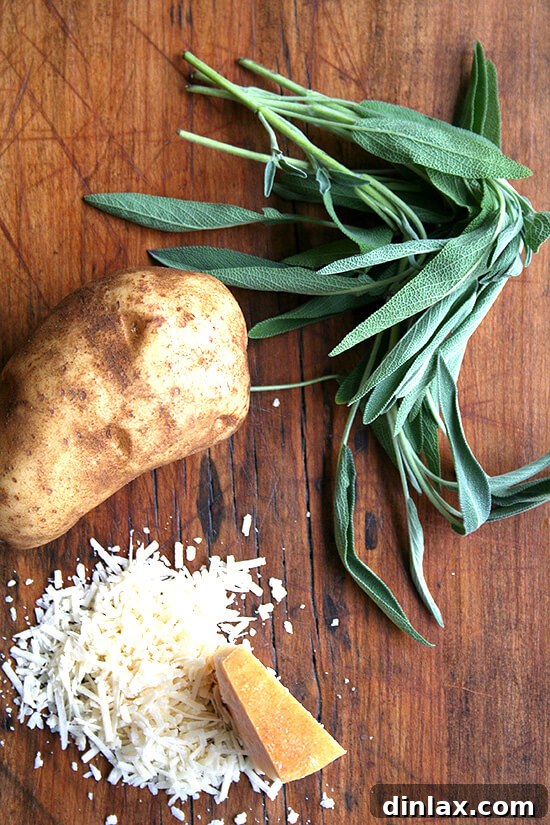
- 1-2 (approximately 12- to 14-ounce each) russet potatoes, peeled, quartered (aim for about 2 cups of riced potato)
- 3/4 cup finely grated Parmesan cheese, divided
- 1 large egg, lightly beaten
- 1 1/2 teaspoons freshly grated nutmeg
- 1 teaspoon kosher salt
- 1 3/4 cups (or slightly more) all-purpose flour
- 1/2 cup (1 stick) unsalted butter (you may use slightly less if preferred, for a lighter sauce)
- 2 tablespoons finely chopped fresh sage leaves
- Additional grated Parmesan cheese for serving
- Salt and freshly ground black pepper, to taste
Special Equipment:
- A sturdy potato ricer (highly recommended for the best texture; a food mill is a suitable alternative)
- Large rimmed baking sheets
- Parchment paper
Important Notes for a Seamless Gnocchi Experience:
- Preparation is Key: Always read the entire recipe thoroughly from start to finish before you even begin gathering ingredients. This comprehensive understanding of the steps will ensure a smoother, more confident cooking process and help you anticipate each stage.
- Butternut Squash Yield: A typical 1-pound butternut squash will yield more than the 1 cup of puree required for this recipe. Don’t let the extra go to waste! It’s fantastic for enriching soups, sauces, or even for baking into muffins.
- Potato Guidance: To achieve the necessary 2 cups of loosely packed riced potato, you will generally need about two medium-sized russet potatoes, each weighing between 12 and 14 ounces. Adjust based on the size of your potatoes.
- Small Batch Cooking for Perfection: Gnocchi, being delicate, benefits immensely from being cooked in small batches. This prevents them from sticking together and ensures they cook evenly. While this recipe is perfectly suited for an intimate dinner for two, it can certainly be scaled up or prepared in stages if you’re serving a larger group.
- Freezing for Future Feasts: If you’re planning to make gnocchi ahead or create a larger batch, they freeze beautifully. After shaping, arrange the raw gnocchi in a single layer on a lightly floured, parchment-lined baking sheet and freeze until they are completely solid. Once frozen, transfer them to a freezer-safe zip-top bag for convenient storage. You can cook them directly from frozen in boiling water.
- Serving Size Reassessment: Based on the deliciousness and the typical appetite once these gnocchi hit the table, my experience suggests that this recipe more accurately serves 4 individuals with generous portions, especially when presented as a main course.
Instructions
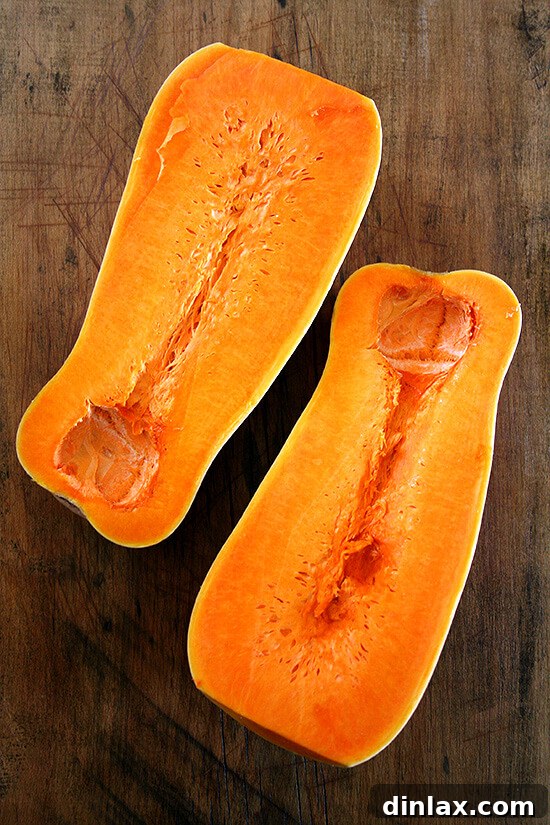
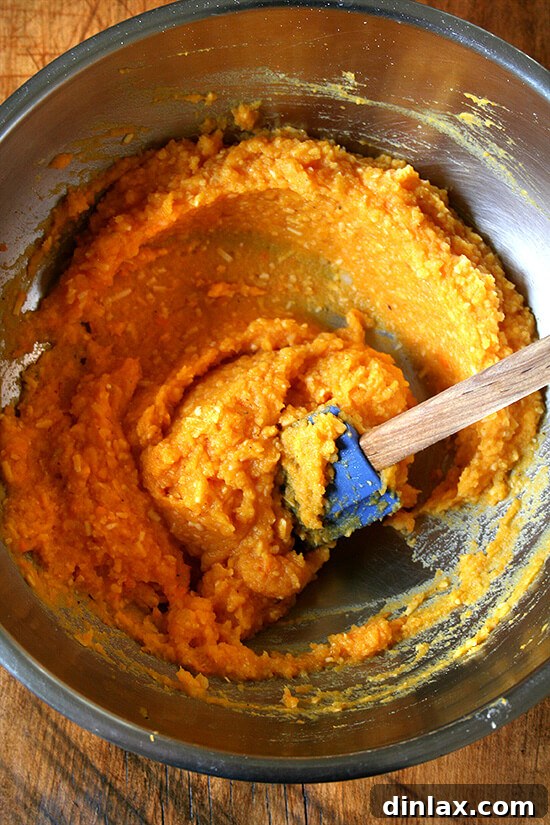
- Prepare the Butternut Squash: Preheat your oven to 400°F (200°C). Carefully slice the butternut squash lengthwise in half and scoop out all seeds and fibrous bits. Place the squash halves, cut side up, on a sturdy baking sheet and lightly brush the cut surfaces with 1 tablespoon of olive oil. Roast in the preheated oven for approximately 1 1/2 hours. The squash should be exceptionally tender when gently pierced with a skewer and should have developed some lovely browned spots on its edges. Allow it to cool slightly, just enough to handle. Scoop the soft, cooked flesh from the squash into a food processor and process until you achieve a perfectly smooth puree. Transfer this puree to a medium saucepan and cook it over medium heat, stirring continuously for about 5 minutes. This crucial step helps to evaporate excess moisture, resulting in a thicker, more concentrated puree. Let the puree cool completely. Measure out exactly 1 cup of packed squash puree for your gnocchi (any remaining puree can be saved for other delightful recipes like soups or risottos). This step can be completed several days in advance and stored in an airtight container in the refrigerator.
- Prepare the Potatoes: While your squash is roasting, begin preparing the potatoes. Place the peeled and quartered russet potatoes in a medium saucepan, cover them with cold salted water, and bring the water to a boil. Cook the potatoes until they are very tender, which typically takes less than 20 minutes. Once cooked, drain the potatoes thoroughly. While they are still warm, immediately press them through a potato ricer into a medium bowl. This action ensures an incredibly light, airy texture, free from lumps. Allow the riced potatoes to cool completely to room temperature. Measure 2 cups of loosely packed riced potato for your gnocchi dough (reserve any extra for another use, such as mashed potatoes).
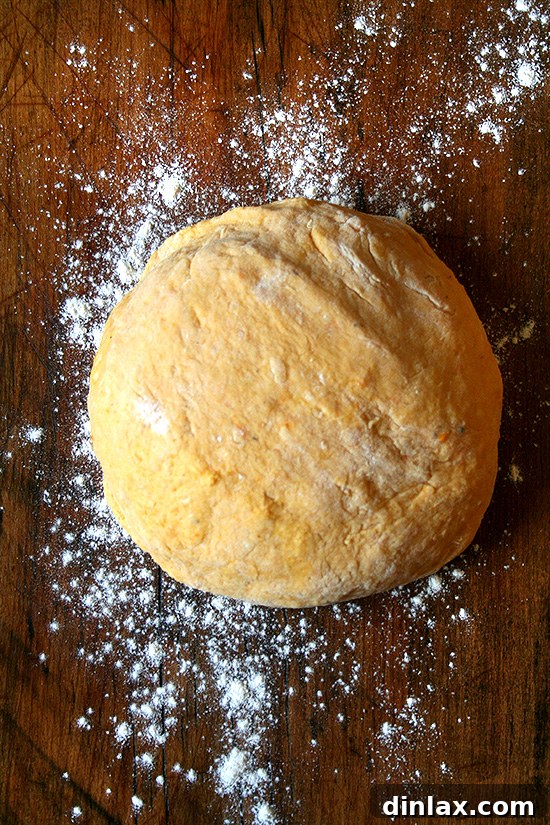
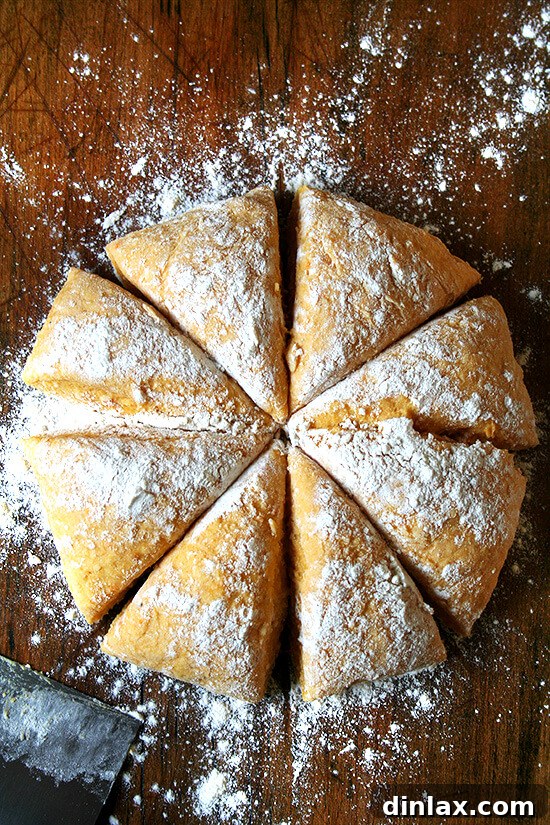
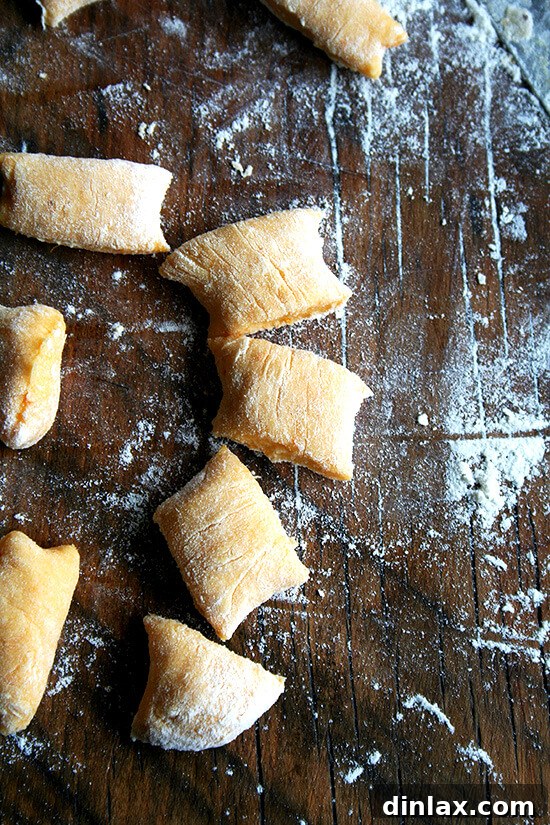
- Form the Gnocchi Dough: In a large mixing bowl, combine the cooled 1 cup of squash puree, the 2 cups of riced potato, 1/2 cup of finely grated Parmesan cheese, the lightly beaten large egg, 1 1/2 teaspoons of freshly grated nutmeg, and 1 teaspoon of kosher salt. Gently mix these ingredients together until just combined. Gradually add 1 3/4 cups of all-purpose flour to the mixture, incorporating it gently with your hands or a sturdy wooden spoon. Continue to knead briefly within the bowl until the dough just comes together and is nearly smooth. The key here is not to overmix, as excessive kneading can develop the gluten in the flour, leading to tough, chewy gnocchi. If the dough feels excessively sticky, add a little more flour, one tablespoon at a time, until it reaches a manageable, slightly tacky but not wet consistency. Turn the dough out onto a lightly floured surface and knead it very gently and briefly, just until it’s smooth. Divide the dough into 8 equal pieces.
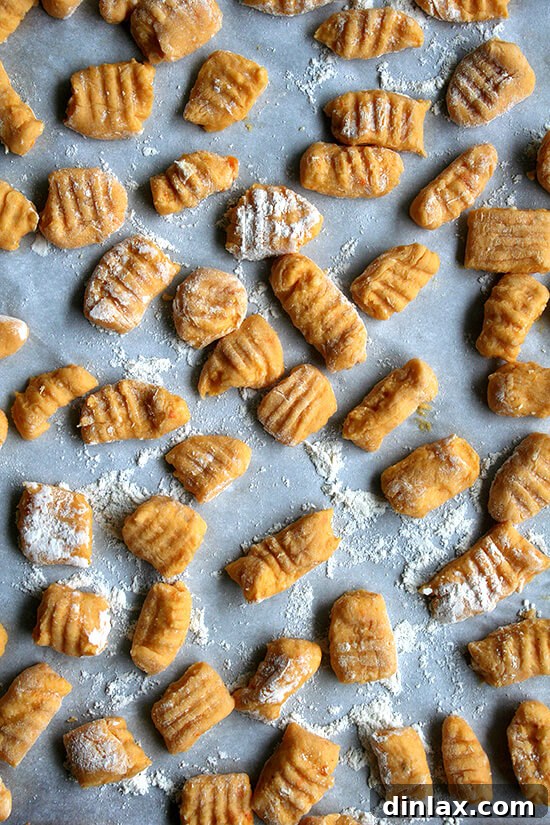
- Shape the Gnocchi: Prepare two large rimmed baking sheets by lining them with parchment paper and lightly dusting the parchment with flour. Working with one piece of dough at a time, roll it out on your lightly floured surface into a rope approximately 1/2-inch thick. Using a knife or bench scraper, cut the rope crosswise into 3/4-inch pieces. To create the classic ridges that are essential for sauces to cling to, take one gnocchi piece at a time and gently roll it along the back of the tines of a flour-dipped fork, applying slight pressure. Transfer the shaped gnocchi to your prepared baking sheets, ensuring they are not touching. Repeat this process with the remaining dough. Once all gnocchi are shaped, cover them loosely with plastic wrap and chill in the refrigerator for at least 1 hour. This step can be performed up to 6 hours in advance, keeping the gnocchi chilled. For longer storage, freeze the gnocchi on the sheet pan until solid, then transfer them to a freezer-safe zip-top bag to prevent sticking.
- Cook the Gnocchi: Bring a very large pot of well-salted water to a vigorous boil. Working in two batches to prevent overcrowding (which can lower water temperature and make gnocchi gummy), carefully drop the gnocchi into the boiling water. Cook for 15 to 17 minutes, or until the gnocchi are very tender throughout. While they will float to the surface relatively quickly (often within a minute or two), this does not indicate they are fully cooked. Continue to cook for the full recommended time to ensure they are cooked all the way through, soft, and tender without any raw flour taste. To confirm doneness, remove one gnocchi, let it cool slightly, and taste it. Using a slotted spoon, carefully transfer the cooked gnocchi to the same parchment-lined baking sheets to cool slightly. Cooked gnocchi can be made up to 8 hours ahead, covered loosely, and chilled.
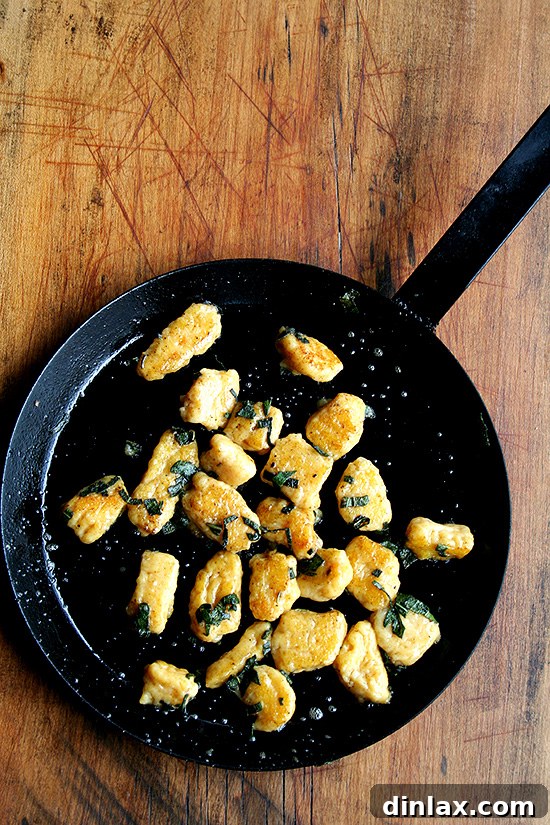
- Prepare the Sage Brown Butter Sauce and Serve: In a heavy large skillet (or two skillets if making the full batch at once), melt 1/2 cup of unsalted butter over medium heat. Cook, stirring frequently, until the butter transforms into a rich golden brown color and emits a wonderfully nutty aroma, typically taking about 3 to 4 minutes. Watch it closely, as brown butter can burn quickly. Add 2 tablespoons of freshly chopped sage leaves to the pan and stir for 1 minute, allowing the sage to become fragrant and slightly crisp. Add the cooked gnocchi to the skillet and cook, tossing gently to coat them thoroughly with the aromatic brown butter sauce, for about 5 to 7 minutes, until they are heated through. Season generously with salt and freshly ground black pepper to taste. Transfer the gnocchi to a beautiful serving bowl. Sprinkle with the remaining 1/4 cup of grated Parmesan cheese and serve immediately, offering additional Parmesan cheese at the table for those who desire more. Unless you have an exceptionally large skillet, it is highly recommended to cook the gnocchi and butter sauce in smaller batches to ensure even cooking and browning. Half of this recipe quantity fits perfectly in a standard large skillet.