The Ultimate Guide to Simple Homemade Chicken Stock: Flavor, Nutrition & Zero Waste
There’s a culinary secret that elevates countless dishes from good to extraordinary: homemade chicken stock. Far superior to its store-bought counterparts, homemade stock brings unparalleled depth of flavor, nutritional benefits, and an incredible sense of satisfaction to your kitchen. Best of all, it’s remarkably easy to make, often requiring minimal effort and cleverly utilizing ingredients you might otherwise discard. This comprehensive guide will show you how to master the art of simple chicken stock, ensuring your culinary creations are always infused with the richest, most authentic flavors and helping you embrace a zero-waste cooking philosophy.
Many home cooks shy away from making stock, believing it to be a complex, time-consuming task reserved for professional chefs. However, this couldn’t be further from the truth. The fundamental principle is surprisingly straightforward: combine chicken (or chicken parts) with water and let it gently simmer. While additional vegetables and aromatics can certainly elevate the flavor profile, they are not strictly essential for a delicious outcome. The beauty of homemade stock lies in its adaptability and forgiving nature. Whether you’re a seasoned chef or a kitchen novice, you’ll find that crafting your own chicken stock is a rewarding endeavor that instantly upgrades your cooking and significantly reduces food waste.
Embracing Simplicity: The Foundation of Great Stock
At its heart, making chicken stock embodies simplicity. Forget the elaborate rituals often associated with gourmet cooking. You don’t need a specific cut of chicken, nor do you have to meticulously chop a perfect mirepoix every time. The most basic and flavorful stock can be achieved with just chicken and water. This “no-fuss” approach is particularly liberating, especially when you’re looking to minimize food waste and maximize flavor on a budget. The journey to a rich, savory broth begins with understanding that sometimes, less truly is more.
The Professional Kitchen Secret: Stock from Scraps
In professional kitchens, efficiency and minimizing waste are paramount. That’s why high-quality stock is often made from “scraps” — the very parts of the chicken and vegetables that are typically discarded. Think chicken carcasses, wing tips, neck bones, onion skins, carrot peels, celery bottoms, and even the stems of herbs. These humble remnants, when simmered slowly, release an incredible amount of flavor and gelatin, creating a rich and robust stock. This philosophy is easily transferable to the home kitchen, making it a fantastic way to practice sustainable cooking.
- Chicken Scraps: Don’t throw away bones from roasted chickens, raw chicken carcasses, wing tips, neck, backs, or even just a handful of chicken feet. Freeze them until you have enough to fill a pot.
- Vegetable Scraps: Instead of tossing onion skins, garlic peels, carrot tops and ends, or celery leaves, store them in a designated freezer bag. When the bag is full, you’re ready for a flavorful batch of stock.
The key takeaway here is flexibility. Don’t feel compelled to buy pristine vegetables or whole chickens solely for stock. Utilize what you have. If an onion is destined for another dish, save its peel for your stockpot. If you have half a carrot that’s seen better days, toss it in. Every little bit contributes to the complexity and richness of your homemade broth, turning potential waste into culinary gold.
To Brown or Not to Brown: Debunking Stock Myths
Another common misconception is the need to brown meat or sauté vegetables before adding them to your stockpot. While these steps can certainly add another layer of caramelized flavor, they are by no means essential for a delicious, clear stock. For a light, clean-tasting stock, a gentle simmer with un-browned ingredients is perfectly acceptable and often preferred. The goal here is efficient extraction of flavor and nutrients, not necessarily a deep, roasted profile every single time. Save your browning and sautéing for dishes where those specific flavors are the star, and keep your stock-making process as simple as possible.
Crafting Your Batch: Essential Ingredients and Process
Once you’ve embraced the philosophy of simplicity, making your chicken stock becomes an intuitive process. Here’s a breakdown of the key components and steps, designed for clarity, efficiency, and ultimately, delicious results. This section will guide you through selecting your ingredients and the crucial simmering process to extract maximum flavor.
Choosing Your Chicken Components for Optimal Flavor
The type and quantity of chicken parts you use will significantly influence the flavor, body, and gelatinous quality of your stock. For a substantial batch, consider acquiring anywhere from 3 to 6 pounds of chicken components. This range allows for versatility depending on your desired yield and the availability of ingredients.
- Whole Chicken: An incredibly economical and versatile option. You can butcher the chicken yourself, using the breasts and legs for immediate meals, and dedicating the wings, back, and carcass to your stockpot. This strategy ensures you get multiple delicious meals and a rich, flavorful stock from a single purchase.
- Chicken Bones/Carcass: Often the star of stock-making. Save bones from roasted chickens in your freezer until you have enough for a batch. These already contribute a roasted depth. Raw carcasses are also excellent.
- Chicken Wings and Legs: These parts are particularly rich in collagen, which yields a gelatinous, full-bodied stock. They are also relatively inexpensive and can be purchased specifically for stock-making if you don’t have enough scraps.
- Chicken Feet: An often-overlooked secret ingredient for an exceptionally rich and nourishing stock. Chicken feet are packed with collagen, resulting in an incredibly thick, gut-healthy stock that solidifies beautifully when chilled.
Optional Aromatics for Enhanced Flavor and Depth
While a delicious stock can be made with just chicken and water, adding a few aromatics and vegetables can significantly deepen its complexity, aroma, and even its color. These are typically referred to as a “mirepoix” (a combination of carrots, celery, and onions) in French cooking, providing a classic flavor base.
- Onions: A halved onion, skin and all, adds a sweet, savory base and contributes a lovely golden hue to the finished stock. Even just onion peels work wonders.
- Carrots: Roughly chopped carrots contribute natural sweetness and a subtle earthy flavor. There’s no need to peel them if they’re clean; the peels add additional nutrients and color.
- Celery: Celery stalks, including the leaves, add a fresh, herbaceous note that brightens the overall flavor profile.
- Bay Leaves: Just one or two dried bay leaves impart a subtle, almost floral depth that is characteristic of classic chicken stock.
- Whole Peppercorns: Whole black peppercorns add a mild, aromatic warmth without overwhelming the flavor. Avoid ground pepper, which can make the stock cloudy.
- Optional Herbs: For an extra layer of flavor, consider adding parsley stems (which are often discarded but packed with flavor) or a sprig of fresh thyme.
Remember, this is where you can truly utilize your kitchen scraps. Keep a freezer bag specifically for vegetable trimmings and chicken bones. When the bag is full, you’re ready to make a batch of stock, turning potential waste into an invaluable culinary asset!
The Simmering Process: Patience is the Ultimate Ingredient
The magic of stock-making happens during a slow, gentle simmer. This controlled heat allows for the gradual extraction of flavors, nutrients, and gelatin from the ingredients without clouding the liquid. Here’s how to ensure the best extraction of flavor and nutrients:
- Combine Ingredients: Place your chosen chicken components and any optional aromatics into a large, heavy-bottomed stockpot. Arrange them to allow for even heat distribution.
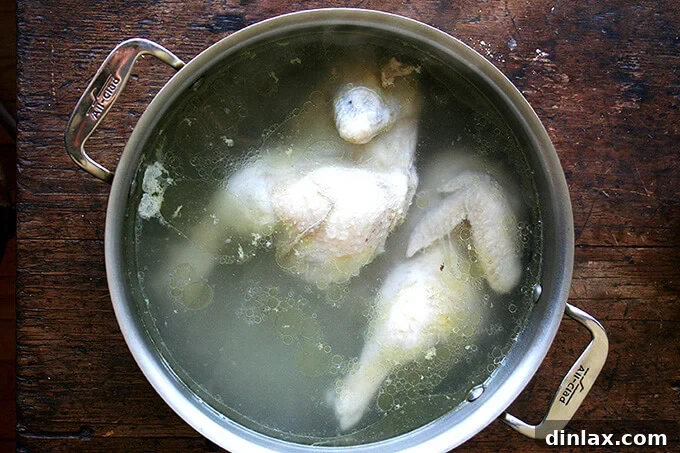
- Cover with Cold Water: This step is crucial for achieving a clear and flavorful stock. Pour cold water over all the ingredients until they are fully submerged by at least an inch or two. Starting with cold water allows impurities to rise to the surface slowly, making them easier to skim off, and ensures a gradual, thorough extraction of flavors.
- Bring to a Gentle Boil, Then Immediately Reduce to Simmer: Place the pot on the stove over high heat and bring it to a boil. As soon as it reaches a rolling boil, reduce the heat immediately to the lowest setting. The water should barely bubble; this is a gentle simmer, not a vigorous rolling boil. A strong boil can emulsify fats and agitate the ingredients, resulting in a cloudy stock.
- Skim the Scum: As the stock begins to simmer, grayish foam (scum) containing impurities will rise to the surface. Use a ladle or a fine-mesh skimmer to gently remove and discard this. This step is essential for ensuring a clear, clean-tasting stock. Continue skimming periodically for the first hour of simmering.
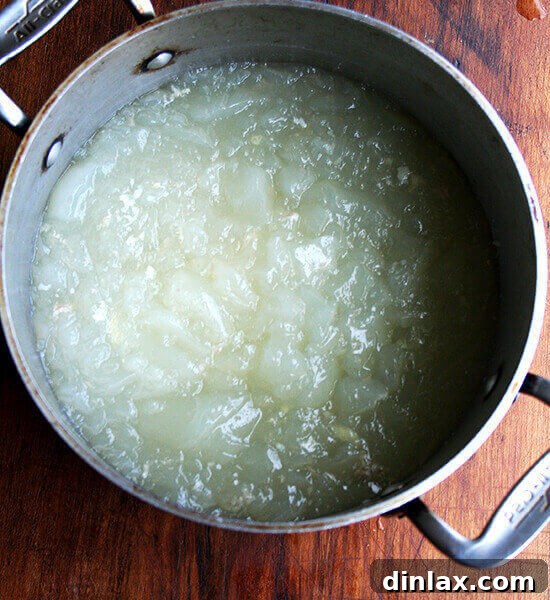
- Simmer for Hours: Allow the stock to simmer gently, uncovered or partially covered, for at least 2 to 3 hours for a basic, flavorful stock. For a richer, more concentrated, and gelatinous stock (often referred to as bone broth), you can simmer it for up to 4-6 hours, or even 12 hours. The longer it simmers, the more flavor and collagen will be extracted. Keep an eye on the water level and add more hot water if needed to keep the ingredients submerged. Avoid stirring during this phase, as it can also contribute to cloudiness.
Finishing and Storage: Maximizing Your Homemade Stock
Once your stock has simmered to perfection and filled your kitchen with its wonderful aroma, the next steps are crucial for proper storage, food safety, and maximum enjoyment. Proper handling ensures your effort results in a high-quality product ready for future culinary endeavors.
Straining and Rapid Cooling for Safety
- Strain the Stock: Carefully remove the pot from the heat. Place a colander (optionally lined with a few layers of cheesecloth for an extra-clear stock) over a large heatproof bowl or another clean pot. Slowly and carefully pour the entire contents of the stockpot through the colander to separate the liquid from the solids.
- Discard Solids: Once the liquid has drained, discard all the cooked chicken pieces, bones, and vegetables from the colander. They have generously given all their flavor and nutrients to the stock and served their purpose.
- Cool Quickly: This step is vital for food safety. Rapidly cooling the stock prevents bacterial growth. Allow the strained stock to cool at room temperature for a short period (no more than 30-60 minutes). To speed up cooling significantly, you can create an ice bath in your kitchen sink and place the pot of stock into it, stirring occasionally.
- Chill Overnight: Once the stock has cooled to lukewarm, transfer it to appropriate storage containers. Place these containers in the refrigerator overnight. As it thoroughly chills, the fat will naturally rise to the surface and solidify, creating a protective layer that’s easy to remove.
Removing Fat and Storing Your Liquid Gold
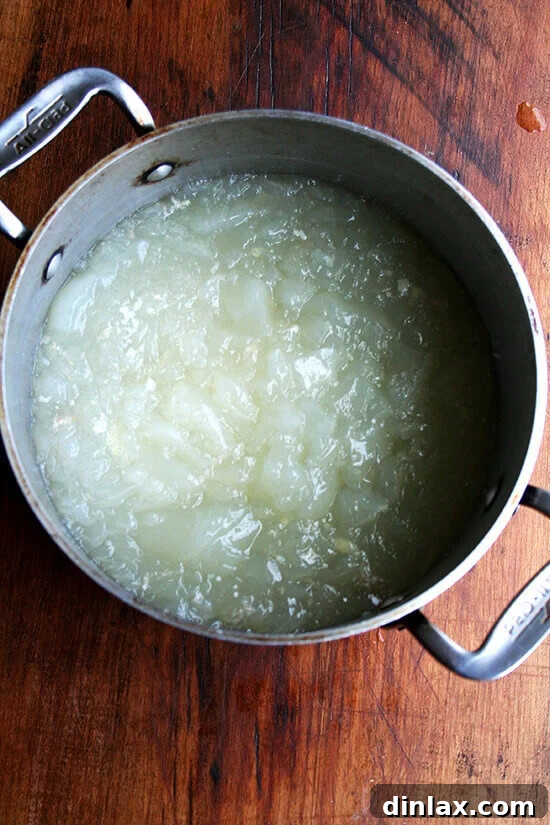
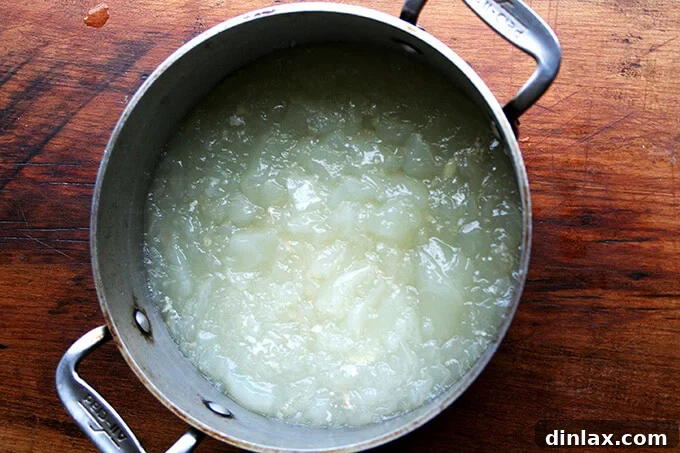
The next morning, you’ll find a distinct, solid layer of fat on top of your chilled stock. This fat can be easily scooped off and discarded, or, if you prefer, saved for cooking. Chicken fat (schmaltz) adds a wonderful flavor to roasted vegetables, pan-fried dishes, or even when sautéing onions. Removing it from the stock results in a cleaner, less greasy broth, which is often preferred for most recipes. For long-term storage, the following options are best:
- Freezing: This is the most common and effective method for preserving homemade stock for extended periods.
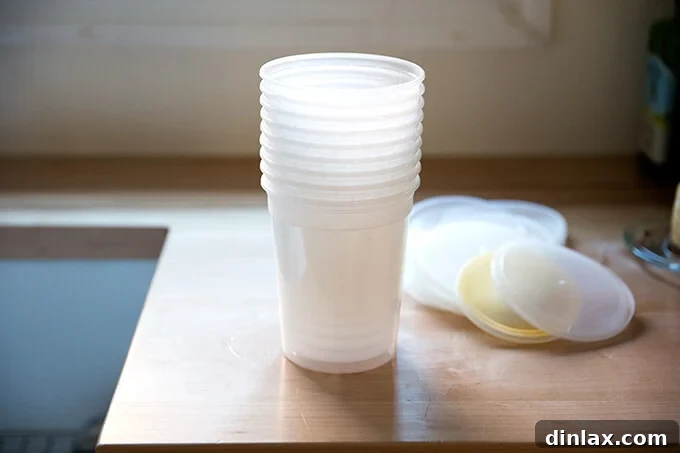
- Quart Containers: Use sturdy, freezer-safe containers (like these quart containers) for larger portions. Always leave about an inch of headspace in each container to account for expansion as the liquid freezes.
- Ice Cube Trays: For smaller, individual portions, pour stock into ice cube trays. Once frozen solid, pop out the cubes and transfer them to a labeled freezer bag. This method is perfect for adding a burst of flavor to pan sauces, sautéed vegetables, or cooking a small batch of grains.
Properly frozen, homemade stock will last for up to 3 months, though it often remains good for longer.
- Refrigeration: If you plan to use your stock within a week, it can be safely stored in an airtight container in the refrigerator for up to 5-7 days. Always label and date your containers!
The Undeniable Benefits of Homemade Chicken Stock
Beyond its superior taste, homemade chicken stock offers a myriad of advantages that elevate both your cooking and your overall well-being. Investing a little time in making your own stock pays dividends in health, flavor, and culinary versatility.
- Unmatched Flavor: The depth, richness, and nuanced flavor of homemade stock simply cannot be replicated by store-bought versions, which often rely on excessive sodium, artificial flavors, and preservatives to mimic real taste.
- Nutritional Powerhouse: Especially when made with bones rich in collagen (like chicken feet or joint-heavy parts), homemade stock provides beneficial amino acids, essential minerals, and gelatin. These components are believed to support gut health, enhance joint function, and even contribute to healthier skin and hair.
- Cost-Effective: By smartly utilizing leftover chicken bones, carcasses, and vegetable scraps, you transform ingredients that would otherwise be discarded into a valuable, foundational ingredient. This significantly reduces food waste and saves money on expensive, often inferior, store-bought broths.
- Complete Control Over Ingredients: When you make your own stock, you dictate exactly what goes into your pot. This means no added sugars, unnecessary preservatives, or excessive salt, allowing you to control the seasoning of your final dishes precisely to your taste and dietary needs.
- Versatility in the Kitchen: Chicken stock is a fundamental building block for countless culinary creations. It enriches soups, stews, gravies, pan sauces, risottos, and is an ideal liquid for cooking grains like rice, quinoa, or couscous, imparting flavor that water alone cannot.
- Reduced Food Waste: Making stock is an exemplary way to practice sustainable and mindful cooking. It gives a second, flavorful life to ingredients that might otherwise end up in the trash, fostering a more eco-friendly kitchen.
Expert Tips for Brewing the Best Chicken Stock Every Time
To ensure your homemade chicken stock is consistently excellent, keep these expert tips in mind. They address common pitfalls and offer ways to enhance your stock-making prowess.
- Avoid Rapid Boiling at All Costs: This cannot be stressed enough. A gentle, lazy simmer is the golden rule. Hard boiling emulsifies fats and proteins into the liquid, leading to a cloudy, often greasy, and less appealing stock. Patience is truly a virtue here.
- Don’t Salt the Stock During Cooking: Resist the urge to season your stock while it simmers. Stock reduces over time, concentrating flavors, including salt. Wait to add salt until you’re ready to use the stock in a dish. This allows you to control the seasoning of your final recipe without the risk of an overly salty broth.
- Consider Roasting Bones First (Optional, for Deeper Color and Flavor): For a darker, richer, and more complex stock, especially if starting with raw bones, roast your chicken bones (and even some of the vegetables) in the oven until deeply golden brown before adding them to the pot. This caramelization adds significant depth.
- Explore Alternative Cooking Methods: If you’re short on time or prefer a hands-off approach, consider using an Instant Pot or a slow cooker. An Instant Pot can make quick work of stock (around 60-90 minutes under pressure), while a slow cooker can provide a long, gentle simmer with minimal supervision, perfect for overnight cooking.
- Keep it Clean: Regularly skim off any foam or impurities that rise to the surface during the initial simmering phase. This practice is crucial for achieving a clear, clean-tasting stock that looks as good as it tastes.
- Experiment with Aromatics (Beyond the Basics): Once you’ve mastered the basic stock, feel free to experiment with other aromatics like whole garlic cloves, a sprig of fresh rosemary, a few juniper berries, or even a dried mushroom (like shiitake for added umami). These can add wonderful nuances to your broth.
For those interested in the practical skill of breaking down a whole chicken to maximize its use for both meals and stock, here’s a helpful video guide:
Print Recipe
Simple Homemade Chicken Stock Recipe
5 Stars
4 Stars
3 Stars
2 Stars
1 Star
4 from 1 review
- Author: Alexandra Stafford
Total Time: 12 hours 50 minutes
Yield: 1.5 quarts 1x
Description
Making homemade chicken stock is a fundamental kitchen skill that elevates countless dishes. This simple recipe focuses on extracting maximum flavor with minimal fuss, proving that restaurant-quality stock is achievable in any home kitchen. Whether you use a whole chicken, a few wings, or just bones, this method guarantees a rich, savory broth perfect for soups, sauces, and more. It’s an excellent way to use up kitchen scraps and infuse your cooking with wholesome goodness.
The beauty of this recipe lies in its flexibility and emphasis on using what you have. Don’t stress about exact measurements or fancy ingredients; the core principle of chicken + water + gentle simmer is all you truly need for a delicious result. This approach encourages creativity and reduces waste, making it a sustainable choice for your kitchen.
Ingredients
- 3 lbs chicken (e.g., a whole chicken, wings, legs, or a combination of bones and carcass)
- 2 stalks celery, roughly chopped (or use celery ends/leaves)
- 2 carrots, roughly chopped (no need to peel, or use carrot ends/peels)
- 1 onion, cut in half, peel and all (or use onion scraps/peels)
- 1/2 tsp whole black peppercorns
- 1 bay leaf
- Cold water to cover all ingredients generously
Instructions
- Prepare and Combine: Place your chosen chicken pieces (whole, parts, or bones) and all remaining optional aromatic ingredients (celery, carrots, onion, peppercorns, bay leaf) into a large, heavy-bottomed stockpot. Arrange them to allow for even heat distribution.
- Cover with Cold Water: Pour cold water over all the ingredients until they are fully submerged by at least an inch or two. Using cold water helps to slowly extract impurities and flavors for a clearer, richer stock.
- Bring to a Gentle Simmer: Place the pot on the stove over high heat and bring it to a boil. As soon as it reaches a boil, reduce the heat immediately to very low. The water should maintain a gentle simmer with occasional small bubbles, not a rolling boil.
- Skim Impurities: As the stock begins to simmer, a layer of foamy scum will likely rise to the surface. Use a ladle or a large spoon to carefully skim off and discard this foam. This step is important for achieving a clear, clean-tasting stock. Continue skimming periodically for the first hour.
- Simmer for Flavor: Allow the stock to simmer gently, uncovered or partially covered, for approximately 2 to 3 hours. For a richer, more concentrated and gelatinous stock, you can simmer it for up to 4-6 hours (or even longer for bone broth). The longer it simmers, the more flavor will be extracted. Add more hot water if necessary to keep ingredients submerged.
- Strain the Stock: Once simmering is complete, remove the pot from the heat. Carefully place a colander (optionally lined with cheesecloth for an extra-clear stock) over a large heatproof bowl or another clean pot. Pour the entire contents of the stockpot through the colander to separate the liquid from the solids.
- Discard Solids and Cool: Discard all the cooked chicken pieces, bones, and vegetables from the colander; their flavor and nutrients have been fully extracted into the stock. Let the strained stock cool at room temperature for about 30-60 minutes before refrigerating. To cool faster, you can place the pot in an ice bath in your sink.
- Chill and Defat: Transfer the cooled stock to storage containers, leaving about an inch of headspace if freezing. Place in the refrigerator overnight. As it chills, the fat will rise to the surface and solidify into a distinct layer. Scoop off and discard this solidified fat before using or freezing the stock.
- Store: Your homemade chicken stock can be stored in the refrigerator for up to 5-7 days or frozen for up to 3 months in airtight, freezer-safe containers. Always label containers with the date for best practice.
- Prep Time: 30 minutes
- Cook Time: 2 hours 30 minutes