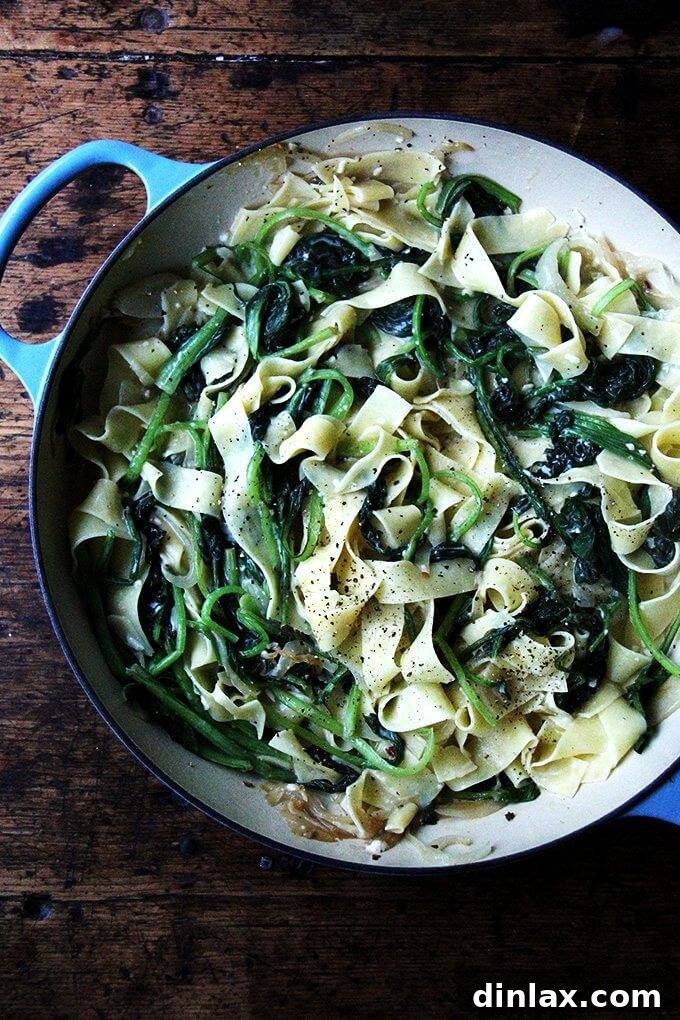
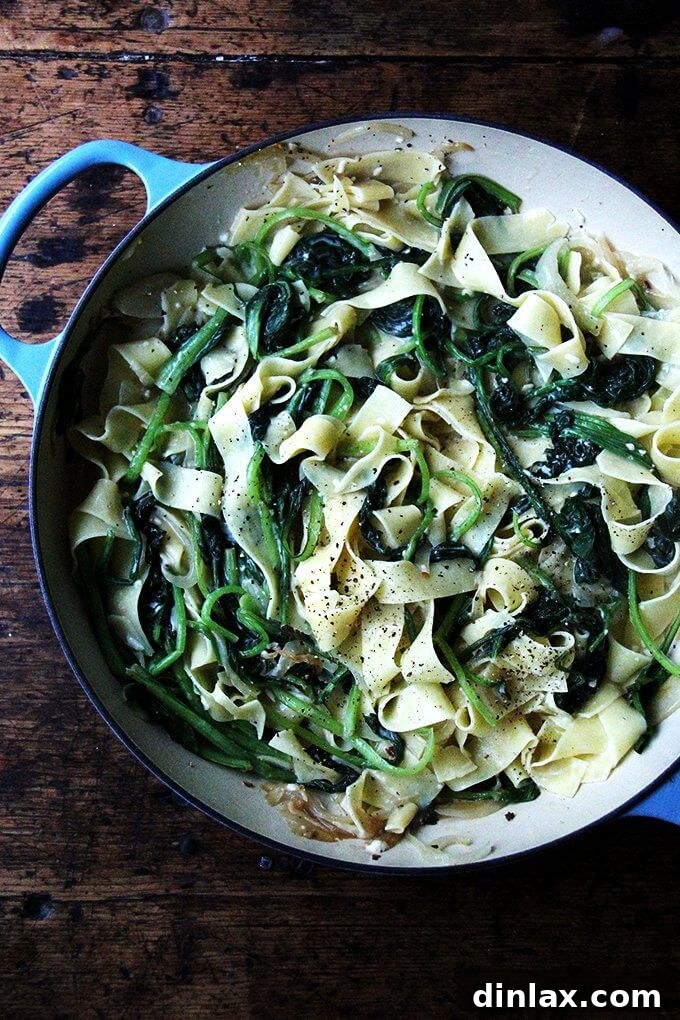
Effortless Weeknight Delight: No-Bacon Carbonara with Abundant Greens
In the quest for satisfying, quick, and healthy weeknight meals, a true culinary gem often emerges from simplicity. For weeks on end, this vibrant, no-bacon carbonara, bursting with fresh greens and a zesty lemon kick, has become a cherished Tuesday night tradition in our household. It’s a dish that proves you don’t need elaborate ingredients or hours in the kitchen to create something truly spectacular. This pasta recipe, an inspired adaptation of classic carbonara, masterfully skips the bacon, streamlining the cooking process without sacrificing an ounce of flavor or the beloved creamy texture.
Picture this: pasta perfectly tossed with sweet, sautéed onions, an impressive mountain of fresh, seasonal greens, all enveloped in a luscious carbonara sauce. This exquisite sauce is crafted from just two whisked eggs, a bright squeeze of lemon juice, a generous grating of Parmesan cheese, and a touch of the starchy pasta cooking water – a secret ingredient for unparalleled creaminess. The result is a dish that’s light, incredibly flavorful, and surprisingly hearty, making it an ideal choice for a busy evening.
Why This No-Bacon Carbonara Became Our Go-To Weeknight Meal
Our culinary journey often leads us to discover dishes that seamlessly fit into the rhythm of daily life. For us, this no-bacon carbonara triumphantly claimed its spot as a regular Tuesday night dinner. The reason? Tuesday marks our Community Supported Agriculture (CSA) pick-up day. Recent hauls have consistently delivered an abundance of fresh, leafy greens: think tender spinach, delicate tatsoi, slightly bitter broccoli rabe, and a medley of other seasonal delights. Instead of contemplating how to incorporate these greens later in the week, this recipe offers an immediate, delicious solution.
The beauty of this dish lies in its sheer efficiency. Straight from the CSA box, the greens go into a bowl for a quick soak, a large pot of water is set to boil for the pasta, an onion is swiftly sliced, and the carbonara sauce is whisked together in moments. From start to finish, this entire meal comes together in approximately 20 minutes, allowing you to transform a bounty of fresh produce into a nourishing and utterly delicious dinner with minimal fuss. It’s a testament to how simple, high-quality ingredients can create extraordinary flavors.
Embracing the Greens: A Nutritional Powerhouse
While classic carbonara recipes often feature crispy bacon (and indeed, we love them – see Pasta Carbonara with Leeks and Lemon, Orecchiette Carbonara with Asparagus, and Bucatini Carbonara with Leeks and Lemon for some delightful examples), its absence is truly not missed in this vibrant, vegetarian-friendly rendition. The star here is undeniably the heap of fresh greens. Initially, it might seem like an overwhelming amount, but the magic of cooking reveals itself as they wilt down to a surprisingly compact, yet profoundly flavorful, addition.
These greens don’t just add volume; they bring a wealth of nutrients, vibrant color, and a subtle earthy freshness that perfectly balances the rich carbonara sauce. Whether you’re using spinach, tatsoi, broccoli rabe, Swiss chard, or even tender kale, each variety contributes its unique texture and taste, enriching the overall experience. Knowing that every forkful is packed with wholesome goodness makes this dish even more appealing. It’s a smart, delicious way to incorporate more vegetables into your diet, making healthy eating both easy and enjoyable.
Crafting the Creamy, Lemony Carbonara Sauce
The secret to a successful carbonara lies in the emulsion – creating a silky, creamy sauce without actual cream. In this no-bacon version, the technique remains faithful to the classic, leveraging the heat of the pasta, the richness of the eggs, the salty depth of Parmesan, and the starchy magic of the pasta cooking water. The addition of fresh lemon juice is what truly elevates this particular recipe, cutting through the richness and adding a bright, tangy finish that makes the entire dish sing.
The process is straightforward but requires timing. Whisking the eggs with Parmesan and lemon juice creates the flavor base. The crucial step is to incorporate a quarter cup of hot pasta cooking water into this egg mixture just before adding it to the pasta. This tempering step gently warms the eggs, preventing them from scrambling when they hit the hot pasta and pan. The starch from the pasta water helps emulsify the sauce, creating that signature velvety texture that clings beautifully to every strand of pasta.
Your Step-by-Step Guide to Weeknight Carbonara Perfection
Creating this delightful pasta dish is surprisingly simple, even on the busiest weeknights. Follow these steps to bring this wholesome and delicious meal to your table in under 30 minutes. The visual progression below will guide you through each stage, ensuring a perfect result every time.
First, gather all of your beautiful, fresh greens:
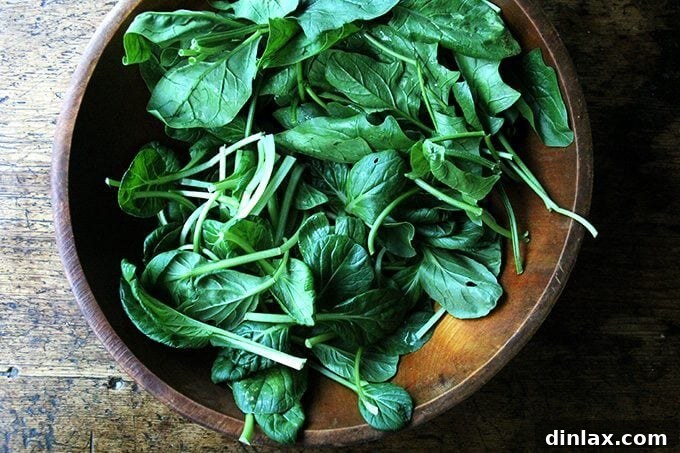
Submerge them in water to soak, allowing any dirt or grit to settle to the bottom:
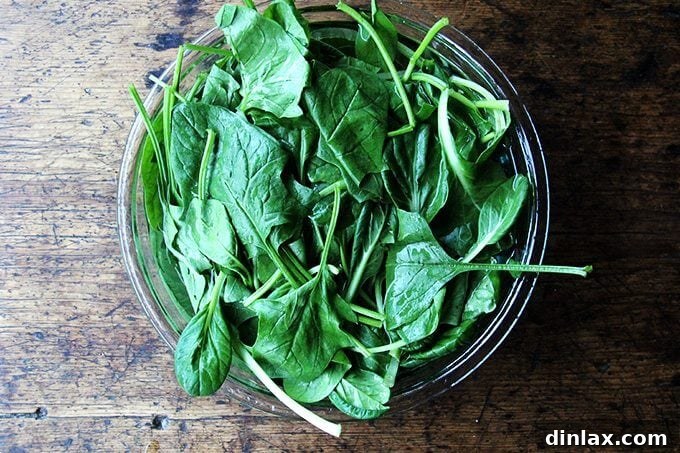
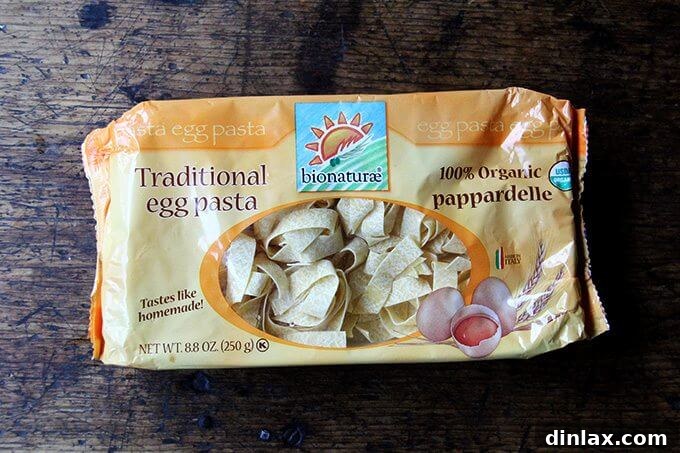
Meanwhile, set a large pot of water to boil, seasoning it generously with salt. Select your preferred pasta – be it pappardelle, linguine, or bucatini:
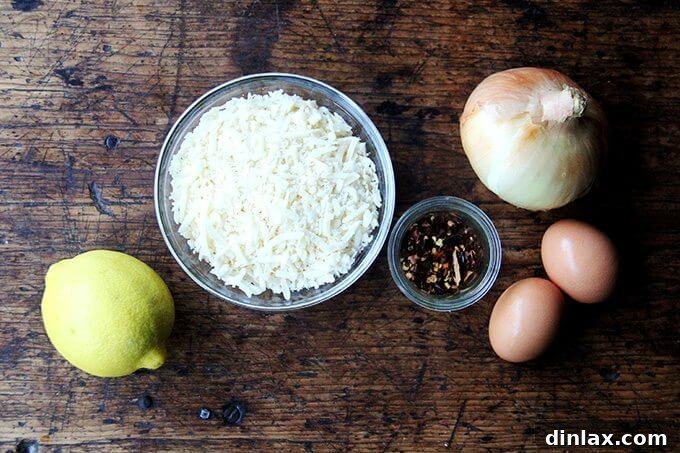
While the pasta water heats, gather all the ingredients for your creamy carbonara sauce:
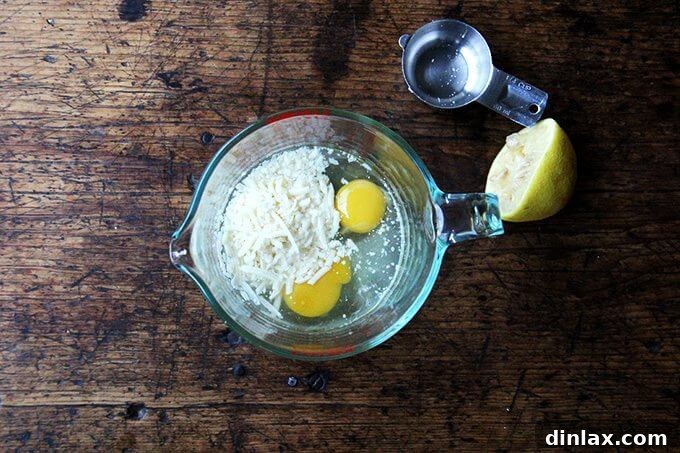
In a bowl, whisk together two large eggs with one tablespoon of fresh lemon juice, one-quarter cup of grated Parmesan cheese, and, just before the pasta finishes cooking, whisk in one-quarter cup of the starchy pasta cooking liquid:
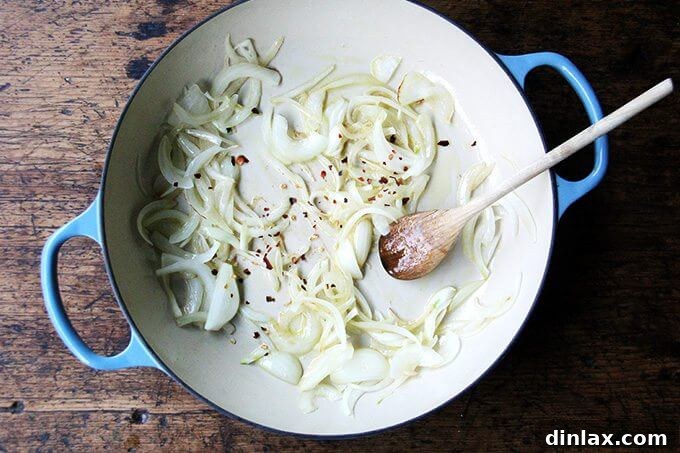
In a large skillet, sauté a thinly sliced onion until softened and lightly golden, optionally with a pinch of red pepper flakes for a subtle warmth:
Add your well-drained greens to the skillet with the sautéed onions:
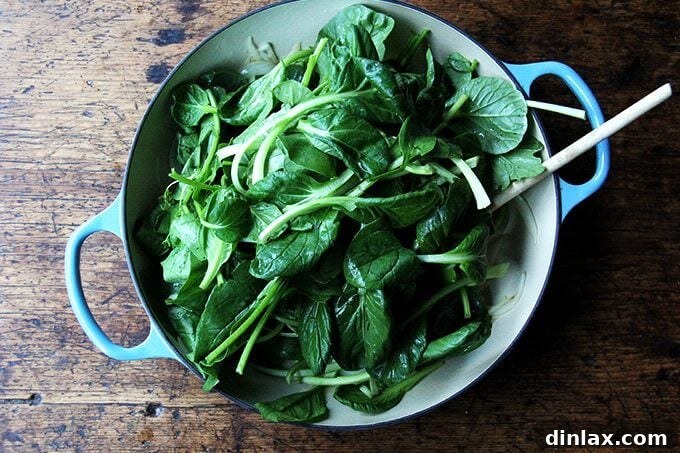
Continue to cook, tossing gently, until the impressive volume of greens wilts down significantly:
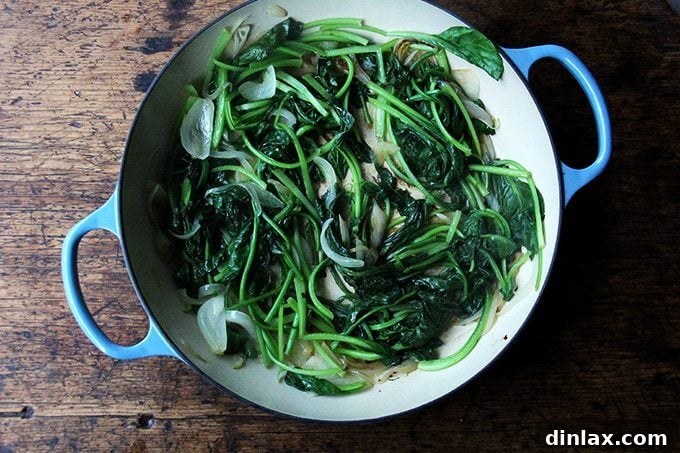
Once the pasta is al dente, drain it (remembering to reserve some cooking liquid!) and immediately add it to the skillet with the wilted greens and onions:
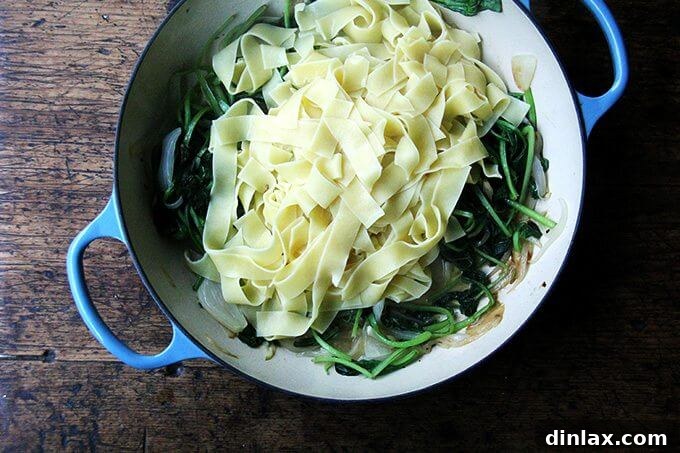
Pour the whisked carbonara sauce over the hot pasta and greens, tossing vigorously with tongs until the sauce emulsifies and coats everything beautifully:
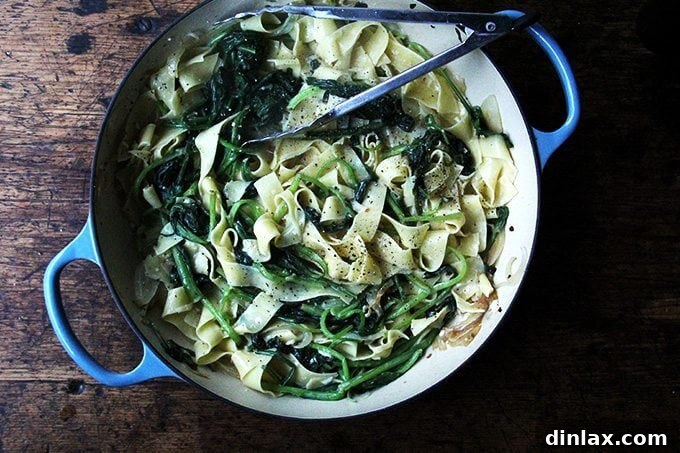
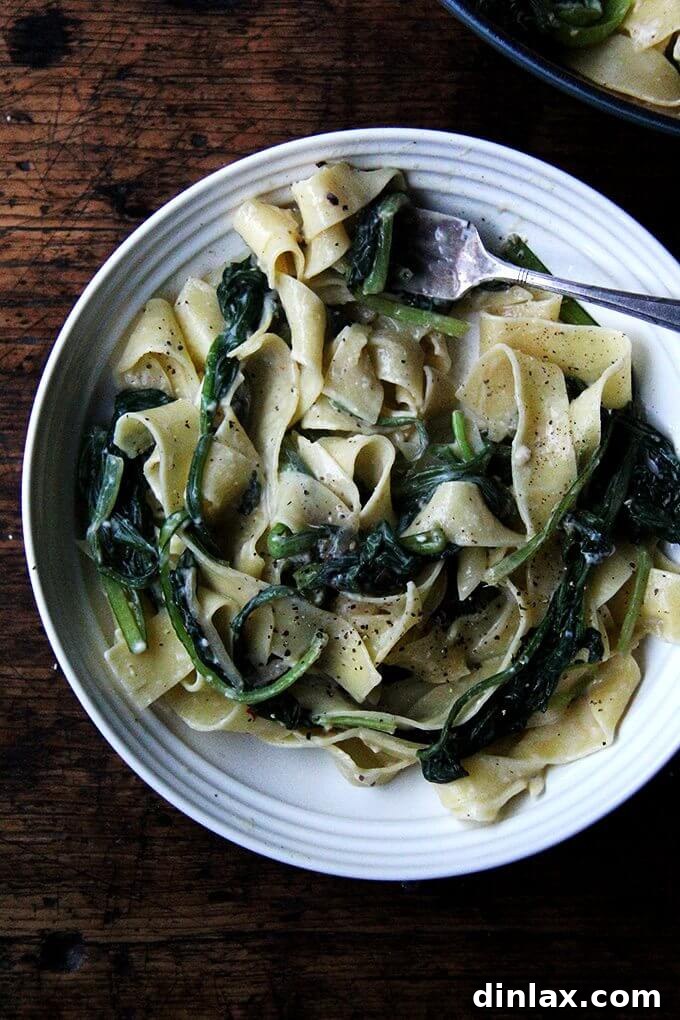
Serve immediately, garnished with freshly cracked black pepper and extra Parmesan cheese:
Print Recipe
Weeknight Carbonara: No Bacon, Loaded with Greens
★★★★★
5 from 12 reviews
- Author: Alexandra Stafford
- Total Time: 30 minutes
- Yield: Serves 4
Description
Adapted from a favorite carbonara recipe, this version is lighter and packed with greens. Previously featured recipes include:
- Pasta Carbonara with Leeks and Lemon
- Orecchiette Carbonara with Asparagus
- Bucatini Carbonara with Leeks and Lemon
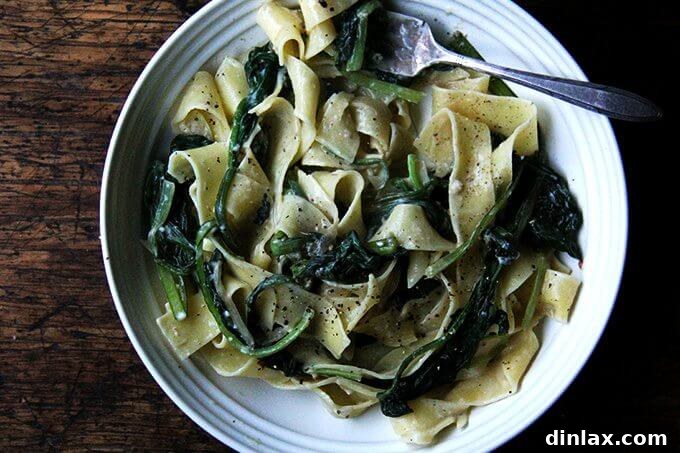
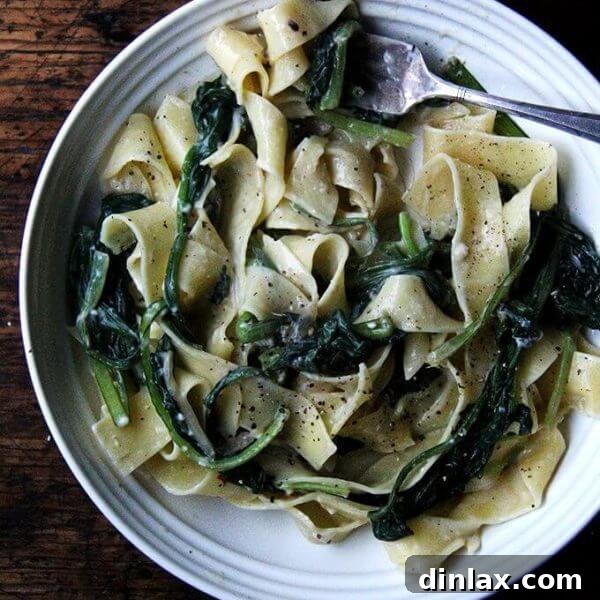
This recipe is pictured here with pappardelle egg noodles because they were on hand. It’s equally delicious with linguine or bucatini.
Note on Pasta and Greens Quantities: The pasta amount can be adjusted between 1/2 to 3/4 pound depending on how many people you’re serving or your desired pasta-to-greens ratio. Similarly, while 1 pound of greens is shown, they wilt significantly. Feel free to use up to 2 pounds for an even healthier, more vegetable-rich meal. If using 2 pounds, you may need to add them incrementally to the pan.
Ingredients
- Coarse salt and freshly ground black pepper
- 2 tablespoons olive oil
- 1 onion, peeled and thinly sliced
- Pinch of red pepper flakes (optional, for a hint of heat)
- 1 to 2 pounds fresh greens (such as spinach, tatsoi, broccoli rabe, chard, or kale), thoroughly soaked in water to remove dirt
- 1/2 to 3/4 pound pasta (bucatini, linguine, or pappardelle work wonderfully)
- 2 large eggs
- 1/4 cup grated Parmigiano Reggiano cheese, plus extra for serving
- 1 tablespoon fresh lemon juice, plus more to taste
Instructions
- Prepare Pasta Water and Sauté Onion: Set a large pot of heavily salted water (about 1 tablespoon kosher salt) to boil. In a large skillet, heat the 2 tablespoons of olive oil over medium-high heat. Once the oil shimmers, add the thinly sliced onion. Immediately reduce the heat to medium, season with a pinch of kosher salt, and sauté, stirring occasionally, until the onion is very soft and just beginning to turn golden, typically 7 to 10 minutes. While the onion cooks, transfer your soaked greens to a colander to drain – a little residual water clinging to the leaves is perfectly fine.
- Wilt the Greens: Add a pinch of red pepper flakes (if using) to the softened onions and stir for about 30 seconds to release their aroma. Add all of the drained greens to the skillet. If you are using 2 pounds of greens, you may need to add them in batches, allowing the first batch to wilt slightly before adding more. Cook over medium to medium-high heat, using tongs to flip and stir the greens, until they have significantly shrunk down and are tender. Season the wilted greens with another pinch of salt. Turn off the heat in the skillet and set aside.
- Cook Pasta and Prepare Sauce: Add your chosen pasta to the boiling salted water and cook according to package directions until al dente. While the pasta cooks, remember to reserve at least 1/2 cup (or more) of the starchy pasta cooking liquid before draining. In a medium bowl or a liquid measuring cup, whisk together the 2 large eggs, 1/4 cup of grated Parmigiano Reggiano, and 1 tablespoon of fresh lemon juice until well combined. Once you have reserved the pasta water, immediately whisk 1/4 cup of the hot pasta cooking liquid into the egg mixture. This step tempers the eggs, preventing them from scrambling.
- Combine and Serve: Drain the cooked pasta thoroughly and immediately transfer it to the skillet containing the sautéed onions and wilted greens. Pour the tempered egg mixture over the hot pasta and vegetables. Using tongs, toss everything vigorously to combine. The residual heat from the pasta and pan will gently cook the eggs, creating a creamy, emulsified sauce that coats every strand. If the mixture has cooled too much, you can briefly turn the heat to low or medium-low to ensure proper emulsification, but be careful not to scramble the eggs. Season the pasta with additional salt and freshly ground black pepper to taste. Taste and adjust seasoning; you might want to add more lemon juice for brightness or a splash more of the reserved pasta cooking liquid to achieve your desired consistency. Sprinkle with extra grated cheese if desired, and serve immediately for the best texture and flavor.
- Prep Time: 10 minutes
- Cook Time: 20 minutes
- Category: Pasta
- Method: Stovetop
- Cuisine: American, Italian