Mastering Dried Beans: Your Guide to Perfectly Cooked Legumes from Scratch
While the convenience of canned beans is undeniable, and they certainly have their place in a busy kitchen, nothing quite compares to the unparalleled flavor and sublime texture of beans cooked from scratch. Elevating your culinary game by learning how to prepare dried beans at home is a rewarding journey that promises superior results, greater control over ingredients, and a truly satisfying experience. Once you integrate the simple rhythm of cooking your own chickpeas, black beans, or any other dried legume, you’ll discover just how effortless and incredibly delicious this practice can be.
For years, home cooks have debated the best way to prepare dried beans. My personal revelation came with the discovery of the brining method—a transformative technique that involves soaking beans in salt water rather than plain water. This approach has permanently changed my bean-cooking routine, and I haven’t looked back. I first explored this game-changing method in detail in a previous post focusing on Marcella Hazan’s Stewy White Beans, and I am excited to share an even more comprehensive outline of the steps and benefits below.
Beyond the traditional stovetop, modern kitchen appliances offer fantastic alternatives for cooking dried beans. I’m a huge fan of my trusty slow cooker and the versatile Instant Pot, both of which simplify the process of preparing chickpeas, black beans, and a wide array of other dried legumes. To help you choose the best method for your lifestyle and preferences, you’ll find detailed instructions for cooking beans using various techniques outlined below:
- Slow Cooker Method: Effortless and Flavorful
- Instant Pot Method: Quick and Efficient
- Stovetop Method: The Brining Secret to Perfection
Why Cook Dried Beans from Scratch? The Unbeatable Benefits
Embracing the habit of cooking your own dried beans offers a multitude of advantages that go far beyond mere convenience. Here’s why you should consider making the switch:
- Superior Flavor and Texture: This is perhaps the most compelling reason. Homemade beans boast a richer, earthier flavor and a wonderfully creamy, tender texture that canned versions simply cannot match. They absorb flavors much more effectively during cooking, resulting in a depth that elevates any dish.
- Cost-Effective: Dried beans are significantly cheaper than their canned counterparts. A single bag of dried beans can yield several cans’ worth of cooked beans, leading to substantial savings over time.
- Healthier Control: When you cook from scratch, you control the ingredients. You can avoid the excess sodium and preservatives often found in canned beans, tailoring the seasoning to your exact dietary needs and taste preferences.
- Versatility in the Kitchen: Having a stash of perfectly cooked beans on hand opens up a world of culinary possibilities. Use them in salads, soups, stews, dips like hummus, or as a hearty side dish.
- Reduced Waste: Cooking in larger batches and storing them means fewer cans to dispose of, making it an environmentally friendlier option.
How to Cook Dried Beans in the Slow Cooker: Effortless and Flavorful
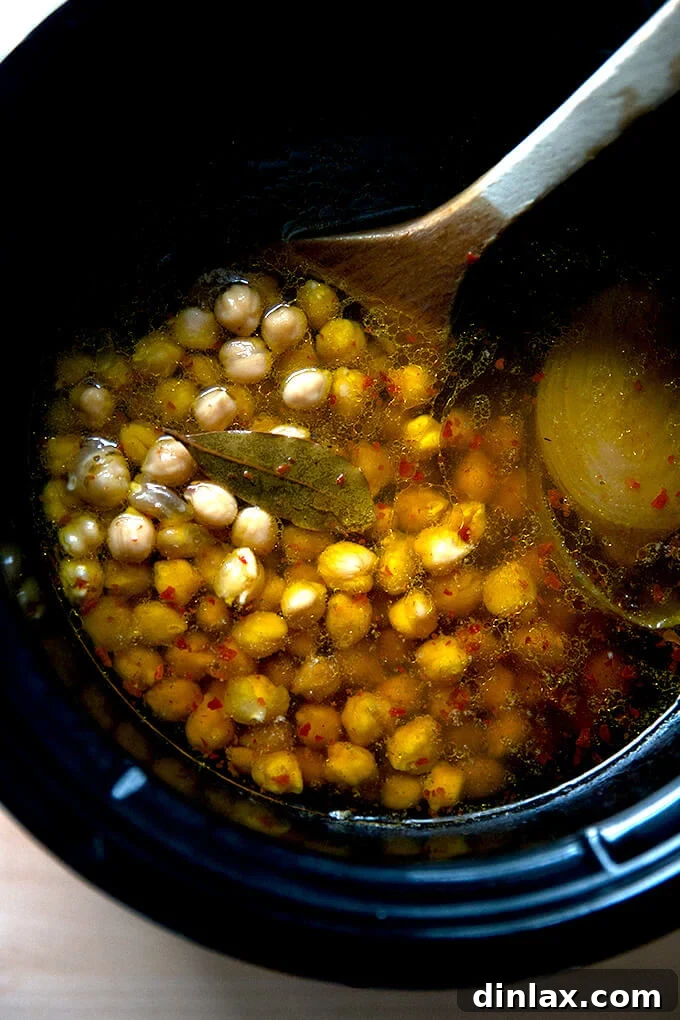
The slow cooker is a busy cook’s best friend when it comes to preparing dried beans. This method is incredibly forgiving and requires minimal hands-on time, making it perfect for those who appreciate a “set it and forget it” approach. One of the greatest advantages of using a slow cooker is that, for most beans, there’s no need for pre-soaking, saving you an entire step. You simply combine your ingredients in the pot, turn it on, and let the gentle, consistent heat work its magic over several hours, resulting in beautifully tender and flavorful beans.
The slow cooker excels at producing beans with a wonderfully creamy texture. This method is especially ideal for larger, tougher beans that benefit from a prolonged cooking time. For best results, use a ratio of about 1 part dried beans to 3-4 parts water or broth. You can enhance the flavor significantly by adding aromatics like a halved onion, a few cloves of garlic, a bay leaf, or even some sprigs of thyme or rosemary. Seasoning with salt is crucial for flavor development; however, adding salt too early can sometimes toughen the skins, so many prefer to add a small amount at the beginning and adjust to taste towards the end of cooking.
While the exact cooking time will vary depending on the type and age of your beans, a general guideline is 6-8 hours on low or 3-4 hours on high. Always check for tenderness before turning off the cooker. Once cooked, these beans are so delicious, you might be tempted to eat them directly from the pot! Two beloved recipes that perfectly showcase this method are:
- Simplest Slow Cooker Chickpeas
- Simplest Slow Cooker Black Beans
Feel free to adapt this method to any dried bean you have on hand – kidney beans, cannellini, pinto, or navy beans all cook beautifully in the slow cooker.
How to Cook Dried Beans in the Instant Pot: Quick and Efficient
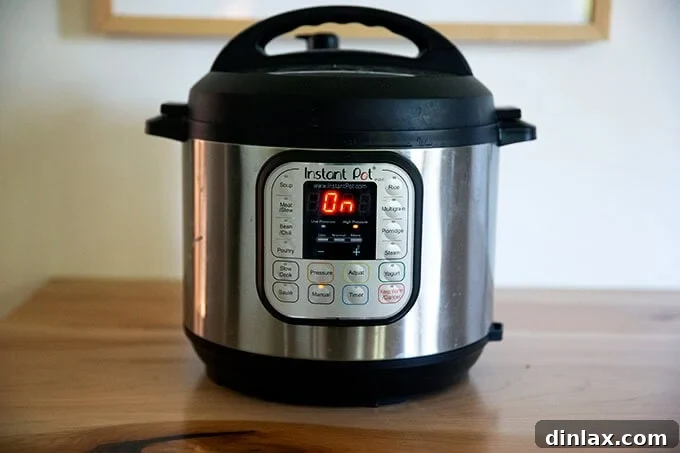
For those times when you need perfectly cooked beans but are short on time, the Instant Pot is an absolute game-changer. This pressure cooking method significantly reduces cooking times compared to traditional stovetop simmering or slow cooking, delivering tender beans in a fraction of the time, often without the need for pre-soaking.
To cook a pound of unsoaked, dried beans in your Instant Pot, gather these essential ingredients:
- 1 lb. unsoaked, dried beans: Any variety works here, from black beans to chickpeas, pinto, or cannellini.
- 6 cups water: This provides ample liquid for the beans to cook and swell without drying out. You can also use vegetable broth for added flavor.
- 1 half of a small onion: Halved through the core to keep it intact, peeled. The onion adds a foundational savory note.
- 1 bay leaf: A classic aromatic that imparts a subtle, herbal depth.
- 1 garlic clove: Smashed and halved, for a gentle garlic essence that doesn’t overpower.
- 2 teaspoons kosher salt: Essential for seasoning the beans from the inside out and enhancing their flavor.
- 1 teaspoon crushed red pepper flakes, optional: For a subtle warmth and a touch of heat, if desired.
- 1/4 cup olive oil: A surprising but effective addition that helps create a creamy broth and prevents excessive foaming during pressure cooking.
Follow these simple steps for perfectly cooked Instant Pot beans:
- Add all the listed ingredients—beans, water, onion, bay leaf, garlic, kosher salt, optional red pepper flakes, and olive oil—into the inner pot of your Instant Pot.
- Secure the lid and ensure the steam release valve is set to the “Sealing” position. Select the “Manual” or “Pressure Cook” setting and set it to “High Pressure.” The cooking time will vary significantly depending on the type and freshness of your beans. It might require a little trial and error to find your perfect timing. As a general guide:
- For **black beans**: set for 30 minutes.
- For **pinto beans**: set for 40 minutes.
- For **chickpeas (garbanzo beans)**: set for 50 minutes.
- For smaller lentils, times can be much shorter (around 10-15 minutes).
- For larger, tougher beans like kidney beans or great northern beans, you might need up to 45-55 minutes.
(Note: Older beans may require slightly longer cooking times.)
- Once the cooking cycle is complete, allow the pressure to release naturally for at least 20 minutes. This “natural release” is crucial as it prevents the beans from bursting and ensures a more even texture. After 20 minutes, if there’s still pressure, carefully turn the valve to “Venting” to quick release any remaining pressure.
- Uncover the pot, carefully remove the onion, bay leaf, and garlic clove. Taste the beans and their broth, adding more salt if needed to achieve your desired seasoning.
Your Instant Pot beans are now ready to enjoy in your favorite recipes or stored for later use. This method offers unparalleled efficiency without compromising on the quality and flavor of homemade legumes.
How to Cook Dried Beans and Legumes on the Stovetop (The Brining Method): The Secret to Perfect Beans
The stovetop brining method is my absolute favorite for achieving beautifully tender, evenly cooked beans with intact skins and a rich flavor. This technique, adapted from culinary experts, revolutionizes the traditional stovetop cooking process by incorporating salt during the soaking phase. This not only seasons the beans from within but also helps to tenderize the skins, resulting in a superior texture and reduced cooking time. Say goodbye to tough, unevenly cooked beans!
Step-by-Step Stovetop Brining Method:
- The Brine Soak: Begin by placing 1 lb. of dried chickpeas or any other bean variety in a large bowl. Ensure the bowl is spacious enough to accommodate the beans as they expand. Cover the beans with water by at least 3 inches, allowing ample room for absorption. Stir in 3 tablespoons of kosher salt until it fully dissolves. This salt solution is the “brine” that works wonders on the beans. Let the beans sit at room temperature overnight, or for a minimum of 8 to 10 hours. This extended soak is key to the brining method’s success, ensuring the beans absorb moisture and flavor thoroughly.
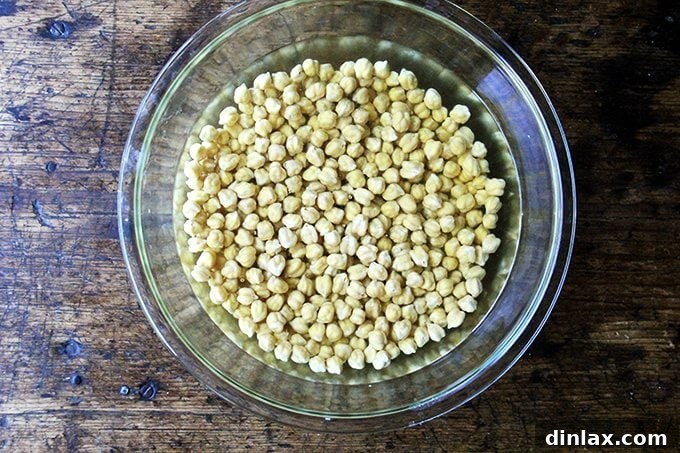
- Prepare for Simmering: After the brining period, drain the beans thoroughly in a colander and rinse them under cold running water. This removes excess surface salt and any potential impurities. Transfer the rinsed chickpeas or beans to a large, heavy-bottomed pot. Add fresh water, ensuring the beans are covered by at least 3 inches. Now is the time to introduce additional flavorings: add 1.5 teaspoons of kosher salt (which complements the pre-brining), a few sprigs of fresh thyme, a small onion (halved through the core), and a bay leaf. These aromatics are optional but highly recommended as they infuse the beans with a subtle, complex flavor that elevates the final dish.
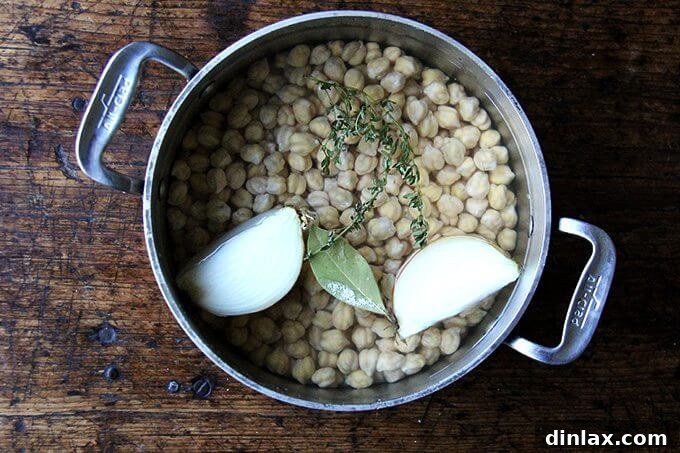
- Gentle Simmer to Perfection: Bring the pot to a rolling boil over high heat, then immediately reduce the heat to a gentle simmer. The water should be barely bubbling, indicating a low, steady cook. Simmer the beans for approximately 45 minutes to an hour, or until they reach your desired tenderness. The exact cooking time can vary significantly based on several factors: the age of your beans (older beans take longer), the type of bean, and even the hardness of your water. Throughout the cooking process, make sure the beans remain fully submerged in water; add more hot water as needed to maintain the liquid level. Taste a bean periodically to check for doneness – it should be creamy and tender, not chalky or mushy.
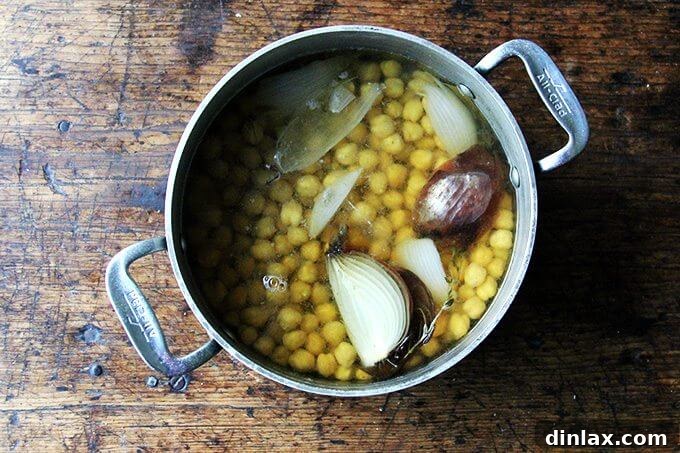
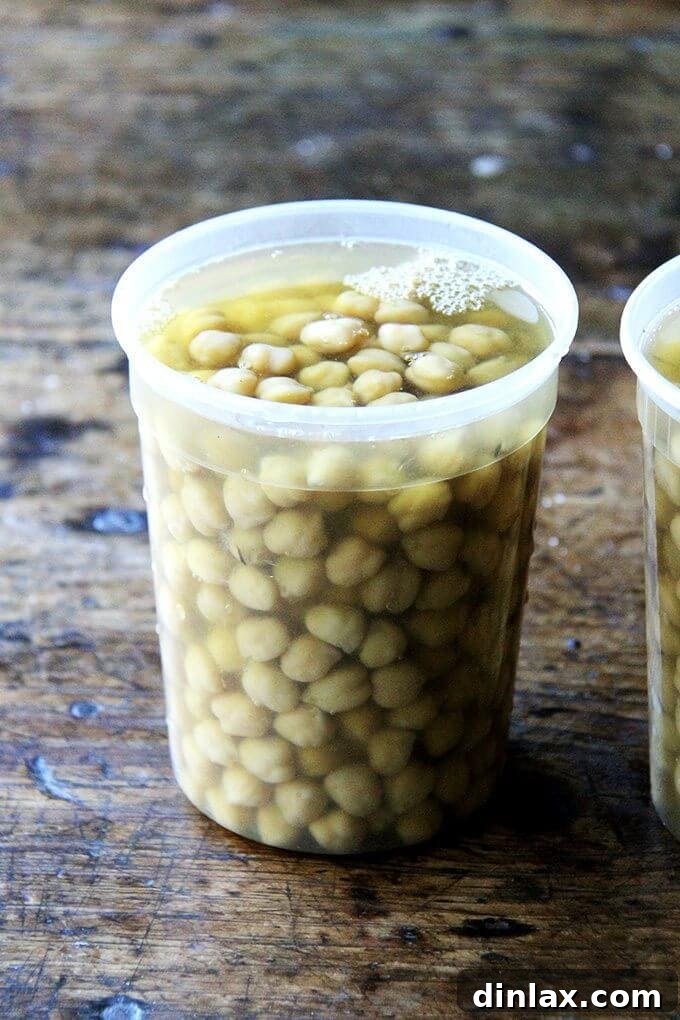
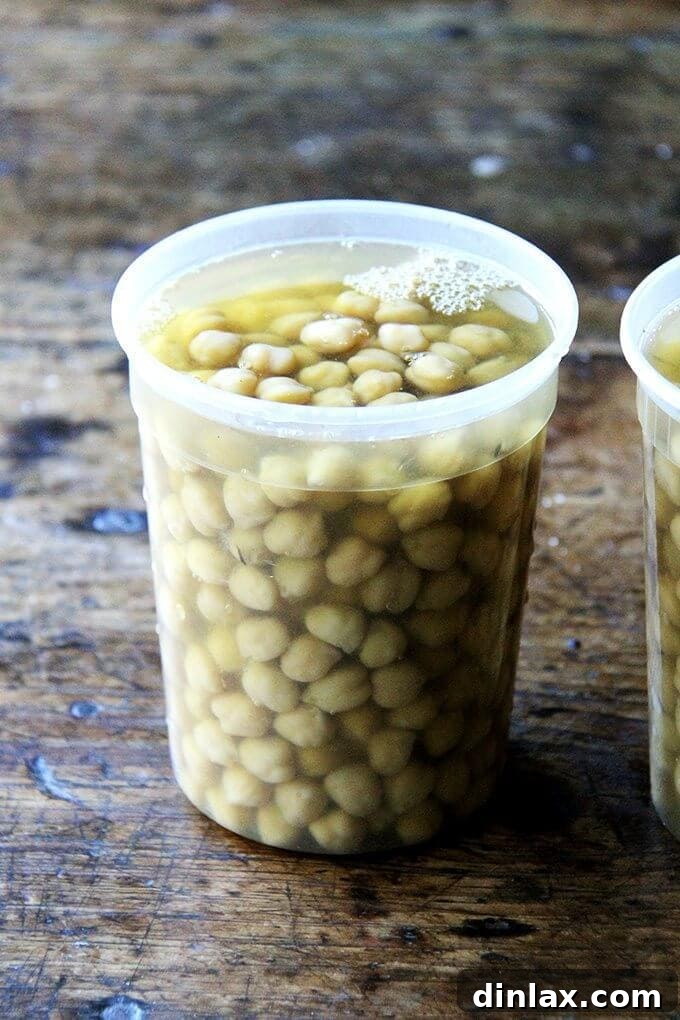
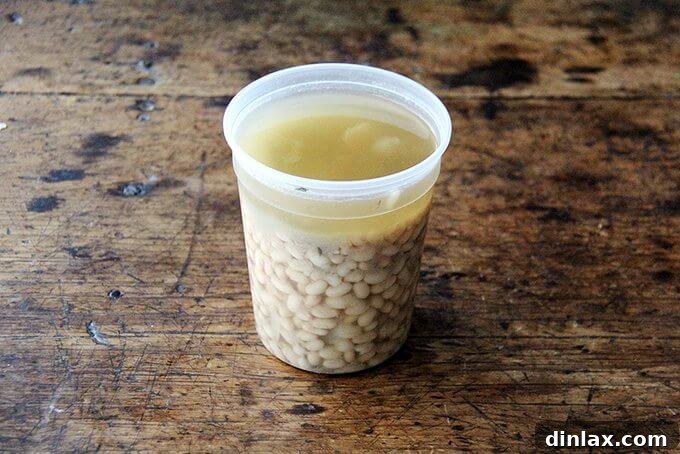
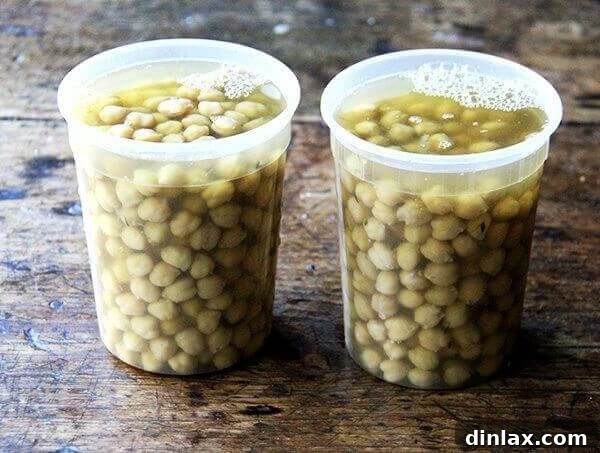
- Storage for Future Enjoyment: Once cooked, allow the beans to cool completely in their cooking liquid. This step is crucial as it allows the beans to continue absorbing flavor and moisture, preventing them from drying out. Discard the thyme sprigs, bay leaf, and onion before storing. The beans can be stored in their cooking liquid in an airtight container in the refrigerator for about a week. For longer storage, freeze them in their liquid for several months. I personally find these deli quart containers to be indispensable, and this mixed set of quart, pint, and cup containers offers fantastic versatility for various batch sizes. Having a supply of perfectly cooked, homemade beans ready to go transforms meal prep and elevates everyday cooking.
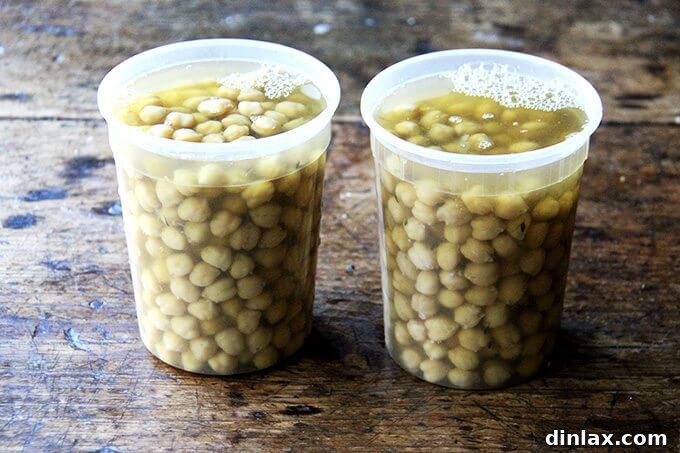
The same brining and cooking process applies beautifully to a variety of other beans, ensuring consistent, delicious results every time. Whether you’re making white beans, black beans, pinto beans, or kidney beans, this method will yield tender, flavorful legumes perfect for any recipe.
Troubleshooting Common Bean Cooking Issues
Even with the best methods, sometimes things go awry. Here are solutions to common bean-cooking problems:
- Beans Are Still Hard After Cooking: The most common culprits are old beans (they lose moisture and take longer to cook), hard water (minerals can inhibit softening), or adding acidic ingredients (like tomatoes, vinegar) too early in the cooking process. Always use fresh beans, consider a pinch of baking soda in the cooking water if your water is very hard, and add acids only after the beans are tender.
- Beans Are Mushy or Bursting: This usually indicates overcooking. Different bean types have different cooking times, and older beans can be less forgiving. For pressure cookers, natural release is key to preventing bursting. For stovetop, gentle simmering and regular checking for doneness are important.
- Excessive Foaming: A little foam is normal, especially with unsoaked beans. The olive oil in the Instant Pot method helps. For stovetop, skimming off foam can help keep it under control.
Print Recipe
How to Cook Beans and Chickpeas from Scratch (Stovetop Brining Method)
5 Stars 4 Stars 3 Stars 2 Stars 1 Star
5 from 10 reviews
Author: Alexandra Stafford
Total Time: 11 hours
Yield: 6 cups 1x
Description
Unlock the secret to incredibly tender and flavorful chickpeas and beans with this simple stovetop brining method. This technique ensures even cooking and a superior texture every time, making your homemade legumes far better than any canned alternative. This recipe, adapted from Cook’s Illustrated’s The Science of Good Cooking, will become your go-to for perfectly cooked legumes. For alternative cooking methods, including Instant Pot and slow cooker instructions, please refer to the detailed sections above in this article.
Ingredients
- 1 lb. dried chickpeas or beans (e.g., cannellini, black beans, pinto beans)
- 3 tablespoons kosher salt (for brining soak)
- 1.5 teaspoons kosher salt (for cooking liquid)
- 1 small onion, halved through the core
- 1 bay leaf
- 1/4 cup olive oil (optional, helps with creaminess and foaming control)
- a few sprigs fresh thyme, optional
- 1 clove garlic, smashed, optional
- 1 teaspoon crushed red pepper flakes, optional (for a hint of heat)
- Ample water for soaking and cooking
Instructions
- Brine the Beans: Place the dried chickpeas or beans in a large bowl. Cover them with water by at least 3 inches. Add the 3 tablespoons of kosher salt and stir well until it completely dissolves. Let the beans soak at room temperature overnight, or for a minimum of 8 to 10 hours. This crucial brining step tenderizes the skins and seasons the beans internally.
- Prepare for Cooking: After brining, drain the beans and rinse them thoroughly under cold running water. Transfer the rinsed beans to a large, heavy-bottomed pot. Add the remaining 1.5 teaspoons of salt along with the optional aromatics (halved onion, bay leaf, thyme sprigs, smashed garlic, and crushed red pepper flakes). Cover the beans with fresh water by three inches.
- Simmer to Tenderness: Bring the pot to a boil over high heat, then immediately reduce the heat to a gentle simmer. Cook, maintaining a bare simmer, for approximately 45 minutes to 1 hour, or until the beans are cooked through and tender to your liking. It’s important to note that cooking times can vary considerably based on the type and age of your beans; some may require more or less time. Throughout cooking, add additional hot water as needed to ensure the beans or chickpeas remain fully submerged at all times, preventing uneven cooking.
- Cool and Store: Once cooked, remove the pot from the heat and allow the beans to cool completely in their cooking liquid. This process allows them to absorb maximum flavor and maintain moisture. Discard the thyme sprigs, bay leaf, and onion before storing. Transfer the cooled beans and their liquid to airtight containers. They can be stored in the refrigerator for 5 to 7 days, or frozen for up to 3 months for convenient future use.
- Prep Time: 10 hours
- Cook Time: 1 hour
- Category: Beans, Legumes, Pantry Staples
- Method: Brining, Simmering, Stovetop Cooking
- Cuisine: American, Mediterranean