

There are few culinary delights as simple yet satisfying as a perfectly poached egg. With its delicate, barely-set whites and a lusciously runny yolk, a poached egg elevates any dish it graces, transforming ordinary meals into extraordinary experiences. Far from being a tricky restaurant-only item, learning how to poach eggs at home is an accessible skill that unlocks a world of quick, healthy, and incredibly delicious meal possibilities. Whether you’re aiming for a comforting breakfast, a light lunch, or a sophisticated dinner topping, the humble poached egg is your versatile ally in the kitchen. This comprehensive guide will walk you through a foolproof method, ensuring consistently perfect results every time, even for beginner cooks.
Mastering the Art of Poaching Eggs: A Foolproof Guide
Achieving that ideal poached egg—one with whites that are firm but tender, encasing a gloriously liquid gold yolk—is simpler than you might imagine. The key lies in understanding a few fundamental principles and having the right approach. Forget complicated techniques involving swirling water or multiple pots; our method prioritizes simplicity and effectiveness. Before you even crack an egg, gather your essential equipment to ensure a smooth and stress-free process.
Essential Equipment for Perfect Poached Eggs:
- Shallow Saucepan: A wider pan allows you to cook more eggs simultaneously without crowding them, ensuring even cooking.
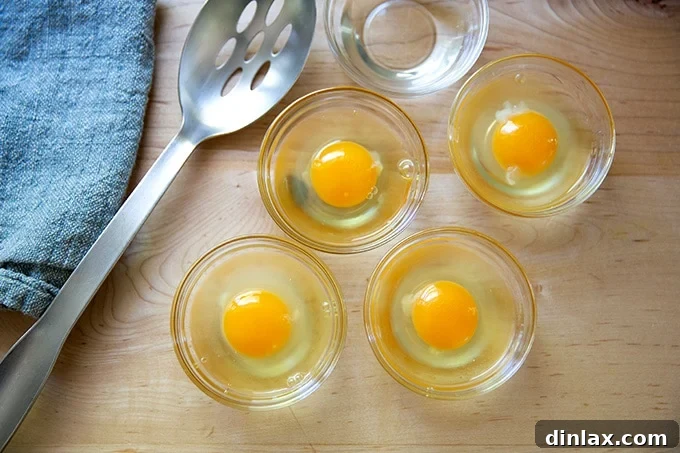
- Small Bowls or Ramekins: Crack each egg into its own bowl. This not only allows you to check for shell fragments but also facilitates gently lowering the eggs into the water, preventing them from breaking apart.
- Slotted Spoon: Indispensable for carefully transferring the cooked eggs from the water, allowing excess liquid to drain away.
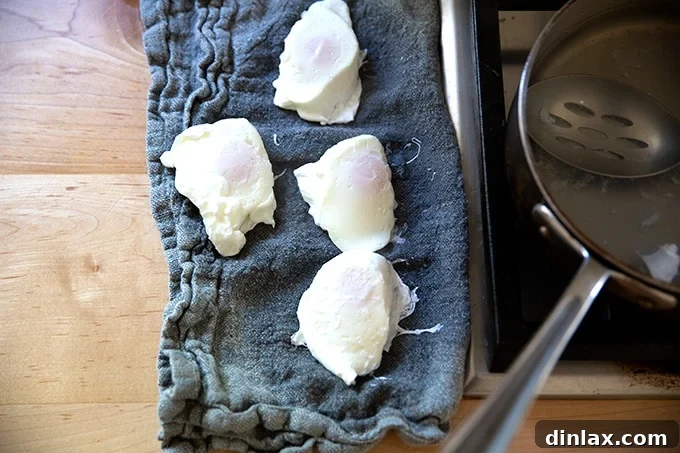
- Paper Towel-Lined Plate or Clean Kitchen Towel: Provides a soft landing spot for the poached eggs, absorbing any remaining water and keeping them warm until serving.
- Wooden Spoon (optional, for swirling): Some prefer to create a gentle vortex in the water to help the egg whites gather, though with the vinegar method, it’s often unnecessary.
- Timer: Crucial for consistent results, especially when aiming for a specific yolk consistency.
Step-by-Step Poaching Method:
- Prepare Your Station: Have your small bowls with cracked eggs, vinegar ready, slotted spoon, and paper towel-lined plate all within arm’s reach. This streamlines the process and prevents frantic scrambling once the water is ready.
- Simmer the Water: Fill your shallow saucepan with the appropriate amount of water (e.g., 2 cups for 1 egg, 4 cups for 4 eggs – see specific recipe instructions below). Cover the pot and bring the water to a gentle simmer. You’re looking for small, consistent bubbles, not a rolling boil. A rolling boil can agitate the eggs and make them break apart.
- Add Vinegar and Turn Off Heat: Once the water is simmering, carefully remove the lid. Add the specified amount of vinegar (typically 1 tablespoon per 2 cups of water). Immediately TURN OFF THE HEAT. This step is critical; it allows the eggs to cook gently in residual heat, preventing overcooking and ensuring tender whites.
- Gently Lower Eggs: Using your small bowls, carefully lower each egg into the hot water. If cooking multiple eggs, add them one by one, ensuring they don’t stick together. If you choose, you can create a gentle whirlpool with a wooden spoon just before adding the egg, which can help gather the whites, but it’s often not strictly necessary with vinegar.
- Cover and Set Timer: Once all eggs are in the pot, cover it tightly with the lid. Set a timer for 5 to 6 minutes, depending on your preferred yolk consistency. For very runny yolks, aim for 4.5 to 5 minutes. For slightly less runny, but still soft yolks, 6 minutes is ideal.
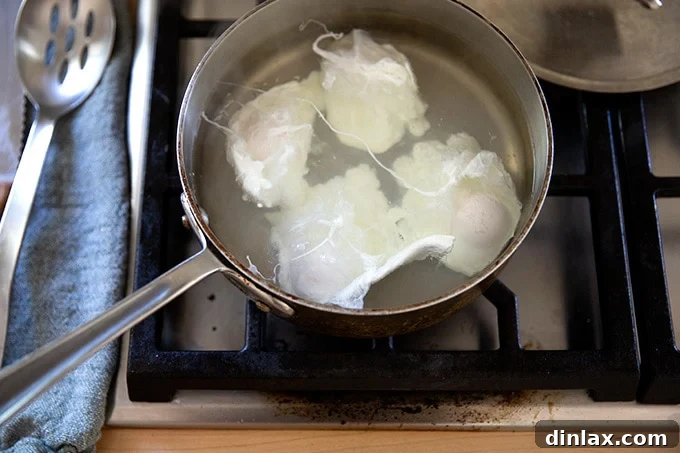
- Remove and Rest: When the timer goes off, uncover the pot. Using your slotted spoon, carefully lift each poached egg out of the water, allowing any excess water to drain. Transfer the eggs to your paper towel-lined plate or napkin. Let them rest for 30 to 60 seconds. This brief resting period allows any remaining water to absorb and the eggs to set slightly further without overcooking.
- Serve Immediately: Season with salt and freshly ground black pepper, and use your perfectly poached eggs as desired!

Why Use Vinegar to Poach Eggs? Unraveling the Science Behind a Poaching Essential
One of the most commonly debated aspects of poaching eggs is the addition of vinegar. Many home cooks wonder if it’s truly necessary or if it affects the taste. The short answer is: vinegar is a helpful tool, especially for achieving beautifully formed poached eggs, and when used correctly, it won’t impart an off-putting flavor.
The Role of Acid in Coagulation:
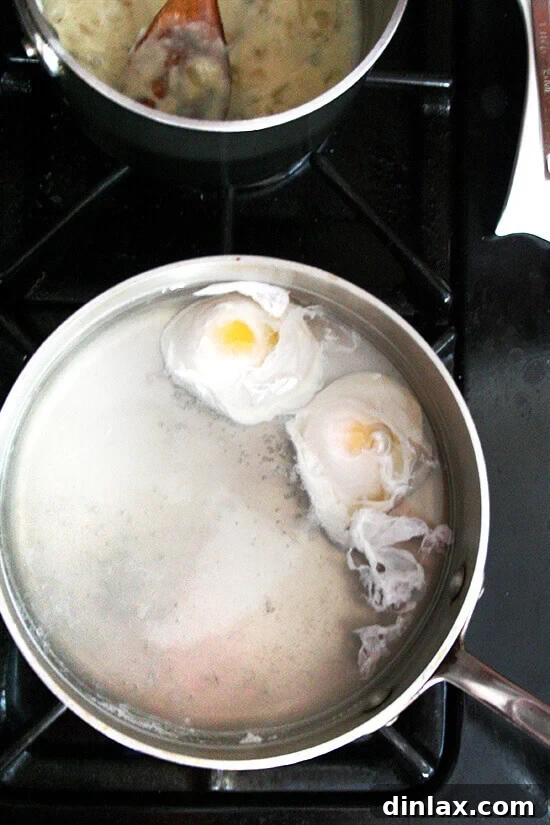
The primary reason for adding vinegar to your poaching water is to help the egg whites set more quickly and firmly. Egg whites are primarily composed of protein. When exposed to heat, these proteins begin to coagulate, or solidify. The acidity of vinegar accelerates this coagulation process. This means that as soon as the egg hits the hot water, the whites firm up rapidly, preventing them from spreading thinly throughout the pot and creating those undesirable wispy strands. Instead, the whites stay neatly contained around the yolk, resulting in a compact, aesthetically pleasing poached egg.
Addressing the Taste Concern:
A common concern is that the vinegar will make the poached eggs taste sour or vinegary. However, with the recommended ratio—typically 1 tablespoon of vinegar for every 2 cups of water—the taste is negligible. The small amount of vinegar is diluted in the large volume of water and primarily acts on the exterior of the egg white. Most people find that the delicate flavor of the egg itself remains dominant, especially once seasoned or served with other ingredients.
When You Might Omit Vinegar:
While vinegar is a great safeguard, it’s not always strictly essential. If you are using exceptionally fresh eggs, you might find you can achieve good results without vinegar. Very fresh eggs have thicker, stronger whites that are less likely to spread. As eggs age, their whites become thinner and more watery, making them more prone to feathering in the poaching water. If you prefer to avoid vinegar entirely, ensure your eggs are as fresh as possible, and consider using a gentle swirling motion in the water just before adding the egg to help the whites gather.
Ultimately, using a small amount of vinegar is a simple, effective trick that significantly increases your chances of poaching success, giving you beautiful, restaurant-quality eggs every time without affecting their delicate flavor.

Beyond Breakfast: Creative Serving Suggestions for Your Perfectly Poached Eggs
While the classic poached egg on toast remains an unrivaled delight, the versatility of this humble culinary marvel extends far beyond the breakfast table. Once you master the art of poaching, a world of quick, healthy, and gourmet-level meals opens up. A perfectly poached egg, with its rich yolk and tender white, acts as a luxurious sauce, adding richness, protein, and a touch of elegance to almost any savory dish. Here are just a few ideas to inspire your culinary creativity:
- Elevate Your Greens: Transform a simple salad into a substantial meal by topping it with a warm poached egg. The runny yolk creates an instant, creamy dressing that mingles beautifully with fresh greens, roasted vegetables, or a hearty lentil salad. Think spinach salad with crispy bacon bits, croutons, and a poached egg.
- Pasta Perfection: Forget heavy cream sauces; a poached egg can bring incredible richness to your pasta dishes. Serve atop a simple cacio e pepe, a fresh pesto pasta, or even a vegetable-packed primavera for an easy weeknight dinner with a gourmet touch.
- Hearty Grains and Polenta: A poached egg is a natural partner for creamy polenta, fluffy quinoa, or savory rice bowls. Imagine a bowl of warm, cheesy polenta with a golden poached egg, perhaps with some sautéed mushrooms or greens. It’s comforting, filling, and incredibly satisfying.
- International Flavors: Poached eggs seamlessly integrate into various cuisines. They are indispensable for traditional Eggs Benedict, a staple in American brunch. For a Mexican-inspired twist, serve them on warm tortillas with salsa for Huevos Rancheros. Or try them with a hearty ginger fried rice for an Asian-inspired meal.
- Soups and Stews: Add a poached egg to a bowl of simmering soup or stew for an extra layer of protein and richness. It’s particularly delicious in clear broths, miso soup, or even a rustic vegetable soup.
- Avocado Toast Reinvented: While delicious on its own, avocado toast reaches new heights with a perfectly poached egg. Add some chili flakes, a squeeze of lemon, and a sprinkle of flaky sea salt for a brunch masterpiece.
The beauty of poached eggs lies in their ability to complement and enhance a wide array of flavors and textures. Don’t limit yourself to traditional pairings; experiment and discover your own favorite combinations!
Delicious Recipes Featuring Perfectly Poached Eggs:
Ready to put your newfound poaching skills to the test? Explore these fantastic recipes that beautifully showcase the versatility and delight of poached eggs:
Croque Monsieur with Poached Eggs (A sophisticated sandwich elevated with a runny egg.)

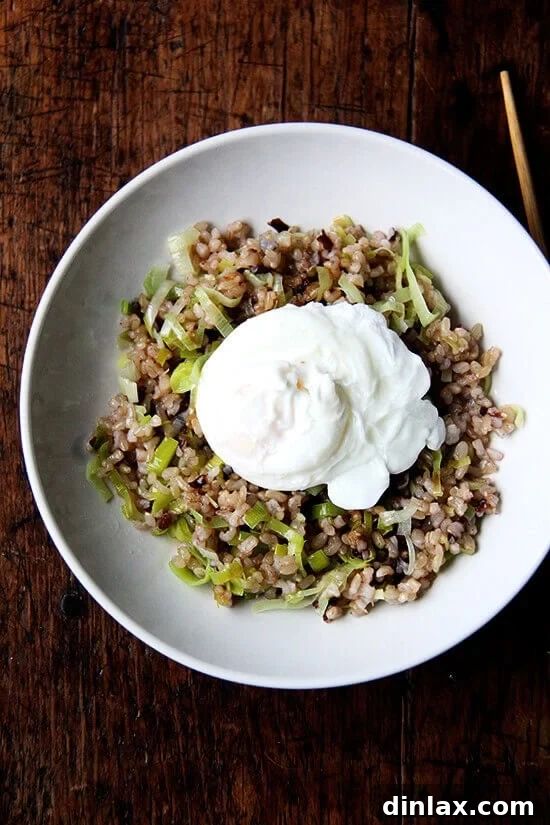
Ginger Fried Rice with Poached Egg (A flavorful Asian-inspired dish made richer with an egg.)
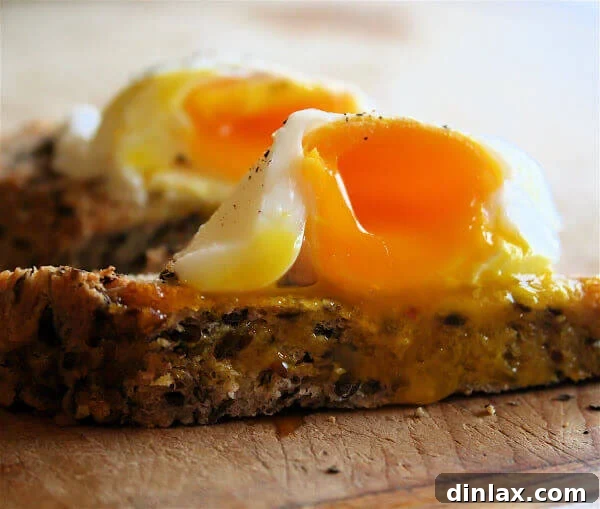
Quinoa and Flax Toasting Bread (The perfect healthy base for your poached egg creation.)
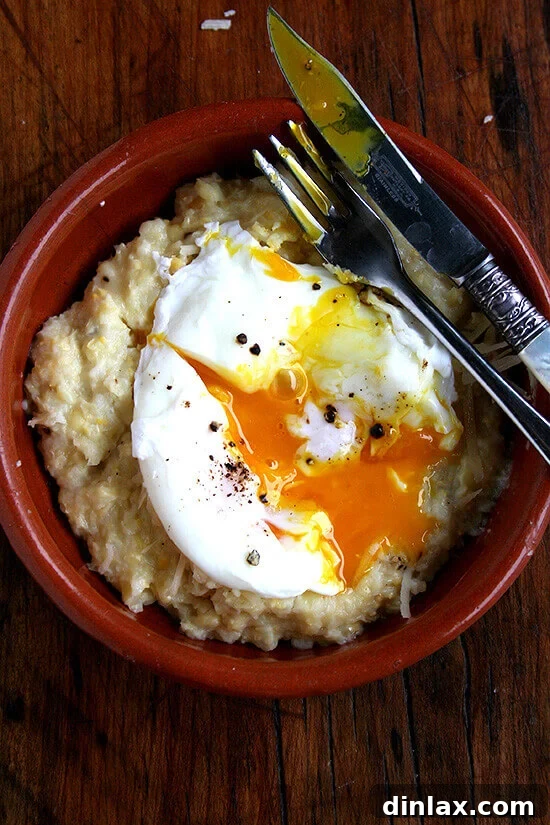
Fresh Corn Polenta (Creamy polenta is a fantastic canvas for a runny yolk.)
Oven-Baked Polenta (A Miracle!) (An easy hands-off method for polenta, ideal for pairing with poached eggs.)
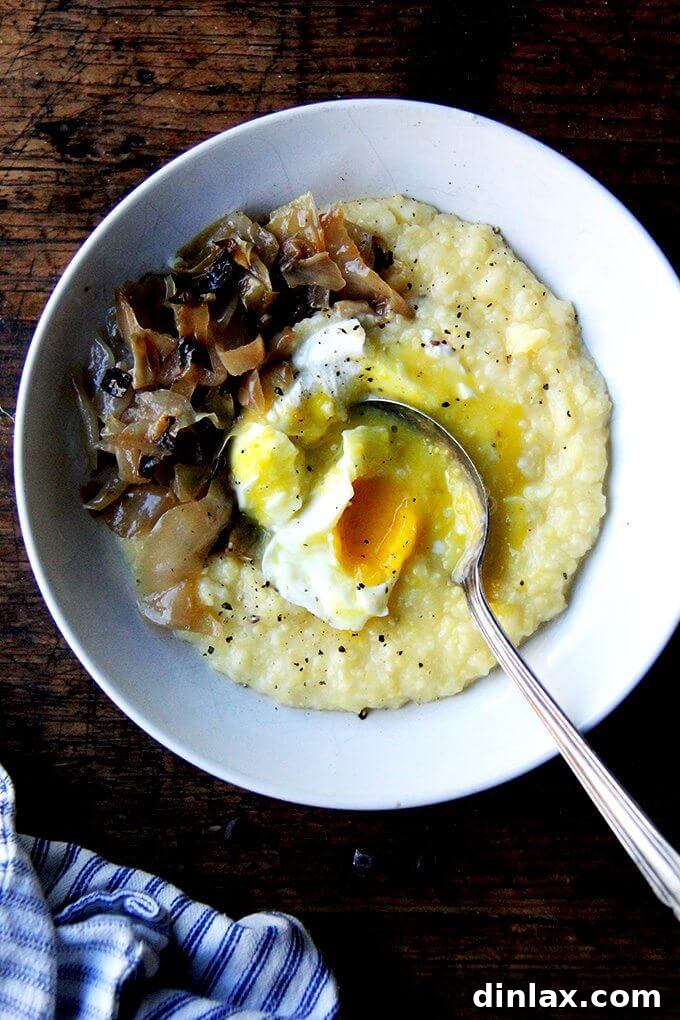
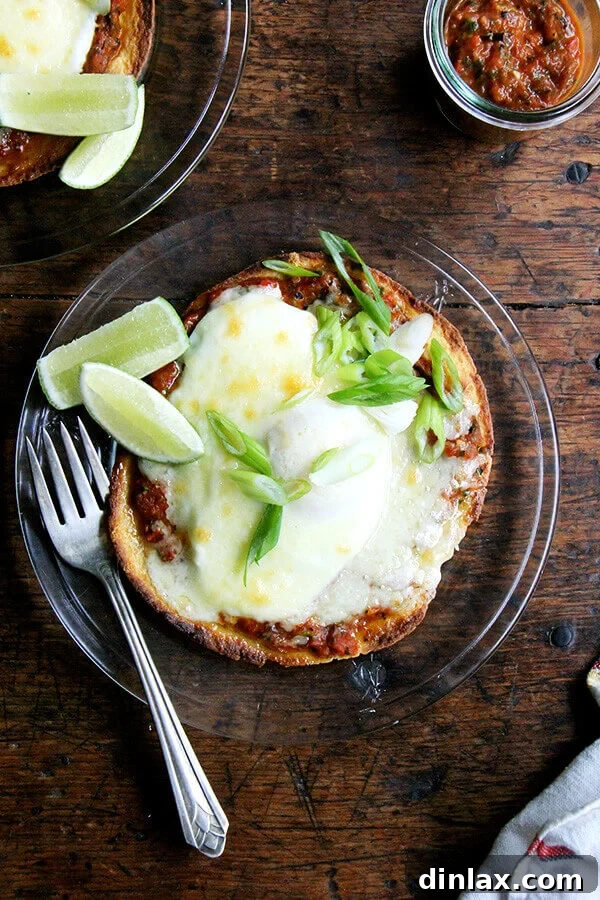
Huevos Rancheros with Blistered Salsa Roja (A vibrant and flavorful classic Mexican breakfast or brunch.)

Perfect Poached Eggs
Average rating: 5 out of 5 stars based on 2 reviews.
- Author: Alexandra Stafford
- Total Time: 10 minutes
- Yield: 1 to 4 eggs
Description
This foolproof poaching method was learned from Sandy Gluck, an exceptional recipe tester. The addition of vinegar helps the egg whites set beautifully, preventing them from spreading in the water. While very fresh eggs may need less assistance, vinegar ensures a consistently neat result without imparting any noticeable taste when used in the suggested ratio.
Ingredients
- 1 to 4 eggs
- 1 to 2 tablespoons vinegar (such as white wine, white balsamic, rice, or apple cider)
Instructions
Method for Making 1 Poached Egg:
- Fill a shallow saucepan with 2 cups of water, cover it, and bring to a simmer. Crack one egg into a small bowl. Measure 1 tablespoon of vinegar into a separate small bowl. Line a plate with paper towels or a cloth napkin. Keep a wooden spoon (optional) and a slotted spoon nearby.
- Once the water simmers, uncover the pot and immediately TURN OFF THE HEAT. Add the vinegar. If desired, create a gentle whirlpool in the water with the end of the wooden spoon. Carefully lower the egg into the center of the vortex. Cover the pot. Set a timer for 5 minutes.
- Uncover the pot. Using the slotted spoon, gently transfer the egg to the prepared plate. Let it rest briefly (30 seconds to a minute) to drain and set slightly. Then, serve as you wish. Adjust cooking time for desired yolk consistency: 5 minutes yields a completely set white with a runny yolk; for a runnier yolk, try 4.5 minutes.
Method for Making 4 Poached Eggs:
- Fill a wide shallow saucepan with 4 cups of water, cover it, and bring to a simmer. Crack each of the 4 eggs into their own small bowls. Measure 2 tablespoons of vinegar into a small bowl. Line a large plate with paper towels or a cloth napkin. Keep a slotted spoon nearby.
- Once the water simmers, uncover the pot and immediately TURN OFF THE HEAT. Add the vinegar. Carefully lower each egg into the pot one by one, ensuring they are not crowded. Cover the pot. Set a timer for 5 to 6 minutes. Five minutes will result in very runny yolks, while 6 minutes will yield slightly less runny yolks.
- Uncover the pot. Using the slotted spoon, carefully transfer all the eggs to the prepared plate. Let them rest briefly (30 seconds to a minute) to drain and set. Serve immediately. You may need to experiment slightly to find your perfect cooking time.
- Prep Time: 5 minutes
- Cook Time: 4 to 6 minutes
- Category: Breakfast
- Method: Stovetop
- Cuisine: American
Mastering the art of poaching eggs is a simple yet incredibly rewarding kitchen skill. With this foolproof method, you can consistently achieve those perfect, delicate eggs with tender whites and a luscious, runny yolk that elevate any meal. From a quick weekday breakfast to an elegant brunch, poached eggs offer a healthy and delicious way to enhance your dishes. Don’t be intimidated; grab your saucepan and give it a try. You’ll soon find yourself reaching for this technique again and again, transforming everyday ingredients into culinary delights. Happy poaching!