
Mastering Homemade Skillet Pizza: A Family-Friendly Guide
There’s an undeniable joy that comes with baking pizza at home, transforming simple ingredients into a bubbling, cheesy masterpiece. While specialized tools like a Baking Steel can achieve exceptionally crisp crusts and airy edges, creating that perfect pizzeria-style pizza, there’s an equally delightful and significantly more accessible method for homemade pizza enthusiasts: the cast iron skillet. For many, including myself, the cast iron skillet has become the preferred tool, especially when inviting little hands into the kitchen.
Why Choose Skillet Pizza for Your Next Family Meal?
While the Baking Steel delivers unparalleled results for a truly professional crust, the cast iron skillet offers a distinct set of advantages, making it an excellent choice for home cooks and families alike. This method simplifies the process without compromising on flavor or texture. Skillet pizza yields a wonderfully crisp bottom crust and beautifully cooked toppings, all achieved with equipment most kitchens already possess.
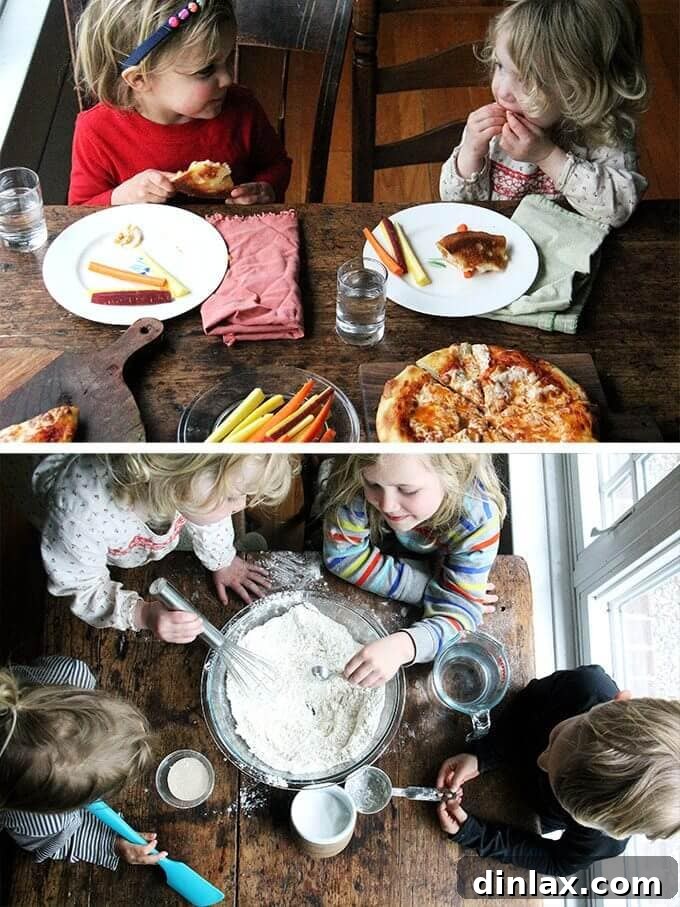
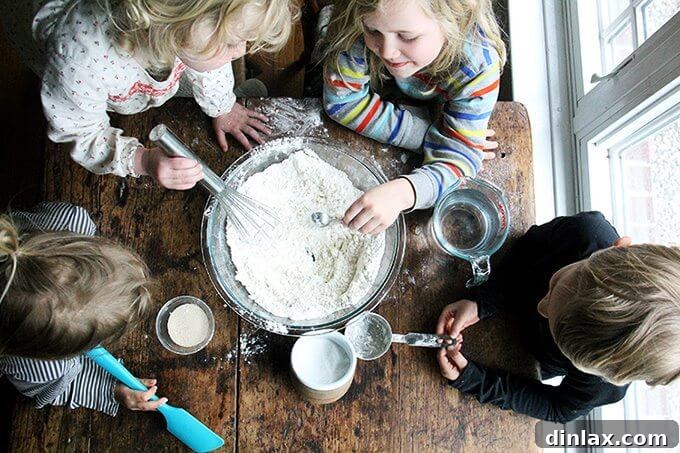
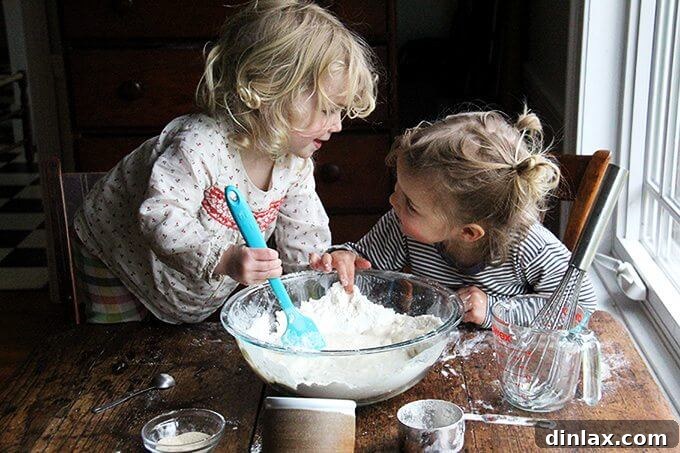
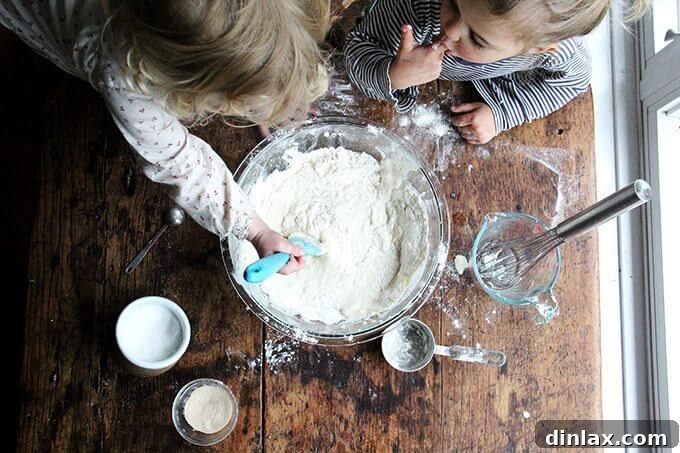
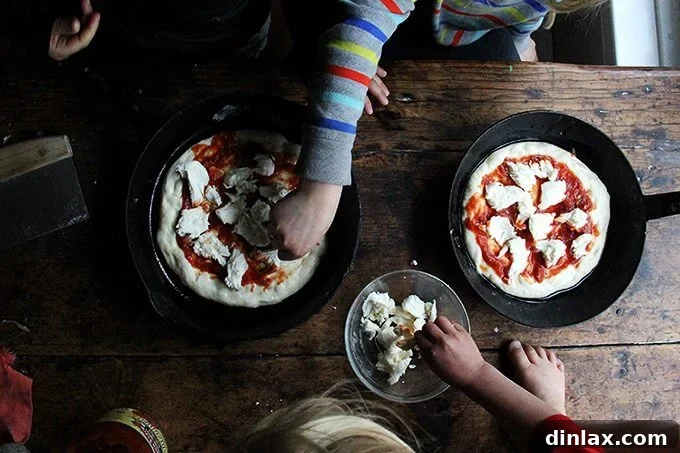
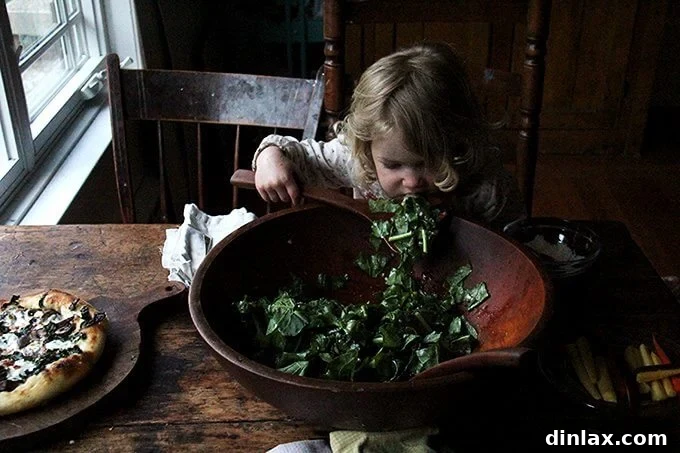
Beyond its culinary benefits, making skillet pizza is an incredibly engaging activity for children. The entire process, from mixing the dough to selecting toppings, breaks down into manageable steps that kids of all ages can participate in. The dough, a forgiving no-knead recipe from my cookbook, Bread Toast Crumbs, requires minimal ingredients and is incredibly adaptable. This means less stress for parents and more fun for kids. The various stages—mixing, shredding cheese, stretching and saucing the dough, and finally topping the rounds—keep children actively involved and excited about their culinary creation. It’s a fantastic way to introduce them to the joys of cooking and foster a love for homemade food.
The Magic of No-Knead Peasant Bread Dough
The foundation of any great pizza is its dough, and for skillet pizza, we turn to a wonderfully simple and forgiving “peasant bread” dough. This is a no-knead, high-hydration dough, meaning it’s quite wet, but this wetness is key to its fantastic texture and flavor. The minimal handling required makes it perfect for busy schedules and for involving children without the complexities of traditional kneading methods. Its forgiving nature means that even if flour goes awry, it’s easy to correct, making the process stress-free and enjoyable.
The beauty of a no-knead dough lies in its simplicity. Instead of vigorous kneading to develop gluten, time does the work. A long, slow rise allows the gluten to develop naturally, creating a dough that is both airy and chewy. This recipe, scaled to yield six individual pizza rounds, offers incredible flexibility. You can bake all six at once for a larger gathering, or, as I often do, bake four one night and refrigerate the remaining two portions in individual quart containers for fresh pizza another evening. These refrigerated dough balls are excellent, even when simply brushed with olive oil and sprinkled with sea salt for a quick, savory treat.
A common concern with wet doughs is stickiness. The trick to handling this dough is to use liberal amounts of flour on your work surface and hands. Don’t be shy; flour is your friend here. It prevents sticking and allows you to shape the dough effectively without it turning into a messy ordeal. Embrace the flour, and you’ll master this dough in no time.
Step-by-Step Skillet Pizza Perfection
Creating excellent skillet pizza at home is a straightforward process when you follow these steps:
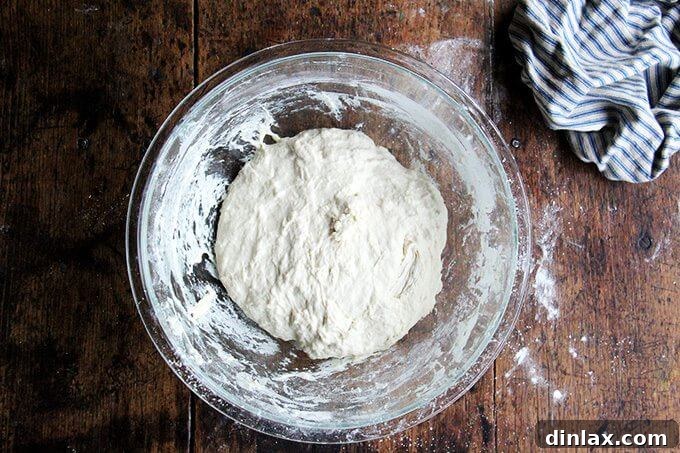
- **Dough Preparation**: Combine the flour, salt, and instant yeast in a large bowl. Add the lukewarm water and mix with a rubber spatula until a sticky dough ball forms. If using active dry yeast, proof it first in the warm water with a pinch of sugar until foamy before adding to other ingredients.
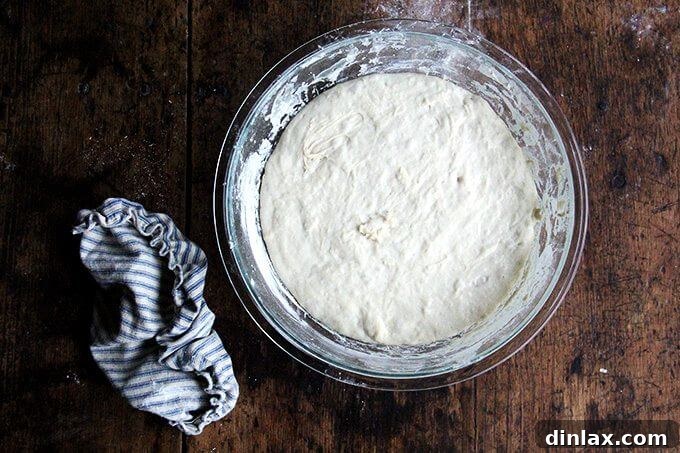
- **The Rise**: Cover the bowl with a damp tea towel or plastic wrap and let it rise in a warm spot for 1 to 1.5 hours, or until doubled in size. A pro tip for finding the perfect warm spot: preheat your oven to 400°F for just one minute, then turn it off. The residual heat will create an ideal environment (80-100°F) for dough to rise without over-proofing.
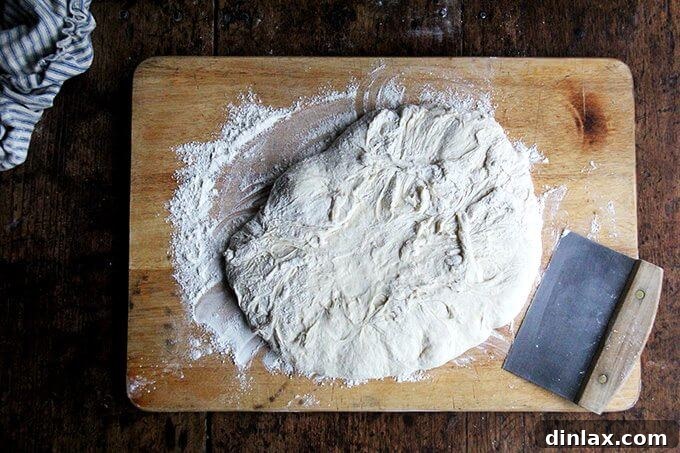
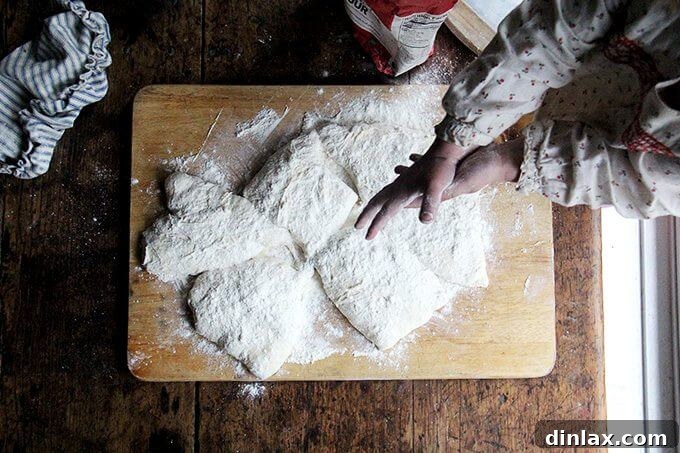
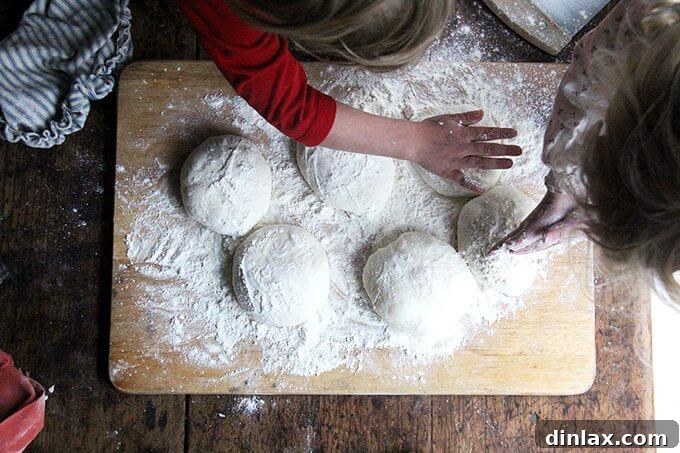
- **Shaping the Dough**: Liberally flour a work surface or cutting board with at least 1/4 cup of flour, adding more as needed. The dough is wet, so don’t skimp on flour. Using two forks, gently deflate the dough, pulling it from the sides towards the center and rotating the bowl to form a rough ball. Turn the dough onto your floured surface and use a bench scraper to divide it into six equal portions. With floured hands, roll each portion into a ball, tucking the edges underneath with your pinky fingers. Let these dough balls rest on their tucked-in edges for at least 20 minutes.
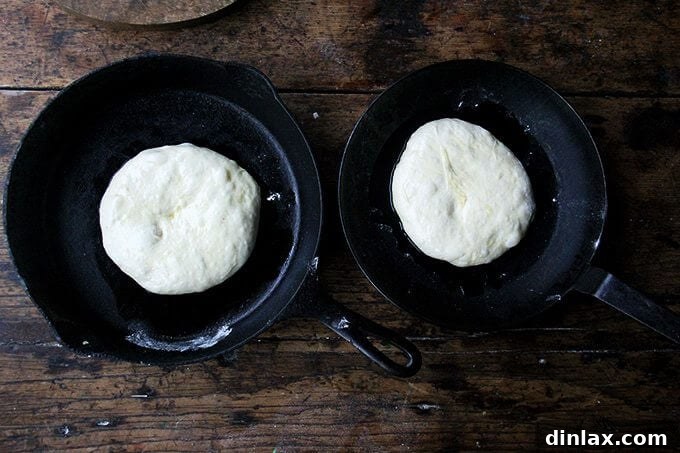
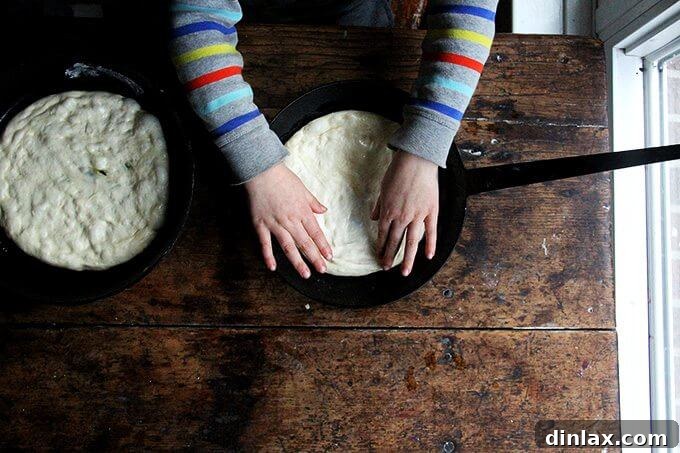
- **Skillet & Stretch**: Pour about 1/2 teaspoon of extra-virgin olive oil into one or two 8- to 10-inch oven-safe skillets. Place a dough ball in each prepared skillet and roll it in the oil to ensure an even coating. With oiled hands, gently stretch the dough from the center outwards to fit the skillet or form an 8- to 9-inch round. If the dough resists or tears, let it rest for 5 minutes before continuing to stretch; small tears are easily pinched back together.
Two Delicious Skillet Pizza Variations
Once your dough is perfectly stretched in the skillet, it’s time for the toppings! We’re sharing two versatile options: a classic Tomato & Mozzarella and a sophisticated Kale & Mushroom with Crème Fraîche. Feel free to customize with your family’s favorite ingredients.
Classic Tomato & Mozzarella Skillet Pizza
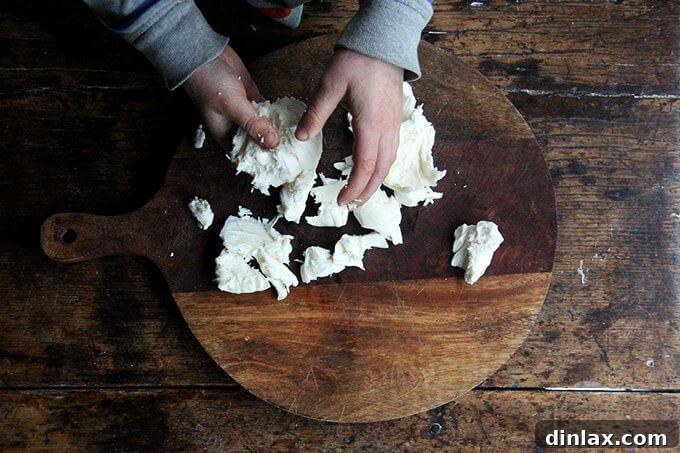
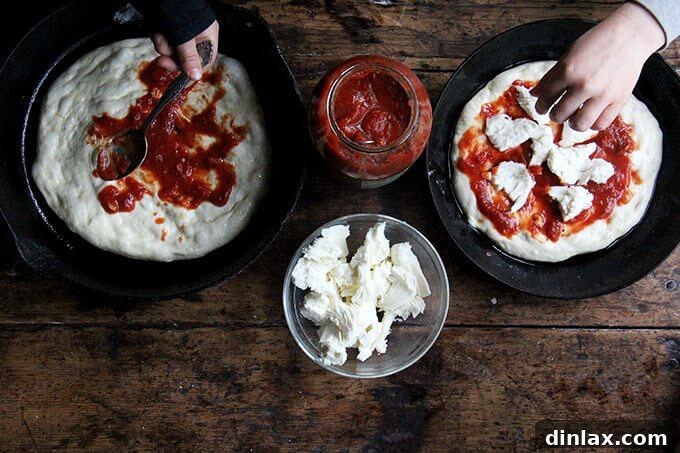
For a timeless favorite, spread your chosen tomato sauce over the dough, leaving about a half-inch border. Top generously with fresh mozzarella. When selecting mozzarella, opt for varieties not stored in brine to prevent the dough from becoming soggy. A light sprinkle of sea salt can enhance the flavors. Bake the skillets in your preheated 550°F oven for 8 to 10 minutes. The edges should be golden, and the underside of the crust should be crisp and golden brown. If the bottom crust is still pale, continue baking for 3-5 more minutes, or for an extra crispy base, place the pan over a medium-high burner for about a minute, carefully monitoring it to prevent burning.
Gourmet Kale & Mushroom Skillet Pizza with Crème Fraîche
For a more adventurous palate, this kale and mushroom pizza offers rich, earthy flavors. First, sauté your toppings. Heat 2 tablespoons of extra-virgin olive oil in a large sauté pan over high heat. Add thinly sliced mushrooms and cook for a minute without disturbing them to allow for browning. Stir, cook for another minute, then stir again. Season with kosher salt. Once the mushrooms are beautifully browned, remove them to a bowl. Return the pan to high heat, add the remaining tablespoon of olive oil, then add finely chopped kale (tough stems removed). Cook the kale for a minute without disturbing, then stir and cook for another minute. Season with kosher salt. When the kale is wilted, turn off the heat, return the mushrooms to the pan, stir to combine, and adjust seasoning to taste.
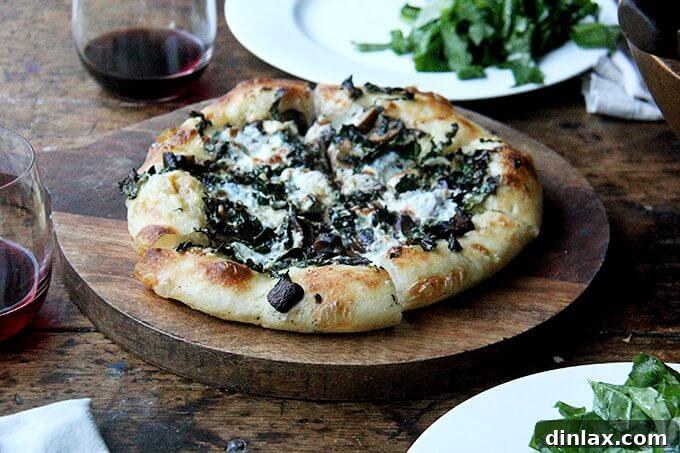
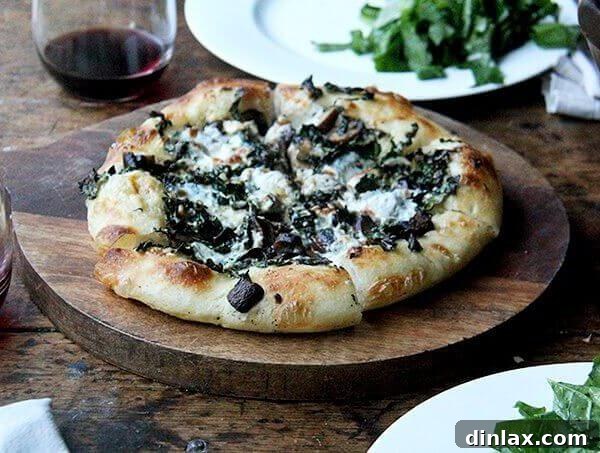
To assemble this pizza, spoon about a tablespoon of crème fraîche over the dough, again leaving a half-inch border. Layer the sautéed kale and mushrooms, then top with fresh mozzarella. Drizzle lightly with olive oil and sprinkle with sea salt. Bake in the preheated 550°F oven for 8 to 10 minutes until the edges are golden. As with the classic pizza, check the underside for a crisp, golden brown finish, adjusting baking time or using a stovetop burner for extra crispness if needed.

Tips for Skillet Pizza Success
To ensure your skillet pizzas turn out perfectly every time, keep these points in mind:
- **High Heat is Key**: Preheat your oven to a very high temperature (550°F is ideal) and make sure your cast iron skillet is hot before adding the dough. This initial burst of heat is what creates that coveted crispy crust.
- **Don’t Overload**: While tempting, too many toppings can make your pizza soggy and prevent the crust from cooking through properly. Stick to a moderate amount for the best results.
- **Monitor the Underside**: The magic of skillet pizza is in the direct heat from the pan. Always check the bottom of your pizza with a metal spatula. If it’s not as crisp as you’d like, a minute or two directly over a medium-high burner can work wonders.
- **Quality Ingredients**: A good jarred tomato sauce (like Casa Visco marinara or Rao’s Marinara) and fresh mozzarella will elevate your pizza significantly.
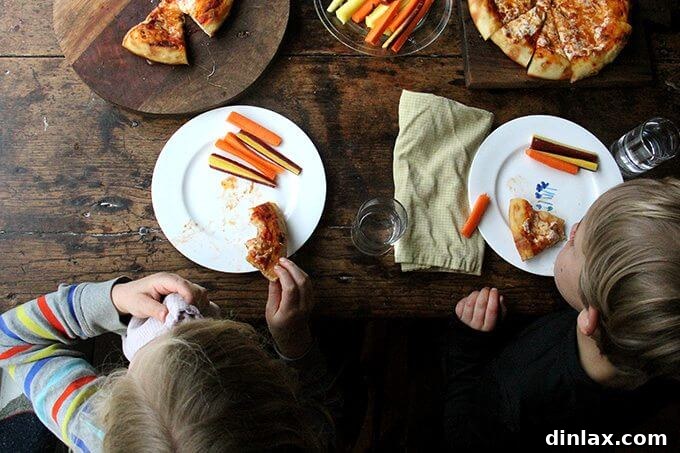
- **Family Fun**: Remember, this is a fantastic opportunity to bond with your family. Let kids take ownership of their pizza by choosing and arranging their own toppings.
Embracing the Joy of Homemade Pizza
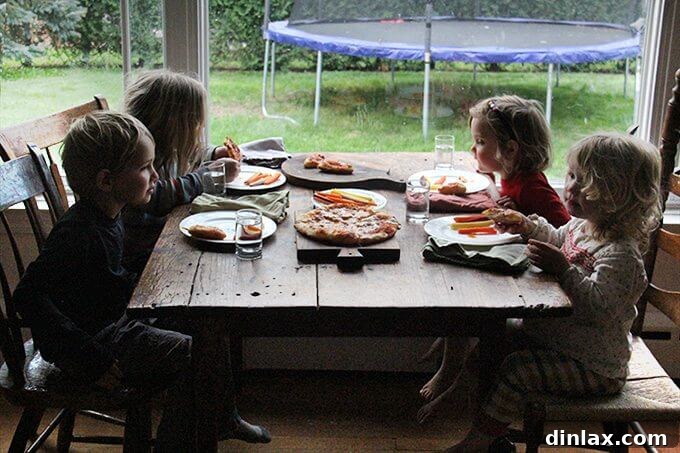
Homemade skillet pizza is more than just a meal; it’s an experience. It’s about the aroma of fresh dough baking, the sizzling of cheese, and the shared laughter as family members create their personalized culinary masterpieces. The simplicity of this recipe, coupled with the reliable performance of a cast iron skillet, makes gourmet pizza an achievable weeknight treat. Whether you’re a seasoned chef or a beginner looking for a fun kitchen project, skillet pizza offers a rewarding and delicious journey. So gather your ingredients, call the kids to the kitchen, and get ready to create some unforgettable memories, one delicious slice at a time.
Print Recipe
Skillet Pizza Two Ways: Tomato & Mozzarella | Kale & Mushroom with Crème Fraîche
5 from 3 reviews
- Author: Alexandra Stafford
- Total Time: 2 hours 15 minutes
- Yield: 6 pizzas
Description
This is a double recipe of the skillet pizza in my cookbook, Bread Toast Crumbs.
This recipe yields 6 rounds of pizza dough. Recipe can be halved; dough can be refrigerated.
I typically bake 4 pizzas one night, then refrigerate 2 rounds of dough (in individual quart containers), which I bake on the following evening, often just brushed with olive oil and sprinkled with sea salt.
If you are unfamiliar with the peasant bread dough, it is a very wet, no-knead dough. The key when handling it, is to use as much flour as necessary to keep it from sticking to the board and your hands.
Jarred sauce: Most of the year, I use jarred tomato sauce. I like using a local (to me) brand, Casa Visco marinara, or Rao’s Marinara.
Mozzarella: Look for mozzarella not stored in brine to prevent the dough from getting too soggy.
Ingredients
for the dough
- 4 cups (512 g) all-purpose flour, plus more for assembly
- 2 teaspoons (10 g) kosher salt
- 1 teaspoon (4 g) instant yeast
- 2 cups (456 g) lukewarm water (made my stirring together 1.5 cups cold water and 0.5 cups boiling water)
toppings for tomato & mozzarella:
- Olive oil for the skillets
- Jarred tomato sauce, see notes above
- Fresh mozzarella, see notes above
- Sea salt, optional
toppings for kale & mushroom:
- 3 tablespoons extra-virgin olive oil, plus more for greasing
- 1 bunch kale, tough stems chopped off, remaining leaves and stems finely chopped
- 6 to 8ounces mushrooms, thinly sliced
- Fresh mozzarella, see notes above
- Crème fraîche
- Sea salt
Instructions
- To make the dough: In a large bowl, whisk together the flour, salt, and instant yeast. Add the water. Using a rubber spatula, mix until the water is absorbed and the ingredients form a sticky dough ball. (If you need to use active dry yeast instead, proof it in the lukewarm water with a pinch of sugar first for about 10 minutes, until foamy, before adding to the other ingredients.)
- Cover the bowl with a damp tea towel or plastic wrap and set aside in a warm spot to rise for 1 to 1 1/2 hours, until the dough has doubled in bulk. Note: Here’s a trick for making the perfect warm spot for the dough to rise. Set the oven to 400° F and let it preheat for 1 minute, then shut it off. The temperature will be between 80° F and 100° F. you should be able to place your hands (carefully) on the oven grates without burning them.
- Set a rack in the middle of the oven and preheat it to 550° F. Cover a work surface or cutting board liberally with flour — use at least 1/4 cup and more as needed. The dough is very wet, so don’t hesitate to use flour as needed. Using two forks, deflate the dough by releasing it from the sides of the bowl and pulling it toward the center. Rotate the bowl quarter turns as you deflate, turning the mass into a rough ball. Turn the dough out onto your floured surface and use a bench scraper to divide the dough into 6 equal portions. With floured hands, roll each portion into a ball, using the pinkie-edges of your hands to pinch the dough underneath each ball. Let the balls sit on their tucked-in edges for at least 20 minutes without touching.
- Pour 1/2 teaspoon extra-virgin olive oil into one or two 8- to 10-inch oven-safe skillet. (If you have two skillets, prepare two—I don’t bake more than two pizzas at a time, but if you have two ovens or if your oven is large enough to fit three skillets on one rack, you can prepare three skillets at this step.) Transfer one ball of dough to each prepared skillet, and roll in the oil to coat.
- With oiled hands and working from the center out, gently stretch the dough to fit the skillet or into an 8- to 9-inch round. As soon as the dough begins resisting or tearing, stop, let it rest for 5 minutes, then stretch again—small tears are fine and can easily be pinched back together.
- For the tomato and mozzarella pizzas: Spoon sauce over the dough leaving a 1/2-inch border or so. Top with mozzarella to taste (see photos above for guidance). Sprinkle lightly with sea salt, if using. Place the skillets in the oven, one or two at a time, and bake for 8 to 10 minutes, until the edges are golden. Check the underside with a metal spatula; it should be crisp and golden brown. If the underside of the crust is still pale, continue baking for 3 to 5 minutes (checking often), or place the pan over a burner on medium-high heat for about a minute, keeping an eye on it the entire time and continuing to peek at the underside.
- For the kale and mushroom pizzas: Heat a large sauté pan over high heat. Add 2 tablespoons of the oil. When it shimmers, reduce the heat to medium, add the mushrooms and let them cook for 1 minute without disturbing them. After the 1 minute, stir to distribute and rearrange, then let cook for another minute. Stir again. Season with kosher salt and let cook another minute. When mushrooms are brown on all sides, scoop them into a bowl and return the skillet to high heat. Add the remaining tablespoon of olive oil. When it shimmers, add the kale and let cook for 1 minute without disturbing it. After the 1 minute, stir to distribute and rearrange, then let cook for another minute. Stir again. Season with kosher salt and let cook another minute. When the kale has wilted, turn off the heat, return the mushrooms to the pan, stir to combine, and taste. Adjust with salt to taste.
- Spoon crème fraîche over the dough leaving a 1/2-inch border or so—I use about a tablespoon per pizza. Top with a layer of sautéed kale and mushrooms. Top with mozzarella to taste. Drizzle lightly with olive oil. Sprinkle with sea salt. Place the skillets in the oven, one or two at a time, and bake for 8 to 10 minutes, until the edges are golden. Check the underside with a metal spatula; it should be crisp and golden brown. If the underside of the crust is still pale, continue baking for 3 to 5 minutes, or place the pan over a burner on medium-high heat for about a minute, keeping an eye on it the entire time and continuing to peek at the underside.
- Prep Time: 2 hours
- Cook Time: 15 minutes
- Category: Pizza
- Method: Oven
- Cuisine: American, Italian