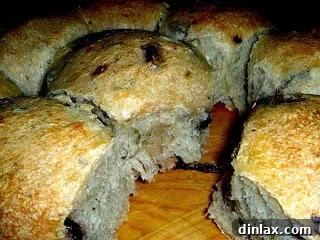
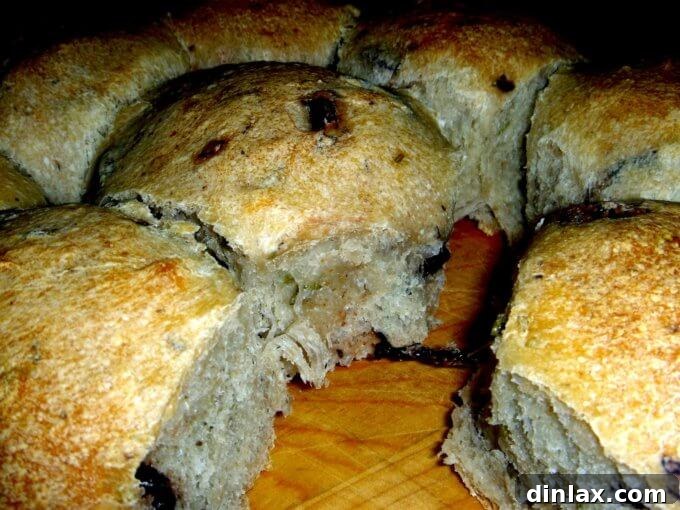
Irresistible Rosemary-Olive Dinner Rolls: A Culinary Journey from Restaurant to Home Kitchen
There are few culinary delights quite as comforting and satisfying as a warm, freshly baked bread roll. This particular recipe for Rosemary-Olive Dinner Rolls was inspired by a memorable dining experience, where the simple pleasure of good bread elevated an entire evening. It’s a testament to how humble ingredients, when combined with care and attention, can create something truly extraordinary right in your own kitchen.
The genesis of these rolls traces back to a late dinner at Meritage, a charming restaurant nestled at 20th and Lombard. My husband and I joined two dear friends, settling into the cozy ambiance of the bar. The initial hour was spent in delightful conversation, sharing laughter and a bottle of wine. As the evening progressed, and with the wine whetting our appetites, we found ourselves utterly famished by the time we placed our dinner order. It was at this perfect moment that the bartender arrived, delivering a basket of piping hot, seeded, and salted rolls to each of our bread plates.
Despite the bartender’s gentle warning that the rolls had just emerged from the scorching oven, their irresistible aroma and warm presence proved too strong to resist. We eagerly tucked in, experiencing that profound satisfaction only warm bread and butter can provide. This moment of pure culinary bliss ignited a desire within me to recreate that same warmth and flavor at home. These Rosemary-Olive Pull-Apart Rolls capture that essence perfectly, releasing fragrant steam as they’re gently separated, and offering an unparalleled taste experience when served immediately with a dollop of softened butter.
Why These Rosemary-Olive Dinner Rolls Are a Must-Try
These aren’t just any dinner rolls; they are a celebration of flavor and texture. The distinct, aromatic notes of fresh rosemary intertwine beautifully with the briny, savory punch of Kalamata olives, creating a complex taste profile that’s both rustic and refined. The soft, tender crumb interior contrasts with a delightfully crisp crust, making each bite an experience in itself. Beyond their exquisite taste, there’s an inherent joy in baking your own bread. The process, from activating the starter to kneading the dough and watching it rise, is deeply therapeutic. The aroma that fills your home as these rolls bake is simply intoxicating, a promise of the deliciousness to come.
Moreover, the “pull-apart” nature of these rolls makes them incredibly fun to share. They encourage communal eating, inviting diners to tear off a piece, revealing the steamy, fragrant interior. Whether served alongside a hearty stew, a light salad, or simply enjoyed on their own with butter, these rolls are versatile and always a crowd-pleaser. They’re perfect for holiday gatherings, weeknight dinners, or even a fancy brunch, adding a touch of homemade elegance to any meal.
The Art of Homemade Yeast Rolls: A Rewarding Baking Journey
Baking with yeast might seem daunting to some, but it’s a deeply rewarding process that yields incredible results. The use of a starter in this recipe adds a layer of depth and complexity to the flavor that’s hard to achieve with commercial yeast alone. A starter, often referred to as a “preferment” or “biga,” contributes to a longer fermentation process, which in turn develops a more nuanced flavor, a better texture, and improved keeping qualities for your bread. It’s a living culture, and caring for it connects you to a long tradition of bread baking.
The beauty of this recipe lies in its balanced approach, combining the richness of a starter with the reliability of instant yeast to ensure a consistent rise and perfect texture. This method demystifies the art of bread making, making it accessible to home bakers of all skill levels. By following the steps carefully, you’ll not only master a fantastic recipe but also gain confidence in working with yeast and dough, opening up a world of baking possibilities.
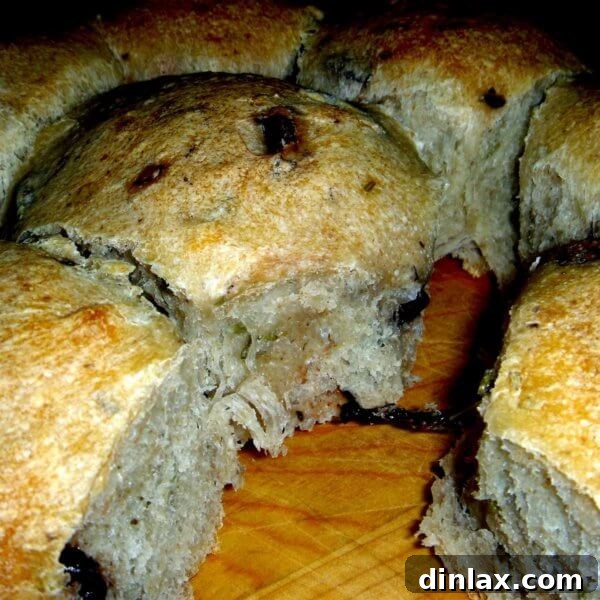
Rosemary-Olive Dinner Rolls
5 Stars
4 Stars
3 Stars
2 Stars
1 Star
No reviews
- Author: Alexandra Stafford
Total Time: 11 hours 5 minutes
Yield: 9 (2-oz) Rolls
Ingredients
Starter:
- 1/4 cup (2.5 oz) water
- a heaping 1/2 cup (2.5 oz) whole wheat flour
Rolls:
- 1/4 cup (2.5 oz) starter
- 1/2 cup (5 oz) water
- 1 and 7/8 cup (8.5 oz) bread flour
- 1/2 tsp. instant yeast
- 1/2 tsp. table salt
- 1/4 cup (2 oz) chopped, pitted Kalamata Olives
- 1 tablespoon finely chopped rosemary
Instructions
- Prepare the Starter: In a medium bowl, combine the 1/4 cup of water and a heaping 1/2 cup of whole wheat flour for the starter. Stir them together until a shaggy mass forms and no dry spots of flour remain. Cover the bowl loosely with plastic wrap and let it stand at room temperature overnight. This allows the natural yeasts in the flour to begin fermenting, developing flavor and activity. You’ll know it’s ready when you see tiny bubbles forming on the surface.
- Mix the Dough: The next day, measure out 1/4 cup (or 2.5 oz) of your active starter and place it into the bowl of a stand mixer fitted with a dough hook. (Refer to the notes below for instructions on how to maintain your leftover starter.) To the mixer bowl, add the 1/2 cup of water, 1 and 7/8 cup of bread flour, and 1/2 teaspoon of instant yeast. Begin mixing on low speed for about one minute until all ingredients come together into a rough, cohesive mass. With the mixer still running on low, sprinkle in the 1/2 teaspoon of table salt. Increase the mixer speed to medium-low and continue mixing for five minutes. During this time, the dough should develop and begin to gather around the dough hook, pulling away from the sides of the bowl. If the dough seems too wet and sticky, add a very small amount of bread flour, a teaspoon at a time, until it wraps around the hook. After five minutes of kneading, reduce the speed back to low, add the 1/4 cup of chopped Kalamata olives and 1 tablespoon of finely chopped rosemary. Mix for an additional 1-2 minutes until the olives and rosemary are just incorporated into the dough. Stop the machine, scrape down any dough clinging to the sides of the bowl or hook, and turn the dough out onto a lightly floured work surface.
- Final Knead and First Rise (Bulk Fermentation): Knead the dough by hand for an additional 2-3 minutes. This final hand-kneading ensures that the rosemary and olives are evenly distributed throughout the dough, preventing any dense pockets or areas without flavor. Once kneaded, dust the work surface with a little more flour, shape the dough into a ball, and cover it with a clean kitchen towel. Allow the dough to rest and rise at room temperature for approximately 90 minutes, or until it has almost doubled in size. This is the bulk fermentation, crucial for flavor development and dough structure.
- Shape the Rolls and Second Rise (Proofing): After the first rise, it’s time to divide and shape your rolls. For consistent roll sizes, you can portion each piece into 2-ounce pieces using a kitchen scale. If you don’t have a scale, simply divide the dough roughly into 9 equal pieces. Prepare a standard baking sheet by lining it with parchment paper or a silicone baking mat (Silpat). Take each piece of dough, gently shape it into a smooth, round ball, and arrange them on the prepared sheet. Place the rolls next to each other so they are just barely touching; this encourages them to rise into each other, creating that appealing pull-apart effect. Lightly spray the tops of the shaped rolls with cooking oil or a fine mist of water to prevent them from drying out. Loosely cover the entire sheet with plastic wrap and place it in a warm area for their second rise, also known as proofing. This stage will take between 30 to 50 minutes, depending on the warmth of your environment, until the rolls are nearly doubled in size and appear puffy.
- Preheat Oven: Approximately 15-20 minutes before you anticipate the rolls finishing their second rise, preheat your oven to a high temperature of 475 degrees F (245 degrees C). A hot oven ensures a good oven spring and a crispy crust.
- Bake and Serve: Once the rolls have puffed up beautifully and look ready, carefully remove the plastic wrap. Gently transfer the baking sheet into the preheated 475°F oven. Bake for approximately 15 minutes. To check for doneness, gently tap one of the rolls; if it sounds hollow, they are ready. If they seem soft or still doughy, return them to the oven and bake for an additional 3-5 minutes, then check again. The rolls should have a lovely golden-brown crust. As soon as they are baked, bring them directly to the table. Exercise caution when pulling them apart, as hot steam will escape. Serve immediately with softened, unsalted butter. Enjoy the warm, fragrant, and utterly delicious Rosemary-Olive Dinner Rolls!
Notes
You will likely have extra starter after measuring out the portion needed for the rolls. To maintain this active starter for future baking, transfer the remaining starter into a clean Tupperware container. Add one cup of fresh water and one cup of whole wheat flour, stirring thoroughly to combine. Let this mixture sit at room temperature for a few hours until you observe active bubbling, then stir again. Once active, store the container in the refrigerator. A well-fed and maintained starter can literally keep indefinitely. I personally keep both a white flour and a whole wheat flour starter in my refrigerator, “feeding” them with equal parts flour and water each time I use a portion for a recipe. This ensures they remain vibrant and ready for your next baking adventure.
Prep Time: 30 minutes
Cook Time: 15 minutes
Tips for Perfect Rosemary-Olive Dinner Rolls
- Accurate Measurements: Especially with baking, precision matters. Use a kitchen scale for flour and water measurements (in ounces or grams) for the most consistent results.
- Dough Consistency: The dough should be tacky but not overly sticky after kneading. Adjust with small amounts of flour or water if necessary. It should pull away from the sides of the bowl during mechanical kneading.
- Warm Proofing Environment: Yeast loves warmth. A slightly warm, draft-free spot is ideal for rising. If your kitchen is cool, you can turn your oven on for a minute, then turn it off and let the dough rise inside with the door ajar.
- Don’t Overproof: While rising is essential, overproofing can lead to dense, yeasty-tasting rolls. Watch for visual cues like doubling in size, rather than strictly adhering to time.
- High Oven Temperature: The initial high heat helps create a beautiful crust and “oven spring,” giving your rolls a light, airy texture.
- Fresh Ingredients: Use fresh rosemary and good quality Kalamata olives for the best flavor. Pit and chop the olives yourself for better texture.
Serving Suggestions and Storage
These Rosemary-Olive Dinner Rolls are incredibly versatile. They make an excellent accompaniment to Italian-inspired dishes, Mediterranean cuisine, or simply as a savory snack. Pair them with a hearty soup or stew, a fresh green salad, or a cheese board. For an extra treat, serve them warm with a sprinkle of sea salt and a drizzle of good olive oil instead of butter.
Leftover rolls can be stored in an airtight container at room temperature for 2-3 days. To reheat, simply warm them in a preheated oven at 350°F (175°C) for 5-7 minutes until soft and warm again. They also freeze beautifully; wrap them tightly in foil and then place them in a freezer bag for up to one month. Thaw at room temperature and reheat as desired.
Conclusion: Bring the Bakery Home
From a delightful restaurant moment to the warmth of your own kitchen, these Rosemary-Olive Dinner Rolls offer a journey of flavor and satisfaction. Baking bread at home is a rewarding endeavor that fills your space with incredible aromas and your table with wholesome, delicious food. This recipe, with its simple steps and impressive results, is an invitation to experience the pure joy of homemade bread. So gather your ingredients, activate your starter, and prepare to impress your family and friends with these utterly irresistible rolls. Happy baking!