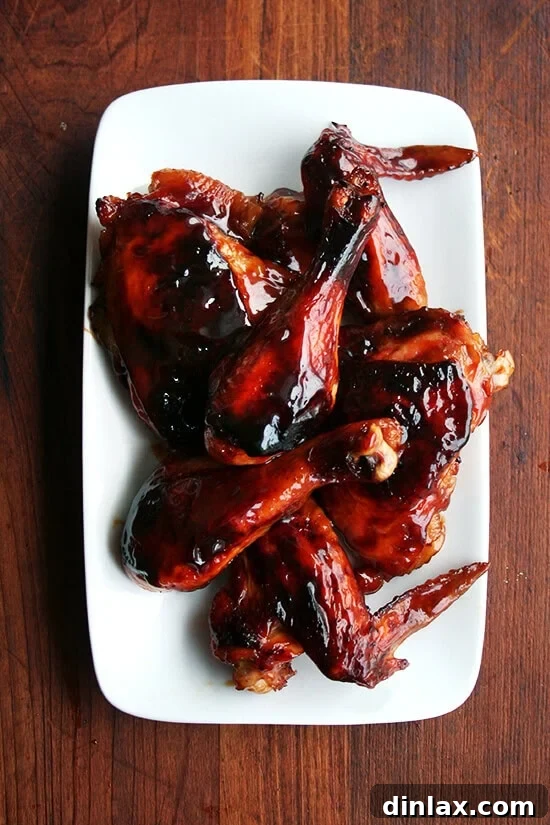
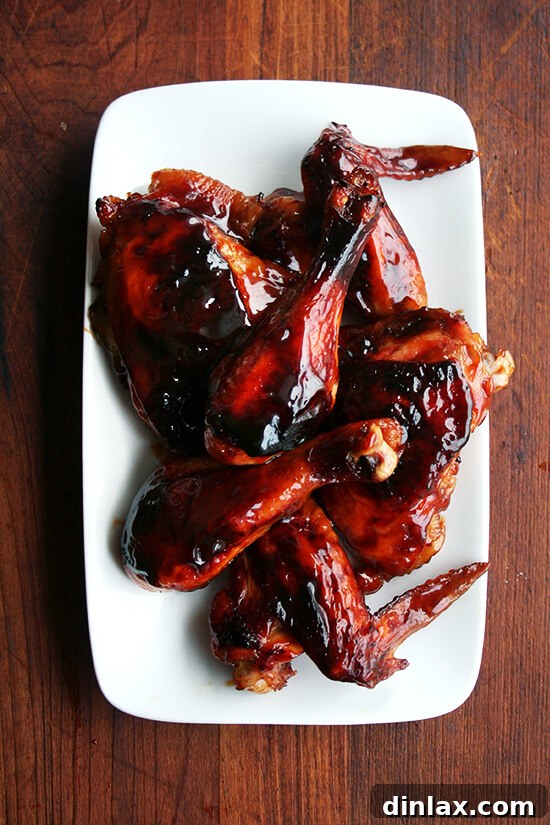
There are some culinary discoveries that just stick with you. For me, one such revelation occurred during my senior year of college. A new Chinese restaurant, conveniently located half a block from my apartment, quickly became a regular haunt. It wasn’t just any Chinese restaurant; it was the place where I first encountered chicken teriyaki made with succulent chicken thighs. The moment I tasted that rich, tender dark meat coated in a savory-sweet glaze, I knew I had stumbled upon something special. I remember rushing home, practically bursting with excitement, to share this groundbreaking news with my roommate. Her reaction, as you might predict, was less enthusiastic. Her silence, however, was loud, conveying a mix of “Why should I care?” and “Only you would get this excited about chicken thighs.” (I still love you, Chandra, even if you didn’t understand my culinary passion back then.)
I’ve always been a proponent of dark meat chicken. While many prefer the lean simplicity of white meat, I’ve consistently found that bone-in, skin-on thighs and drumsticks offer unparalleled flavor, juiciness, and a wonderfully crispy skin when cooked right. Despite my many attempts to convert fellow diners, the preference for white meat persists. So, when I flipped through a July issue of Food & Wine magazine, a special edition celebrating 25 years of mega-talents and their most cherished recipes, I was intrigued. The issue featured a recipe for classic chicken teriyaki by none other than Nobu Matsuhisa, the legendary chef whose innovative approach to Japanese cuisine has captivated palates worldwide. What truly caught my attention was that Nobu’s recipe called for boneless, skinless chicken breasts. This challenged my preconceived notions, and I knew I had to give it a try.
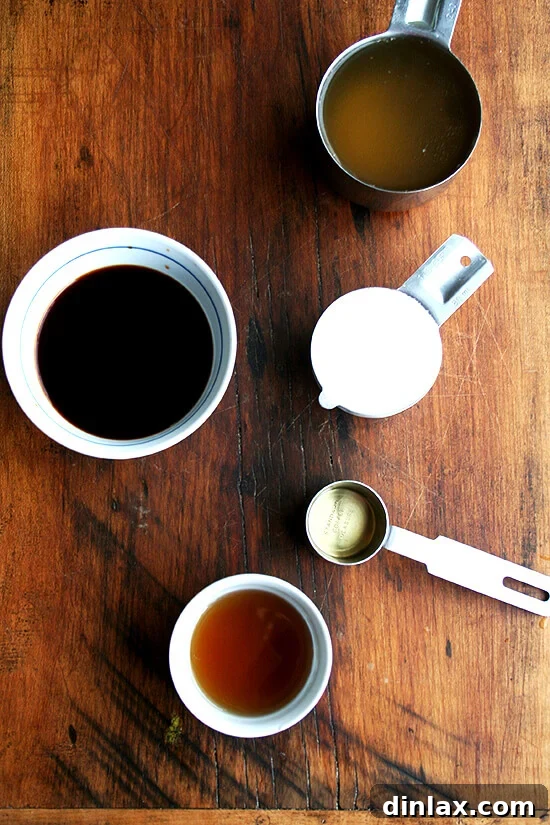
The allure of Nobu’s teriyaki recipe extended beyond his choice of chicken cut; it was the sauce itself that promised simplicity and depth. This five-ingredient wonder couldn’t be easier to assemble, yet it delivers a flavor profile that rivals any takeout version. The magic components are chicken stock, soy sauce, sugar, mirin, and sake (or a suitable white wine alternative). These ingredients gently simmer together for approximately 20 minutes, or until the mixture transforms into a rich, syrupy consistency. The brilliance of this method lies in its reliance on reduction. Unlike many commercial or quick teriyaki sauces that achieve thickness through cornstarch slurries, which can often leave an undesirable “starchy” aftertaste, this sauce thickens naturally. The slow reduction concentrates the flavors, creating a glaze that is both intensely flavorful and wonderfully smooth.
The resulting sauce is a masterful dance between salty and sweet, a dynamic often found in teriyaki but executed here with exceptional balance and versatility. It’s not just for chicken; a spoonful of this homemade teriyaki can elevate a simple vegetable stir-fry, adding a burst of umami and sweetness. I’ve even stirred a few teaspoons into a pot of jasmine rice, transforming a plain side dish into something subtly exotic and incredibly satisfying. The depth of flavor achieved through this simple reduction process is truly remarkable, making it a staple in my kitchen for various applications.
After experiencing the delightful taste of Nobu’s teriyaki sauce drizzled over perfectly pan-fried chicken breast, I was utterly convinced of its quality. However, my deep-seated preference for dark meat compelled me to experiment further. I wondered how this exquisite sauce would fare with chicken thighs and drumsticks. The beauty of using dark meat is that the chicken and sauce can cook together, allowing the flavors to meld beautifully. The sauce begins to thicken in the oven as it bakes with the chicken, then finishes reducing on the stovetop once the chicken is cooked through, achieving that perfect glossy, syrupy glaze. This dual cooking method ensures the dark meat remains incredibly moist and tender while soaking up every ounce of that delicious teriyaki flavor.
Unsurprisingly, I found myself even more enamored with the chicken teriyaki prepared with dark meat. The bone-in, skin-on pieces not only offered a more robust flavor but also a satisfying textural contrast with the crispy skin. In my heart, I harbor a secret suspicion that perhaps Nobu himself might, deep down, share my dark meat preference, even if his published recipe called for breast. A girl can dream, right? This recipe truly offers the best of both worlds, allowing you to choose your preferred cut of chicken while still achieving an authentic, restaurant-quality teriyaki experience right in your own kitchen.
Who knew making a truly exceptional teriyaki sauce could be so straightforward? With just five essential ingredients—chicken stock, soy sauce, sugar, mirin, and sake (or white wine)—you can create a versatile, flavorful base. Simply combine them and simmer for about 20 minutes until it reaches a beautiful, syrupy consistency. This simple process eliminates the need for artificial thickeners and ensures a pure, intense flavor that will impress any palate.
While marinating chicken in the teriyaki sauce can certainly enhance its flavor, it’s not strictly necessary. The reduction process and the inherent richness of the sauce ensure a delicious result even without extended marination time. However, if you have the foresight and time, allowing the chicken to soak in the sauce for a few hours in the refrigerator can deepen the flavor and tenderize the meat further.
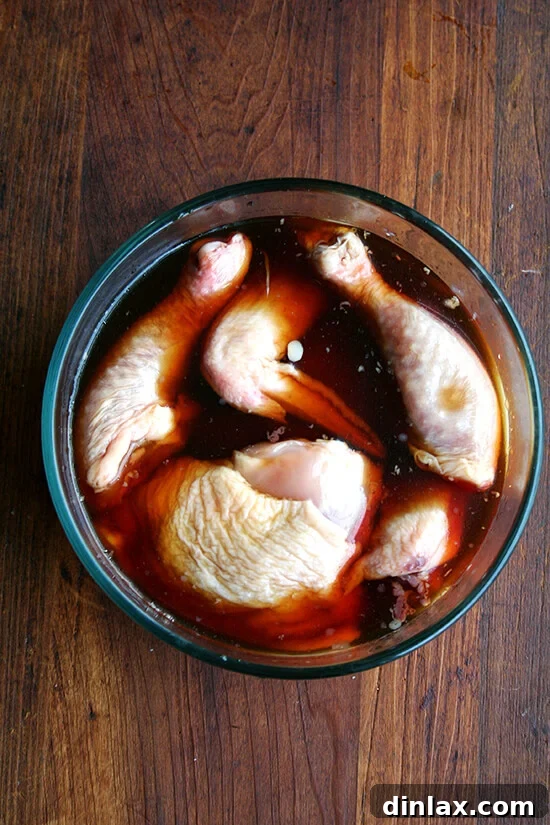
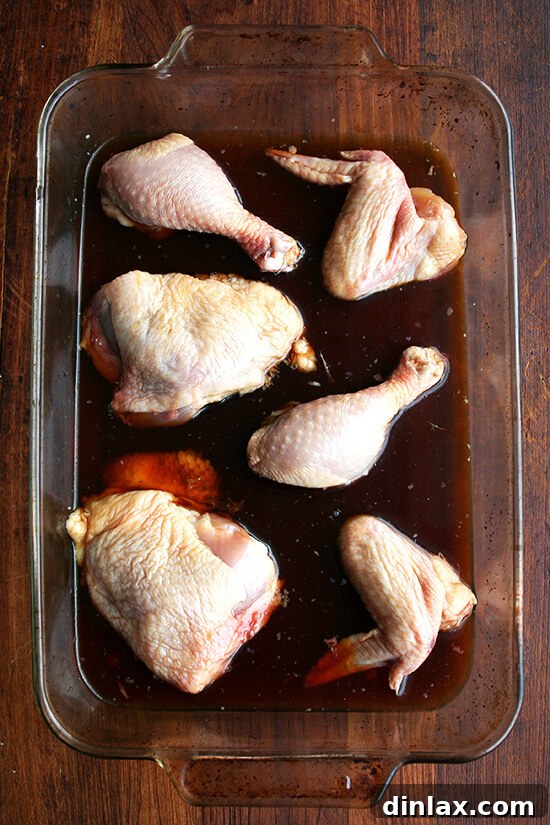
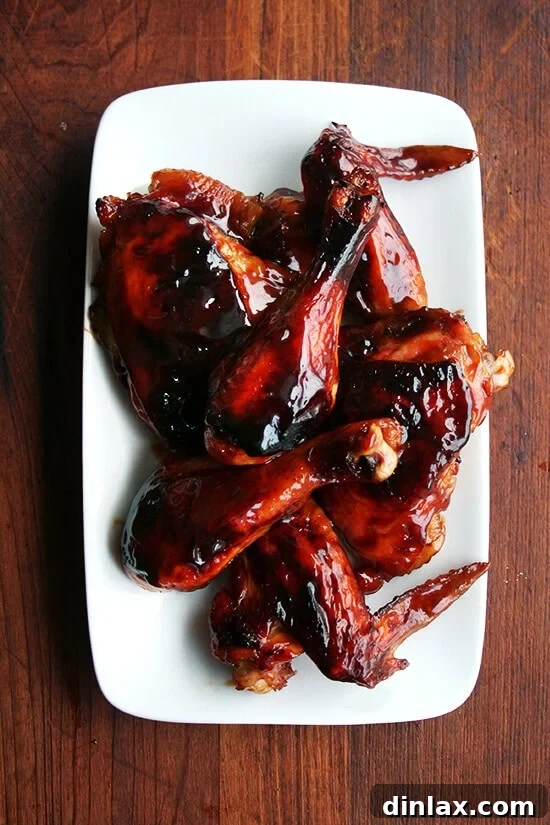
When opting for dark meat cuts like thighs, drumsticks, or wings, roasting them directly with the sauce in the oven is highly recommended. This method allows the chicken to cook evenly, rendering the fat for crispy skin, while the sauce slowly reduces and caramelizes around the meat, infusing it with incredible flavor.
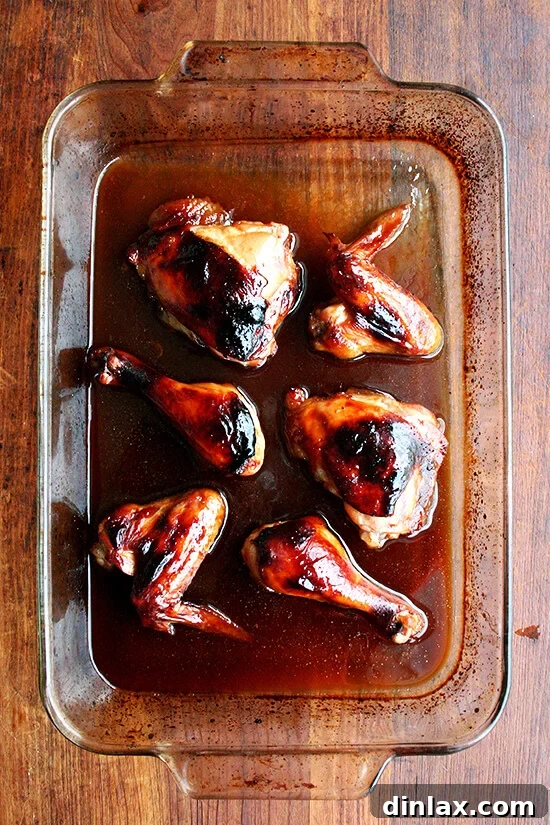
After the initial roasting phase, transferring the remaining sauce to the stovetop for a final reduction ensures it reaches the perfect consistency. This extra step guarantees a thick, glossy glaze that clings beautifully to the cooked chicken, enhancing both its visual appeal and taste.
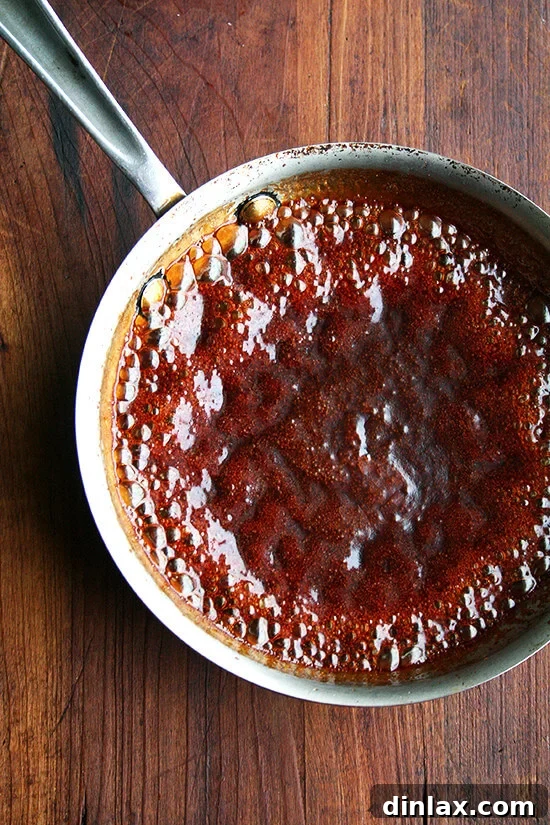
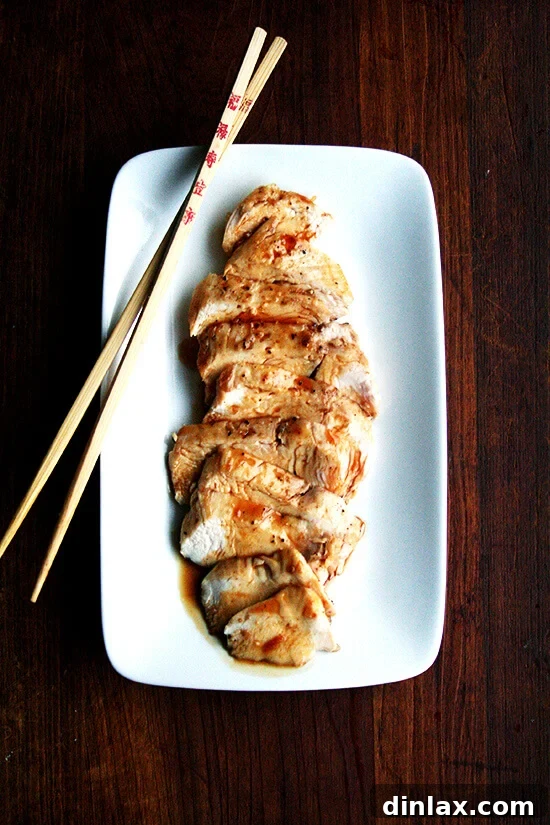
For those preparing chicken breasts, the sauce is initially simmered on the stovetop for about 20 minutes, allowing it to reach that desired syrupy thickness before being drizzled over the cooked white meat. This approach ensures that the delicate chicken breast isn’t overcooked while still receiving the full impact of the rich teriyaki glaze.
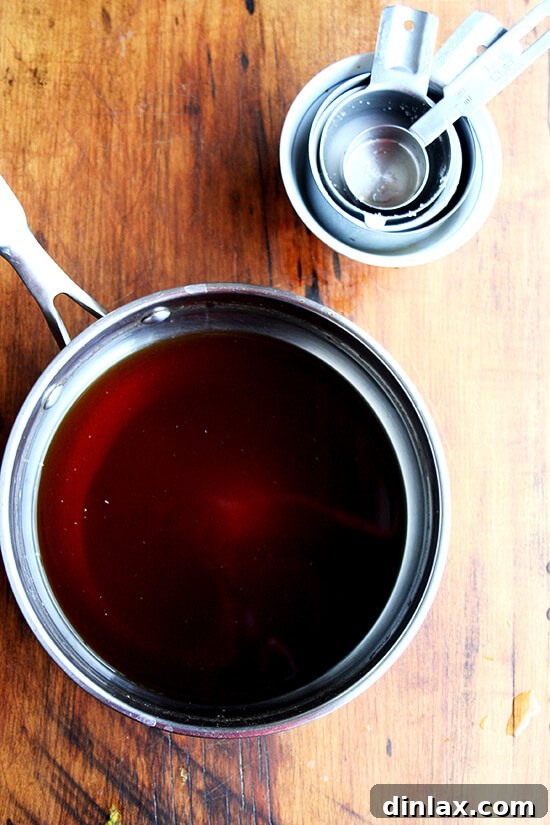
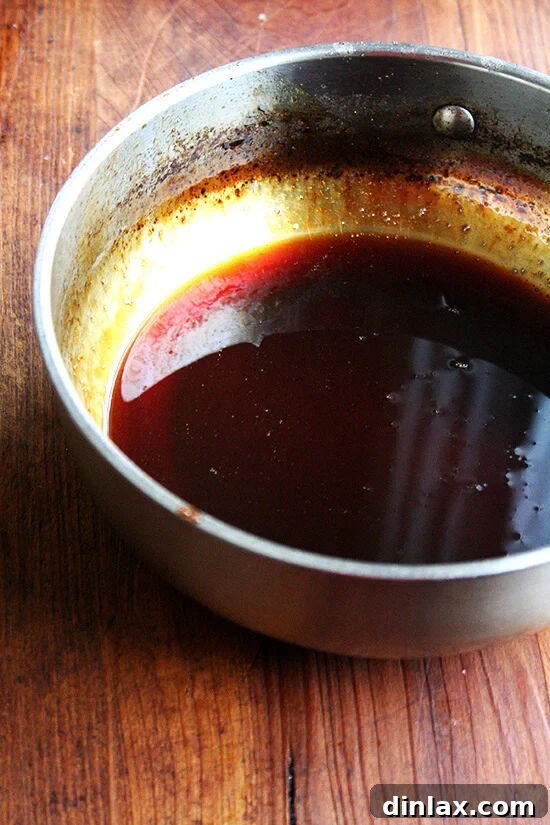
The goal is a thick, syrupy sauce that coats the back of a spoon, signaling it’s ready to elevate your chicken dish. This careful reduction process is the secret to a professional-tasting teriyaki sauce at home.
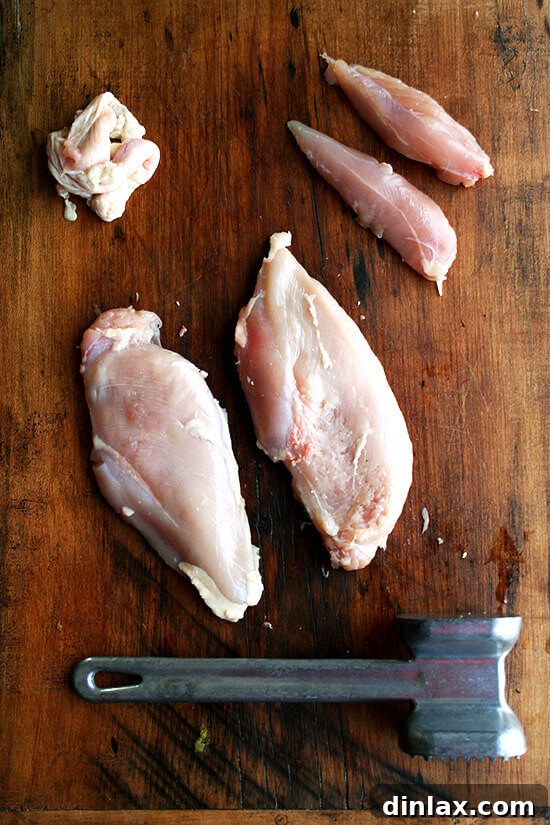
When cooking chicken breasts for teriyaki, a crucial tip is to lightly pound them before pan-frying. This technique ensures an even thickness, allowing the chicken to cook uniformly and preventing drier, tougher spots. Pound them to about a 1/2-inch thickness for optimal results.
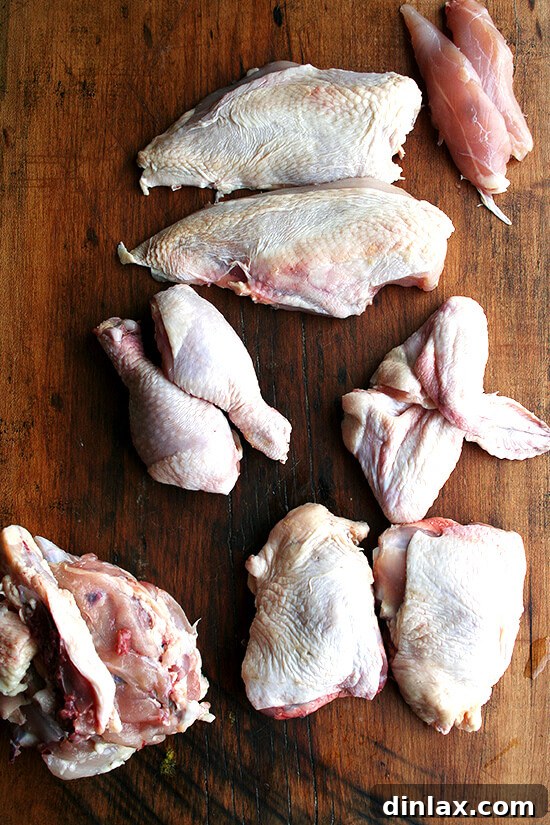
For those interested in mastering chicken preparation, I’ve previously shared this video on how to properly cut up a whole chicken. It’s an invaluable skill that gives you access to a variety of cuts and can be more economical. Additionally, this detailed post offers even more comprehensive instructions on the art of chicken butchery. Learning to break down a whole chicken allows for greater customization in your cooking, whether you prefer breasts, thighs, or a mix of both for your teriyaki.
Beyond the cooking, maintaining your kitchen tools is just as important. If you’re using a cast iron skillet for pan-frying your chicken, proper cleaning is essential for its longevity and performance. To clean your cast iron skillet effectively and gently, sprinkle a generous, even layer of kosher salt into the pan, then turn the heat to medium-high. This method helps to absorb oils and dislodge stuck-on food bits without the need for harsh soaps that can strip away the pan’s seasoning.
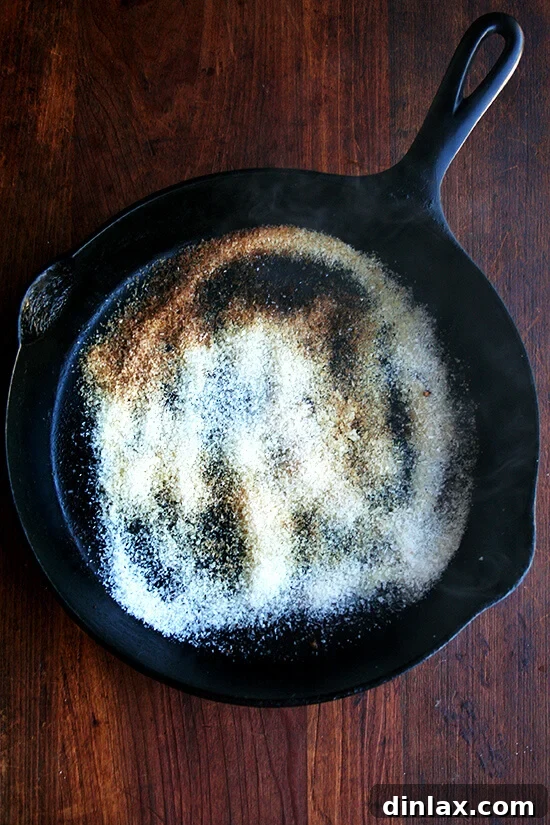
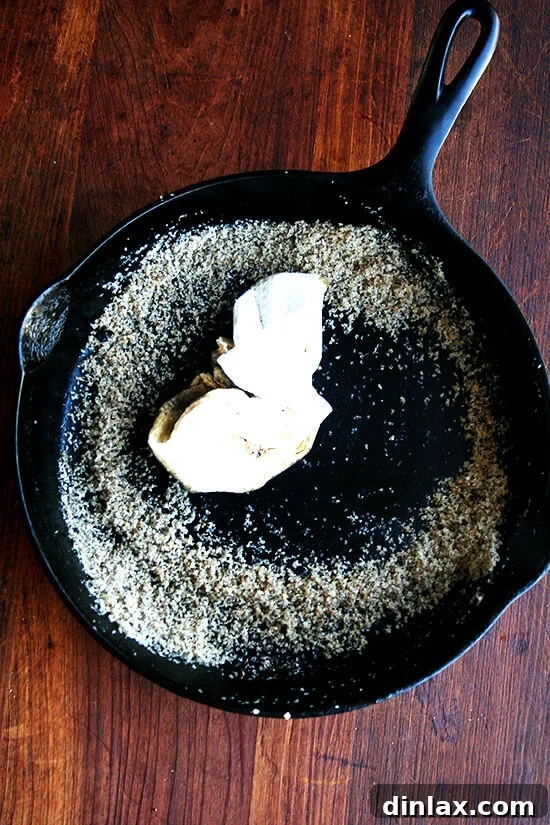
Once the salt begins to brown and sizzle, turn off the heat and allow the pan to cool slightly. Using a bundled paper towel, carefully wipe out the hot salt, effectively scraping away any food residue and absorbed grease. Discard the used salt. Finish by drizzling a small amount of oil into the clean, warm pan and giving it one final wipe. This re-seasons the pan and leaves it perfectly conditioned for your next culinary adventure. This simple routine keeps your cast iron in prime condition, ready to deliver perfectly cooked meals every time.
Print Recipe
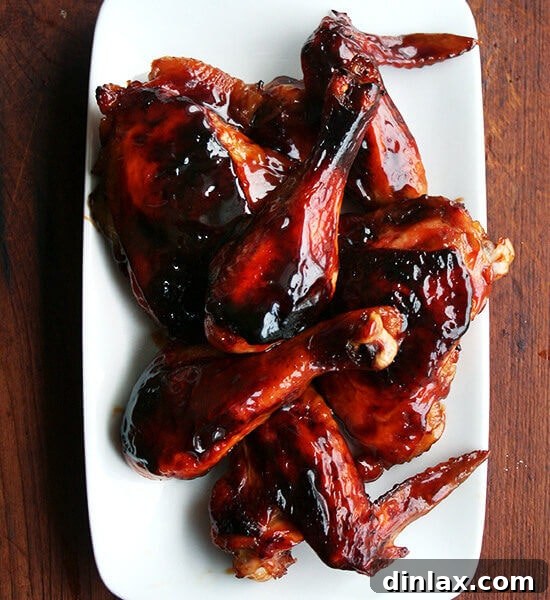
Nobu’s Chicken Teriyaki Two Ways: A Masterclass in Homemade Flavor
5 Stars 4 Stars 3 Stars 2 Stars 1 Star
5 from 1 review
Author: alexandra
Total Time: 60 minutes
Yield: 4 1x
Description
Inspired by the renowned Food & Wine adaptation of Nobu’s recipe, this guide shows you how to prepare exquisite homemade chicken teriyaki two ways: with tender dark meat or lean chicken breasts. I often begin with a whole chicken, expertly cutting it into eight pieces (see video for guidance). This allows for cooking the dark meat on the first night, leaving ample sauce for the chicken breasts on a second evening – a fantastic meal prep strategy! The versatile sauce can also be made ahead of time and reheated as needed. For serving suggestions, consider steamed broccoli lightly seasoned with a pinch of salt and a touch of sesame oil, alongside a bed of plain white or brown rice (Jasmine rice is a personal favorite). A crucial tip: I highly recommend using low-sodium soy sauce and chicken stock. Since the teriyaki sauce reduces significantly, the salt concentrates, and regular sodium ingredients can lead to an overly salty final product. Opting for low-sodium ensures a perfectly balanced, flavorful glaze.
Ingredients
- 1 cup chicken stock, preferably homemade, low-sodium if store-bought
- 1/3 cup low-sodium soy sauce
- 1/3 cup granulated sugar
- 2 tablespoons mirin (sweet rice wine)
- 2 tablespoons sake or dry white wine
- 4 to 6 pieces bone-in, skin-on chicken thighs, drumsticks, or wings; OR four 6-ounce boneless, skinless chicken breasts, lightly pounded to even thickness; OR 1 whole chicken, expertly cut into 8 pieces
- Salt, to taste
- Freshly ground black pepper, to taste
- 2 tablespoons olive oil (for pan-frying breasts)
Instructions
- Prepare the Teriyaki Sauce (General Method): In a medium bowl, combine the chicken stock, low-sodium soy sauce, sugar, mirin, and sake (or white wine). Whisk thoroughly until the sugar completely dissolves. This is your base teriyaki sauce.
For Dark Meat Preparation: If you’re using bone-in, skin-on chicken thighs, drumsticks, or wings, you have the option to marinate. Place the chicken pieces in a sturdy storage vessel or a plastic bag and pour the prepared sauce over them. Marinate in the refrigerator for at least 30 minutes, or ideally for several hours (up to 4-6 hours for maximum flavor absorption). This step is optional but highly recommended to infuse the chicken with even more flavor.
For Chicken Breast Preparation: If you are using boneless, skinless chicken breasts, you will reduce the sauce separately. Pour the prepared sauce mixture into a medium saucepan. Bring the sauce to a rolling boil over high heat, stirring continuously to ensure any remaining sugar dissolves. Once boiling, reduce the heat to a moderate setting and allow it to simmer gently. Continue simmering for approximately 20 minutes, or until the teriyaki sauce reduces to about 1/2 cup in volume and achieves a visibly thick, syrupy consistency that coats the back of a spoon. Set aside. - Cook the Chicken (Two Ways):
If using Dark Meat (Roasting Method): Preheat your oven to 450ºF (230ºC). Arrange the marinated chicken pieces (or unmarinated, if skipping that step) in a 9×13-inch baking pan, ensuring there is ample space between each piece for even cooking and browning. Place the pan in the preheated oven and roast for an initial 30 minutes. After 15 minutes, check the chicken; if it appears to be browning too quickly, reduce the oven temperature slightly to 400ºF (200ºC). A little charring is desirable for flavor, but avoid excessive burning. After the initial 30 minutes, reduce the oven heat to 350ºF (175ºC) and continue cooking for another 20 to 25 minutes, or until the chicken is thoroughly cooked through and reaches an internal temperature of 165°F (74°C). Carefully remove the chicken to a clean serving dish, bowl, or platter. Transfer any remaining sauce from the baking pan to a small saucepan and place it over medium heat on the stovetop. Simmer this sauce until it further reduces to approximately 1/2 cup and reaches a thick, syrupy consistency. Pour this concentrated sauce generously over the roasted chicken.
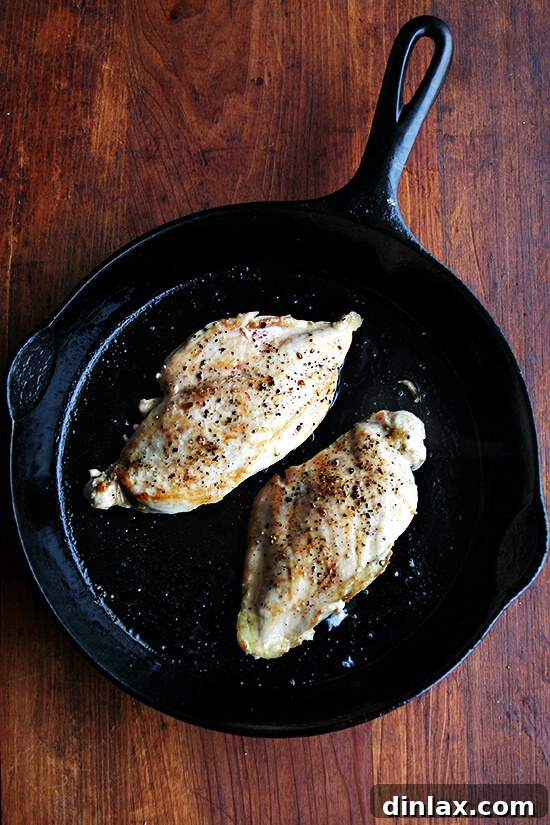
If using Chicken Breasts (Pan-Frying Method): Season your lightly pounded chicken breasts generously with salt and freshly ground black pepper on both sides. In a large, heavy skillet (cast iron works wonderfully here), heat 1 tablespoon of olive oil over moderately high heat until shimmering. Carefully add the seasoned chicken breasts to the hot skillet. Cook for 8 to 9 minutes, turning the chicken once halfway through, until both sides are beautifully browned and the chicken is cooked through (internal temperature of 165°F / 74°C). Transfer the cooked chicken breasts to a plate and let them rest for 5 minutes. - Final Assembly and Serving:
For Chicken Breasts: Once rested, slice the chicken breasts crosswise at a slight bias into appealing strips. Arrange the sliced chicken on individual serving plates. Drizzle the prepared, reduced teriyaki sauce generously over the chicken.
For Dark Meat: The roasted dark meat, already coated with the reduced sauce, is ready to be served immediately from the platter.
Serve your delicious Nobu’s Chicken Teriyaki hot with your favorite accompaniments like steamed rice and crisp vegetables.
- Prep Time: 10 minutes
- Cook Time: 50 minutes