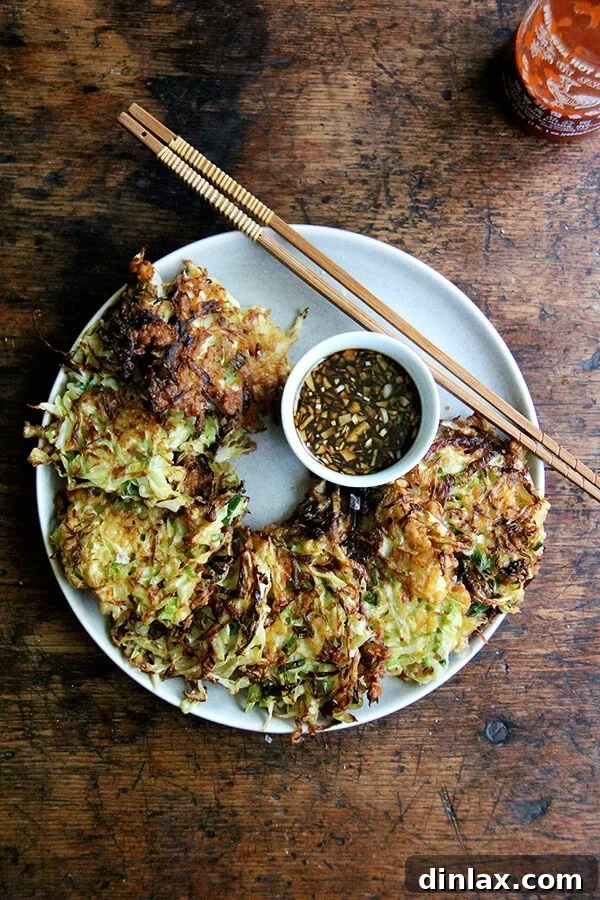
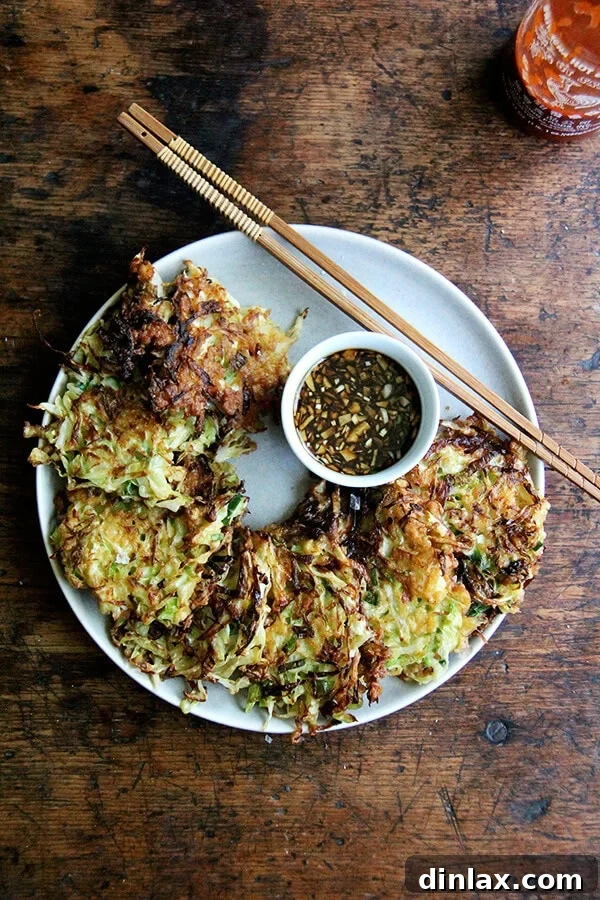
“It’s the size of a bowling ball!” my mother exclaimed, holding a truly enormous head of cabbage before me. She had just embarked on her first journey with a Community Supported Agriculture (CSA) share, and it was clear she felt a tad overwhelmed by the sheer volume and variety of produce.
These feelings are entirely natural, especially when presented with unfamiliar items or quantities that seem designed to feed a small army. Questions like, “What on earth is a kohlrabi?”, “What am I supposed to do with four massive beets?”, or “Do I now own a cabbage large enough for an entire village?” often arise. But fear not, for culinary adventures often spring from such abundance! And for my mother, and indeed for anyone facing a bountiful cabbage harvest, there exists a delightful solution: Okonomiyaki, the beloved Japanese cabbage pancake.
Okonomiyaki is not just a dish; it’s a philosophy encapsulated in food. The name itself, derived from okonomi (meaning “how you like”) and yaki (meaning “grill” or “fry”), perfectly describes its essence: a versatile, customizable pancake prepared exactly “as you like it.” This makes it an ideal recipe for using up vegetables, experimenting with flavors, and satisfying diverse palates.
The Art of Okonomiyaki: A Culinary Canvas for Cabbage
My first foray into the world of Okonomiyaki happened last summer, guided by a fantastic recipe from Food52. Since then, I’ve explored countless variations, each delightful in its own right. What I love most about Okonomiyaki is its incredible adaptability. It’s a culinary canvas where cabbage takes center stage, but you are the artist, free to add a splash of color and flavor with whatever ingredients inspire you.
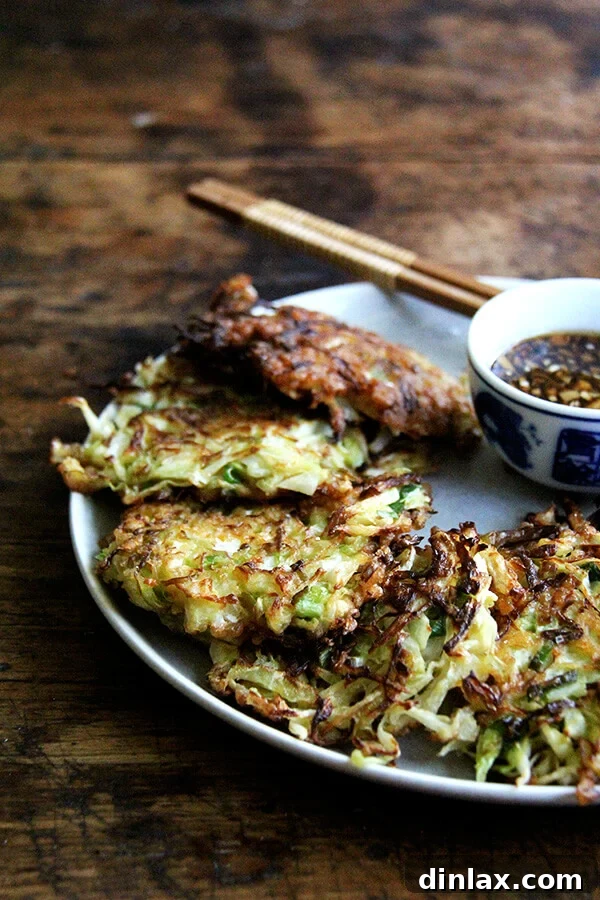
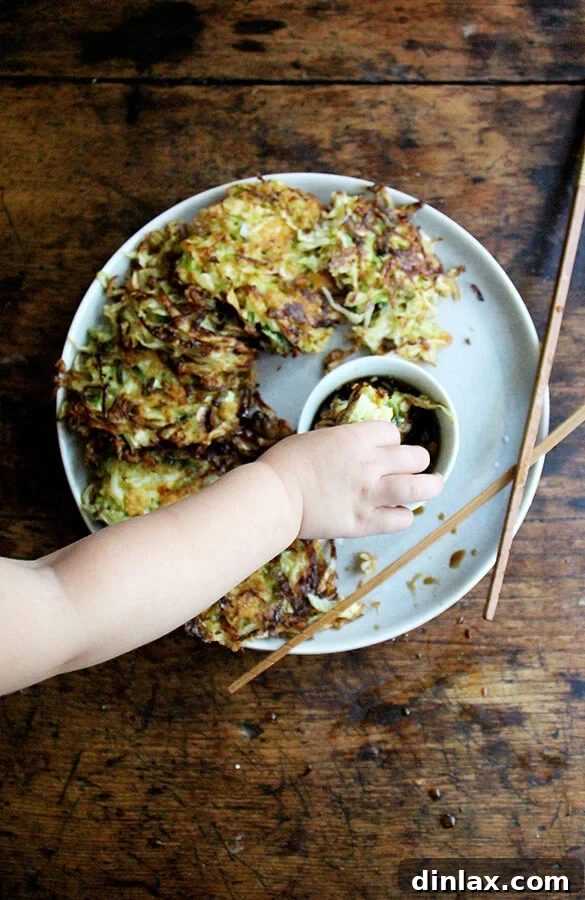
While traditional Okonomiyaki often features a sweet-savory brown sauce and a generous drizzle of Japanese mayonnaise, my personal preference leans towards a lighter, soy-based dipping sauce. This choice offers a crisp, umami-rich counterpoint to the savory pancakes, much like how I adore serving my corn fritters. These cabbage pancakes are truly irresistible, whether enjoyed piping hot and freshly fried or savored cold straight from the refrigerator, making them perfect for meal prep or impromptu snacking.
Why Cabbage is the Perfect Ingredient for Pancakes
Cabbage might seem like a humble vegetable, but its role in Okonomiyaki is nothing short of brilliant. When finely shredded and incorporated into the batter, cabbage softens beautifully during cooking, lending a tender texture and a subtly sweet, earthy flavor that complements the other ingredients without overpowering them. It adds bulk and a satisfying chewiness, transforming a simple pancake into a hearty and fulfilling meal.
Beyond its culinary attributes, cabbage is a nutritional powerhouse. It’s packed with vitamins (especially C and K), minerals, and fiber, making Okonomiyaki not just delicious but also a wholesome choice. For those confronted with a massive head of cabbage from a CSA box, this recipe offers an excellent and enjoyable way to utilize a significant portion of it, turning a potential kitchen conundrum into a delightful culinary triumph.
This particular version I’m sharing today is perhaps the simplest I’ve made, and quite possibly my favorite. It focuses on the pure, satisfying combination of fresh cabbage, eggs, and a light batter, allowing the natural flavors to shine. Yet, remember the “as you like it” philosophy! Feel free to customize. Consider adding cooked shrimp or chicken for extra protein, a sprinkle of toasted sesame seeds for crunch, or a dash of bonito flakes for an authentic umami kick. Other vegetables, finely diced, can also be folded into the batter, making this recipe a truly flexible foundation for your culinary creativity.
Print Recipe
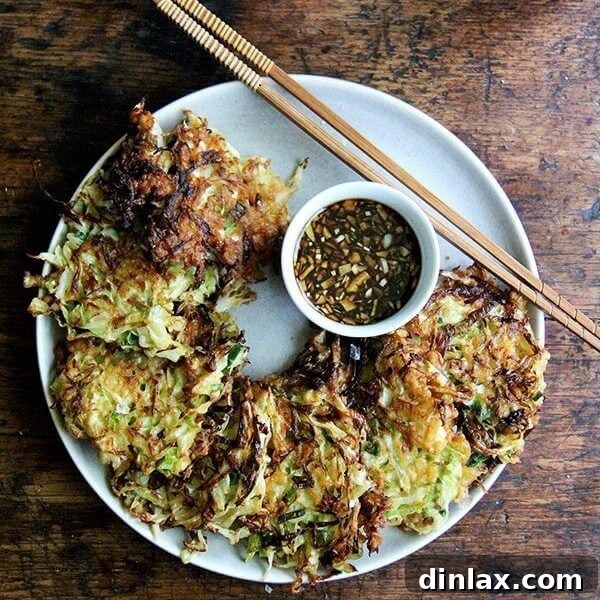
Okonomiyaki: Japanese Cabbage Pancakes with a Savory Soy Dipping Sauce
★
★
★
★
☆
4.7 from 13 reviews
- Author: Alexandra Stafford
- Total Time: 30 minutes
- Yield: 15 to 20 pancakes
Description
Adapted from Food52, these Japanese cabbage pancakes are wonderfully simple to prepare and an excellent way to make delicious use of an abundance of fresh cabbage. My version significantly increases the cabbage content (8 cups compared to 2 in the original recipe) for a more substantial and vegetable-rich pancake, while omitting shrimp for a vegetarian-friendly base, though shrimp makes a fantastic addition if you desire.
I find these pancakes are best served with a bright, savory soy-based dipping sauce, offering a delightful contrast to the rich batter. The sauce recipe provided below is one I’ve relied on for years, but feel free to customize it or use your favorite complementary sauce.
Ingredients
For the Pancakes:
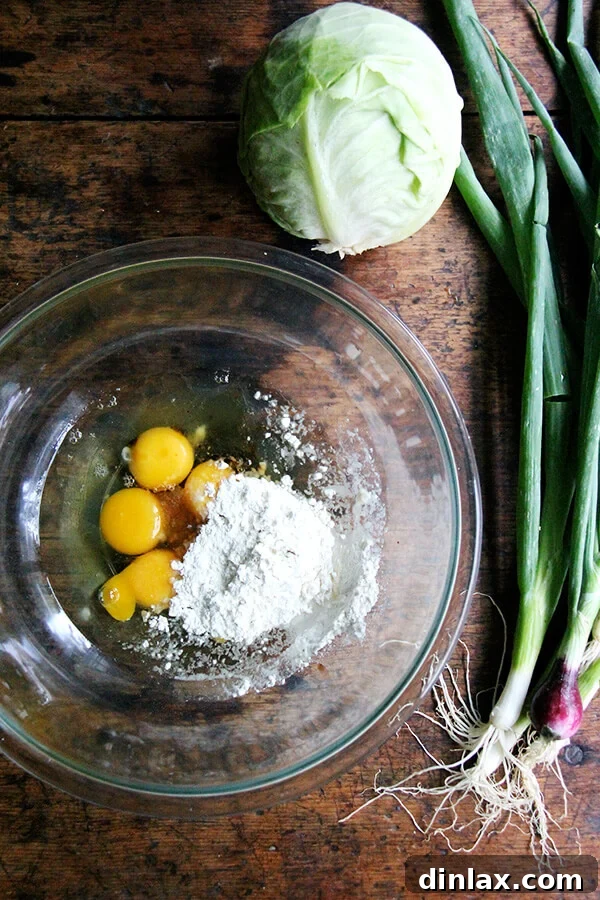
- 5 large eggs
- 1 teaspoon soy sauce
- 1 teaspoon sesame oil
- 1 teaspoon sea salt, plus extra for seasoning after frying
- 1/3 cup all-purpose flour
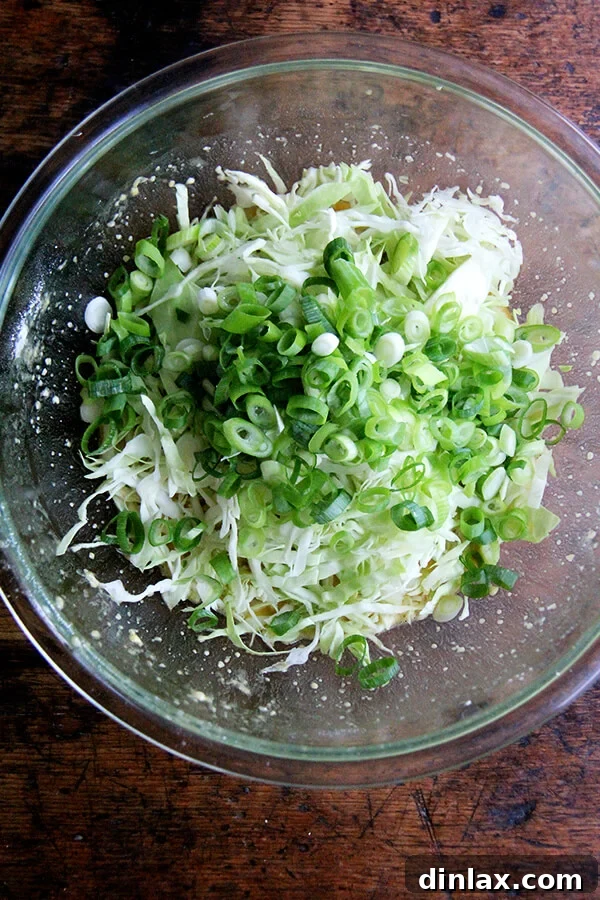
- 8 cups finely shredded green cabbage (about 1 medium head)
- 1 bunch scallions, trimmed and finely chopped (yielding approximately 1 heaping cup)
For the Soy Dipping Sauce:
- ¼ cup soy sauce
- 2 tablespoons rice vinegar
- 2 tablespoons mirin (Japanese sweet cooking wine)
- 1 teaspoon hot chili sauce or Sriracha (optional, for a spicy kick)
- ½ teaspoon sesame oil
- 1 teaspoon granulated sugar
- Grapeseed or other neutral oil for frying the pancakes
Instructions
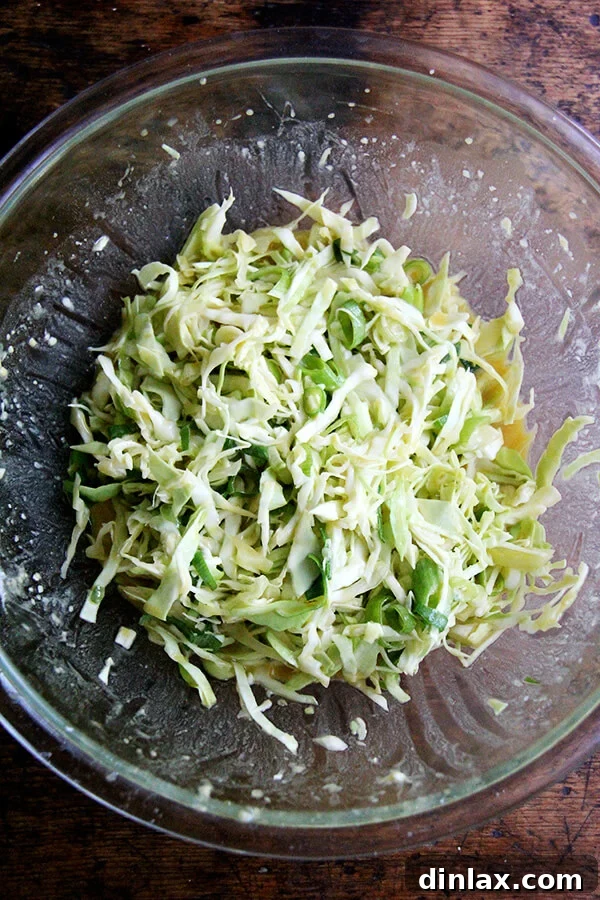
- Prepare the Batter: In a generously sized mixing bowl, whisk together the eggs, soy sauce, sesame oil, and 1 teaspoon of sea salt until well combined. Gradually add the flour, whisking continuously until a smooth batter forms and no lumps remain. Gently fold in the finely shredded cabbage and chopped scallions, ensuring they are evenly distributed throughout the batter.
- Make the Dipping Sauce: In a small separate bowl, combine all the ingredients for the soy dipping sauce: soy sauce, rice vinegar, mirin, hot chili sauce (if using), sesame oil, and sugar. Stir well until the sugar is dissolved. Add 1 tablespoon of water to slightly thin the sauce. Taste and adjust seasonings as needed. Set aside.
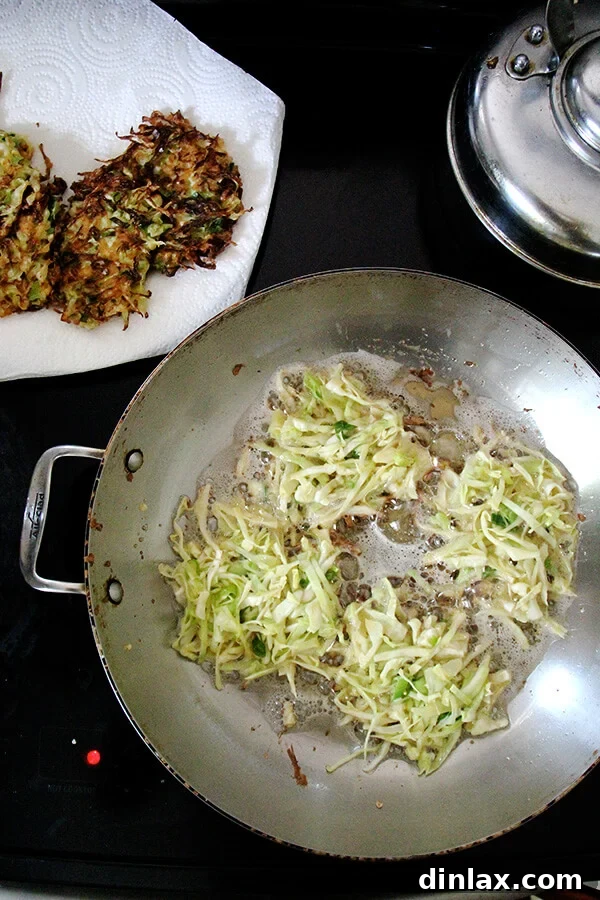
- Fry the Pancakes: Heat a couple of tablespoons of grapeseed or other neutral oil in a large sauté pan or skillet over medium-high heat. The oil should be glistening and shimmering, indicating it’s hot enough. Using your hands or a large spoon, pinch off and carefully drop mounds of the Okonomiyaki batter into the hot oil. Avoid overcrowding the pan; typically, a large skillet can accommodate 3-4 pancakes at a time.
- Cook to Golden Perfection: Once the pancakes are in the pan, immediately reduce the heat to medium. Cook for approximately 3-4 minutes per side, or until each pancake is beautifully golden brown and cooked through. The exact timing may vary depending on the thickness of your pancakes and your stovetop.
- Season and Serve: As each batch of pancakes finishes cooking, transfer them to a plate lined with paper towels to absorb any excess oil. Lightly season the freshly fried pancakes with a pinch of sea salt. Serve the Okonomiyaki immediately, accompanied by the prepared soy dipping sauce. Enjoy the delightful blend of textures and flavors!
- Prep Time: 10 minutes
- Cook Time: 20 minutes
There are so many wonderful cabbage recipes to explore, but Okonomiyaki holds a special place in my heart for its simplicity and endless possibilities. It’s a dish that encourages creativity and makes even the most daunting head of cabbage a welcome sight in the kitchen.
Have a wonderful weekend, and happy cooking, Everyone!