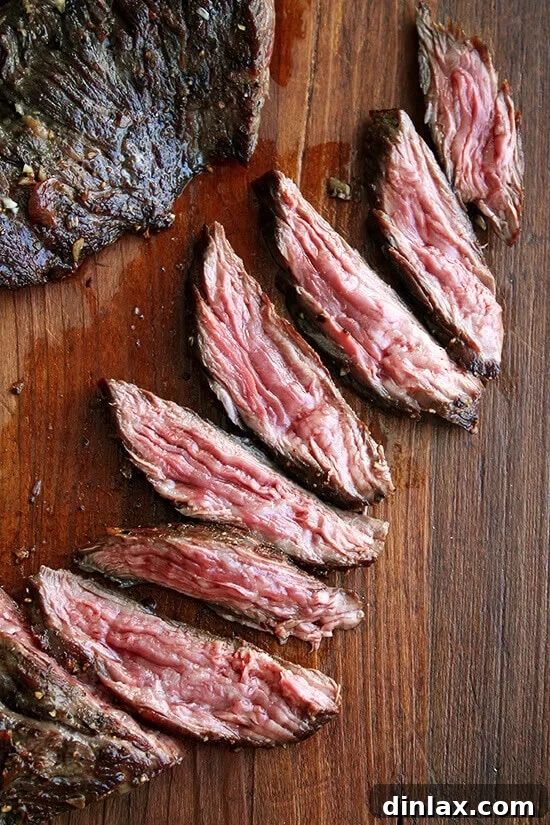
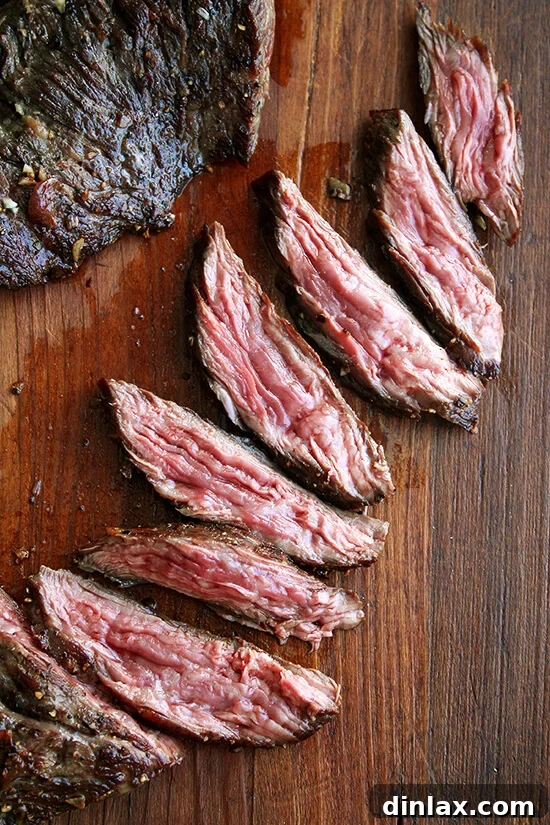
Pan-Seared Skirt or Flap Steak with Exquisite Red Wine Shallot Sauce: Your Guide to Bistro-Style Perfection at Home
There’s a curious phenomenon in the kitchen. Some moments, like a busy day or a fleeting year, seem to rush by in an instant. Yet, the ten minutes a perfectly cooked steak needs to rest can feel like an eternity. With its tantalizing crispy bits and the promise of a delicious meal, a steak resting on the cutting board can indeed be a test of willpower. The carving knife gleams, reflecting the anticipation in your eyes, urging you to succumb before its time.
The Secret to a Perfect Steak: Patience and a Stellar Sauce
The only way to conquer those agonizing ten minutes of waiting is to keep busy. And what better distraction than crafting a simple, yet profoundly flavorful pan sauce? This red wine-shallot reduction, inspired by the renowned Daniel Boulud, is the perfect companion. Not only does it transform ordinary ingredients into something extraordinary, but it also makes those ten minutes vanish, ensuring your steak rests undisturbed, achieving peak tenderness and juiciness.
Crafting the Red Wine Shallot Sauce: A Symphony of Flavors
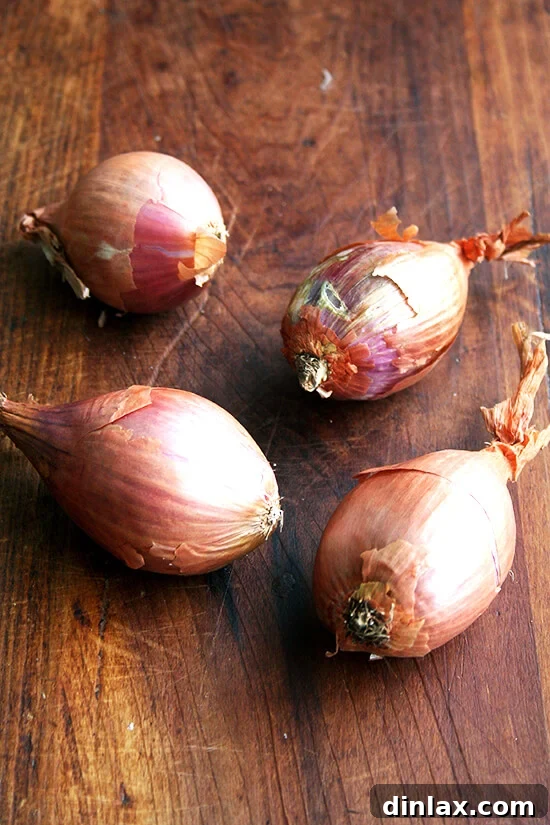
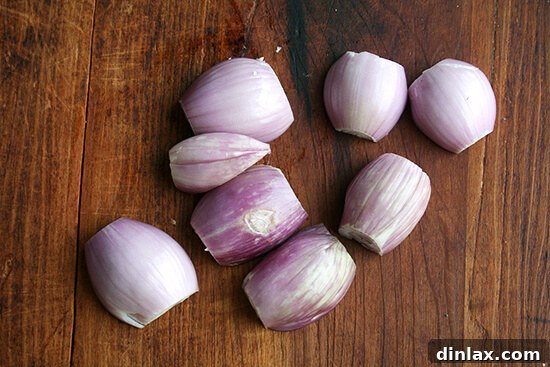
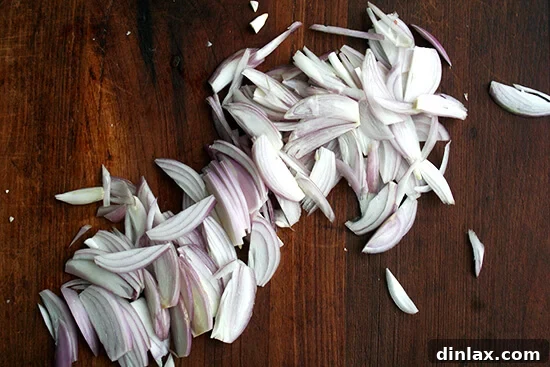
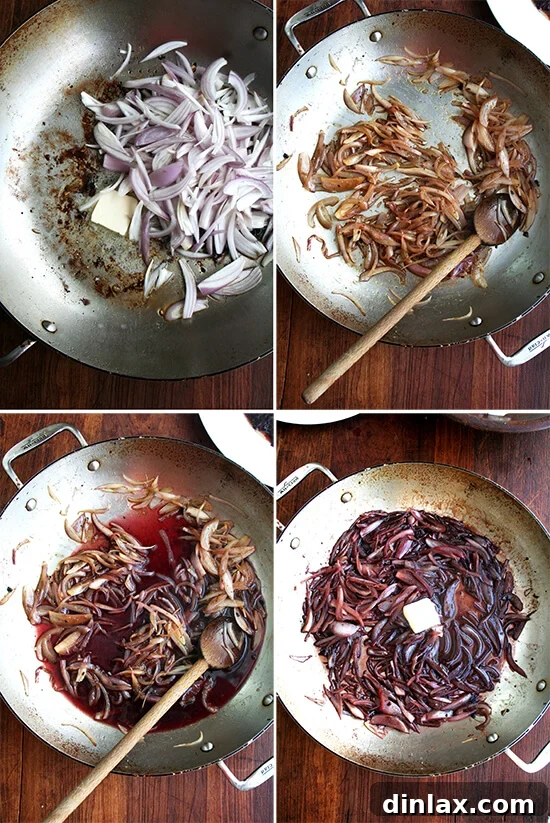
This exquisite sauce demands little effort but yields immense reward. You’ll need just a handful of ingredients: shallots, red wine vinegar, red wine, and butter. The process begins as soon as your steak finishes cooking. In the same pan, a tablespoon of butter melts into the savory browned bits left behind by the steak. Thinly sliced shallots are then added, gently sweating until soft and fragrant, absorbing all the delicious fond.
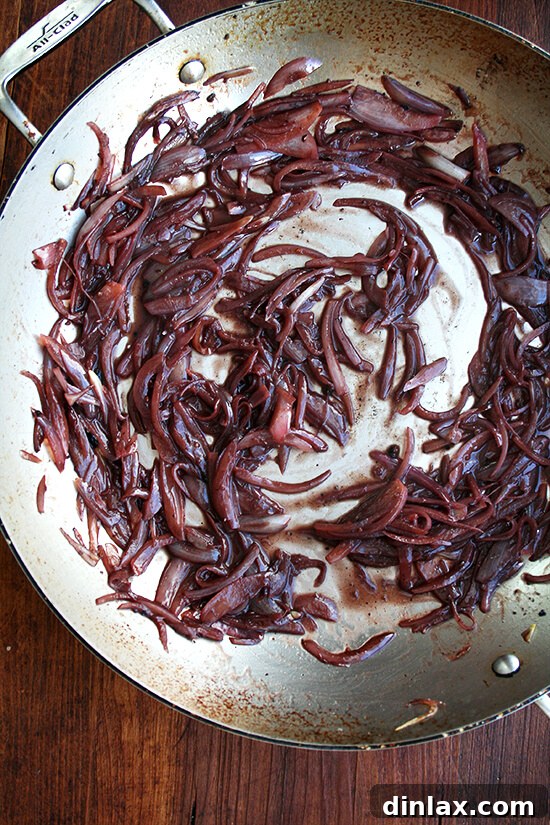
Next, red wine vinegar is introduced, deglazing the pan and reducing until it nearly evaporates, intensifying its tangy notes. The rich red wine follows, simmering and reducing by half, concentrating its fruity depth. Finally, off the heat, a final tablespoon of butter is stirred in, adding a luxurious sheen and silken texture, emulsifying the sauce to perfection. The result is less a traditional sauce and more a delectable compote – sweet, tender, stewed shallots with a perfect bite and a complex, balanced flavor profile.
This versatile compote is a fantastic condiment for virtually any steak. While Boulud famously pairs it with hanger steak – a staple of French bistro menus renowned for its incredibly rich flavor and tender-chewy texture – its adaptability means it elevates any cut you choose. Hanger steak, also known as “the butcher’s steak” because butchers often reserved this prized cut for themselves, is notoriously difficult to find in regular markets due to there being only one per steer, with most going directly to restaurants. If you’re fortunate enough to find a local farmer who sells them, you might need to reserve it months in advance.
Choosing Your Cut: Skirt, Flap, and the Elusive Hanger Steak
But fear not if hanger steak remains elusive! Excellent alternatives like skirt or flap steak offer similarly chewy, yet incredibly tender, textures and robust flavors. These cuts are much easier to source and are remarkably satisfying. In fact, many home cooks, myself included, would choose these flavorful cuts over a leaner filet mignon or even a New York Strip for their superior beefy taste and unique texture.
Skirt and flap steaks require minimal fuss. A simple seasoning of salt and pepper is all they need to shine. They cook quickly over high heat, making them ideal for a spontaneous weeknight dinner. Unlike some cuts, marinating is entirely unnecessary, meaning you can pick one up after work and have a gourmet-quality meal on the table in under an hour. This makes them a perfect choice for those evenings when you want something special without the extensive preparation. Their distinct grain and robust flavor profile truly stand out, offering a fantastic culinary experience that’s both accessible and delicious.
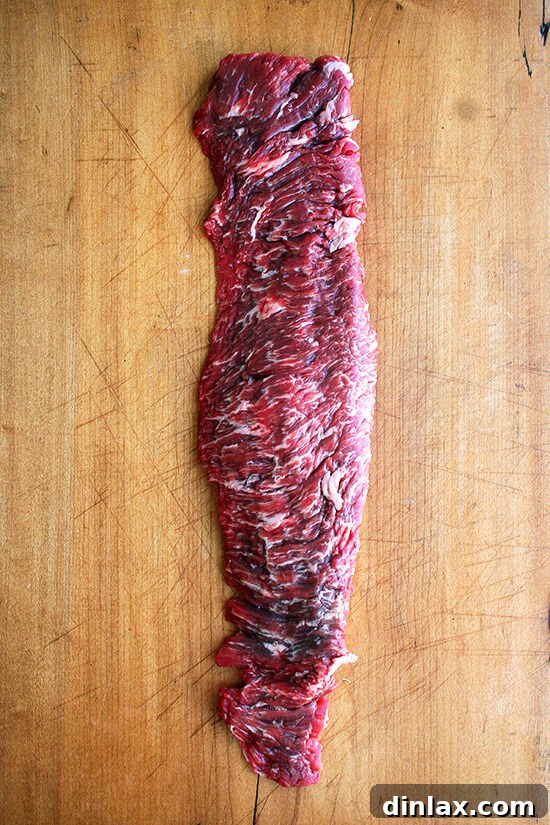
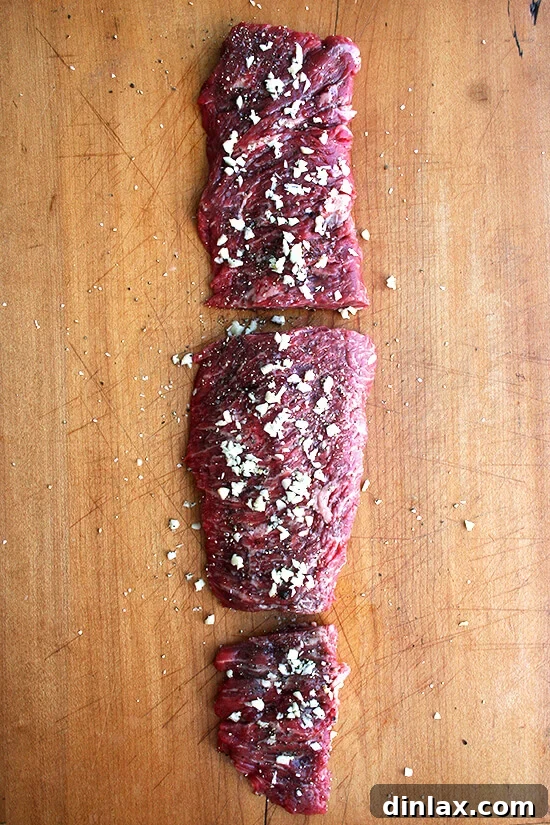
Skirt and flap steaks are naturally long. For optimal and even cooking, it’s wise to cut the meat at points where its thickness visibly changes. This technique provides you with several pieces, each boasting a more uniform thickness, giving you superior control over cooking times and ensuring every bite is perfectly cooked.
Preparing Your Steak for Pan-Searing Success
To ensure your steak cooks evenly and develops a beautiful crust, remember a few key preparatory steps. First, remove the steaks from the refrigerator about an hour before cooking. This allows them to come closer to room temperature, promoting more uniform cooking throughout the meat. Season generously with kosher salt and freshly ground black pepper on both sides. If you appreciate a hint of garlic, you can lightly rub some over the steak, but be mindful that minced garlic can burn quickly during high-heat searing. A slight char is acceptable and adds flavor, but excessive burning is best avoided. If using garlic, ensure you rub off most of the pieces before searing.
The Art of Pan-Searing: Achieving a Perfect Crust
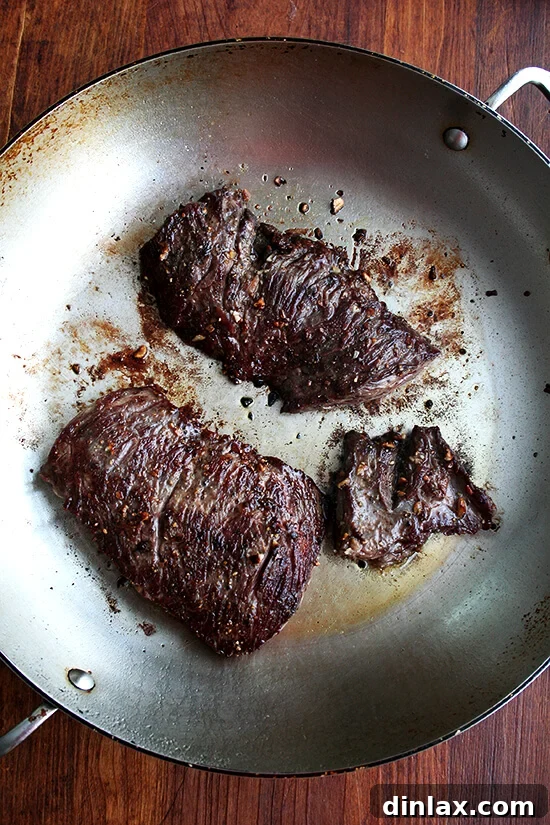
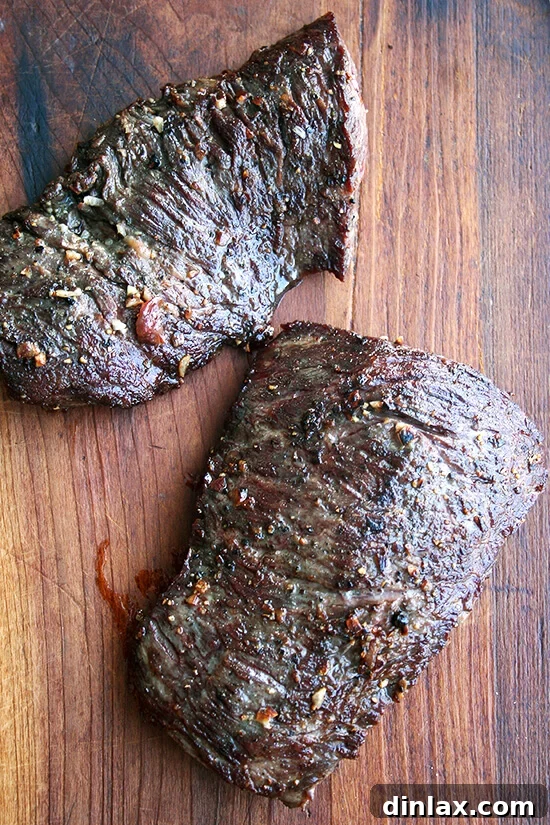
The secret to a truly outstanding pan-seared steak lies in mastering the heat. Begin by heating a large, heavy-bottomed skillet or sauté pan over high heat. Add a high-smoke-point oil, such as grapeseed oil. Before placing the steaks in the pan, pat them thoroughly dry with paper towels. This crucial step removes surface moisture, allowing the meat to develop a magnificent, crispy brown crust rather than steaming. When the pan is screaming hot, carefully place the seasoned, dry steaks into the pan, reducing the heat slightly to medium-high or high.
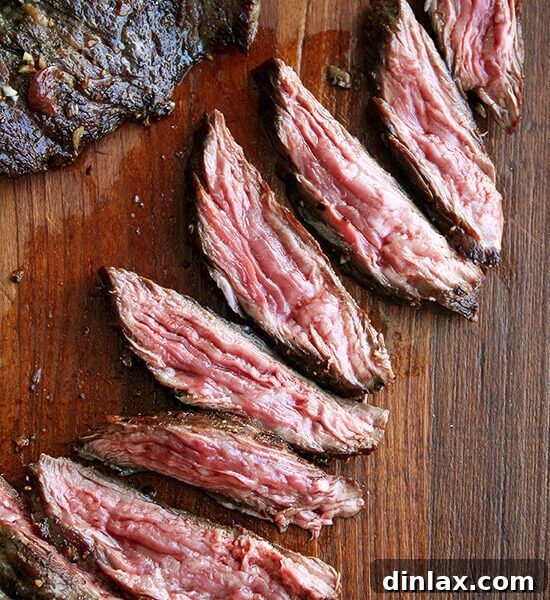
For pieces about an inch thick, sear for approximately three minutes per side for a perfect medium-rare. For thinner pieces, around half an inch thick, two minutes per side usually suffices. Very thin cuts might only need two minutes on one side and one to two minutes on the other. These timings are tailored for a juicy medium-rare finish; adjust them to your personal preference for doneness. Once cooked, remove the steaks from the pan and let them rest on a plate for a full ten minutes. This resting period is vital, allowing the juices to redistribute throughout the meat, ensuring every slice is incredibly tender and flavorful.
Bringing it All Together: Serving Your Masterpiece
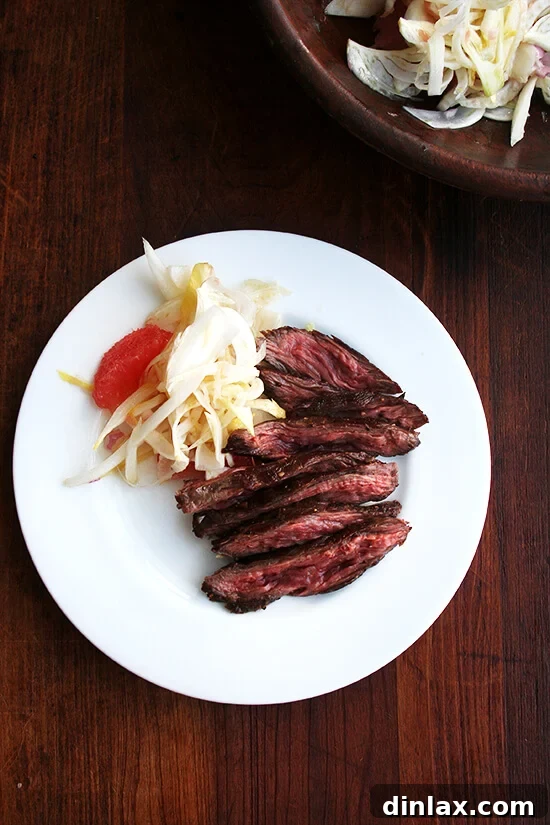
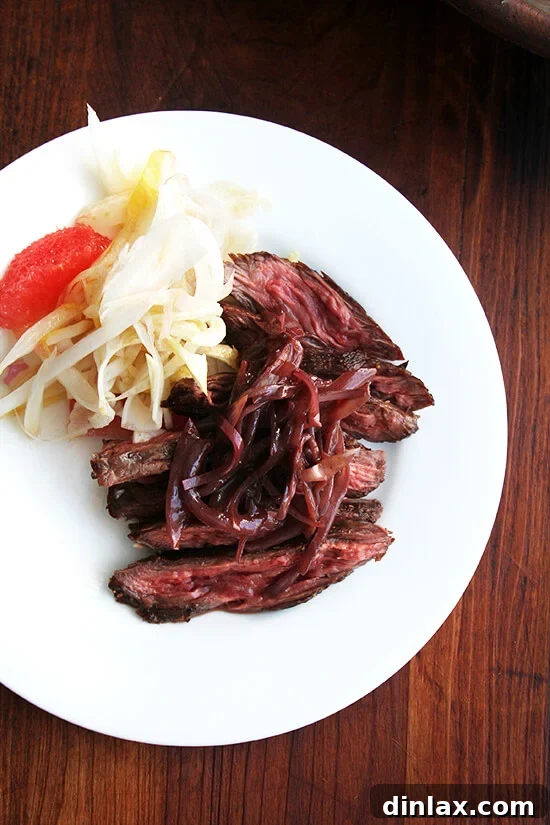
Once the sauce is complete and the steak has rested, it’s time to bring this culinary experience to the table. Carefully transfer the rested steaks to a clean cutting board. Crucially, pour any accumulated juices from the resting plate into your warm shallot sauce. Stir gently to incorporate these rich, savory liquids, further enhancing the sauce’s depth of flavor. Slice the steaks against the grain – this is key for maximizing tenderness in cuts like skirt and flap steak. Arrange the beautifully sliced steak on plates and generously spoon the warm, sweet, and tangy red wine shallot sauce over the top. The combination of the tender, flavorful steak with the luxurious compote-like sauce is truly restaurant-worthy.
Making the sauce:
Complementary Sides: A Fresh Winter Salad
To perfectly balance the richness of the steak and shallot sauce, a vibrant and refreshing side dish is ideal. A winter salad featuring thinly sliced endive, shaved fennel, and juicy grapefruit segments offers a delightful contrast in textures and flavors. You can easily prepare this salad while your steak is coming to room temperature before cooking. A special touch for the dressing involves reserving a few of the shallots you’ve sliced for the sauce.
Finely dice one or two of these reserved shallots and place them in a small bowl. Cover them with a generous squeeze of fresh grapefruit juice and a tablespoon of white balsamic vinegar. Season with a pinch of kosher salt and a pinch of sugar. Allow the shallots to macerate in this tangy mixture for about 15 minutes, which softens their bite and infuses them with bright flavor. Whisk in approximately 1/3 cup of good quality extra-virgin olive oil. It’s perfectly fine if the dressing doesn’t completely emulsify; simply give it a quick stir just before you’re ready to toss it with the salad greens. This dressing, with its delicate balance of sweet, tart, and savory notes, perfectly complements the earthy flavors of the endive and fennel, and harmonizes beautifully with the steak.
Print Recipe
Skirt or Flap Steak with Shallots
Rated 5 stars from 1 review
- Author: alexandra
Description
Note on Steak Cuts: Depending on where you purchase your skirt or flap steak, it may come pre-cut into smaller pieces or as one long strip. If it’s a long piece, cut it at the points where the thickness naturally changes. This ensures you have several pieces of more uniform thickness, which allows for better control over cooking times and more even doneness.
Garlic Usage: If you enjoy garlic, feel free to rub some minced garlic over the steak prior to cooking. However, be aware that garlic can burn quickly when pan-searing at high temperatures. A light char adds flavor, but too much burning can lead to bitterness. If you use garlic, make sure to rub off most of the solid pieces before you start searing to prevent excessive burning.
Cooking Times: Remember that skirt steaks are generally thinner than flap steaks, and thus will cook faster. Even at their thickest, flap steaks are rarely more than an inch thick. Adjust your cooking times accordingly based on the specific thickness of your cut.
Sauce Variation: The original recipe for the shallot sauce sometimes suggests adding chopped parsley at the very end. While this is an option for a touch of freshness and color, I personally find it unnecessary as the sauce is wonderfully flavorful on its own.
About Hanger Steak: Hanger steak gets its name from its anatomical position, hanging from the diaphragm of the steer. It is also affectionately known as “the butcher’s steak” because butchers were historically known to take this prized cut home for themselves. As mentioned previously, there is only one hanger steak (which can be divided into two pieces) per steer, making it scarce in most markets. Skirt and flap steaks remain fantastic and readily available alternatives to hanger steak.
Ingredients
- 1 Tbsp grapeseed oil
- 1 skirt or flap steak, approximately 1 pound total
- Salt and freshly ground pepper, to taste
- 2 Tbsp unsalted butter, divided
- 4 medium shallots, thinly sliced
- 2 Tbsp red wine vinegar (white balsamic is a good substitute)
- 1/2 cup dry red wine
Instructions
- Remove the steaks from the refrigerator about one hour before cooking (if time permits). This allows them to reach room temperature, ensuring more even cooking. Season generously with salt and pepper on both sides. If your steaks are particularly long, cut them at the points where their thickness changes to create pieces of more uniform thickness.
- Heat the grapeseed oil in a large, heavy-bottomed skillet or sauté pan over high heat until shimmering. Pat the steaks thoroughly dry with paper towels; this is crucial for achieving a good, crispy sear. Once the pan is hot, place the steaks into the pan and reduce the heat slightly (to medium-high or high). For pieces that are about one inch thick, cook for approximately three minutes per side for a medium-rare doneness. For pieces that are about half an inch thick, cook for about two minutes per side. For thinner pieces, try two minutes on one side and one to two minutes on the other. Adjust these times if you prefer your steak more well-done. Remove the cooked steaks from the pan and let them rest on a clean plate for a minimum of 10 minutes.
- While the steak rests, reduce the heat in the same pan to medium. Add one tablespoon of butter and the thinly sliced shallots. Season with a pinch of salt and pepper. Cook, stirring frequently, for about 3 to 5 minutes, or until the shallots are soft and translucent but not browned. Add the red wine vinegar and cook, stirring, until it nearly evaporates, about 1-2 minutes. Then, pour in the red wine. Bring the wine to a boil and let it reduce by approximately half, thickening slightly. Remove the pan from the heat and stir in the remaining tablespoon of butter until melted and fully incorporated. Transfer the rested steaks to a cutting board. Pour any juices that accumulated on the resting plate into the shallot sauce and stir to combine.
- Slice the rested steaks against the grain into desired portions. Serve immediately with the warm red wine shallot sauce generously spooned over the top of each slice.
If you’re looking to elevate your weeknight meals or impress dinner guests without spending hours in the kitchen, this pan-seared skirt or flap steak with a rich red wine shallot sauce is an absolute must-try. It combines the simplicity of quick cooking with the sophisticated flavors of a bistro classic, all while offering a satisfying distraction during that crucial steak resting period. Enjoy the process, savor the flavors, and delight in a meal that feels truly special. Happy cooking!
PS: For a perfect pairing, consider a refreshing Aperol-Grapefruit Two-one-Two cocktail.