Discover the Vibrant Flavors of Spring: Ramp Pesto Pizza and Pickled Ramps
As the days grow longer and the first whispers of spring emerge, so too do some of nature’s most coveted culinary treasures. Among them, ramps – wild leeks with their unmistakable garlicky-onion perfume – stand out as a fleeting delight. Their season is notoriously short, making their appearance in farmers’ markets and specialty stores a cause for celebration among food enthusiasts. This article delves into a captivating way to honor these ephemeral greens: a sensational ramp pesto pizza, complemented by tangy pickled ramp bulbs, and exploring various other delightful applications.
About this time last year, a culinary revelation transformed my approach to homemade pizza. I discovered the elegance of baking pizzas “naked,” meaning the dough is baked with minimal toppings, and then dressed with light, fresh herb and cheese sauces only after it emerges from the oven. This innovative method offers remarkable benefits, elevating the simple act of pizza making to an art form:
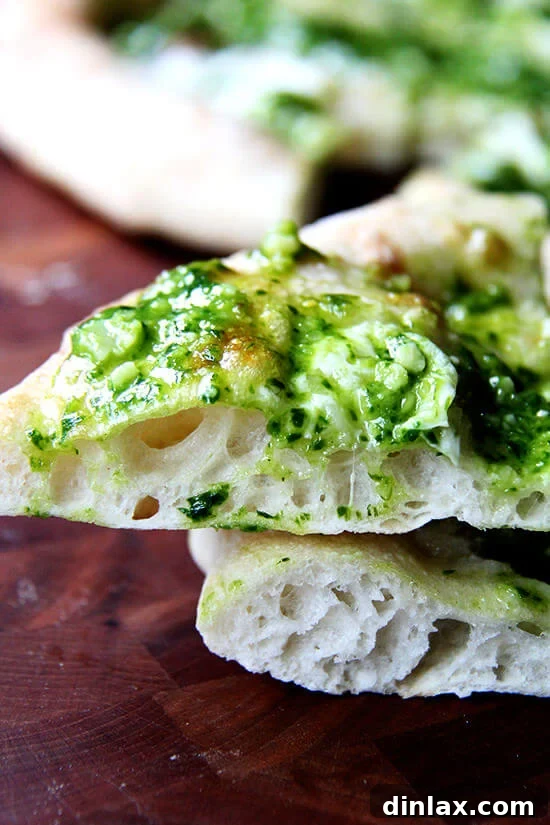
- Enhanced Crust Texture: Without the weight of heavy toppings during baking, the pizza dough is liberated to spring dramatically in the hot oven. This creates beautiful crests and craters, resulting in a perfectly airy yet crispy crust that provides an ideal canvas for embracing fresh ingredients.
- Preserved Freshness and Flavor: By applying delicate ingredients, especially fresh herbs like ramp pesto, after the pizza has baked, their vibrant flavors and colors are wonderfully preserved. The intense heat of the oven can often mute or dull the bright notes of fresh herbs, but this technique ensures every bite bursts with unadulterated spring essence.
The Allure of Ramps: A Seasonal Culinary Treasure
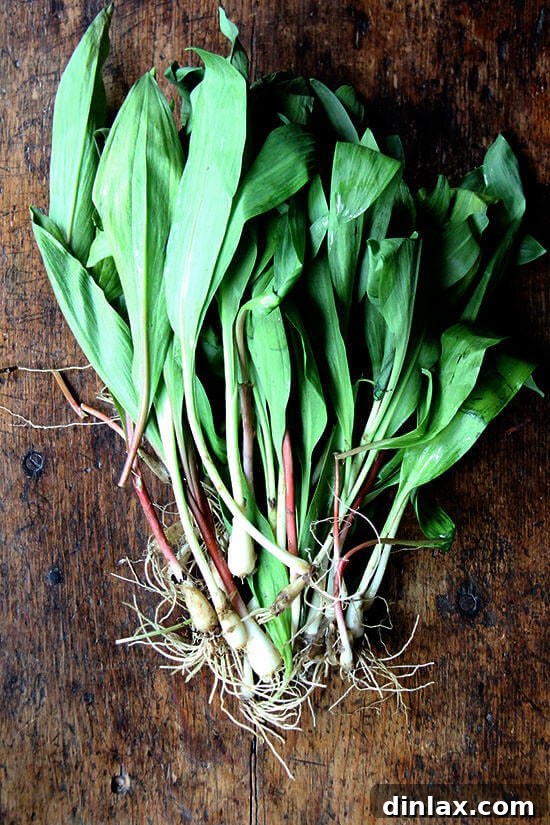
Ramps, scientifically known as Allium tricoccum, are more than just a vegetable; they are a sign of spring itself. Found predominantly in the eastern hardwood forests of North America, these wild leeks boast a unique flavor profile that marries the pungent kick of garlic with the subtle sweetness of an onion. This distinctive taste makes them a prized ingredient for chefs and home cooks alike. Their extremely limited season – typically just a few weeks in early spring – adds to their mystique and desirability, creating a frenzy among those eager to incorporate their unique essence into dishes.
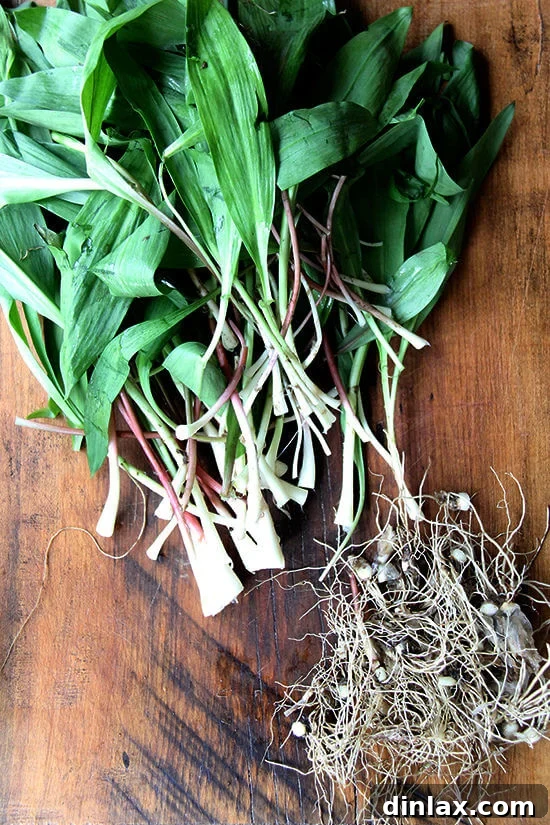
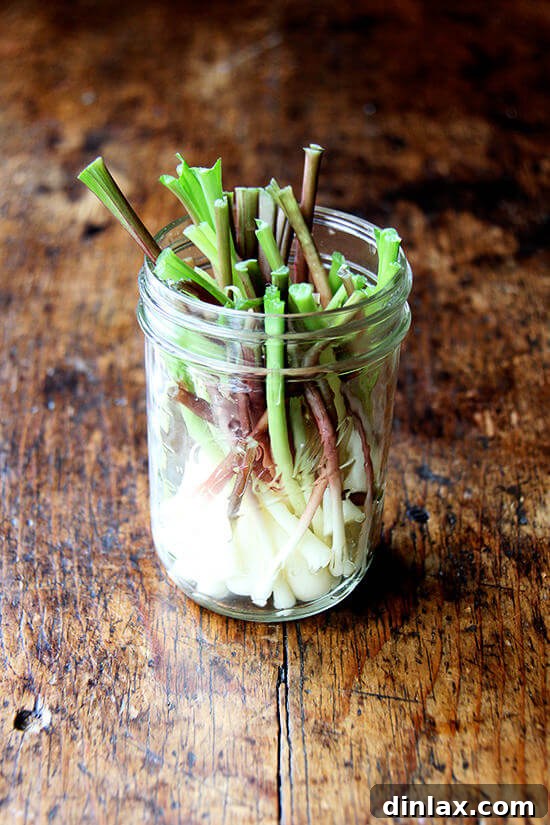
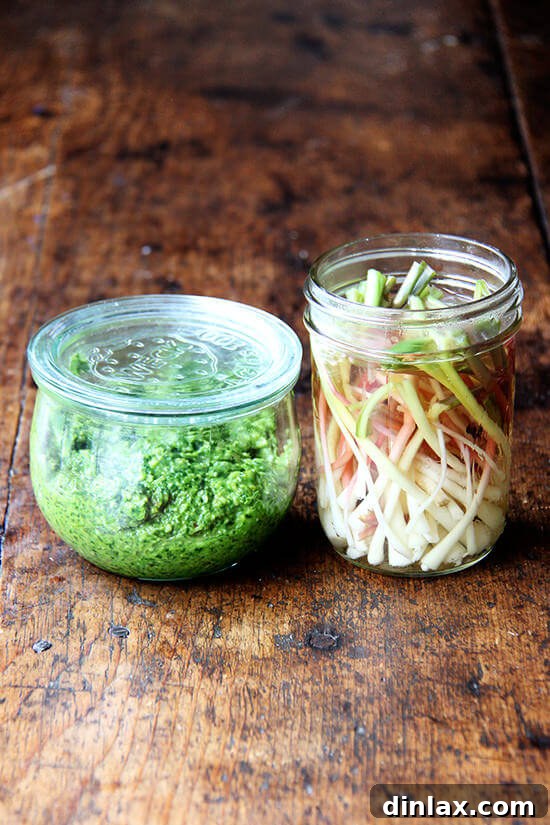
When I recently spotted the season’s first ramps at my local Co-op, it was an irresistible call to action. Their vivid green leaves and delicate white bulbs instantly brought to mind those glorious summer pizzas and the promise of new culinary adventures. I promptly purchased two large bags, knowing their versatility would allow for both immediate enjoyment and preservation for later. After carefully trimming the ends and giving them a good soak, I dedicated the vibrant greens to crafting a fragrant pesto, while the crisp bulbs were destined for a tangy brine, transforming them into delicious pickled ramps. The resulting pesto has since found its way into nearly every meal – enhancing sandwiches, elevating pasta dishes, and, of course, becoming the star of this extraordinary pizza, where it’s thinned with a touch more olive oil and vinegar for effortless brushing.
Crafting Your Ultimate Ramp Pesto Pizza
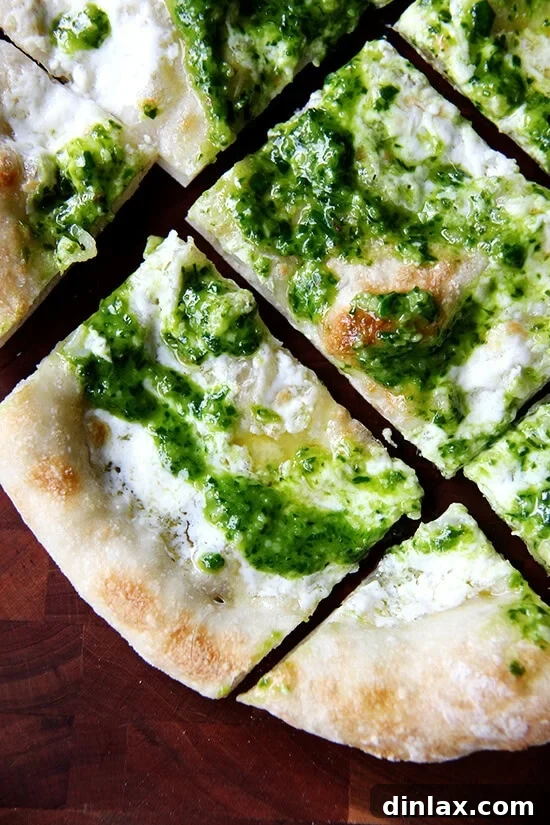
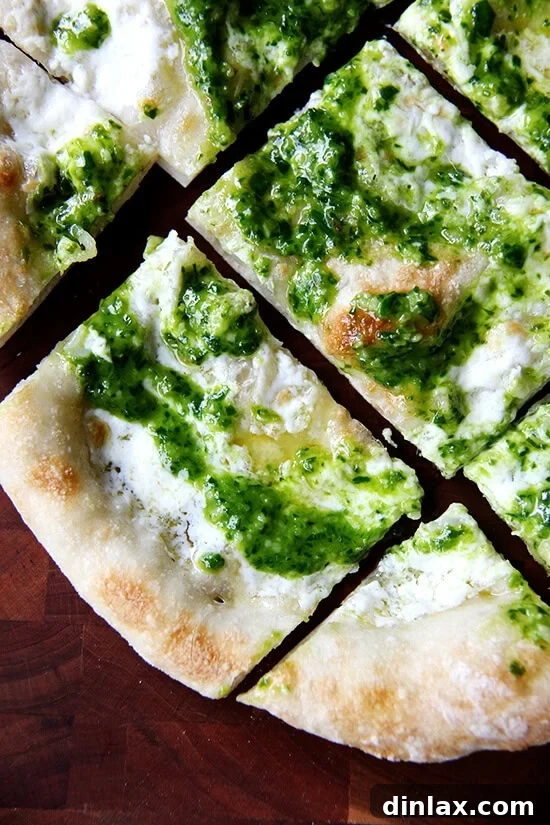
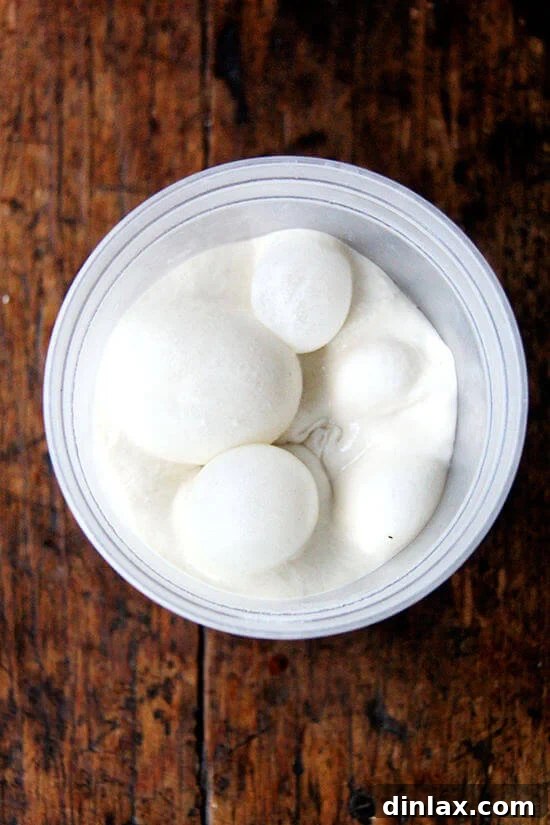
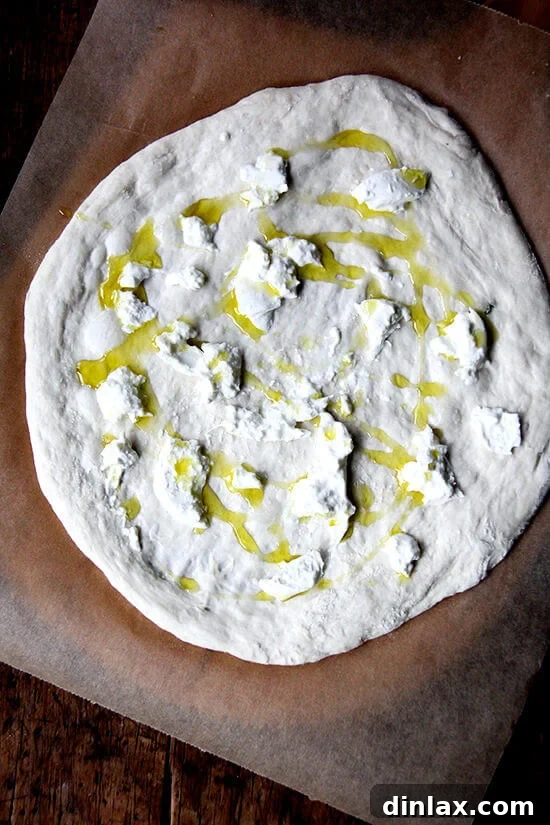
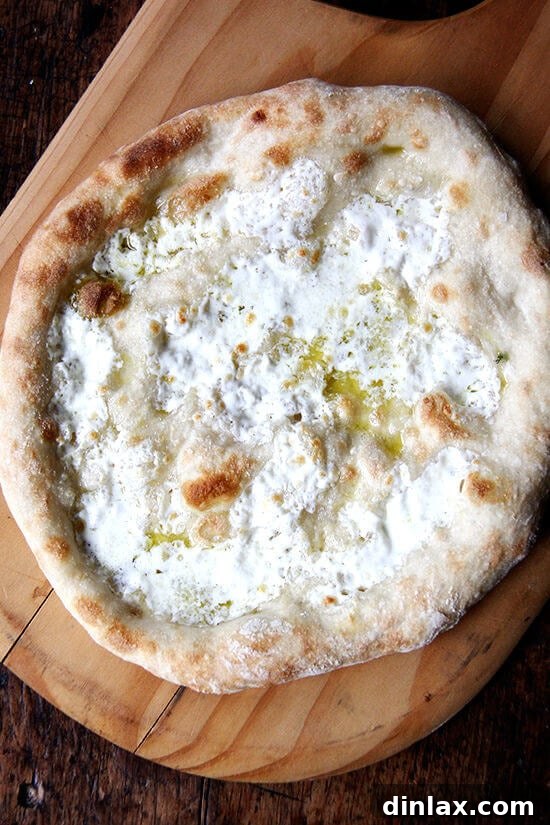
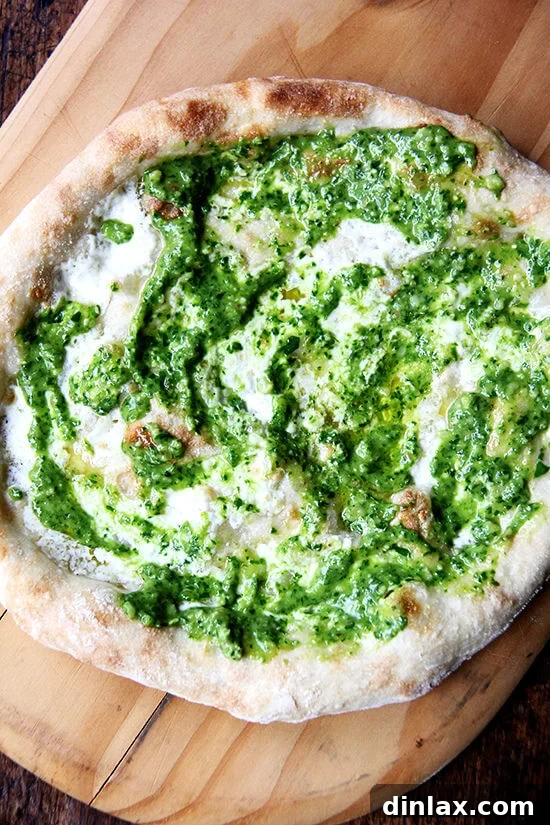
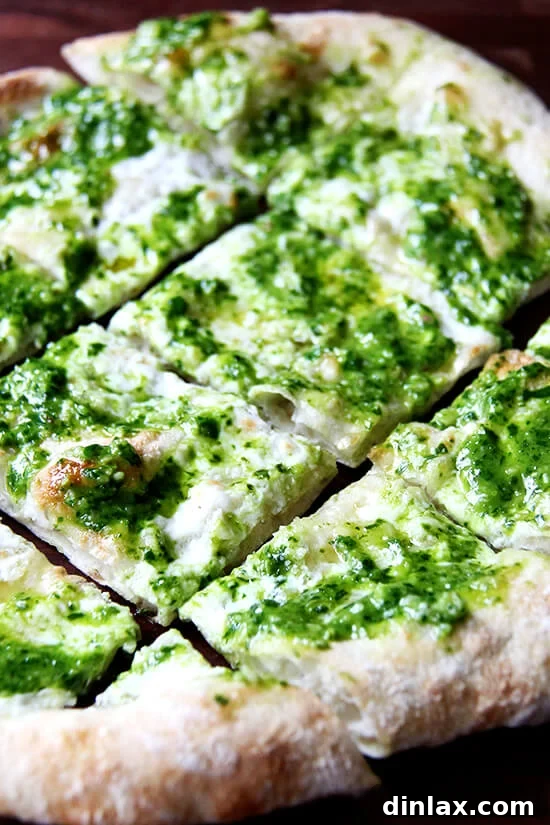
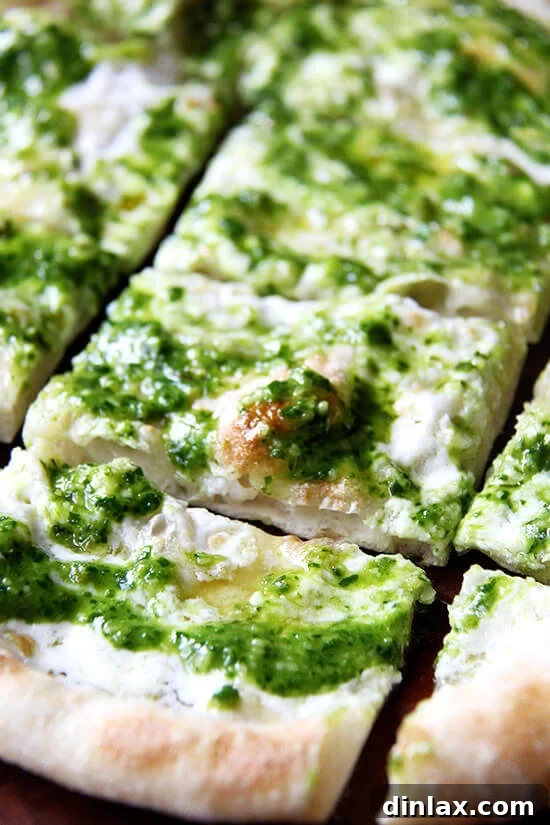
While this particular pizza isn’t baked entirely “naked” in the strictest sense, the underlying philosophy remains the same: a focus on preserving the freshness of key ingredients. The process begins with a scatter of creamy burrata (or fresh mozzarella or ricotta) lightly across your prepared pizza dough, followed by a generous drizzle of high-quality olive oil. It’s then baked until the crust is golden and bubbling, and the cheese is beautifully melted. The magic truly happens the moment it’s pulled from the oven. Immediately, a thinned-out ramp pesto is brushed generously over the hot surface, finished with a delicate sprinkling of sea salt. This strategic timing is crucial: withholding the pesto from the intense oven heat ensures its sharp, punchy flavor remains intact and its vibrant green color stays brilliantly vivid, turning each slice into a fresh, aromatic experience.
The Heart of the Flavor: Fresh Ramp Pesto
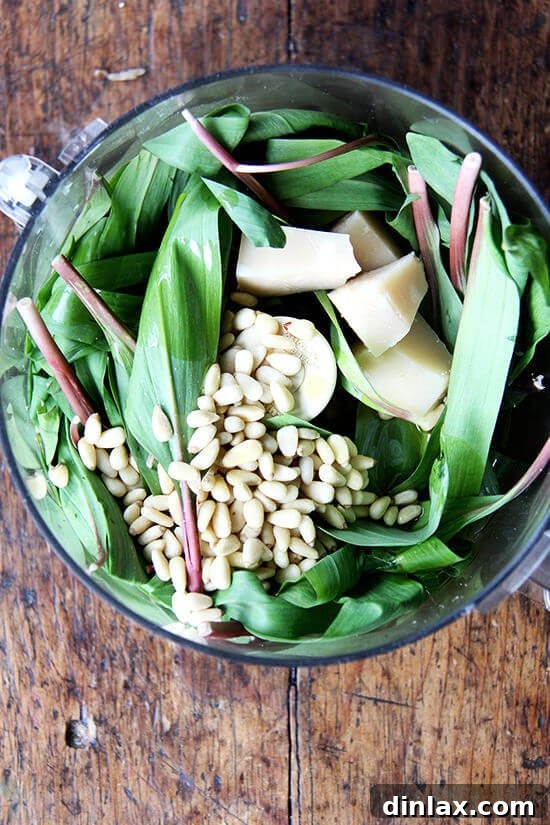
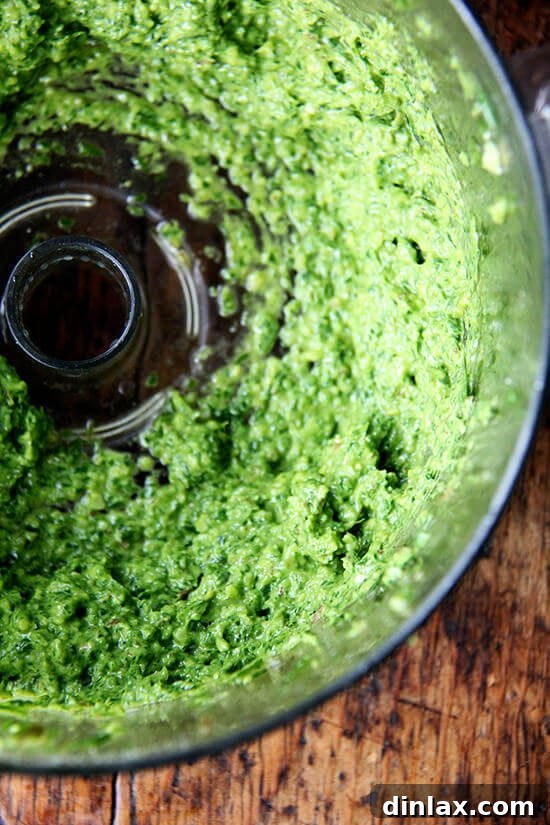
The ramp pesto is the soul of this pizza. Its creation is simple yet impactful, focusing on maximizing the ramps’ natural flavor. The greens are whizzed together with a few complementary ingredients, forming a bright and aromatic sauce. For the pizza, it’s essential to thin the pesto slightly with additional olive oil and a splash of vinegar. This adjustment transforms it into a brushable consistency, allowing for even distribution and permeation of its fresh essence into the warm, porous crust. This also ensures that the pesto doesn’t just sit on top but truly melds with the other flavors of the pizza.
The Perfect Base: Choosing Your Pizza Dough
The foundation of any great pizza is its dough. While you can certainly use your favorite store-bought or homemade pizza dough, I often find myself returning to the simple yet effective Lahey no-knead recipe for its remarkable texture and ease. Whichever dough you choose, ensuring it’s at room temperature before shaping is key for optimal elasticity and a beautiful rise. Dusting your work surface and the dough itself with flour will prevent sticking and make the shaping process much smoother, allowing you to create that perfect disk without overworking the gluten.
Assembling and Baking for Perfection
Achieving a restaurant-quality pizza at home is entirely possible with the right technique and tools. Preheating your oven to its highest possible setting, ideally 550°F (285°C), is paramount. Placing a baking steel or pizza stone in the top third of the oven for at least an hour ensures it reaches a blistering temperature, mimicking a professional pizza oven. This intense heat is what creates that coveted crispy crust. Once your dough is gently shaped, transfer it to a parchment-lined baking peel for easy maneuvering. Spread your chosen cheese—burrata, mozzarella, or ricotta—evenly, then a sprinkle of good quality sea salt and a light drizzle of olive oil. Bake until the crust is beautifully blistered and the cheese is golden and bubbling, typically around five minutes. The rapid bake time is crucial for preventing the dough from drying out and achieving that perfect texture.
Lahey dough:
Maximizing the Ramp Season: Beyond the Pizza
The short but sweet ramp season is a call to culinary creativity. While the pizza is undeniably a showstopper, the versatility of ramps extends far beyond. Harnessing their full potential means exploring different preparations that highlight their unique flavor and allow you to enjoy them even after their fresh season has passed.
Tangy and Delicious: Pickled Ramp Bulbs
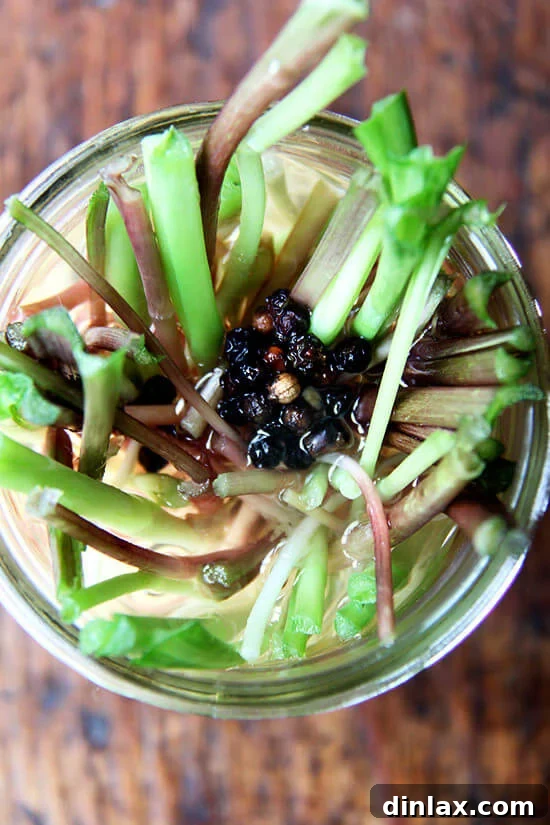
Pickling the ramp bulbs is an excellent way to extend their enjoyment throughout the year. The delicate bulbs absorb the tangy brine, transforming into a zesty condiment that retains a hint of their original garlicky essence. These pickled delights are incredibly versatile. They can be served as a sophisticated addition to charcuterie boards, adding a bright pop of flavor to cured meats and cheeses. Chop them finely and add to salads for an unexpected kick, or use them as a unique garnish for roasted meats and vegetables. Their acidity also makes them a fantastic accompaniment to rich, fatty dishes, cutting through the richness with a refreshing bite.
Versatile Ramp Pesto: A Culinary Staple
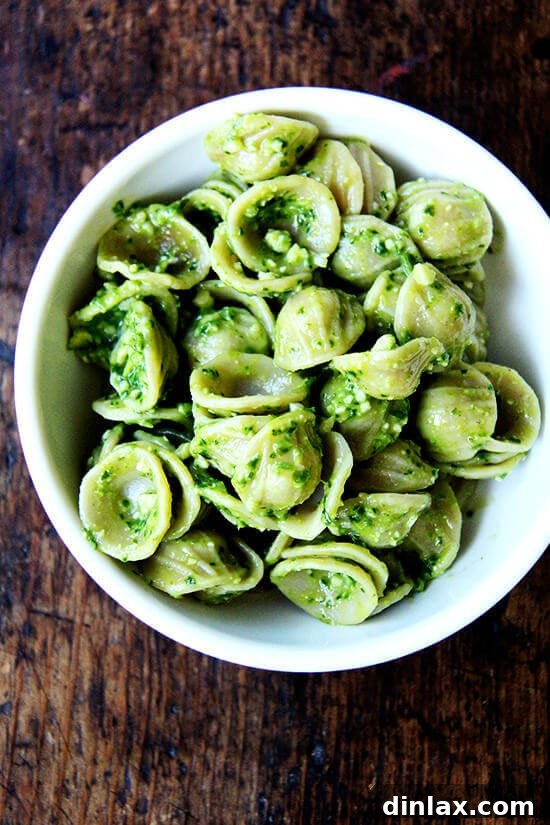
Beyond pizza, ramp pesto offers an array of delightful culinary possibilities. Its vibrant, garlicky flavor makes it a fantastic addition to numerous dishes, elevating simple meals into gourmet experiences. The key to working with pesto, especially for pasta, is to thin it properly. Boiling pasta with a good amount of kosher salt ensures the pasta itself is seasoned. Before tossing with your cooked pasta, spoon a generous amount of ramp pesto into a bowl and thin it out with a little bit of the starchy pasta cooking liquid. This creates a silky sauce that beautifully coats each strand of pasta. Don’t forget to add more freshly grated Parmesan cheese if desired for an extra layer of savory depth.
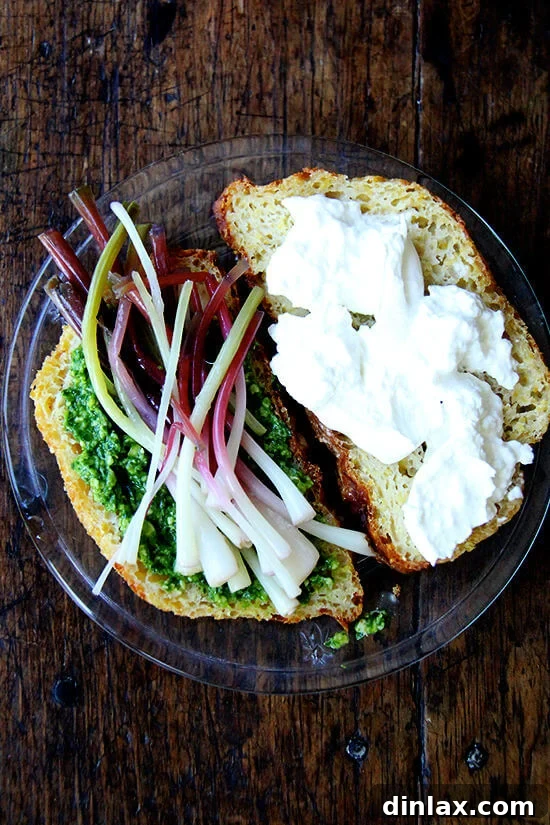
Consider integrating ramp pesto into sandwiches for an immediate upgrade. A simple sandwich featuring fresh burrata, a generous smear of ramp pesto, and a few pickled ramp bulbs (perhaps a touch ambitious for some, but undeniably delicious!) creates an explosion of textures and flavors. But the versatility doesn’t stop there. Stir ramp pesto into scrambled eggs or omelets for a gourmet breakfast. Toss it with roasted vegetables like asparagus or new potatoes. Use it as a marinade for grilled chicken or fish, or spread it onto bruschetta for an elegant appetizer. The possibilities are truly endless, limited only by your imagination.
What else to do with the pesto? Pasta. Boil pasta with 1 tablespoon kosher salt. Thin pesto out with a little bit of the pasta cooking liquid before tossing with pasta. Add more parmesan if desired.
Ramp pesto and pickled ramp sandwich with burrata — too much? Perhaps.
Recipes: Bringing the Flavors of Spring to Your Table
Embrace the unique flavors of spring with these delightful ramp recipes. From a vibrant pizza to tangy pickled bulbs, these dishes celebrate the fleeting season of wild leeks and bring fresh, seasonal goodness to your kitchen.
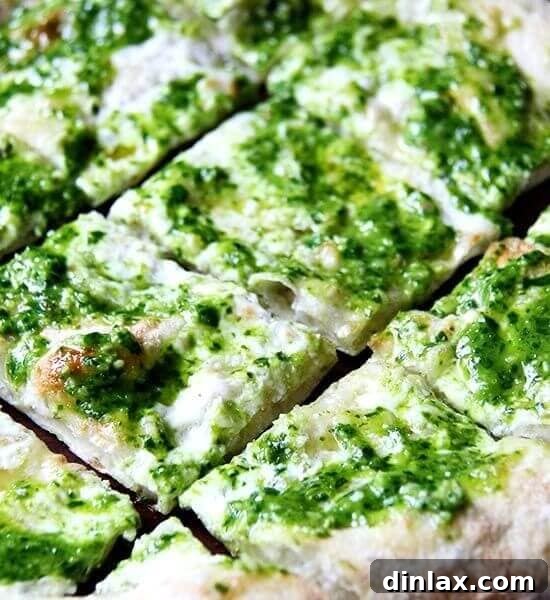
Ramp Green Pesto Pizza with Burrata
This recipe creates two delicious pizzas, showcasing the fresh, pungent flavor of ramp pesto combined with creamy burrata on a perfectly crisp crust. The key is to add the pesto after baking to preserve its vibrant taste and color.
- Author: Alexandra
- Prep Time: 10 minutes
- Cook Time: 5 minutes
- Total Time: 15 minutes
- Yield: 2 pizzas
Ingredients
For the Pesto:
- 4 oz. ramp greens (about 8 cups)
- 2 oz. Parmigiano Reggiano, cut into 4 chunks
- 1/4 cup pine nuts
- 1/3 cup olive oil
- 2 tablespoons white balsamic vinegar
- Pinch of salt (to taste)
For one Pizza:
- 1 round pizza dough (see notes for recommendations)
- Olive oil, for drizzling
- 2 oz burrata (half of one ball), or fresh mozzarella/ricotta
- Sea salt, for sprinkling
- Ramp green pesto (thinned, see instructions)
- White balsamic vinegar, for thinning pesto
Instructions
- Make the Pesto: In a food processor, combine ramp greens, Parmigiano Reggiano, pine nuts, 1/3 cup olive oil, 2 tablespoons white balsamic vinegar, and a pinch of salt. Pulse until the mixture is smooth or reaches your desired consistency. Taste and adjust seasoning as needed, adding more salt, vinegar, or olive oil to balance the flavors. Transfer the pesto to an airtight storage bowl and refrigerate until ready to use.
- Prepare for Pizza Baking: Approximately one hour before baking, remove a pizza dough round from the refrigerator to allow it to come to room temperature. Lightly dust your work surface and the dough with flour. If using a Baking Steel or pizza stone, place it in the top third of your oven and preheat the oven to its highest setting, ideally 550°F (285°C), for at least one hour. Gently shape the dough into a 10″–12″ disk, handling it as minimally as possible to maintain its airiness. Place the shaped dough disk onto a parchment-lined baking peel. Evenly spread the burrata (or chosen cheese) over the dough, sprinkle with a good quality sea salt, and drizzle lightly with olive oil.
- Bake and Finish the Pizza: Carefully slide the pizza with the parchment onto the preheated baking steel or stone. Bake until the crust is beautifully blistered, golden brown, and the cheese is bubbling, which typically takes about 5 minutes. While the pizza bakes, spoon a heaping tablespoon of your prepared ramp pesto into a small bowl. Thin it with another tablespoon of olive oil and 2 teaspoons of white balsamic vinegar. Taste and adjust the sauce as needed for your preferred tang and consistency. Once baked, carefully transfer the hot pizza to a cutting board. Spoon and spread the thinned pesto generously over the entire pizza. Cut into slices and serve immediately to enjoy the fresh flavors.
Notes
- Pizza Dough: Any good quality pizza dough will work, but the Lahey no-knead recipe is highly recommended for its superior texture.
- Ramp Substitutions: If ramps are unavailable, a mix of fresh herbs like basil, parsley, tarragon, or chives can be used to make a delicious alternative pesto.
- Cheese Options: Burrata provides a wonderfully creamy texture, but fresh mozzarella or ricotta are excellent substitutes if burrata is hard to find. Use half a ball of burrata per pizza.
- Baking Equipment: A Baking Steel greatly enhances crust crispness for homemade pizza.
Bonus Recipe: Perfectly Pickled Ramp Bulbs
Extend the joy of ramp season by pickling these flavorful bulbs. They make a fantastic tangy addition to sandwiches, salads, or charcuterie boards.
- Prep Time: 5 minutes
- Cook Time: 1 minute (for brine)
Ingredients
- Ramp bulbs, quantity as desired
- 1/2 cup water
- 1/2 cup white vinegar
- 1 teaspoon salt
- 1 teaspoon sugar
- 1/2 teaspoon whole peppercorns (or other spices like dill seeds, mustard seeds)
Instructions
- Prepare the Ramp Bulbs: Ensure the ramp bulbs are thoroughly clean. You can let them soak in cold water for about 5 minutes, or rinse them under cold running water, gently rubbing away any dirt. Peel away any slimy or discolored outer layers if present. Place the clean bulbs into a clean, heat-proof glass jar.
- Prepare the Brine: In a small saucepan, combine 1/2 cup water, 1/2 cup white vinegar, 1 teaspoon salt, and 1 teaspoon sugar. Bring the mixture to a boil, then simmer for approximately one minute, or until both the sugar and salt are completely dissolved.
- Combine and Store: Remove the saucepan from the heat and stir in the 1/2 teaspoon of whole peppercorns (and any other desired spices). Immediately pour the hot liquid, including the peppercorns, over the ramp bulbs in the jar, ensuring they are fully submerged. Allow the jar to cool completely to room temperature before covering it tightly with a lid. Refrigerate for at least 24 hours before serving to allow the flavors to meld.
- Storage: Pickled ramps can be stored in the refrigerator for several weeks.
Happy Friday, Everyone. We hope these recipes inspire you to embrace the vibrant, fleeting flavors of spring. Share your ramp creations and cooking adventures with us – how have you been enjoying your ramps this season? Perhaps I’ll even try using the greens in my favorite spring chicken recipe this weekend!
Tag @alexandracooks on Instagram and hashtag it #alexandracooks