Skip to Recipe
Cacio e Pepe: Unlocking the Secret to Roman Pasta Perfection
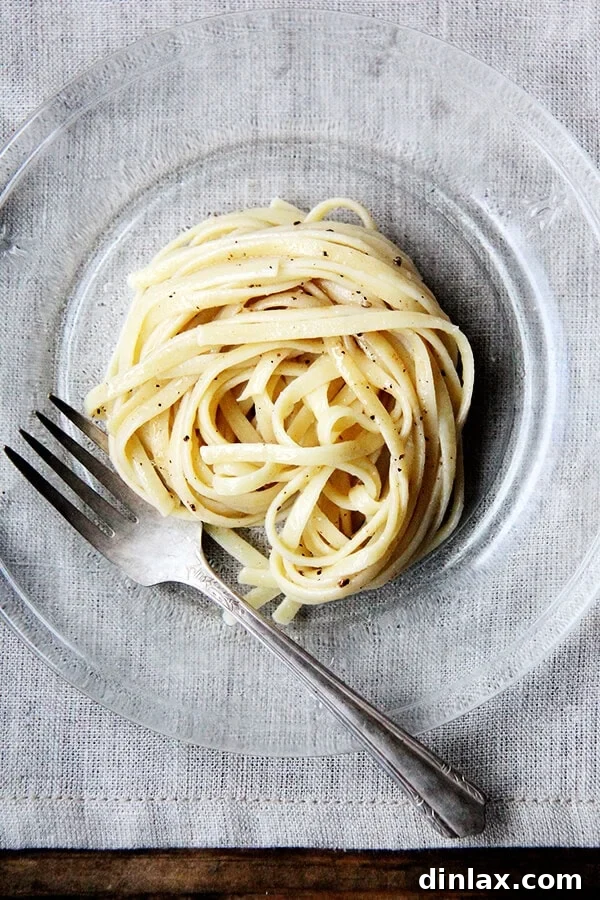
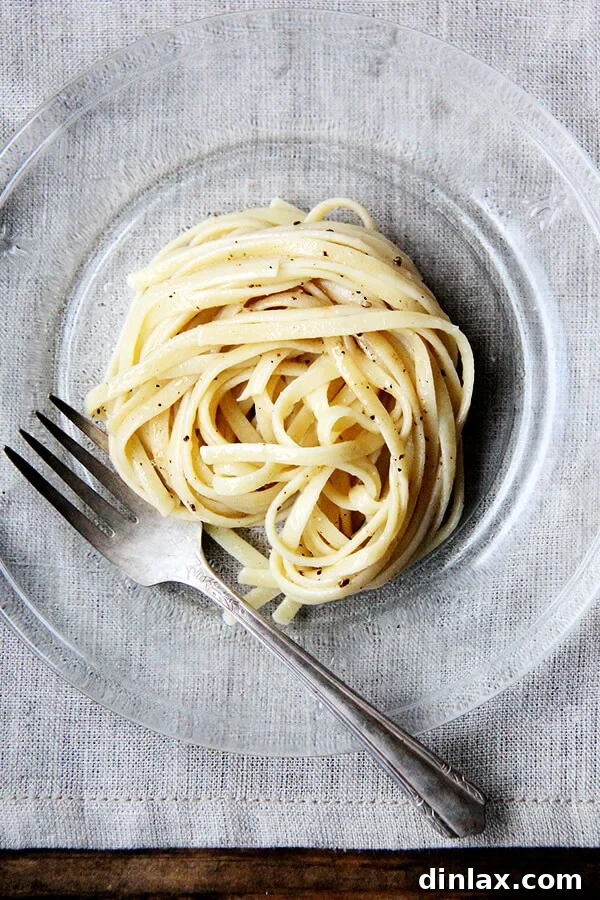
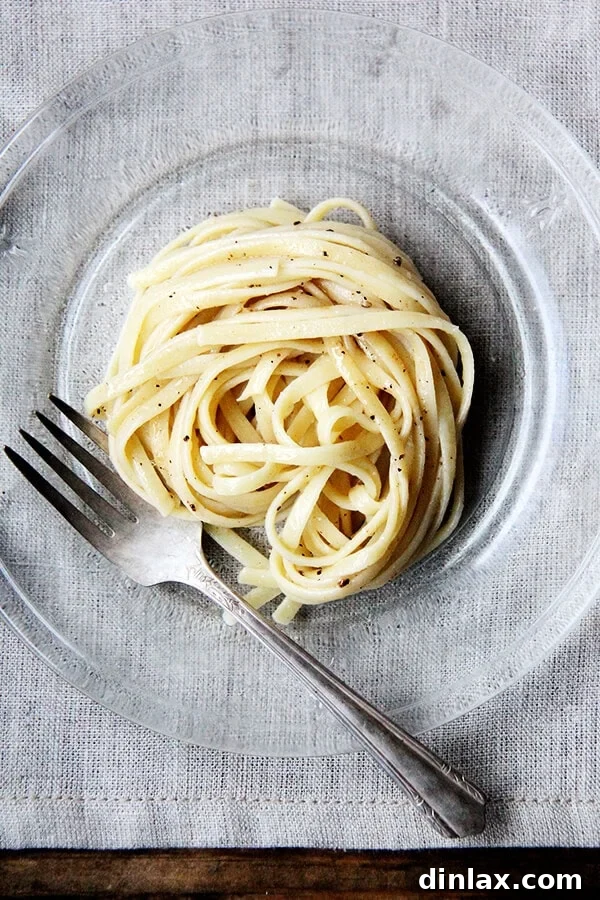
There are few dishes that encapsulate the soul of Italian cuisine as profoundly as Cacio e Pepe. Hailing from the heart of Rome, this seemingly simple pasta dish is a testament to the power of quality ingredients and masterful technique. At its core, Cacio e Pepe relies on creating a magical, creamy emulsion using only a handful of components: starchy pasta cooking water, rich butter, freshly grated Pecorino Romano and Parmigiano Reggiano cheeses, and a generous crack of black pepper. The result is a velvety, intensely flavorful sauce that coats every strand of pasta, delivering an experience that is both deeply satisfying and surprisingly elegant. Its beauty lies in its minimalist approach, proving that extraordinary flavor doesn’t require an exhaustive ingredient list or complex steps. It’s a dish that teaches us the importance of understanding our ingredients and respecting the process, making it a beloved staple for busy weeknights and special occasions alike.
The Roman Legacy: A Timeless Classic
The history of Cacio e Pepe is deeply intertwined with the traditions of Roman shepherds. As they moved their flocks across the Italian countryside, they needed food that was non-perishable, easy to transport, and incredibly nourishing. Dried pasta, hard cheese (Pecorino Romano, made from sheep’s milk, was readily available), and black pepper fit the bill perfectly. These ingredients were not only practical but also provided sustained energy. The black pepper was believed to help warm the body, while the cheese offered a vital source of fat and protein. The process of preparing it was straightforward: boil pasta, then toss it with the cheese and pepper, using some of the pasta water to create a rudimentary sauce. Over centuries, this humble preparation evolved, perfecting the art of emulsification into the sublime dish we cherish today. This rich history adds another layer of appreciation to every forkful, connecting us to generations of Italian culinary tradition.
While the concept might sound straightforward, achieving the perfect Cacio e Pepe requires attention to detail. The key to its signature creaminess isn’t cream, but rather the magical interaction between the starch released from the pasta during cooking, the fats in the cheese and butter, and the warm pasta water. This creates a smooth, glossy sauce that clings beautifully to the pasta without being greasy or clumpy. It’s a culinary alchemy that transforms humble ingredients into a dish of profound flavor and texture. For those seeking simple yet impressive recipes, Cacio e Pepe offers an accessible entry point into the world of authentic Italian cooking, promising a truly rewarding experience for home cooks of all skill levels.
Guided by a Culinary Star: Laura Vitale’s Approach
This particular rendition of Cacio e Pepe comes to us from the beloved YouTube star and cookbook author, Laura Vitale. Laura, celebrated for her warm personality and approachable cooking style, has garnered a massive following through her show, Laura in the Kitchen, which now boasts over 850 cooking tutorials. Her culinary philosophy is deeply rooted in her southern Italian heritage, strongly influenced by the traditions and flavors of her nonna. Laura’s cookbook, Laura in the Kitchen, is a beautiful reflection of this upbringing, filled with recipes that evoke comfort, tradition, and the joyous spirit of Italian home cooking. Her nonna frequently makes guest appearances on her show, sharing cherished family recipes like Nonna’s stuffed peppers, Nonna’s stuffed calamari, and Nonna’s spaghetti and clams.
Laura’s journey into cooking began as a way to combat homesickness after moving to the US at the age of 12. Her nonna wisely advised her to “cook a pot of sauce,” a simple act that instantly brought comfort and connection to her roots. This profound experience ignited a lifelong passion for cooking, which she has generously shared with millions. Her passion for making authentic Italian food accessible to everyone shines through in her step-by-step tutorials, making even complex dishes seem achievable. Her take on Cacio e Pepe is no exception – it’s designed to be foolproof, ensuring that anyone can recreate this Roman masterpiece in their own kitchen. By following her guidance, home cooks can experience the same joy and satisfaction that Laura finds in cooking, connecting with culinary traditions that span generations and continents.

The Art of Emulsification: Tips for a Perfect Sauce
The secret to an unforgettable Cacio e Pepe lies entirely in the sauce—specifically, the emulsion. This is where the magic happens, transforming simple ingredients into a luxurious, clingy coating for your pasta. Here are some essential tips to help you achieve perfection:
- Perfectly Salted Pasta Water: Think of the pasta water as the foundation of your sauce. It needs to be generously salted, much like the sea. However, for Cacio e Pepe, since a significant amount of this water is incorporated into the sauce, be mindful. Laura Vitale’s recipe suggests 2 teaspoons of kosher salt for the cooking water, allowing for further seasoning at the end. This prevents an overly salty final dish, especially with the saltiness of Pecorino Romano.
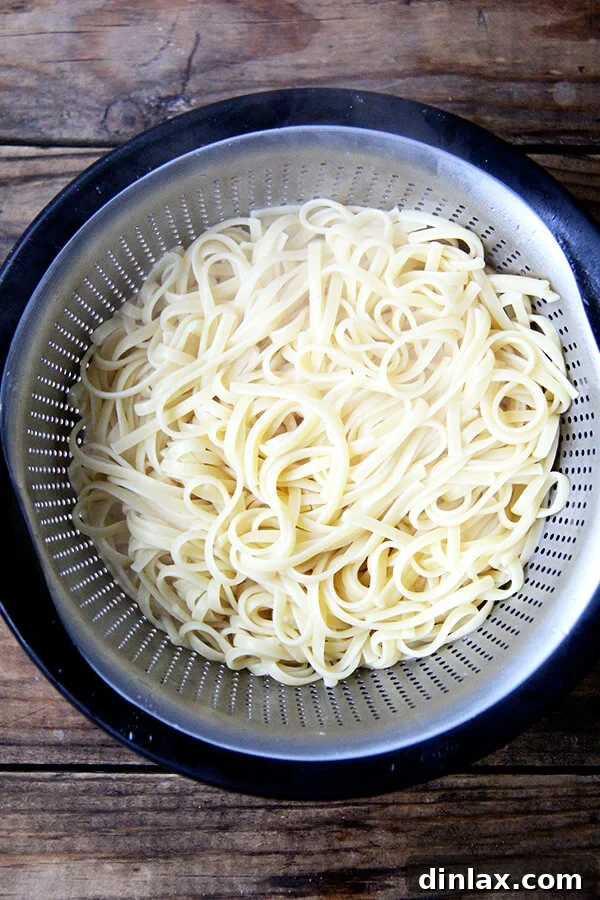
- Al Dente Pasta is Key: Cook your spaghetti or linguini two minutes less than the package recommendations. This isn’t just about texture; it ensures the pasta releases more starch into the cooking water, which is vital for the emulsion. The pasta will finish cooking in the sauce, absorbing its flavors and reaching that perfect al dente bite.
- The Starchy Secret: Always reserve more pasta water than you think you’ll need, at least 1/2 to 1 cup. This cloudy, starchy liquid is your emulsifying agent. It contains the starches that bind the cheese and fat, creating a smooth, creamy sauce without clumping.
- Quality Cheeses are Non-Negotiable: Use freshly grated Pecorino Romano and Parmigiano Reggiano. Pre-grated cheeses often contain anti-caking agents that prevent them from melting smoothly, leading to a grainy or clumpy sauce. The sharp, salty notes of Pecorino Romano are traditional, while Parmigiano Reggiano adds a subtle nuttiness and depth.
- Freshly Cracked Black Pepper: The “pepe” in Cacio e Pepe is just as important as the “cacio” (cheese). Use freshly cracked black pepper for maximum aroma and flavor. Toasting the peppercorns lightly in a dry pan before cracking them can intensify their fragrance even further.
- Low Heat is Your Friend: When creating the sauce, use very low heat. High heat will cause the cheese to seize and clump. Gently melt the butter with the reserved pasta water, then gradually whisk in the cheeses. Constant stirring is crucial to create a homogeneous, velvety sauce.
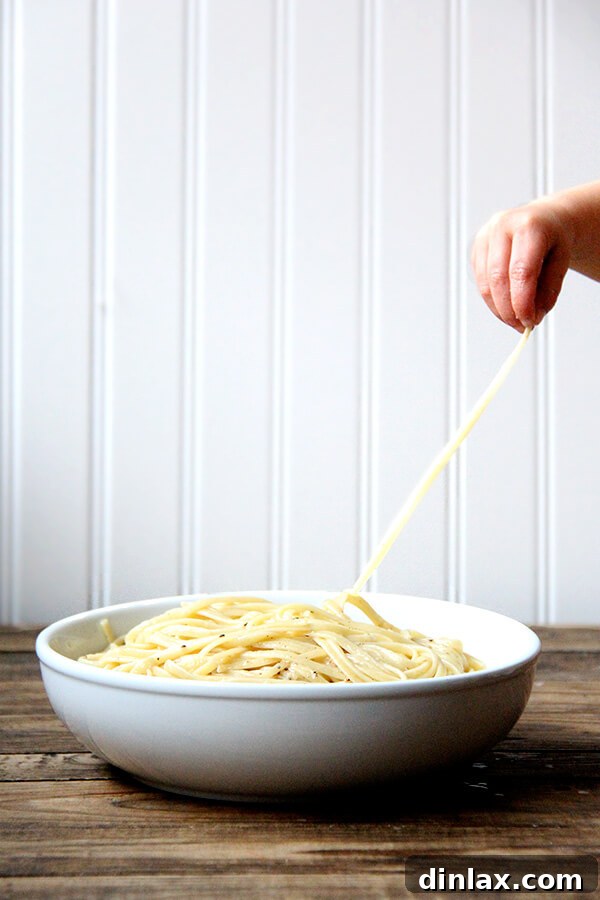
- Continuous Stirring and Tossing: Once the pasta is added to the sauce, toss vigorously and continuously. This ensures every strand is coated, and the emulsification remains stable. If the sauce seems too thick, add a little more reserved pasta water, one tablespoon at a time, until you reach your desired consistency.
- Serve Immediately: Cacio e Pepe is best enjoyed fresh off the stove. The sauce is at its peak creaminess right after preparation. It’s a dish that waits for no one!
By following these detailed steps and understanding the science behind the dish, you’ll be well on your way to mastering Cacio e Pepe and impressing your family and friends with this magnificent Italian classic.
Print
Cacio e Pepe
5 Stars 4 Stars 3 Stars 2 Stars 1 Star
No reviews
Author: Alexandra
Total Time: 15 minutes
Yield: 4 servings 1x
Description
This classic Roman Cacio e Pepe recipe comes from the talented Laura Vitale, known for her simple and authentic Italian cooking. It emphasizes the perfect emulsion of cheese, butter, and starchy pasta water to create a beautifully creamy and flavorful sauce without any cream.
Note: When salting the pasta water, keep in mind that you’ll be using a significant portion of it for the sauce. I recommend starting with about 2 teaspoons of kosher salt for the water. You can always adjust the seasoning with more salt to taste at the very end after the sauce has formed.
Ingredients
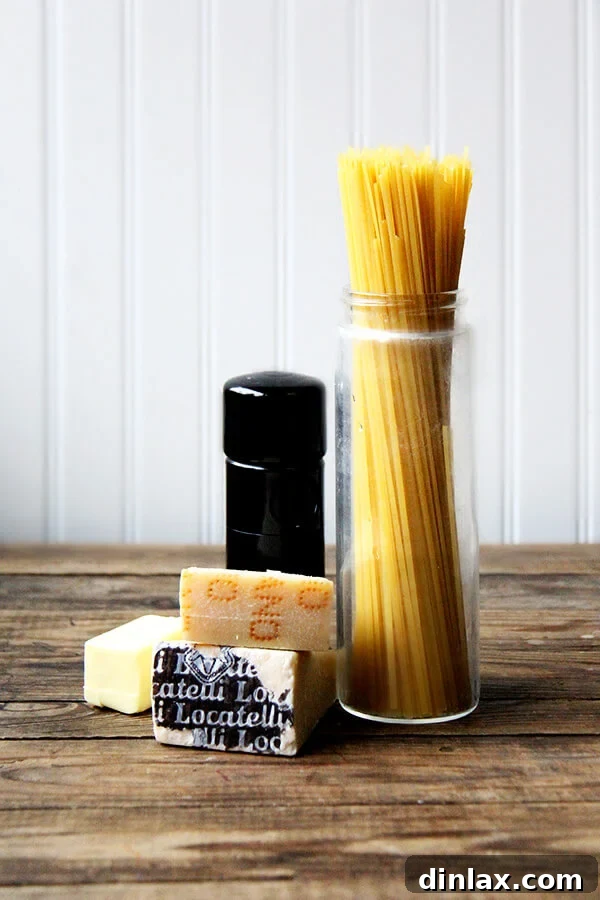
- 12 oz. dried spaghetti or linguini
- 4 tablespoons unsalted butter
- 1/2 cup freshly grated Pecorino Romano
- 1/2 cup freshly grated Parmigiano Reggiano
- 1 teaspoon freshly cracked black pepper or more or less to taste
Instructions
- Bring a large pot of generously salted (see notes in description) water to a rolling boil. Add your chosen pasta (spaghetti or linguini) and cook for 2 minutes less than the package recommends for al dente. This ensures the pasta retains sufficient starch and will finish cooking in the sauce. Before draining, reserve about 1/2 cup of the starchy pasta cooking water.
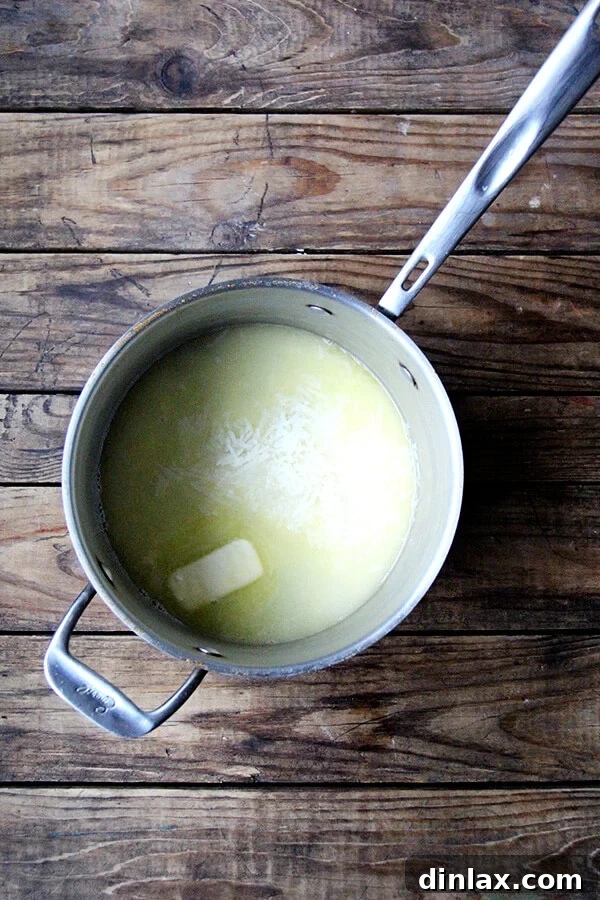
- Return the reserved starchy cooking water to the same pot over low heat. Add the unsalted butter and allow it to melt completely. Gradually add the freshly grated Pecorino Romano and Parmigiano Reggiano cheeses. Whisk continuously and gently over low heat until the butter, cheeses, and water beautifully emulsify into a smooth, creamy sauce. Ensure the heat remains low to prevent the cheese from clumping.
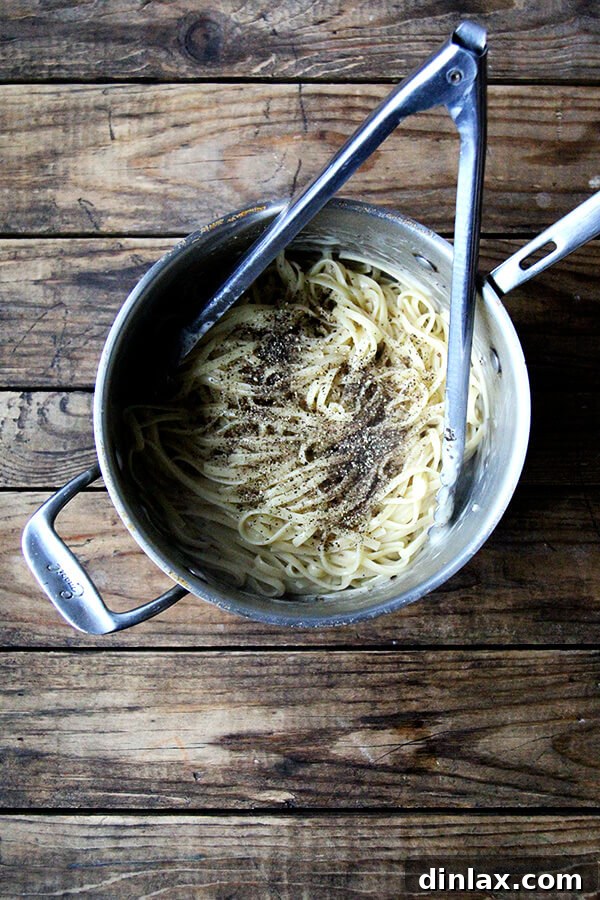
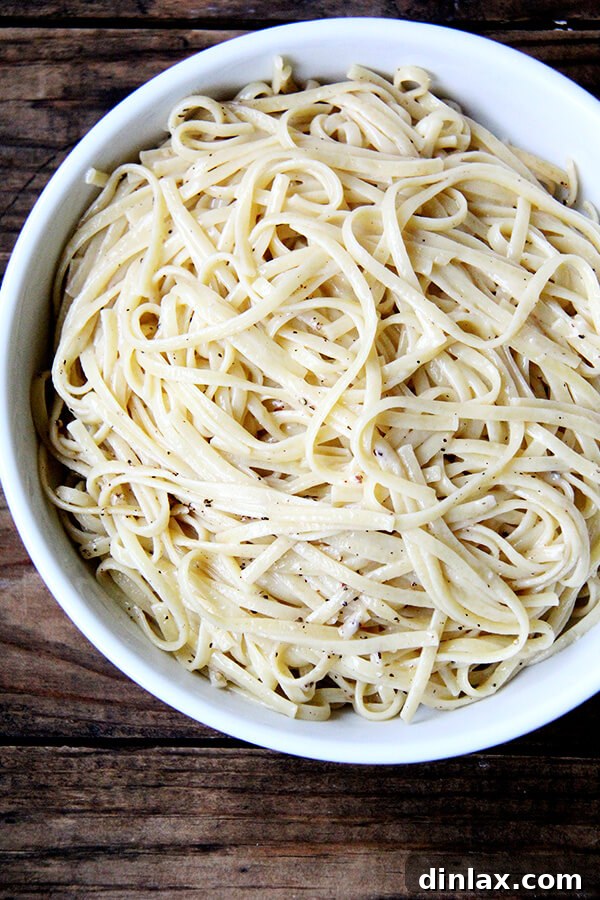
- Add the partially cooked pasta and the freshly cracked black pepper to the pot with the sauce. Toss vigorously and continuously for about 1-2 minutes until every strand of pasta is perfectly coated in the velvety sauce and the pasta is cooked through to al dente. Taste and adjust seasoning, adding more salt or pepper as desired. Remove the pan from the heat, cover, and let it stand for just 1 minute. This allows the flavors to meld and the sauce to set slightly. Serve immediately for the best experience.
- Prep Time: 5 minutes
- Cook Time: 10 minutes
Serving Suggestions and Perfect Pairings
Cacio e Pepe, with its rich and intense flavors, often shines brightest when served as the star of the meal. Its simplicity allows it to be incredibly versatile when it comes to pairings. For a complete Italian dining experience, consider starting with a light appetizer, such as marinated olives or a bruschetta with fresh tomatoes and basil. A crisp, simple green salad with a bright vinaigrette provides a refreshing contrast to the richness of the pasta, cleansing the palate between bites. A glass of crisp white wine, such as a Vermentino or a dry Frascati, both hailing from Italy, would beautifully complement the dish without overpowering its delicate balance of cheese and pepper. For red wine lovers, a light-bodied Sangiovese could also be a delightful choice.
While Cacio e Pepe is traditionally a standalone pasta dish, you can enhance your meal by serving it alongside a lean protein. Grilled chicken or pan-seared scallops would offer a delightful textural contrast and additional sustenance without competing with the pasta’s unique flavor profile. A slice of crusty Italian bread on the side is also highly recommended, perfect for soaking up any leftover delicious sauce. Remember, the beauty of Cacio e Pepe lies in its understated elegance, so keep your accompanying dishes light and fresh to let this Roman classic truly sing.
Conclusion: The Enduring Appeal of Simplicity
In a world often enamored with culinary complexity, Cacio e Pepe stands as a powerful reminder of the profound beauty found in simplicity. It’s a dish that proves how a few humble, high-quality ingredients, when handled with care and understanding, can transform into an extraordinary gastronomic experience. From its ancient origins with Roman shepherds to its modern interpretation by culinary luminaries like Laura Vitale, Cacio e Pepe has captivated hearts and palates across generations. Its creamy texture, bold peppery kick, and rich cheesy flavor are not just delicious; they are a celebration of Italian tradition, resourcefulness, and the sheer joy of good food. Whether you are a seasoned chef or a novice in the kitchen, this recipe offers an accessible yet deeply rewarding journey into authentic Italian cooking. So, gather your ingredients, follow these steps, and prepare to be enchanted by the timeless magic of Cacio e Pepe – a dish that truly embodies the essence of Italian culinary art.