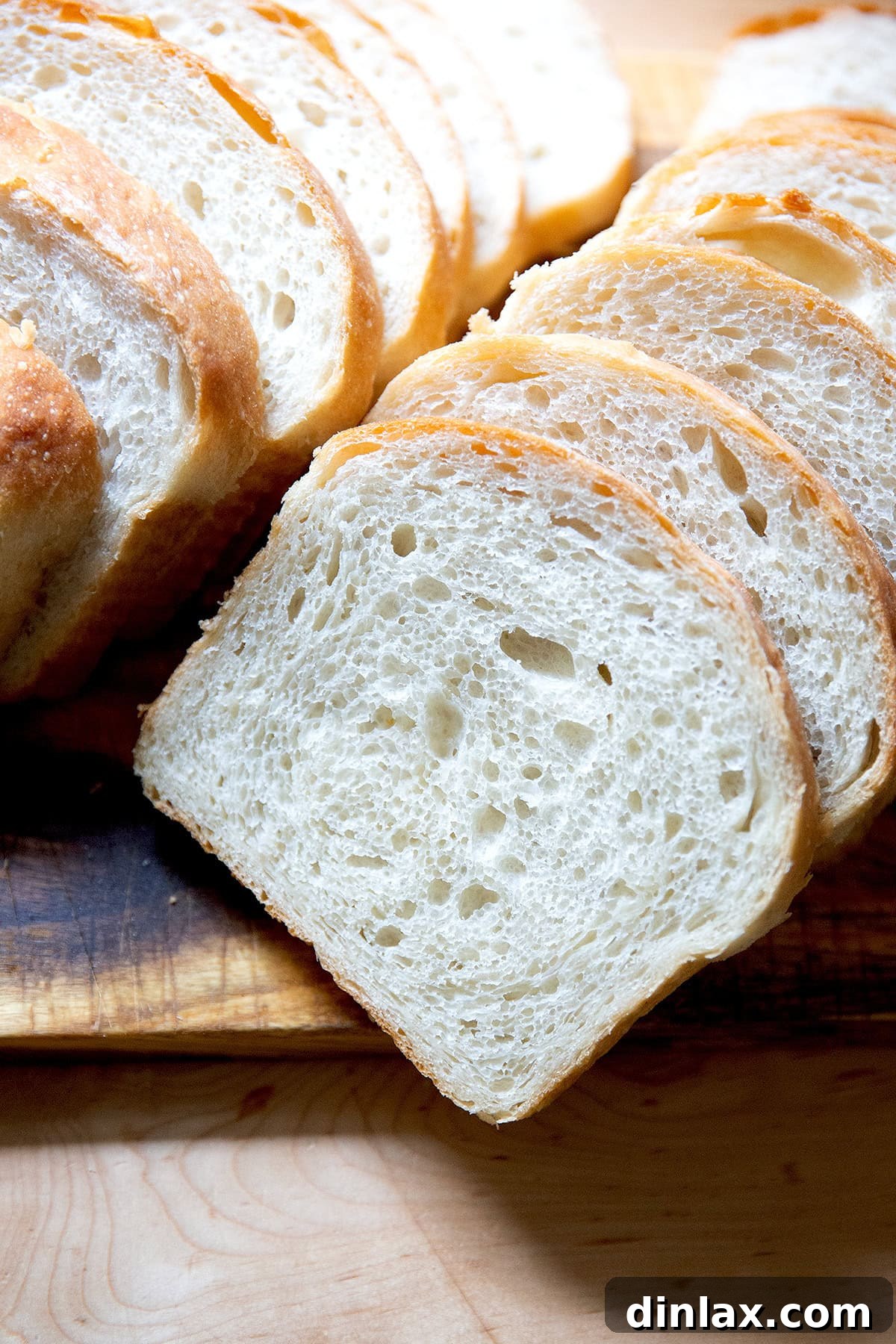
Welcome to the ultimate guide for transforming your sourdough discard into something truly spectacular: the Simple Sourdough Discard Toasting Bread. This recipe is not just another way to use up your discard; it’s an invitation to bake a remarkably soft, yet incredibly sturdy loaf that excels whether gracing your breakfast plate as toast or forming the foundation of a delicious sandwich. Get ready to bake a homemade bread that’s both forgiving for beginners and deeply satisfying for seasoned bakers. 🍞🍞
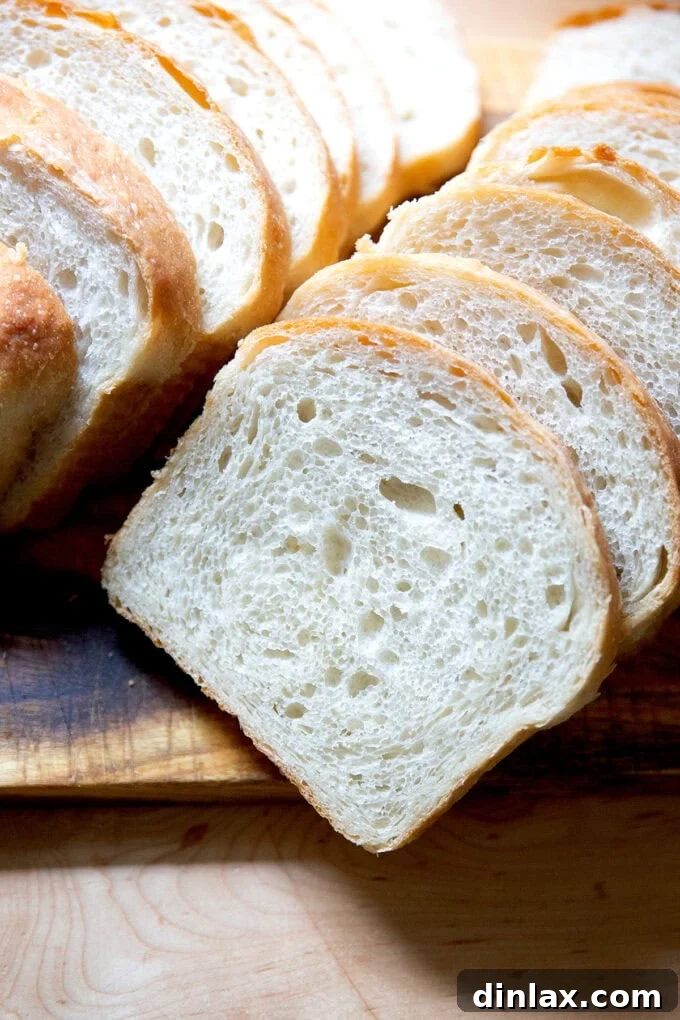
For home bakers nurturing a sourdough starter, the accumulation of sourdough discard is a familiar occurrence. While a myriad of recipes exist for incorporating this flavorful byproduct – from pancakes and crackers to pizza dough – nothing quite compares to harnessing its potential in another loaf of bread. My kitchen often revolves around the comforting staples of toast and sandwiches, making bread-making a regular ritual. While I adore my tried-and-true simple sandwich bread recipe, which is a fantastic no-knead option, this particular sourdough discard toasting bread takes simplicity to an even higher level.
What makes this recipe truly stand out is its straightforward approach and minimal ingredient list. Unlike many other bread recipes that call for enriched elements like milk and melted butter, this recipe relies predominantly on water. A touch of honey is included, not just for a subtle sweetness, but also to aid in achieving that beautiful golden-brown crust and contribute to the bread’s soft texture. However, for those who prefer to keep things utterly plain or are avoiding sweeteners, the honey can be easily omitted without compromising the integrity of the loaf. This focus on fundamental ingredients highlights the inherent flavors of the sourdough discard and results in a bread that is both robust and tender, ideal for everything from hearty breakfast toast to versatile lunchtime sandwiches.
Why Bake with Sourdough Discard? The Benefits Unveiled
Sourdough discard, often seen as a byproduct of maintaining a healthy sourdough starter, is actually a secret ingredient waiting to be utilized. Incorporating it into your bread offers several fantastic benefits:
- Reduced Waste: The most obvious advantage is minimizing food waste. Instead of discarding the unfed portion of your starter, you give it a delicious new purpose.
- Enhanced Flavor Profile: Even unfed, sourdough discard carries a complex, tangy flavor that it imparts to your baked goods. This adds depth and character to your bread that traditional yeast breads often lack.
- Improved Texture: Sourdough discard contributes to the dough’s structure and elasticity, often leading to a more tender crumb and a chewier texture.
- Added Nutritional Value: The fermentation process in sourdough can improve the digestibility of grains and increase the bioavailability of certain nutrients.
- Unique Baking Experience: Working with discard offers a different baking rhythm and results in a distinctive loaf that is uniquely yours.
Simple Sourdough Discard Toasting Bread: A Step-by-Step Guide to Perfection
Baking this simple sourdough discard bread is an incredibly rewarding experience. We’ll walk you through each step, ensuring you understand not just what to do, but why, so you can achieve a perfect loaf every time.
Step 1: Gather Your Ingredients and Tools
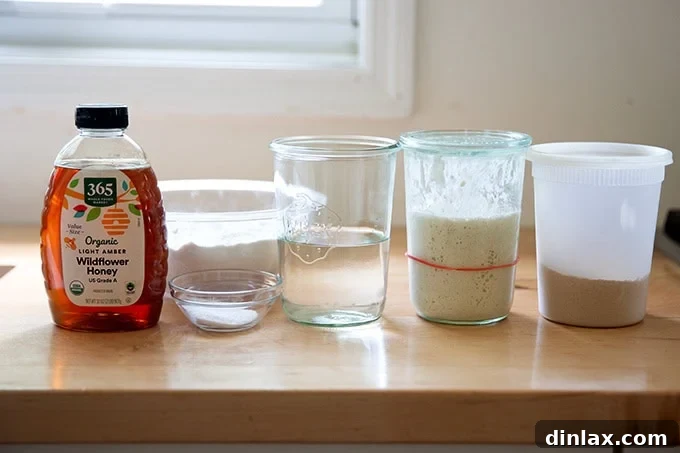
Before you begin, ensure you have all your ingredients measured and ready. Precision is key in baking, especially with bread. You’ll need: all-purpose flour (or bread flour for a chewier crumb), water, salt, sourdough discard, instant yeast, and optionally, honey or another sweetener. Having a digital kitchen scale is highly recommended for accurate measurements, as measuring by weight is far more precise than by volume.
Step 2: Combining the Wet Ingredients
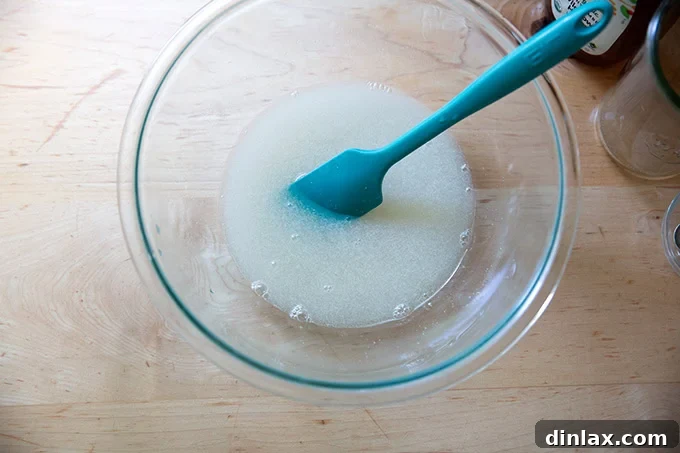
In a generously sized mixing bowl, combine the water, honey (if you choose to use it), salt, and instant yeast. Give it a good stir to ensure the salt and honey fully dissolve into the water. This preliminary step ensures that these critical ingredients are evenly distributed throughout the dough, promoting consistent flavor and proper yeast activation. The water can be cold or room temperature; instant yeast is very forgiving.
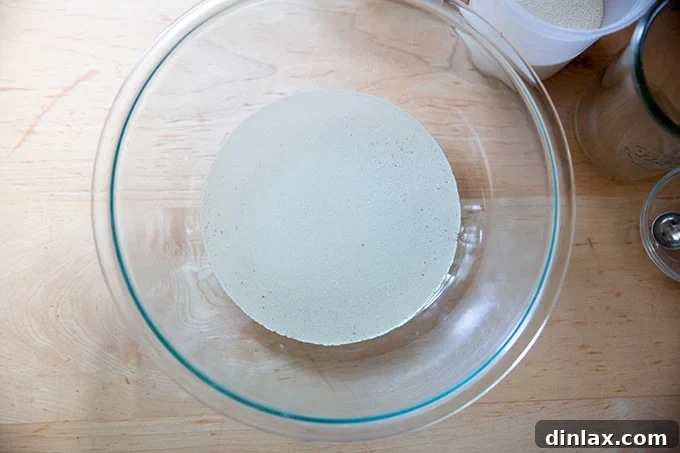
Continue stirring until the salt and honey are completely dissolved. This liquid base is crucial for activating the yeast and hydrating the flour properly.
Step 3: Incorporating Sourdough Discard
Next, add 200 grams of your sourdough discard to the bowl. If you wish to use a different amount, refer to the recipe box’s notes for guidance on adjusting other ingredients. The discard introduces that wonderful tangy flavor and helps to jumpstart the fermentation process alongside the instant yeast. It’s a fantastic way to give your bread an extra layer of complexity.
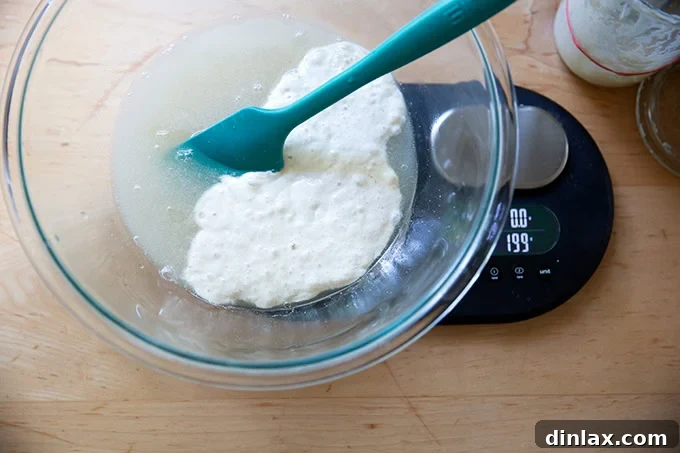
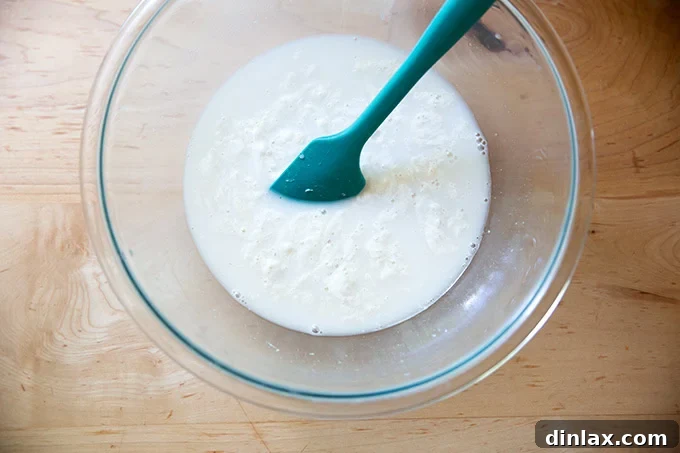
Stir the discard thoroughly into the liquid mixture until it’s well combined. The mixture will start to look cloudy and slightly thicker, ready to receive the flour.
Step 4: Adding Flour and Initial Mix
Now, add the measured flour to the bowl. You can use either all-purpose flour for a softer crumb or bread flour for a slightly chewier texture. Bread flour, with its higher protein content, develops gluten more readily, contributing to a sturdier loaf, which is excellent for toasting.
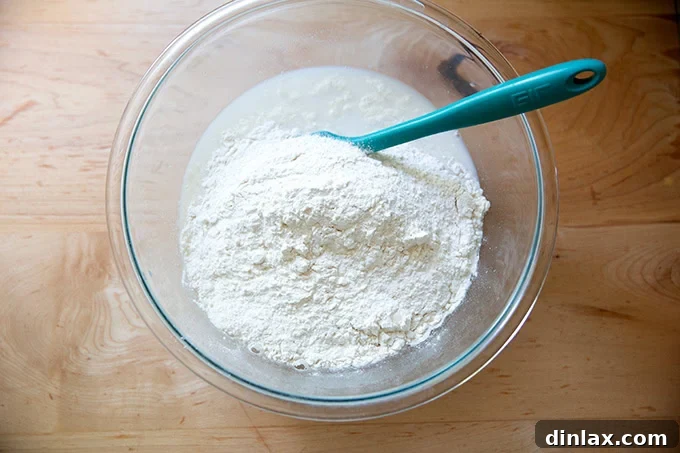
Stir the flour into the wet ingredients until a shaggy, sticky dough ball forms. It won’t be smooth or uniform at this stage, and that’s perfectly fine. This is a “no-knead” style dough, so vigorous kneading isn’t required. Just ensure all the flour is hydrated. Cover the bowl loosely with plastic wrap or a damp kitchen towel and let it rest for 30 minutes. This autolyse period allows the flour to fully hydrate and the gluten to begin developing on its own, setting the stage for improved dough structure.
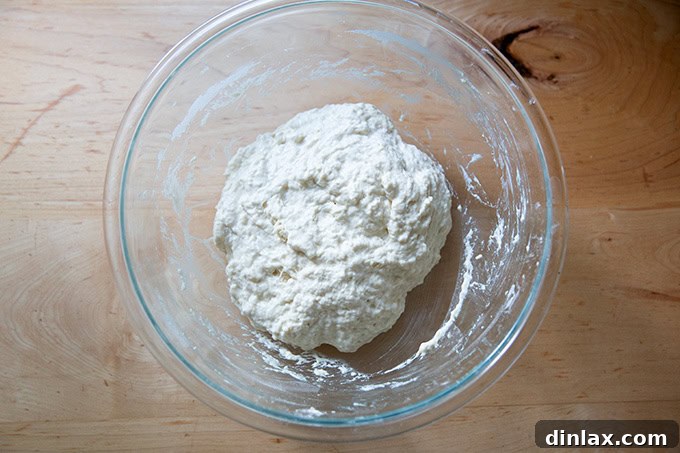
Step 5: The Stretch and Fold Technique
After the rest, it’s time to perform a series of stretch and folds. This technique gently develops the gluten network without intense kneading. Dip one hand in water to prevent sticking. Grab a portion of the dough from the edge of the bowl, stretch it upwards, and fold it over towards the center. Rotate the bowl slightly and repeat this action several times, working your way around the dough. As you continue, you’ll feel the dough transform from a sticky mass into a smoother, more cohesive, and elastic ball. This process builds strength in the dough, which is essential for a good rise and crumb structure.
Step 6: First Rise (Bulk Fermentation)
Once you’ve completed the stretch and folds, cover the bowl again and let the dough embark on its first rise, also known as bulk fermentation. Place the bowl in a warm, draft-free spot. The dough needs to approximately double in volume. This typically takes anywhere from 2 to 3 hours, but the exact time will vary based on your kitchen’s temperature and the activity of your sourdough discard and yeast. Rely on visual cues—the doubling in size—rather than strict adherence to a timer. A properly risen dough will feel airy and slightly jiggly.
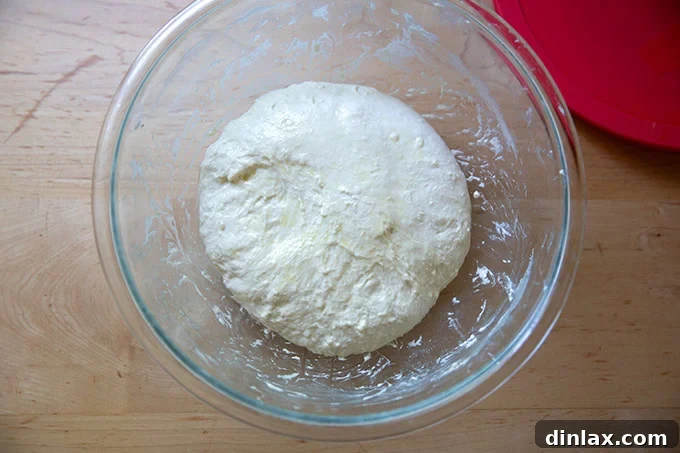
This image perfectly illustrates the dough at its peak after the bulk fermentation—nearly doubled, indicating a successful rise and active yeast.
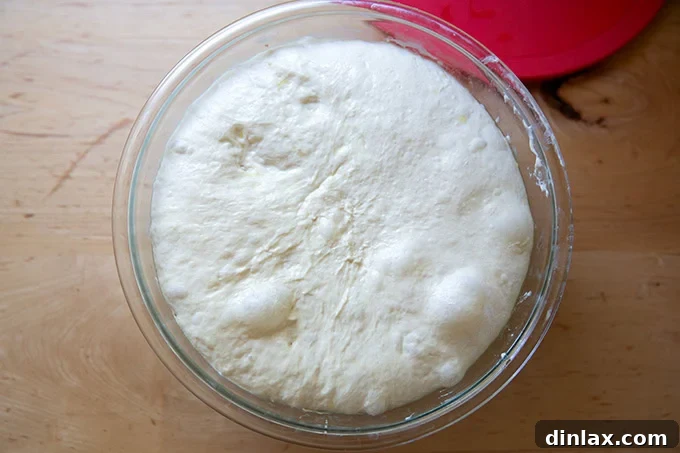
Step 7: Shaping the Loaf and Second Rise (Proofing)
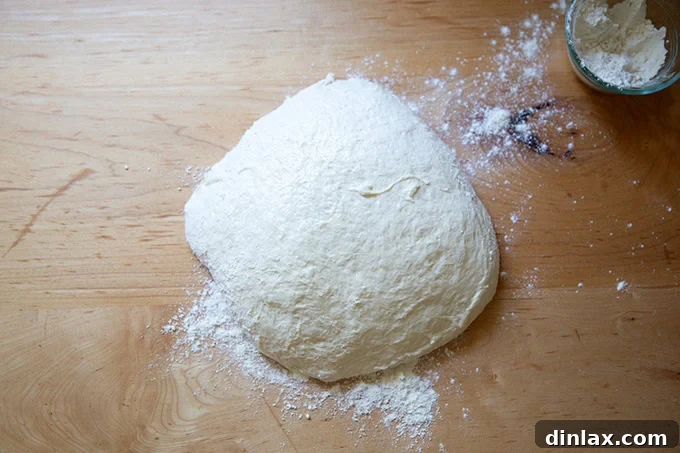
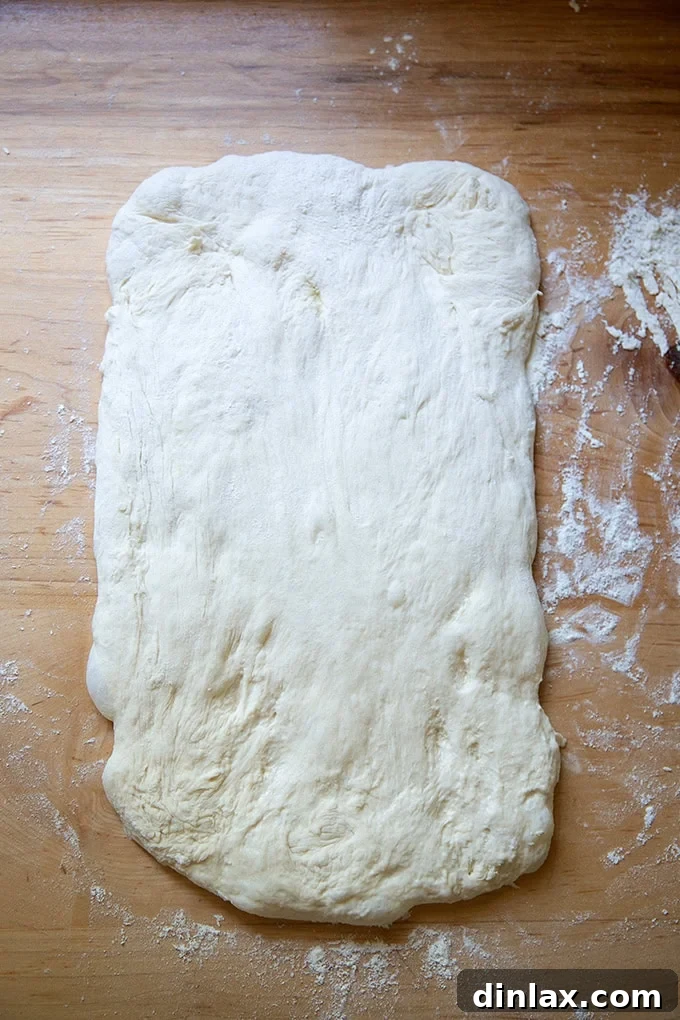
Gently deflate the risen dough using a flexible bowl scraper or your hand, pulling it from the sides towards the center. Lightly flour your work surface and turn the dough out. Carefully pat it into a rough rectangle, approximately 8 by 16 inches. The exact length is less critical than the width; aim for about 8 inches wide so it fits comfortably into your loaf pan. Starting from one of the shorter ends, tightly roll the dough into a coil. This rolling technique helps create an even crumb and a well-structured loaf. Transfer the coiled dough to your prepared 9×5-inch loaf pan, which should be greased with softened butter.
The dough after being gently deflated following its first rise, maintaining its soft structure.
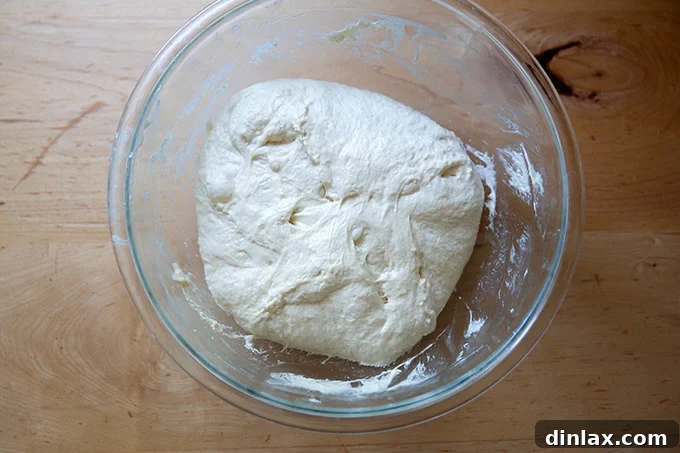
Once turned out onto a floured surface, the dough is ready for shaping. It should still be somewhat pliable but hold its shape.
The dough stretched into a rectangle, prepared for the coiling process. Maintaining this shape ensures a uniform loaf.
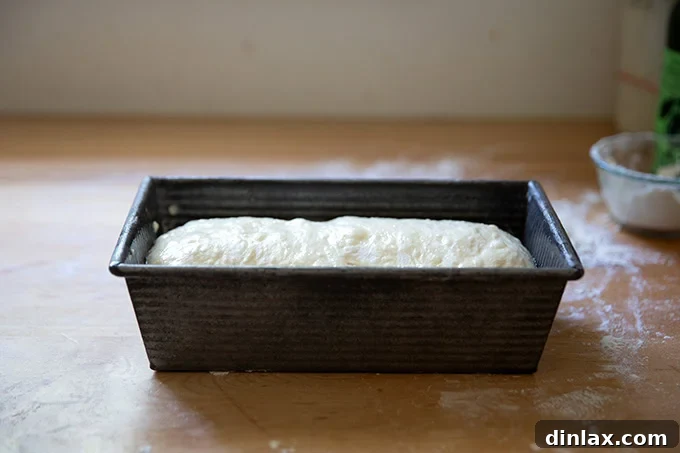
Drizzle the loaf lightly with olive oil and gently rub it to coat the top. This not only adds flavor but also helps to create a beautiful golden crust. Let the dough rise in the loaf pan until it gracefully crowns the rim, approximately 1 hour. About 30 minutes into this final rise, preheat your oven to 375ºF (190ºC), ensuring it’s ready when your bread is.
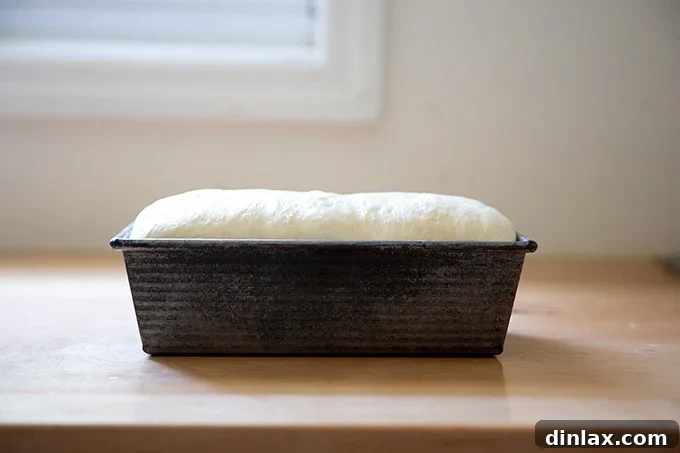
The dough has achieved its ideal volume, crowning the pan and ready for baking. This stage is crucial for an airy interior.
Step 8: Baking Your Loaf
Bake your beautifully risen loaf in the preheated oven at 375ºF (190ºC) for 45 minutes. The bread should emerge with a deep golden-brown crust and sound hollow when tapped on the bottom. If you have a thermometer, the internal temperature should read around 200-210ºF (93-99ºC) for a fully baked loaf. The aroma filling your kitchen at this stage is one of life’s simple pleasures!
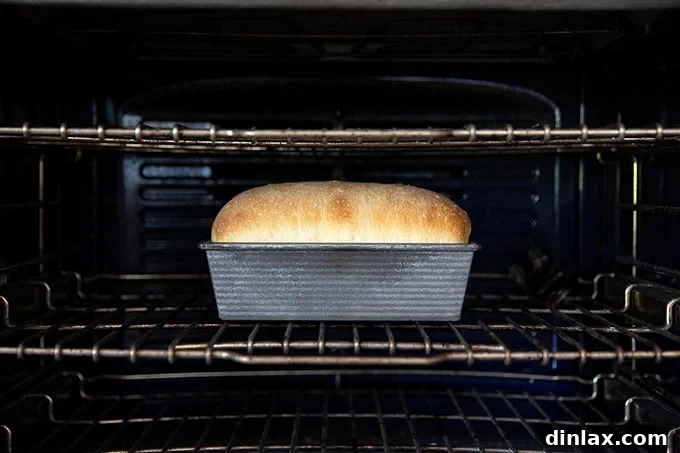
Just out of the oven, this golden-crusted loaf still in its pan showcases the successful bake. The anticipation builds!
Step 9: Cooling and Slicing
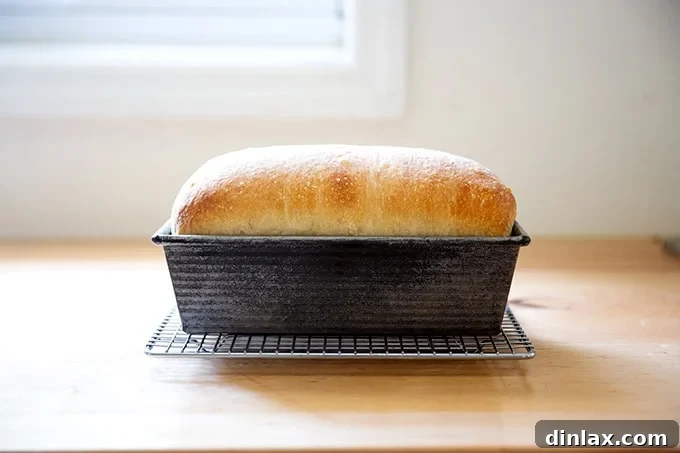
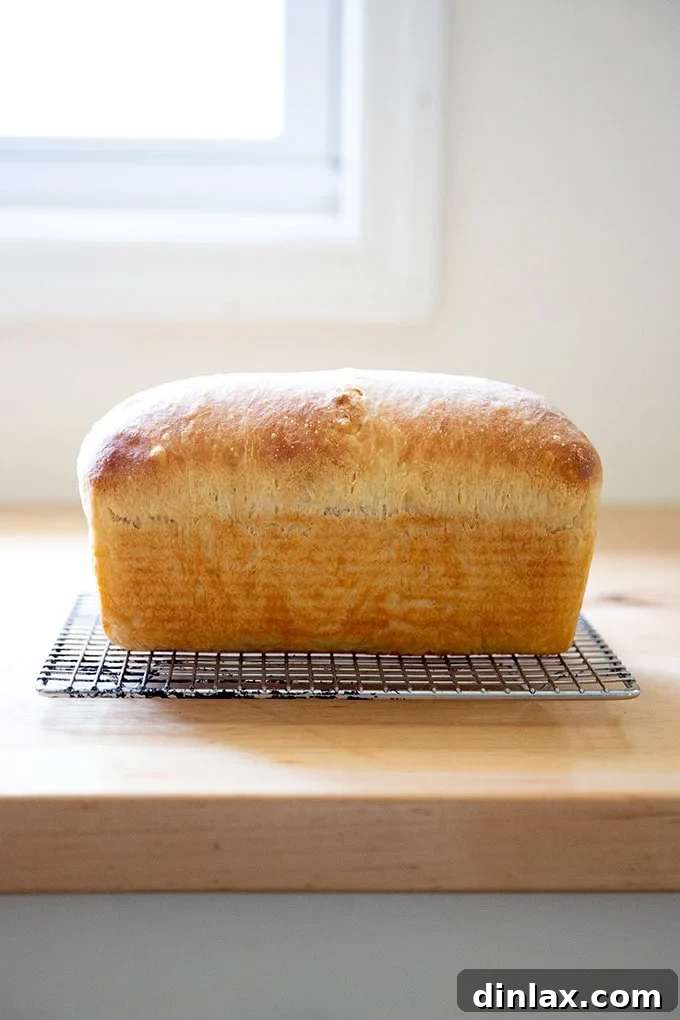
Once baked, immediately turn the loaf out onto a wire cooling rack. This allows air to circulate around all sides of the bread, preventing it from becoming soggy and ensuring a crisp crust. The most challenging part of bread baking is often the wait! Allow the bread to cool completely for at least 30 minutes, or ideally, an hour or more, before slicing. This patience is rewarded: slicing a fully cooled loaf results in cleaner, more uniform slices and prevents the internal structure from gumming up.
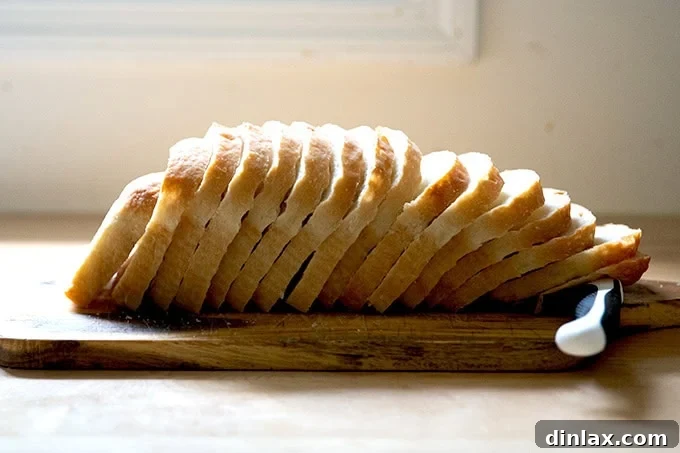
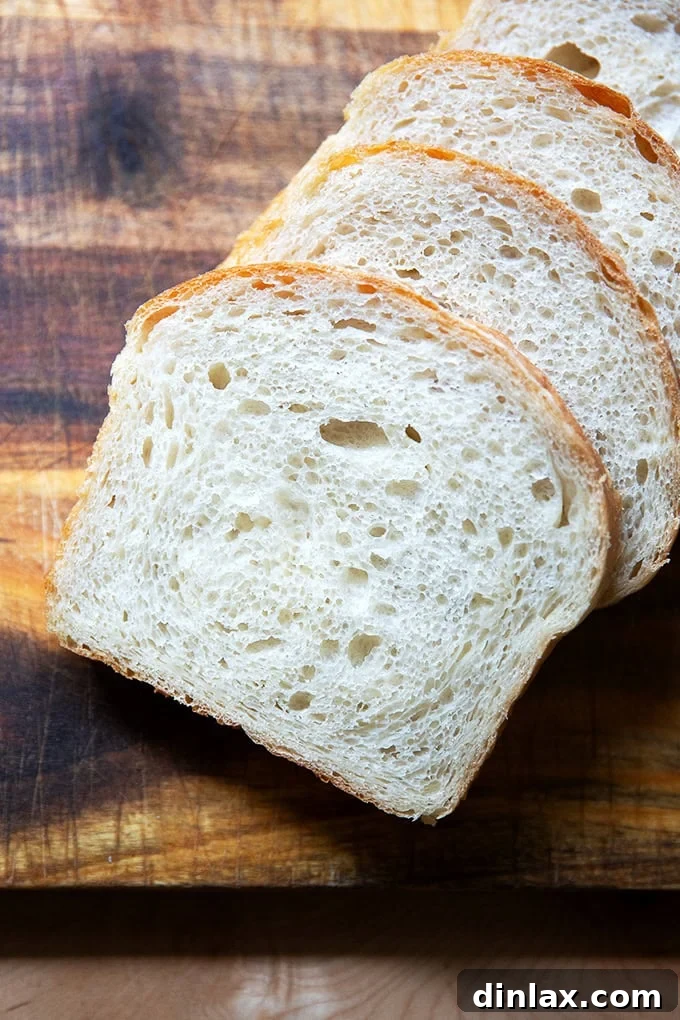
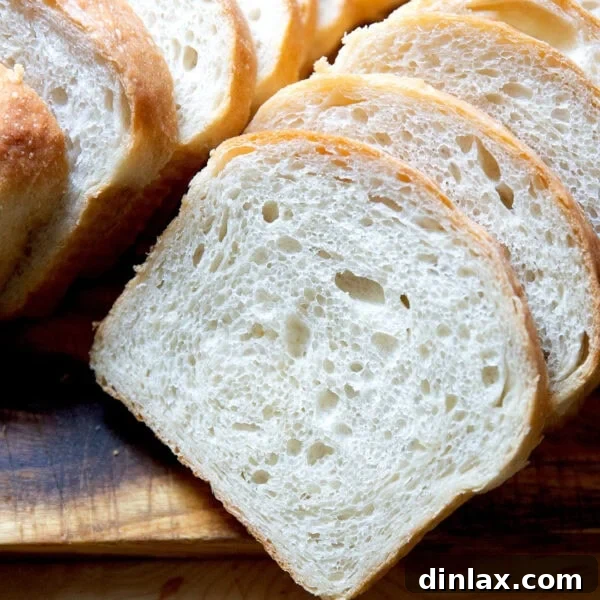
Once cooled, the bread slices beautifully, revealing its soft, sturdy interior, perfect for its intended purpose.
Storage and Serving Suggestions
This bread freezes beautifully. Once completely cooled, you can slice it and freeze individual slices, or wrap the whole loaf tightly in plastic wrap and then foil. It will keep well in the freezer for up to 6 months, ready to be thawed and enjoyed whenever a craving strikes.
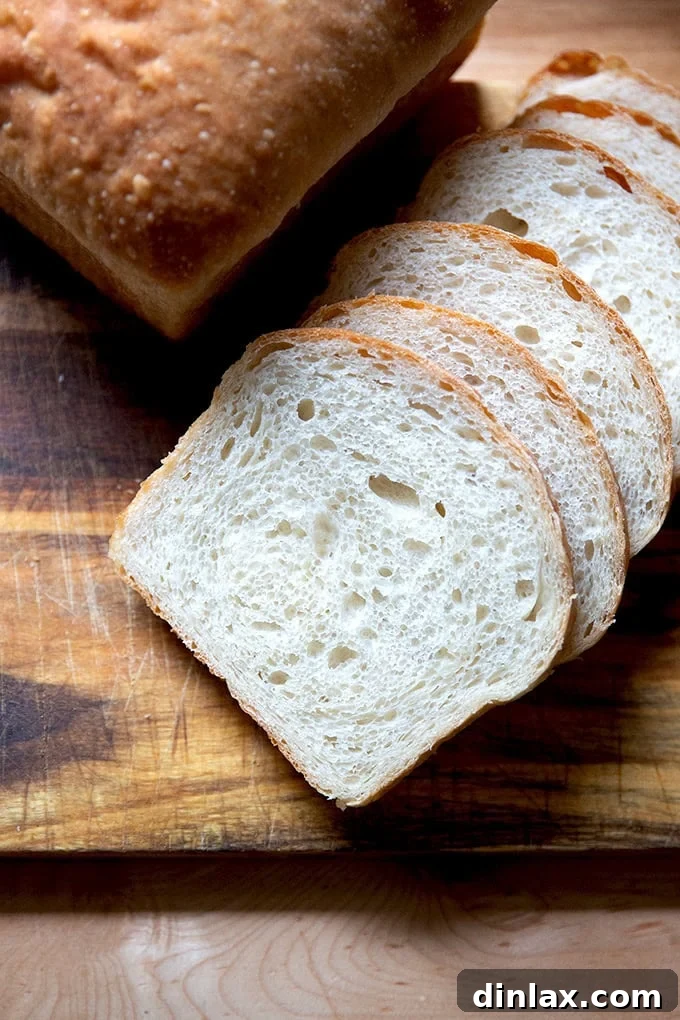
When freshly baked, its soft yet sturdy texture makes it ideal for crafting a wide array of sandwiches. From simple PB&J to gourmet deli creations, this bread holds up perfectly, absorbing flavors without becoming soggy.
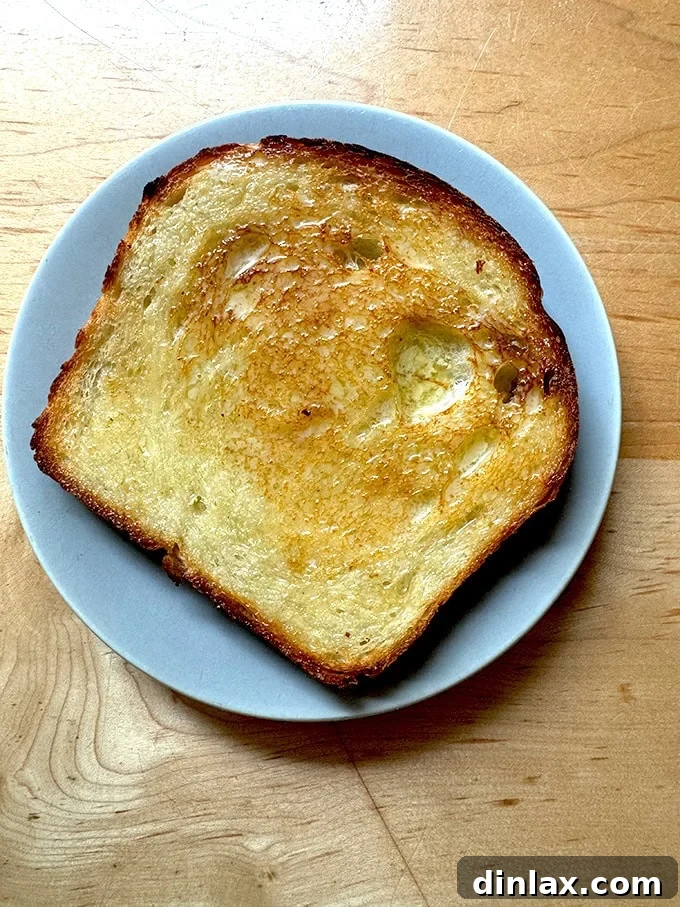
And, as its name implies, it truly excels when toasted. The gentle tang of the sourdough discard combined with the crisp exterior and soft interior makes for an unparalleled toast experience. Spread with butter, jam, avocado, or your favorite topping, it’s the perfect start to any day.
Simple Sourdough Discard Toasting Bread
5 Stars 4 Stars 3 Stars 2 Stars 1 Star
4.9 from 19 reviews
Author: Alexandra Stafford
Total Time: 3 hours 45 minutes
Yield: 1 loaf or 14 slices 1x
Description
This exceptional recipe guides you through creating the easiest and most versatile sourdough discard bread. The result is a soft yet robust loaf, perfect for everyday toast, hearty sandwiches, or simply enjoying on its own. It’s a fantastic way to minimize waste and infuse your baking with that signature sourdough flavor. 🍞🍞🍞
Baker’s Notes and Essential Tips:
- For unparalleled accuracy and consistent results, we highly recommend using a digital kitchen scale to measure all your ingredients. Baking is a science, and precise measurements make a significant difference.
- Yeast Selection: Our preferred choice for this recipe is SAF instant yeast due to its reliability and ease of use—it can be added directly to dry ingredients. If you opt for active dry yeast, remember to first sprinkle it over the specified water and let it “bloom” or proof for about 10-15 minutes until foamy before proceeding with the recipe. This confirms its activity.
- Salt Considerations: A general guideline for bread making suggests that salt should constitute 2% to 3% of the total flour weight. For this recipe, that translates to 10 to 15 grams. I personally prefer 15 grams of Diamond Crystal kosher salt, finding it enhances the flavor without being overly salty, but feel free to adjust this to suit your personal taste preference. If using a different type of salt, such as fine sea salt, you might need to slightly adjust the quantity due to varying densities.
- Sourdough Discard Details: You have flexibility here! You can use freshly discarded starter (from a recent room-temperature feeding) or discard that has been stored in your refrigerator (ideally not older than two weeks for optimal flavor). For best results, ensure your starter is maintained at 100% hydration, meaning equal parts flour and water by weight, which is the standard I use. The amount of discard can be customized; for example, if you wish to use 100 grams of discard instead of 200, simply reduce the water to 350 grams and the flour to 500 grams to maintain the overall hydration and balance.
- Loaf Pan Choice: I achieve excellent results with a 9×5-inch USA pan, known for its non-stick properties and even heat distribution. A 10×5-inch loaf pan would also work well. However, an 8×4-inch pan might be too small for this volume of dough, potentially leading to overflow during rising or baking.
Ingredients
Please read all notes above before proceeding:
- 300 grams (about 1 1/3 cups) water, cold or room temperature
- 4 grams (1/2 teaspoon) instant yeast
- 10 to 15 grams (2 to 3 teaspoons) salt
- 21 grams (1 tablespoon) honey or other sweetener, optional
- 200 grams (about 1 cup) sourdough discard
- 450 grams (about 3.5 cups) bread flour, plus more for dusting
- softened butter for greasing
- olive oil for drizzling
Instructions
- Mix the dough: In a large bowl, combine the water, instant yeast, salt, and honey (if using). Stir thoroughly until both the salt and honey are completely dissolved into the water. Next, add the sourdough discard and mix well to integrate it. Finally, add the measured flour and continue to stir until all the flour is hydrated and you have formed a wet, sticky dough ball. This stage will not look smooth, but rather shaggy. Cover the bowl loosely with plastic wrap or a damp towel and allow the dough to rest for 30 minutes. This initial rest, known as autolyse, helps the flour absorb the liquid and begins the gluten development process.
- Stretch and fold: Prepare a small bowl of water for moistening your hand. Using a wet hand to prevent sticking, perform the stretch and fold technique. Grab a section of the dough from the edge of the bowl, stretch it upwards, and fold it over onto itself towards the center. Rotate the bowl slightly (about a quarter turn) and repeat this stretching and folding process. Continue this action, moving around the entire circumference of the dough, for about 4-6 folds. As you work, you should notice the dough gradually transform from being sticky and somewhat loose to feeling smoother, more cohesive, and slightly elastic. This gentle action strengthens the dough’s gluten network without the need for intensive kneading. Find video guidance here to master the technique.
- Let it rise (Bulk Fermentation): After completing the stretch and folds, cover the bowl again securely. Allow the dough to undergo its first rise, or bulk fermentation, at room temperature until it has visibly doubled in volume. This crucial stage typically takes anywhere from 2 to 3 hours, but the exact timing is highly dependent on environmental factors like your kitchen’s ambient temperature and the activity level of your sourdough discard. It’s vital to rely on visual cues (the doubling in size) more than the clock. A well-risen dough will appear airy and somewhat bubbly.
- Prepare a loaf pan: Generously grease a 9×5-inch loaf pan with softened butter. Ensure all interior surfaces, including the corners, are coated to prevent sticking and allow for easy release after baking.
- Coil up your dough: Gently deflate the risen dough by carefully pulling it from the sides of the bowl towards the center with your hand or a flexible bench scraper. Turn the dough out onto a lightly floured work surface. Using your hands, gently pat the dough into a rectangular shape, roughly 8 by 16 inches. The width is particularly important; avoid making it much wider than 8 inches to ensure it fits snugly into your loaf pan without excessive manipulation. Starting from one of the shorter ends, carefully roll the dough into a tight coil. This helps create a uniform crumb. Transfer the coiled dough smoothly into your prepared loaf pan. Drizzle about 1 teaspoon of olive oil over the surface of the dough and gently rub it to create an even coating. This will contribute to a beautiful crust during baking. Find video guidance here for effective shaping.
- Final rise (Proofing): Allow the dough to undergo its final rise in the loaf pan until it gracefully crowns the rim of the pan, indicating it’s ready for baking. This usually takes approximately 1 hour. As your dough approaches the rim (typically about 30 minutes after placing it in the pan), begin preheating your oven to 375ºF (190ºC) to ensure it reaches the correct temperature by the time your bread is fully proofed.
- Bake it: Place the loaf pan in the preheated oven and bake for 45 minutes. The bread should develop a deep golden-brown crust and, when tapped on the bottom, should sound hollow.
- Once baked, immediately turn the bread out onto a wire cooling rack. This allows air to circulate around the entire loaf, preventing moisture buildup and ensuring a crisp crust. The most crucial step for a perfect slice is patience: let the bread cool completely (if you can resist!) for at least 30 minutes, or ideally, a full hour or more, before attempting to slice it. A fully cooled loaf is significantly easier to slice into thin, uniform pieces without tearing or gumming up the crumb.
- To maintain its freshness, store the cooled bread in an airtight bag or container at room temperature for 3 to 4 days. For longer storage, this bread freezes beautifully. Wrap it tightly in plastic wrap and then aluminum foil, and it can be stored in the freezer for up to 6 months. Thaw at room temperature or briefly toast frozen slices for quick enjoyment.
- Prep Time: 3 hours
- Cook Time: 45 minutes
- Category: Bread
- Method: yeast, sourdough
- Cuisine: American