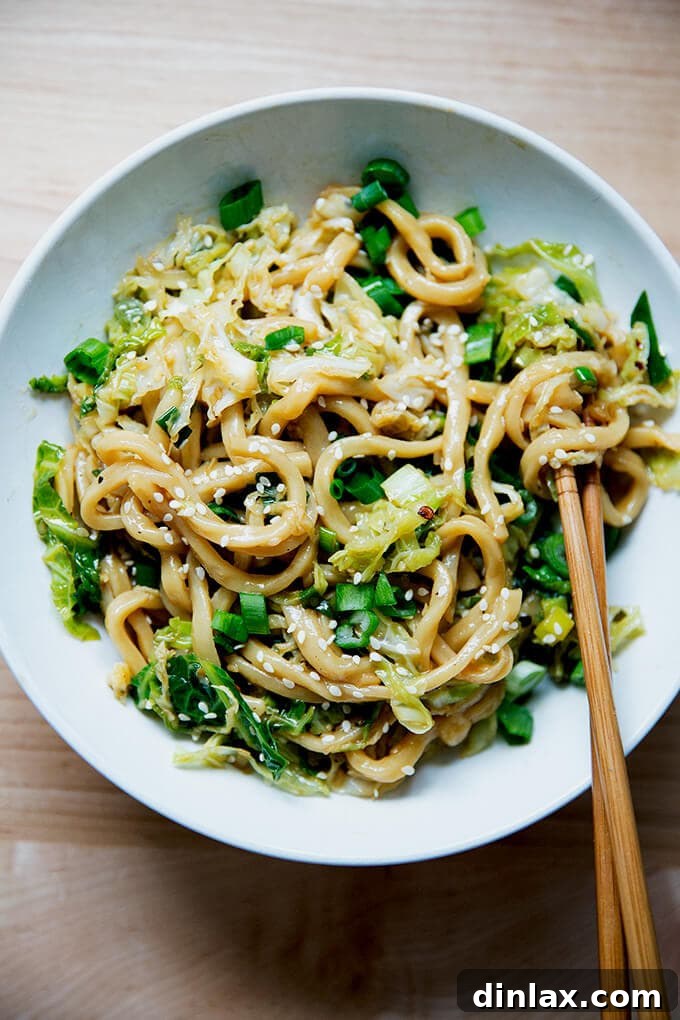
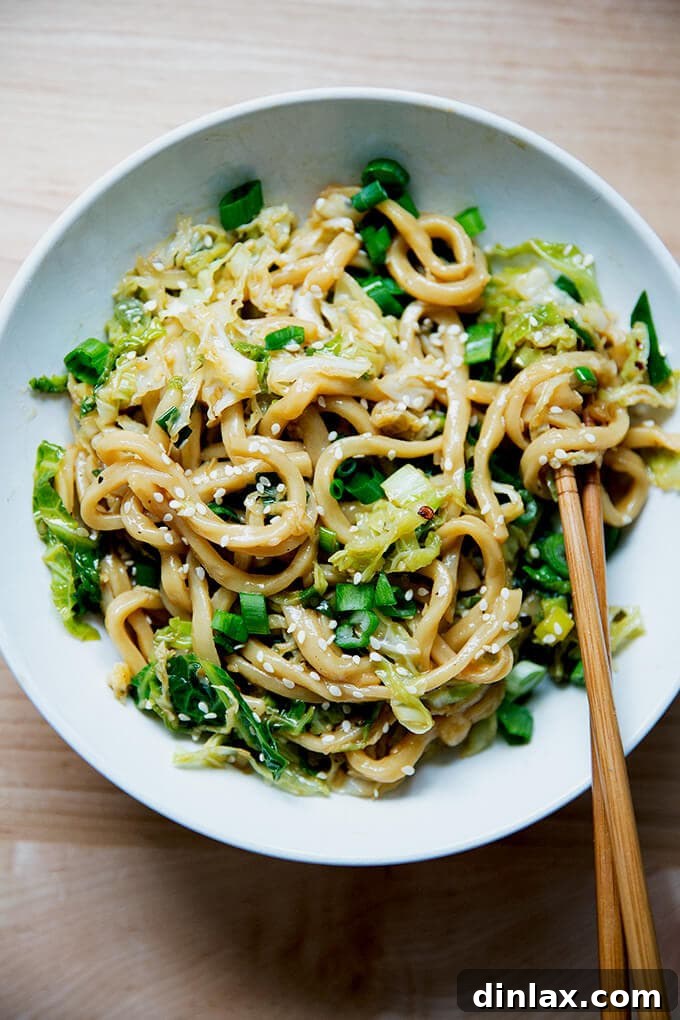
Lightning-Fast Sichuan Noodles: Your New Favorite Weeknight Meal
In the relentless quest for delicious yet incredibly simple weeknight dinners, some recipes stand out as true game-changers. This particular Sichuan-inspired noodle dish, featuring vibrant chilies, fresh scallions, and the satisfying texture of udon, is one such culinary revelation. It’s a dish that promises big flavors with minimal effort, making it an absolute must-have in your recipe repertoire.
A few weeks ago, I stumbled upon a digital gem that promised to transform my cooking. Upon visiting Christopher Kimball’s Milk Street website, a compelling pop-up caught my eye: “12 Recipes That Will Change The Way You Cook.” Naturally, my curiosity was piqued. I subscribed, downloaded the promised PDF, and eagerly began to explore its contents. Among the tantalizing collection, one recipe immediately seized my attention: “Quick and Easy Sichuan Noodles.” The accompanying photo was simply stunning, depicting a bowl brimming with noodles, garnished generously with scallions, sesame oil, and seeds, alongside the enticing caption: “Scallions, sesame oil and seeds, plus pantry staples, flavor this simple, addictively good noodle dish.”
What followed was nothing short of culinary serendipity. To my delight, I discovered I had every single ingredient on hand to bring this dish to life. The recipe came together as quickly as it promised, delivering an instant burst of authentic flavors. My initial attempt utilized fresh Chinese noodles, which yielded a wonderfully satisfying result. However, following Milk Street’s recommendation, I later prepared the dish with dried Japanese udon noodles, and the outcome was even more exceptional, proving that sometimes, the suggested path leads to perfection.
The Inspiration Behind the Bowl: From Midnight Cravings to Weeknight Wins
This remarkable recipe, I soon learned, drew its inspiration from a truly fascinating source: Fuchsia Dunlop’s “emergency midnight noodles,” featured in her acclaimed cookbook, Every Grain of Rice. Dunlop’s philosophy of crafting quick, comforting meals from readily available pantry staples resonates deeply with anyone seeking flavorful solutions during a busy week or a late-night craving. The beauty of this recipe lies in its simplicity and the depth of flavor it achieves with minimal fuss.
One of the brilliant aspects of this dish, as presented by Milk Street, is the method for creating your own chili oil from scratch. Instead of relying on pre-made versions, you infuse grapeseed oil (or any other neutral oil) with red pepper flakes and sesame seeds, gently heating them until fragrant. This process takes mere minutes and unlocks an incredible aroma and freshness that elevates the entire dish, creating a spicy, nutty foundation that is unparalleled. The difference a freshly made chili oil makes is truly profound, adding a vibrant kick and complex notes that transform simple noodles into an extraordinary meal.
Elevating the Experience: Adding Freshness and Substance
While the original recipe is fantastic on its own, I’ve found that incorporating thinly shredded cabbage and carrots significantly enhances the meal. Not only do these vegetables add a delightful crunch and fresh flavor, but they also contribute valuable nutrients and bulk, making the dish more substantial and satisfying. The clever technique involves draining the hot noodles directly over the prepared vegetables in a colander, allowing the residual heat to gently soften them just enough, without making them mushy. This ensures they retain a pleasant bite, complementing the tender noodles.
Although the inclusion of a protein isn’t strictly necessary – I genuinely haven’t missed it in this iteration – a touch of added protein can certainly transform it into an even more complete meal. Milk Street, for instance, suggests topping each serving with a perfectly fried egg. What’s more, they recommend frying this egg in the very same skillet used to infuse the chili oil, making for an efficient and flavorful addition. The rich yolk, when broken, coats the noodles, adding an extra layer of decadence. Other excellent protein additions could include pan-fried tofu, shredded chicken, or even some quickly sautéed shrimp, offering versatility to suit various dietary preferences.
Crafting Your Bowl of Sichuan Goodness: A Step-by-Step Culinary Journey
Embarking on this culinary adventure begins with gathering all your ingredients – a practice known as “mise en place,” which ensures a smooth and stress-free cooking experience. For the noodles, Milk Street specifically recommends dried Japanese udon noodles, and for good reason. Their thick, chewy texture provides a wonderful foundation for the flavorful sauce. However, feel free to experiment with other varieties like lo mein or even spaghetti if udon isn’t readily available.
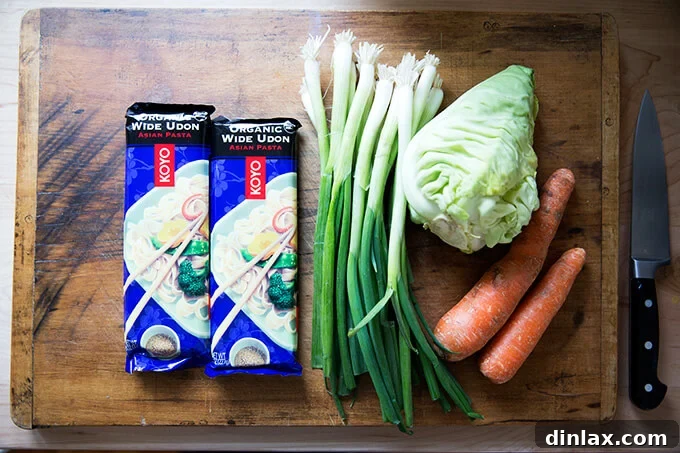
The heart of this dish lies in its exquisite sauce. You’ll need a harmonious blend of pantry staples: robust soy sauce for umami, tangy rice vinegar for brightness, aromatic sesame oil for depth, fiery red pepper flakes for heat, fragrant sesame seeds for crunch, and a touch of brown sugar to balance all the flavors. A neutral oil, like grapeseed oil, is essential for infusing with the spices.
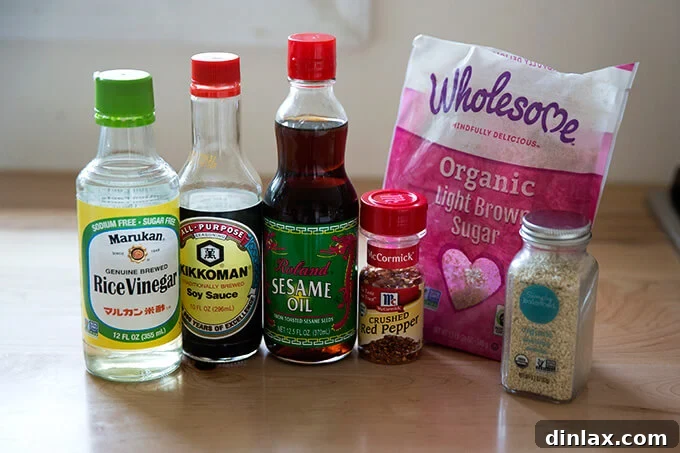
If you’re opting for the vegetable additions, preparing them ahead of time is key. I often use my food processor to quickly shred carrots, and a sharp knife makes quick work of thinly slicing the cabbage. Remember to slice your scallions finely and keep the white and green parts separated, as they are added at different stages to maximize their flavor contribution.
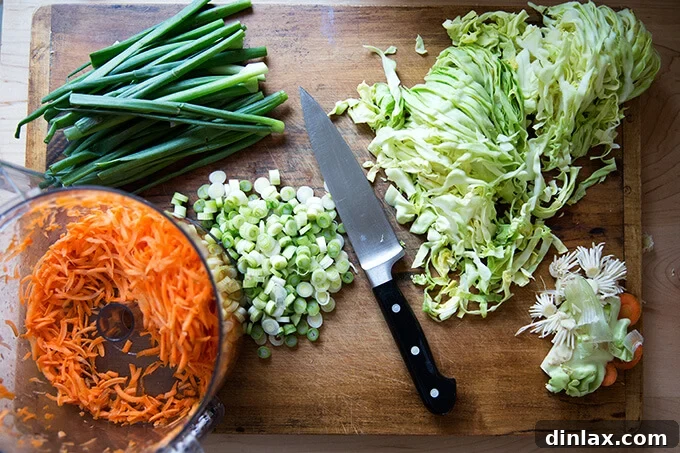
The cooking process is a symphony of simultaneous tasks. Begin by bringing a large pot of generously salted water to a rolling boil for your noodles. Concurrently, in a separate skillet, gently heat the grapeseed oil with the red pepper flakes and sesame seeds. Watch closely as the pepper flakes become wonderfully fragrant and the sesame seeds begin to lightly brown – typically within 3 to 5 minutes. This careful infusion creates the backbone of your chili oil, brimming with toasted nutty and spicy notes. Once infused, remove the skillet from the heat, and stir in the reserved scallion whites. Their pungent aroma will meld beautifully with the warm oil. Finally, whisk in the pre-mixed soy sauce, brown sugar, sesame oil, and rice vinegar to complete your flavorful sauce. Allow this to rest, letting the flavors meld.
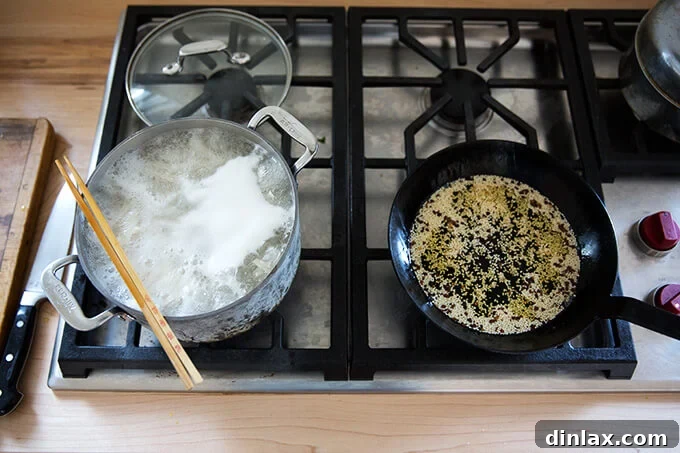
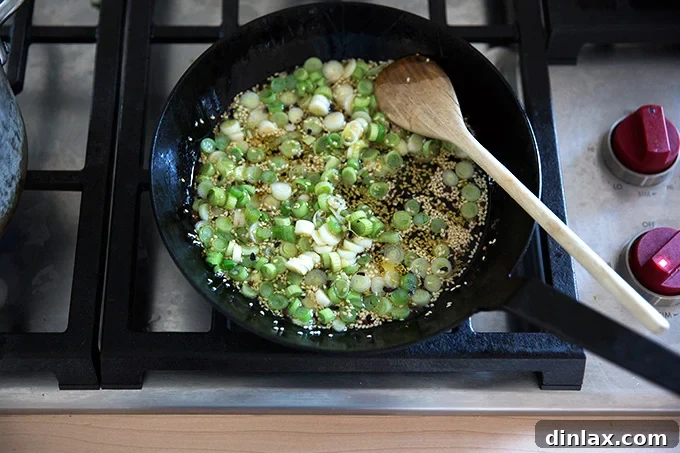
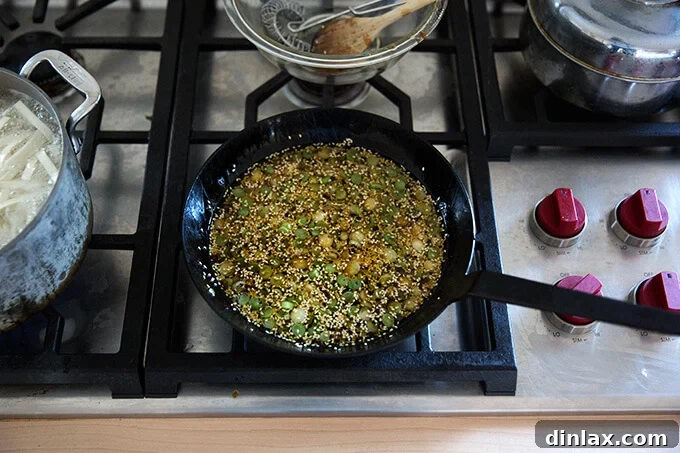
When your noodles have reached that perfect al dente texture – firm to the bite but cooked through – it’s time for the ingenious vegetable softening trick. Carefully drain the hot noodles directly over the shredded cabbage and carrots (or any other desired vegetables) placed in a colander in your sink. The steam and heat from the noodles will gently wilt the vegetables, achieving a tender-crisp texture that’s absolutely ideal.
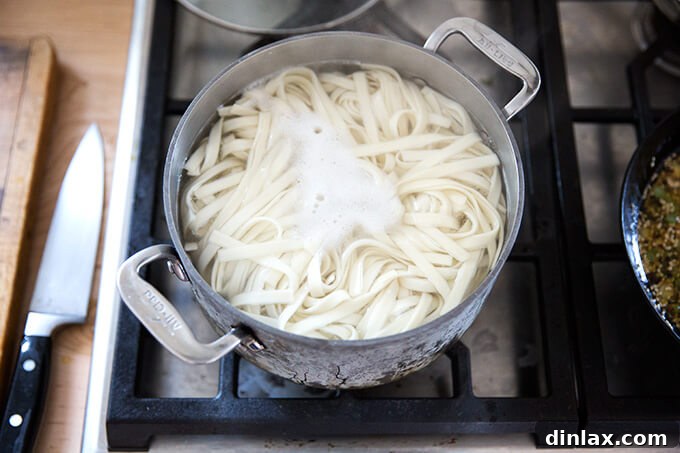
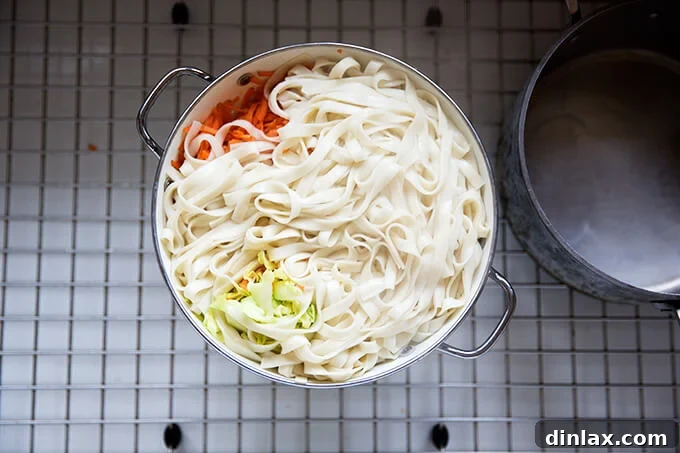
Next, transfer the perfectly cooked noodles and softened vegetables into a large serving bowl. Shower them with the vibrant scallion greens, which add a fresh, pungent counterpoint to the rich sauce. Give your chili-scallion sauce a quick re-simmer on the stovetop if it has cooled, then pour it generously over the noodles and vegetables. With a satisfying toss, ensuring every strand of noodle and every piece of vegetable is coated in the glossy, flavorful sauce, your masterpiece is complete.
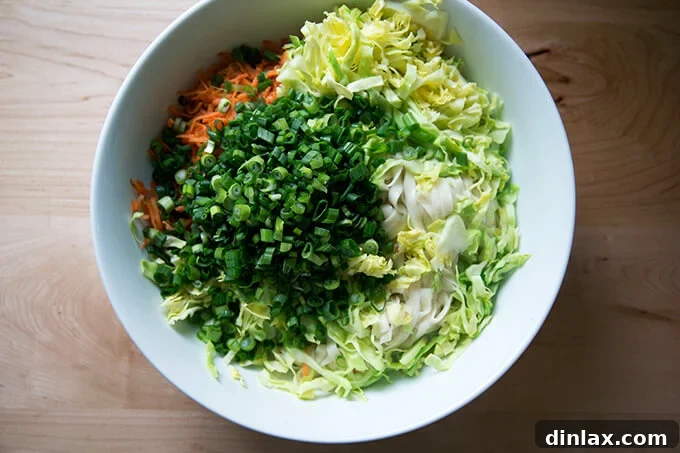
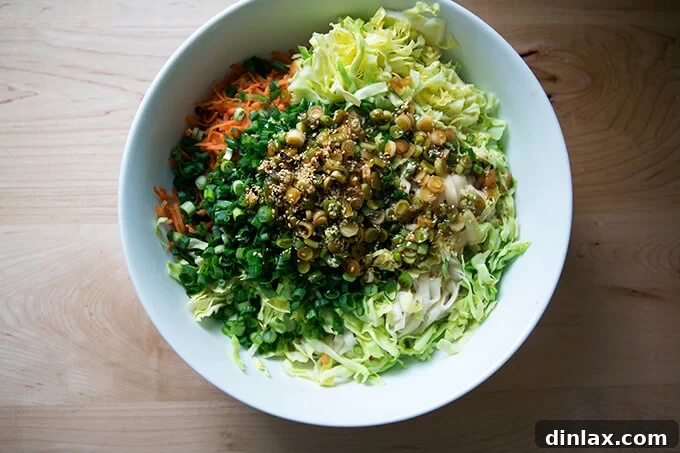
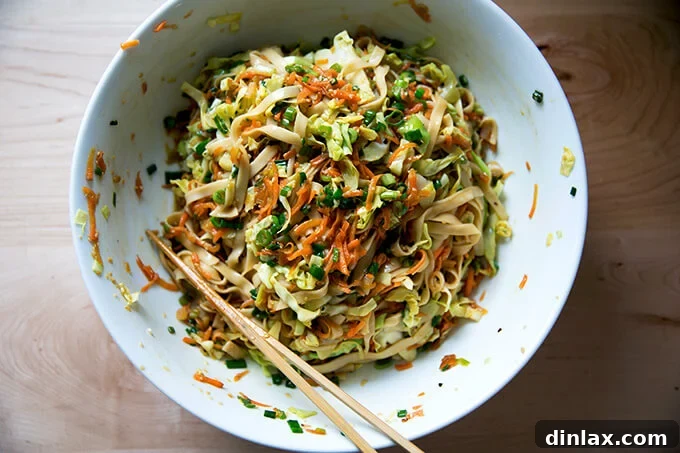
Serve immediately and savor the incredible blend of textures and tastes. These noodles are not just a meal; they’re an experience – quick, easy, and utterly satisfying. The blend of savory, spicy, sweet, and tangy flavors, coupled with the chewy noodles and crisp-tender vegetables, creates a truly addictive dish that you’ll want to make again and again.
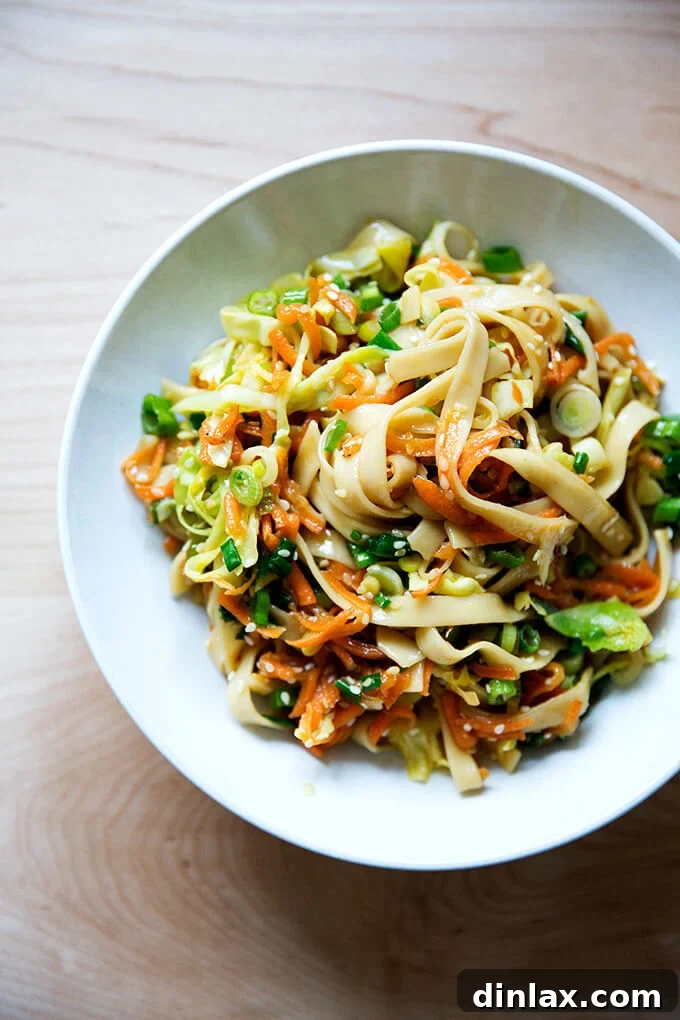
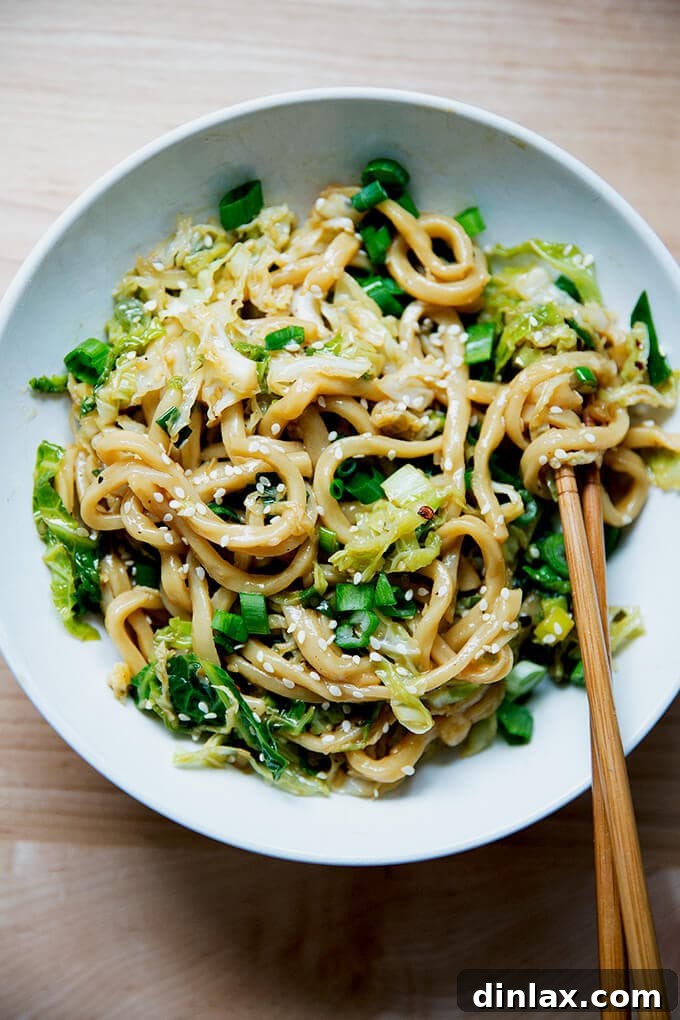
For an even fresher take, don’t hesitate to try this recipe with fresh udon noodles. Brands like Nasoya offer fantastic fresh udon options that cook quickly and deliver an even chewier, more delightful texture. While this particular version might omit the carrots, the core flavors remain just as robust and delicious.
Tips for a Perfect Bowl Every Time
- Adjusting the Heat: The amount of red pepper flakes is entirely up to your preference. Start with 1 teaspoon for a mild kick and gradually increase to 1¼ teaspoons or even more for a spicier experience. Remember, you can always add more heat at the table with an extra drizzle of chili oil.
- Vegetable Versatility: While cabbage and carrots are excellent, don’t be afraid to experiment. Finely chopped Romaine lettuce, spinach, bok choy, or even blanched broccoli florets could work wonderfully. The key is to choose vegetables that will soften quickly with the residual heat from the noodles.
- Sweetness Balance: The original Milk Street recipe calls for 3 tablespoons of brown sugar, but I find 2 tablespoons to be perfectly sweet without overpowering the other flavors. Adjust to your taste preferences.
- The “Mala” Sensation: For those who love the distinctive numbing and tingling sensation known as mala, infuse the grapeseed oil with crushed Sichuan peppercorns along with the red pepper flakes. This will add another layer of authentic Sichuan flavor.
- Making it Vegan/Vegetarian: This recipe is naturally vegan if you skip the optional fried egg. Ensure your noodles are plant-based (most dried udon are).
- Storage: While best served fresh, leftovers can be stored in an airtight container in the refrigerator for up to 2-3 days. Reheat gently on the stovetop or in the microwave, adding a splash of water or soy sauce if needed to rehydrate.
This lightning-fast Sichuan noodle dish is more than just a recipe; it’s an invitation to explore vibrant flavors and rediscover the joy of quick, home-cooked meals. It’s perfect for busy weeknights, last-minute cravings, or any time you need a delicious and satisfying dish without spending hours in the kitchen. Enjoy!
Print Recipe
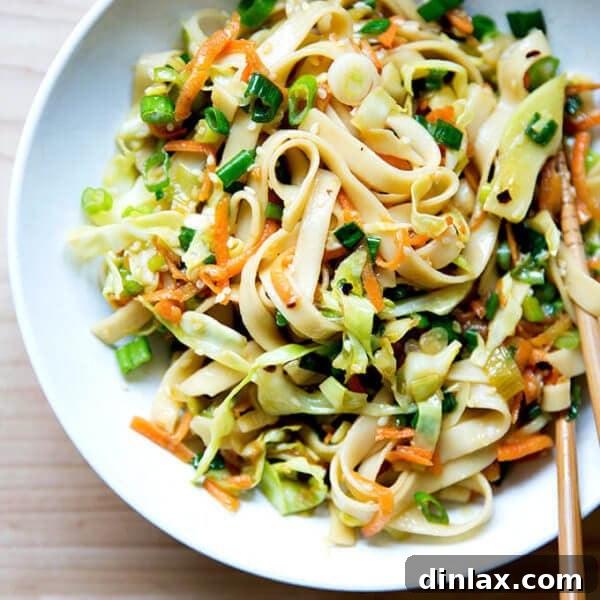
Sichuan Noodles with Chilies and Scallions
Average: 4.9 from 32 reviews
- Author: Alexandra Stafford
- Total Time: 20 minutes
- Yield: 4 servings
Description
Adapted from Milk Street (Subscribers to their newsletter often receive this recipe along with other delightful dishes like this curried lentil recipe and more).
I’ve incorporated a few modifications to enhance the dish:
- I highly recommend adding fresh vegetables such as shredded cabbage and carrots. When choosing vegetables, ensure they are suitable for softening with the residual heat of boiling water. Finely chopping or shredding them will aid in this process. Romaine lettuce, thinly sliced, also works very well.
- For the sauce, I personally prefer using 2 tablespoons of dark brown sugar, finding it adequately sweet. However, the original recipe suggests 3 tablespoons, which you can use if you prefer a sweeter profile.
- While optional, topping each serving with a fried egg adds a wonderful richness. If you choose to do so, fry the egg directly in the same skillet you used to infuse the oil with chilies, sesame seeds, and scallions for maximum flavor and minimal cleanup.
For an adventurous twist, consider infusing the grapeseed oil with crushed Sichuan peppercorns during the oil heating step. This will introduce the unique numbing mala sensation characteristic of Sichuan cuisine. I’ll be sure to update you on my experiments with this!
Ingredients
- Kosher salt
- 5 tablespoons soy sauce
- 3 tablespoons unseasoned rice vinegar
- 2 to 3 tablespoons packed dark brown sugar (I use 2; original recipe calls for 3)
- 1 tablespoon toasted sesame oil
- ¼ cup grapeseed or other neutral oil
- 5 teaspoons sesame seeds
- 1 to 1¼ teaspoons red pepper flakes (adjust to your heat preference)
- 12 scallions, white and green parts thinly sliced on the bias, reserved separately
- 1 small cabbage, finely sliced, optional
- 1 to 2 large carrots, grated using the shredder attachment of a food processor, optional
- 12 ounces dried udon noodles, lo mein or spaghetti, or fresh udon noodles (fresh udon, such as the Nasoya brand, are my favorite for their chewiness)
Instructions
- Bring a large pot of salted water (I use 1 tablespoon kosher salt) to a boil. In a small bowl, whisk together the soy sauce, vinegar, sugar, and sesame oil to form your sauce base.
- In a 12-inch skillet over medium heat, combine the grapeseed oil, sesame seeds, and red pepper flakes (use 1 teaspoon or less if you are sensitive to heat). Heat until the pepper flakes become fragrant and the sesame seeds begin to lightly brown, typically 3 to 5 minutes. Remove the skillet from the heat, stir in the scallion whites, then add the whisked soy sauce mixture. Set this flavorful sauce aside.
- If you haven’t already, prepare your optional vegetables. Finely slice the cabbage and grate the carrots using a food processor’s shredder attachment. Place these prepared vegetables in a large colander in your sink.
- Cook your chosen noodles until they are al dente. My dried Udon noodles typically take about 7 minutes, but always refer to the package instructions for the specific cooking time of your noodles. Once cooked, drain the hot noodles directly over the vegetables in the colander. The steam will gently soften them.
- Transfer the noodles and softened vegetables to a large serving bowl. Add the vibrant scallion greens. Bring the sauce in the skillet back to a gentle simmer on the stovetop if it has cooled down. Pour the warmed sauce over the noodles and vegetables. Toss everything together thoroughly to ensure the noodles and vegetables are evenly coated. Serve immediately and enjoy your quick and delicious meal!
- Prep Time: 15 minutes
- Cook Time: 5 minutes
- Category: Dinner
- Method: Boil, Sauté
- Cuisine: Chinese