Skip to Recipe
From Pizzeria Mozza to Your Kitchen: The Ultimate Butterscotch Budino Ice Cream Adventure
Ah, the butterscotch budino from Pizzeria Mozza. A dessert so profoundly delicious, so utterly captivating, that it once inspired me to undertake a 70-mile pilgrimage to Los Angeles, braving the city’s notorious traffic, all for a single, perfect spoonful. It was more than just a dessert; it was an experience, a creamy, salty-sweet revelation that lingered long after the last bite. For years, this culinary masterpiece remained a treasured memory, a benchmark against which all other butterscotch desserts were measured.
Then, a unique opportunity presented itself. My husband, bless his heart, is not a fan of butterscotch. So, when he left town for a night, the culinary world opened up before me. It was my chance to recreate that legendary Pizzeria Mozza butterscotch budino in the quiet solitude of my kitchen. I eagerly turned to the New York Times recipe, a renowned adaptation of Mozza’s original, anticipating a delightful evening of rich, creamy indulgence.
What I hadn’t fully anticipated, however, was the sheer generosity of the recipe. Halfway through the process, I realized I was making enough budino to feed a small army, or perhaps an entire village. My husband was only away for one night! Panic set in. How could one person possibly consume such a vast quantity of this exquisite dessert without assuming the physical proportions of a small village themselves? While tossing it seemed sacrilegious, continuing to eat it at the rate I was going seemed equally perilous to my waistline. I needed a plan, a culinary intervention, and I needed it fast.
That’s when inspiration struck, a flash of brilliance born of desperation and an abundance of delicious custard. I looked at my KitchenAid ice cream attachment, gleaming expectantly on the counter, and knew what I had to do. I scooped the remaining budino into the churn, and let the machine work its magic, transforming the luscious pudding into something entirely new. What emerged was nothing short of miraculous: Butterscotch Budino Ice Cream. I’ve never had salted caramel ice cream, but if it tastes like this, I understand the hype. This frozen adaptation was absurdly delicious, a symphony of sweet, salty, and creamy notes that danced on the palate.
The Evolution of a Dessert: From Budino to a Better Ice Cream
This happy accident, this unintended transformation, saved me from becoming a human-sized budino. The ice cream disappeared from my freezer almost as quickly as the original budino had vanished from my fridge. It was an instant hit, and I knew I had to revisit the recipe, not just for myself, but to perfect this new, frozen incarnation. The first adjustment was crucial: removing the butter. While butter in ice cream can be incredibly decadent, the original budino recipe already contained a significant amount of fat. For ice cream, it felt a little excessive, almost… gross, as delicious as it was. The goal was smooth, creamy, and flavorful, not overly heavy.
The new, butter-free batch proved to be just as, if not more, delicious. I believe it’s the relatively high amount of cornstarch that gives this custard-based ice cream its incredibly smooth, almost chewy texture, perfectly devoid of ice crystals. The touch of rum also contributes a subtle depth of flavor that elevates the butterscotch to new heights. It was a texture dream, a velvety indulgence that melted beautifully in the mouth. This wasn’t just butterscotch ice cream; it was budino ice cream, retaining all the rich character of its pudding predecessor.
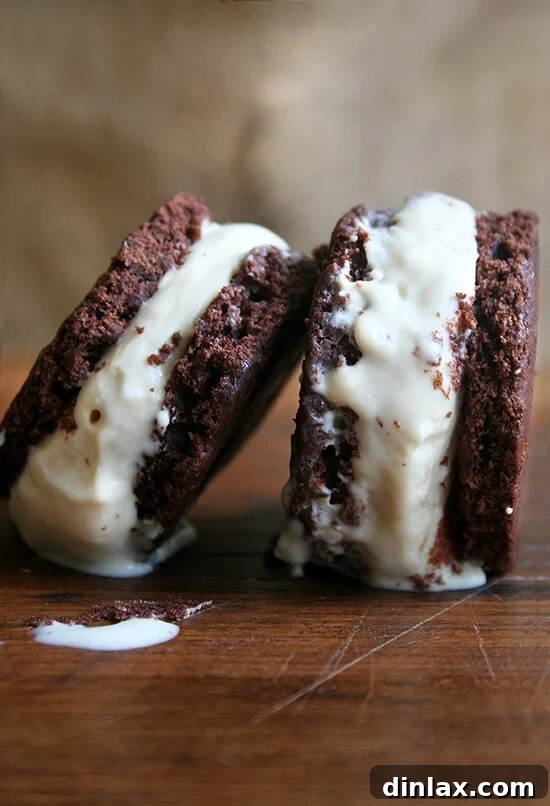
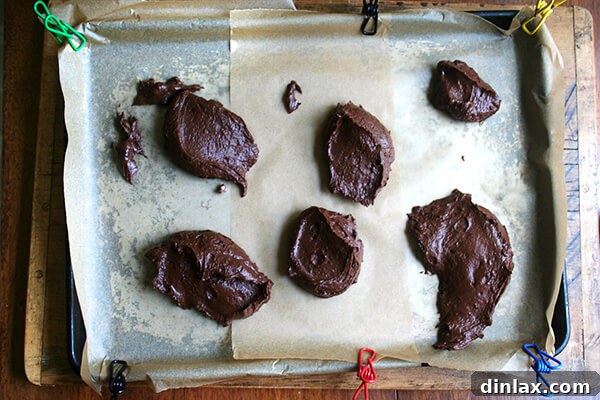
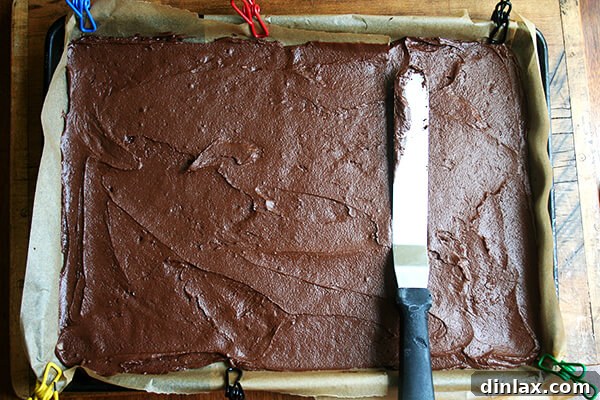
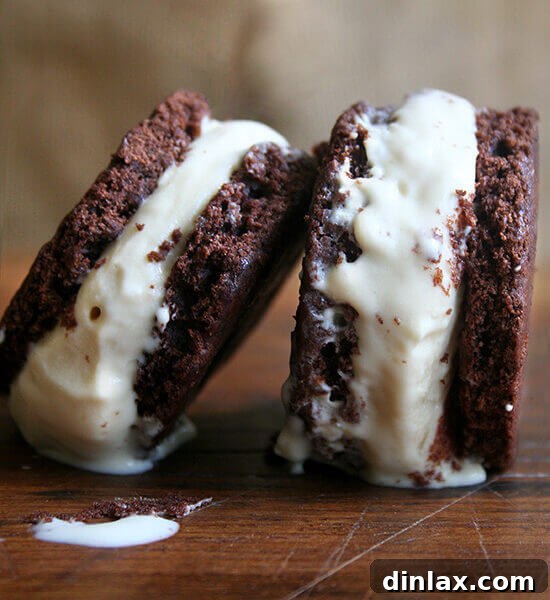
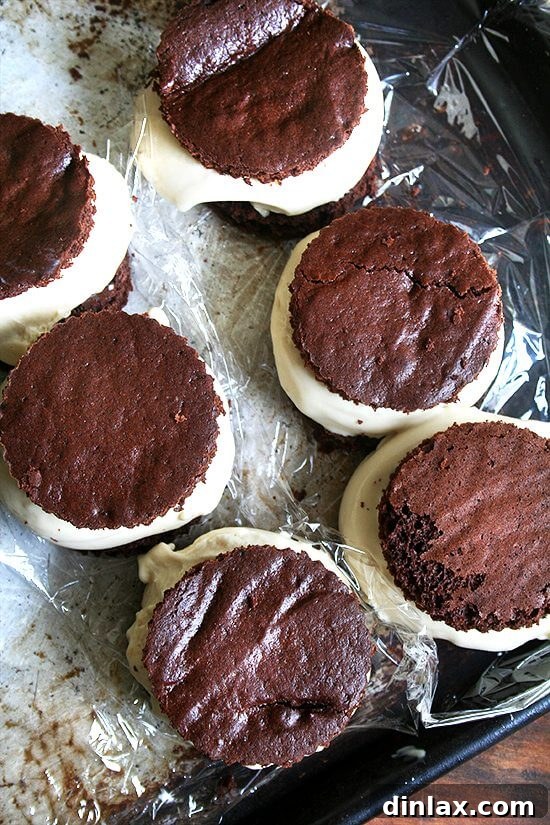
My culinary journey didn’t stop there. With the ice cream perfected, my thoughts turned to another classic: the ice cream sandwich. I made a third batch of this glorious butterscotch budino ice cream, intending to create a truly special treat. For the cookies, I found a fantastic recipe from Fine Cooking that promised soft, chewy chocolate rounds, reminiscent of the classic ice cream sandwich cookies we all know and love. These cookies were the perfect complement, a slightly bitter chocolate note providing balance to the intense sweetness of the butterscotch ice cream. I have a strong feeling these homemade ice cream sandwiches will be a staple in my kitchen all summer long, bringing joy to every bite.
On a related note, to the five lucky commenters—Trish, Kamilla, Elisa, Judy, and Dorothea—who will receive a bag of Tipo 00 flour, congratulations! Aside from my friend Bates, who undoubtedly deserves a bag, you were selected by a random generator. I’ve sent out emails. I wish I could send a bag to everyone who commented, your enthusiasm truly makes this culinary sharing worthwhile!
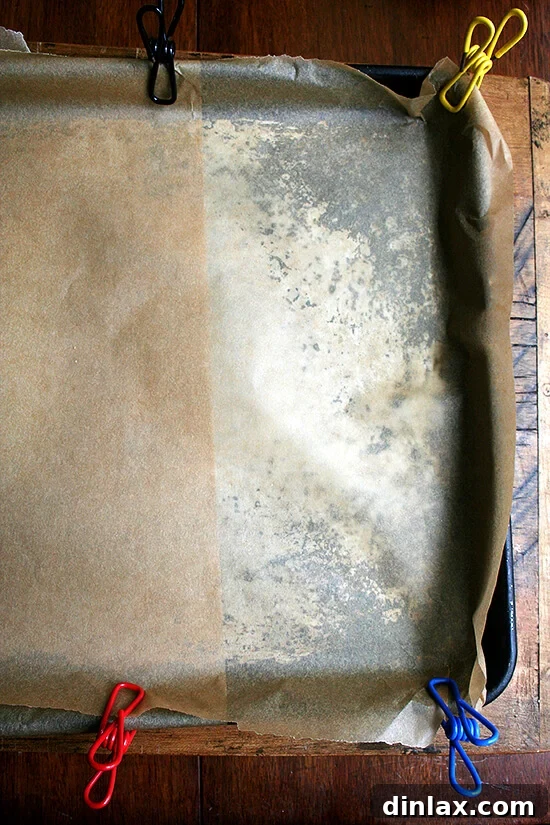
My aunt recently sent me these incredible Everything Clips. They are genuinely awesome for a multitude of kitchen tasks, but I’ve found them particularly indispensable for securely fastening parchment paper to baking pans, preventing any slippage or curling during baking:
Print Recipe
Butterscotch Budino Ice Cream & Sandwiches
5 Stars
4 Stars
3 Stars
2 Stars
1 Star
No reviews
- Author: Alexandra Stafford at alexandracooks.com
- Total Time: 60 minutes
Description
This recipe offers a delightful twist on Pizzeria Mozza’s legendary butterscotch budino, transforming it into an irresistibly smooth, rich ice cream. For an even more indulgent treat, we pair this incredible ice cream with soft, chewy chocolate cookies to create homemade ice cream sandwiches. Perfect for a warm day or a luxurious dessert, this recipe brings a touch of gourmet magic right into your home.
If you prefer to make the classic butterscotch budino pudding (without turning it into ice cream), you can follow this New York Times recipe, from which this ice cream adaptation was inspired.
Ingredients
For the Butterscotch Custard Base:
- 1 1/2 cups heavy cream
- 3/4 cup whole milk (or your preferred milk)
- 2 large egg yolks
- 2 1/2 tablespoons cornstarch
- 1/2 cup + 1 tablespoon light brown sugar
- 3/4 teaspoon kosher salt
- 1 tablespoon dark rum (optional, but highly recommended for depth of flavor)
For the Ice Cream Sandwich Cookies:
- Follow the recipe provided on Fine Cooking for soft chocolate cookies (or your favorite chocolate wafer cookie recipe).
Instructions
- Prepare Wet and Dry Mixtures: In a medium bowl or pitcher, combine the heavy cream and milk. Set aside. In a separate medium bowl, whisk together the egg yolks and cornstarch until completely smooth. A helpful tip for avoiding lumps: crack the yolks into the bowl first, then spoon in a small amount of cornstarch. Stir with a spoon until fully incorporated before gradually adding more cornstarch, repeating until all of it has been blended in. This method helps prevent the cornstarch from clumping around the whisk.
- Caramelize the Sugar: In a sturdy pot (preferably heavy-bottomed to prevent scorching), combine the brown sugar, kosher salt, and 1/4 cup of water. Place the pot over medium-high heat. Allow the mixture to heat undisturbed until the edges begin to brown. Continue to cook, gently tilting the pot as needed to ensure even caramelization, until the mixture turns a deep, rich brown and smells nutty, typically about 10 minutes. The mixture should be bubbling consistently, so adjust the heat as necessary to maintain a steady, not violent, boil. A timer can be your best friend here, as visual cues can be tricky, but 10 minutes has consistently yielded perfect results for me.
- Combine Caramel and Custard: Immediately and carefully whisk the reserved cream mixture into the hot caramel. Be cautious, as the mixture will vigorously steam and the caramel will seize into a hard lump. Continue whisking over medium heat until the caramel lump dissolves completely and the mixture returns to a boil. Reduce the heat to medium. To temper the egg yolks, slowly whisk about one cup of the hot cream mixture into the egg yolk and cornstarch mixture until well combined. This prevents the eggs from scrambling. Then, remove the pot from the heat and immediately whisk the tempered egg mixture back into the hot liquid in the pot. Whisk continuously and vigorously for about 2 minutes, until the custard thickens considerably. It should be noticeably dense and coat the back of a spoon.
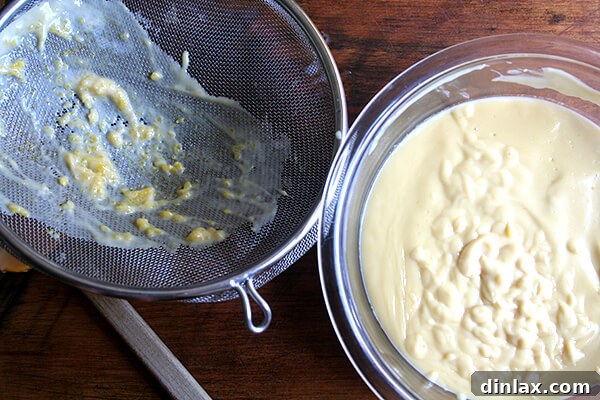
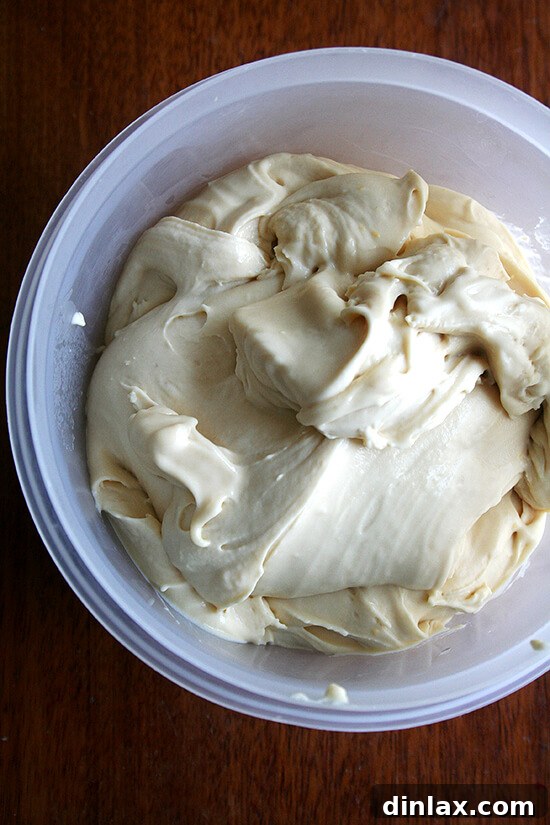
- Refine and Chill the Custard: Whisk the rum into the thickened custard. For an exceptionally smooth texture, pass the custard through a fine-mesh strainer into a clean storage container (glass or Pyrex is ideal). This step is crucial for removing any small curdled bits or undissolved cornstarch, ensuring a silky-smooth final product. Cover the surface of the custard directly with plastic wrap to prevent a skin from forming. Allow it to cool at room temperature, then refrigerate until thoroughly chilled—the longer, the better, preferably overnight or for at least 4-6 hours. This deep chill is vital for the ice cream maker to properly churn the custard.
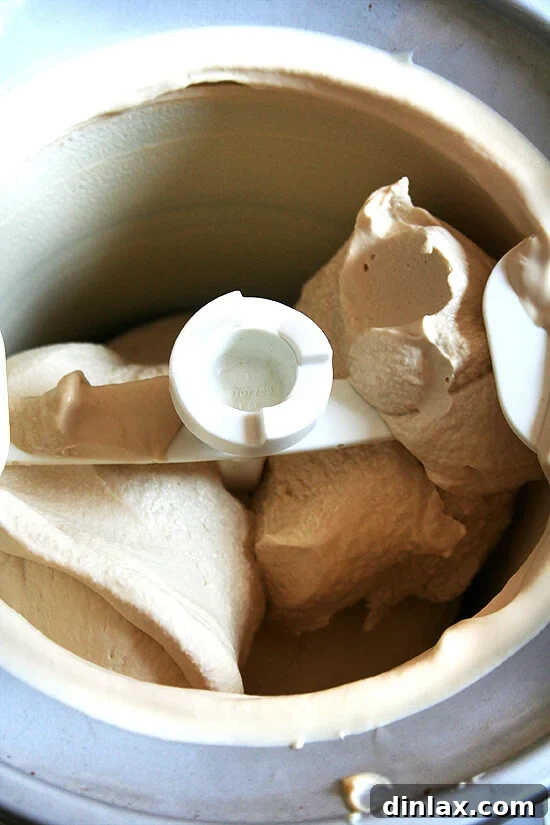
- Churn into Ice Cream: Once the custard is completely chilled, transfer it to your ice cream maker. Follow your machine’s specific instructions for churning. The process usually takes about 20-30 minutes, resulting in soft-serve consistency. Transfer the churned ice cream to an airtight container and freeze for several hours, or until it reaches your desired firmness, before serving.
For the Ice Cream Sandwich Cookies:
Prepare your chocolate cookies according to the Fine Cooking recipe. Bake, cool, and then proceed with assembling the ice cream sandwiches.
Notes
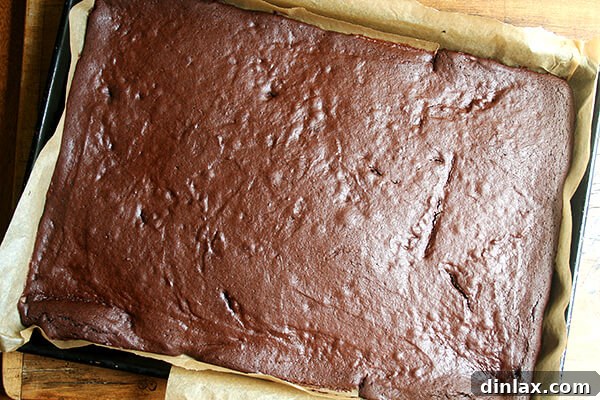
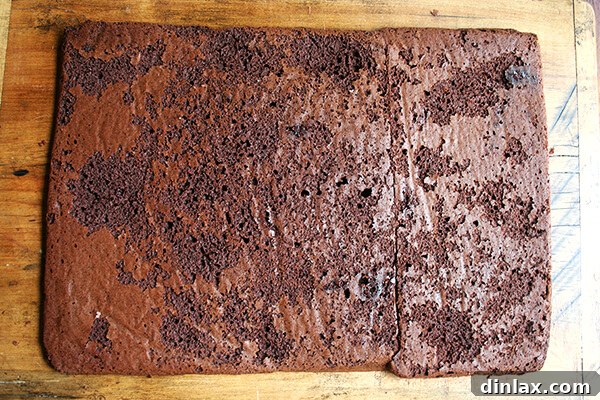
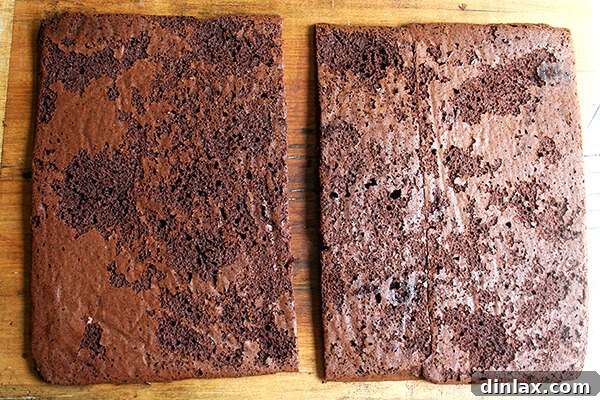
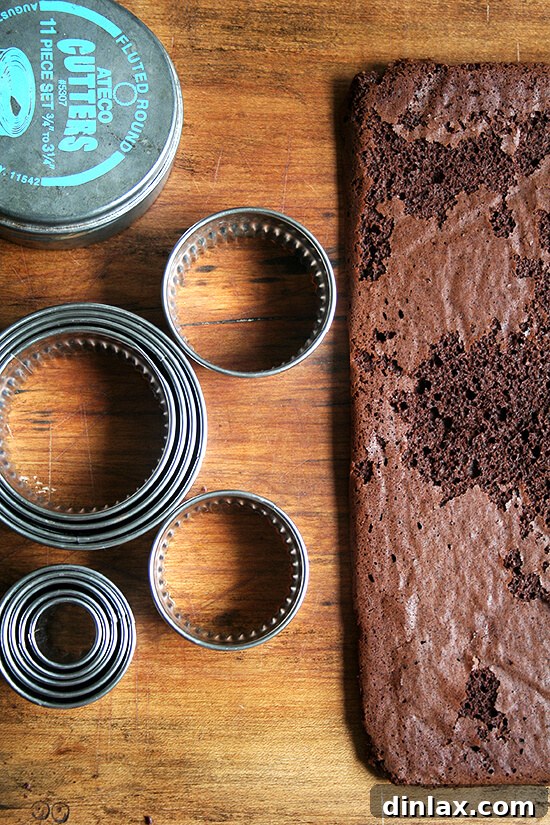
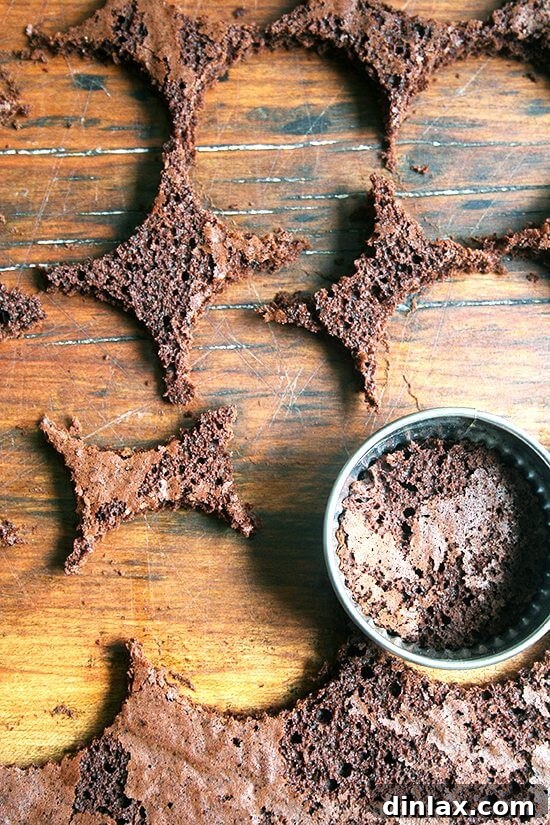
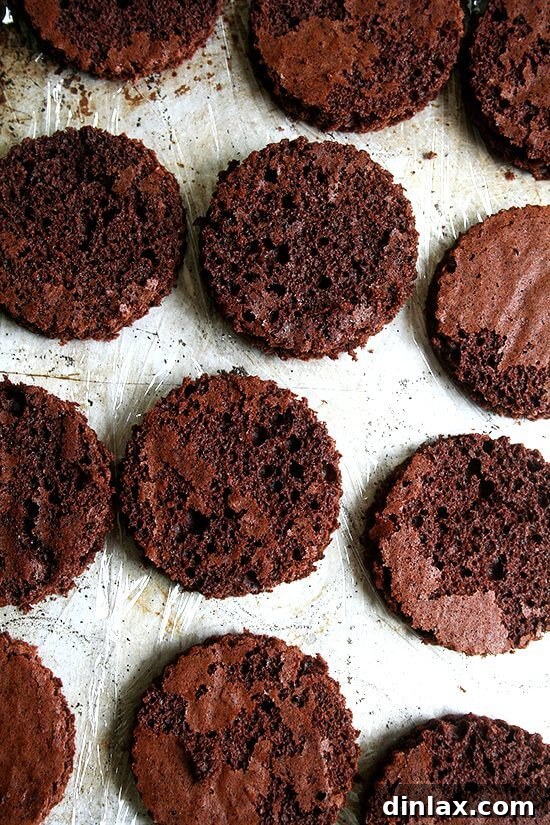
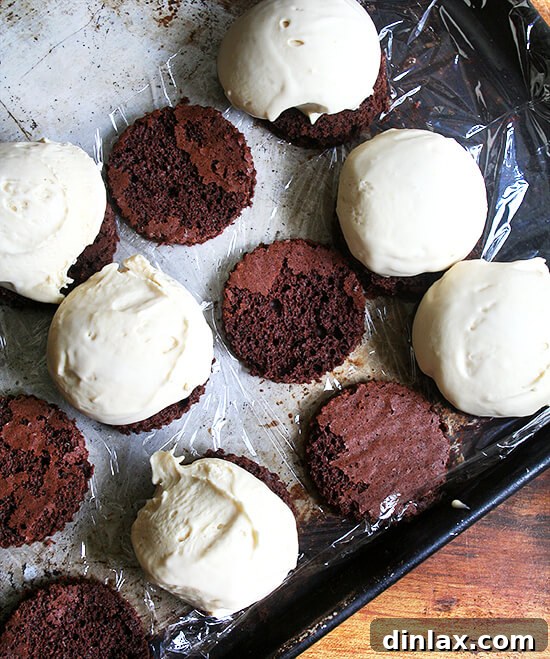
When making ice cream sandwiches, I initially used a 2.5-inch round fluted cutter to create individual, perfectly shaped cookies. While undeniably charming and fun, this method does generate a fair amount of cookie scrap. If you opt for this approach, you can expect to yield approximately 12 sandwiches per batch of cookie dough. A benefit of this technique is that your ice cream doesn’t need to be overly soft to assemble – if it’s merely scoopable, you’re good to go. I actually found my ice cream was a little too soft at first, but it still worked beautifully between the cut cookies.
For the cookie scraps, don’t let them go to waste! Freeze them and then crumble them to sprinkle over the sides of a frosted cake, toast them lightly for a delightful crunch over a bowl of ice cream, or even mix them into milkshakes. I’m sure your creativity will find even more delicious uses!
However, the waste and the extra steps of cutting and scooping made me reconsider. Next time, I think I’ll revert to the traditional method of creating larger, square ice cream sandwiches by spreading the ice cream over a whole sheet of baked cookie and then cutting. This minimizes waste and streamlines the assembly.
Additionally, I noticed that the robust flavor of the chocolate cookie sometimes masked the delicate butterscotch notes of the ice cream in these sandwiches. For future iterations, I might consider pairing these soft chocolate cookies with a more neutral ice cream flavor, perhaps a classic vanilla bean, to truly let the chocolate shine. For the butterscotch budino ice cream itself, I’m brainstorming the best ‘vessel’ to showcase its unique flavor. Perhaps a thin, crisp chocolate wafer cookie bowl, or even simple shortbread? I will certainly report back with my findings once I discover the ultimate pairing for this magnificent butterscotch creation.
For best results, ensure your ice cream maker’s bowl is thoroughly frozen (usually 12-24 hours). Don’t overchurn the ice cream, as this can make it less creamy. Once churned, transfer the ice cream to an airtight container and press a piece of plastic wrap directly onto the surface before sealing the lid. This helps prevent freezer burn and keeps your ice cream fresh and delicious for longer.
- Prep Time: 45 minutes
- Cook Time: 15 minutes
Straining the custard after it thickens is a crucial step that ensures a silky-smooth, lump-free ice cream. It effectively removes any small curdled bits that might have formed or any undissolved cornstarch, contributing to the perfect texture.